
After spending a very relaxing month and a half in Vermont, we spent two nights with wonderful friends on our way the Washington, DC. I have always been fascinated by the capitol of our country and all the free public displays of art, politics, culture, and history here. There is no other American city like it.

Just when we arrived, after trying to shut down the government earlier, the zany Republicans kicked out their own Speaker of the House instead. Chaos ensued. While we walked around this political power center, we were amazed at how this place worked but feared for the future of our country.
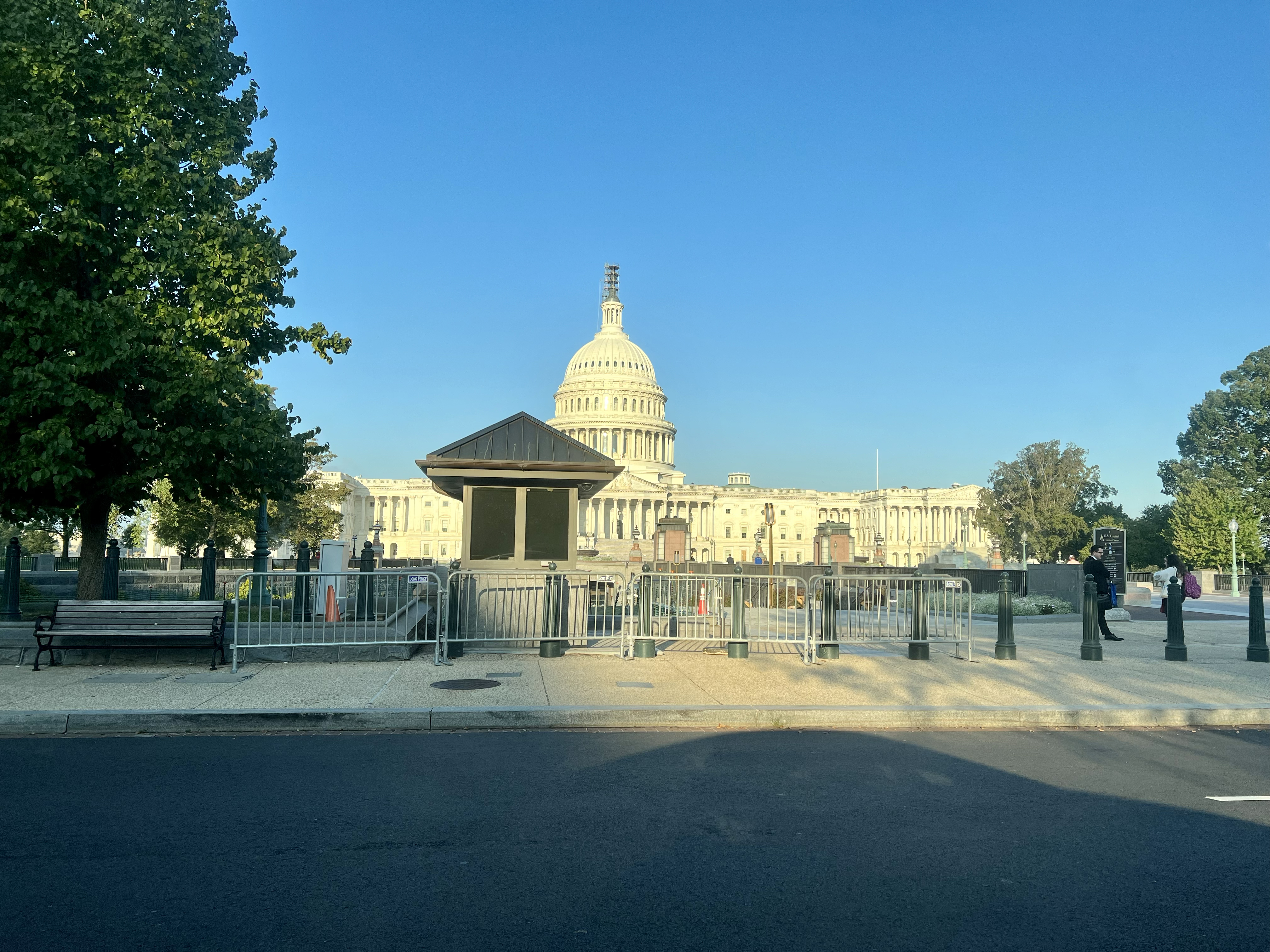
During our short visit to DC, we tried to see as many dear friends as possible. We revisited the wonderfully renovated Martin Luther King, Jr. Memorial Library designed by Mies van der Rohe. We also visited the National Gallery and sampled some of DC’s great food options.


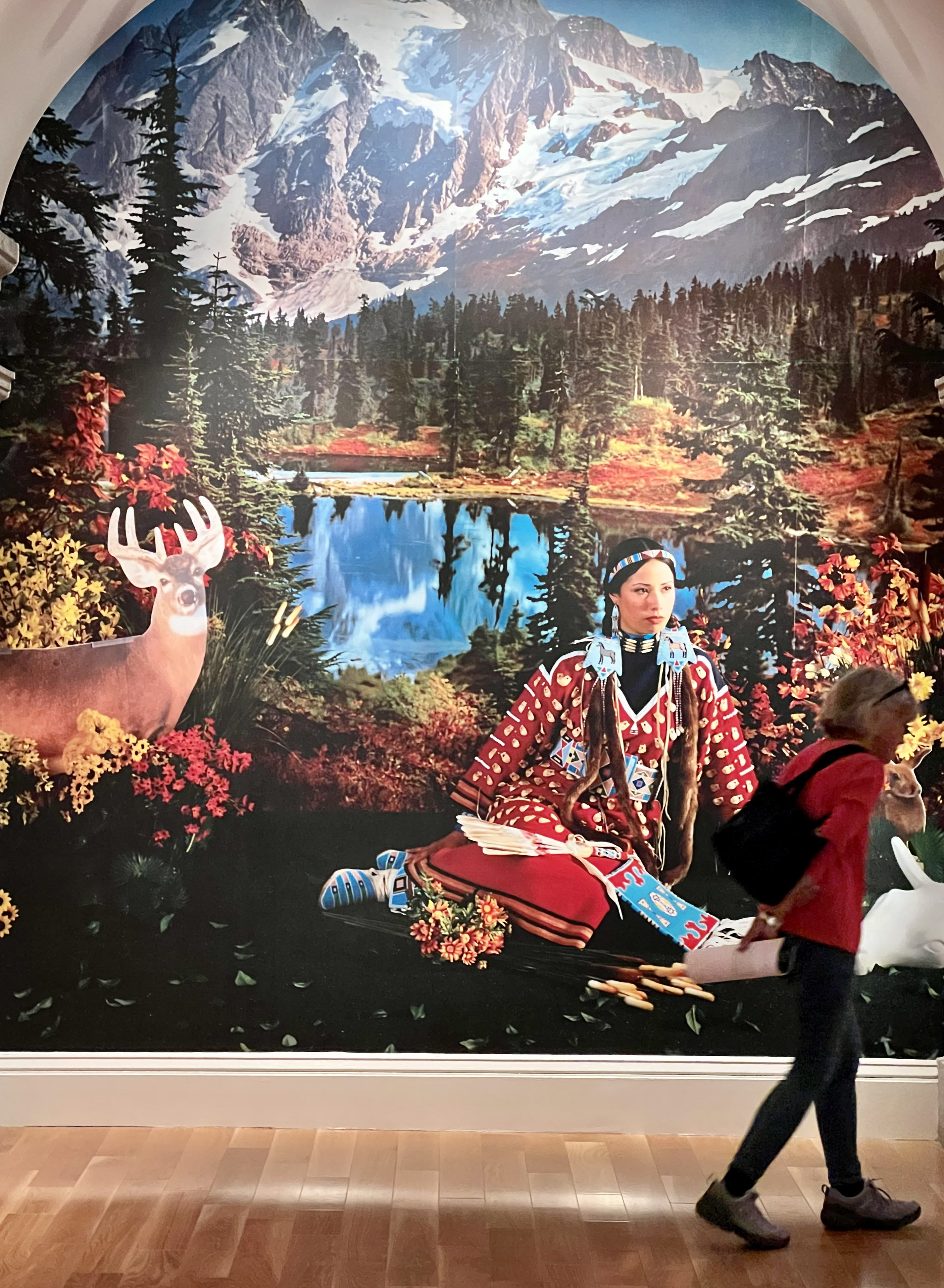
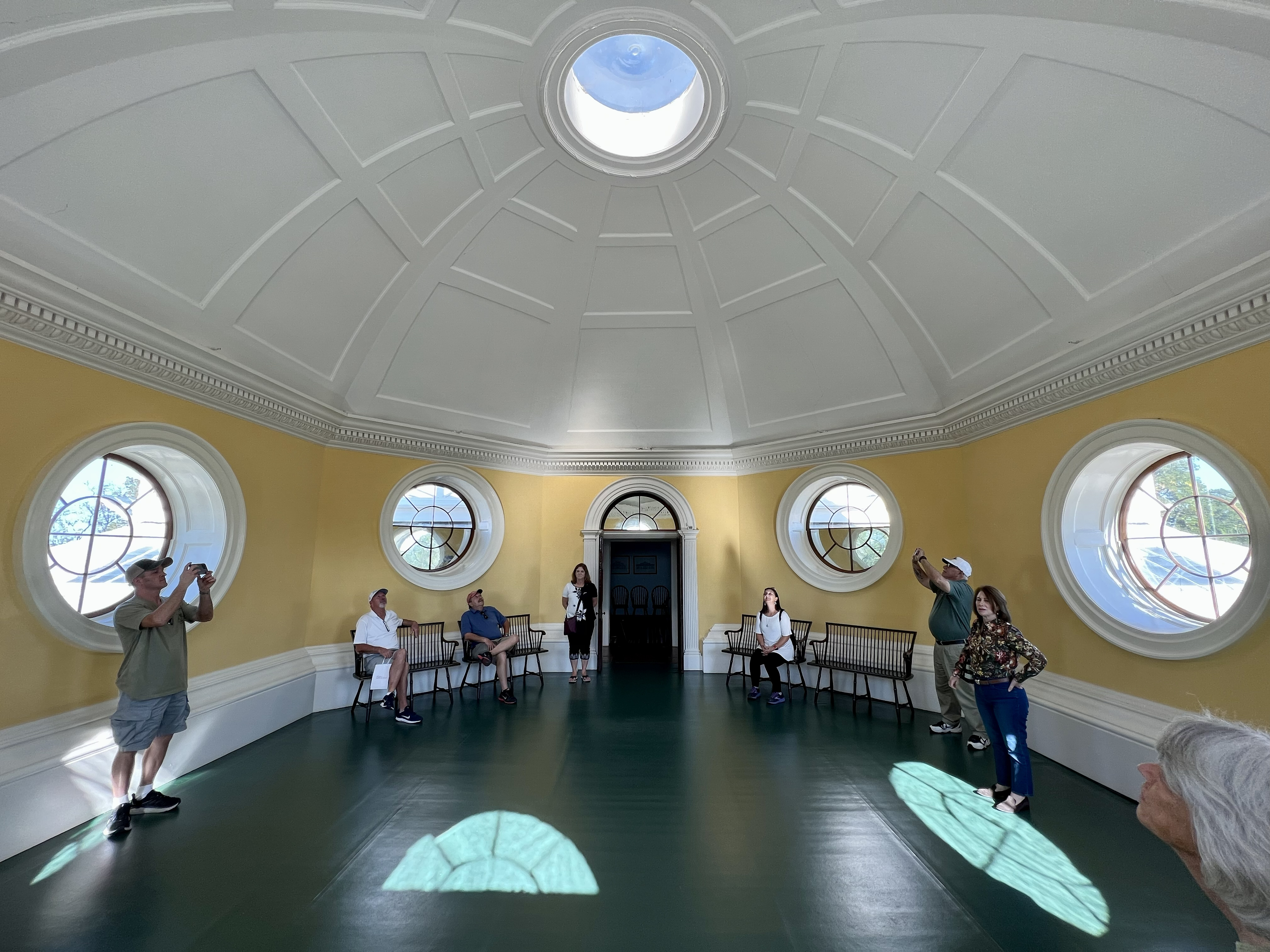
As we left behind the craziness of DC, we were focused on how our country has dealt with other periods of crisis in its history. In the beautiful southern Virginia countryside is Monticello, the creation and home of our third president, Thomas Jefferson. This place has been designated a National Historic Landmark and a UNESCO World Heritage Site. Jefferson designed the house using neoclassical design influenced by Italian Renaissance architect Andrea Palladio. He reworked the design during much of his presidency consciously creating a new architecture for a new nation.
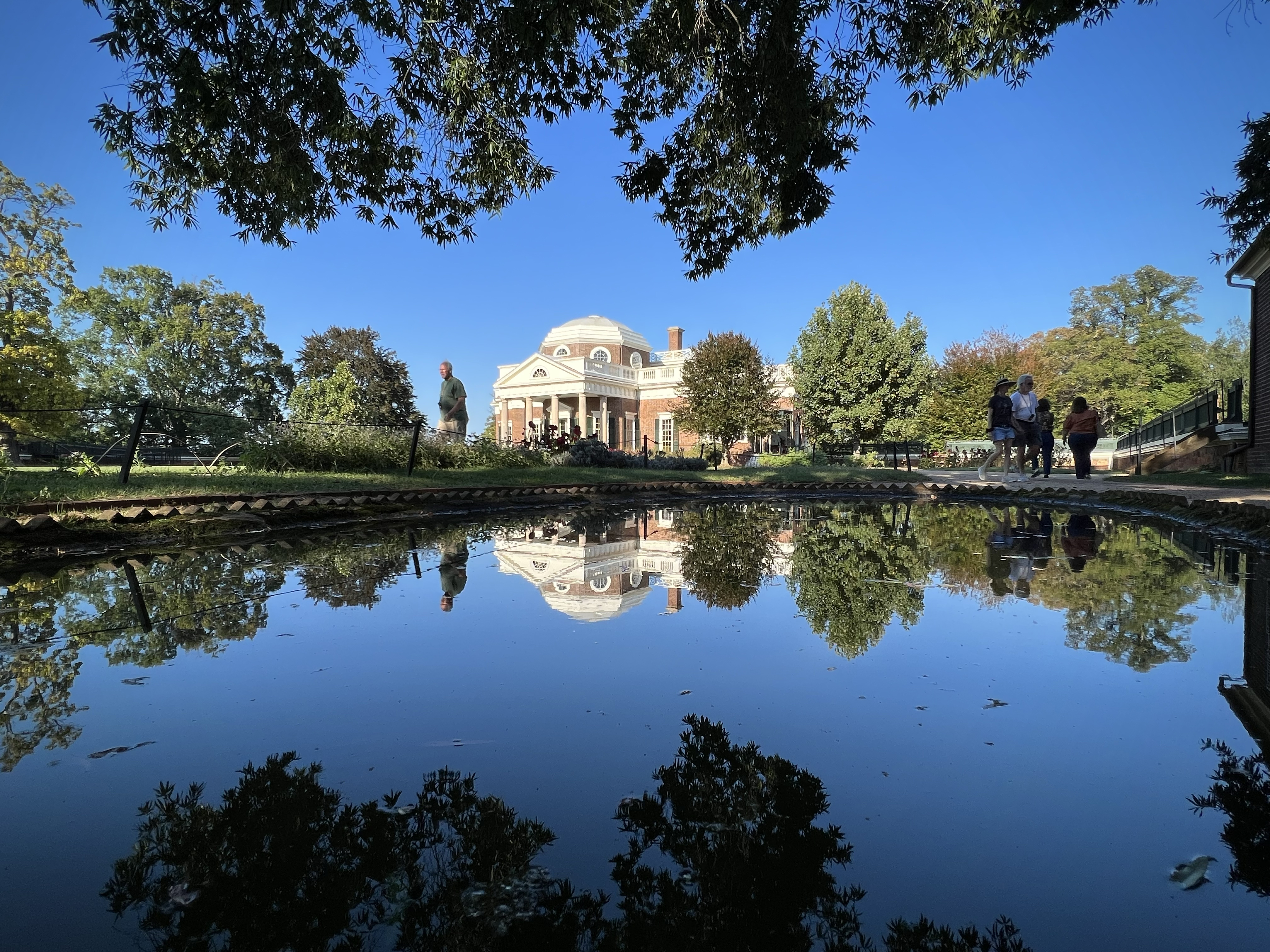
Jefferson was a collector, and his home was filled with items gathered over a very eventful lifetime. We took a wonderful, guided tour and as we entered the forayer, we saw on displayed many specimens brought back by the Louis and Clark expedition that Jefferson had initiated.


In addition to being a great writer, Jefferson was also a great book collector. When the British burned Washington, DC during the War of 1812, he sold his vast library to the US Government to help rebuild the Library of Congress. I was fascinated by the books in his remaining library.

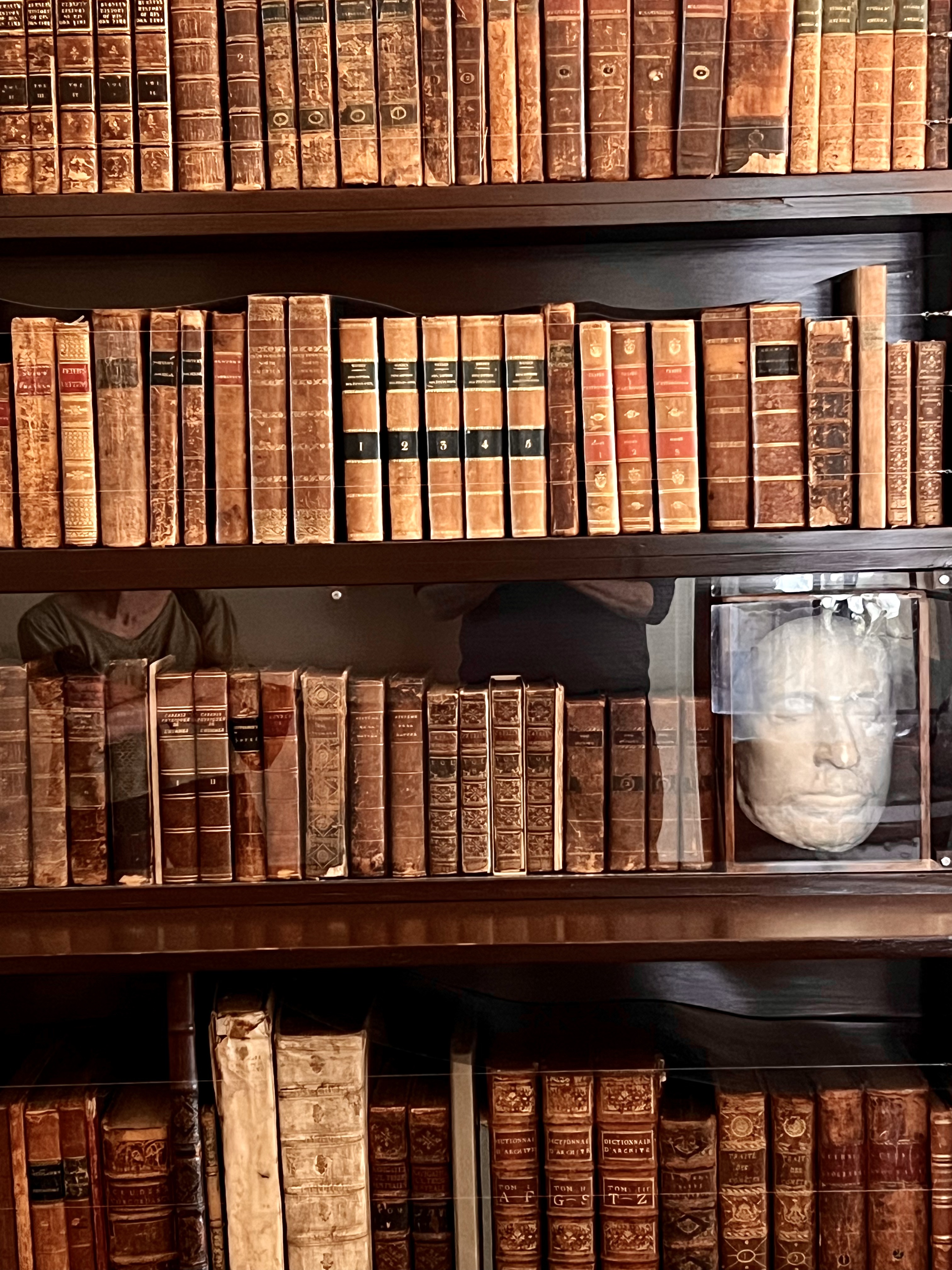

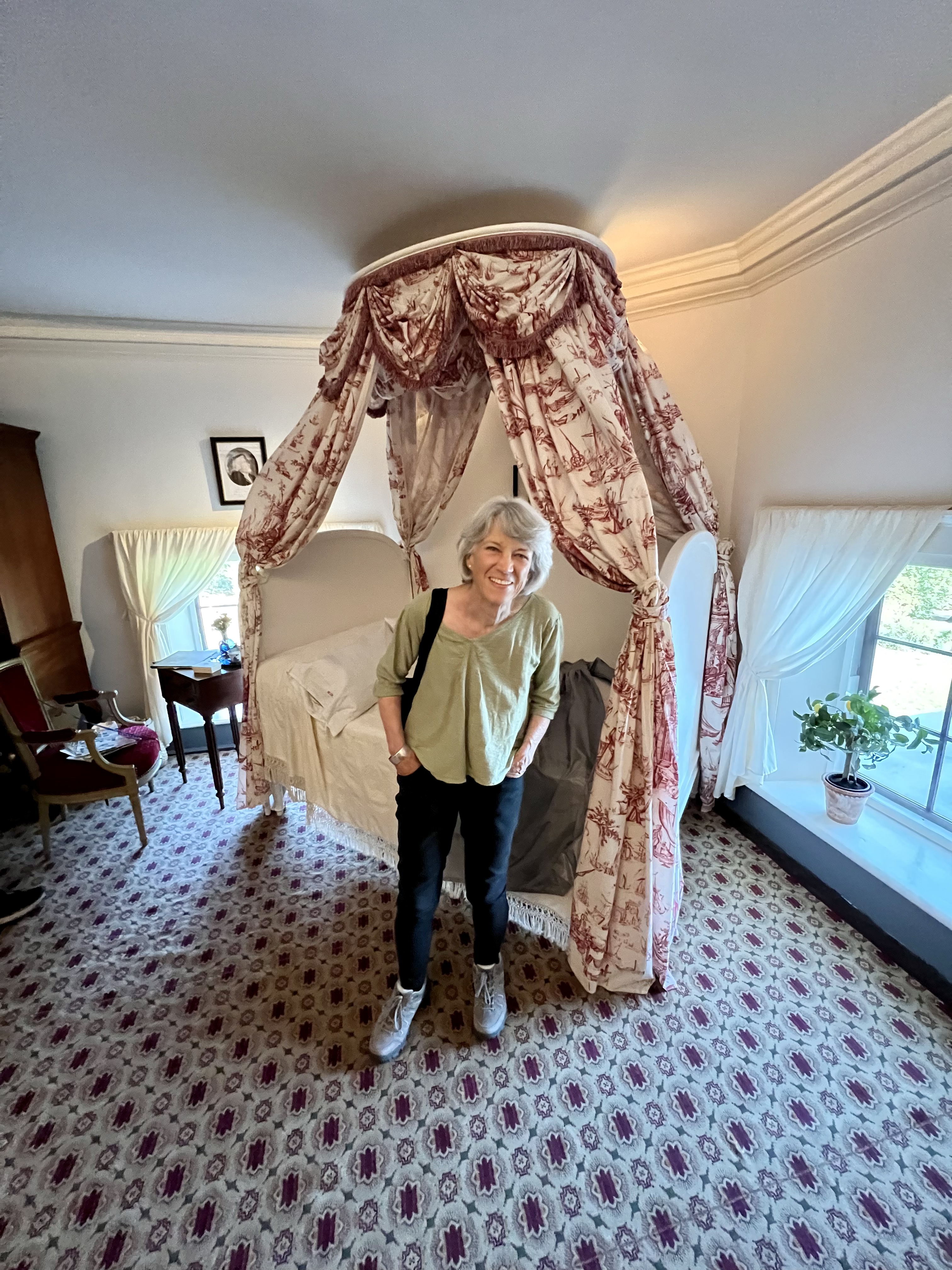
We came away from the tour of the house with a much better sense of the thinking and imagination of Thomas Jefferson. His home reflects his classical training and, like Jefferson himself, is a product of the enlightenment.



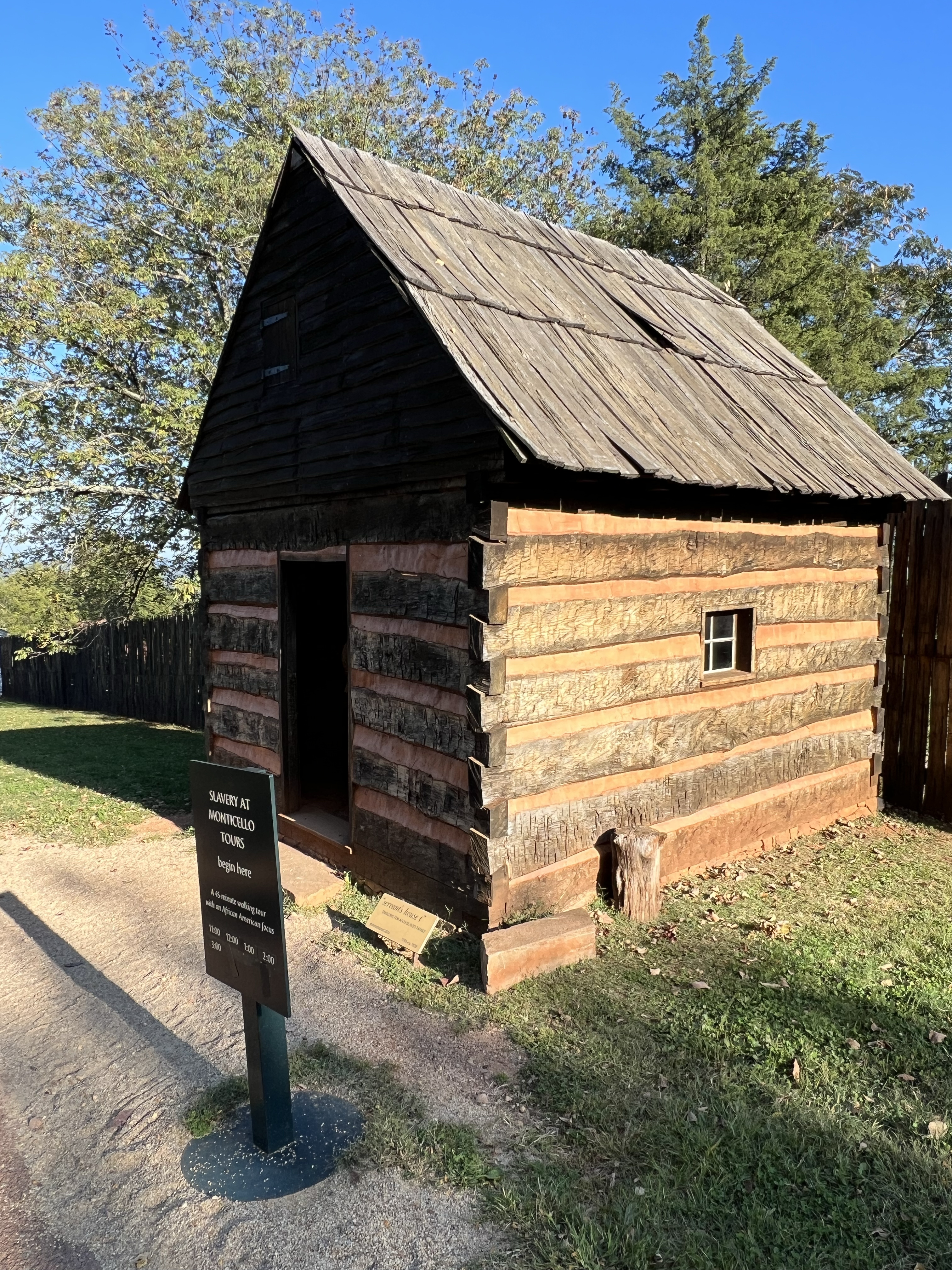
Once we went outside, however, we encountered the other side of this complicated man. The slave cabin of his mistress Sally Hemmings was here as were the fields where Jefferson’s slaves worked. Jefferson fathered four children with Hemmings while here at Monticello. He never freed her during his lifetime and there are hundreds of their descendants alive today. This history was well explained here and didn’t pull any punches talking about the reality of slavery in the antebellum South. We pondered the maddeningly complex character of Jefferson who could unite a nation with his famous Declaration of Independence and yet still own over 600 slaves and advocate for the removal of Native Americans from their lands.

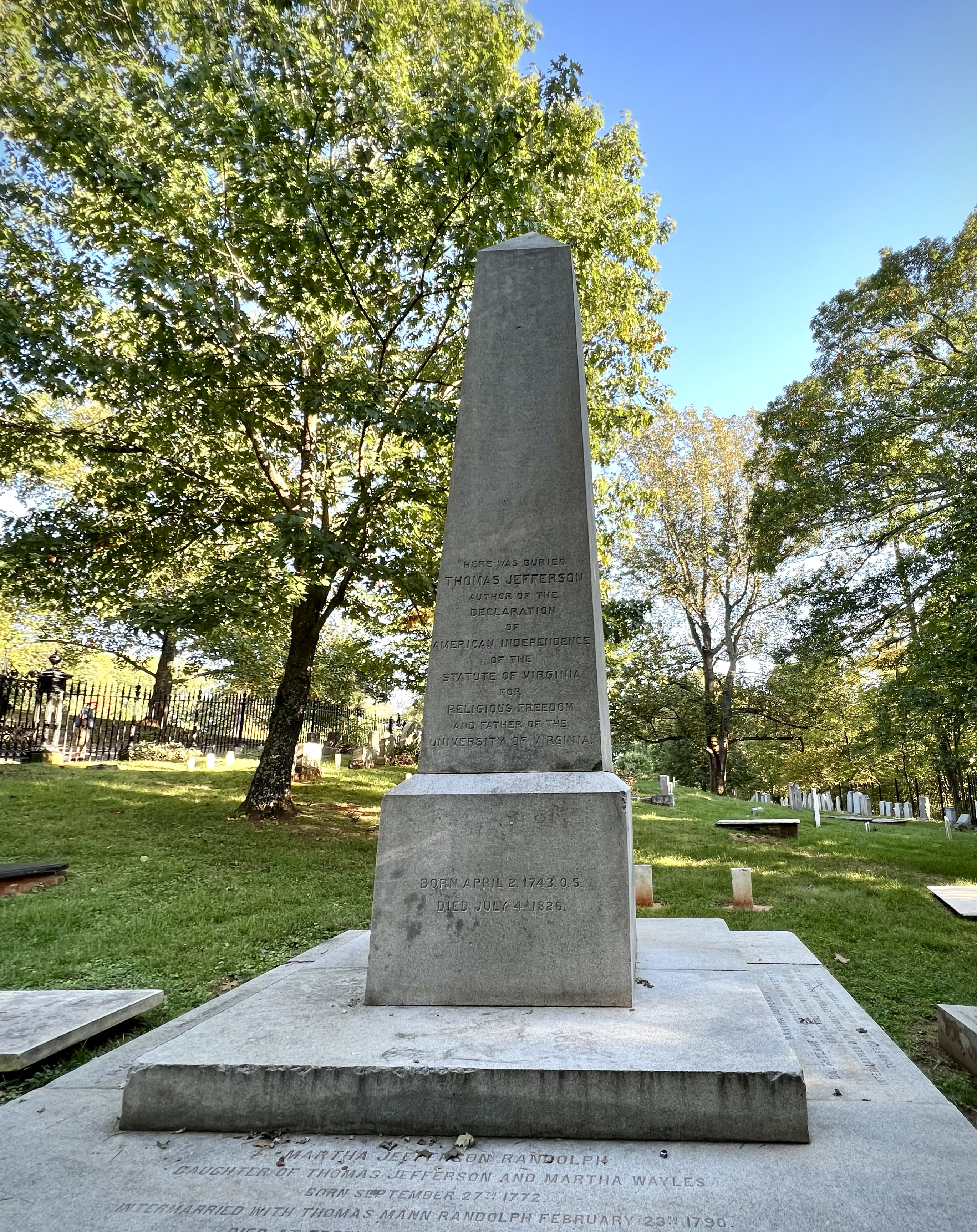
On Jefferson’s gravestone, he wanted to be remembered for three things: author of the Declaration of Independence, author of the Virginia statue for Religious Freedom, and the Father of the University of Virginia. He did not mention being President.
We visited the UV campus late in the afternoon. Jefferson and his friend James Madison designed both the original courses and the university’s architecture.
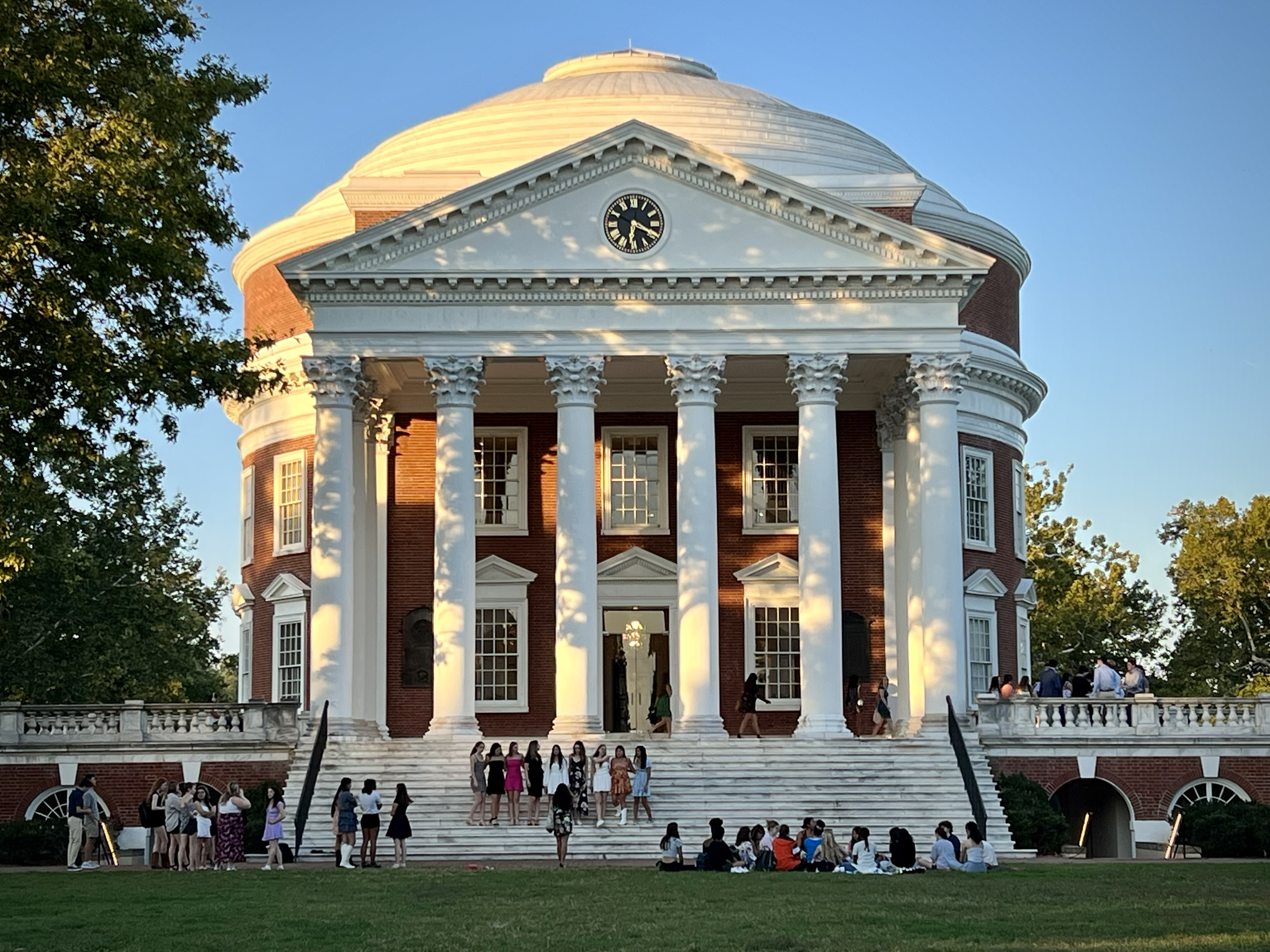
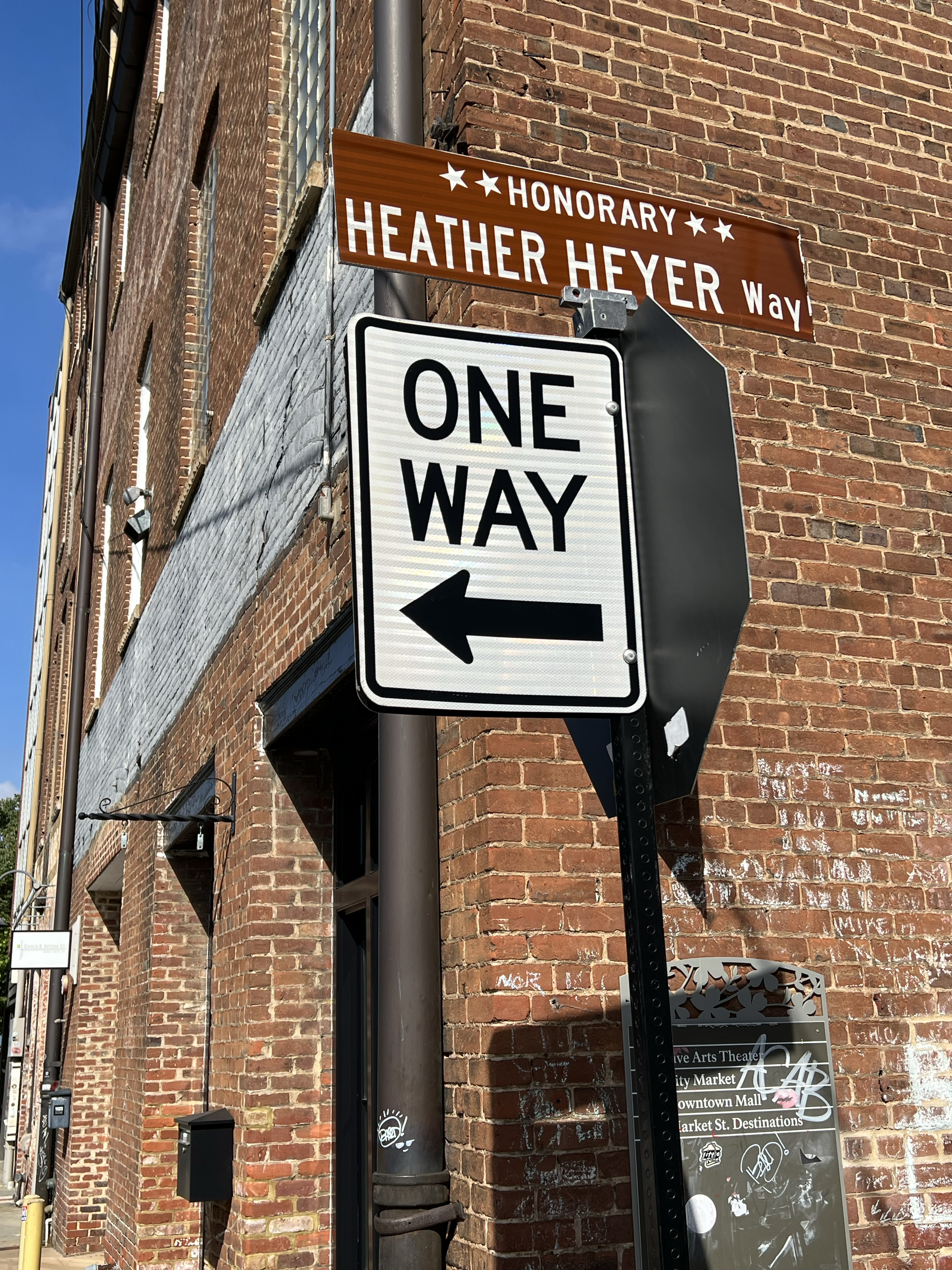
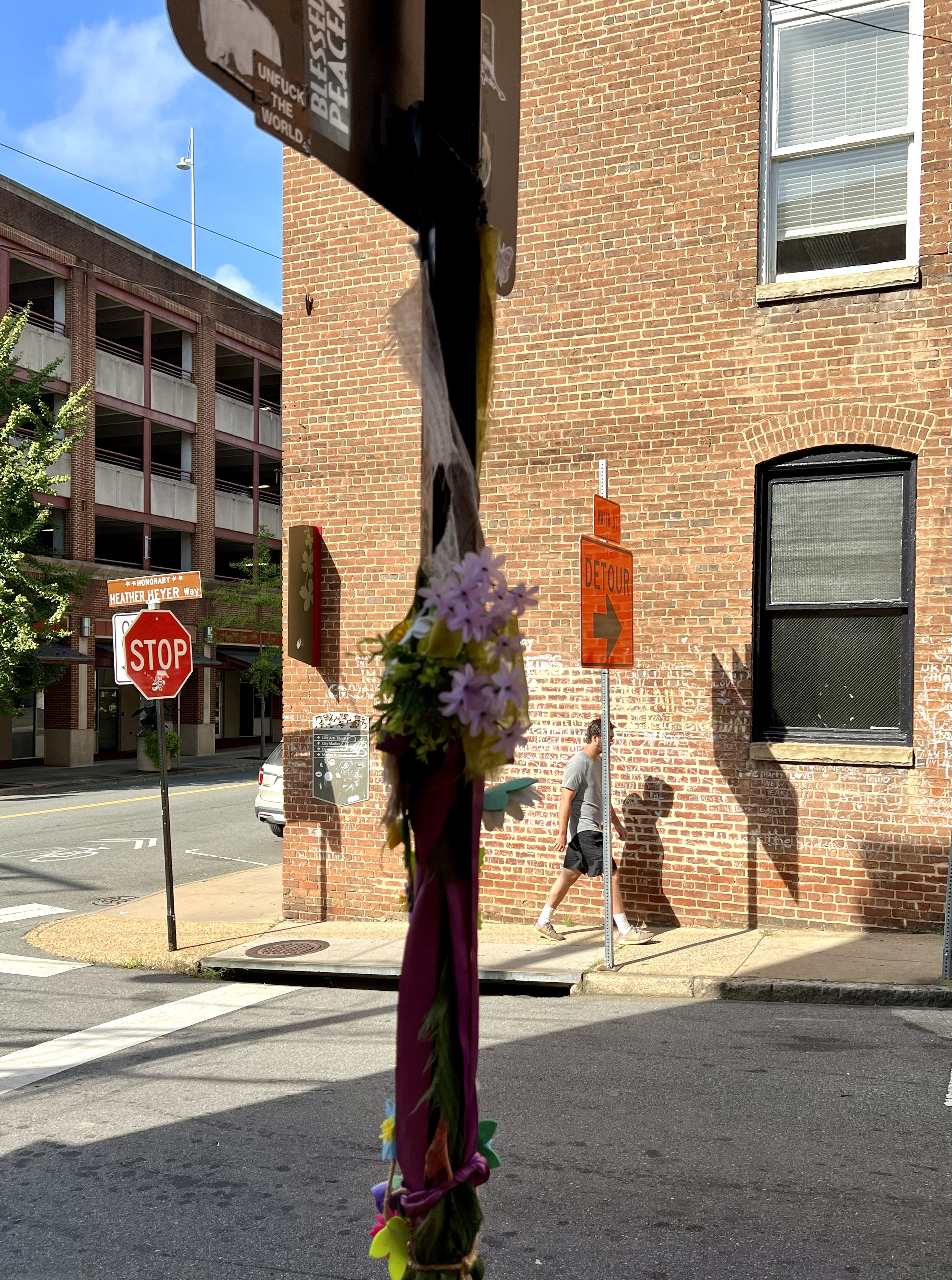
This beautiful and highly acclaimed university was the site of the infamous 2017 Unite the Right rally the night before the White supremacist march. A group of non-student and mostly non-Virginian white nationalists marched on the campus bearing torches and chanting antisemitic and Nazi slogans after Charlottesville decided to remove Confederate statues including one to Robert E. Lee. They were met by counter-protesters near the statue of Thomas Jefferson where a fight broke out. The next day, a young woman Heather Heyer was killed by a white supremacist when he ploughed his car into a group of counter-protesters injuring many and killing her.
We visited the place of this horrific event the next day. A sad, impromptu memorial has been set up on the site of her death and the street has been temporarily renamed after Heather Heyer.

Tne park where the Robert E. Lee statue once stood was now a homeless encampment.

Right next door was the Charlottesville Jefferson-Madison Public Library which closed during the days of unrest and violence. It was now the center of healing for the community after the traumatic events from six years ago.
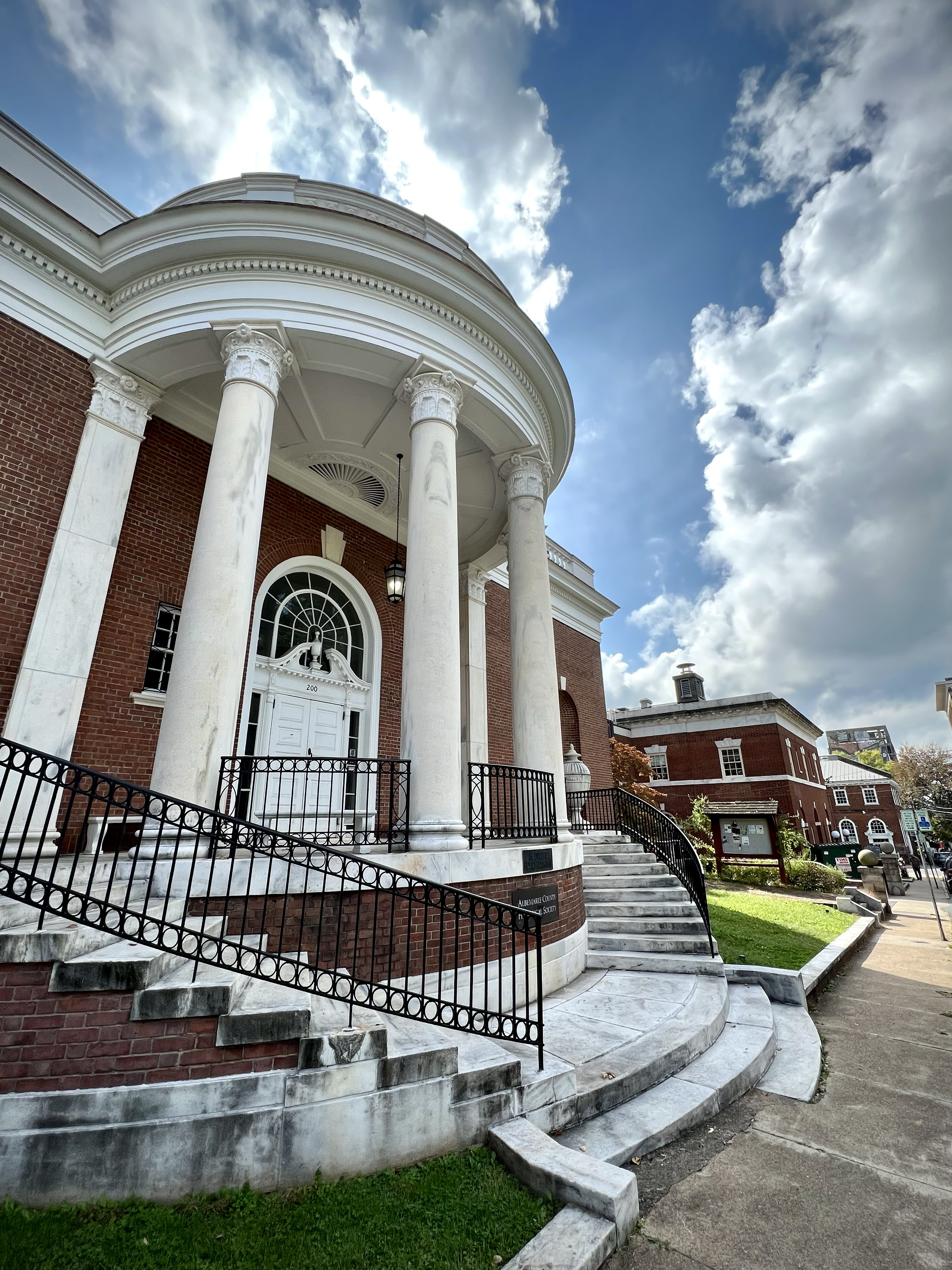

Finally, we visited the Appomattox Court House National Historical Park where Robert E. Lee surrendered to General Grant in 1865, leading to the end of the American Civil War.


We were fascinated by the inter-related histories of these different times and places. Somehow the complexities of Jefferson seemed related to the recent troubles in Charlottesville. On this part of our journey, the difficult problems from our past seemed directly linked to the troubled times of today.
 Library Road Trip
you’re in the heart of it Bob , living history – I keep adding to my poem on the illusions we live with and the realities…