
One reason why we make these long drives across the country, is to better understand the mood of America. Living in our Bay Area bubble is great, but I know that the true measure of our complicated nation often lies elsewhere. During most of our drive from Vermont to San Francisco, we saw little sign of a massive partisan battle taking place. But beneath the surface, when we looked in the right place, we saw many unsettled communities.
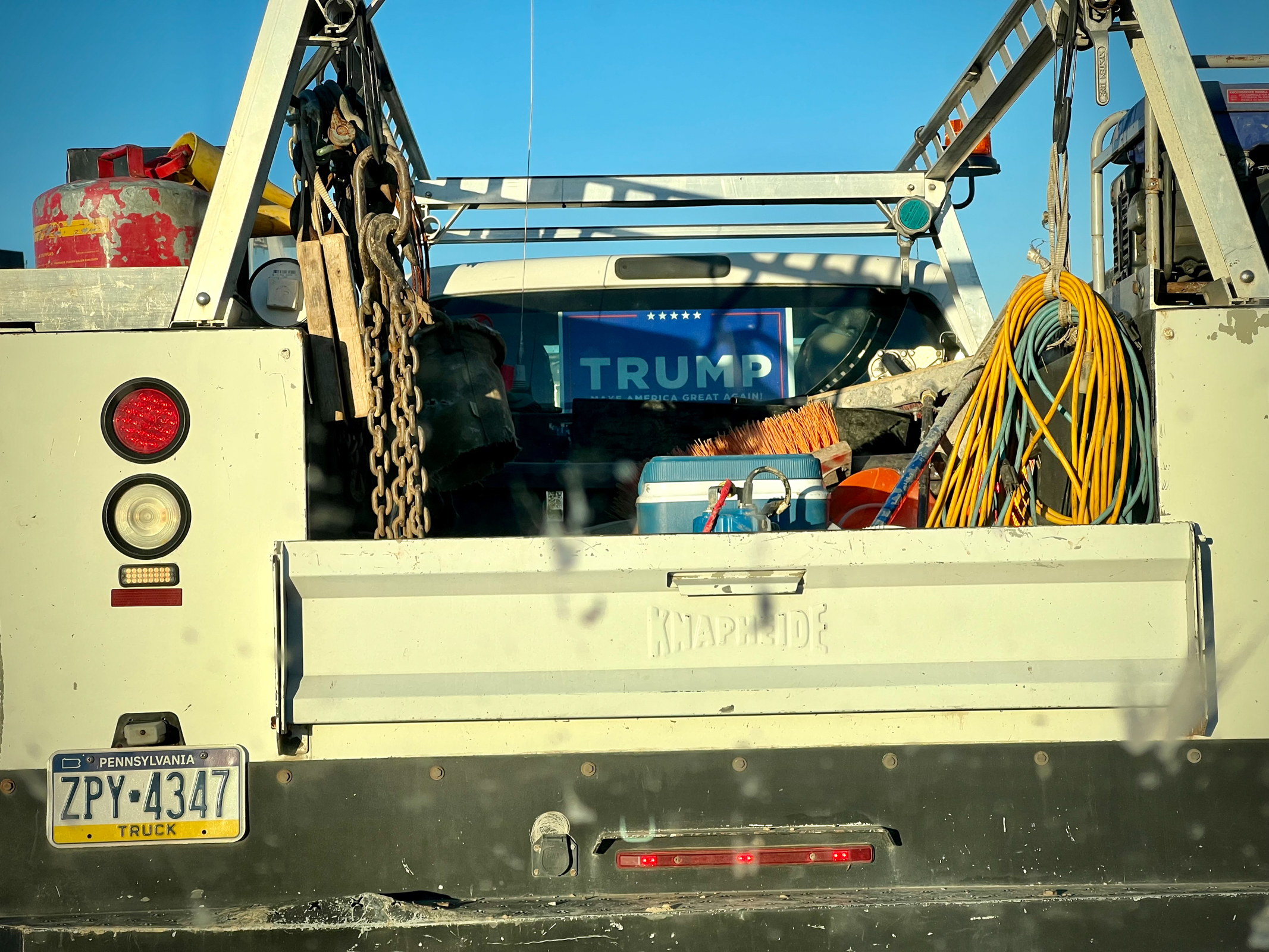
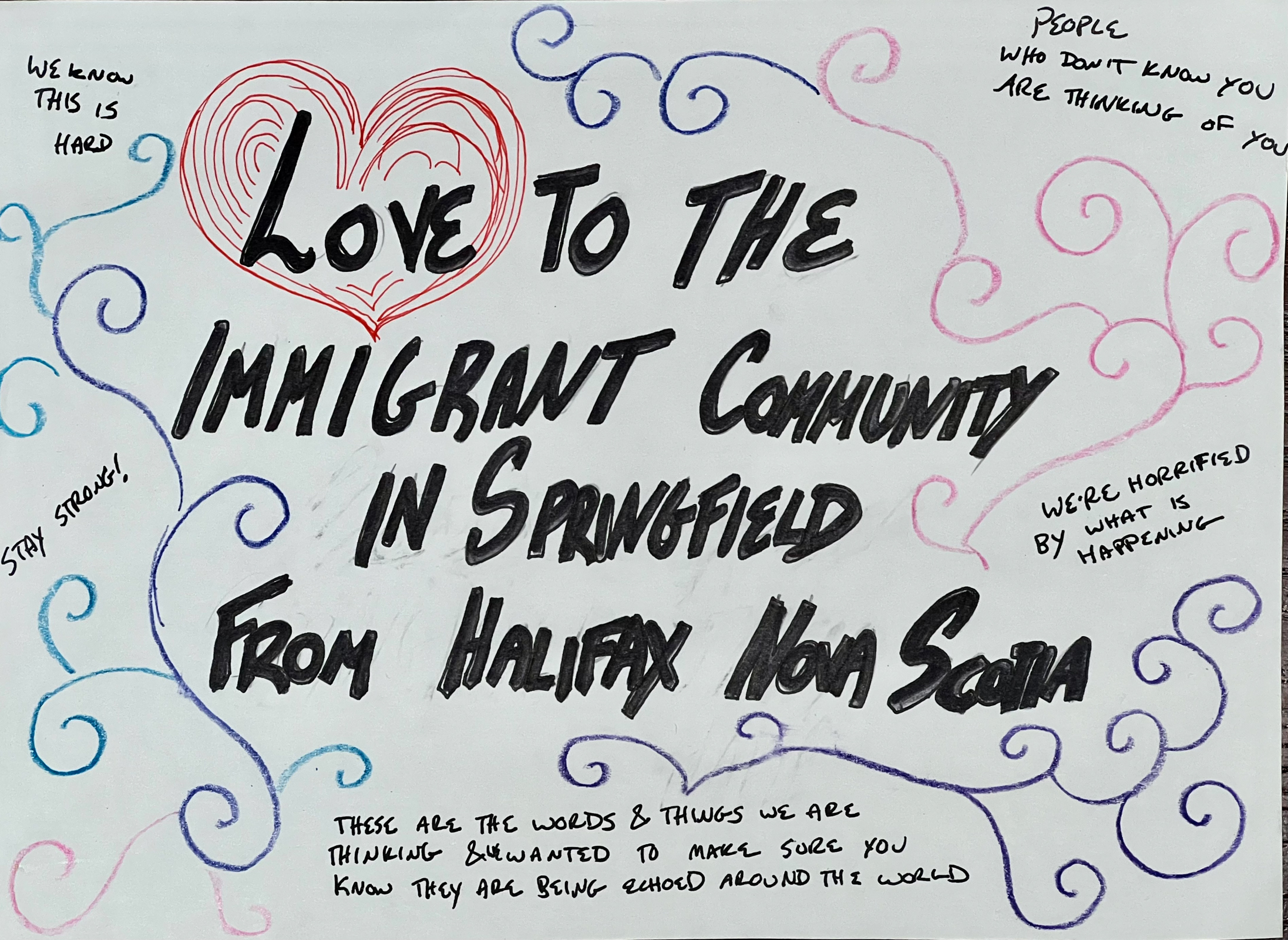
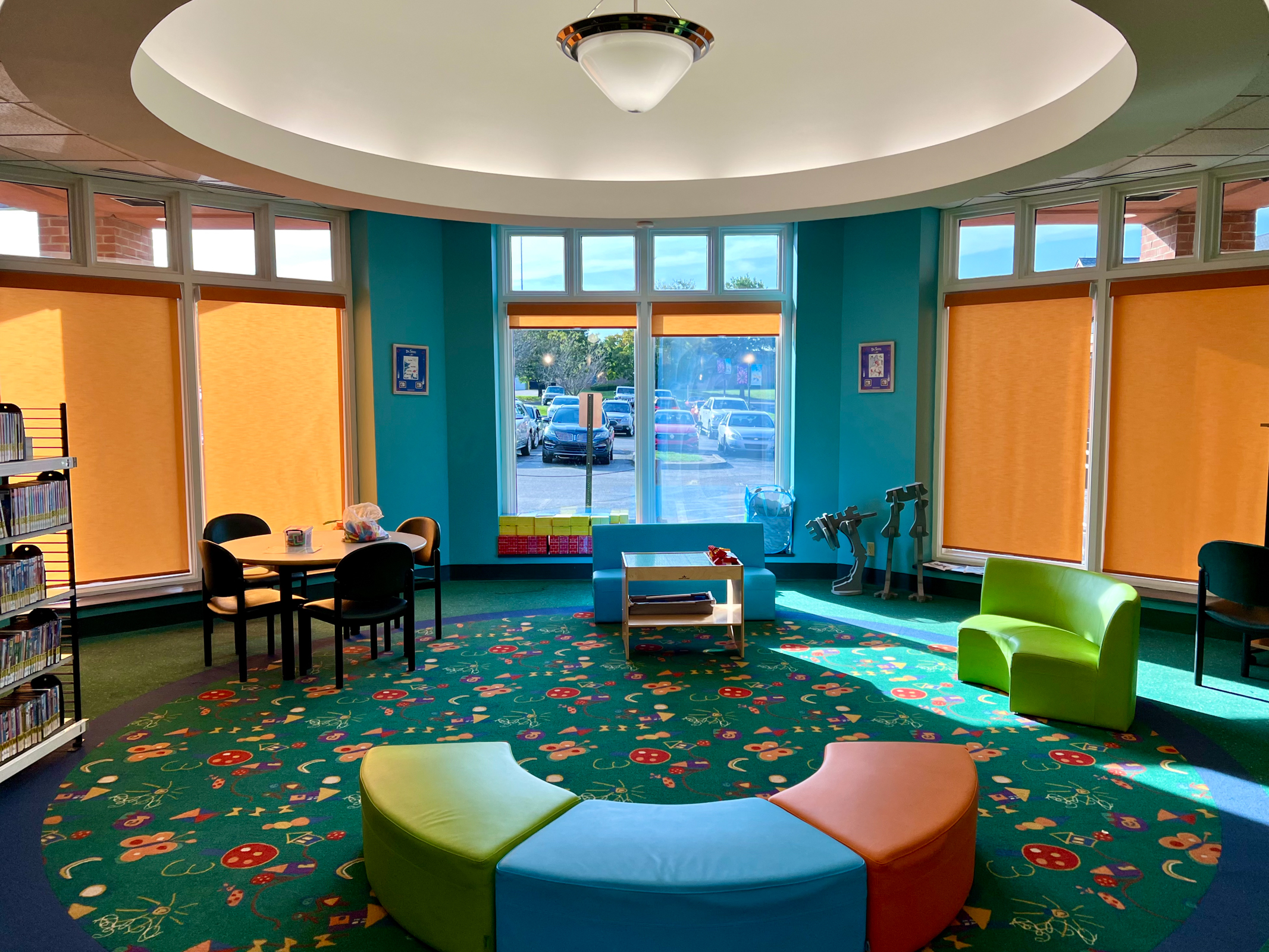
One community that has been the news a lot recently was Springfield, OH. Trump’s description of it being a town ravaged by Haitian immigrants devouring the city’s dogs and cats is, of course, laughable. The trauma inflicted by this political hysteria is real. We went to the public library in Springfield to measure the mood of this normal American town through its library. The stories of people coming into the library angerly screaming “Where are the Haitians?” showed the real-world consequences to the Trump/Vance fantasies. Some of the librarians urgently needing PTSD trauma therapy after these encounters spoke to how unprepared most of us are to the hallucinatory outbursts of the MAGA activists.


One librarian explained how most of Springfield welcomed the Haitian immigrants because they were desperately needed as workers. The economy was making a much-needed comeback because of them and not one dog or cat was missing. The library was quickly stocking up on books about Haitian history and Creole-language texts. And, like we saw last year in the Uvalde, TX public library, the library was the recipient of an inspiring international outpouring of support from people sending gifts and words of support to Springfield.
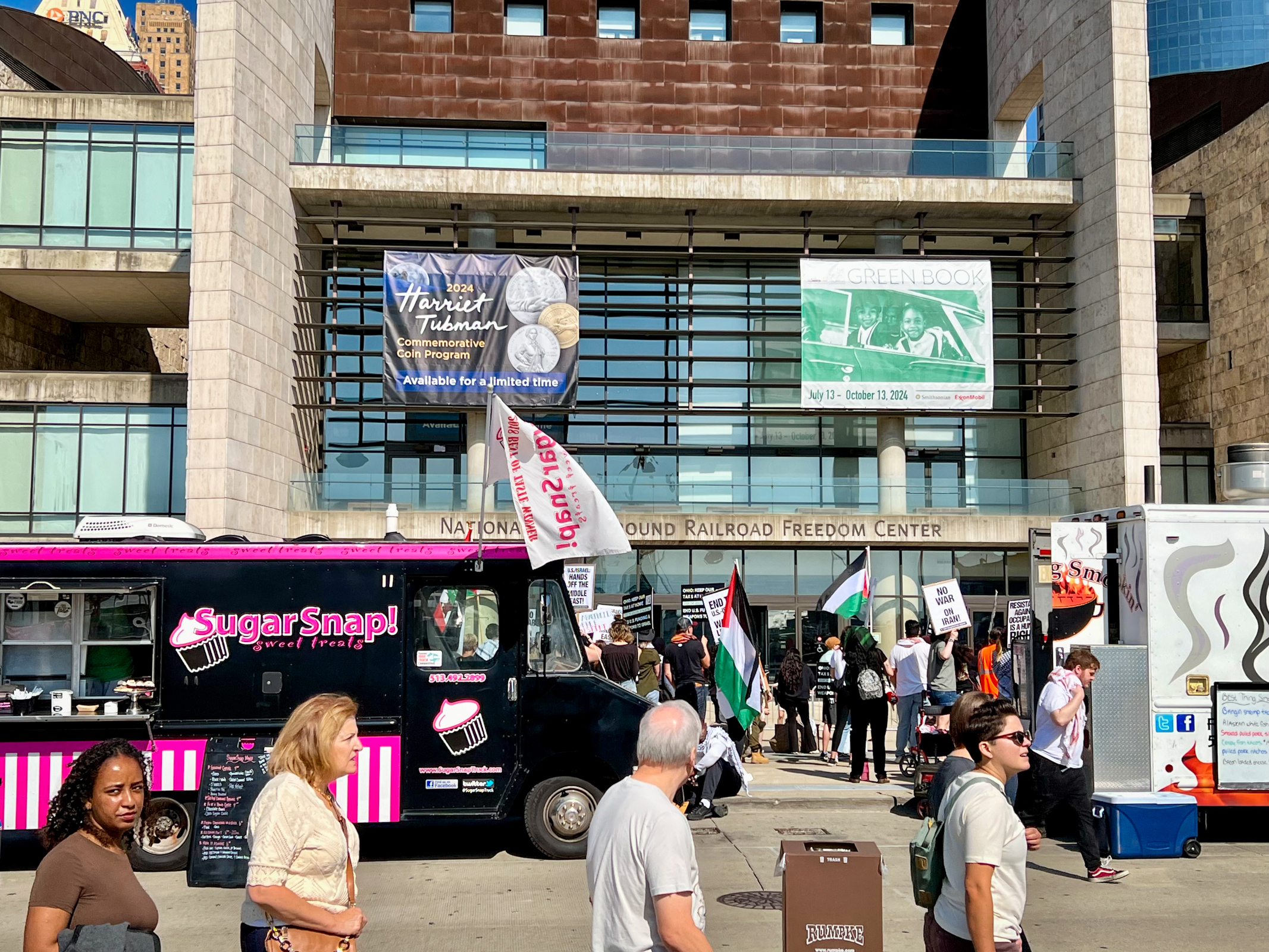
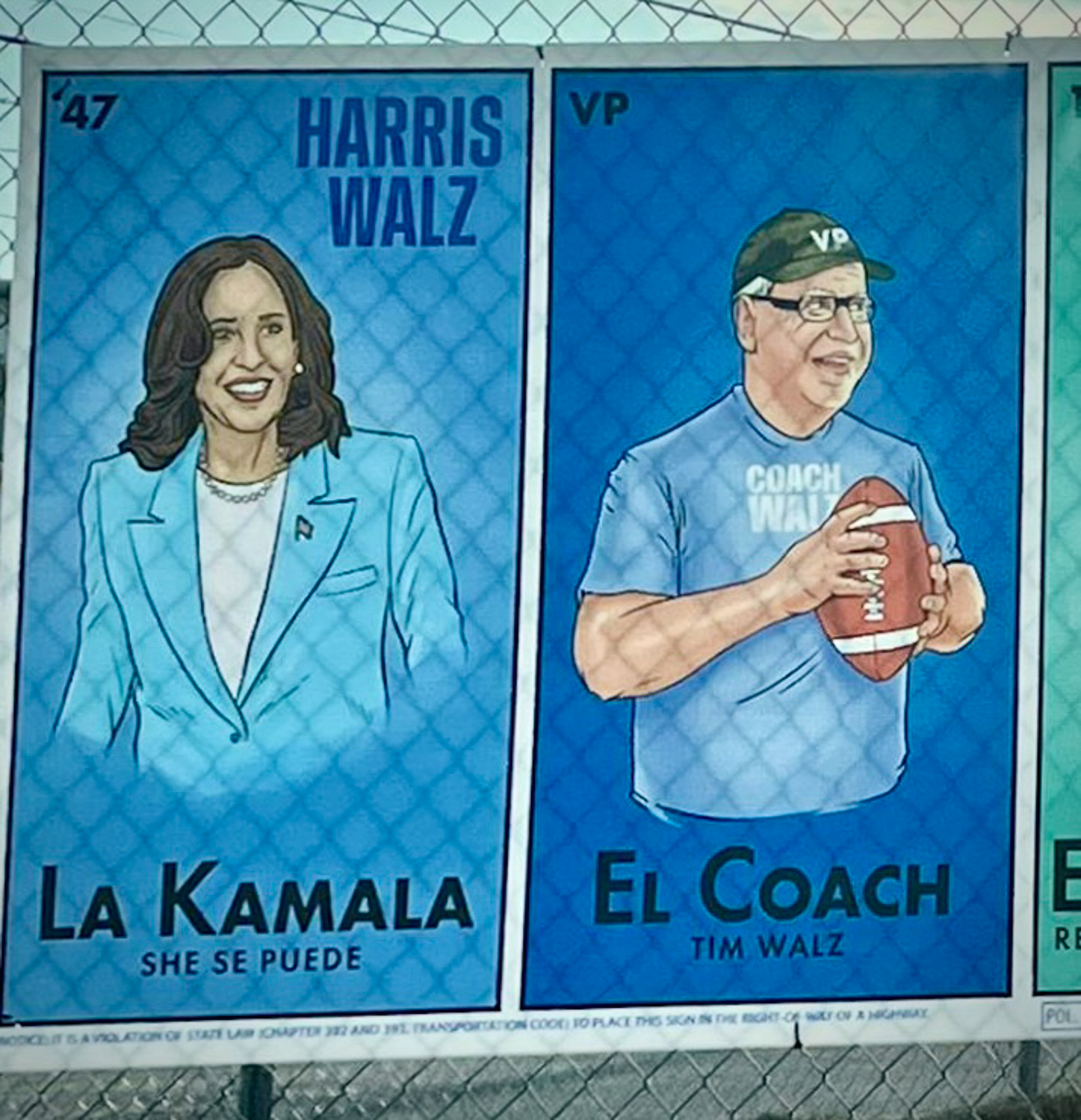
Cincinnati, OH was another surprising stop on our long journey across the country. We looked forward to visiting the National Underground Railroad Freedom Center in the revitalized core of the city. Unfortunately, at the entrance we were stopped by a massive pro-Palestinian, anti-Biden/Harris demonstration. It turned out that Tim Walz was speaking there later in the day and the protest was against his presence. The layers of irony here were just too much and we were very disappointed in missing a significant cultural and historical attraction.
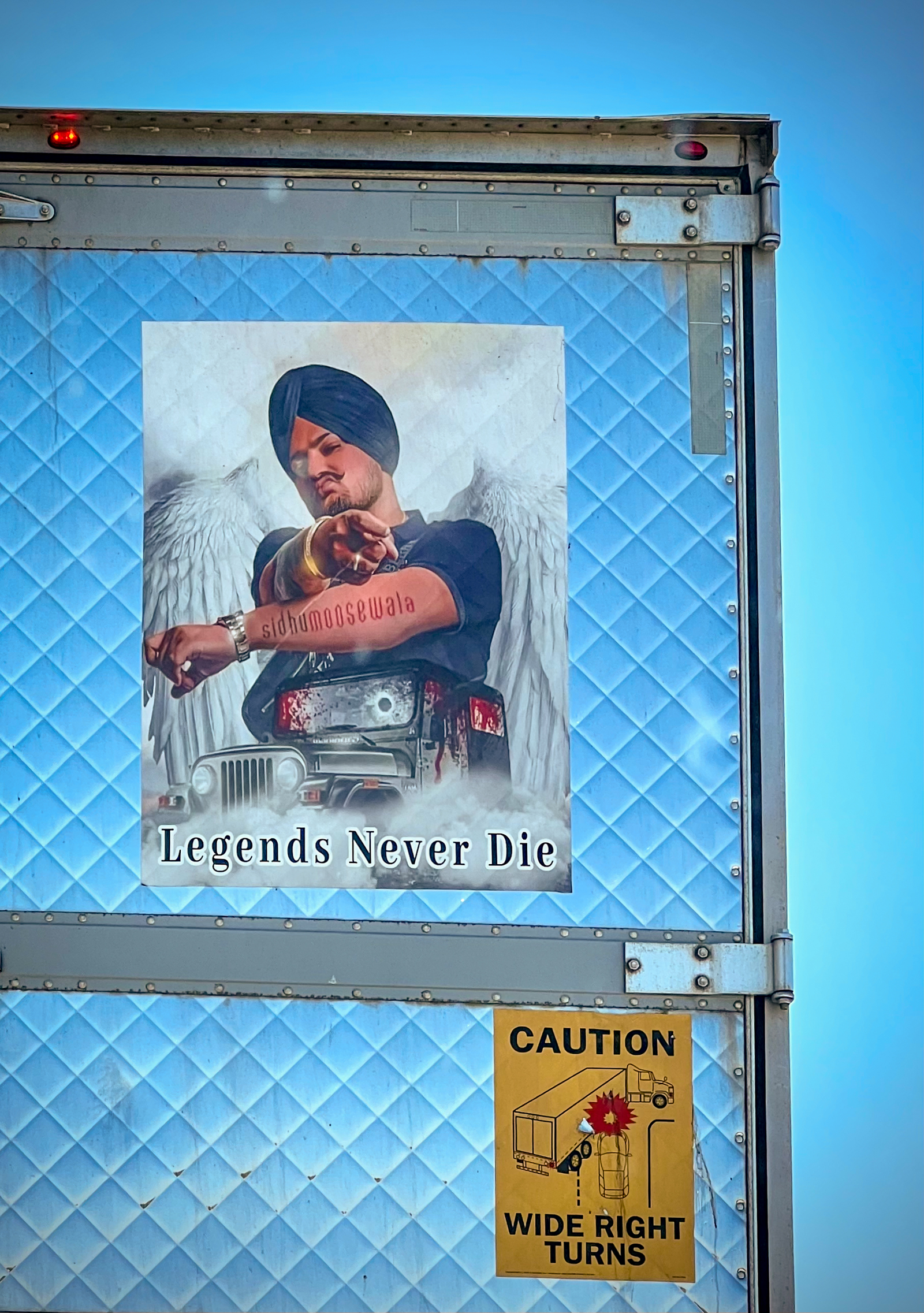
One of the realities of driving the highways and byways of America is sometimes getting stuck in road construction and repair. We spent at least an hour sitting behind a truck with a poster of Sidhumoosewala. We had no idea what it was about, but it seemed rather ominous.
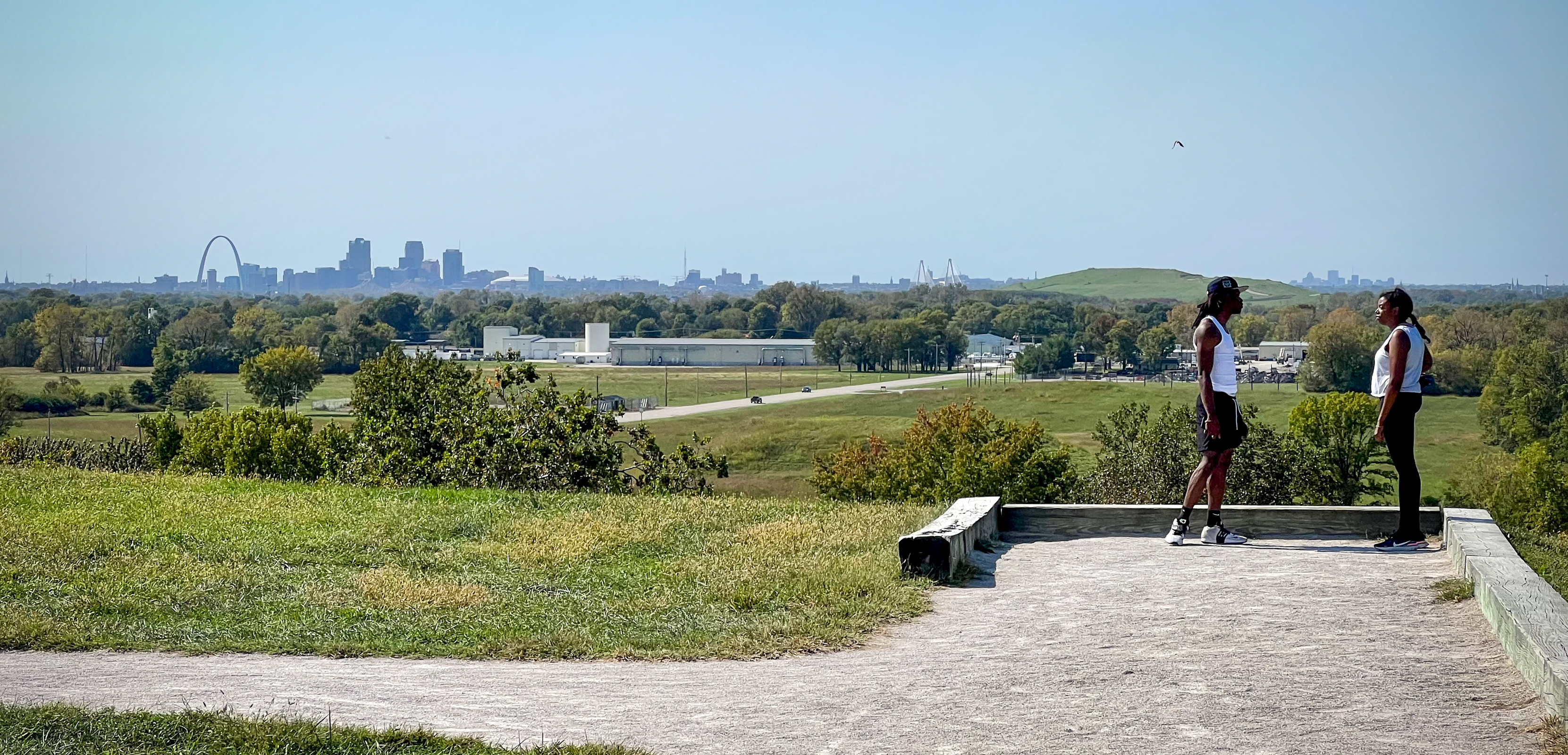
Cahokia Mounds is a National Historic Landmark, and a UNESCO World Heritage Site located just east of St. Louis, MO. At its apex about a 1,000 years ago it was the largest and most complex urban area north of Mexico. It may have been abandoned because of climate change and environmental problems. Modern St. Louis is considered the third most dangerous large city in America today because of crime. We had visited it years ago, and it seemed worse then. The downtown seemed to be rebounding now because of significant urban renewal money, good urban planning and a vibrant Black cultural scene. Perhaps St. Louis can escape the fate of its nearby ancient ancestor Cahokia.

Ferguson, MO is also near St. Louis and was the site of the 2014 police shooting of Michael Brown. The ensuing civil unrest led to the destruction of parts of the city. The only civic structure near the violence that was spared was the Ferguson Public Library. We visited the small library and met the Head Librarian who had just started his job when the violence erupted ten years ago. The library received national attention for its support of the local community including helping teachers open an ad hoc school in the library when schools were closed for safety concerns during the troubles. I photographed a few paintings and signs that remained from that effort. In addition to helping with basic services like insurance, the library also featured a community art display in response to Brown’s death and the related unrest. The library also provided healing kits to local children that contained books and other material related to coping with traumatic events as well as a stuffed animal for the child to keep. I said to the Librarian that he was one of my personal heroes after I learned of the library’s pivotal role in helping heal the broken community of Ferguson.


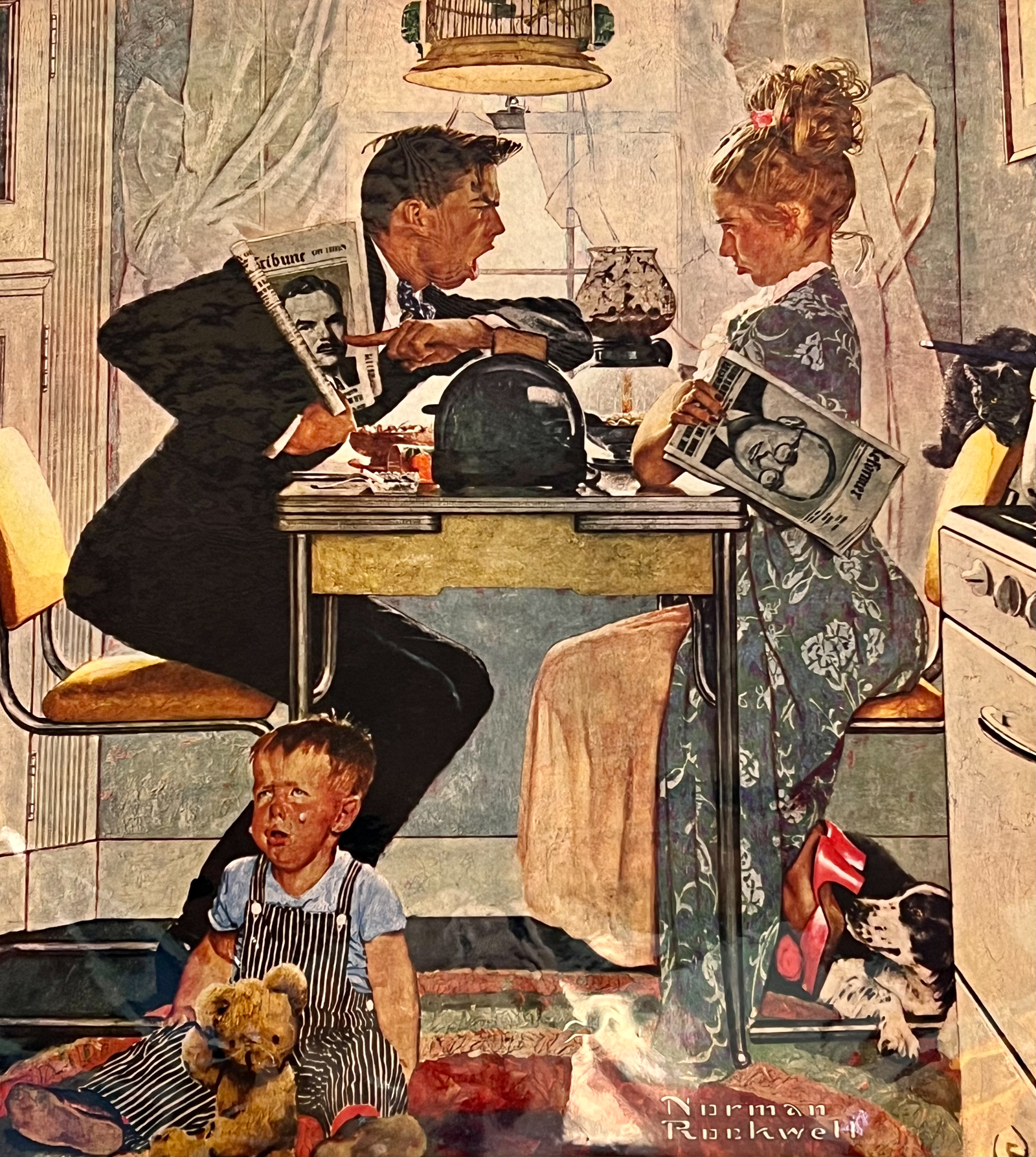
I had always wanted to visit the home and Presidential Library of Harry S. Truman in Independence, MO. The Museum was massive and very well done but we wound up moving quickly through most of it for lack of time. But we vowed to return someday to better soak up the life of this unexpectedly consequential President. It was good to see a Norman Rockwell painting showing that our election today was not the only hotly contested one. In the bobble-head doll collection of Presidents, it was nice to see someone had thoughtfully turned the Trump doll backwards. That is certainly his best side!

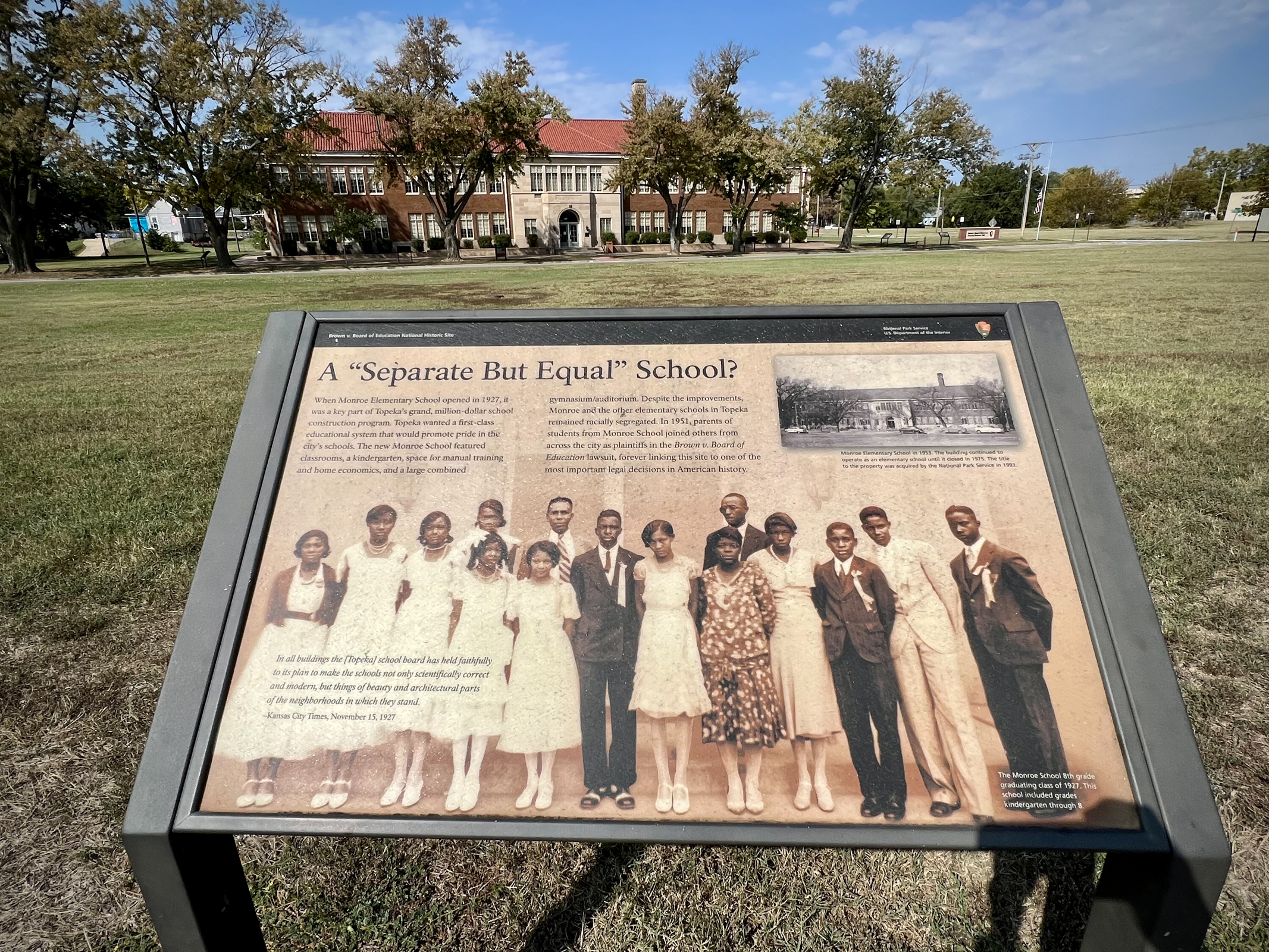
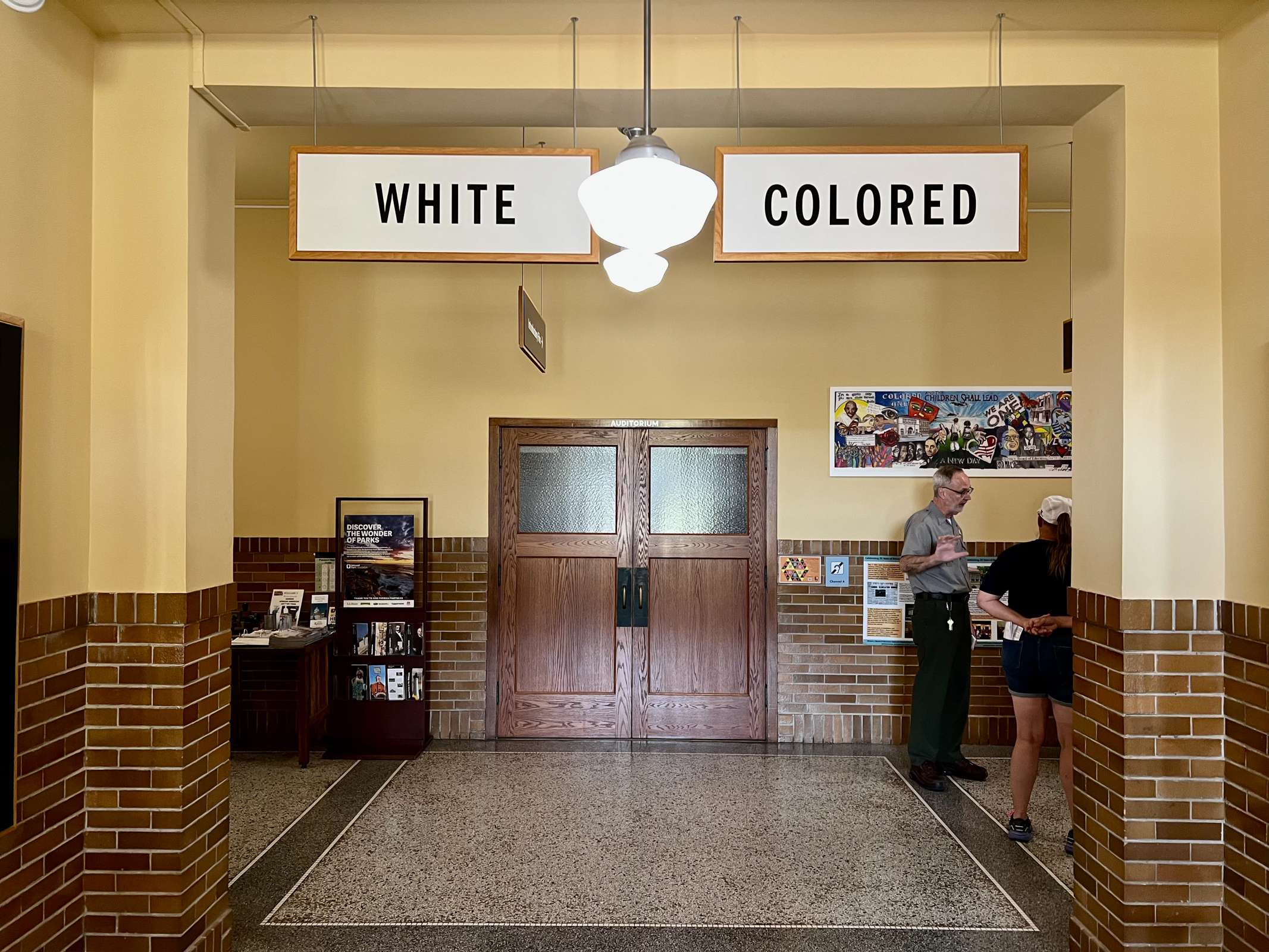
The Brown vs. Board of Education National Historic Site in Topeka, KS was surprisingly emotional. Situated in the old Monroe Elementary School this national park celebrates the historic Supreme Court decision that ended legal segregation in our country. It is considered one of the most important legal decisions in American history. This humble schoolhouse continues to teach us all many lessons.
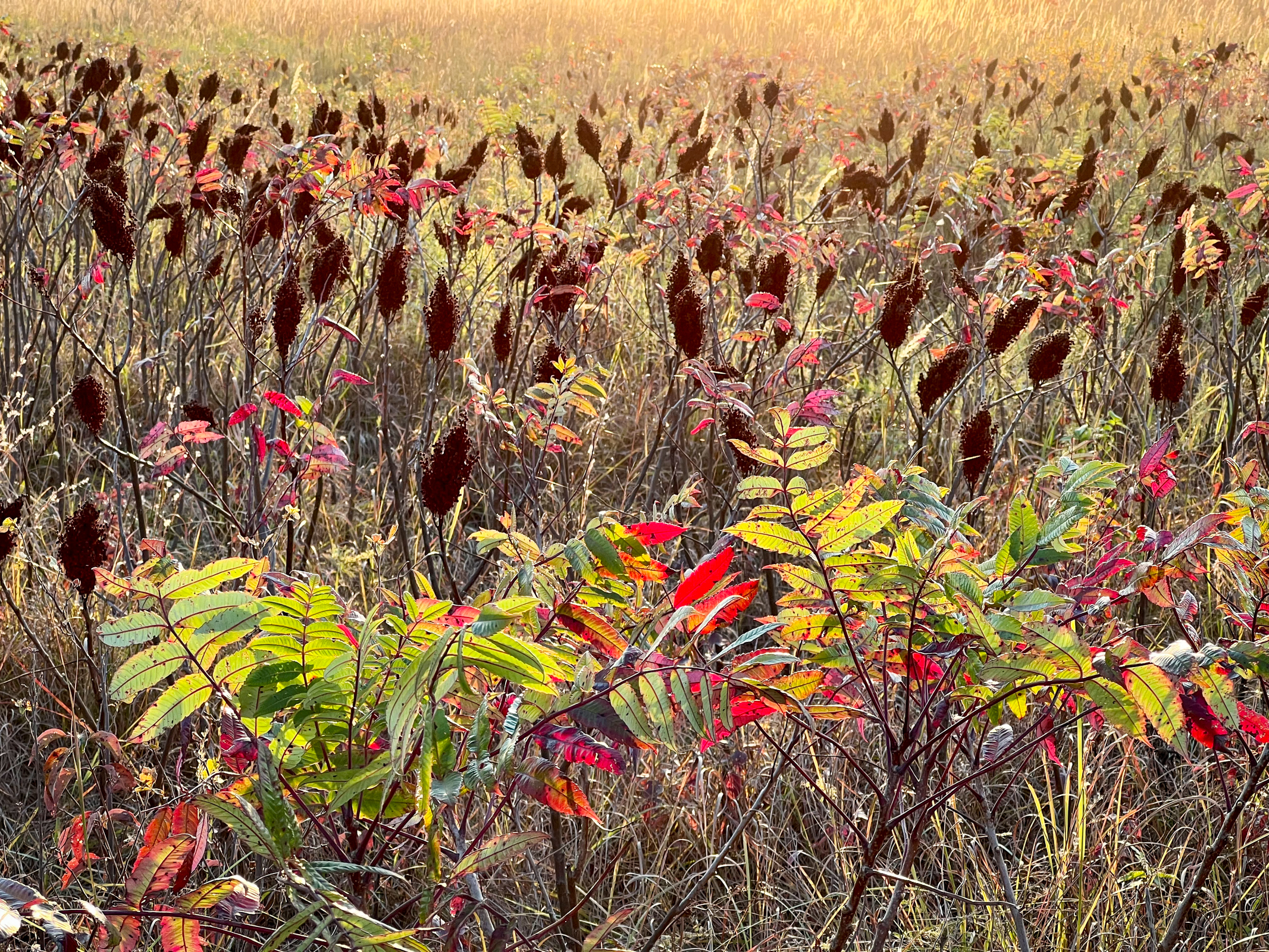
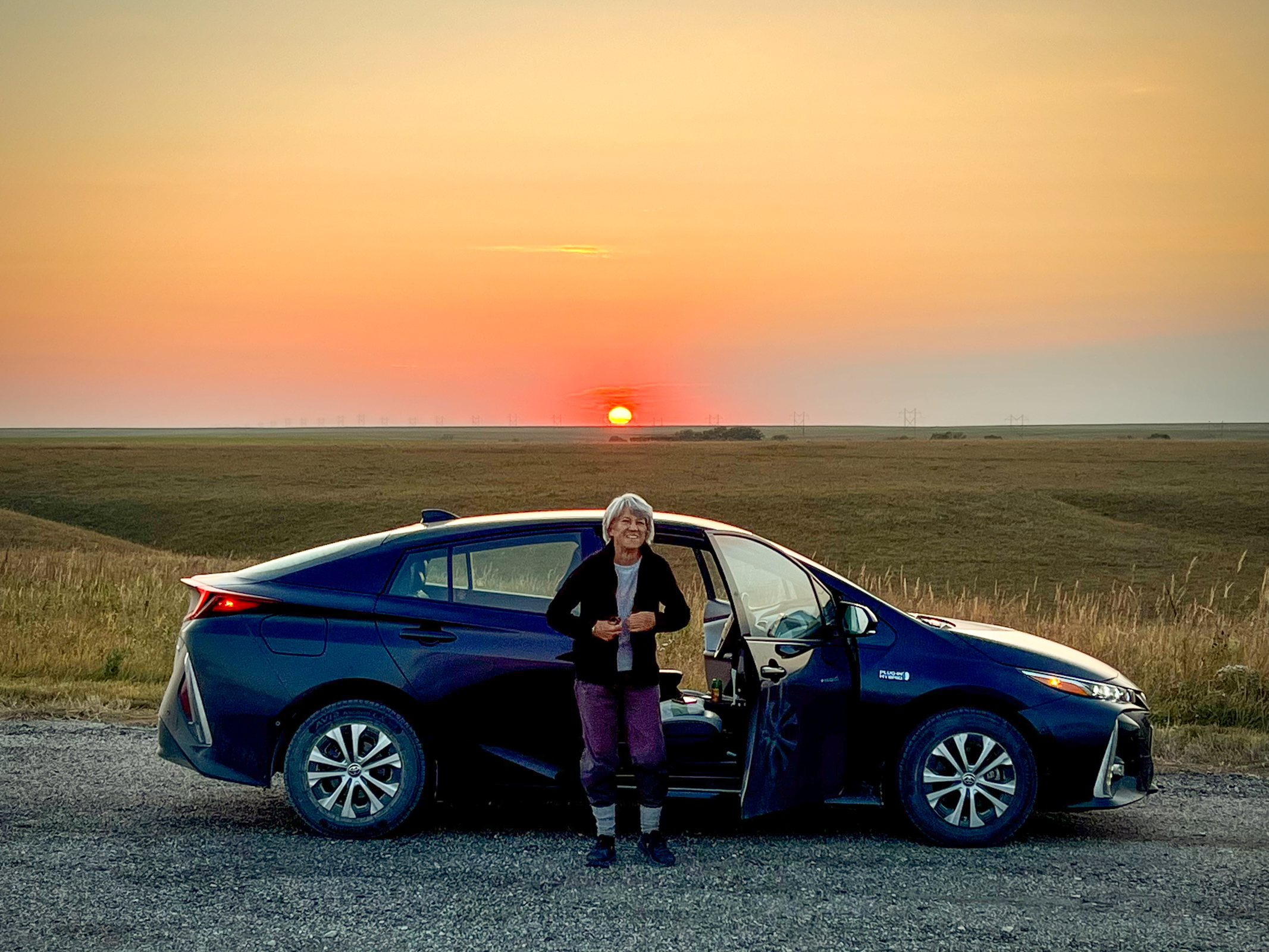
We continued west to Manhattan, KS. where we entered the Flint Hills which are considered one of the most threatened ecological regions in the US. It lies mostly in eastern Kansas and has the densest intact tallgrass prairie in North America. It is the best opportunity for sustained preservation of this unique habitat that once covered the vast Great Plains and was only saved because of its rocky, flinty soil. We continued south traveling the Flint Hills National Scenic Byway through amazingly beautiful small, rural Kansas towns eventually making our way to the Tallgrass Prairie National Preserve at sunset. It couldn’t have been a better time of day or season to visit. We were stunned by the silence and the beauty and saw no other visitors while we were here. Like our journey last year through Mississippi’s Natchez Trace National Scenic Parkway, we felt that all Americans should experience this essential part of our national heritage.


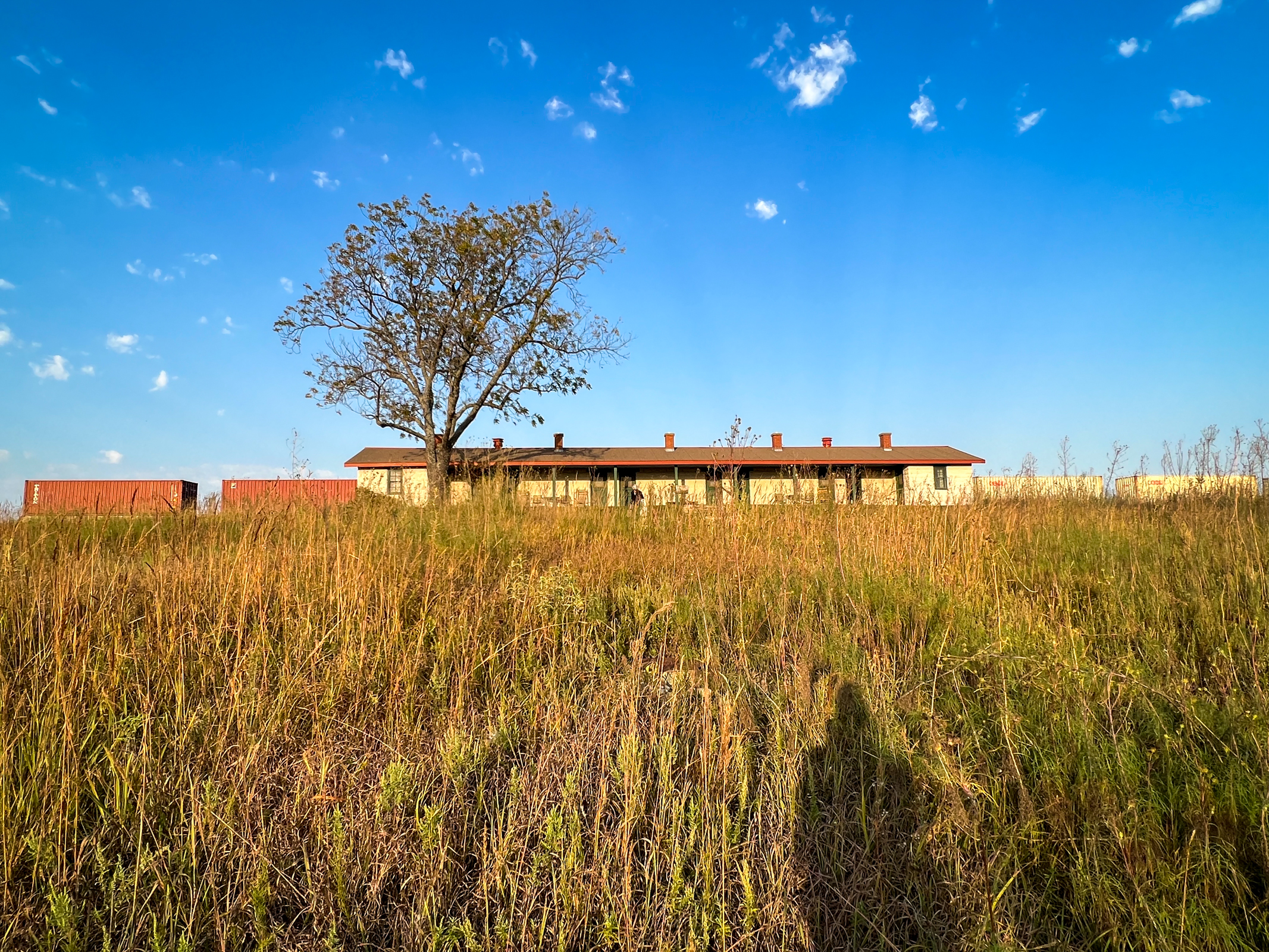
We spent the next two nights at a place called Matfield Station near the tiny, reinhabited town of Matfield Green. The property was first built 100 years ago as a bunkhouse for ten railroad workers. It has been beautifully restored as lodging for visitors and an artist-in-residence program by retired Chicago architect Bill McBride and his wife Julia who live next door. They were inspired by the pioneering work of American geneticist Wes Jackson who founded the Land Institute in Kansas in 1976. Part of Jackson’s work has been to re-envision American agriculture and our relation to the prairie. All these people have been part of a cultural and environmental flowering of new thinking about our sense of place. We have known about this work for years through our friend and photographer Terry Evans. It was nice to be back here again.
When we arrived, we were thrilled to see a train traveling behind Matfield Station only 50 feet from our room. What we didn’t realize was that the trains ran all night. We didn’t sleep much that first night, not because of the noise, but because the bed and room shook every time a train passed. However, the second night was fine as we must have gotten used to it. Ah, life in the prairie!

The Wichita Mountains Wildlife Refuge in southwestern Oklahoma near the Texas border was fascinating. It is geologically unique with areas of undisturbed mixed grass prairie that makes it an important conservation area. It houses a huge diverse range of endangered plants and animals including American Bison. The area is considered sacred to Native Americans. The conservation of bison here was important in saving the American buffalo from extinction. In 1907, after bison had been extinct on the southern Great Plains for 30 years, 15 bison were imported here from the Bronx Zoo which are the ancestors of the herd in the Refuge today. This population is being used to help repopulate bison back into other parts of North America. We were thrilled to spend time in this special, little-known part of the mid-West.
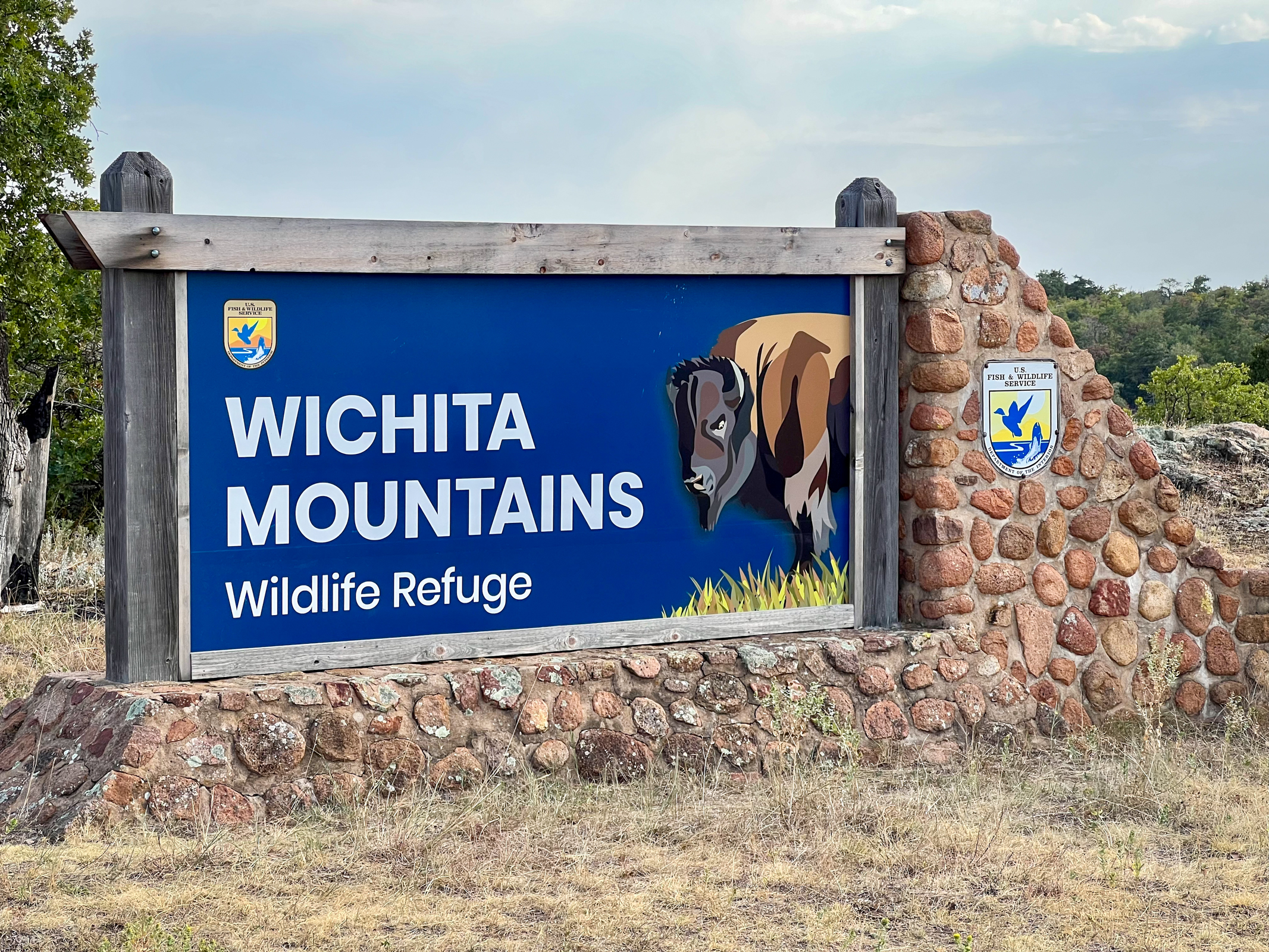
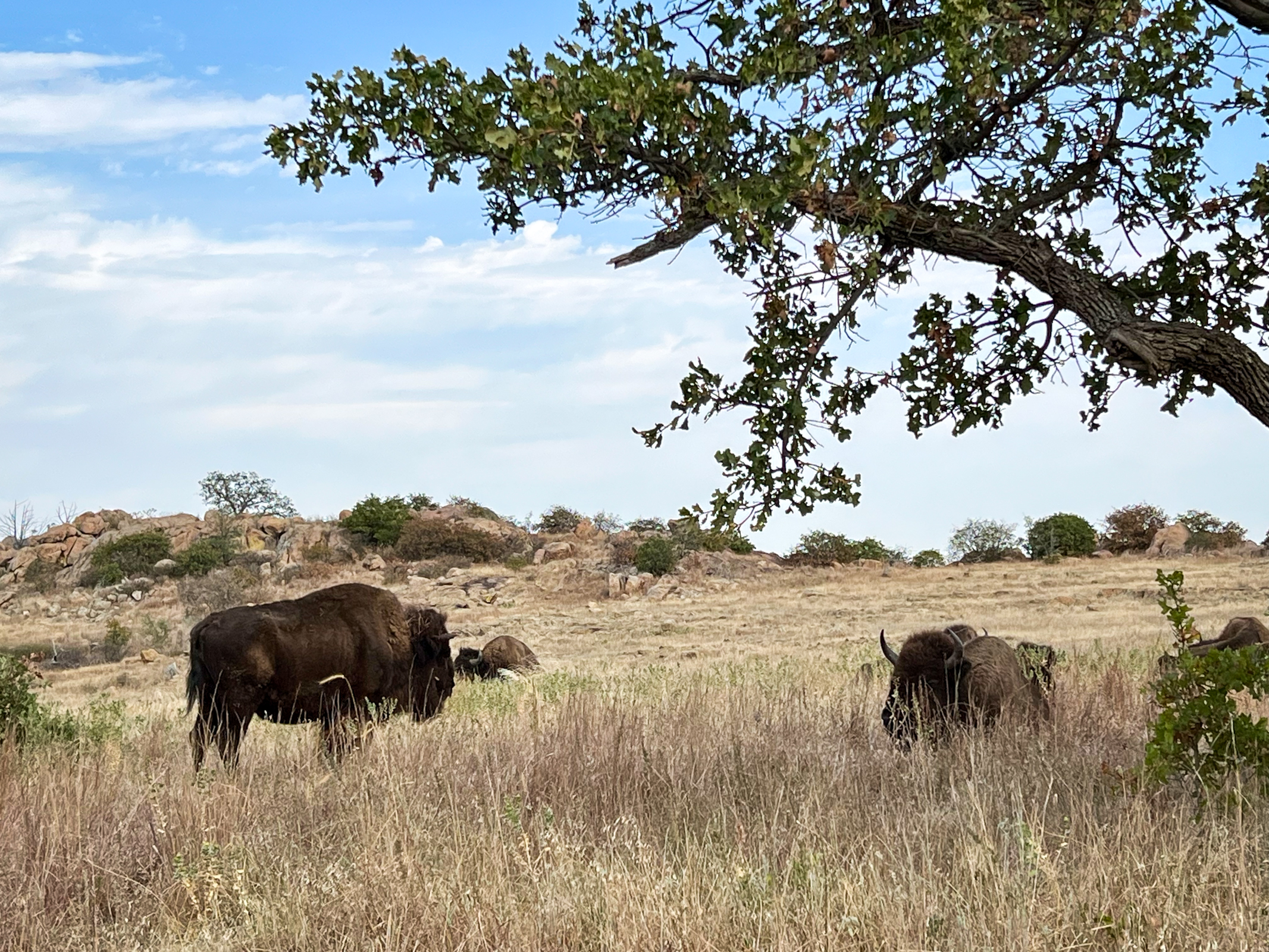
We spent the night in Wichita Falls, TX which prides itself in being home to the “world’s littlest skyscraper”. This region is prone to devastating tornados which have wreaked havoc here over the last sixty years. The local economic problems were seen in one of the largest shopping malls on the planet being almost entirely abandoned. This area is also a conservative stronghold for Trump.


The next day we were excited to drive through the Texas Panhandle town of Childress. In 1938, famed FSA photographer Dorothea Lange made one of her iconic images “Tractored Out, Childress County, TX”. It showed the devastation of corporate farming practices on the struggling farmers of the Texas Dustbowl. Today, the small town of Childress continues to try hard to survive.

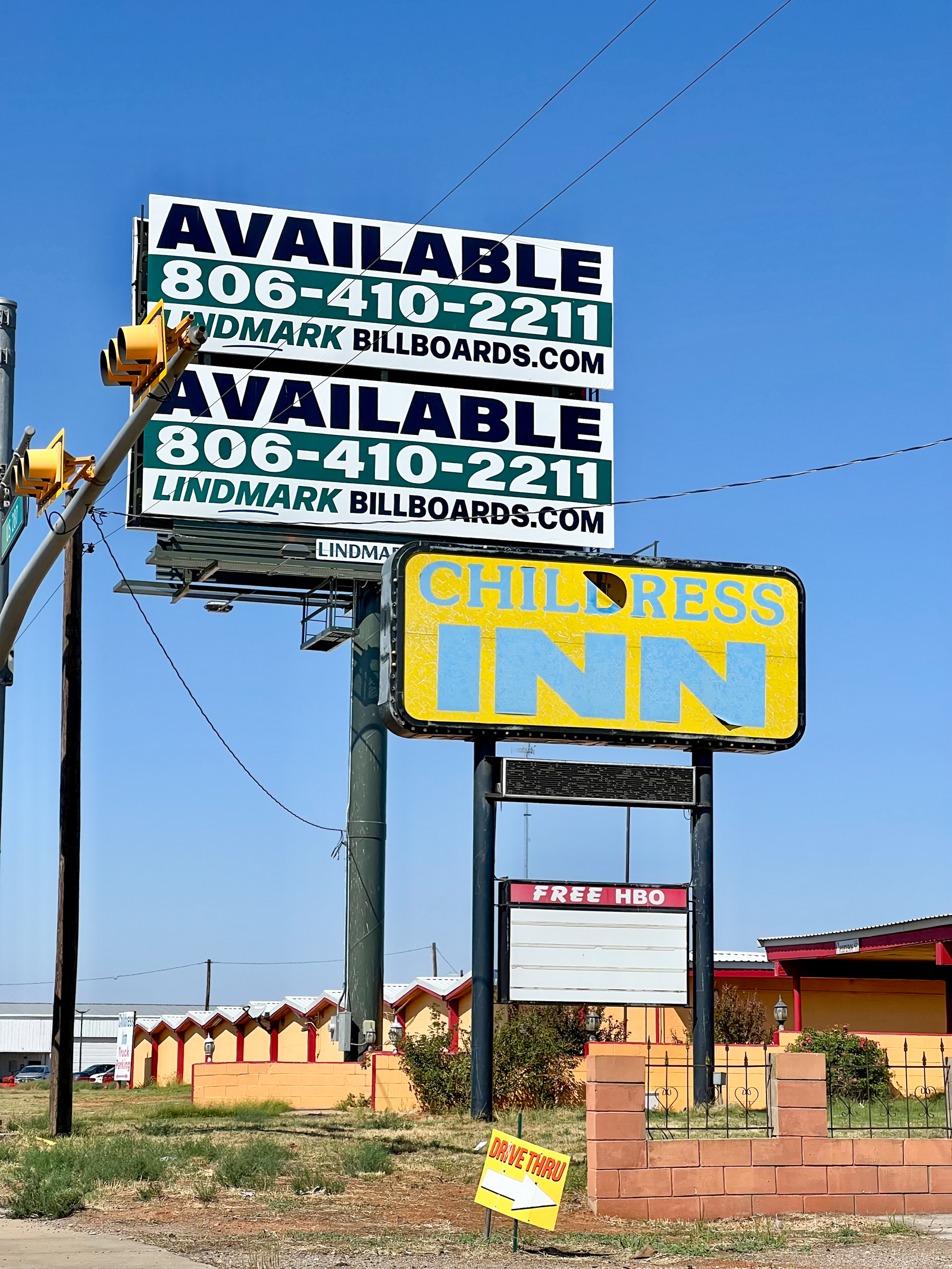
It was a relief to finally leave the hard-scrabble towns of the Panhandle and arrive in the New Mexican towns of Santa Fe and Galisteo. We stayed the first night with our friends Caroline and Angie in their delightful adobe home. Caroline was finishing her book project of photographs and ideas from the Arctic and Angie had just published a book entitled Eleanor Roosevelt on Screen. The intellectual talent here was exciting and our conversations knew no limits.

The second night was spent with our old friend Meridel and her partner Ben. Meridel is finishing a massive photography and environmental restoration project in southern Iraq while Ben is teaching film studies at the Institute of American Indian Arts in Santa Fe. He is one of the few people I know that has received an Oscar for one of his documentaries. Again, the conversations at dinner that night were inspirational and boundless.

A few nights later we stayed in the famous and opulent Gadsden Hotel in the border town of Douglas, AZ. According to some, during the Mexican Revolution the infamous Mexican revolutionary/solider Pancho Villa rode his horse up the beautiful interior marble steps of the Gadsden, chipping the seventh one. The chipped step in front of the Tiffany glass window has never been repaired.

Douglas was once a thriving smelting town for the copper mining in Bisbee, AZ. The old downtown is pretty blasted out now, but we could see the first inkling of artists beginning to re-inhabit Douglas’ beautiful but depressed urban core. Hopefully, the Gadsden can hang on long enough to be the center of that renaissance.

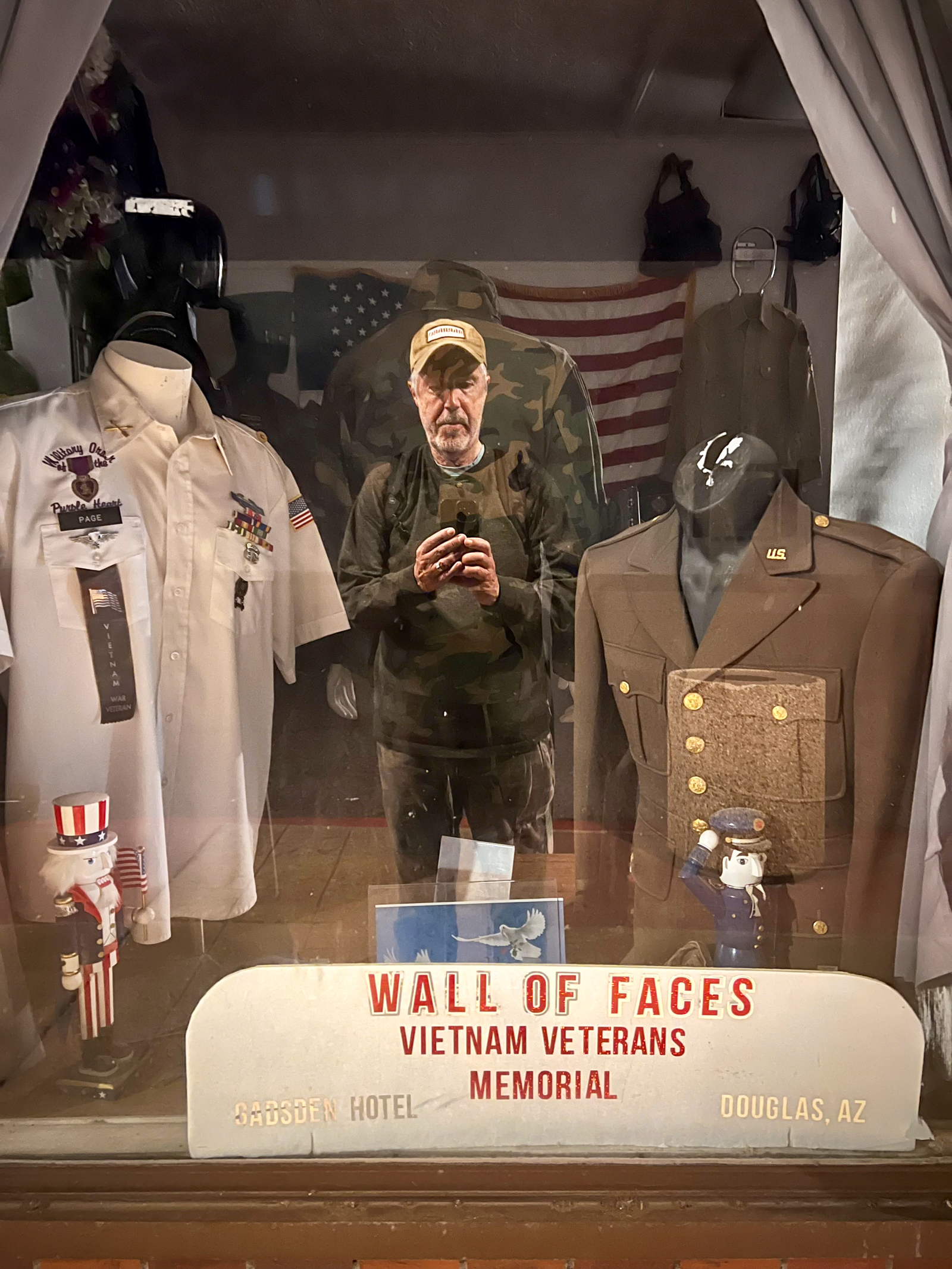
Agua Prieta is a Mexican town right across the border from Douglas. In 1989, El Chapo and his Sinaloa Cartel dug a tunnel under the border here to smuggle drugs and weapons. Later, the Mexican government chose to build a starchitect designed library here to counter the prevailing poverty and hopelessness. It was such an unusual thing to do that The New York Times even published an article about it a year ago, which is how I found out about it. It seemed to capture so much of our interest in libraries as a place of healing in tough conflict zones.

At dawn’s ugly crack, we groggily walked from our room in the Gadsden down to the border crossing station and then to the Agua Prieta Public Library. We were a little nervous walking into this contested space, especially since the Sinaloa Cartel is currently engaged in a major turf war with other cartels. Fortunately, the center of the war is in Culiacan which is far to the south from the Mexican/American border. As Ellen watched my back, we cautiously photographed the library always aware of its proximity to the looming border wall. We were glad when we made it back to our side of the border.
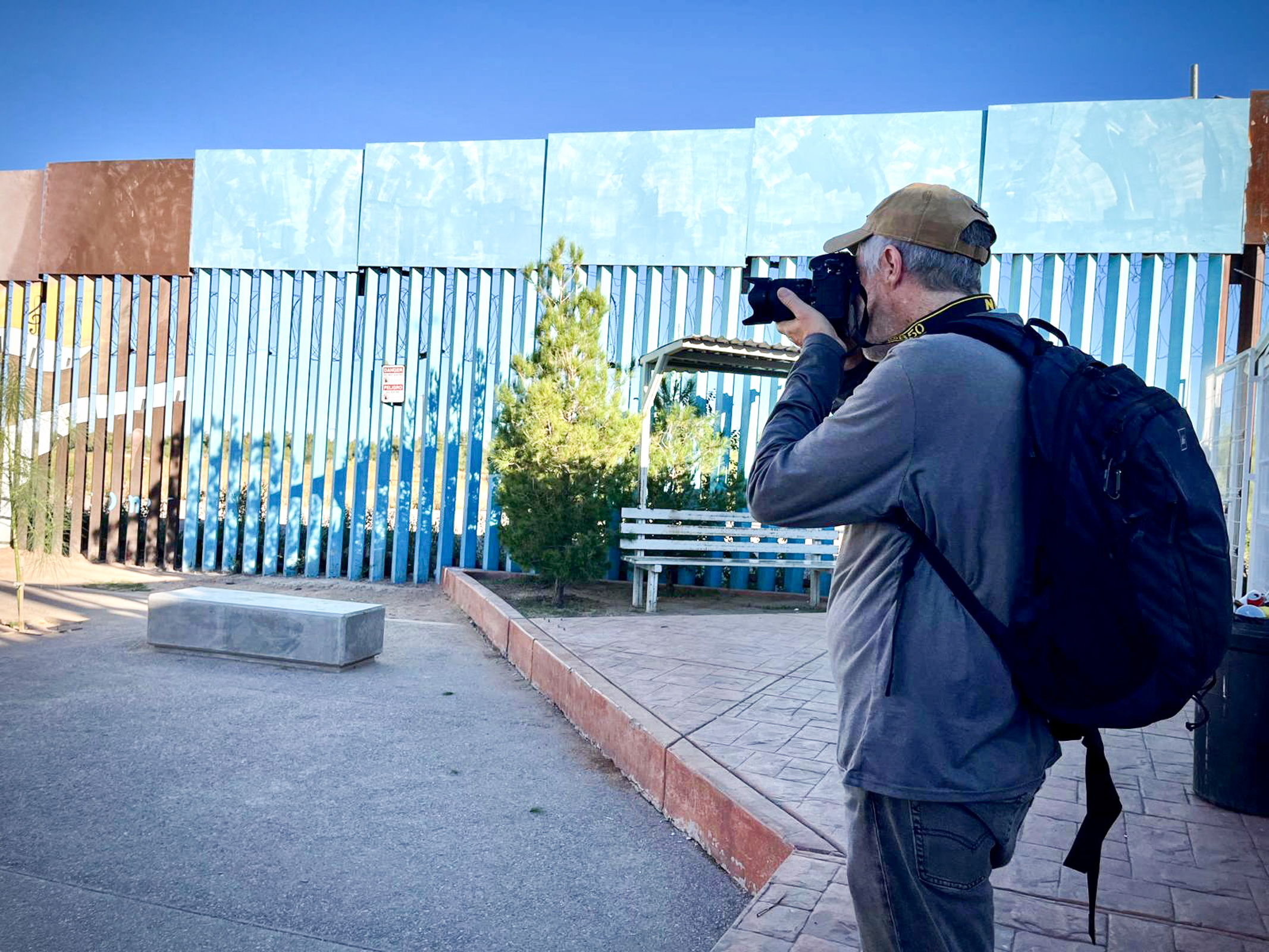


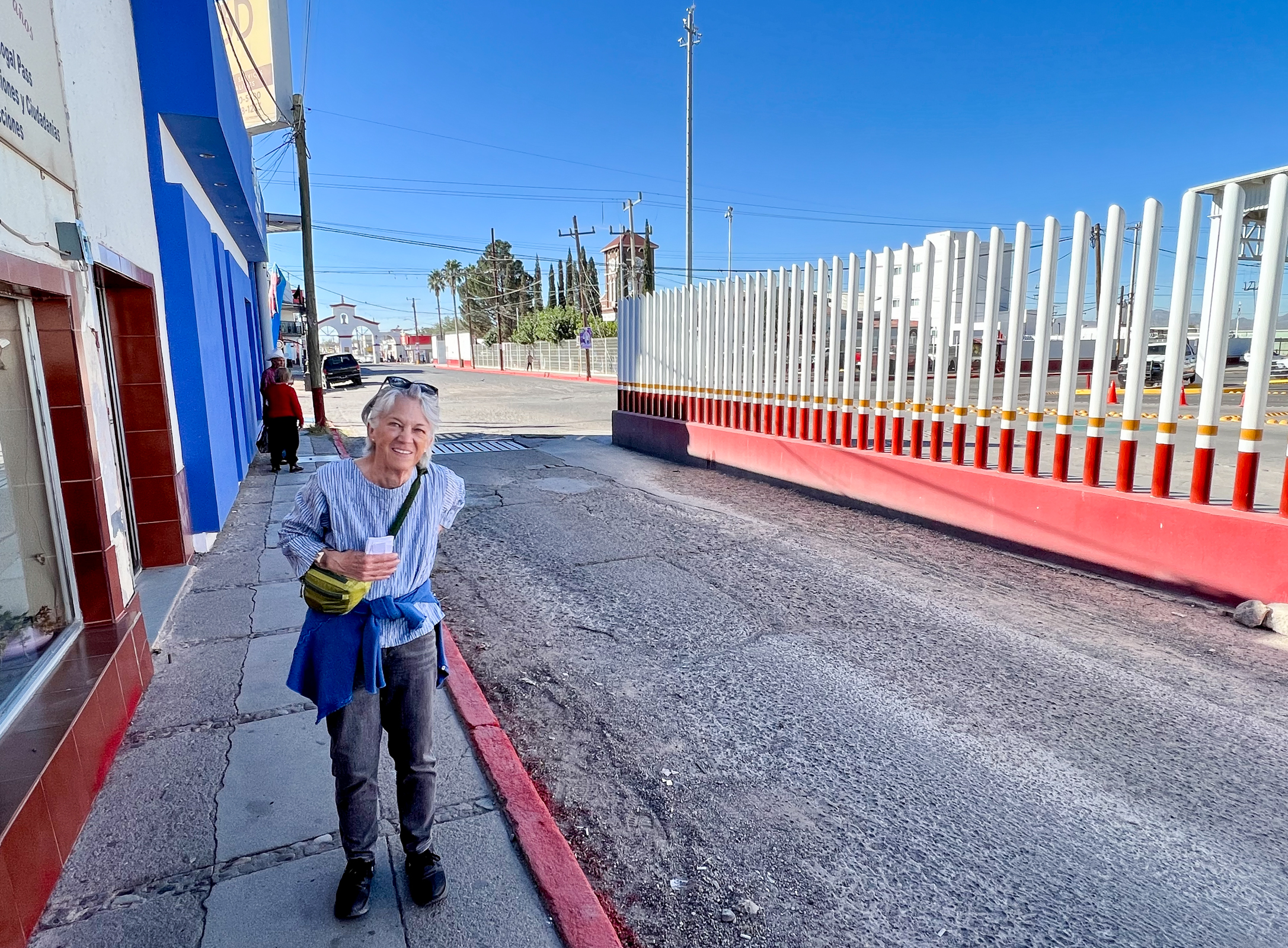
As we drove to Tucson, AZ we drove through the famous mining town of Bisbee. It reminded me of many of the small, hill towns we encountered on our library road trips to Italy and Greece. We didn’t expect to run into an exceptional library here, but the Copper Queen Library was something else. It reflects the one-time wealth and exuberance of this copper boom town that eventually went bust. Bisbee is making a comeback now as a tourist and gay-friendly community in a spectacular setting. The library is considered one of our country’s great small-town libraries.

The open road across America is long and full of surprises. Through our bug-splattered windshield we have seen the good, the bad, and the ugly. Heartbreaking sunsets and sunrises over golf courses in Palm Springs have kept us attuned to the beauty that is always around us.
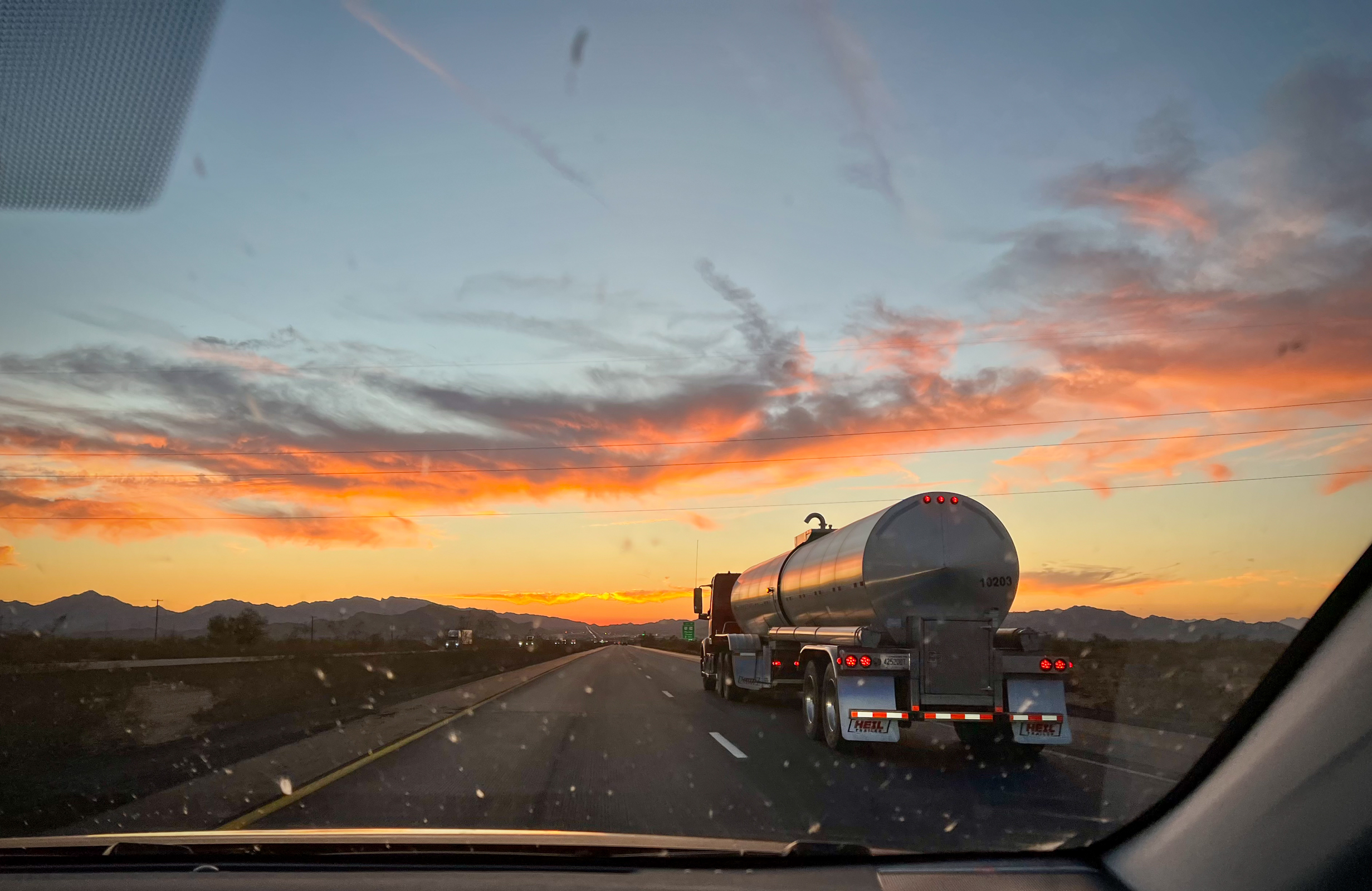

Our last exit down the endless hallways of corporate American road culture will not be missed and we keep repeating to ourselves “There’s no place like home.”

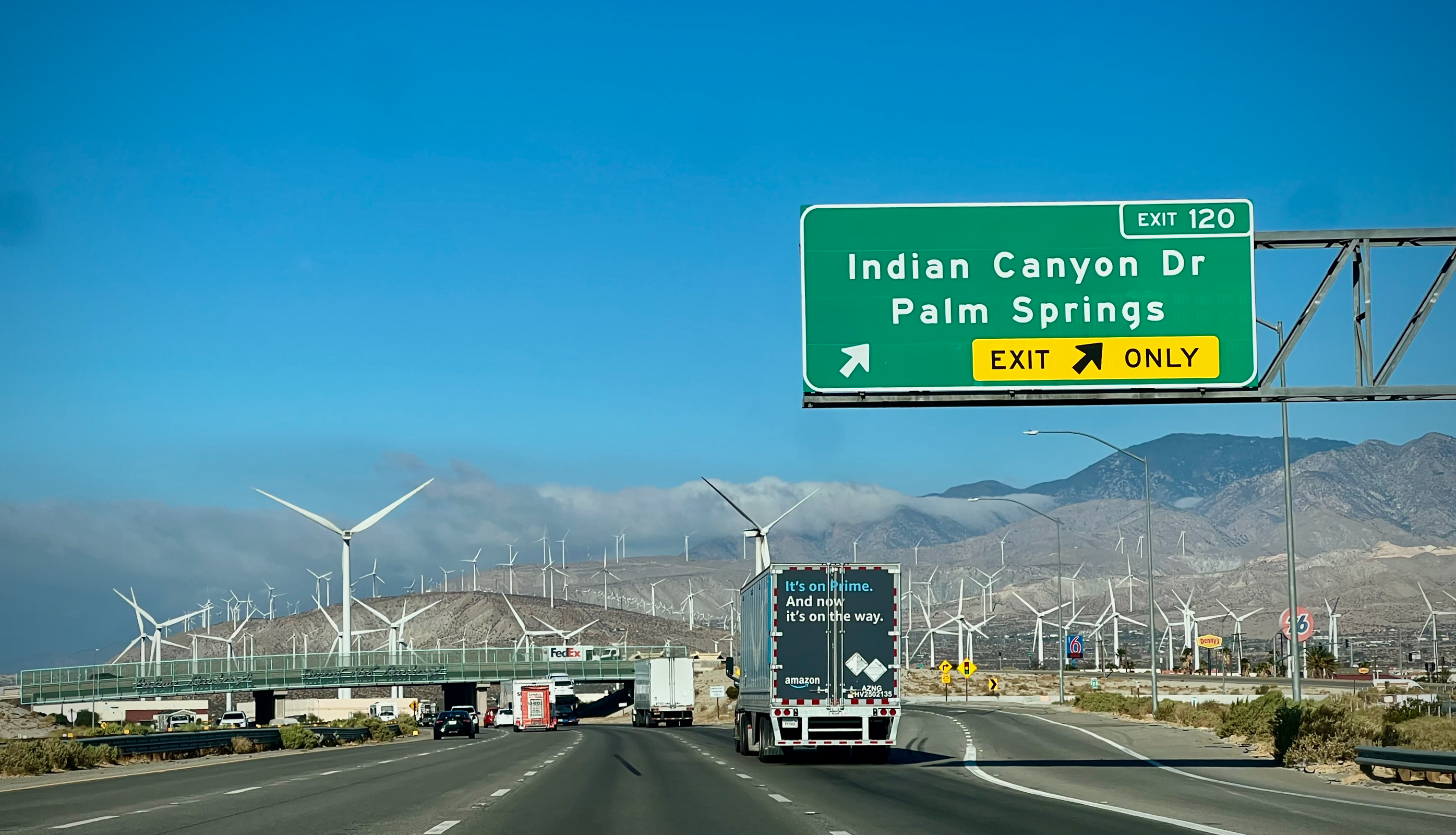
We were so glad to be back in California. As we left Palm Springs, we happily plunged into the highways, and windmills, and fog banks, and desert mountains of that crazy region. We knew that after driving across and seeing America whole, we were coming back to the state that contains it all, and more. It has been said that California is the future of America. That can be seen as both as a good thing, and bad. But it felt great for us to return to the future.
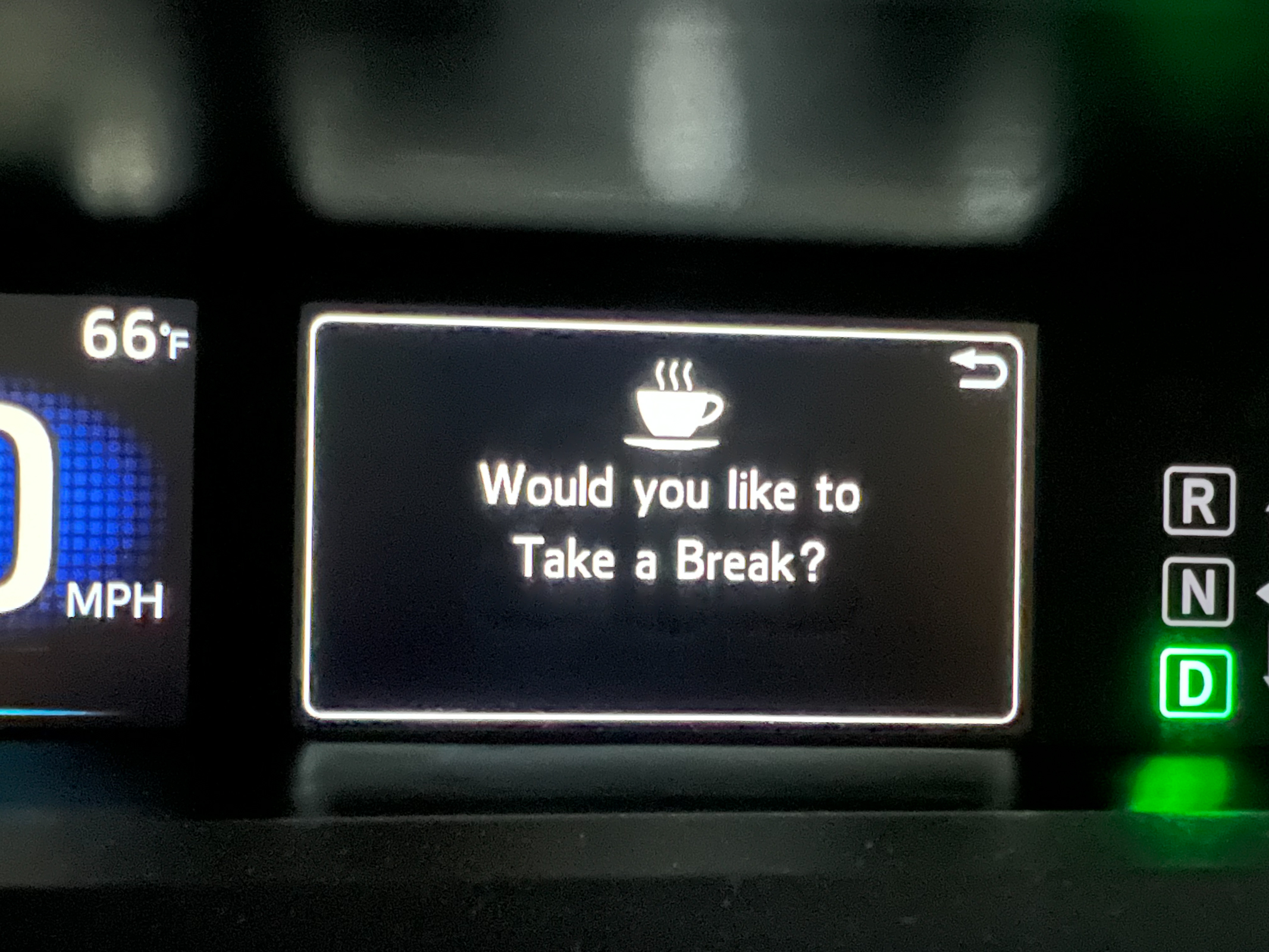
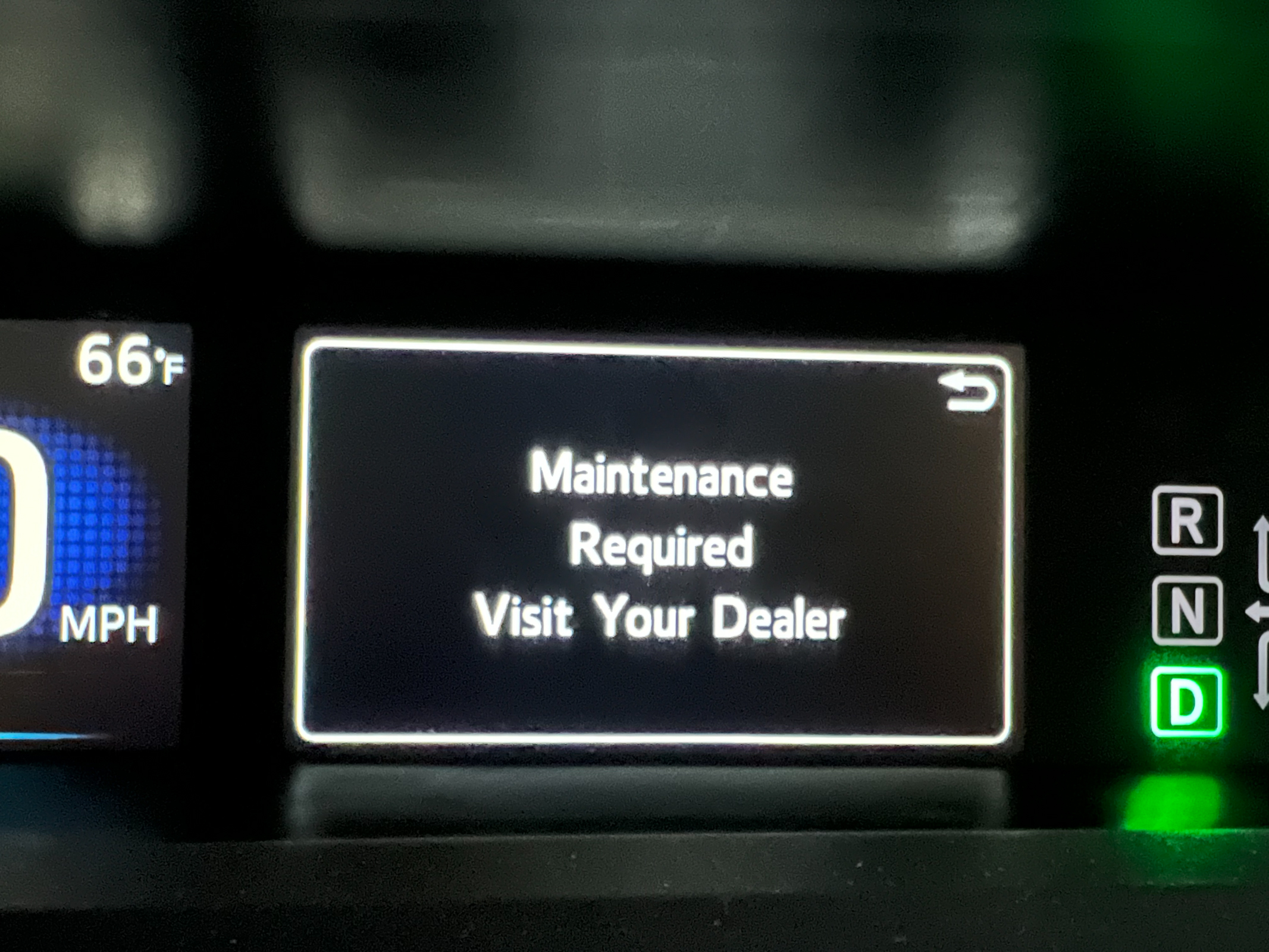
As we neared completion of our nearly 10,000-mile drive back and forth across our country, we noticed a warning message on our car’s dashboard asking “Would you like to Take a Break” along with “Maintenance Required. Visit Your Dealer”. Somehow those signs perfectly summed up our feelings at the time.
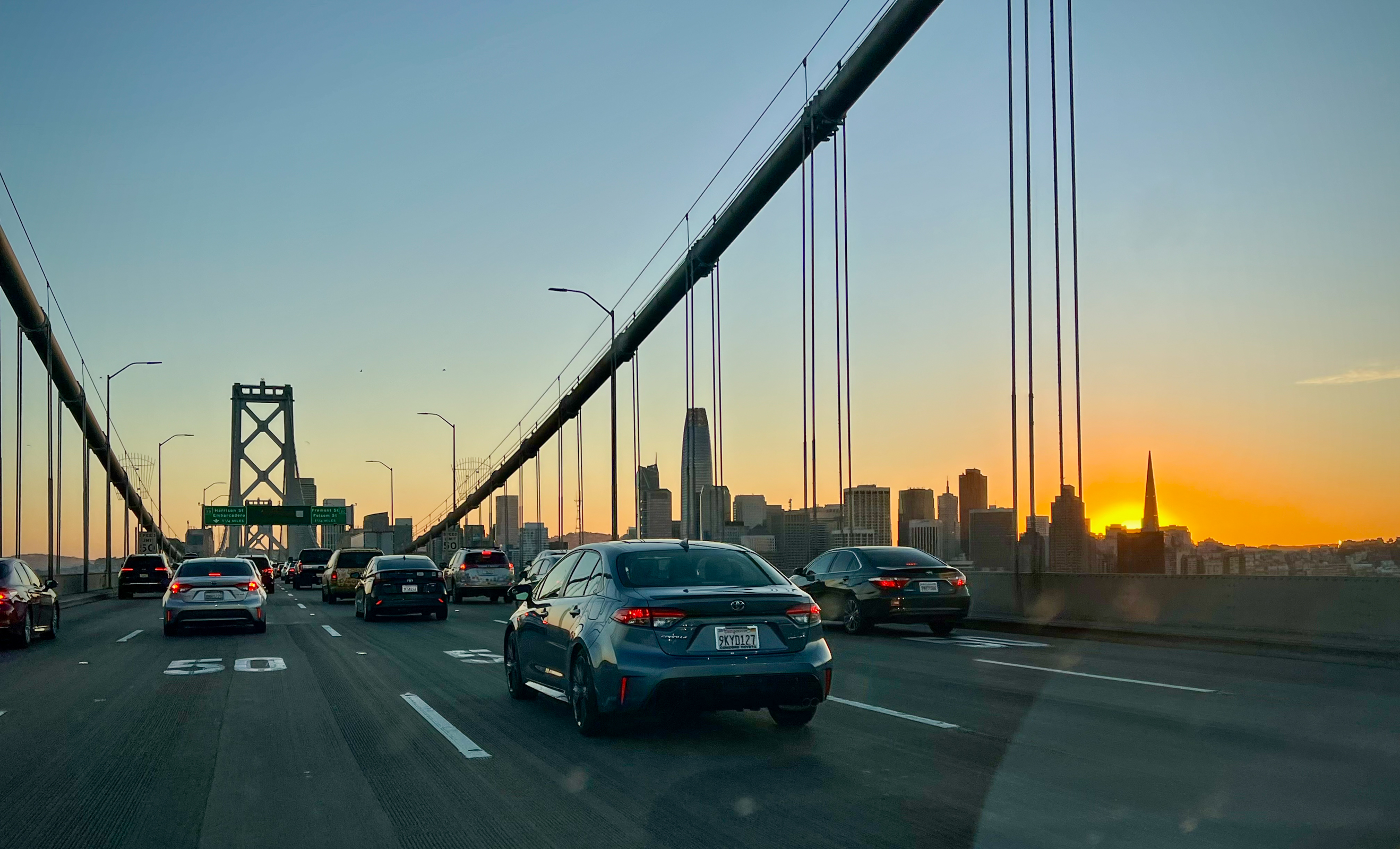
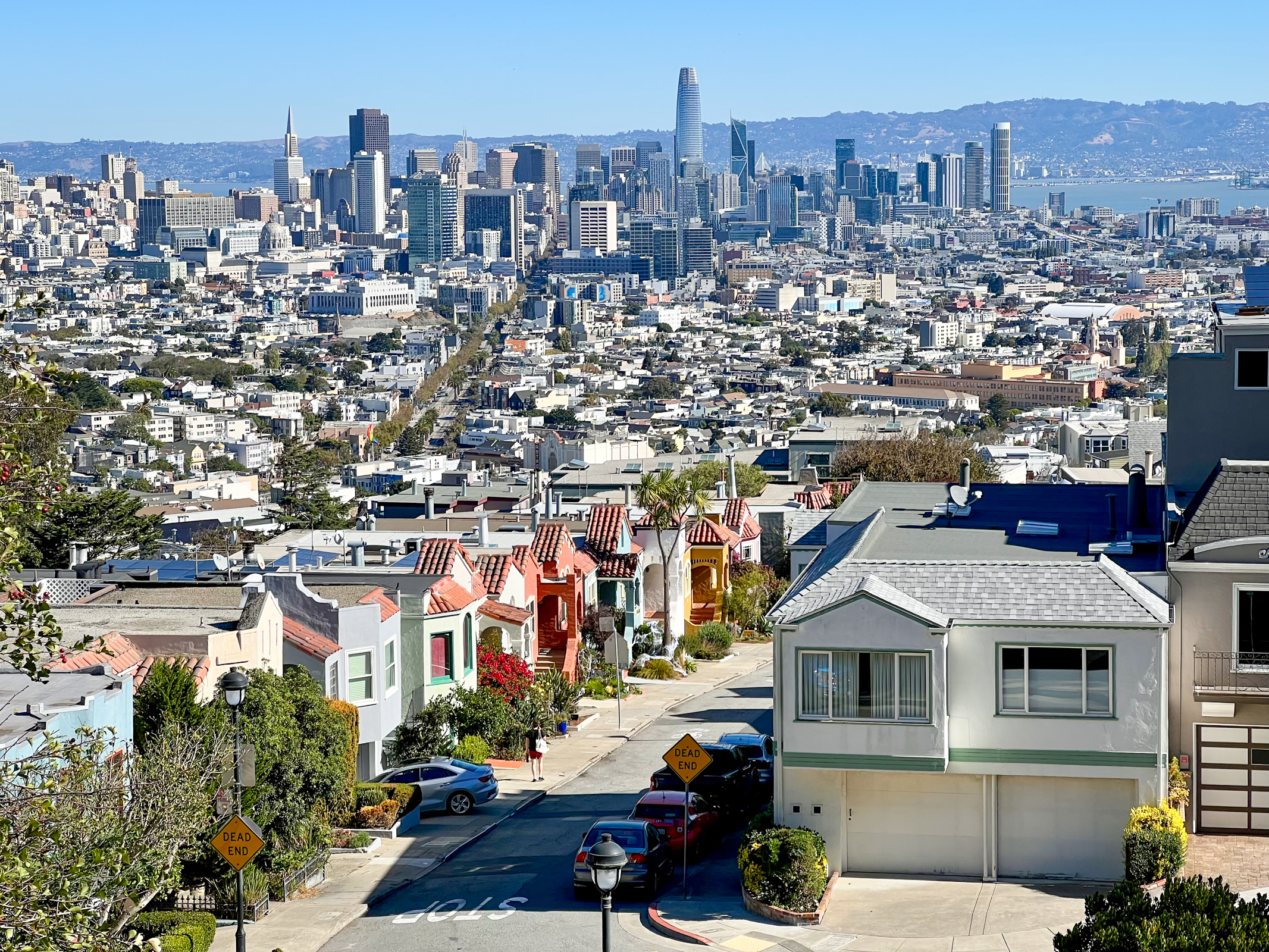
We arrived in San Francisco just as the sun was setting over the city and the Pacific. There is no place like home, and we are so glad to be back. Thanks for coming along for the ride. We’d love to hear from you. See you soon.


























 Library Road Trip