
We were so excited to be traveling to England, until we found out that Trump, our wannabe King, was hobnobbing with a real king in London. We had left the US partly to get away from the insanity of Trump World, but he got here before us. After a disastrous flight from New York where our flight was cancelled and we had to sleep in the airport, the last thing we wanted to deal with was our headline-grabbing President in the news here with the British Prime Minister and the nobility. Fortunately, he left just as we arrived.


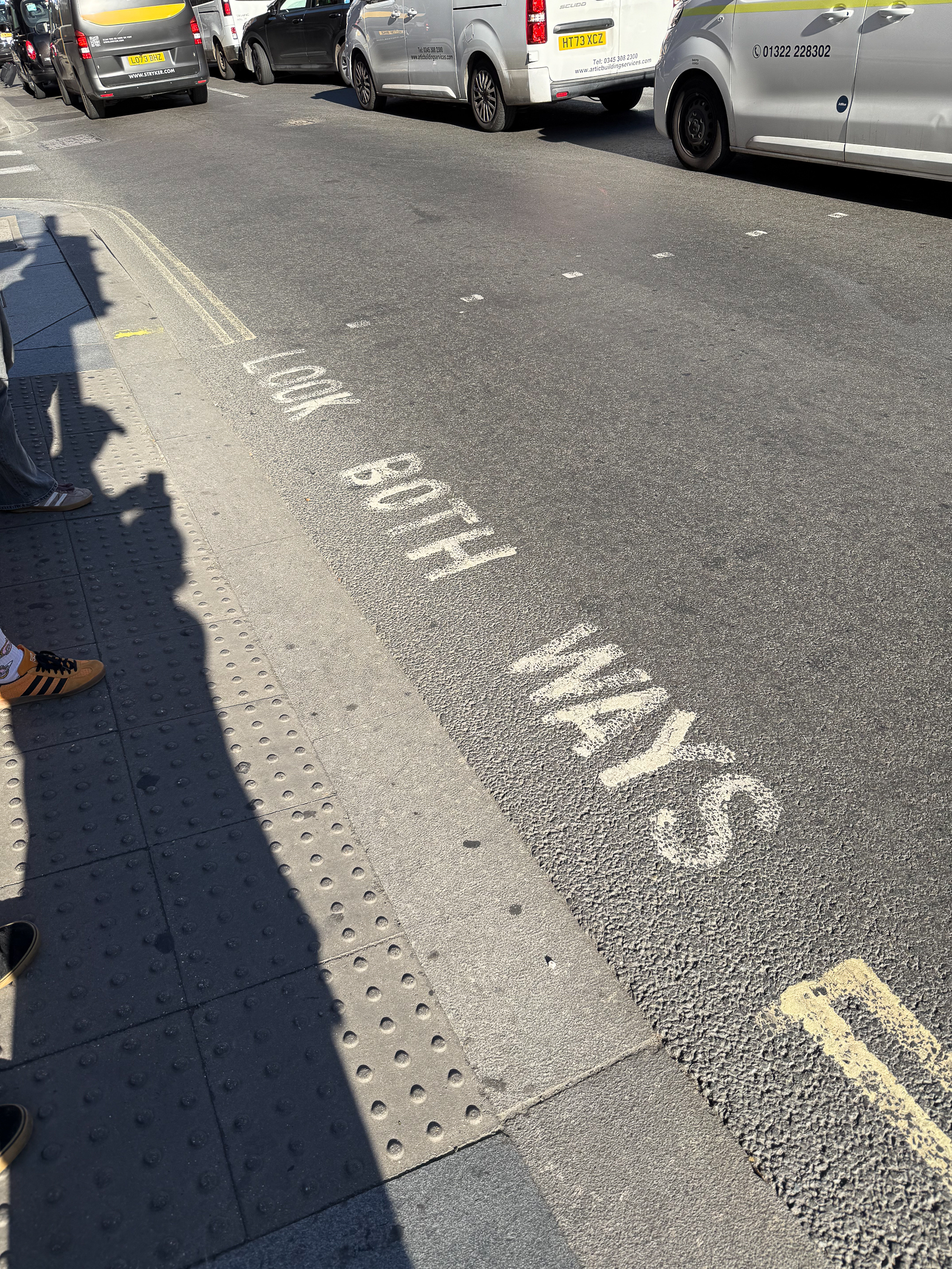
Our taxi driver was adamantly against Trump and said that the vast majority of the English found him appalling. We found that Americans in London need a little time to adjust after landing. Fortunately, translating the language is pretty easy. Unfortunately, figuring out the traffic patterns takes a little more time.

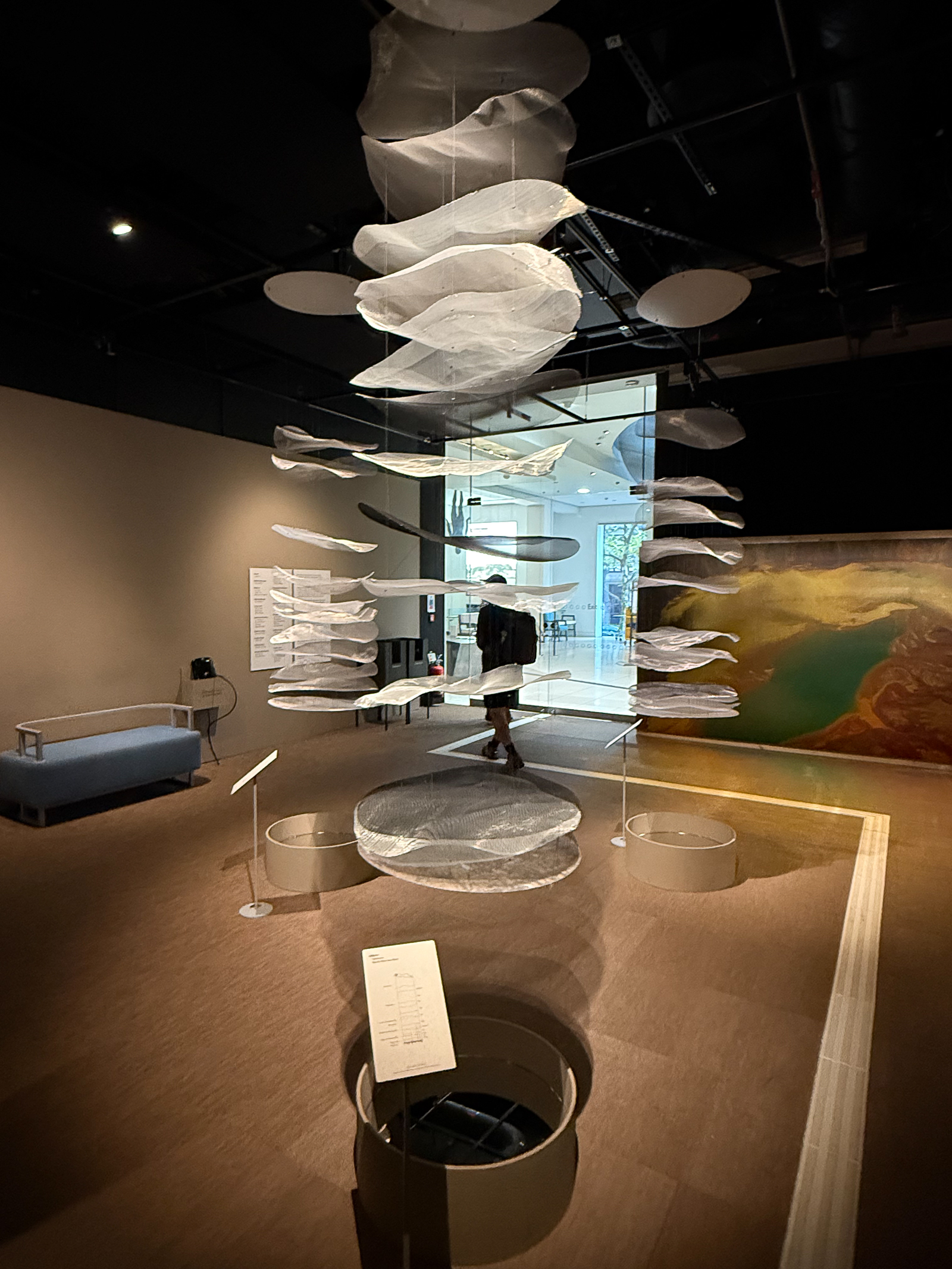
After sleeping 12 hours to recover from jet lag and no sleep at the airport in New York, we were surprisingly chipper as we entered this new country. Our friend Meridel was one of the featured panel speakers at an amazing conference on global water concerns called “Thirst”. It was organized by the Wellcome Collection and featured a fascinating, wide-ranging exhibition on the water crisis and various efforts by artists and others to address this existential threat.




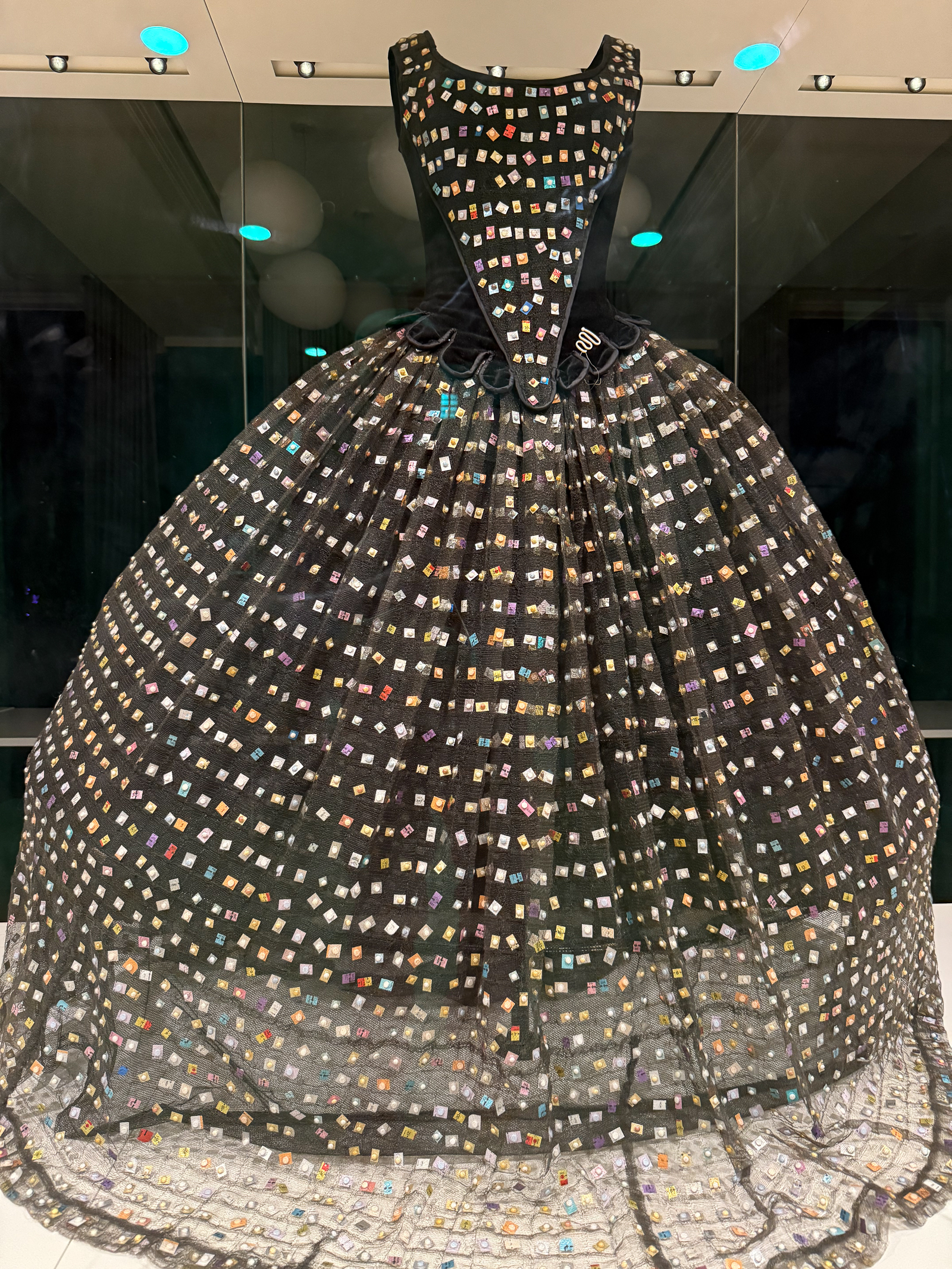
We met Meridel at the symposium and also her Iraqi collaborator Jassim Al-Asad. They both gave a presentation on their Eden in Iraq Wastewater Garden Project.


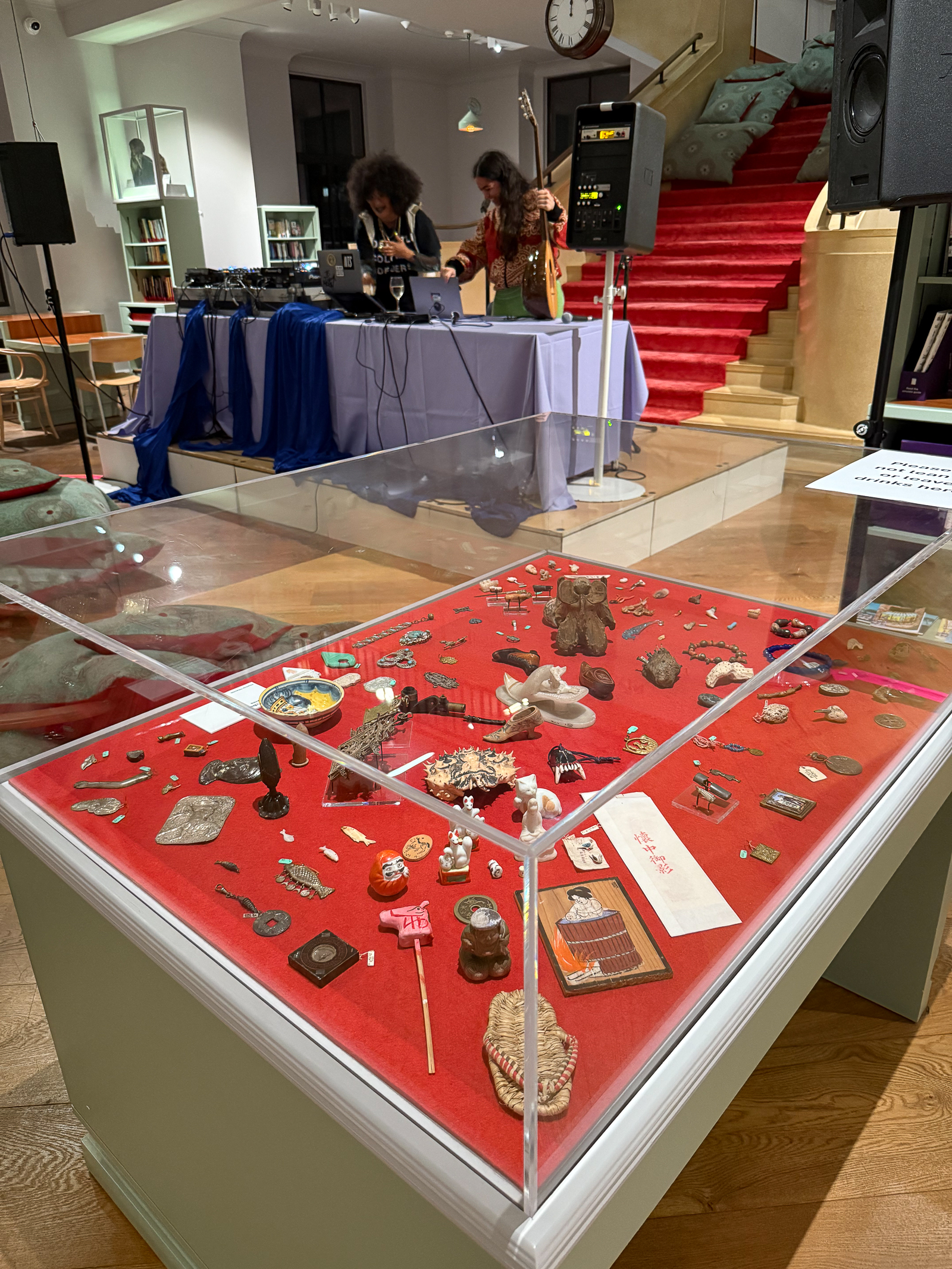
We also went to a presentation by a Palestinian sound artist in the Wellcome Foundation library. Much of the library’s collection consists of unique and unusual medically related devises and objects. But it seemed a little jarring to have the young Palestinian presenting her heart-felt work surrounded by this history of medicine.


Driving from London to Birmingham in a rental car was a little like rewiring my brain. I have spent the last 75 years being in cars that were driven on the right side of the road. Now I was having to relearn how to drive on the left side. White knuckles would be one way to describe our three attempts to simply get out of the airport car rental lot. Two hours later we arrived in Birmingham, but it took three more attempts to navigate the impossibly complicated streets in the old urban center while driving in the wrong lane.
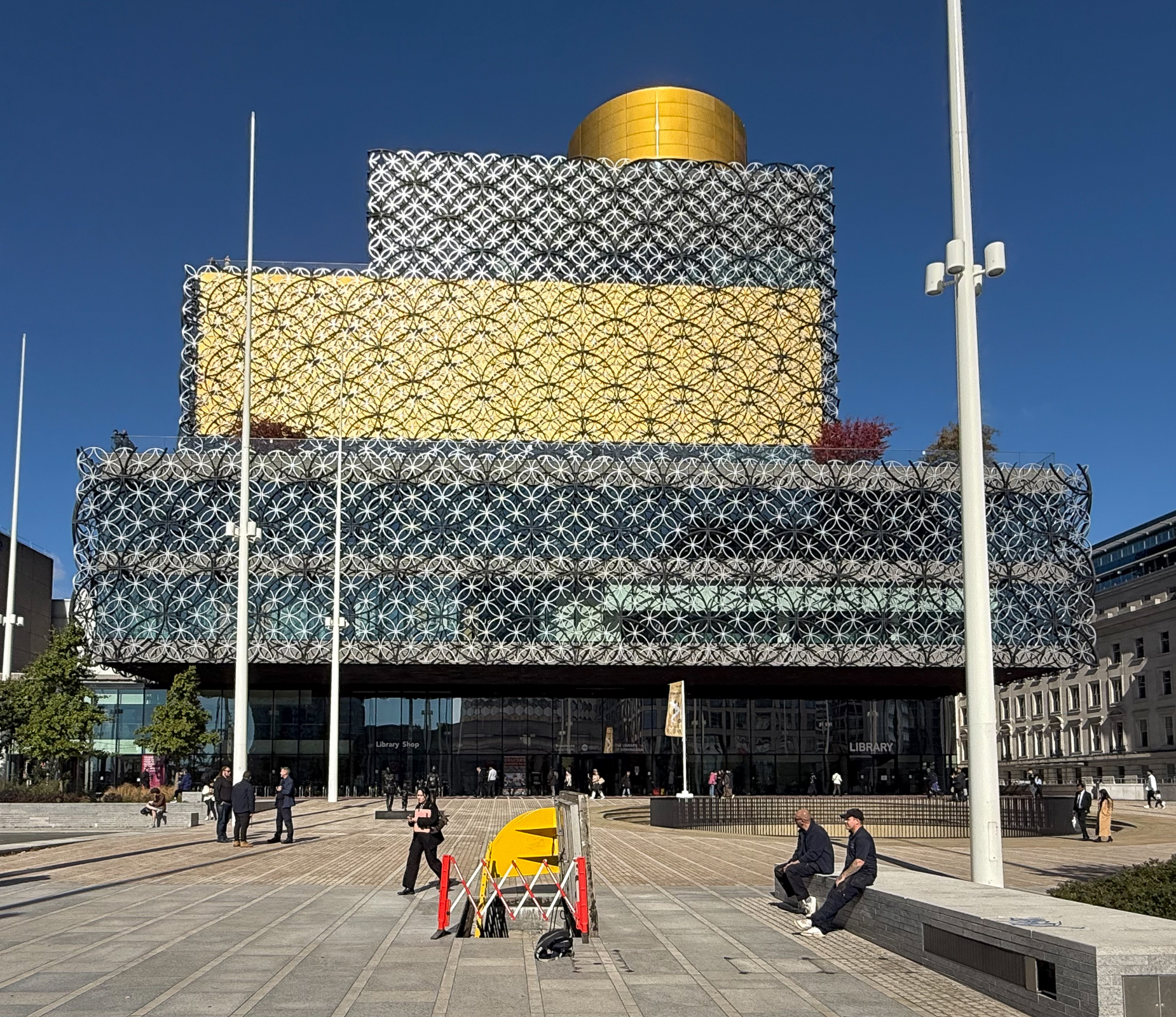
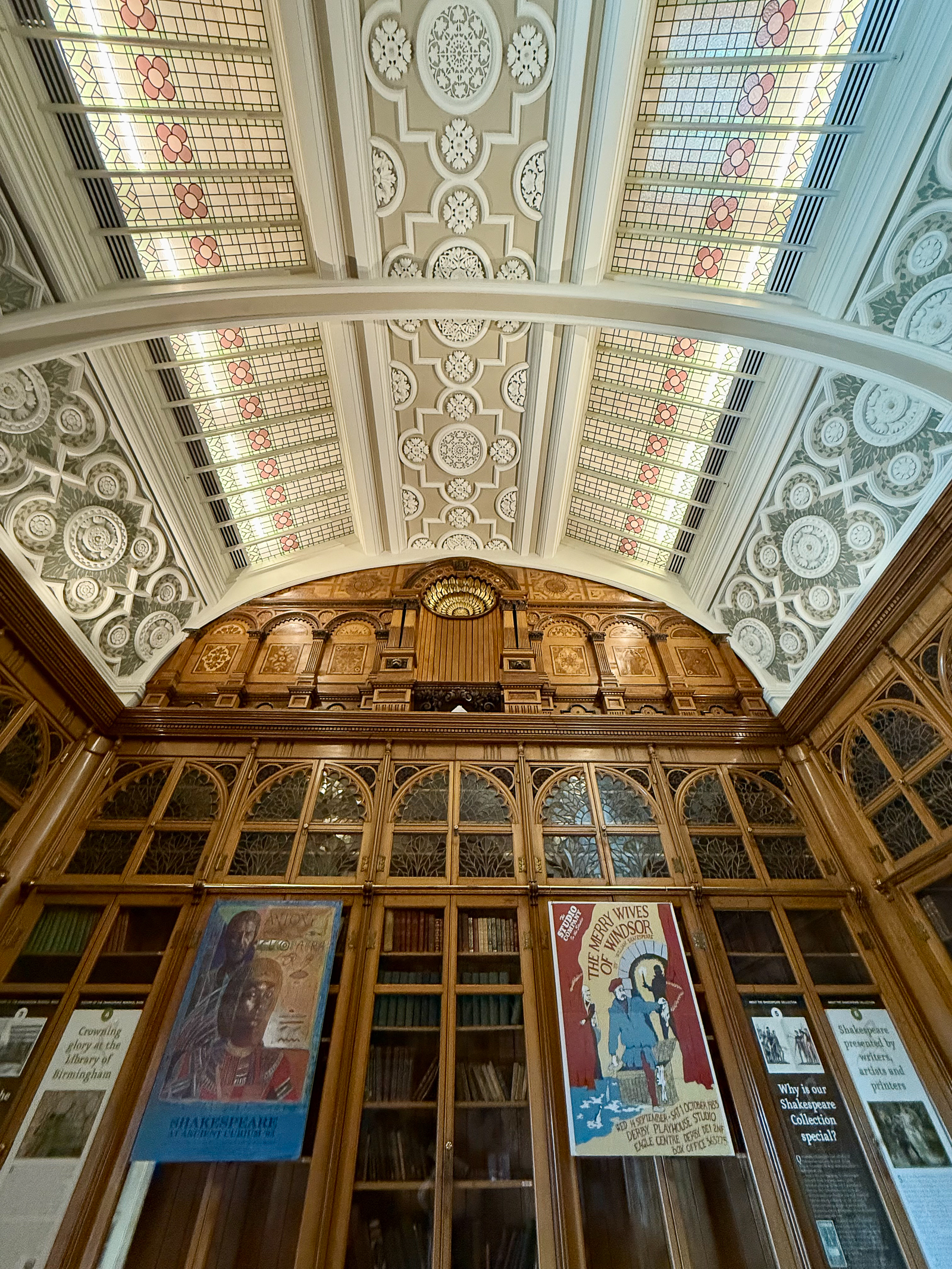
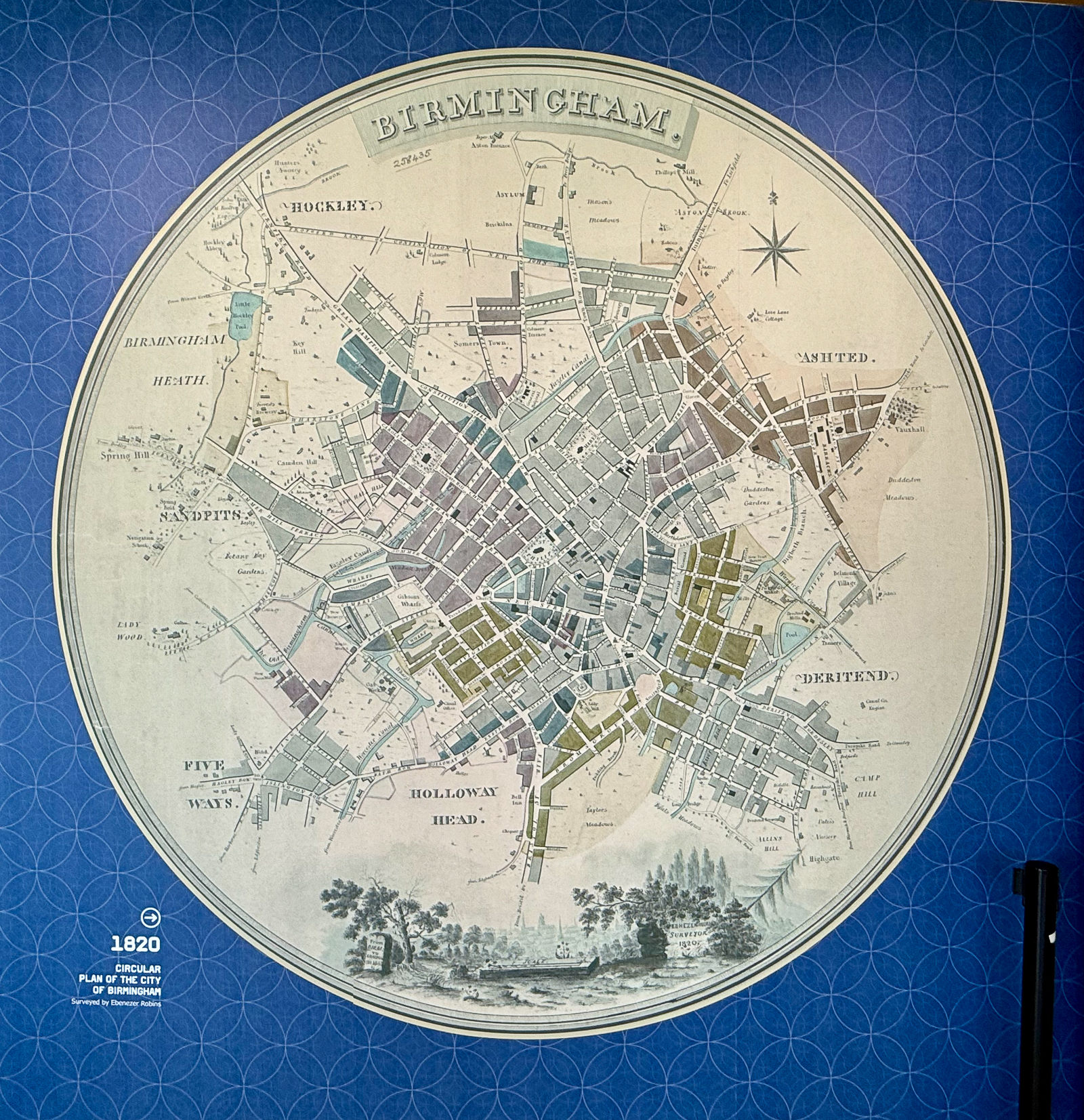
The goal of all this effort was to visit and photograph the Library of Birmingham. It has been described as the largest public library in the UK, the largest public cultural space in Europe, and the largest regional library in Europe. It has almost 2 ½ million visitors a year and is one of the most popular attractions in Europe. It is the flagship project for this post-industrial city’s redevelopment and was very impressive. Birmingham seemed a little scruffy and still has many problems, but this library is an impressive first step in rebuilding the urban core. We spent an evening and a good part of the next day photographing all parts of it.



Each day I gained a little more experience and confidence in my left side of the road driving skills. We drove for two more hours to the other big city in the Midlands named Manchester. Here we stayed for three nights with friends of Walker’s named Joanna and Michael. She is an American and went to school with Walker, and he is a Brit. They were the most fascinating people that were able to open up and interpret all things English. We could not have had better guides. We first met them a few years ago when they stayed with us on their bicycle odyssey riding from Seattle to the very bottom of South America and then back up through Africa.
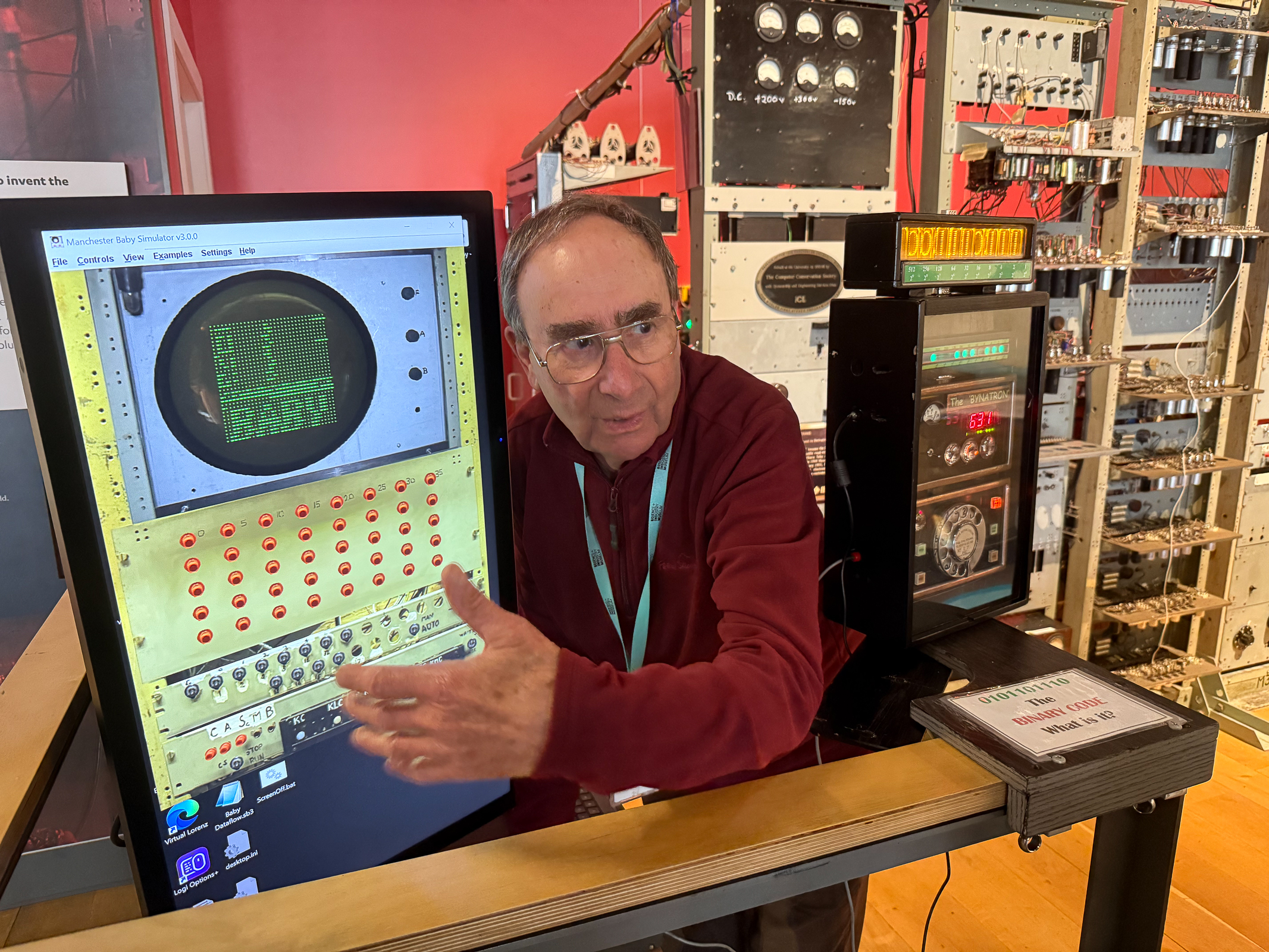
Manchester’s Science and Industry Museum featured much of the dynamic industrial innovation of a city that helped start the Industrial Revolution, for better and for worse. Even one of the earliest forms of the computer came from here.


Michael and Joanna were perfect hosts and took us to the site where the IRA blew up a large part of central Manchester, and a statue of Lincoln with his letter to the citizens of Manchester who sacrificed their dependence on Southern cotton to help end slavery during our Civil War. Ironically, the statue was surrounded by a well-organized homeless encampment. Finally, we saw a local artist’s wonderful depiction of Trump entitled “Mandate of Heaven”.


The John Rylands Research Institute and Library is a unusual late-Victorian neo-Gothic building which opened in 1900 by a wealthy widow in memory of her husband. It is the third largest academic library in the UK with a very large and impressive special collections. It felt strange being in a building that mimics the beauty of Gothic architecture but was built in the 20th century.


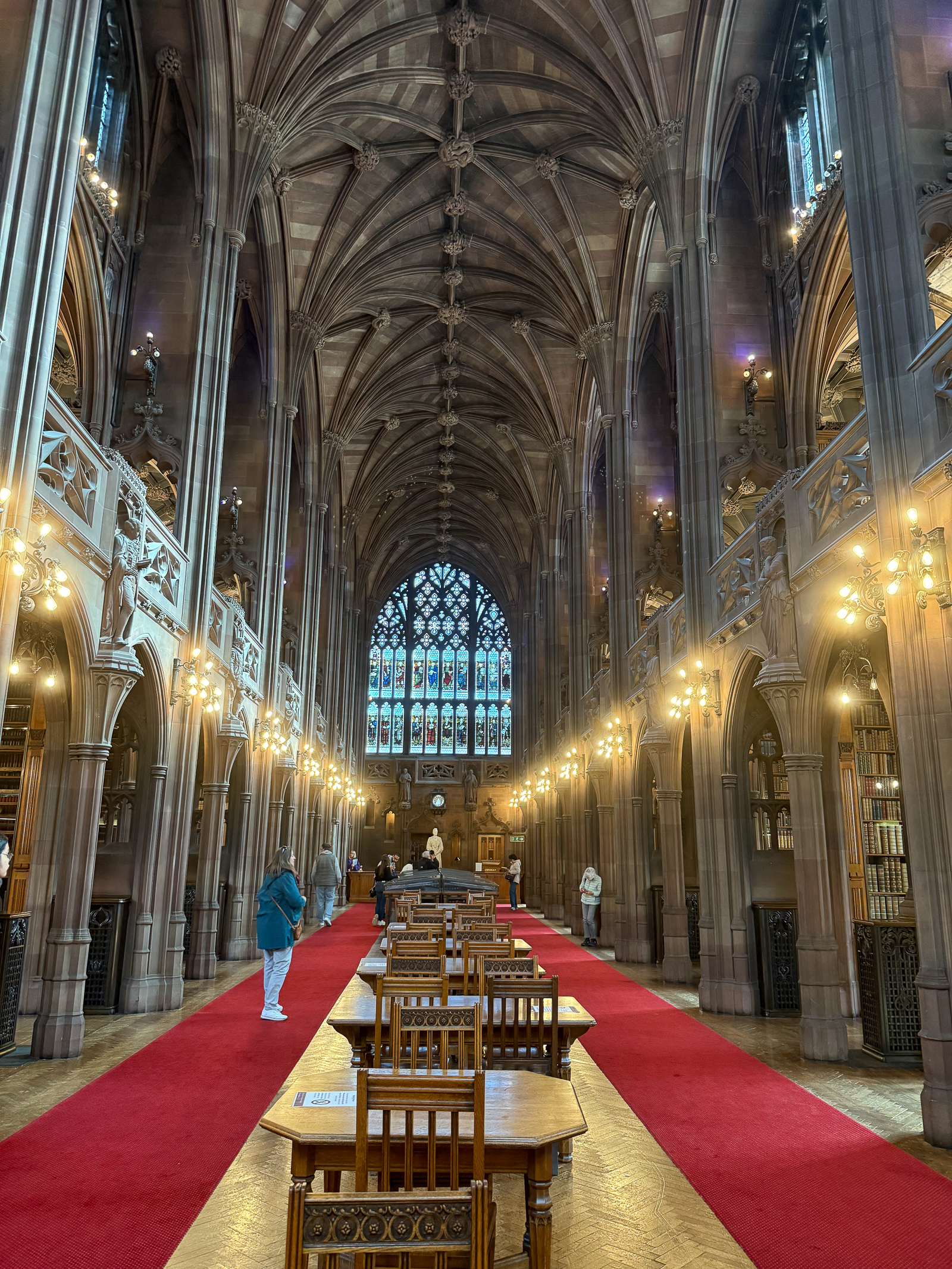

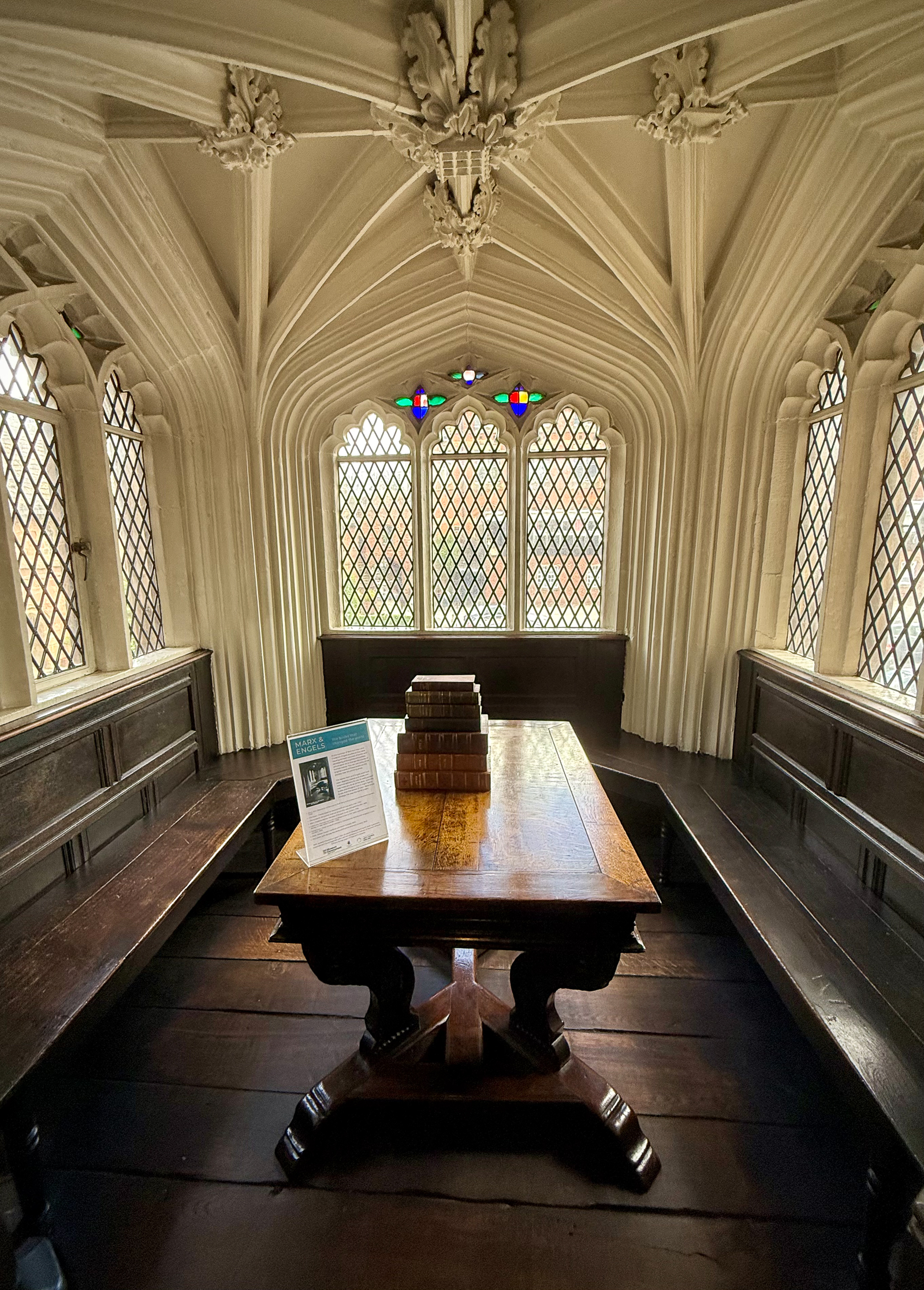
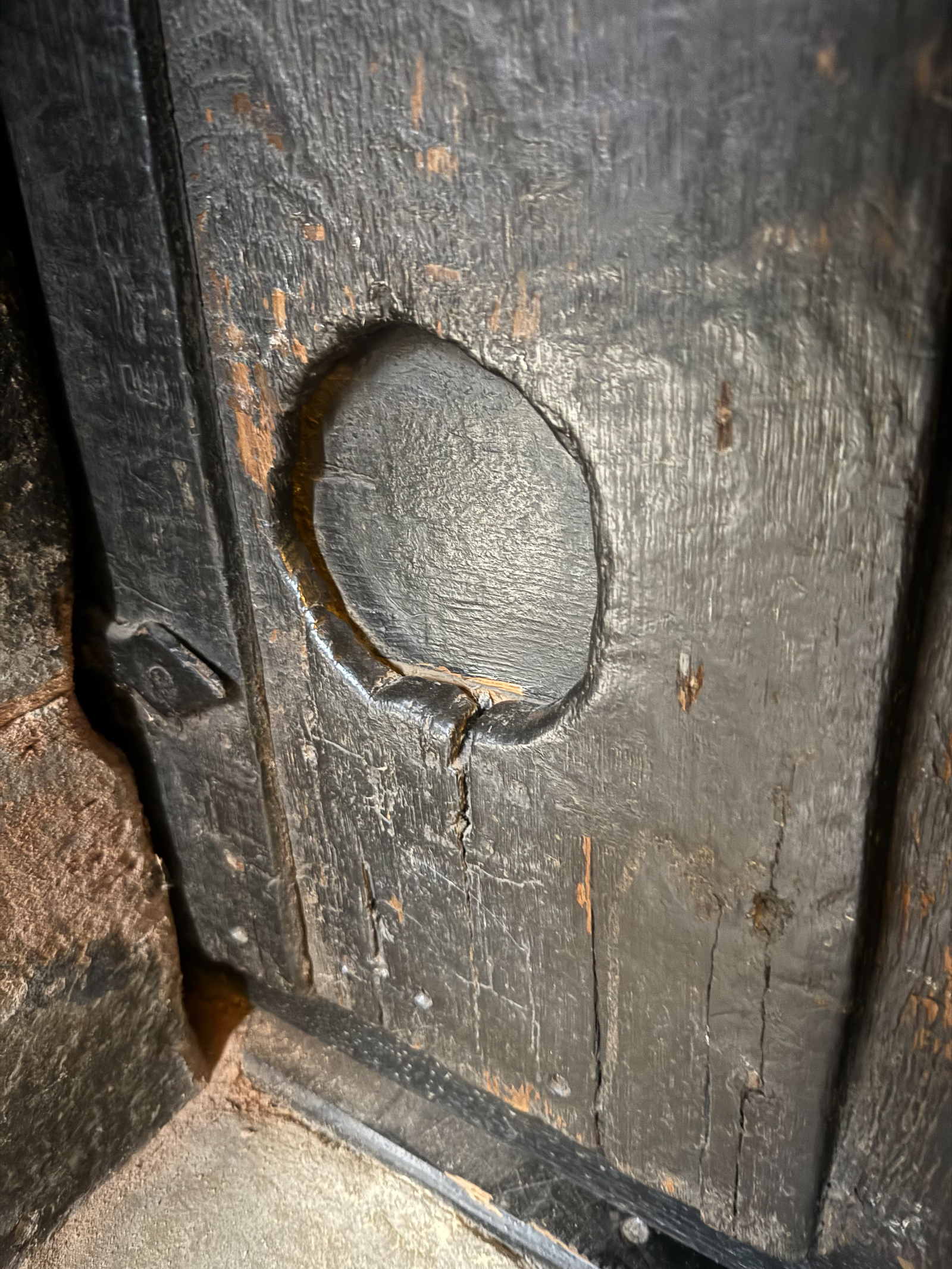
Our last library in Manchester was Chetham’s Library. It is the oldest free public reference library in the English-speaking world and was established in 1653. We had to take a tour to access the inside of the library, but the two guides made the whole experience fascinating. Besides the architecture and ambiance, one of the highlights was seeing the desk that Karl Marx and Fredrich Engles used to write the Communist Manifesto. The other highlight was seeing a medieval cat door, or as the English call it a cat flap.


While staying with our new friends in Manchester, we were able to indulge in spending time with their two delightful cats named Jose and Cali. We were in bad need for a cat fix, and these kitties were our saviors.

Next stop: The Lake District.











 Library Road Trip