Monthly Archives: November 2025

LONDON, OXFORD AND HOME

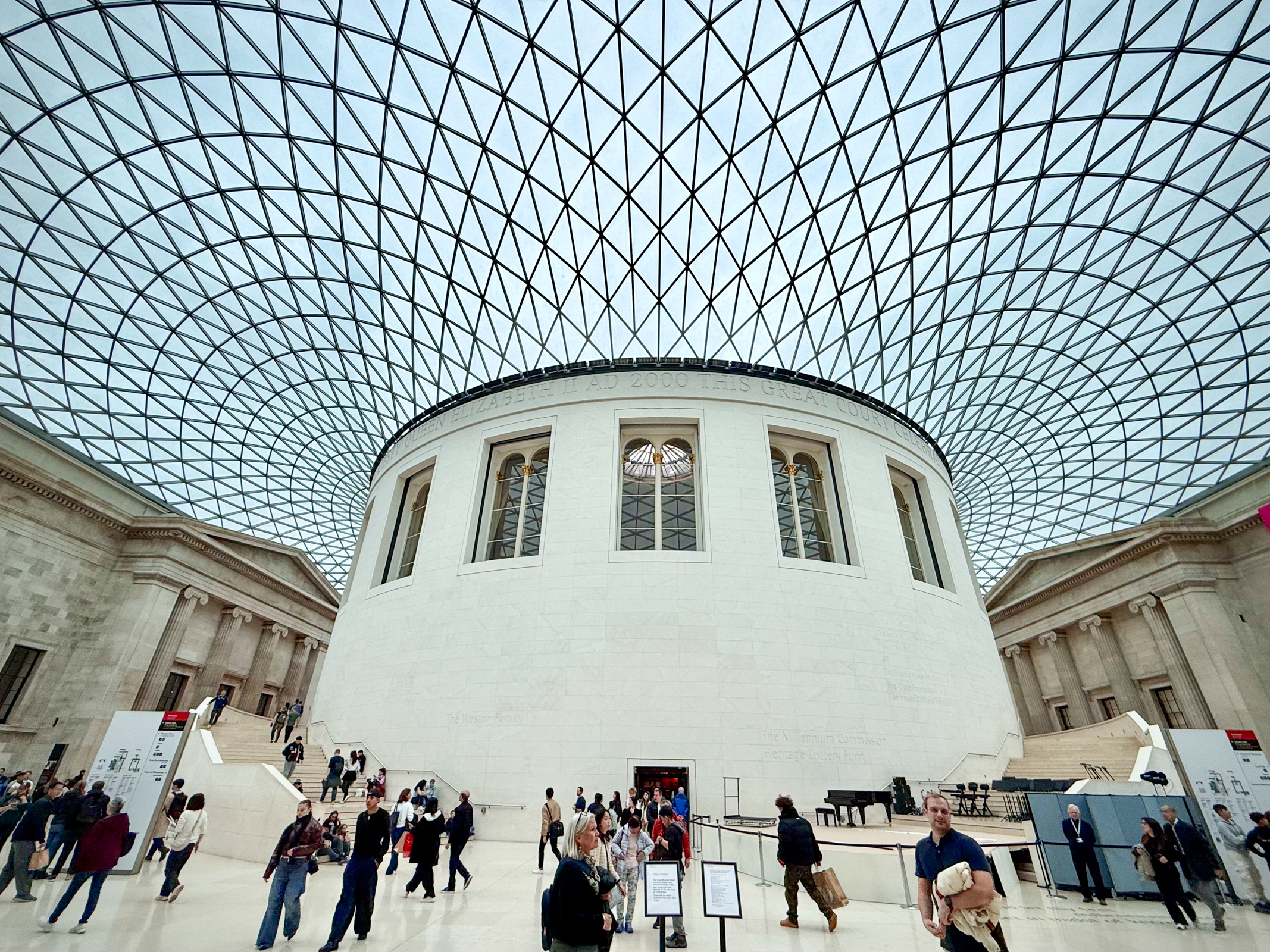
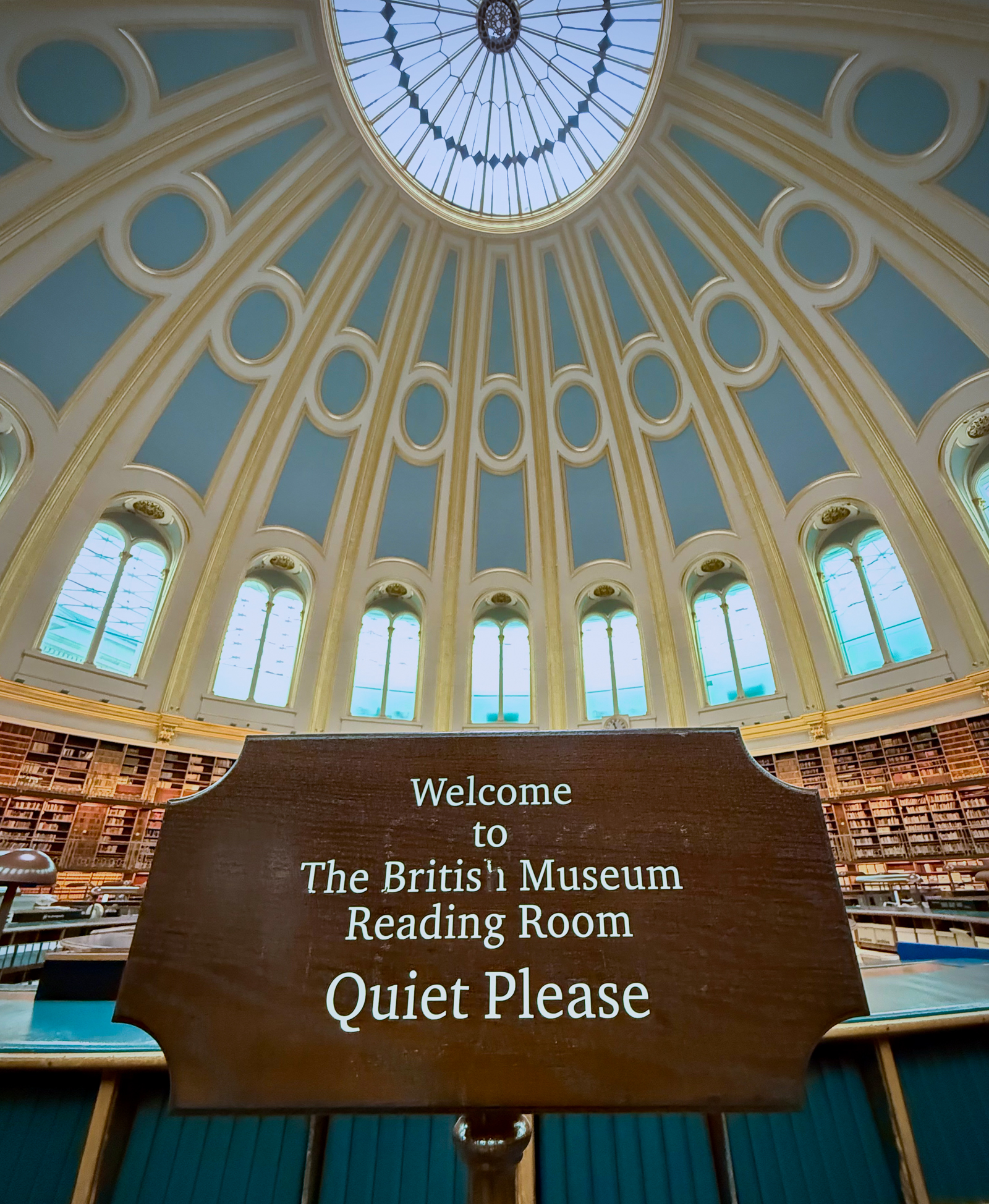
After our deeply emotional trip to Sarajevo, we returned to spend 2 ½ more weeks in London including a short trip to Oxford. Of course, on our first day back we headed straight to the British Museum. I have long fantasized about moving into the Museum and never running out of things to see. At the heart of the British Museum in the center of the largest covered public square in Europe called the Great Court is the original Reading Room. On opening day in 1857, more than 62,000 visitors came to sample the free ice cream and champaign and marvel at the new building. Among the many people who have used it since are Bram Stoker, Sir Arthur Conan Doyle, Beatrix Potter, George Orwell, Mark Twain, Virginia Woolf, H.G. Wells, Mahatma Gandhi, and Lenin. Karl Marx’s famous book Das Kapital was largely written in the Reading Room.
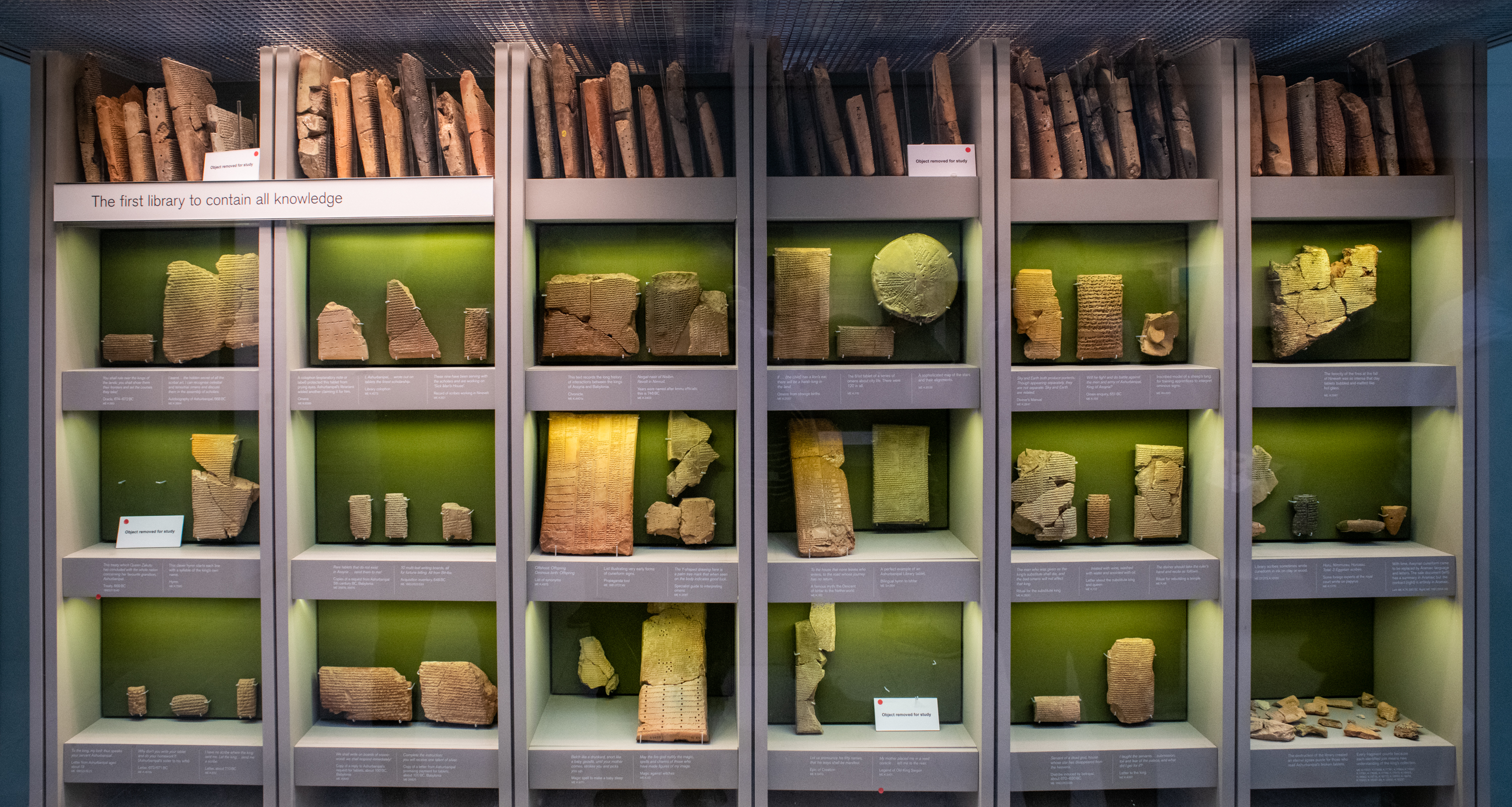
We also visited an exhibit on the Royal Library of Ashurbanipal, considered the first library in the ancient world. Discovered in what is now northern Iraq, the library is one of the most important archaeological discoveries ever made. Ancient Nineveh was consumed by fire around 612 BCE. While paper books are destroyed by fire, the clay tablets were baked harder, making them among the best-preserved documents from thousands of years of Mesopotamian history. I was almost speechless standing in front of this miraculously preserved first library.
We visited one of the other most famous artifacts in the British Museum, the Rosetta Stone. Originally discovered by Napoleon’s soldiers in Egypt in 1799, the ancient decree was written in three languages with the known Ancient Greek script providing the key to deciphering the previously unreadable Egyptian hieroglyphs. It was humbling to stand in front of this essential key to understanding ancient Egyptian writing and civilization.

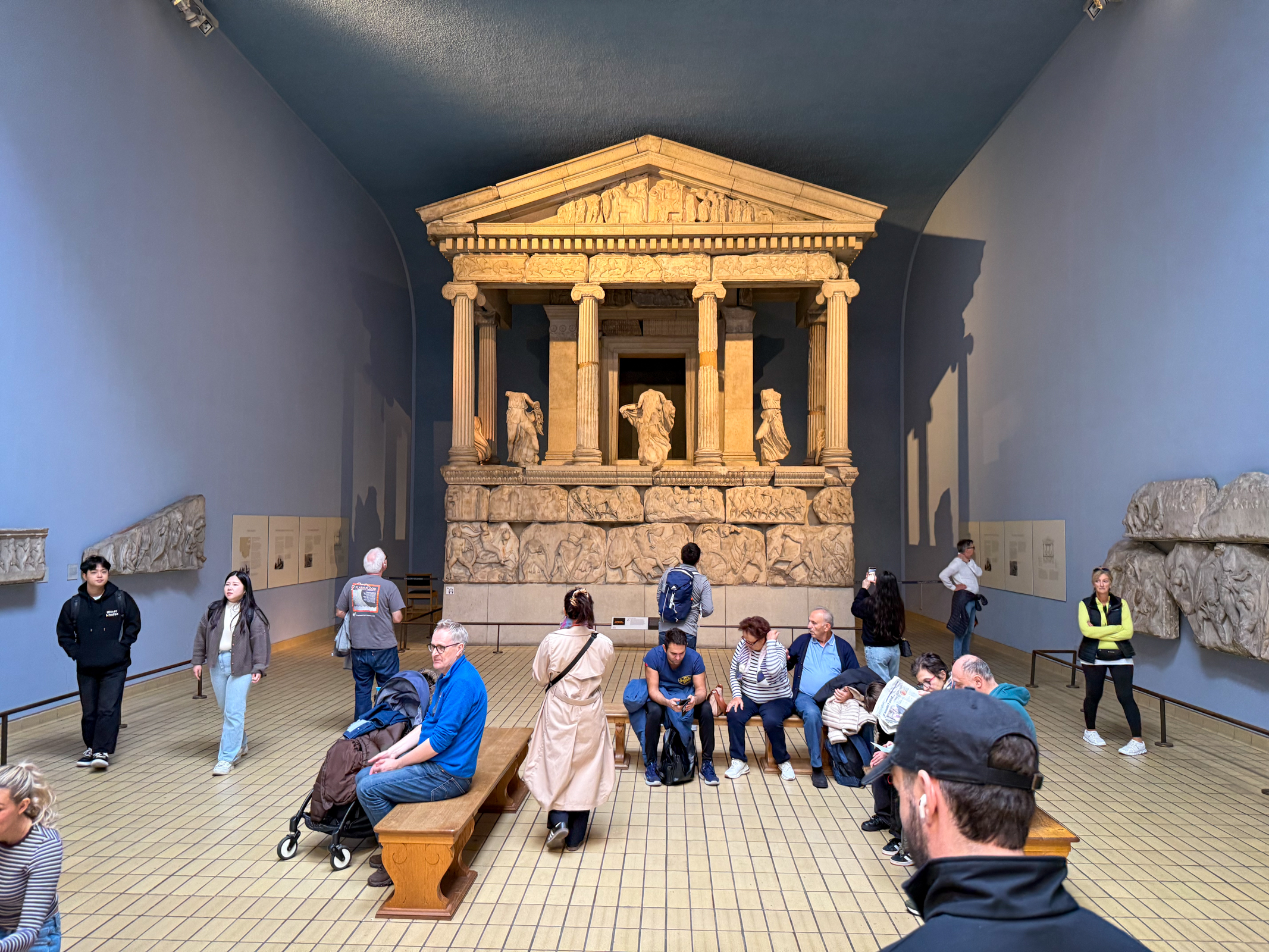
The British Museum is filled with the loot of British explorers and empire. The Elgin Marbles were on display but, curiously, I didn’t see any mention of the controversy over why Britian has not returned these stolen sculptures back to Greece. It seems that long simmering argument will take a little longer to resolve.
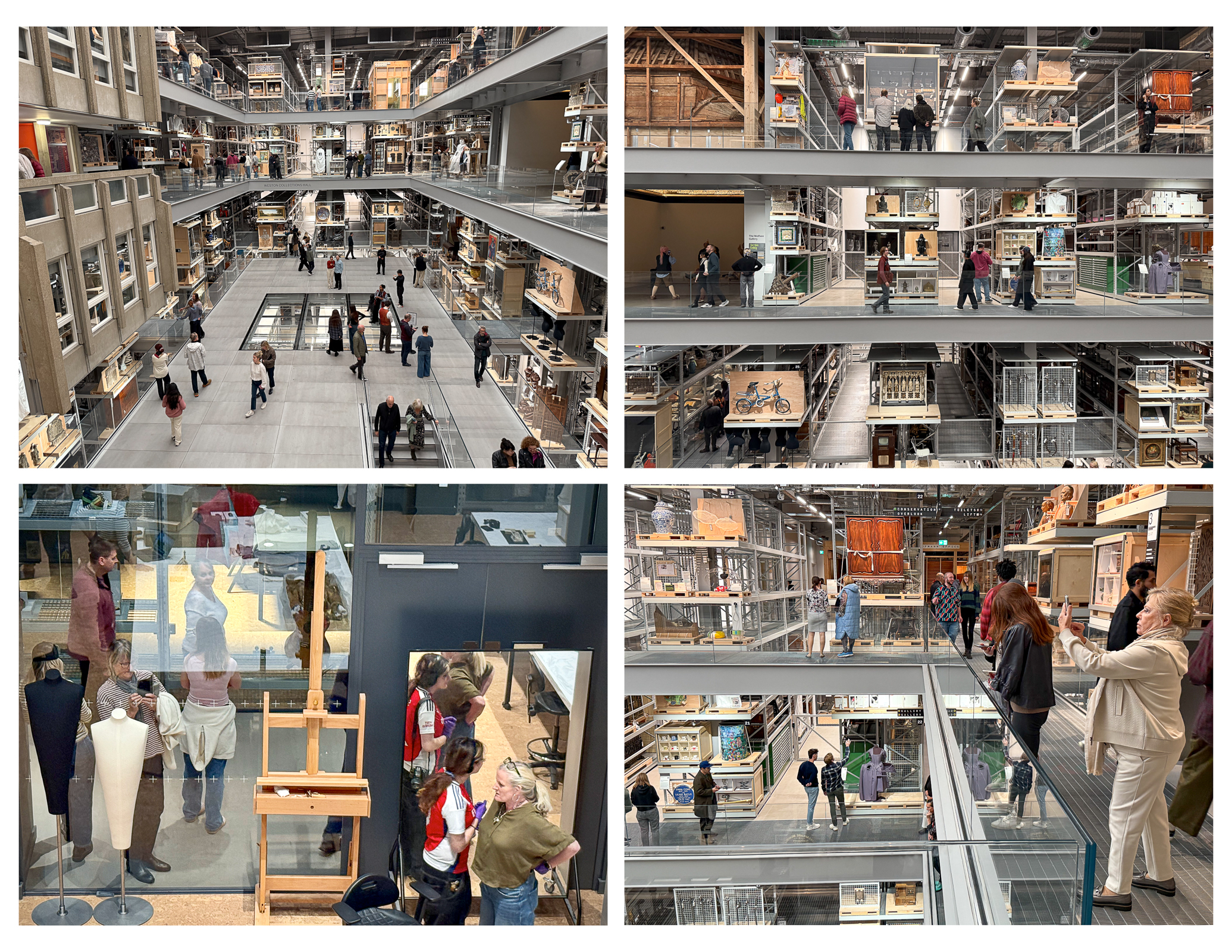
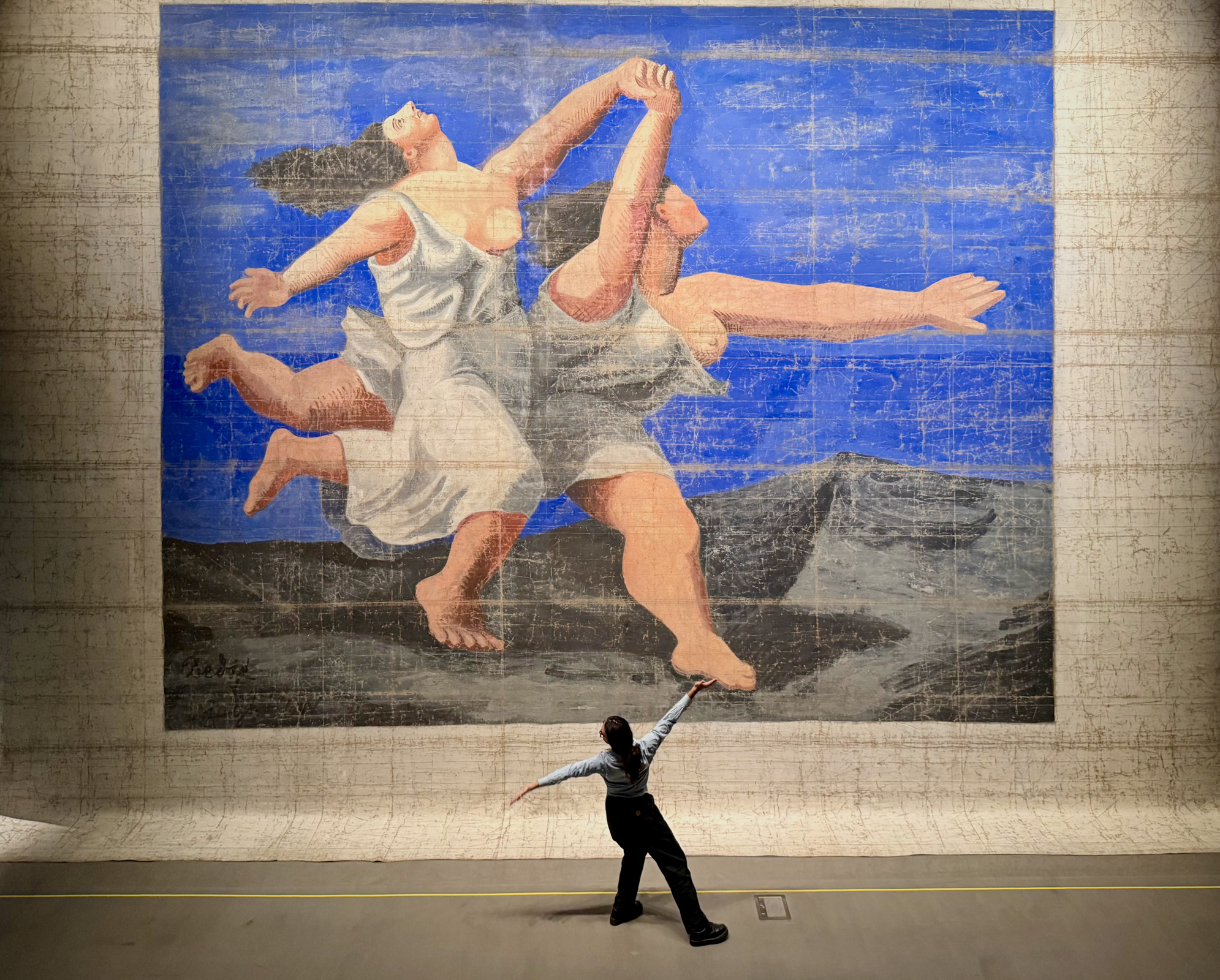
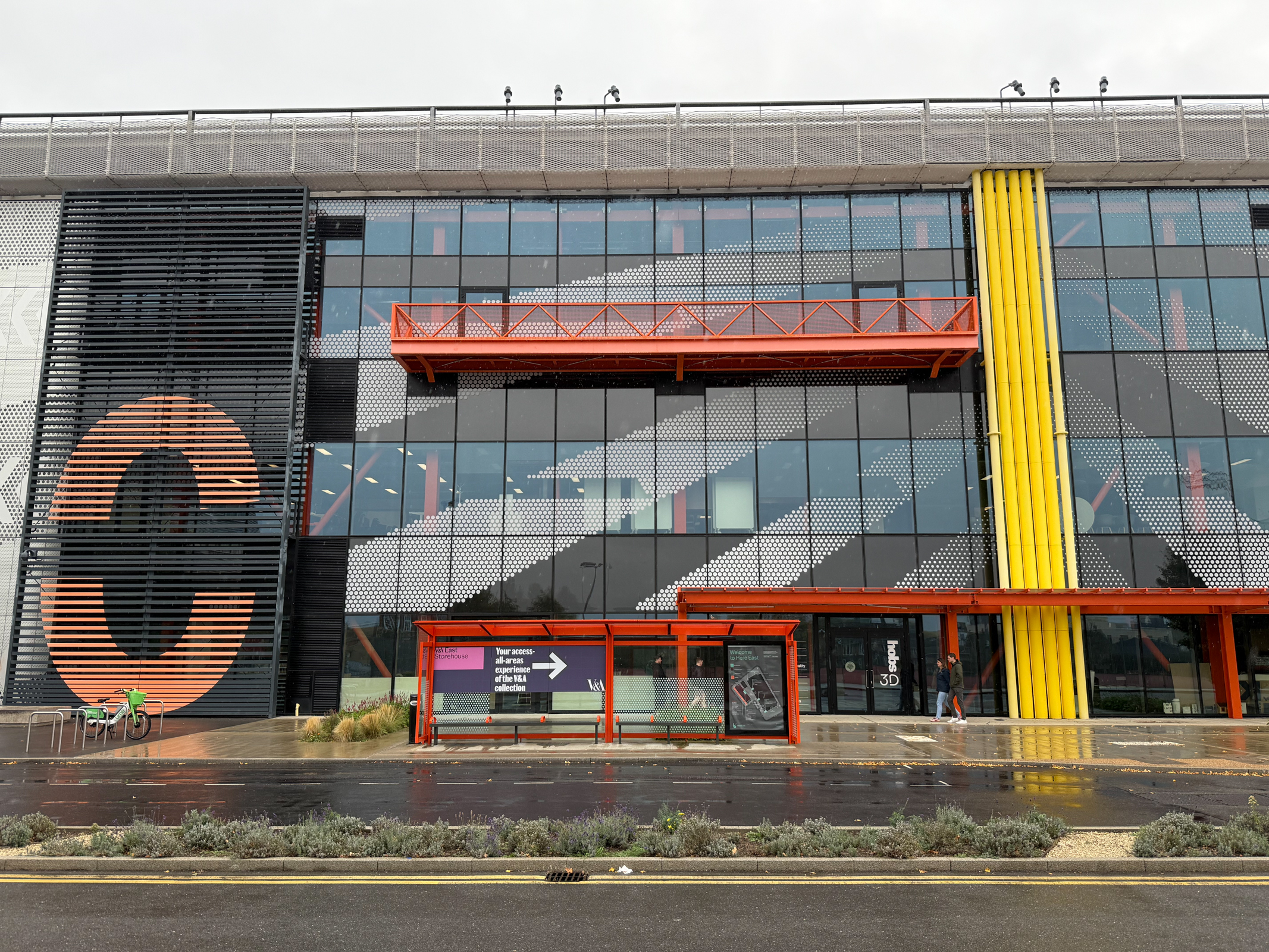
The V&A East Storehouse is a branch of the famous Victoria and Albert Museum. Spanning four levels, and bigger than 30 basketball courts, the V&A East Storehouse was a new kind of museum experience for us. It was overwhelming to be able to wander among half a million creative works, spanning every era, discipline, and corner of the globe and see the inner workings of one of the world’s leading museums. The juxtaposition of unrelated objects created a whole new dialog between art and technology, design and history.  It gave us a chance to see and interact with these objects in a whole new way. We staggered out of the Storehouse overwhelmed and inspired.  
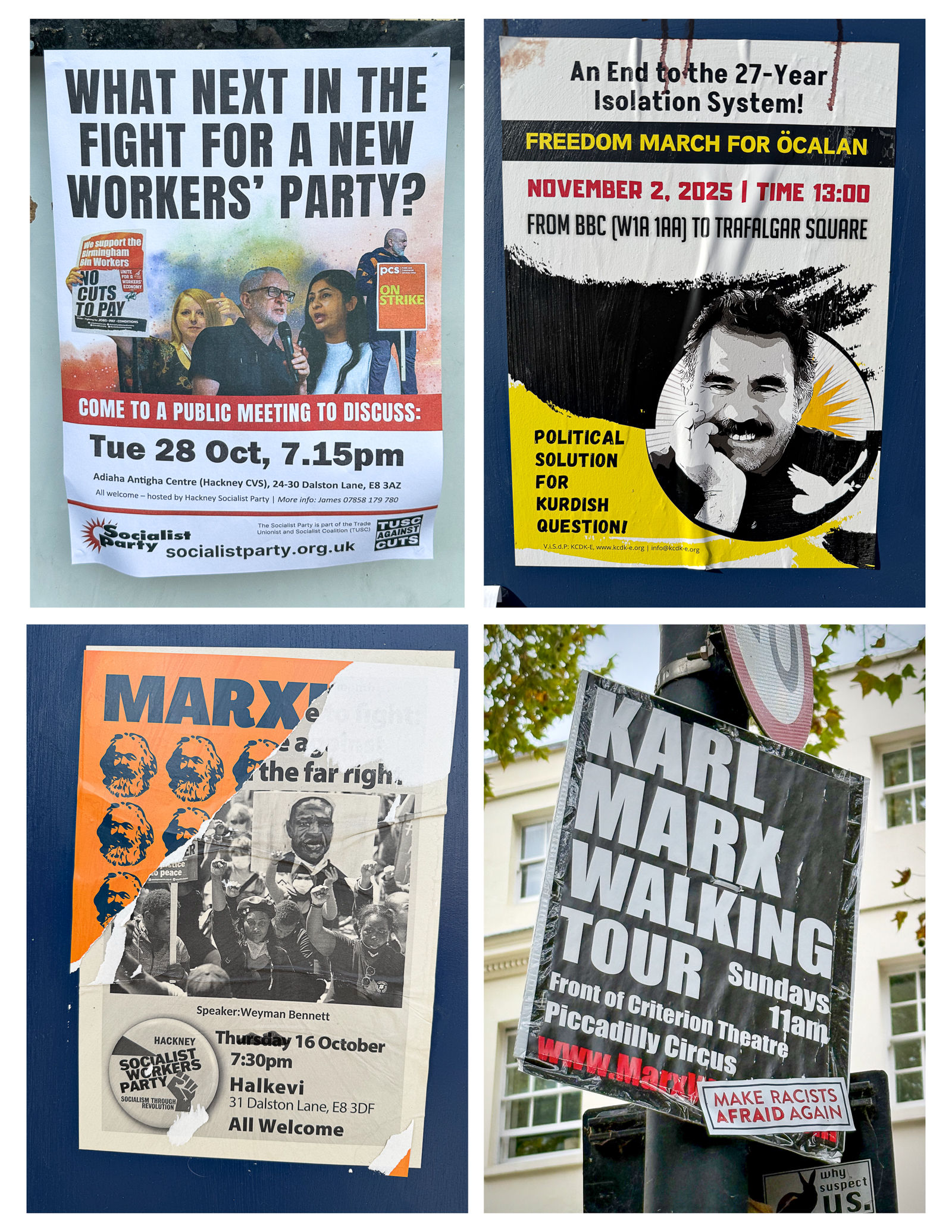
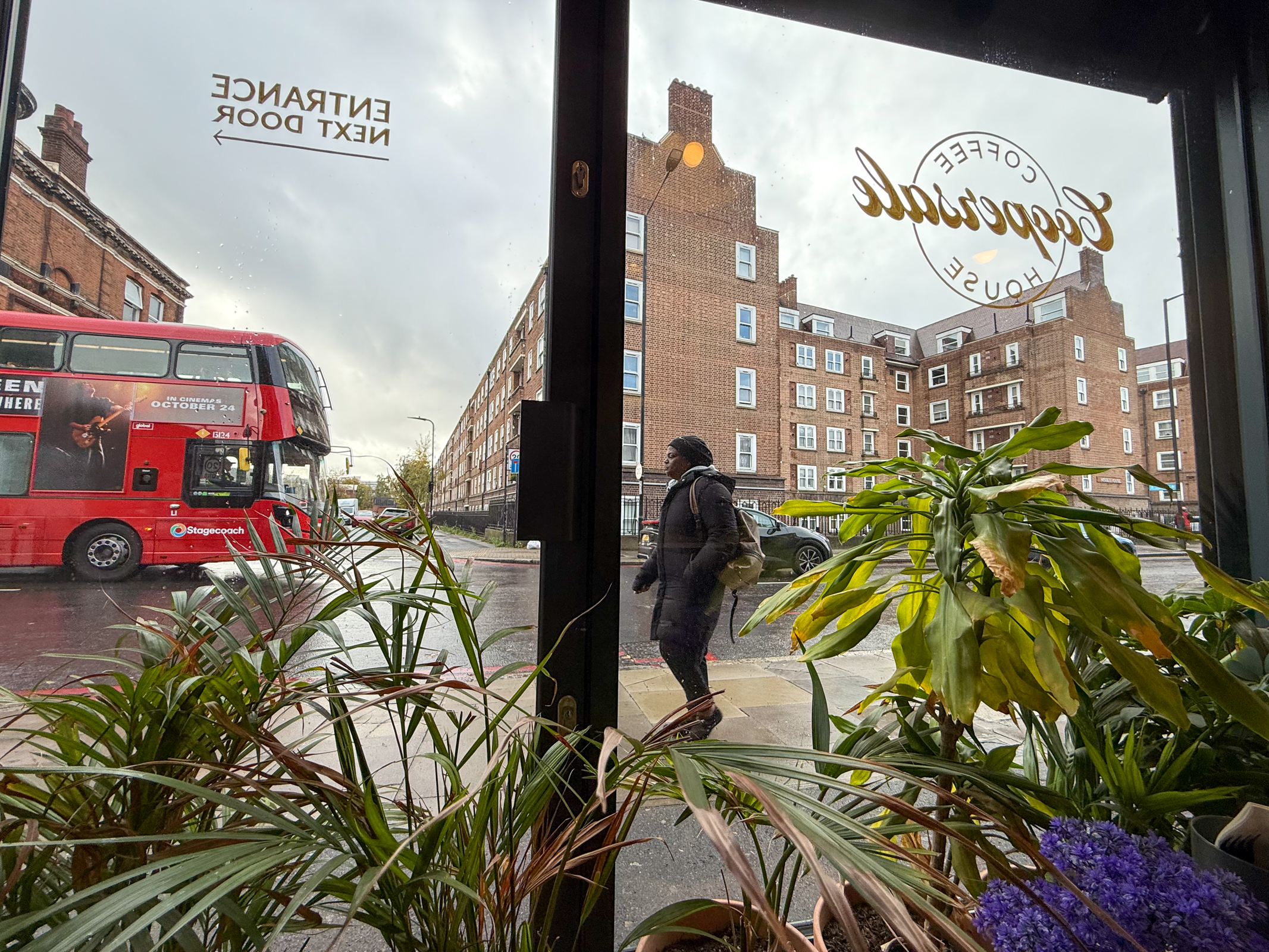
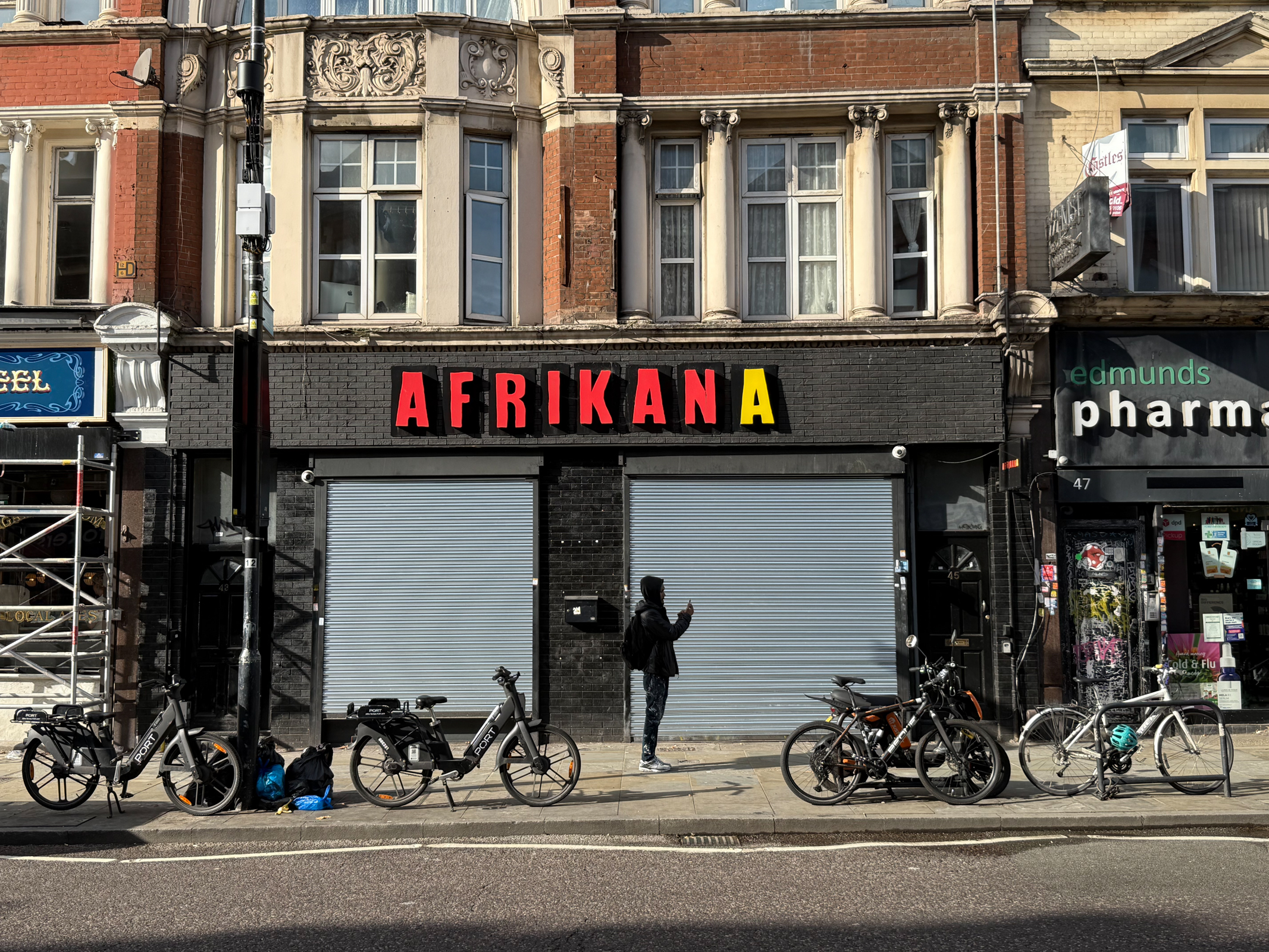
To keep the cost down on this trip, we decided to work with a group called Home Exchange to stay in people’s home for free using points from using our home in San Francisco as the exchange. We have used this system before with good results. As it turned out, we stayed in two different places during our time in London. Our first stay was in a neighborhood in East London called Hackney. At first, it seemed kind of rough and, indeed, more than 40% of children here live in poverty. This is one of the great ethnic and religious melting pots of London. As we walked the streets, it seemed that English was the last language that people spoke here. Close to central London, Hackney is the new face of East London with alternative nightlife, great ethnic restaurants, lively markets and vital independent shops. It is being gentrified but felt like the early stages of similar transitions to parts of Brooklyn or San Francisco’s Mission District, hopefully with better results for the migrants and low-income people. It was refreshing to see the diversity here as well as a healthy alternative political perspective. Hope it will last!
We were lucky to be joined on this part of our trip by our son Walker and our friends Julie and Dan from San Francisco. Having them along for much of our wanderings made the experience even better.

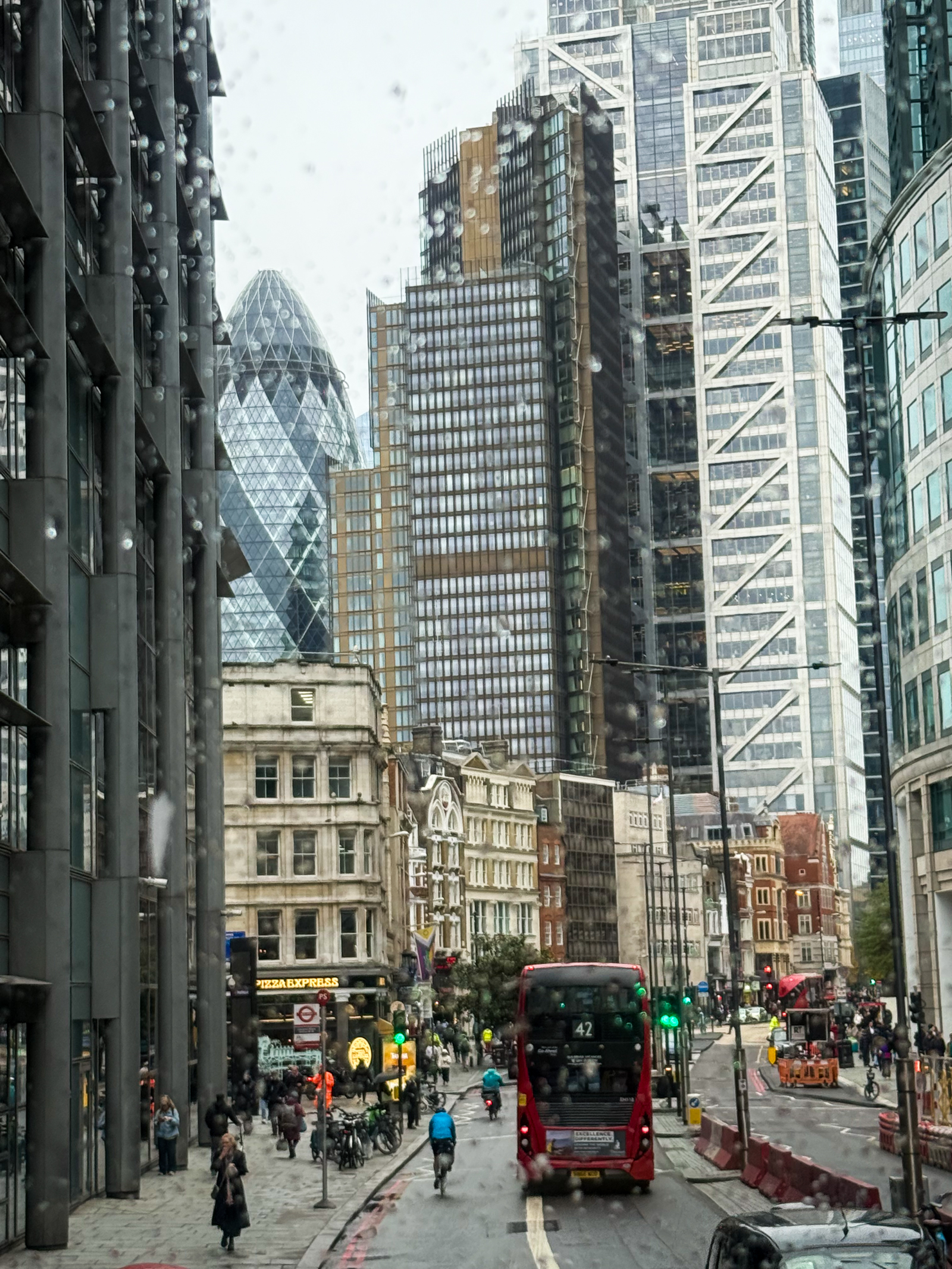
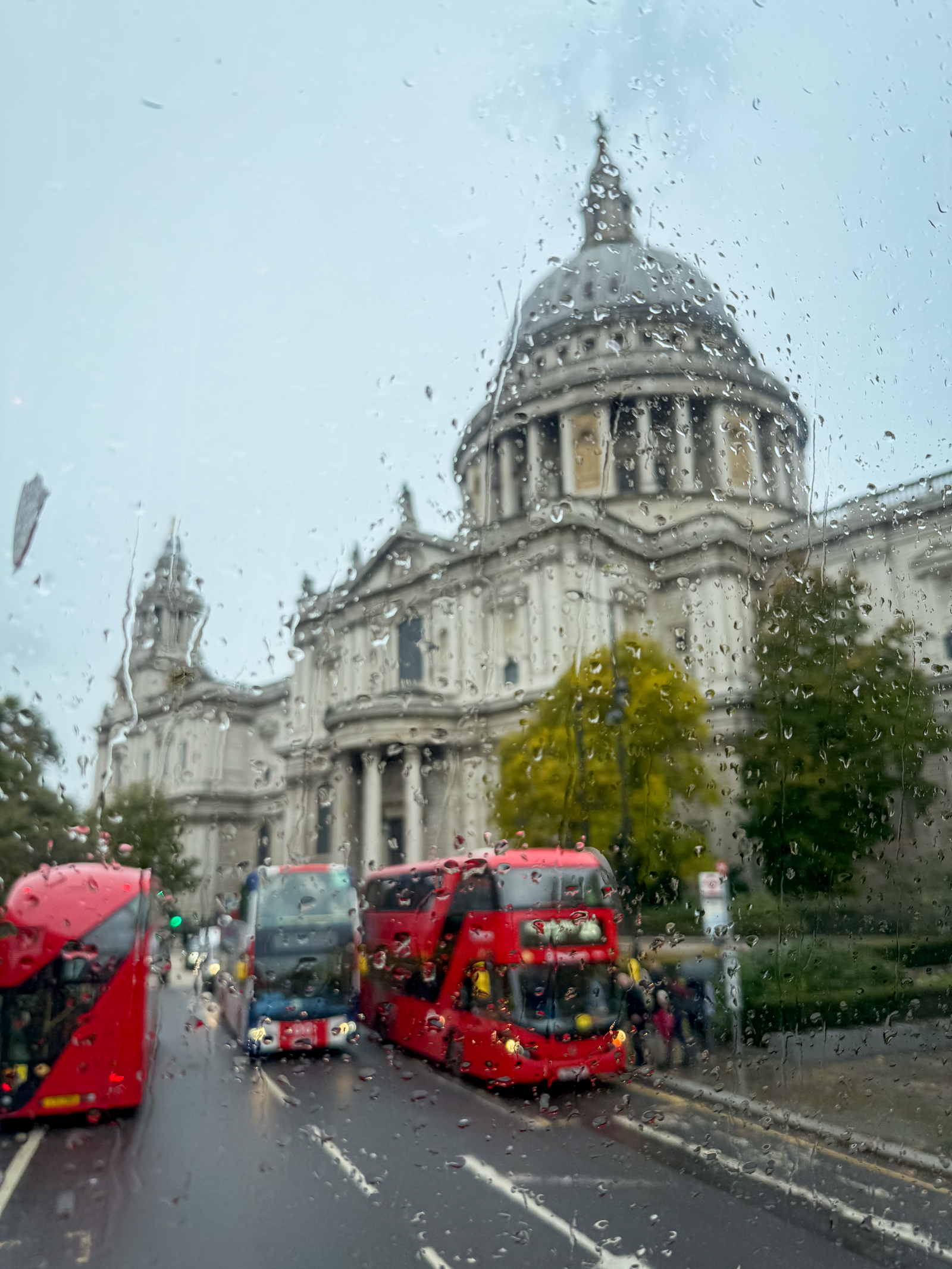
One of the great ways to see London is sitting at the front of the upper deck of a double decker bus cruising the streets. There is no better way of seeing this crazy but fascinating city, rain or shine.
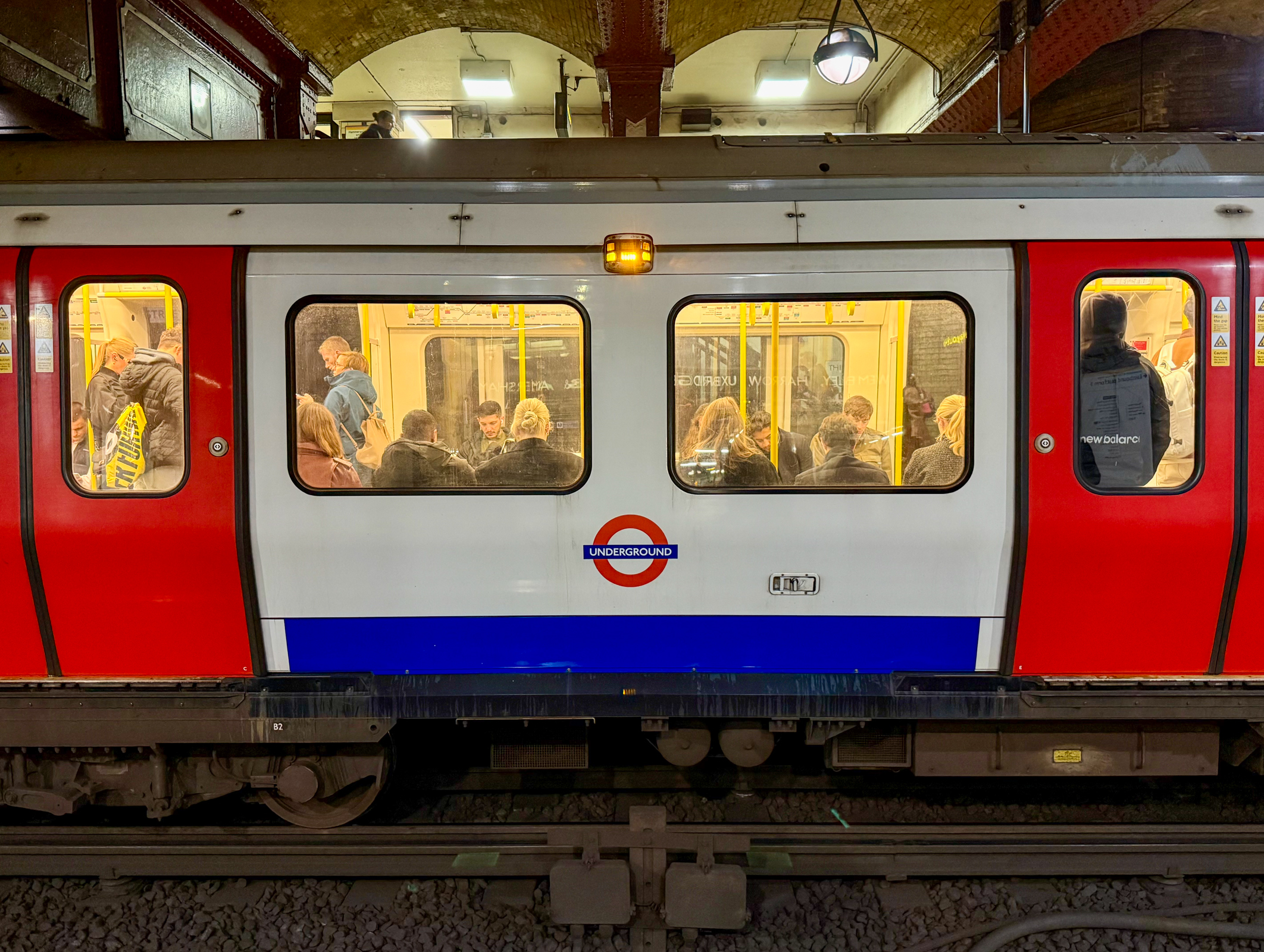
The London Underground is world’s oldest and still one of the best underground railway systems anywhere. It first opened in 1863 and has expanded to over 250 miles of track accommodating up to 5 million passengers a day. We visited one of the original stations at Baker Street on Marylebone Road. The people watching was worth the price of admission.
Another way we made our way around London was walking or taking a boat along the Thames River. This was a great way to see the contrast between London’s ultra-modern skyline and parts of the ancient waterfront.

The destination for our incessant scrambling around London was the huge and incredible variety of arts, history, culture and food. And most of the museums are free! The Victoria and Albert Museum fully lived up to its great reputation and we were blown away by its rich collection of great art and just about everything else.
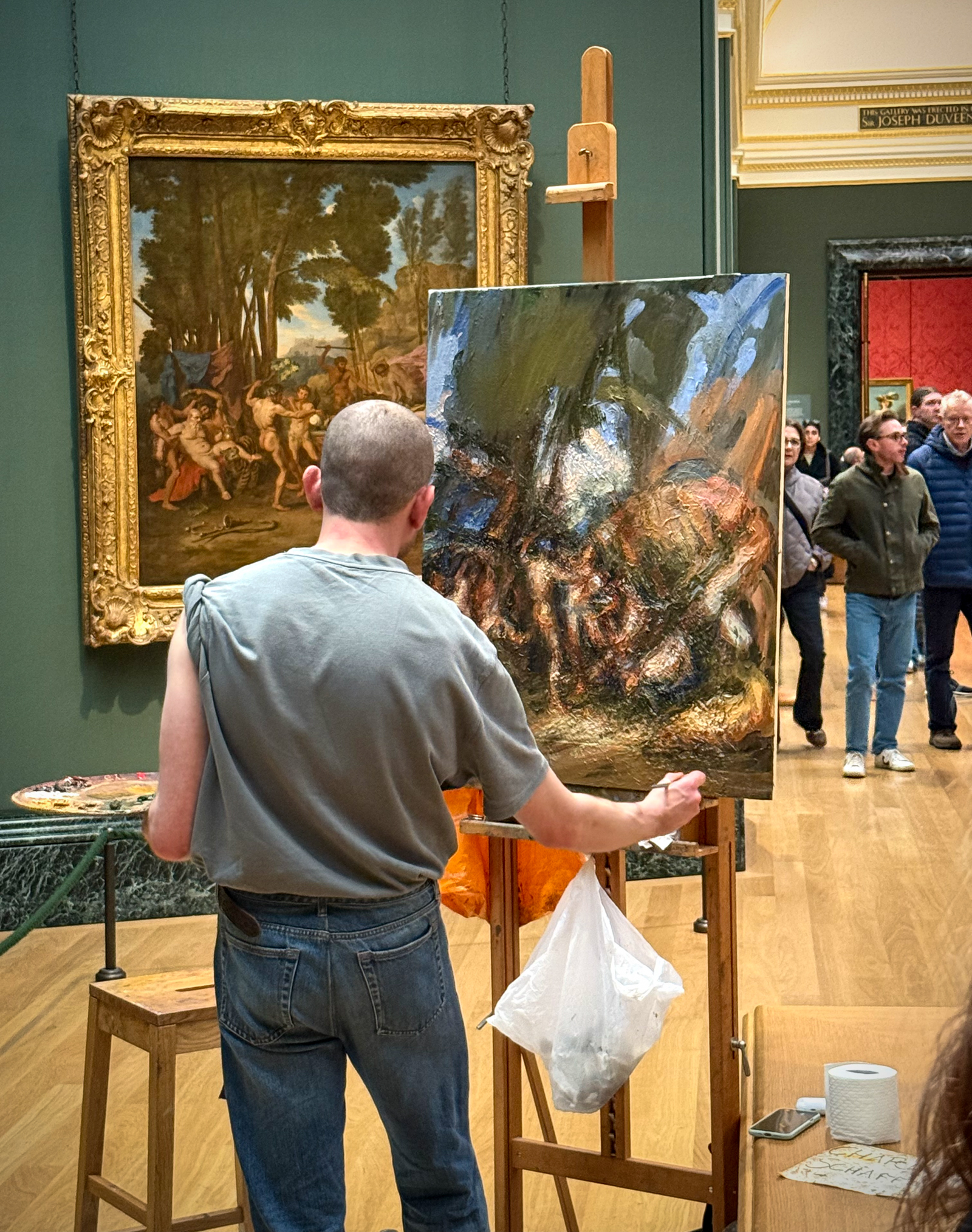
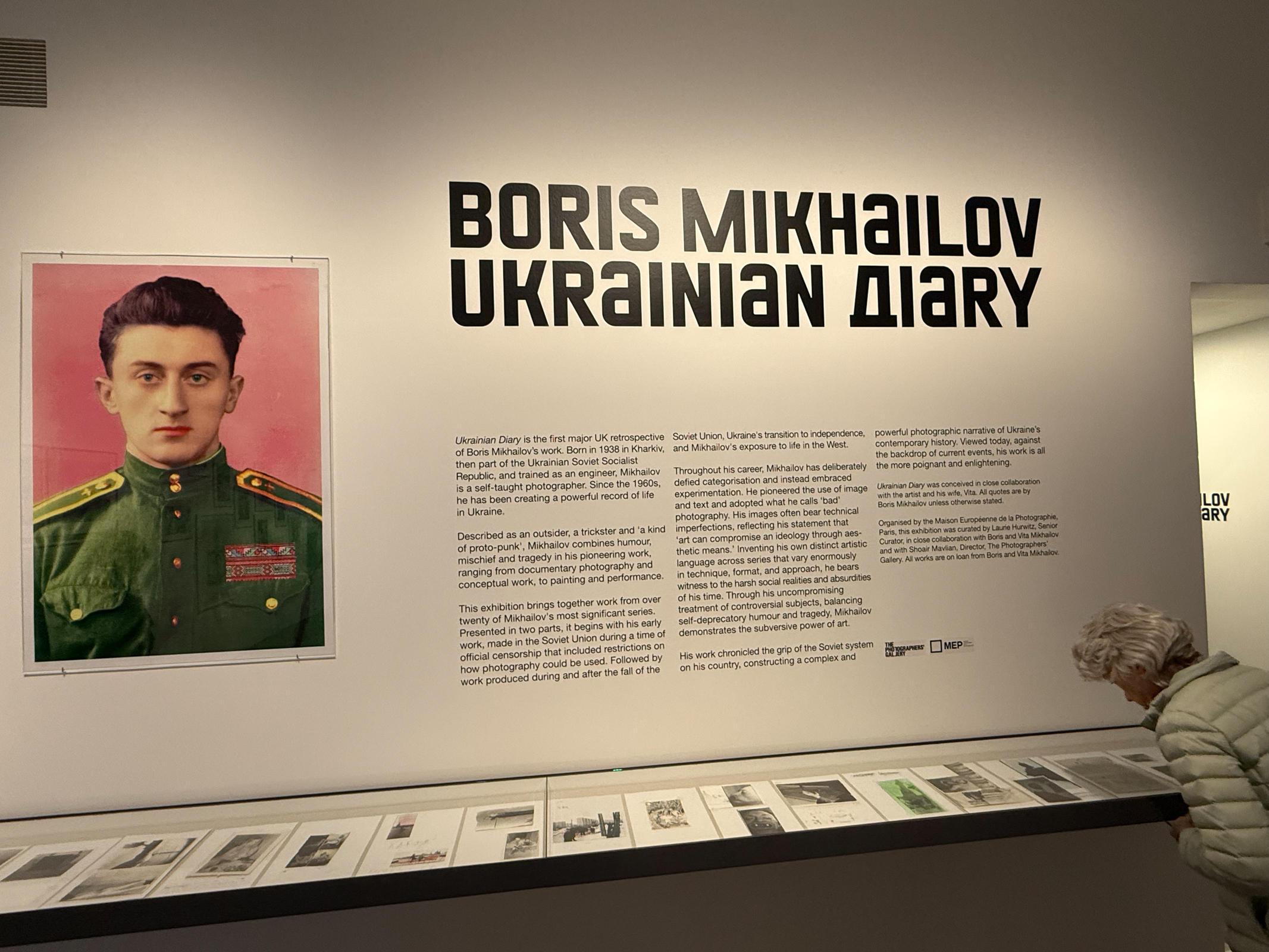
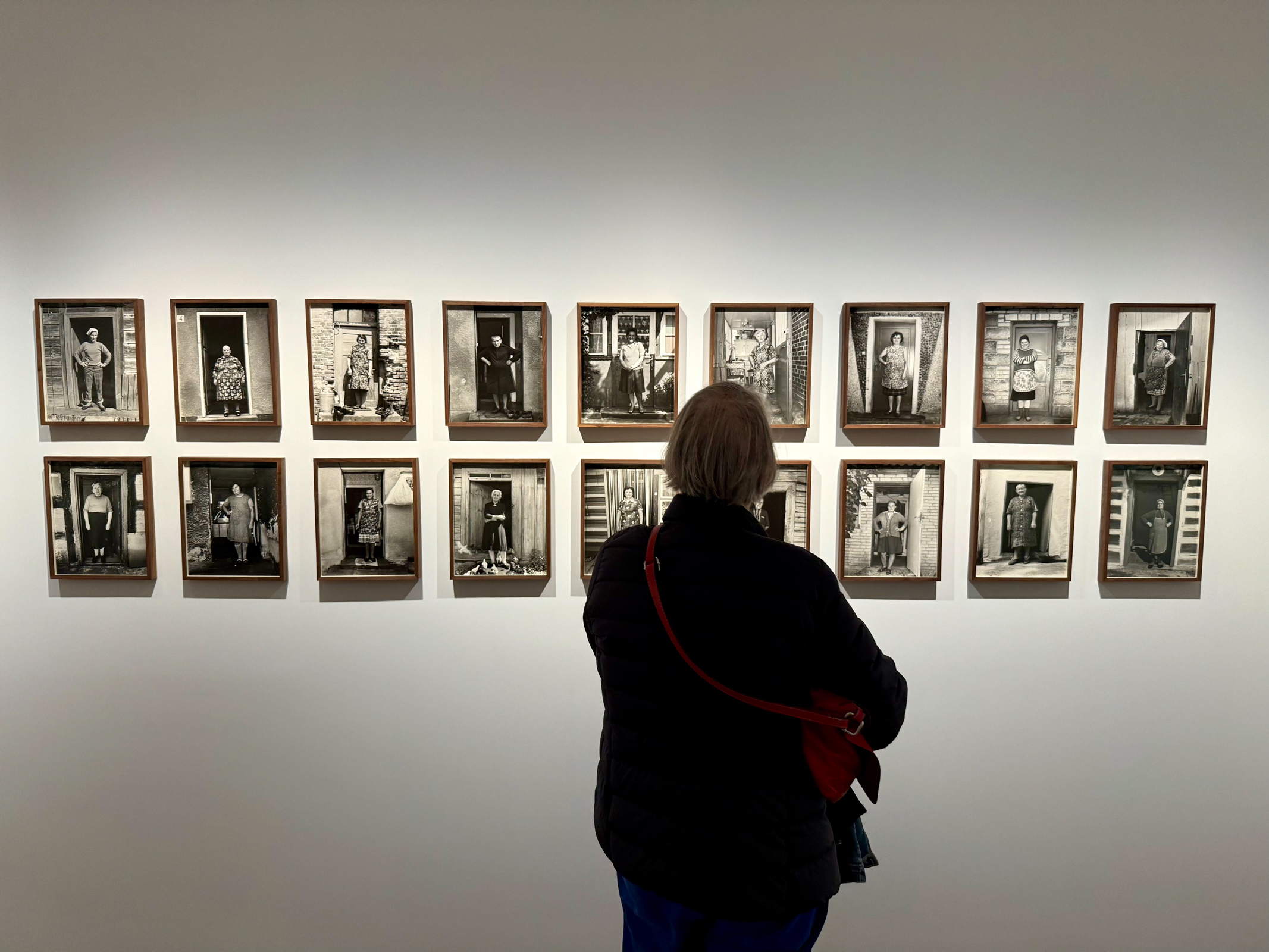
The Photographer’s Gallery was also a delight featuring work by a Ukrainian man named Boris Mikhailov and a Polish woman named Zofia Rydet. Both were names I hadn’t heard of and both of their work was astonishing.
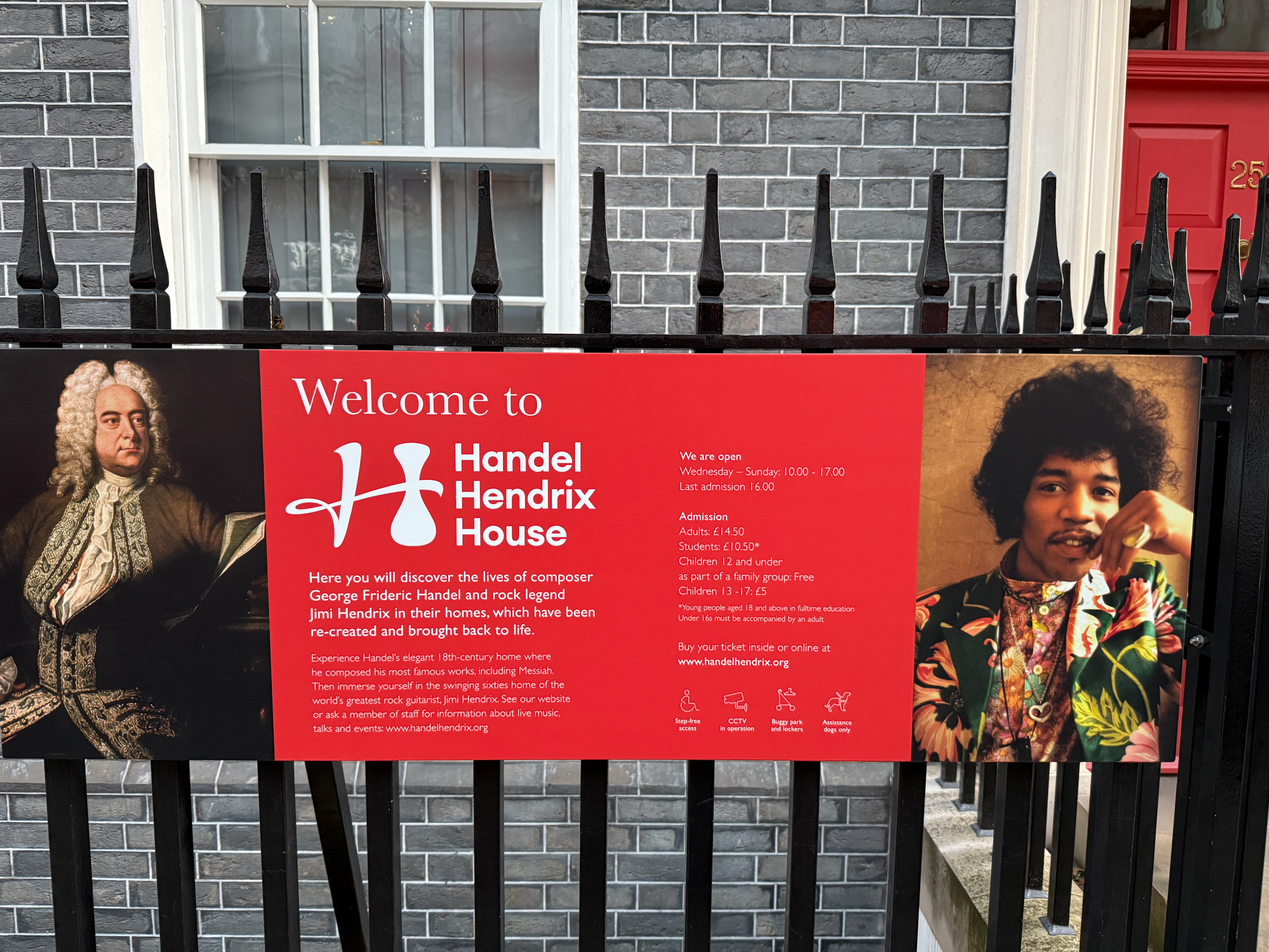
London was also full of small unsung galleries, museums and monuments. One was a heartfelt memorial to Animals in War which proclaimed, “They Had No Choice.” Another surprise was the Handel Hendrix House. Who would ever guess that George Frideric Handel and Jimmy Hendrix would live right next door to each other in London? Of course, they lived there in different times and in different worlds. But still…

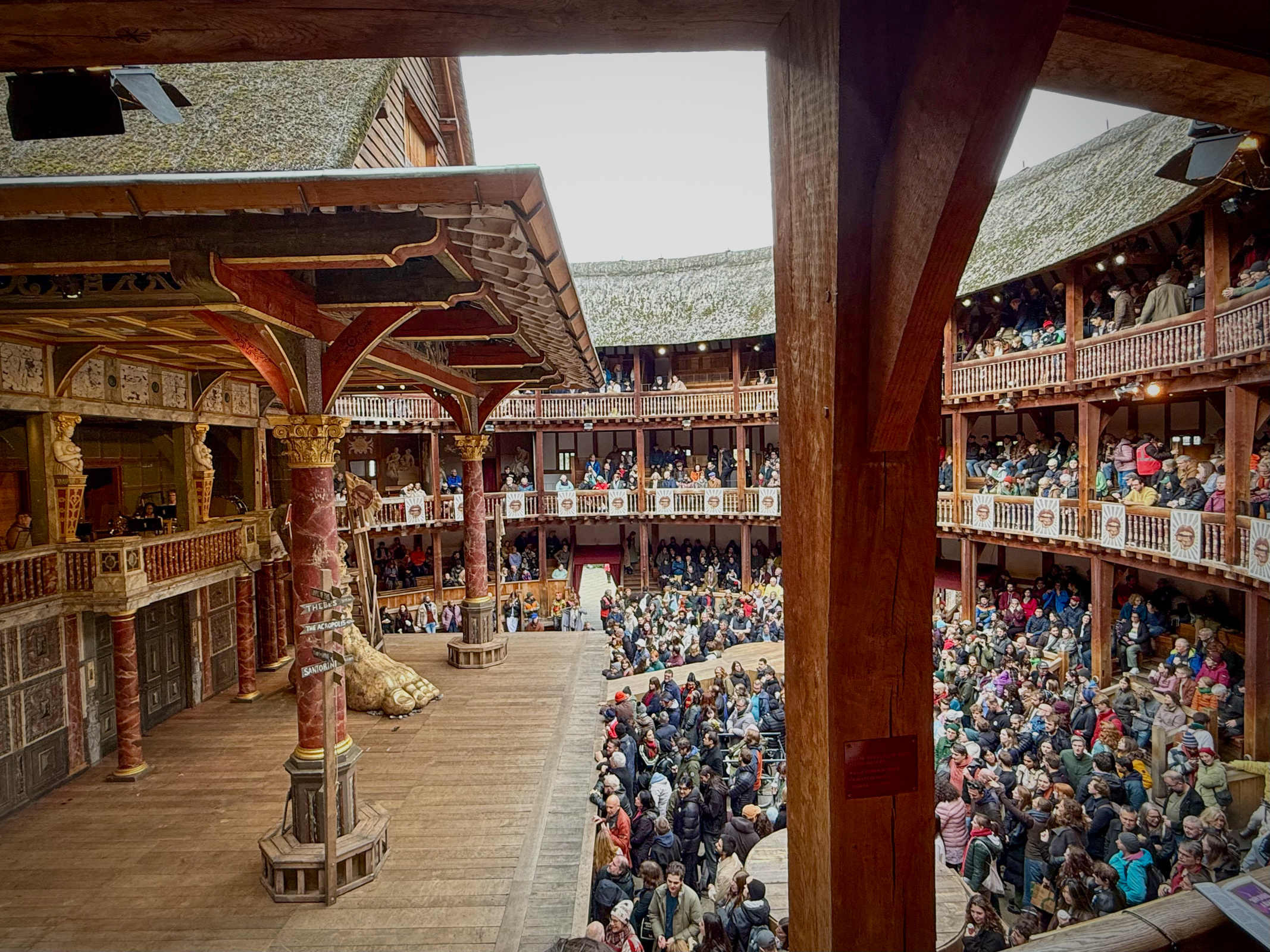
And, of course, a trip to London would not be complete without a visit to the re-creation of Shakespeare’s Globe Theater. Even better was to see a Shakespeare play while shivering in the open-air theater. As it turned out, we saw a very energetic three-hour performance of Troilus and Cressida which is frequently cited as one of the worst plays by one of the best writers in history.
The Tate Modern is considered by some the jewel in the crown of London’s modern art galleries. With almost 6 million visitors a year, it is one of the most visited museums and galleries in the world. The collection holds masterpieces of international and British modern art and our experience there was surprising and impressive.

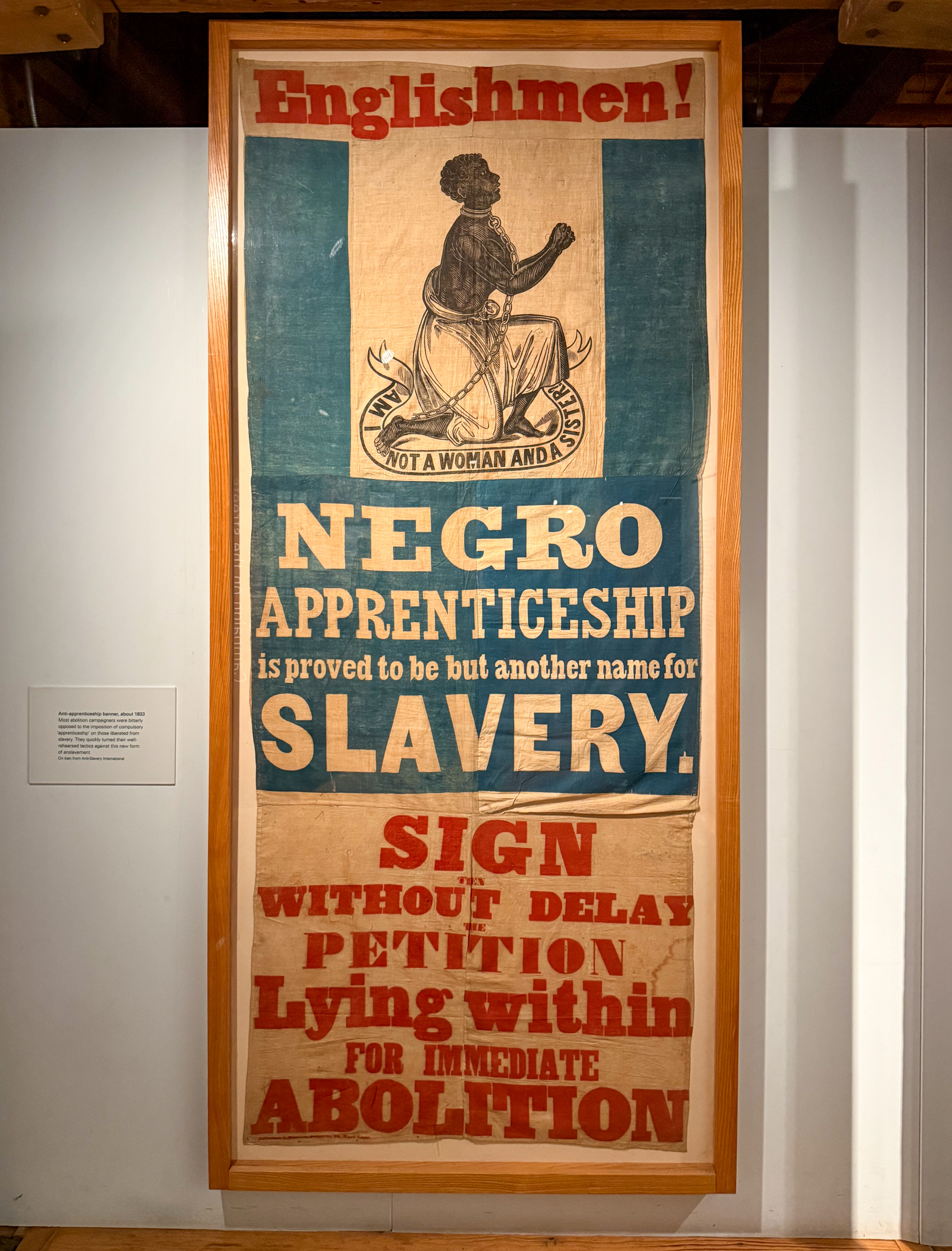
The London Museum Docklands explained the history of the River Thames, the growth of the Port of London and, most impressively, the docks historical link to the Atlantic slave trade. It also had a fascinating section on the docklands area when it was heavily bombed during WWII in the London Blitz.
We did a quick run-through of the National Maritime Museum including visiting the Royal Observatory (where Greenwich Mean Time began) and the famous ship called the Cutty Sark. This area is a UNESCO World Heritage Site.

A big surprise was how good traditional English food was on this trip. My memory of last visiting here in 1980 was how awful British food was and how lucky the UK was to have the influx of cuisine from the former colonies. Now, traditional English, Scottish and Welsh food and drink has impressed us throughout the UK. It may not be as healthy as the food we eat back in California, but English food is certainly underrated.

We had one last business trip to Oxford and decided to forego the pleasure of driving on the wrong side of the English roads again. We took the Tube to Paddington Station and found it to be much more than just the home of that lovely little bear. When we arrived a large group of people in big furry hats and greatcoats were performing band music in the station. When they started playing Bob Marley, all the kids and most everyone else started dancing and smiling at delightful scene. We thought of it as a great send off as we boarded our train to Oxford.

The University of Oxford started in 1096, making it the oldest university in the English-speaking world and the world’s second-oldest university in continuous operations. The iconic Radcliffe Camera houses the Radcliffe Science Library while our destination of the Old Bodleian Library was right next door.

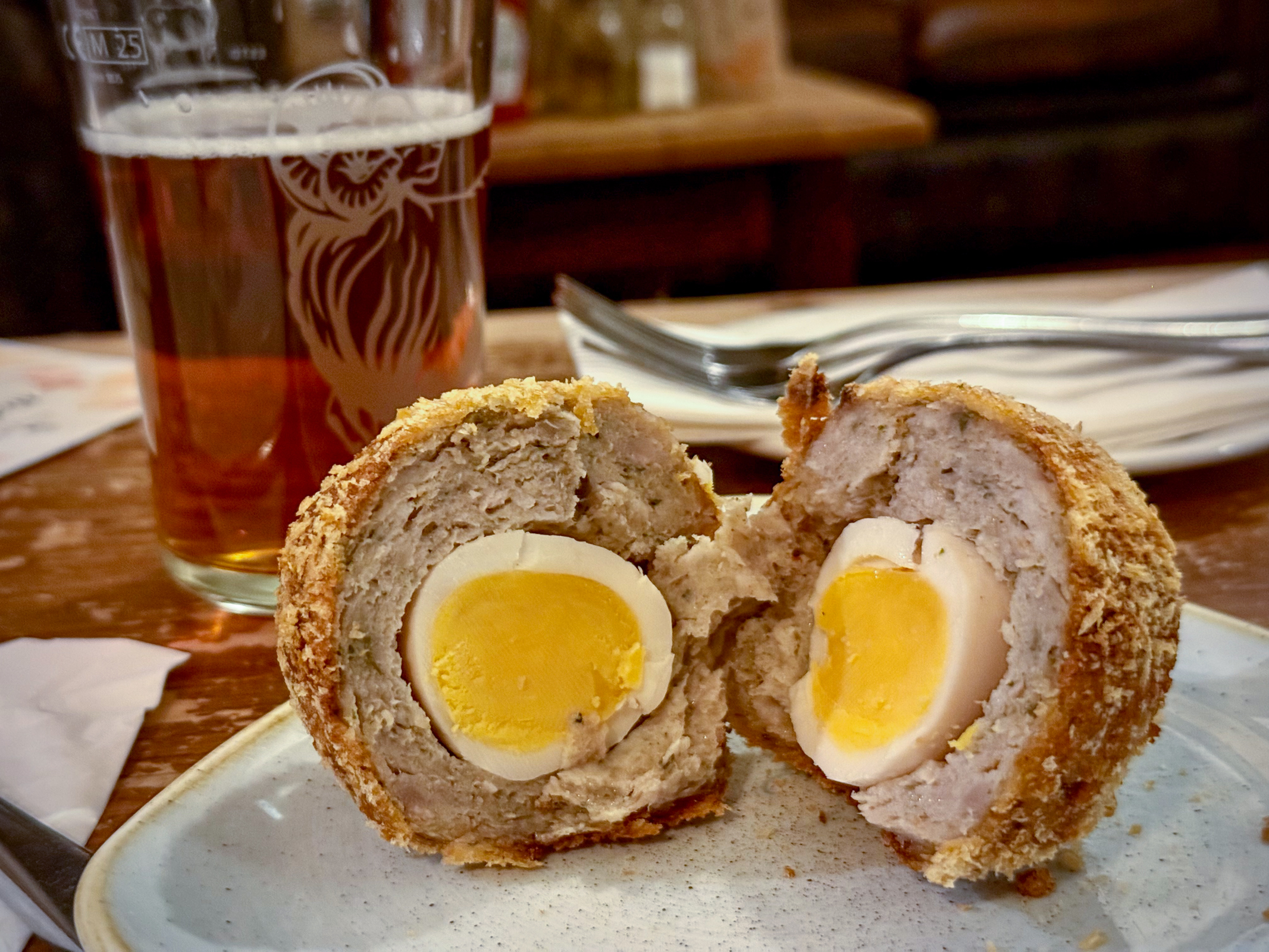
Our one-night stay in Oxford was delightful. It felt very comfortable to be in this college town. I was surprised to see a restaurant called Mission Burrito after our hometown’s famous dish. We had dinner at The Kings Arms, and I was finally able to have a Scot’s Egg dish. Delicious!

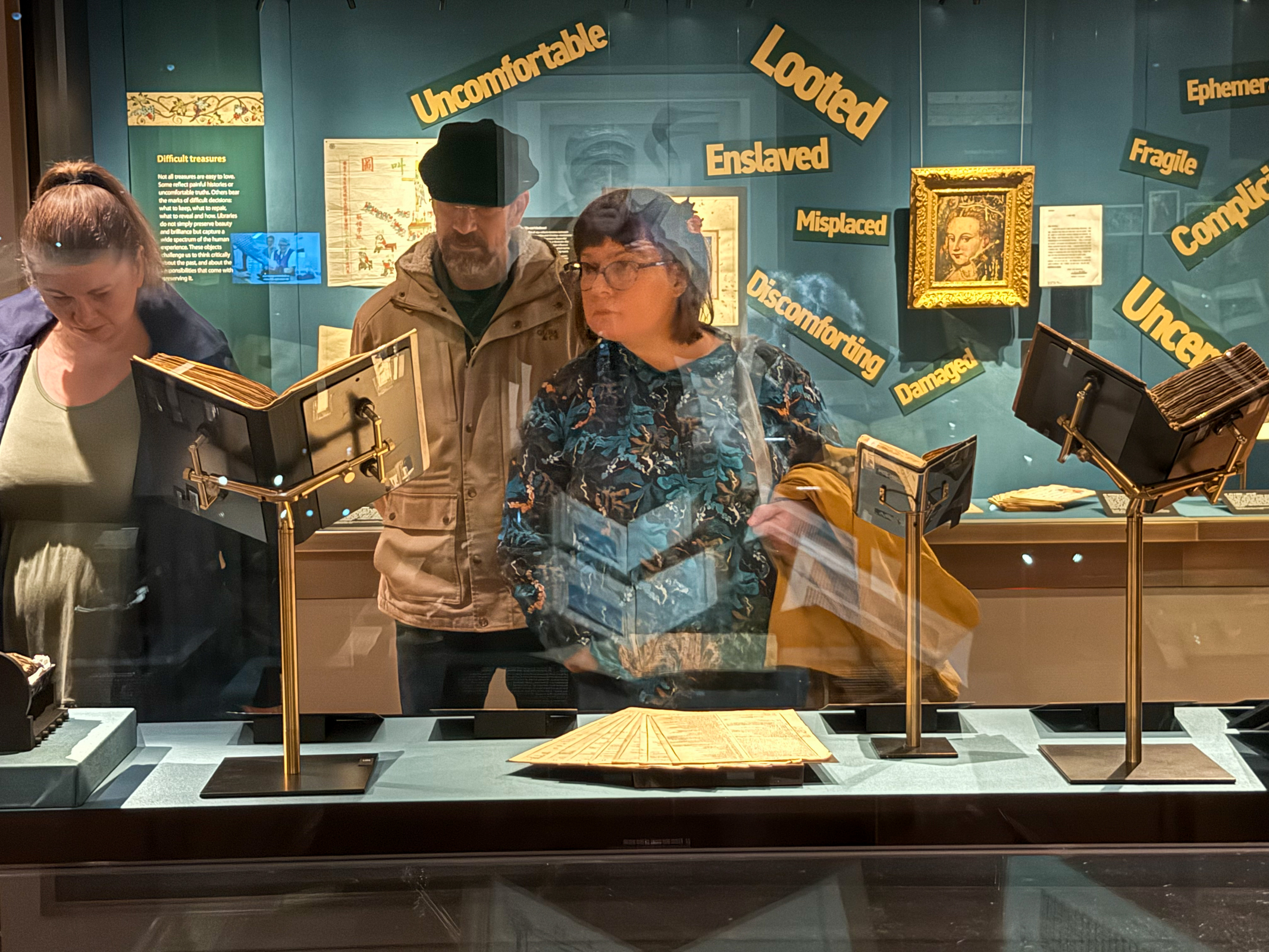
We also saw a remarkable exhibit from the collection of the Bodleian Library. The library was founded in 1602 with roots dating back even further and it is one of the oldest libraries in Europe. It is also the second largest library in Britian after the British Library in London.
Our business was to meet with the Director of the Oxford University Libraries Richard Ovenden. He had written a book called Burning the Books and we were there to ask if he could contribute his writing to our upcoming book on our Global Library project. To our delight, he agreed! It reminded me when the well-known journalist Bill Moyers agreed to write the introduction to my book The Public Library A Photographic Essay. The generosity of these two men was astonishing and we left our meeting grateful to have met such a big-hearted person.

As we headed back to the train to London, I snapped a selfie of the two of us looking utterly exhilarated and totally exhausted. At this point, we had been on the road for almost ten weeks, and it shows in our happy but tired faces.

The second place we stayed was in the Finsbury Park neighborhood in London. Technically, it was still part of Hackney, but had a very different ethnic, economic and religious mix than our previous neighborhood. Plus, we were on the 11th floor of a high-rise apartment up in the clouds looking down on the birds.

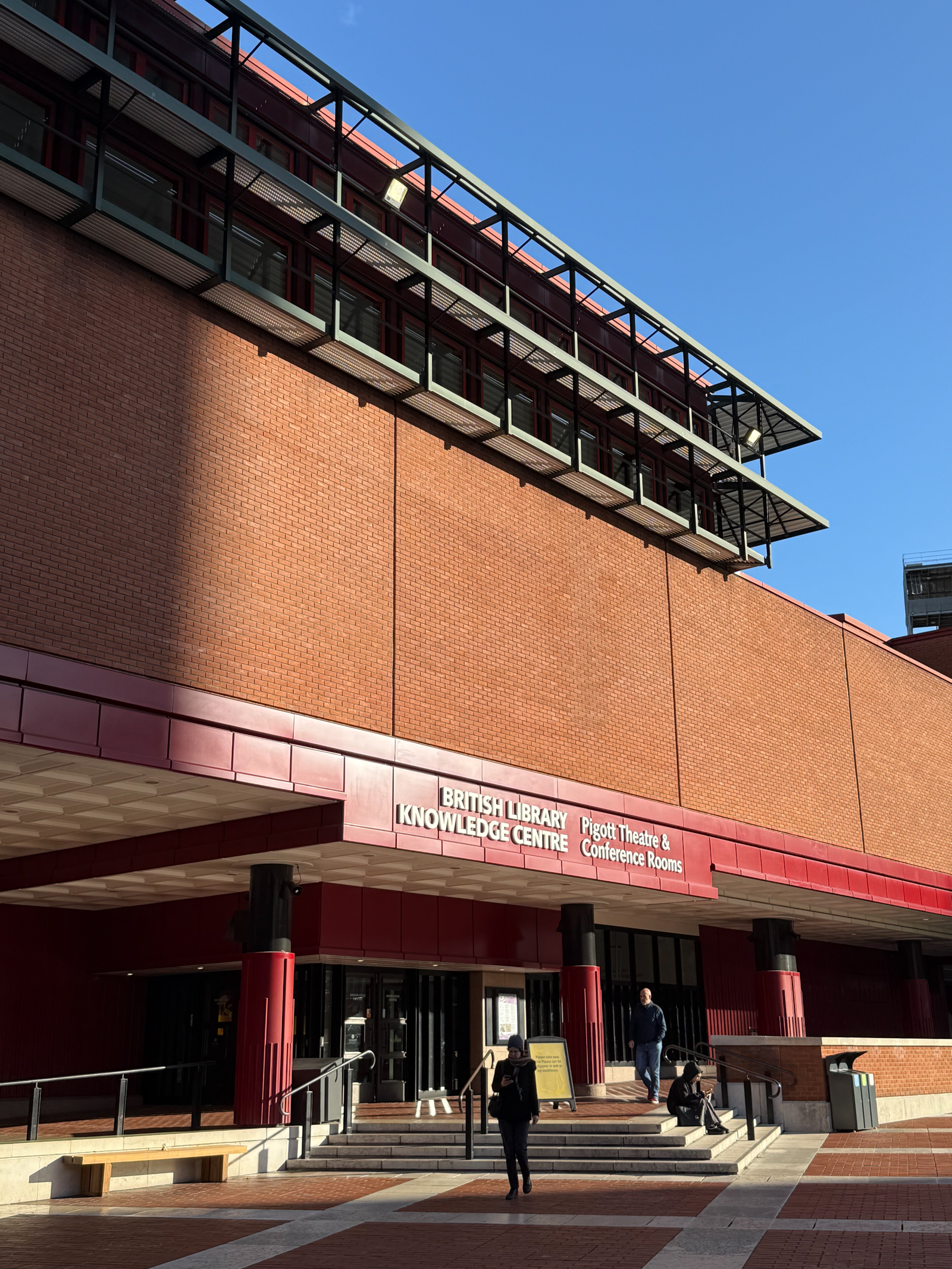
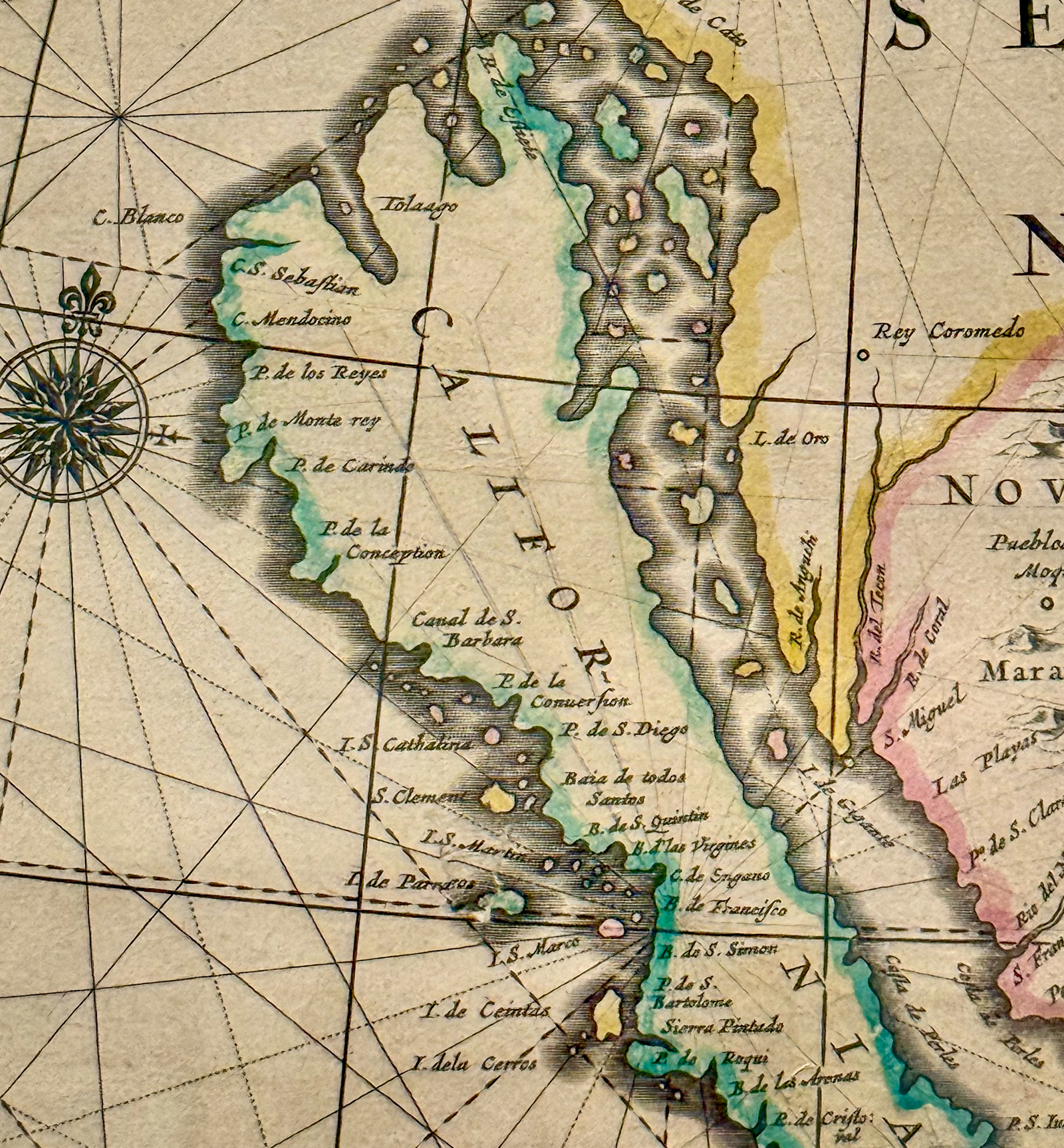
We returned to another great London institution, the British Library. This is one of the largest libraries in the world and we went to see a great exhibit on maps. We also saw the famous Lindisfarne Gospels, considered one of the first and greatest masterpieces of medieval European book painting. It was also great to see how popular this iconic cultural institution was, even on a Sunday afternoon.
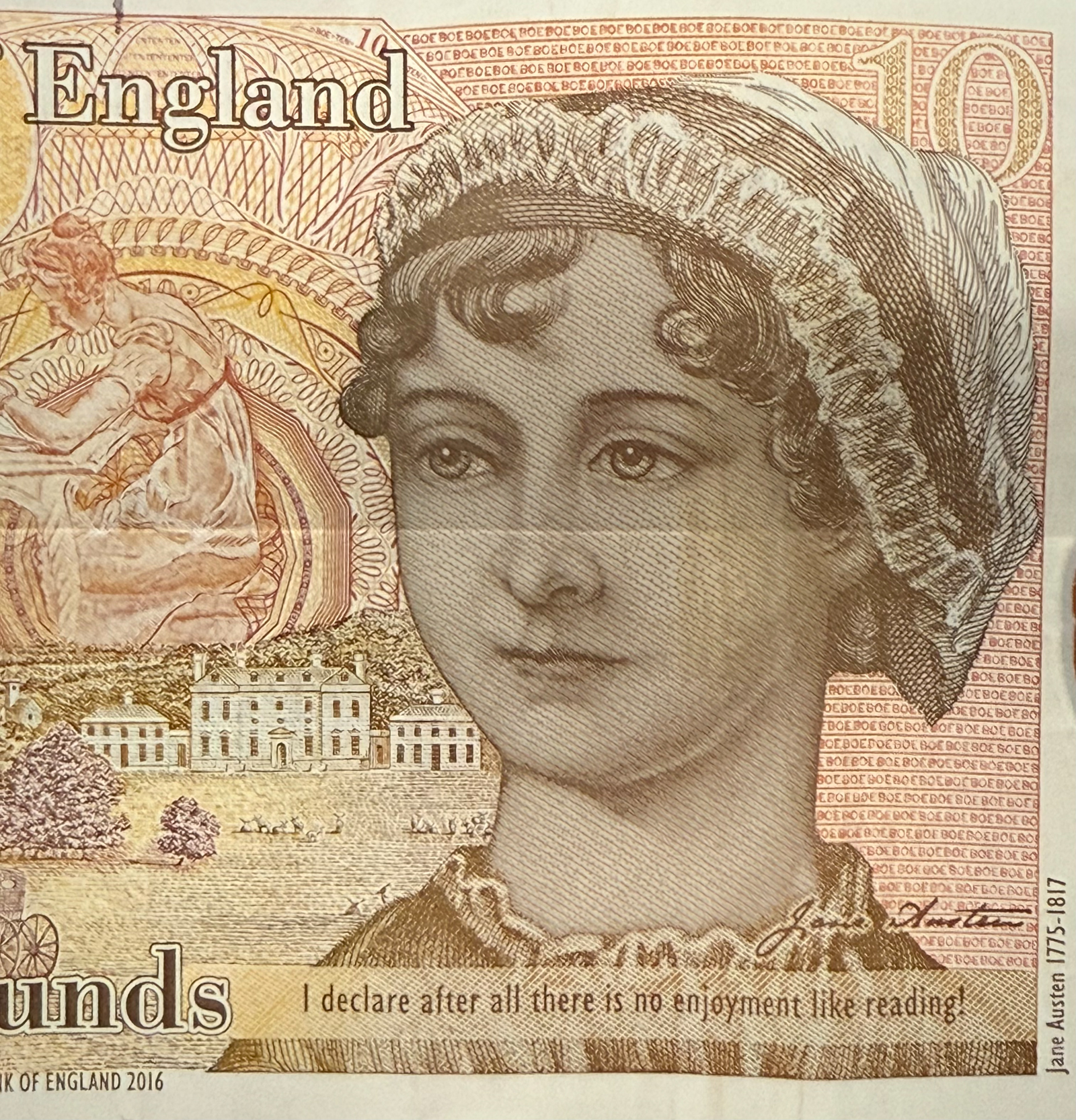
I even fell in love with the English money. On the 10-pound note there is an image of the writer Jane Austen declaring “…after all there is no enjoyment like reading!”
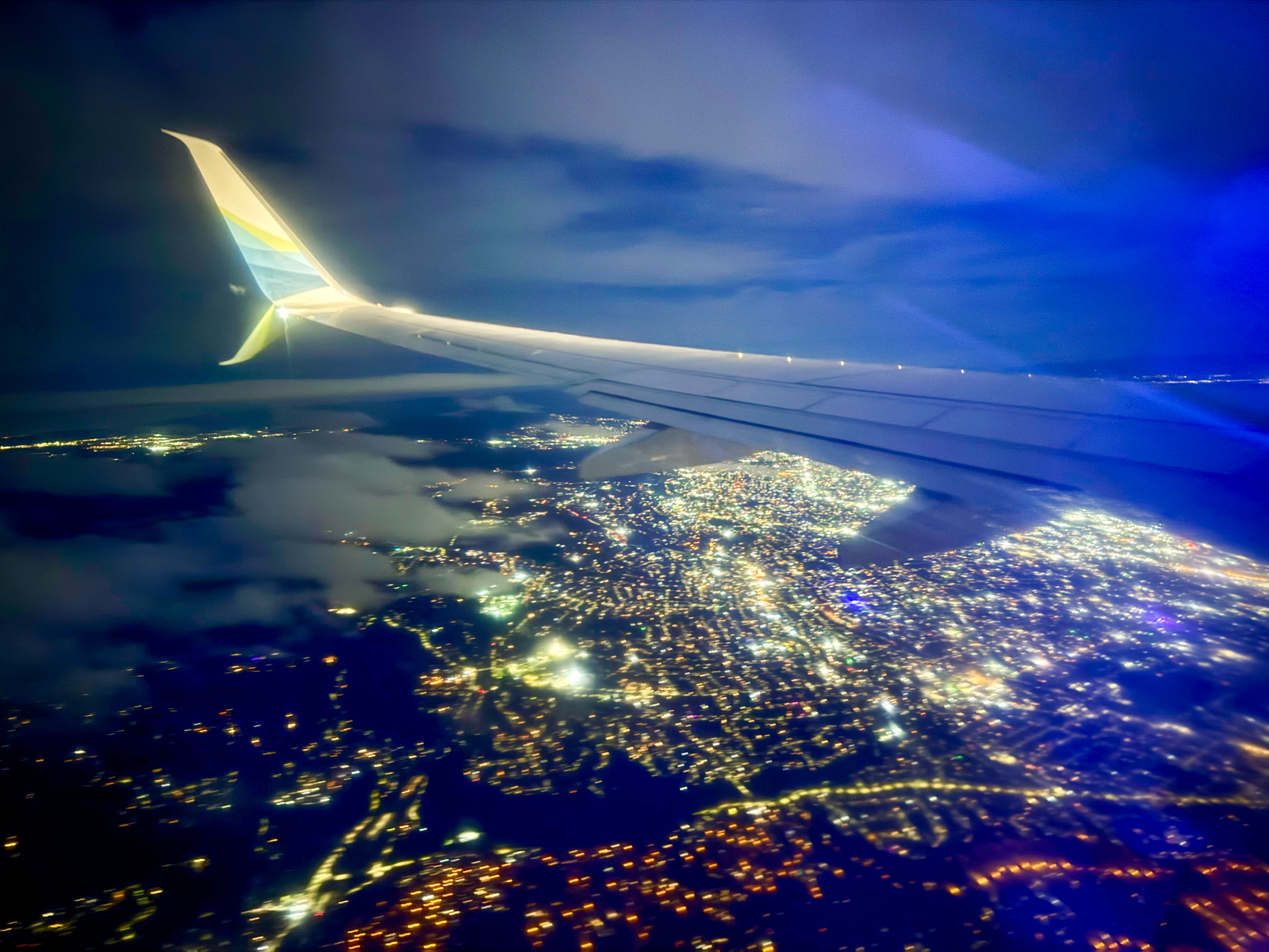
Flying back to the USA is usually a joyful event but this time was different. JFK airport in New York was a disaster. We joined an impossibly long line as we headed to the security check. It was like a scene from Dante’s Inferno. Homeland Security guards were screaming at everyone as we approached the screening gates. Homeland Security Director Kristi Noam’s face was on large screen monitors telling us that if we are standing in long lines, it is the Democrats fault. People around us were panicky and confused by the aggressively hostile chaos surrounding us. Welcome back to Trump’s America!


Hours later, we were so thankful to be back in our little bubble in San Francisco. Since we had left our apartment in London, we had been on the move for almost 30 hours straight. As we crashed into our bed, I kept saying there really is no place like home! Thanks for coming along on this Library Road Trip. See you soon…

1 Comment

Filed under Uncategorized

SARAJEVO

We were initially skeptical about flying on the low-cost British airline Ryanair from London to Sarajevo. But Europeans seemed to embrace these cheap flights within Europe, and so did we.  I spent the entire flight writing a blog with a pen on a ratty, coffee-stained notebook while glancing at my iPhone photos for reference. The young woman sitting next to us marveled at what I was doing. It must have seemed to her that I was like a medieval scribe hurtling through the air traveling to the Balkans in a jet airplane. We were happy when we safely landed and were amazed at where we had arrived.

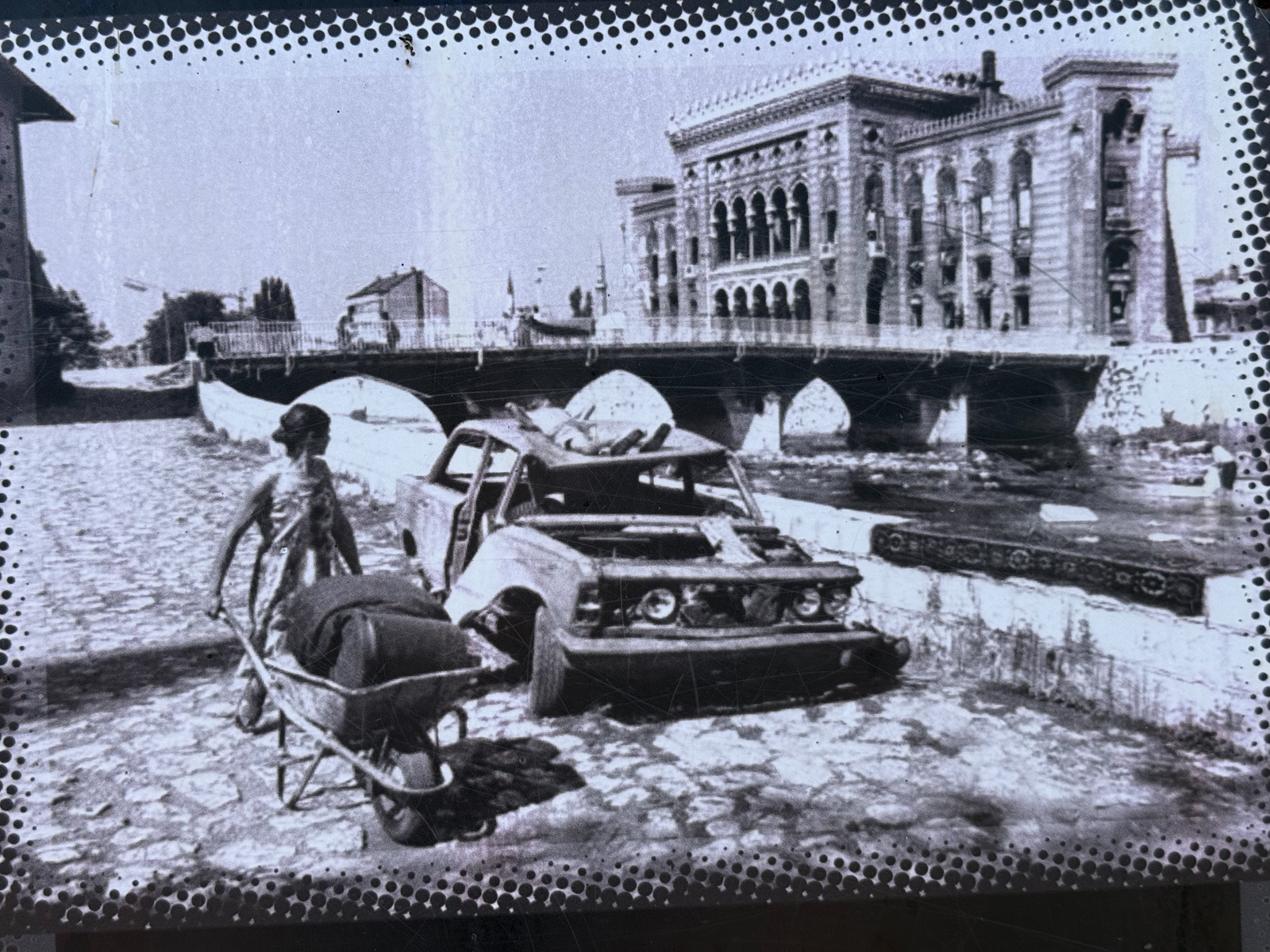
When I first started thinking about doing a Global Library project ten years ago, I wanted to build on the stories of libraries I learned about while photographing American public libraries. The stories of two libraries both startled and haunted me. The priceless archive of the Catholic University library in Leuven, Brussels was intentionally burned down by the German army in WWI and again in WWII. We photographed that twice burned and twice rebuilt library when we began the project in 2016. The other library that haunted me was the National and University Library of Bosnia and Herzegovina in Sarajevo. It too had been cruelly targeted and intentionally destroyed by the Serbian army during the Bosnian war in 1992. We are hoping to wrap up our project soon and I imagined these two libraries as bookends to our very long effort photographing libraries in areas of conflict in many parts of the world.

When the Serbian army destroyed the beautiful National Library, they also sought to destroy the memory of the Bosnian people. Their incendiary shells were designed to burn the books. Incredibly, after the fires started, the Serbian snipers and anti-aircraft cannons were used to kill the firefighters, librarians, and staff that tried to rescue the books. Only a few of the rare books were saved. No other buildings nearby were hit – the library was the only target. Almost all the Bosnian nation’s printed recollection of itself was lost. The fire burned for three days. The ash from the burnt volumes fell on the city for many days afterwards.

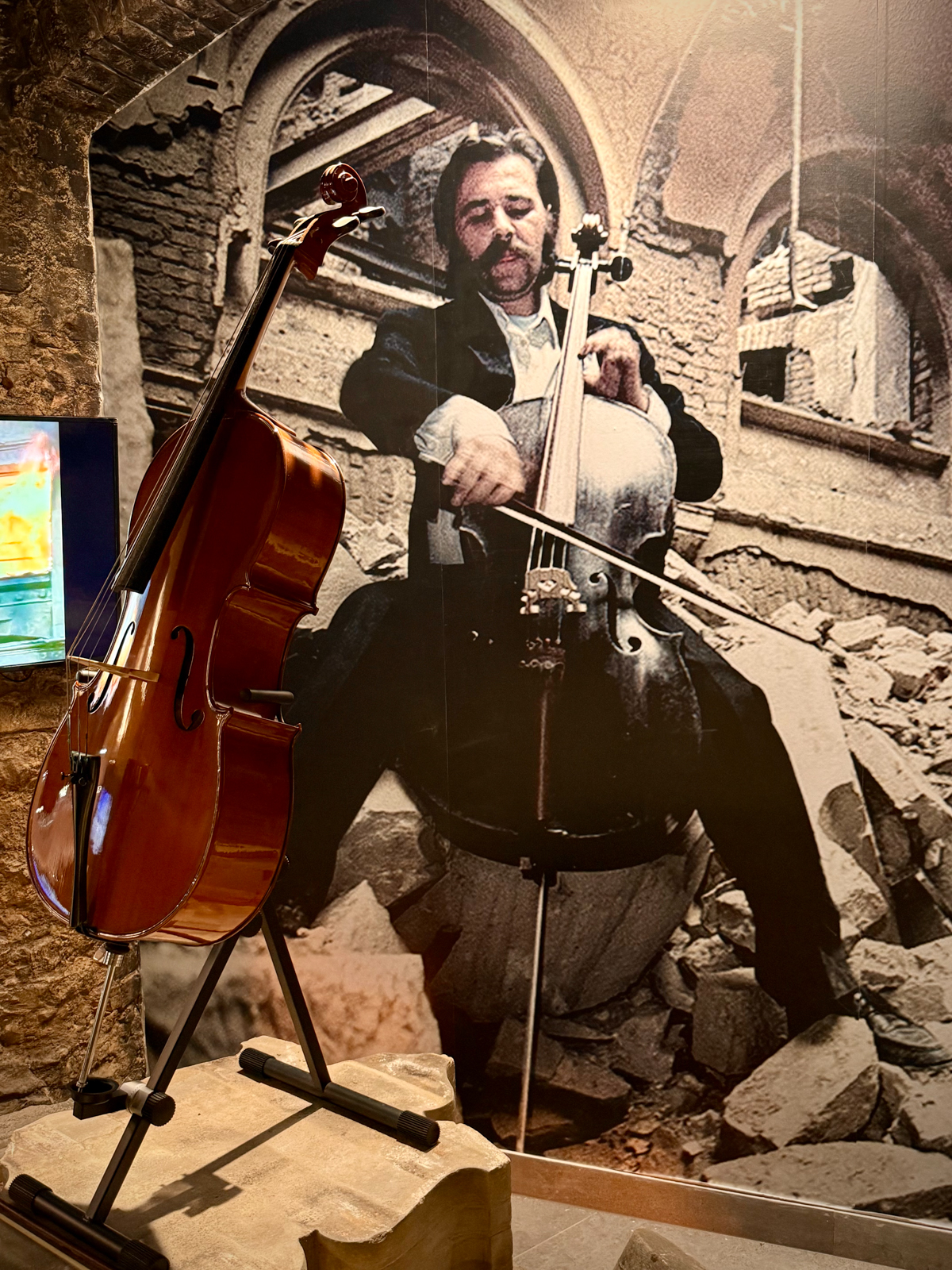
Sometimes there are certain images that haunt me as well. One is the famous photo of Vedran Smajlović, the “Cellist of Sarajevo,” who played in the ruins of the city, including the library. He played throughout the three-year siege of Sarajevo as a symbol of peace and defiance. His story inspired books, music, and became a global symbol of resilience during wartime. Fortunately, he was never hurt by snipers during his performances. We visited an exhibit of him and his cello in the reconstructed building that had housed the National and University Library. On display were bits and pieces of the original Library that evoked strong emotions in both of us.

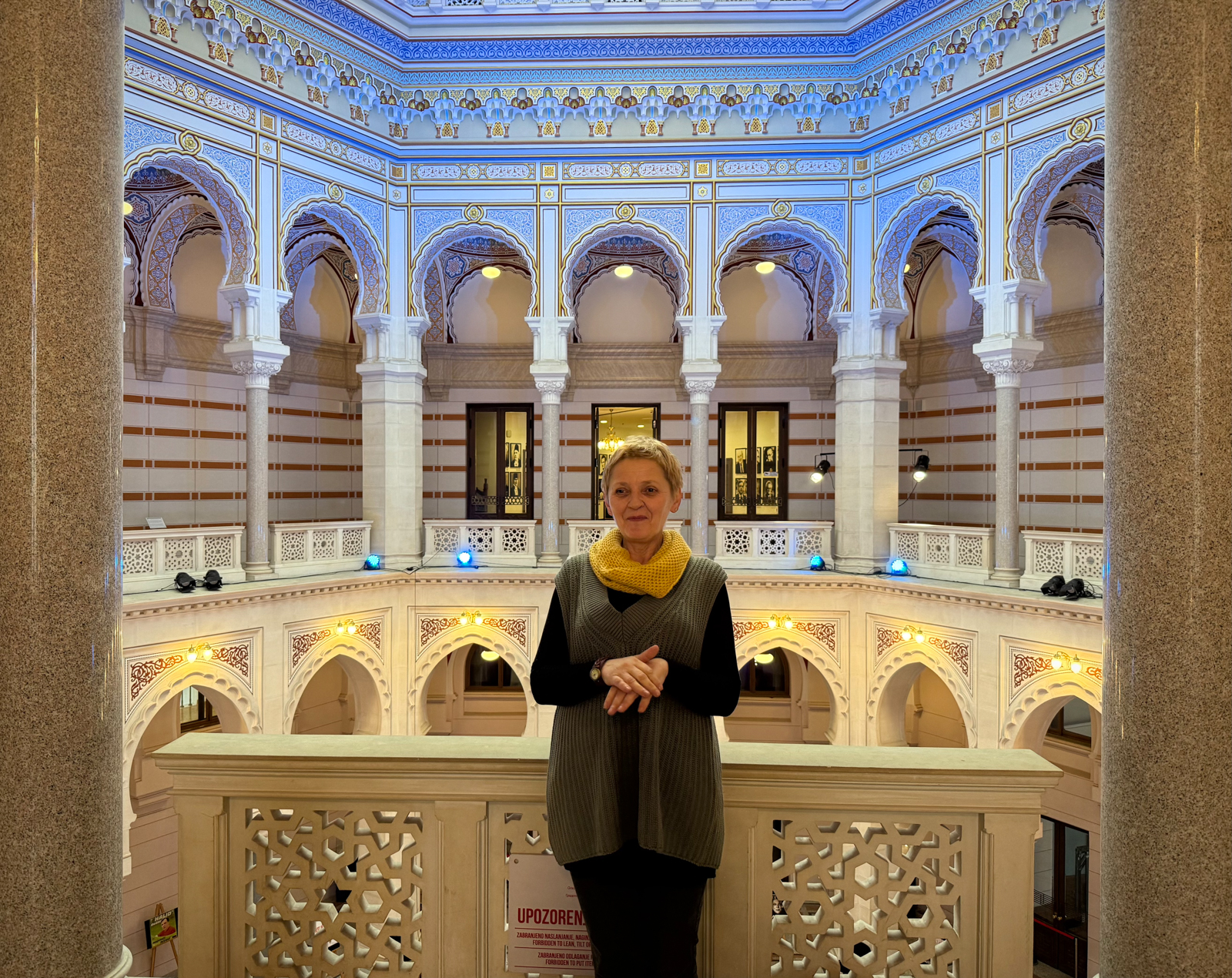
We were given a remarkable tour of the reconstructed building by a woman who worked for the National Library. She pointed out a plague that denounced the “Serbian criminals” who destroyed the library. She told us that it is very hard for her to bring her Serbian friends here. Although much of the printed memory of the Bosnian nation was destroyed, the painful memories of the war are still raw.

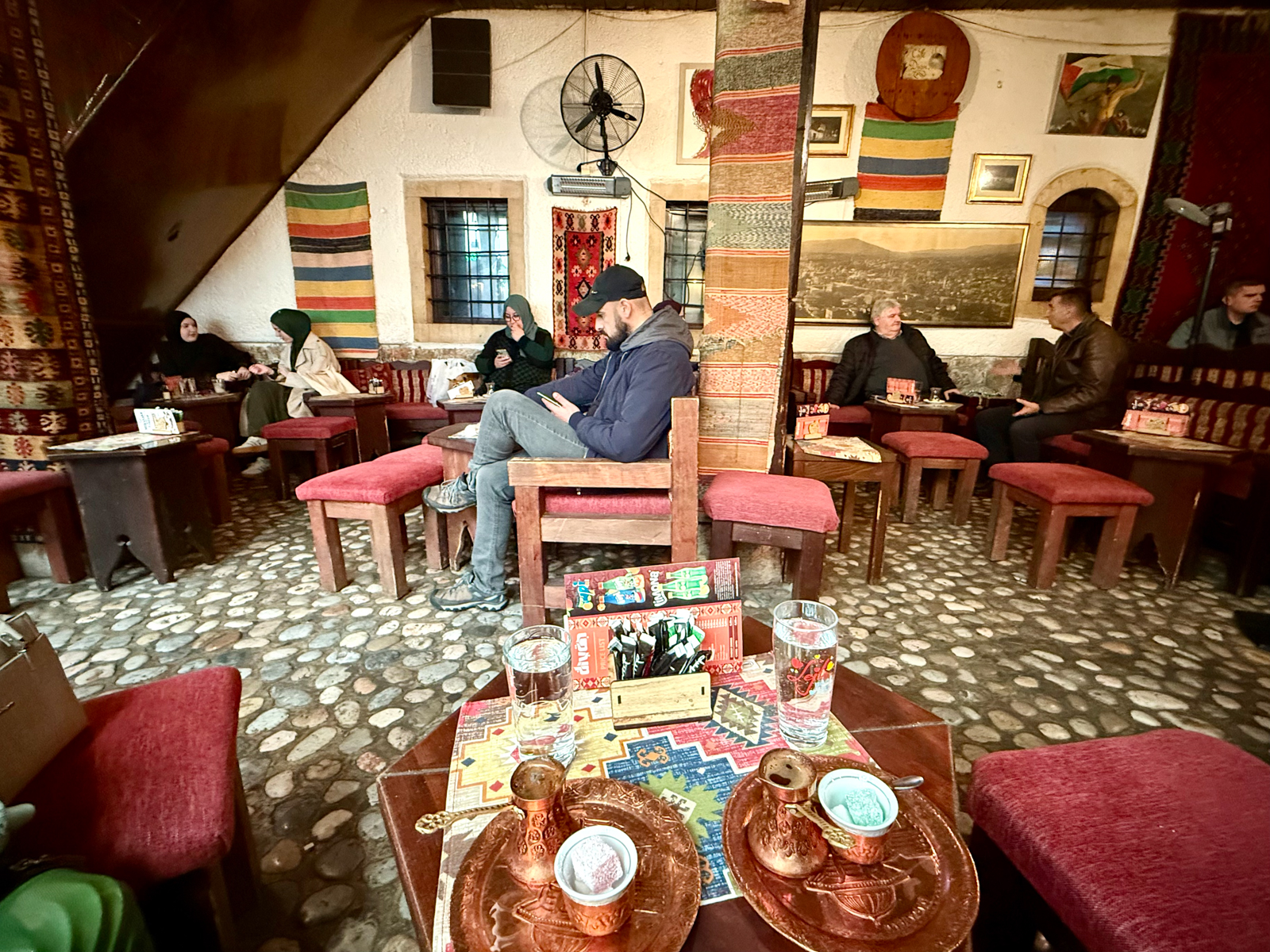
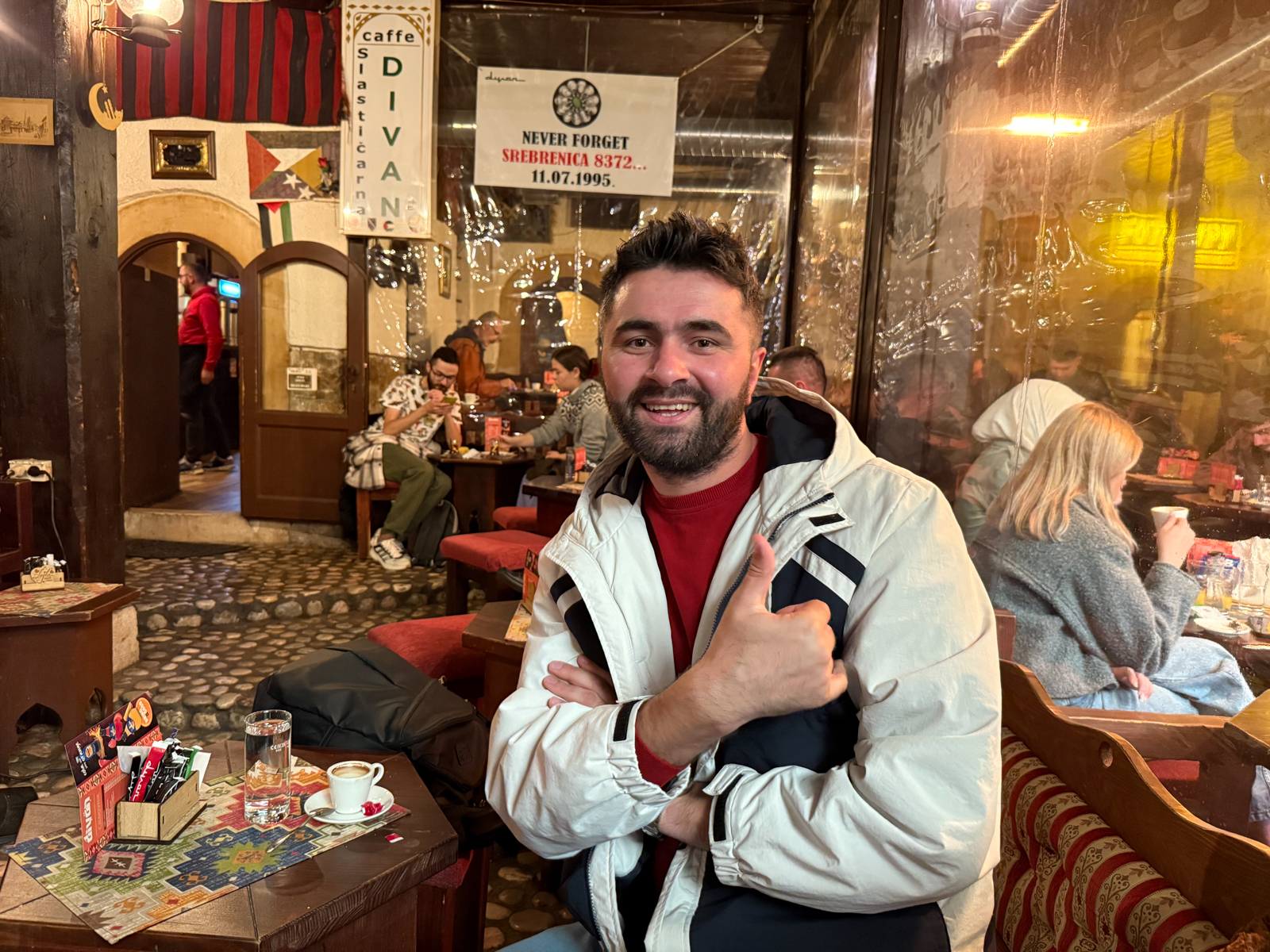
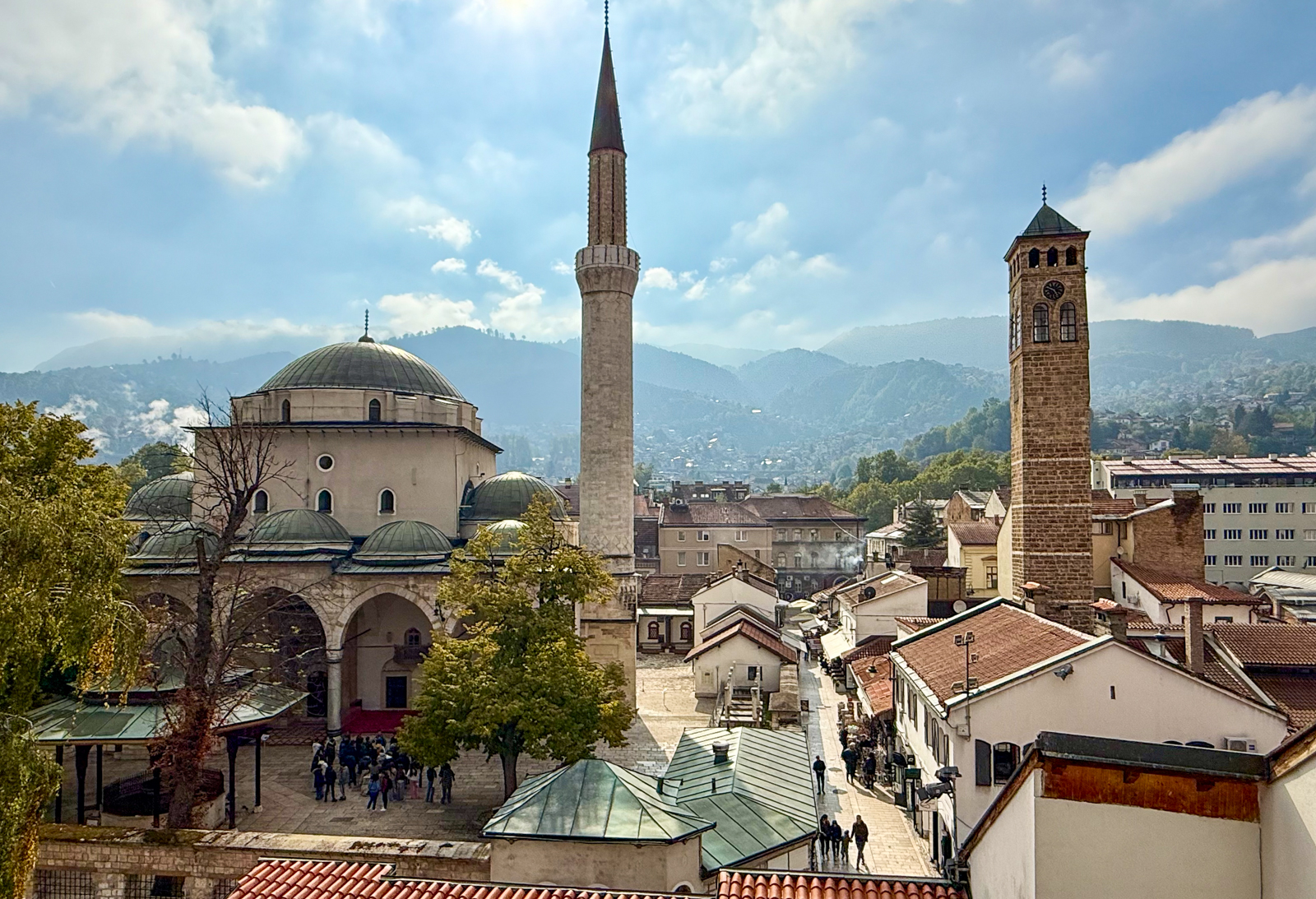
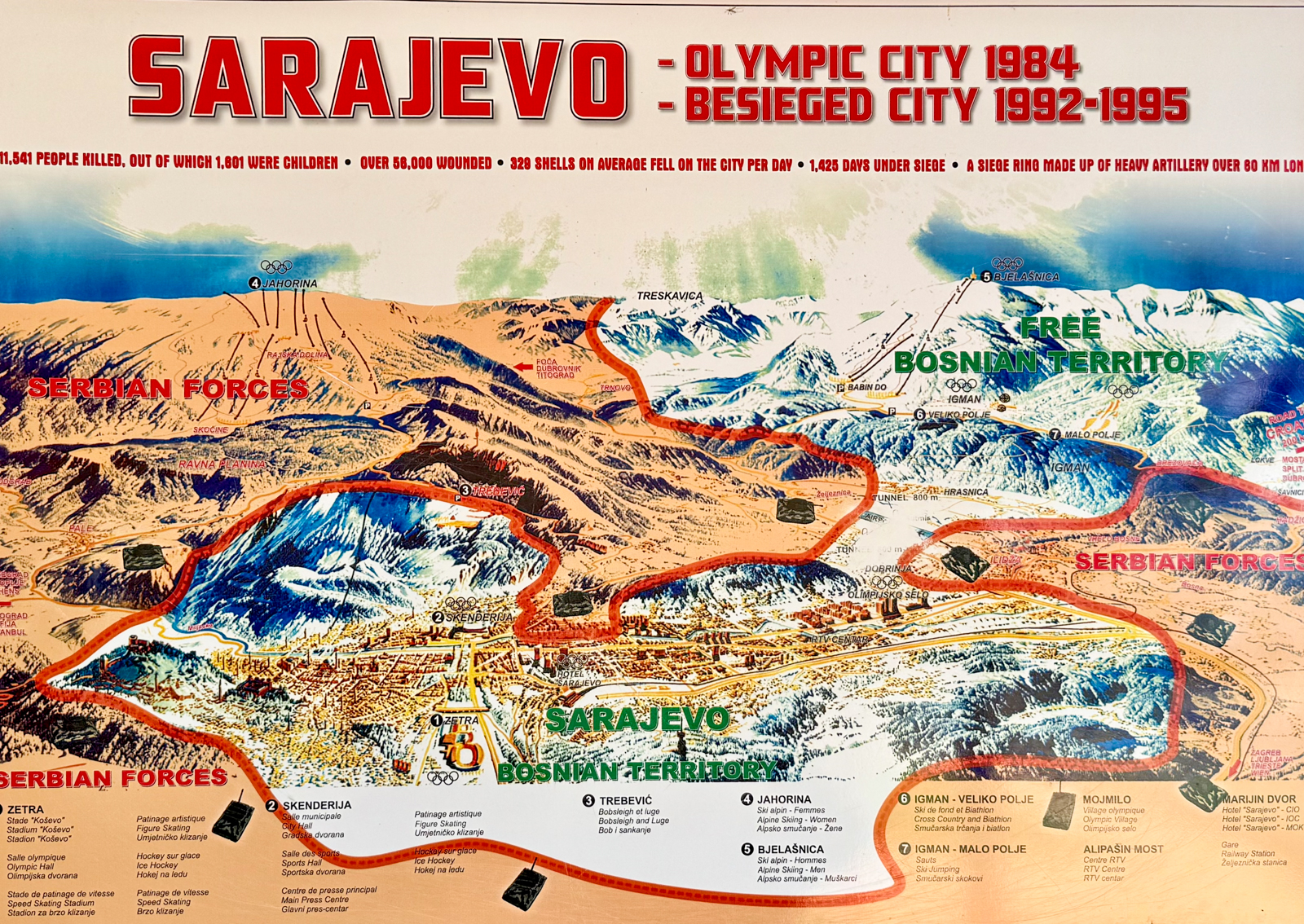
Of course, Sarajevo is famous for many things beside the war. In the 1980s, the Winter Olympics were held here. And the assassination of the Austro-Hungarian Archduke in Sarajevo started World War One. But we were especially interested in how people live here today. We stopped by for Bosnian coffee at the very Muslim Caffee Divan and met a remarkable young man who spoke great English and worked as a tour guide. I photographed him under a sign that said, “Never Forget Srebrenica.” It will be the young people like him that bear the burden of rebuilding Sarajevo.

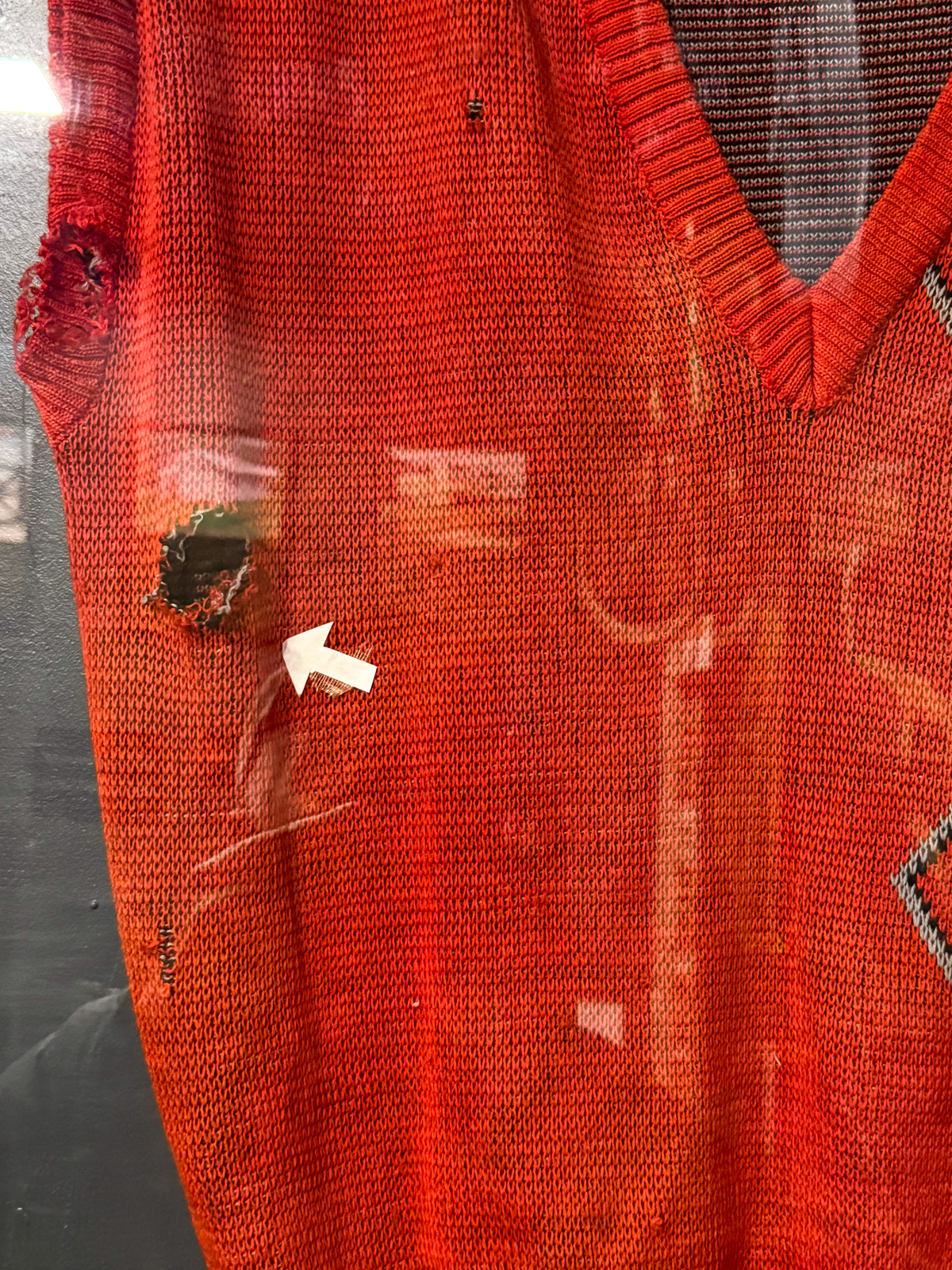
We then visited the depressingly named Museum of Crimes Against Humanity and Genocide 1992 – 1995. It was really tough going seeing first-hand the awfulness of the Bosnian war. But this gut-wrenching experience also gave us a better understanding of how a once delightfully diverse region fell into tribal genocide. We stumbled out of the Museum vowing not to let our delightfully diverse United States fall into the same Nationalist homicidal trap.

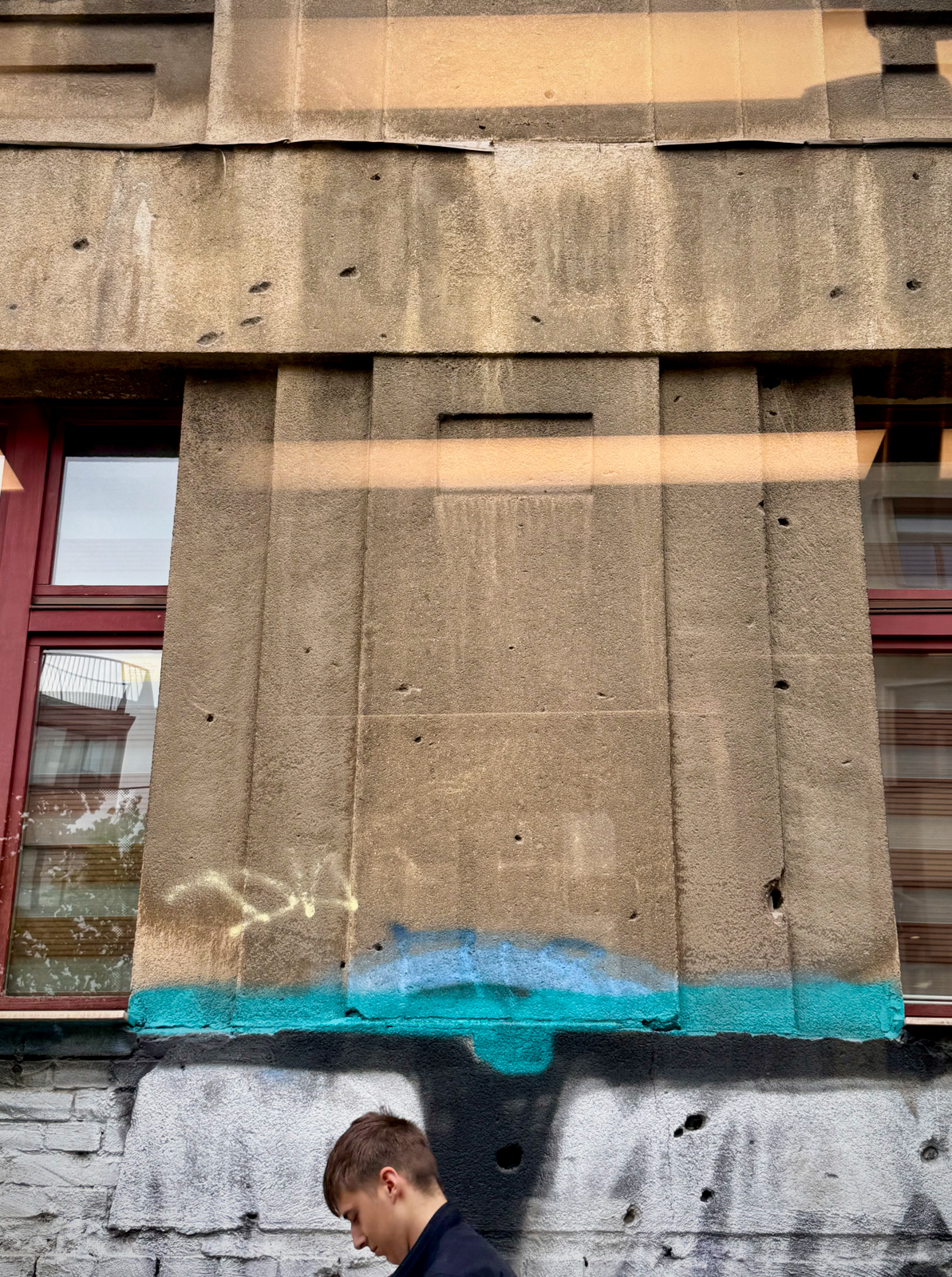
We stayed in the old city of Sarajevo and wandered the streets for hours impressed by the richness of the cultural mix but still wondering how it all blew apart.

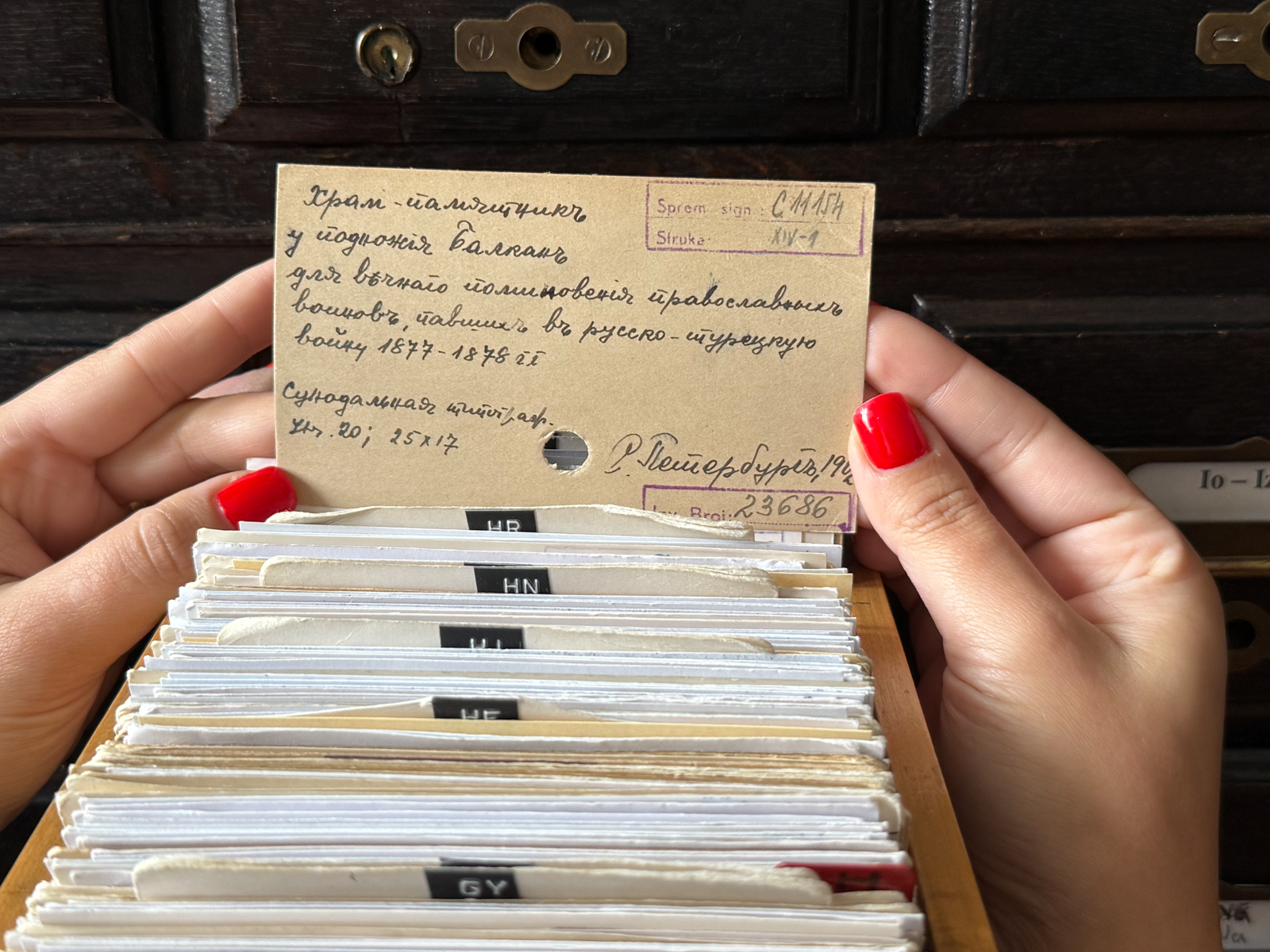
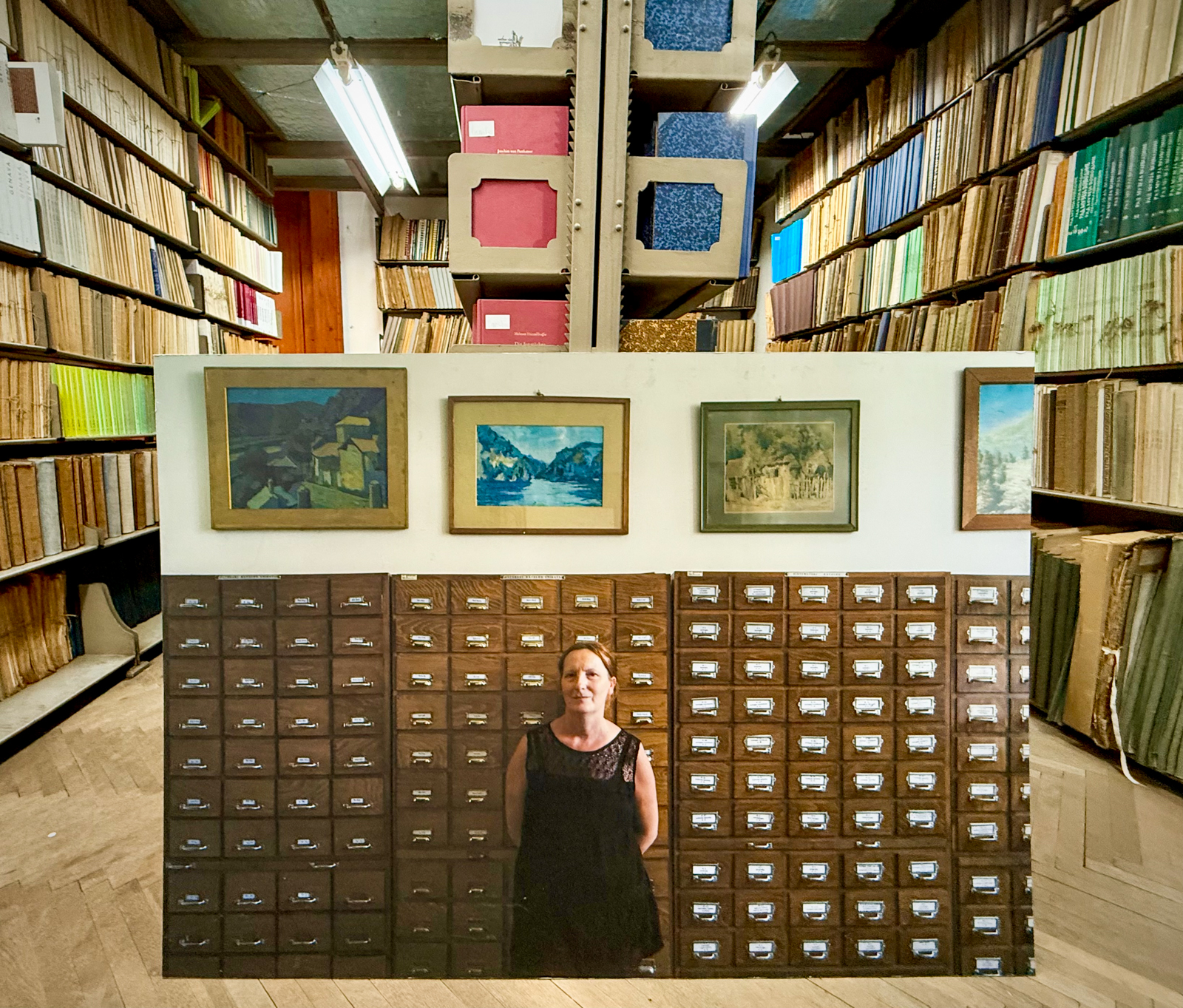
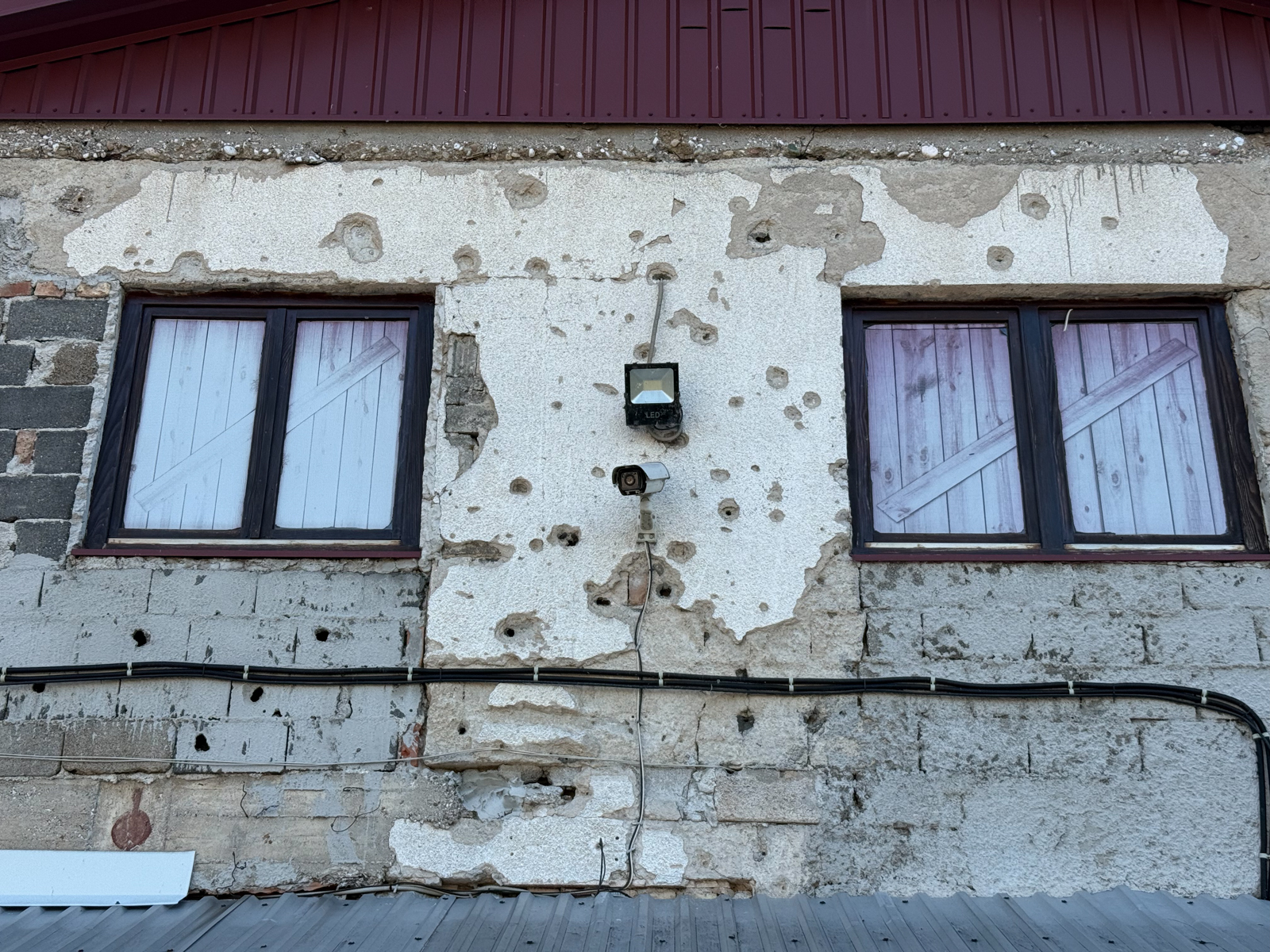
The next day we visited the Library of the National Museum of Bosnia and Herzegovina. Since its founding in 1888, the museum library had grown into a large collection and it preserved one of the region’s greatest artistic treasures, the Sarajevo Haggadah. It was also violently attacked during the war but was not destroyed like the National Library. The staff of the library rescued most of their 200,000-volume collection while dodging bullets and artillery that averaged over 400 shells a day. The Director of the library was killed by a grenade during this rescue effort. Bullet holes were still visible even 30 years later. I photographed a book with bullet still in it and a door that had a clean bullet hole all the way through it. Again, the burden of healing this city and nation rests in the generation of the two young librarians who gave us a wonderful tour around this battered institution.

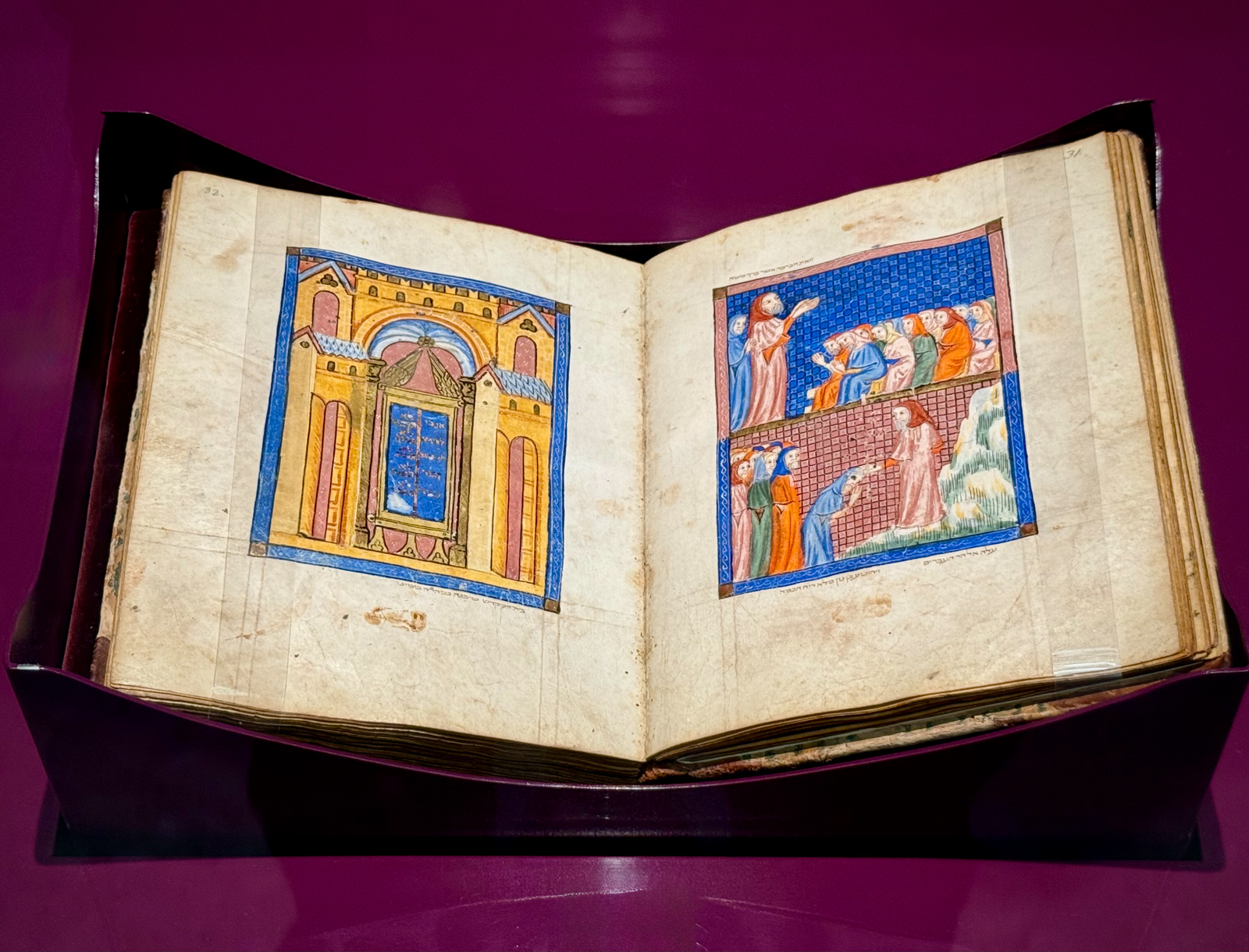
I first learned about the Sarajevo Haggadah while reading the historical novel People of the Book by Geraldine Brooks. The Sarajevo Haggadah is one of the oldest surviving Jewish illuminated texts and the real historical survival of the manuscript is nothing short of a miracle. It has become a symbol of the multicultural strength and resilience of the Sarajevo and the nation. It is now part of UNESCO’s Memory of the World Register. I was able to photograph the actual, priceless manuscript which our guide explained is only shown rarely and is usually replaced by a facsimile.

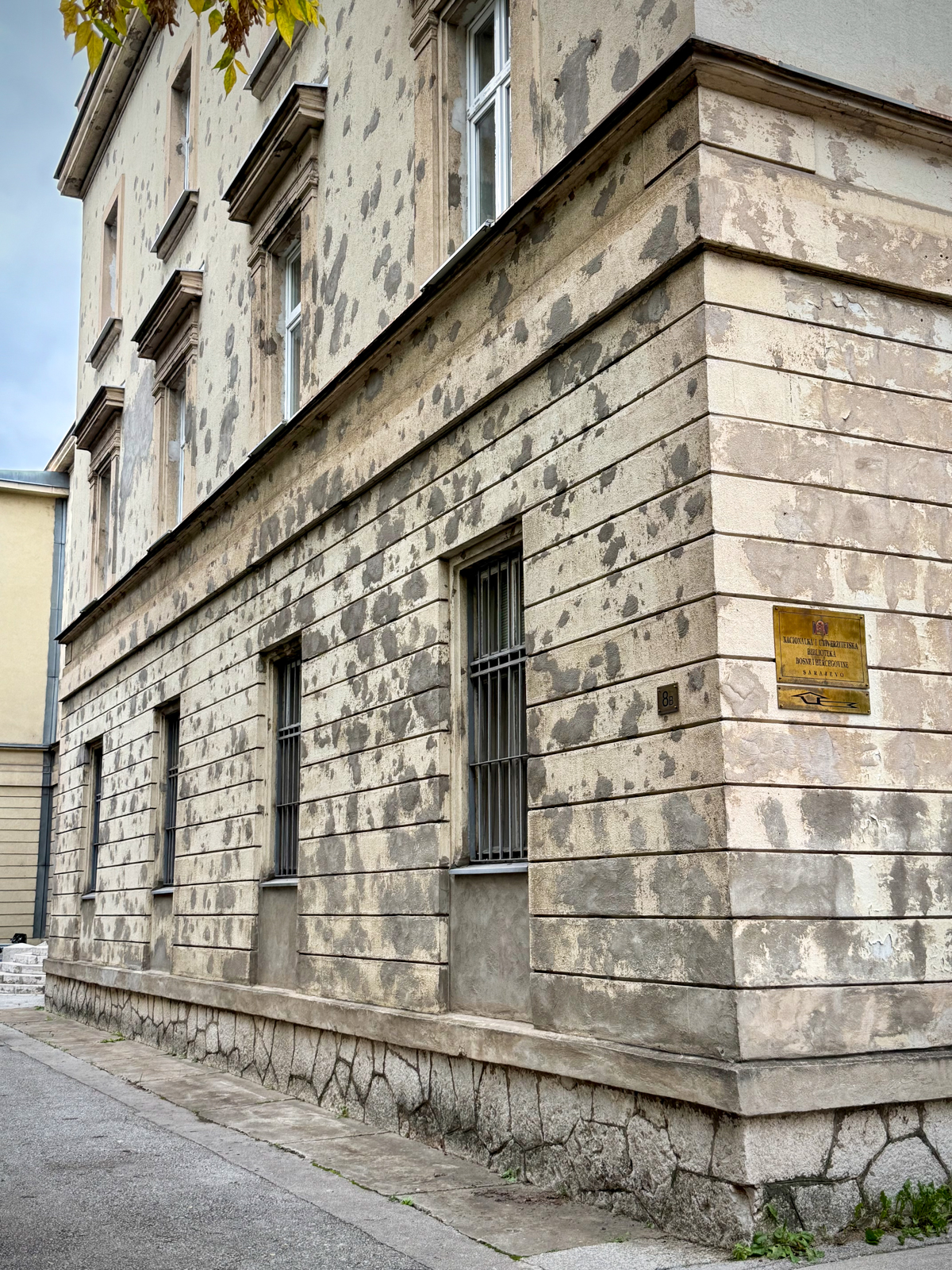
We walked across the street and went back to the bullet-riddled National and University Library of Bosnia and Herzegovina. At the Conservation and Special Collections department, we visited part of their crumbling storage area, and I photographed some of the war-damaged books in their collection. The proof of the unspeakable violence of this genocidal war was here in the burned and damaged buildings and books of the National and University Library.

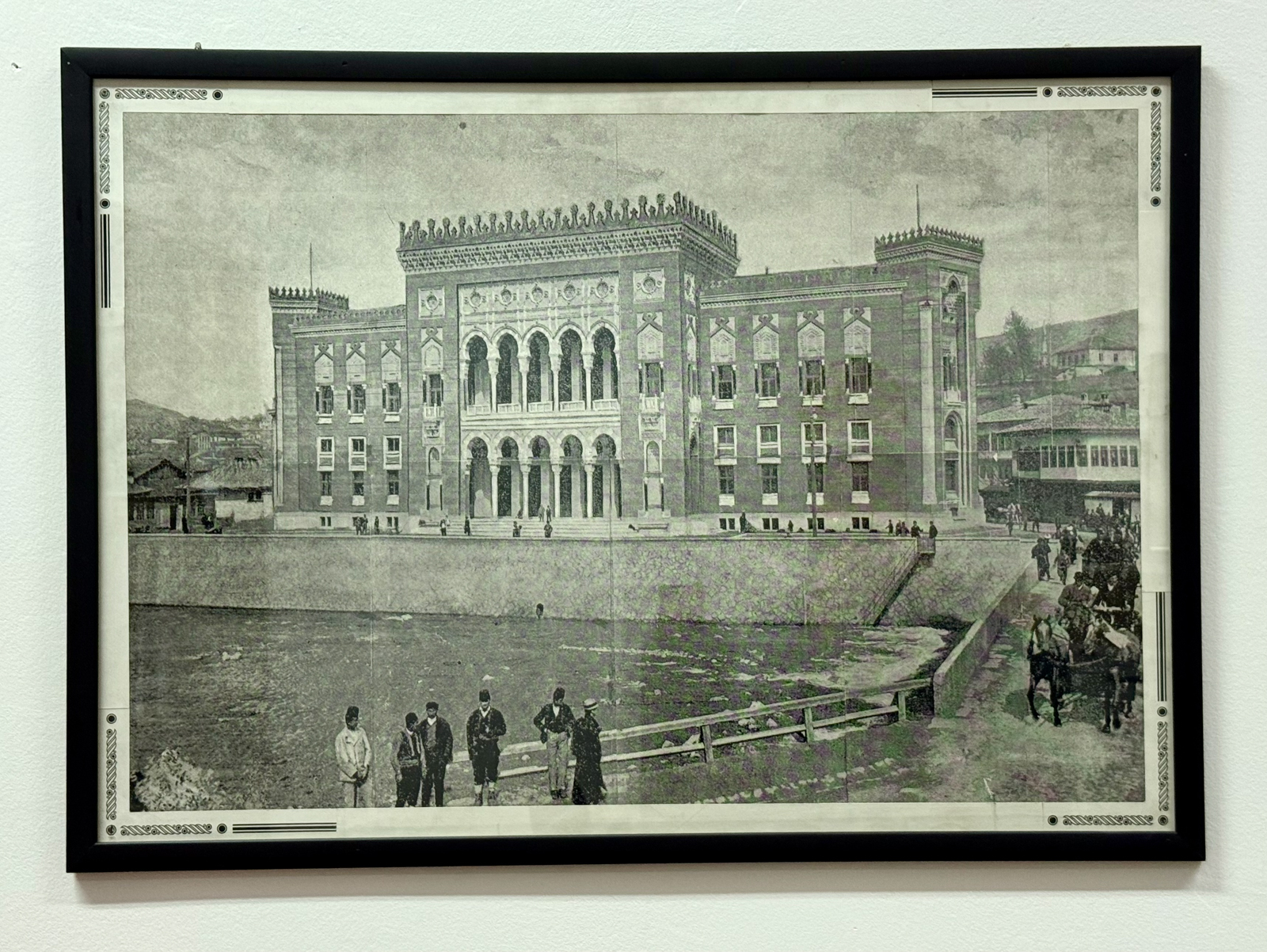
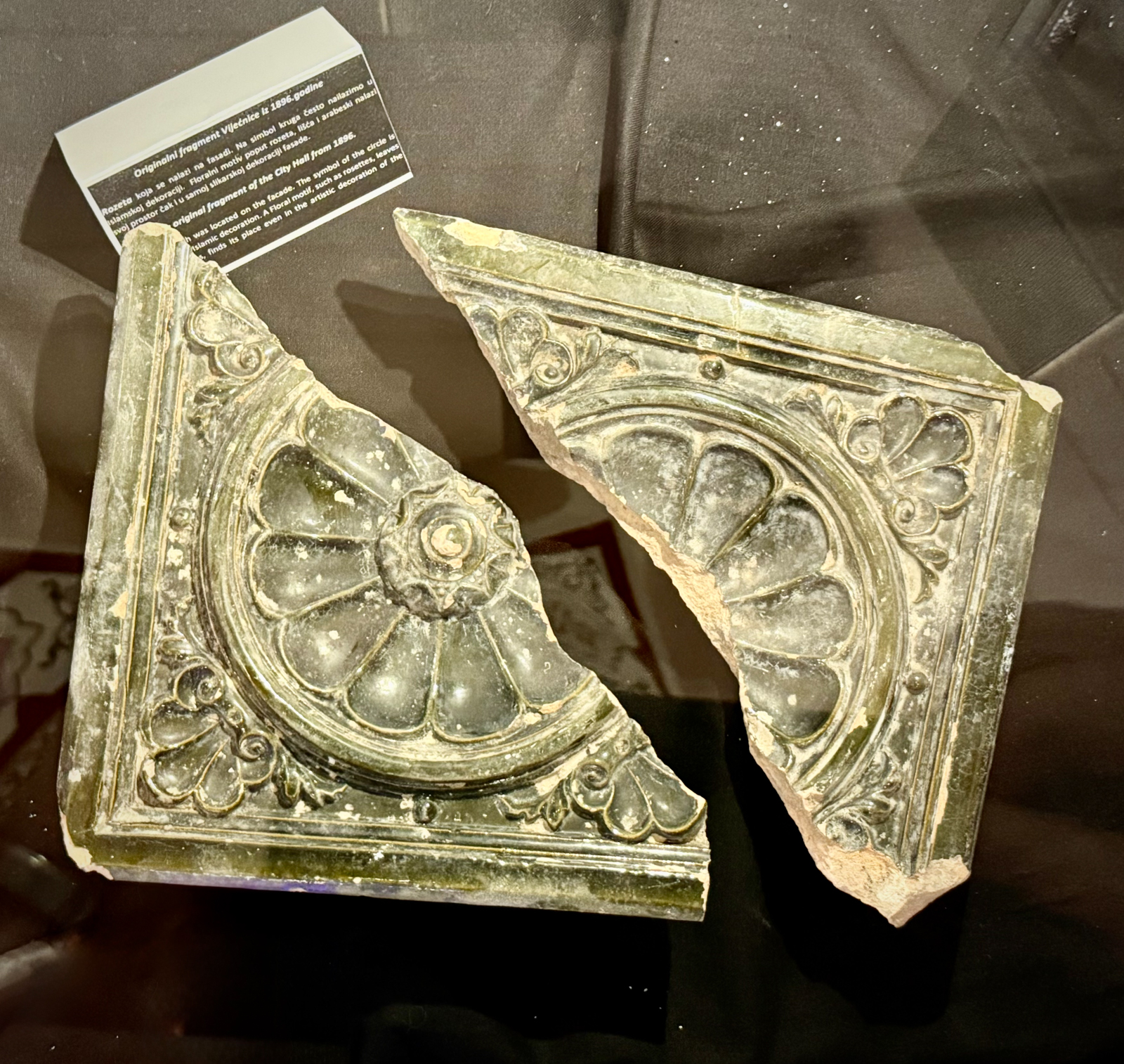
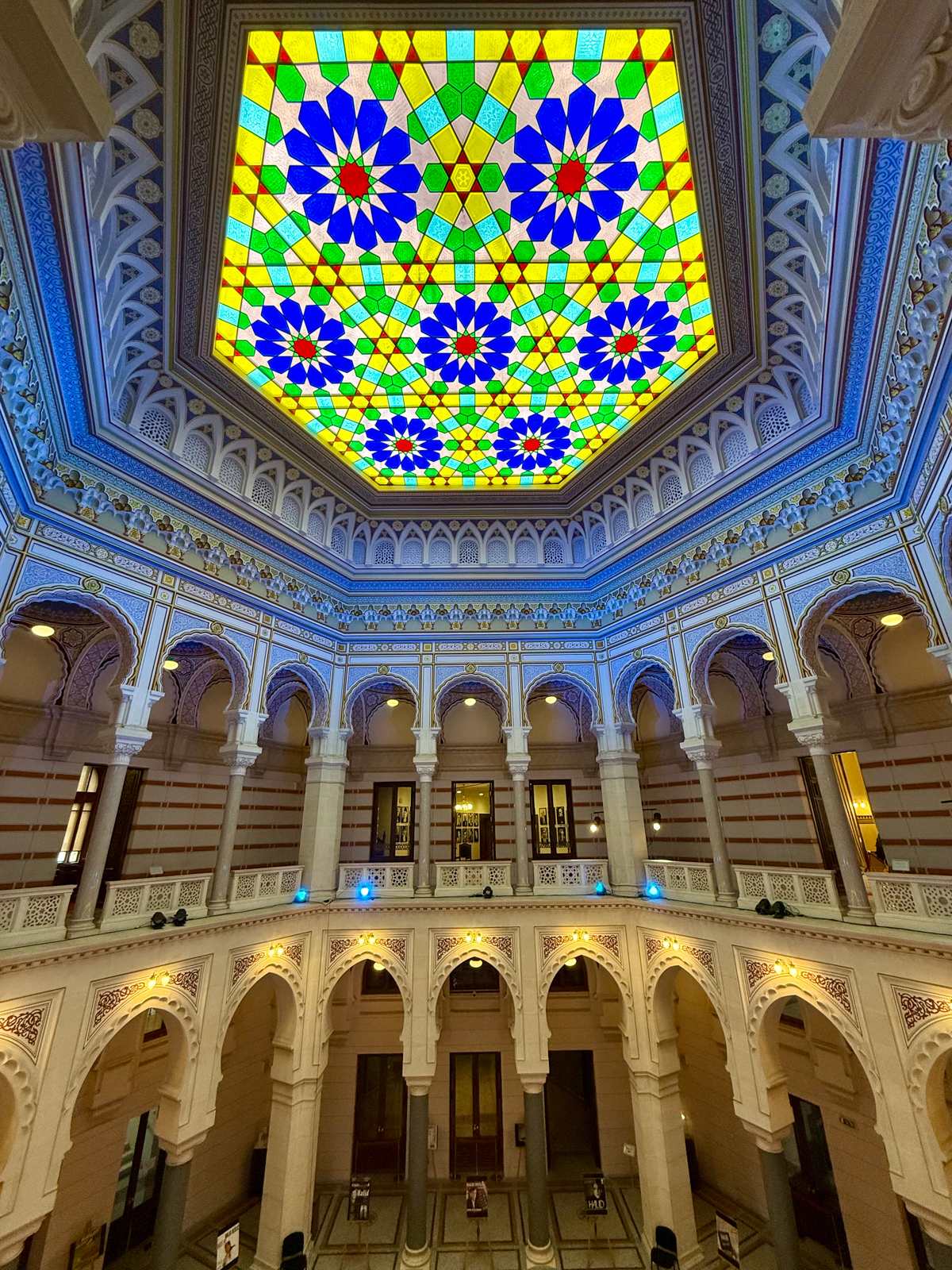
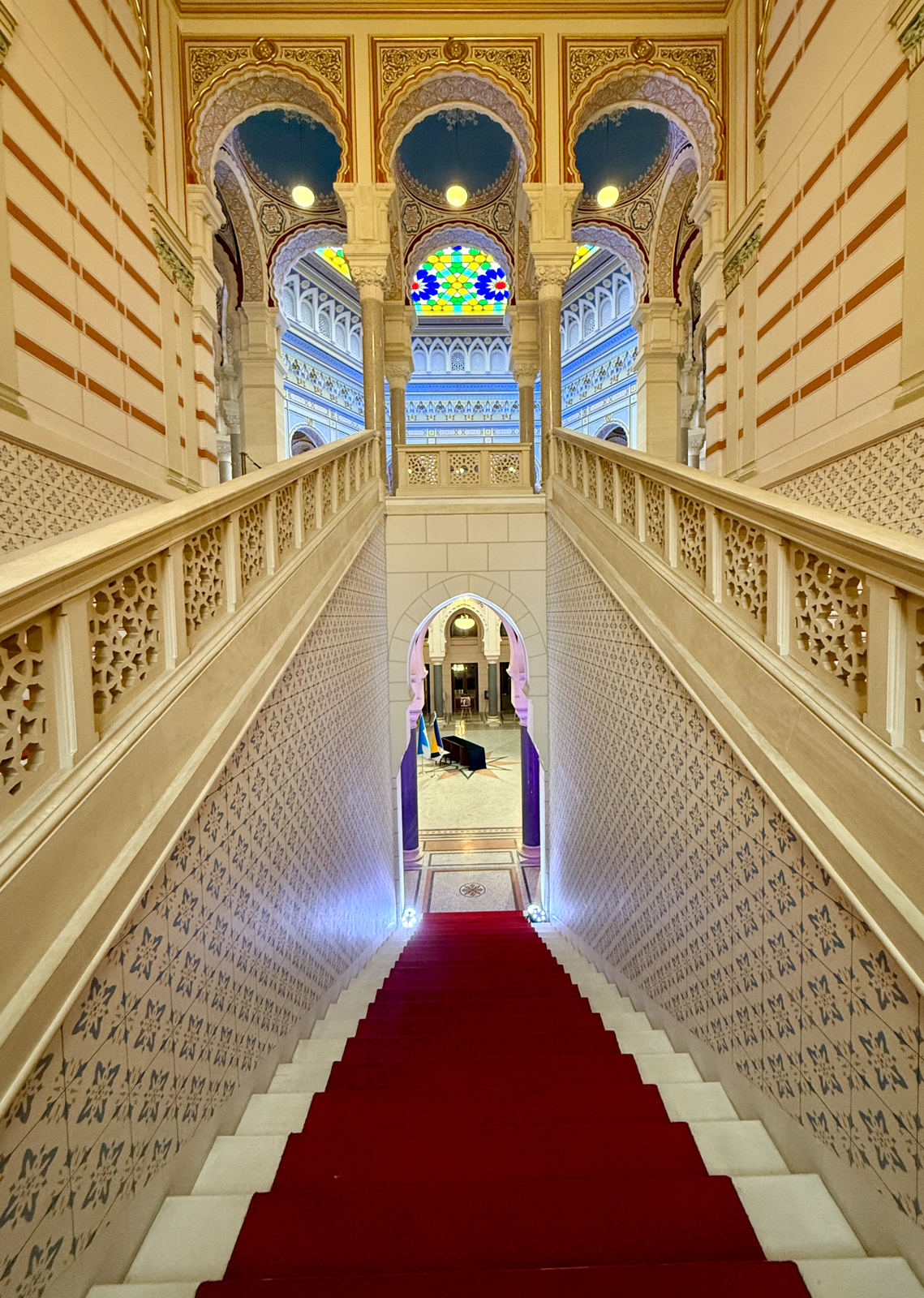
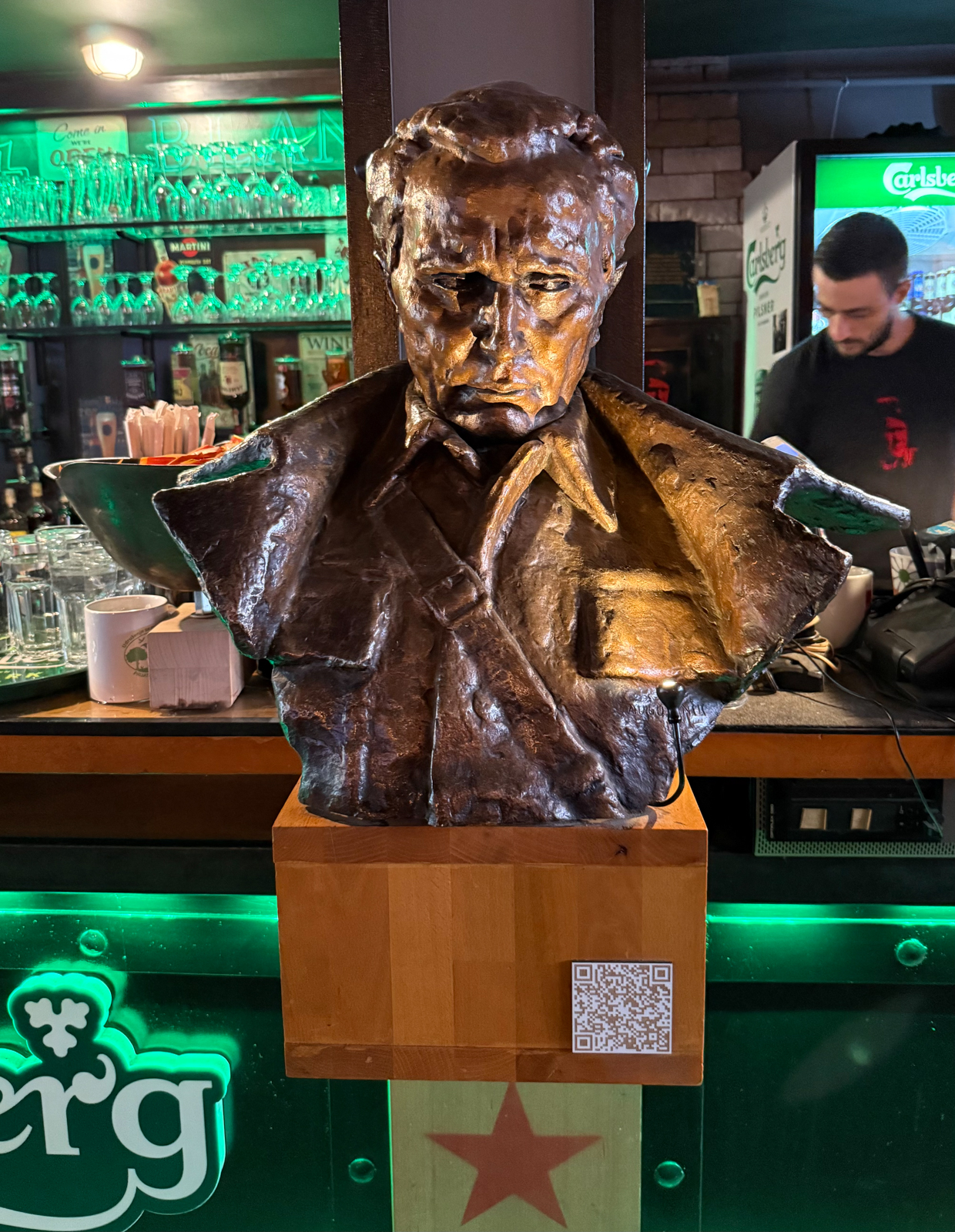
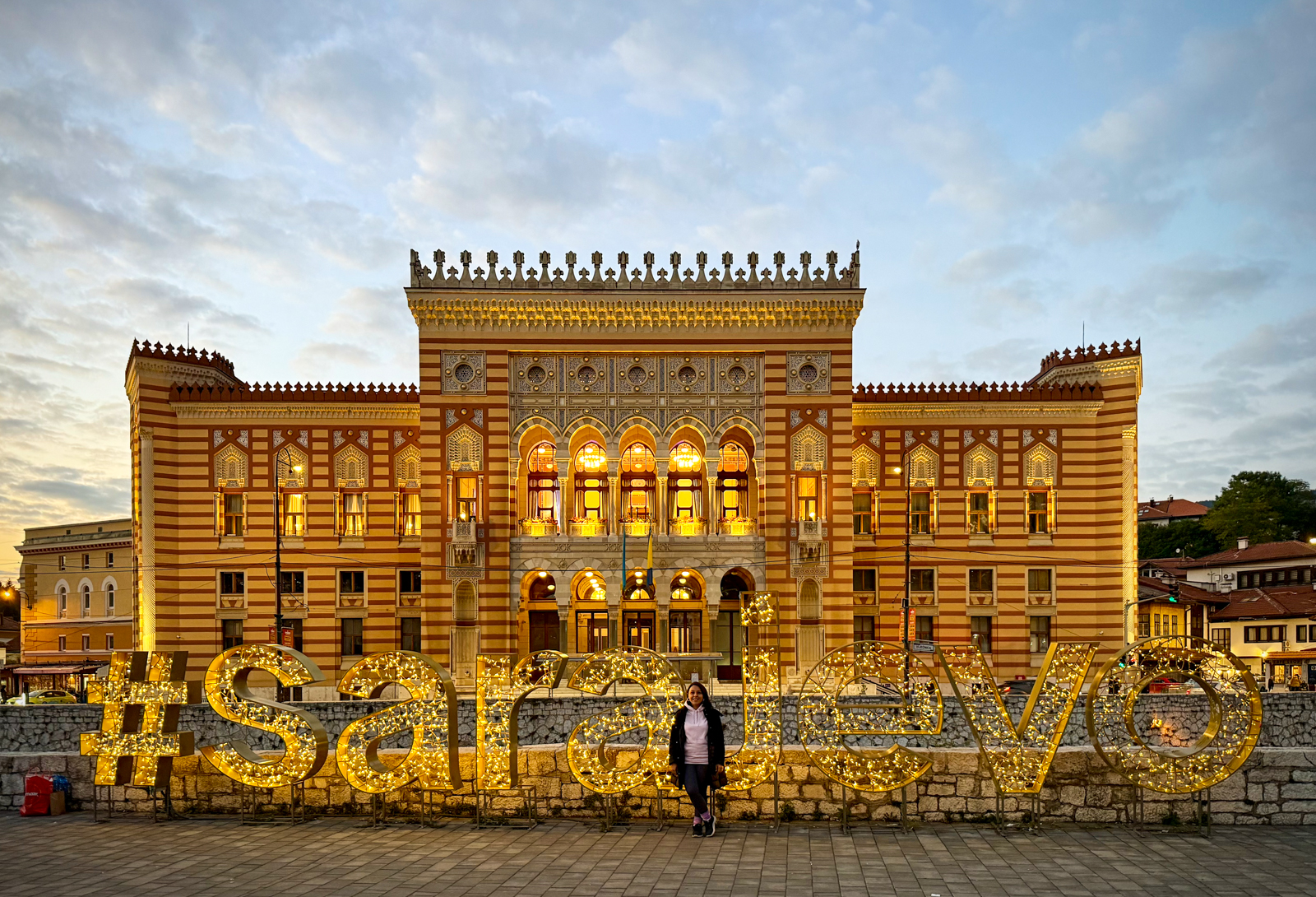
It was a relief to go back to wandering the mysterious streets of Sarajevo. We visited a Josip Tito themed bar that whimsically evoked the Yugoslav communist revolutionary and politician that was the leader of Yugoslavia for many years after WWII. Strange they would make this shrine into a hipster bar. The streets were magical, and we even returned to the old National and University Library at sunset to photograph the pseudo-Moorish architecture designed to reflect the 400-year-old cultural legacy of the city’s Ottoman past.

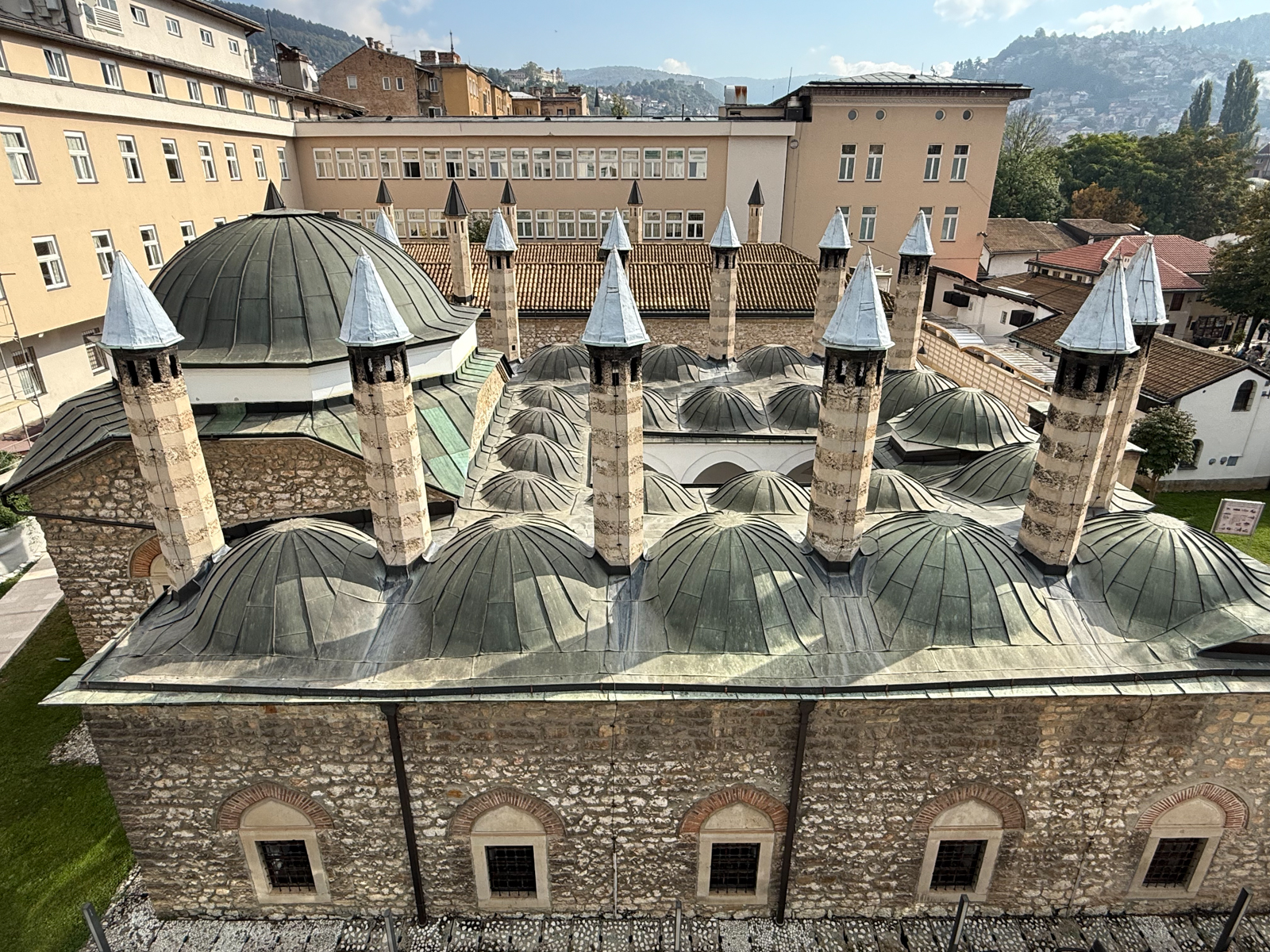
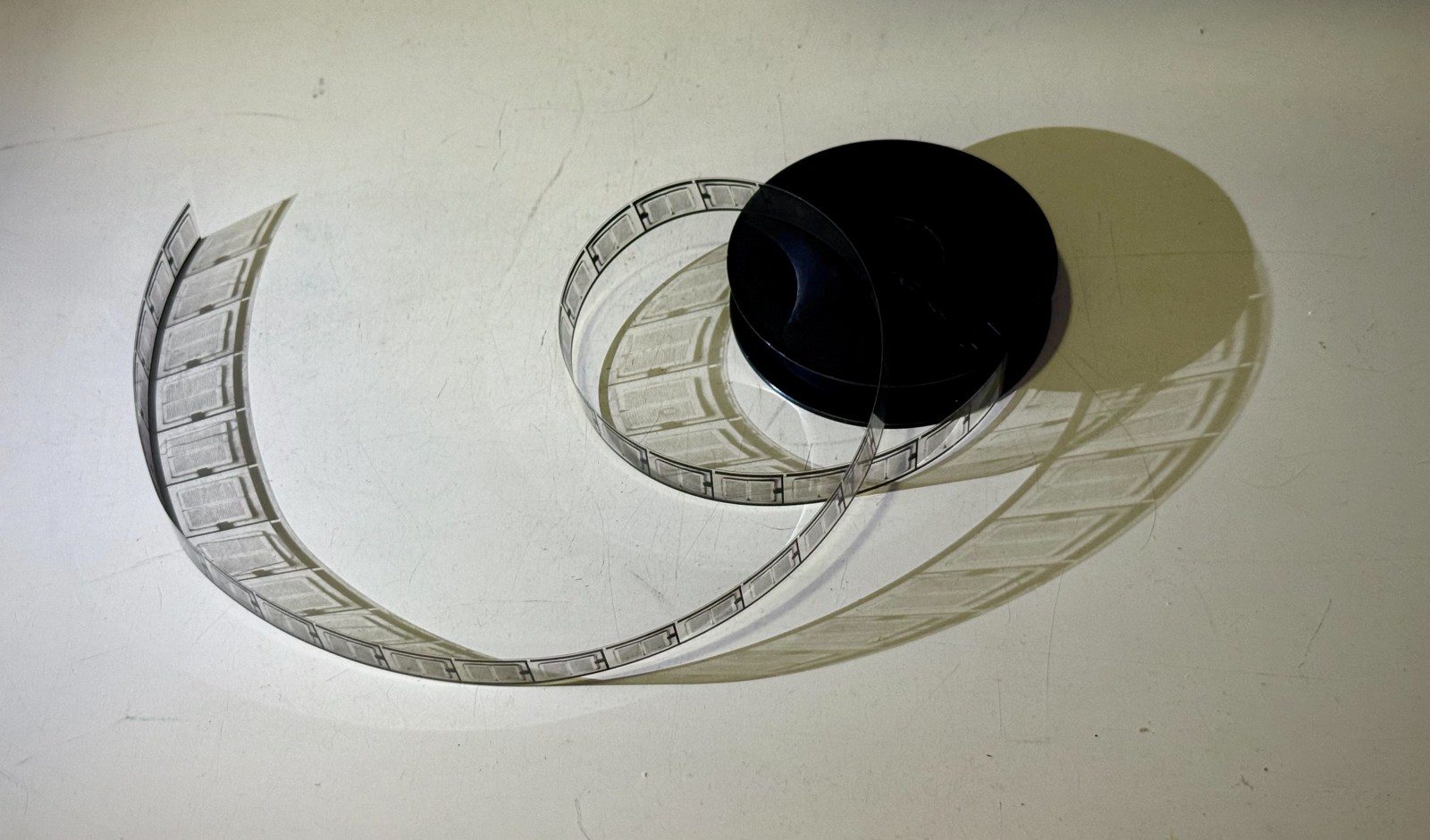
The Balkans had a strong book culture and Sarajevo was one of its hubs. The city had one of the finest collections of Arabic, Turkish and Persian books and manuscripts in the Gazi Husrev-beg Library that was established in the 16th century. It was one of the oldest continuously operating libraries in Europe. The heroic effort by a group of passionate book lovers to save their collection during the Bosnian war and the Siege of Sarajevo is wonderfully documented in the film “The Love of Books: A Sarajevo Story.” I first became aware of this very special place through this film. We were very lucky to be given an extensive tour of the newly built library (funded by Qatar) by a wonderful Muslim woman who spoke impeccable English. In addition to the wonderful books and objects in the collection, our guide showed the microfilm copies made of the archives while under fire with no running water or electricity. Go figure. This library was a positive expression of hope, reconciliation, and rejuvenation.

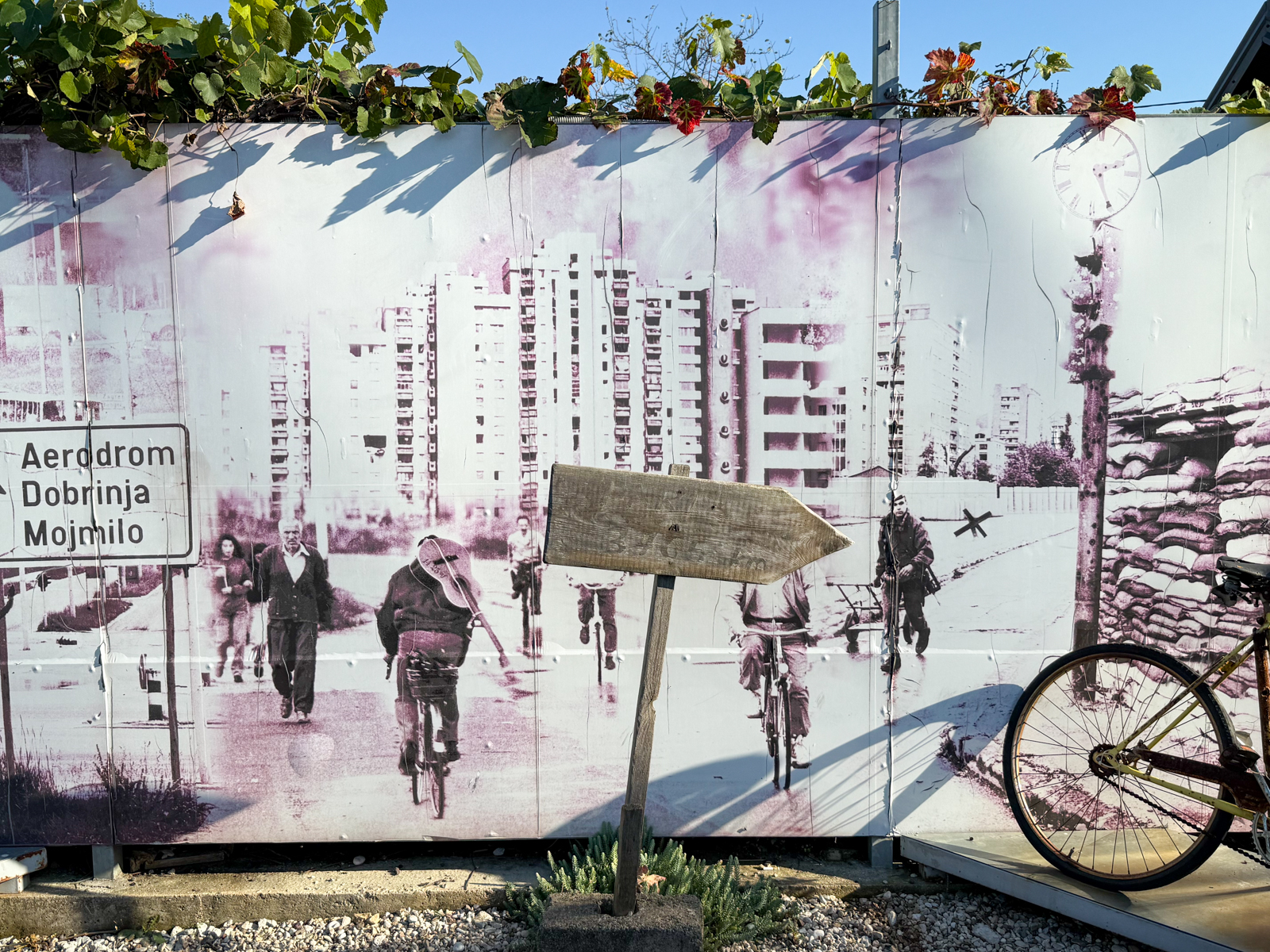
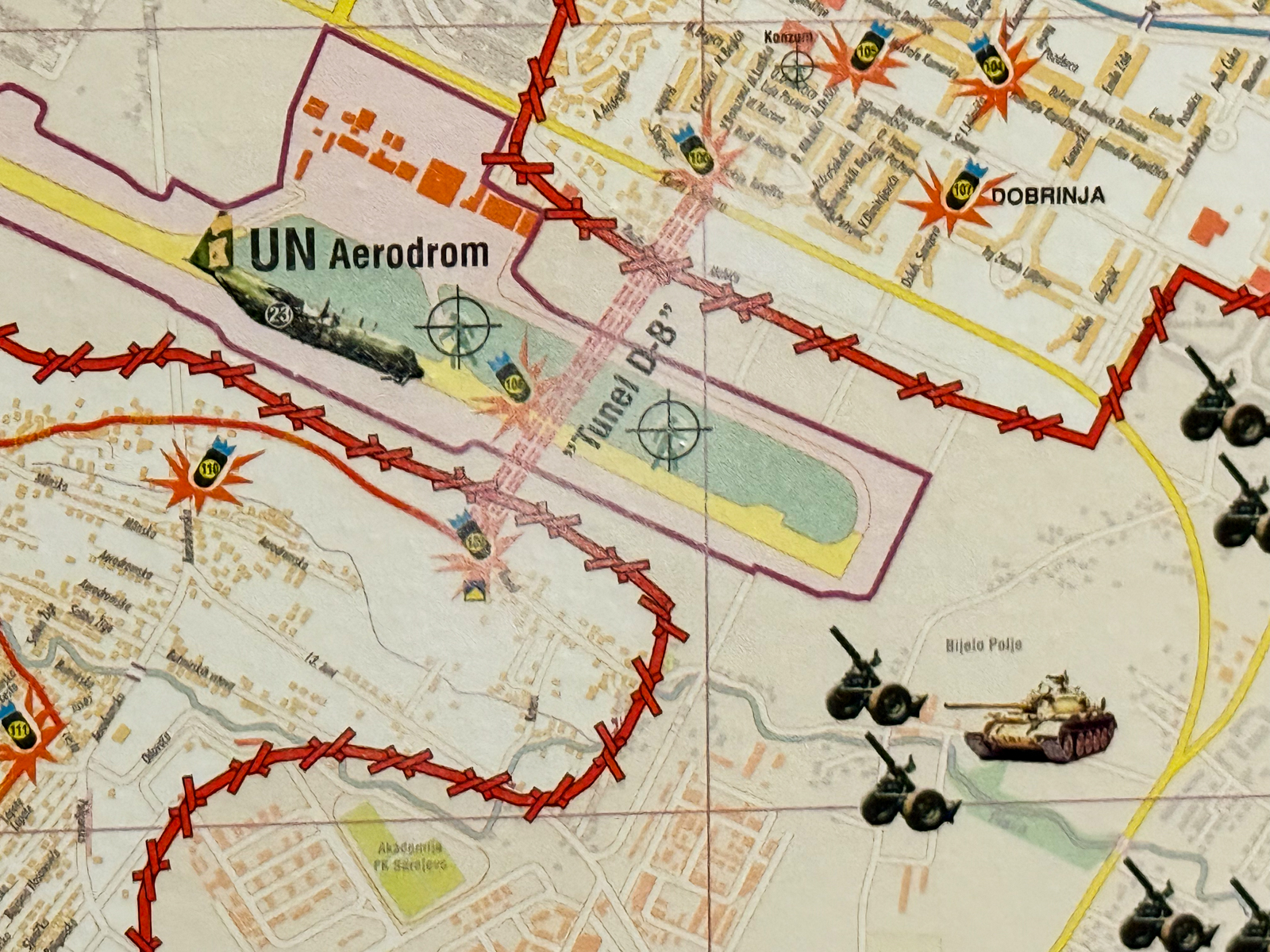
After lunch, we hailed a cab to the Tunnel of Hope Memorial Complex out near the airport. During the war, this secret tunnel was one of the few ways supplies could be carried into Sarajevo and the wounded and dead could be ferried out. It was another example of the resiliency of the people of Sarajevo during a very dark time.

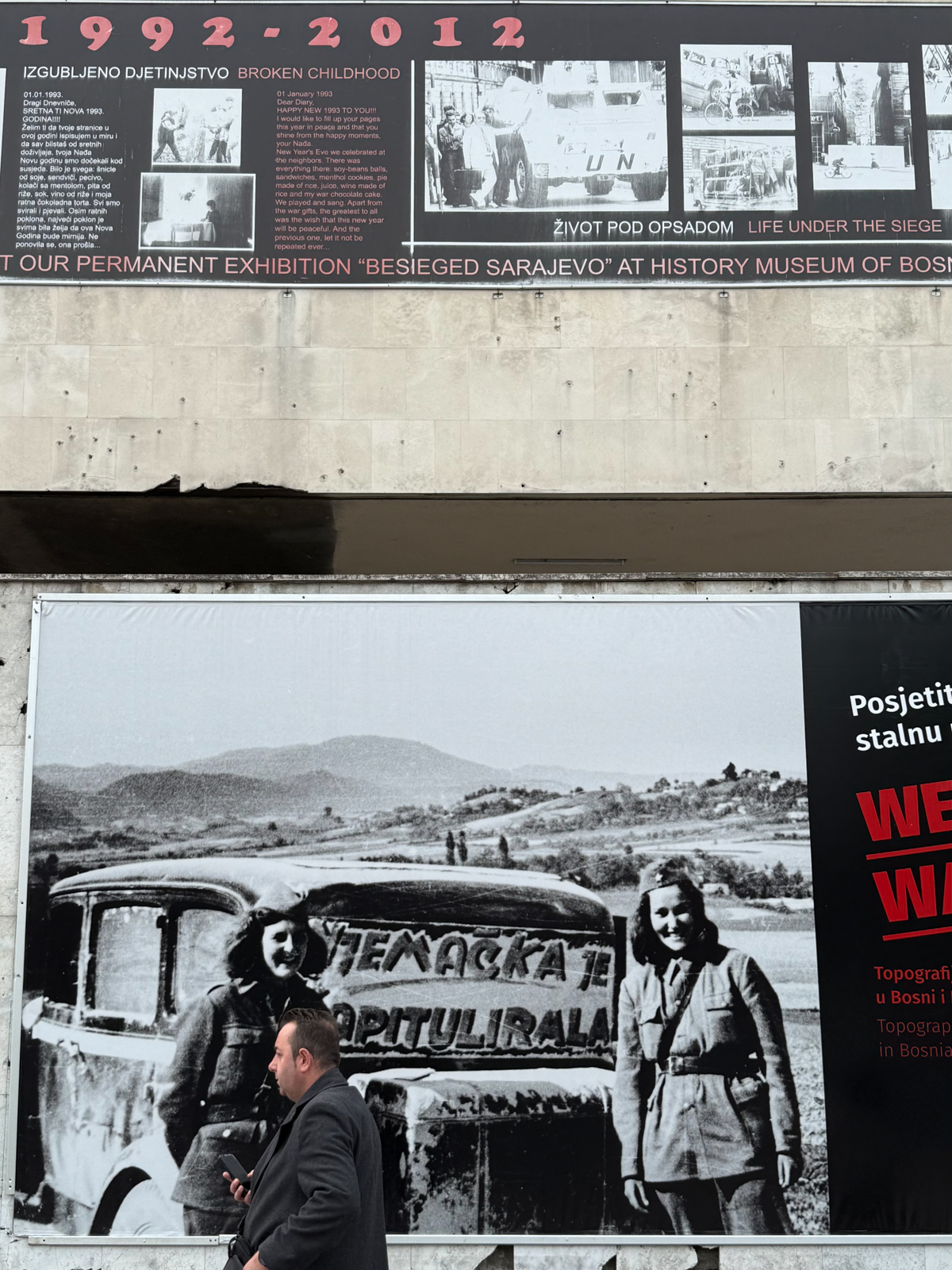
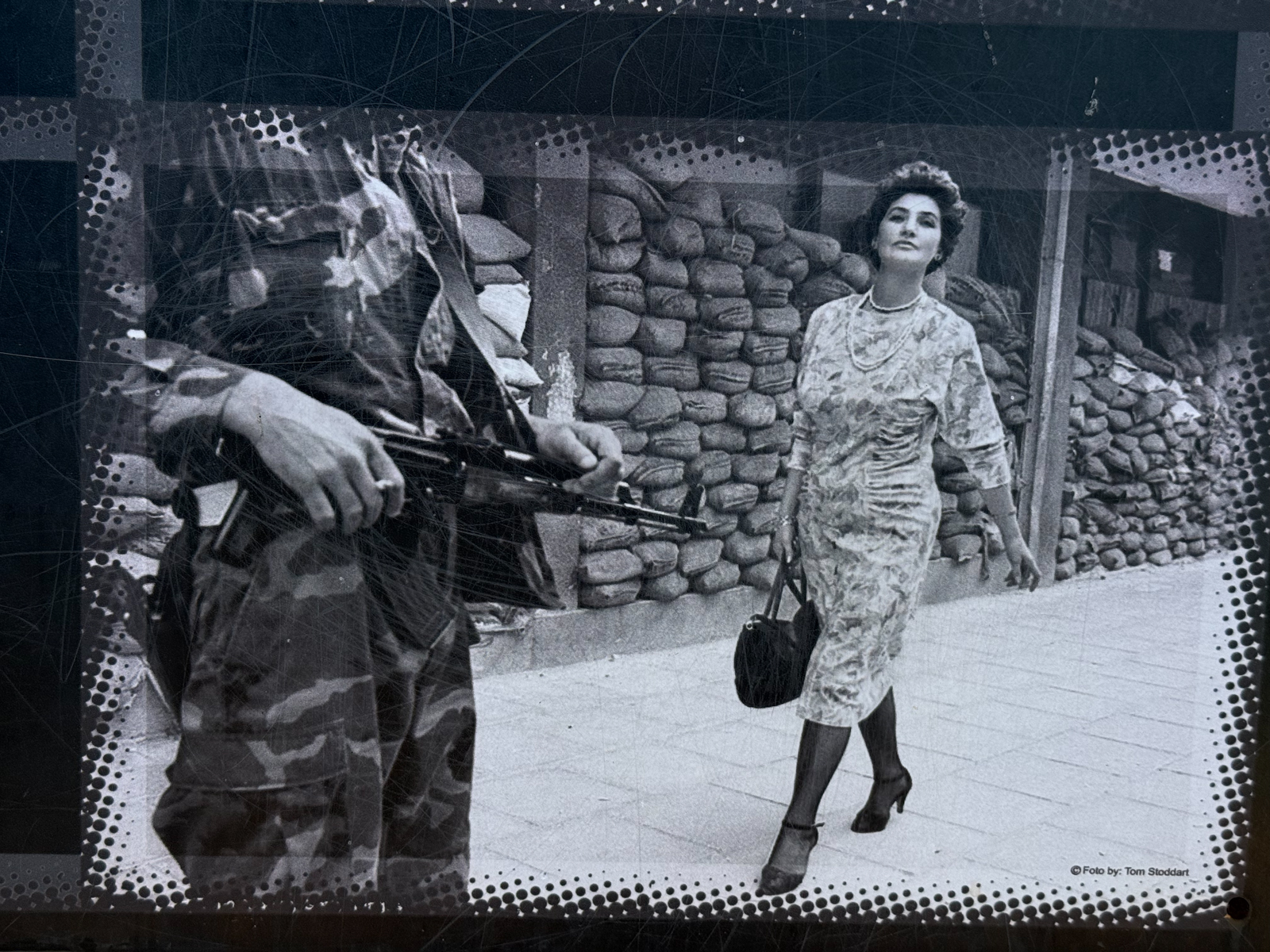
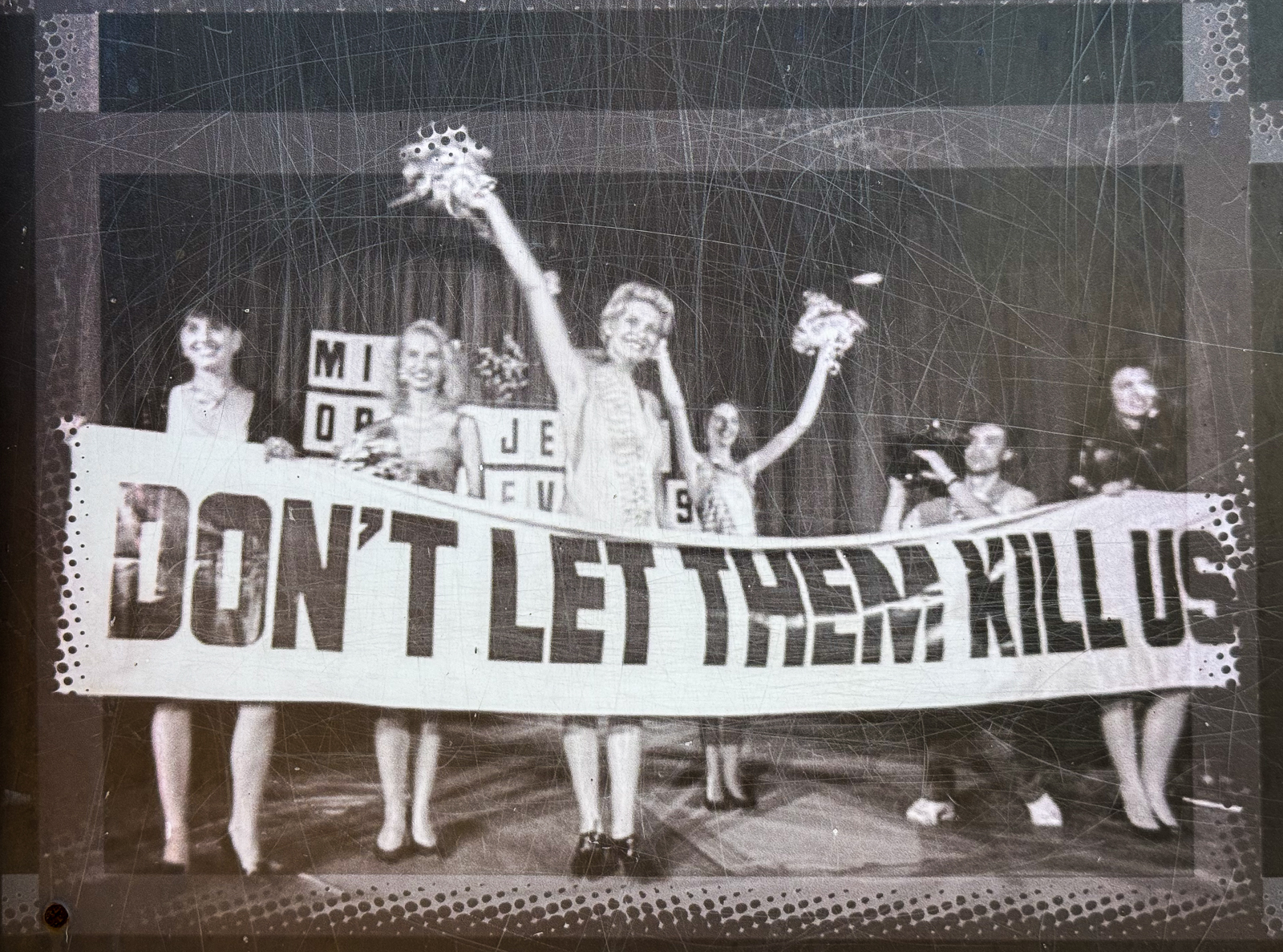
Our last stop was the Siege of Sarajevo Museum. During the three-year siege, I learned that it took one mother burning exactly 13 books to cook one pizza for her family. She hated to burn her books but didn’t want her family to starve. We also learned that during the siege there was even a “Miss Sarajevo” contest to bolster morale and provide some normalcy. The contestants stood under a banner that proclaimed, “Don’t Let Them Kill Us” and we saw the banner displayed in the museum.

The intensity of our experiences over the last three days is hard to describe. We saw much that showed the best and worst of humanity. Memories of the cruelty of the war fade very slowly. Although the country seems to be healing, the level of mistrust is still high after neighbors began killing neighbors during the conflict. The three libraries we visited were a positive force in moving this nation to a better place.

On our return flight to London, I continued my routine as a medieval scribe jotting down thoughts for my next blog. Somehow, doing that helped alleviate some of the crushing sadness we encountered in the beautiful but haunted city of Sarajevo.

Next stop: London and Oxford

5 Comments

Filed under Uncategorized

BATH AND BEYOND – Lacock Abbey and Stonehenge

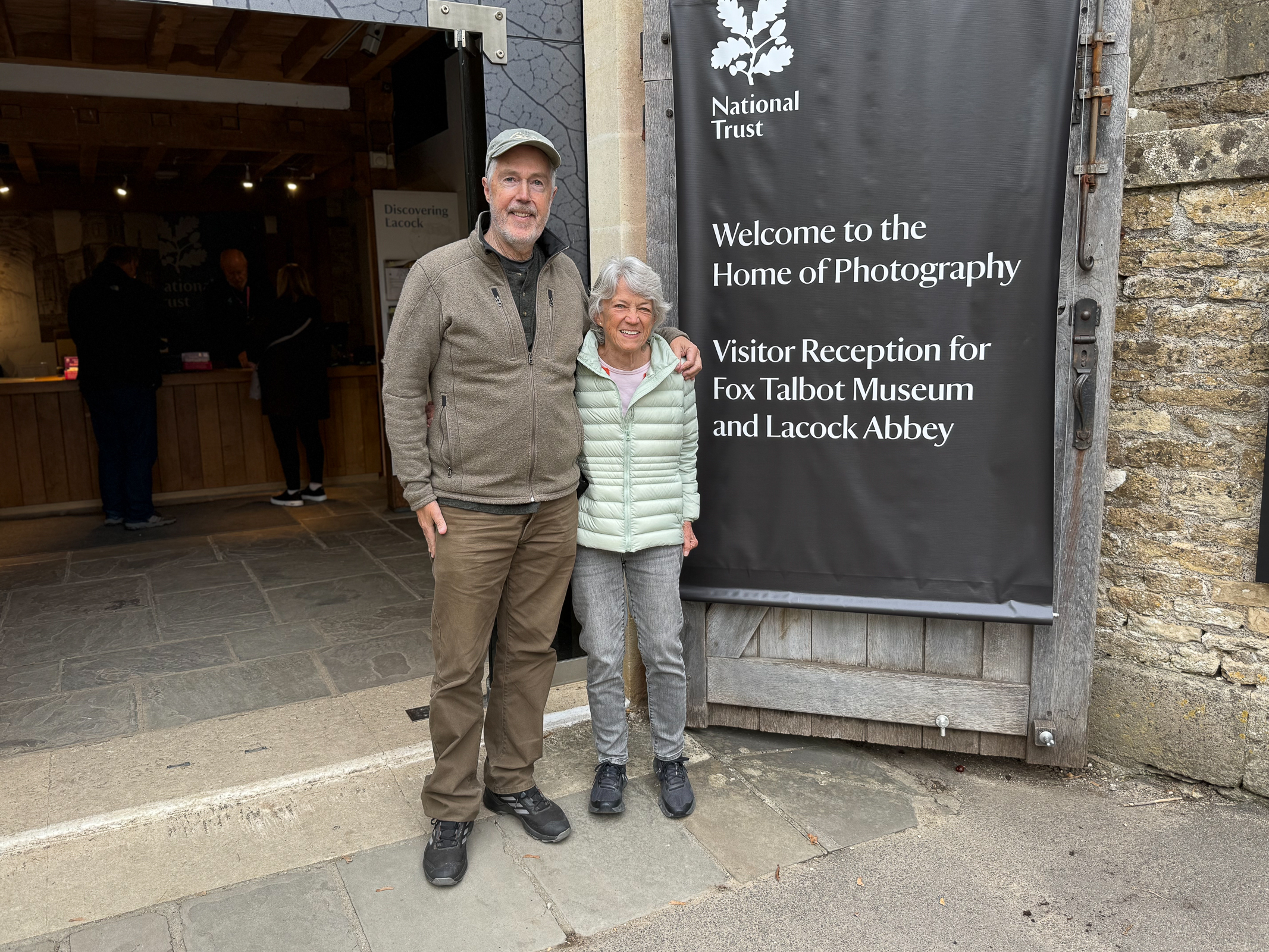
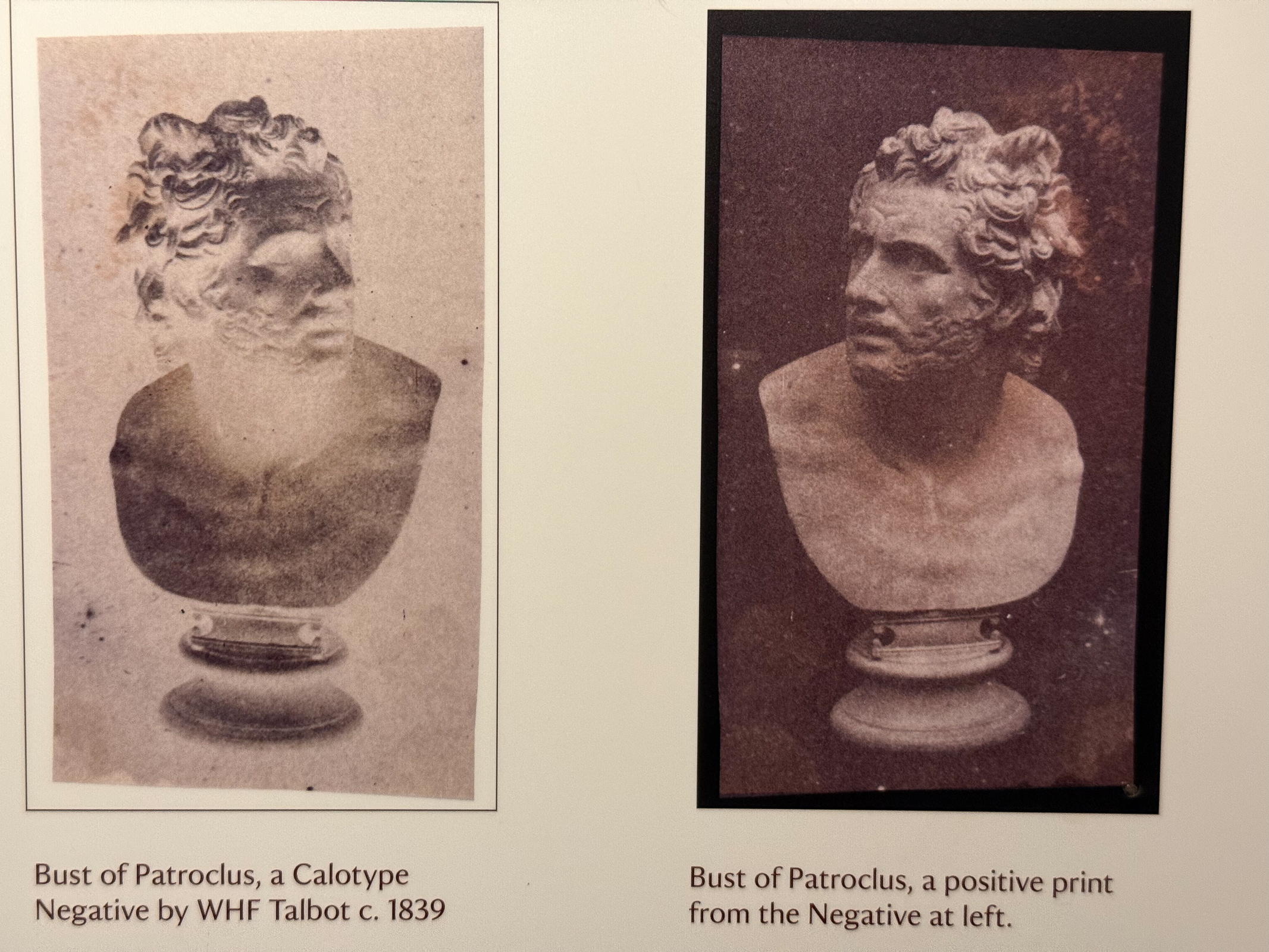
The last time I visited Lacock Abbey was 1980 while on a photographic pilgrimage to one of the places where photography was invented. William Henry Fox Talbot created the negative/positive process in the late 1830s at the same time as Louis Daguerre invented his Daguerreotype process in France. In 1980, the museum curators surprisingly let us handle Fox Talbot’s original priceless prints. Today, although the museum was good, it lacked the visceral connection to the game-changing invention of photography. The real focus of Lacock Abbey today was the Abbey itself.

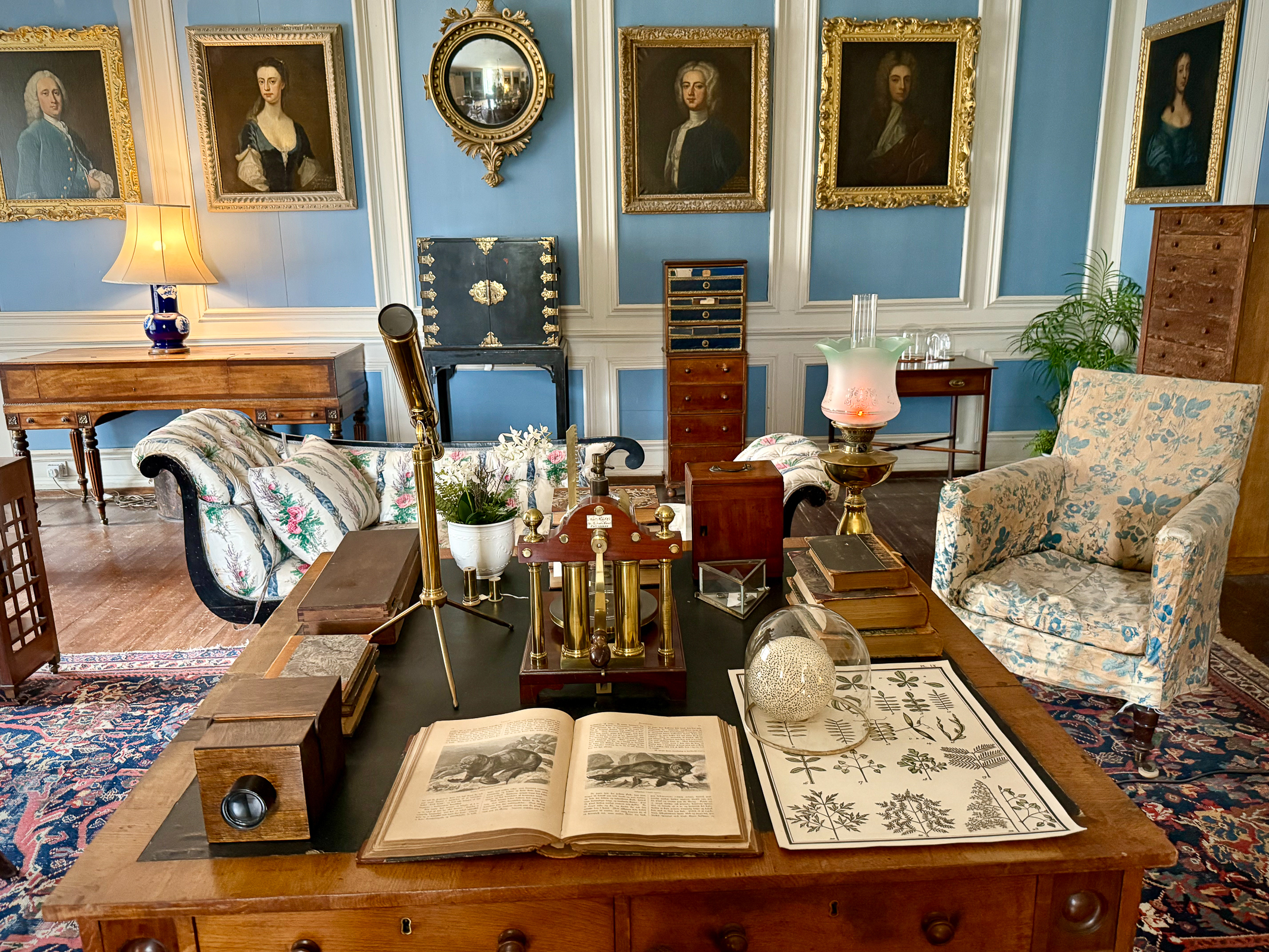
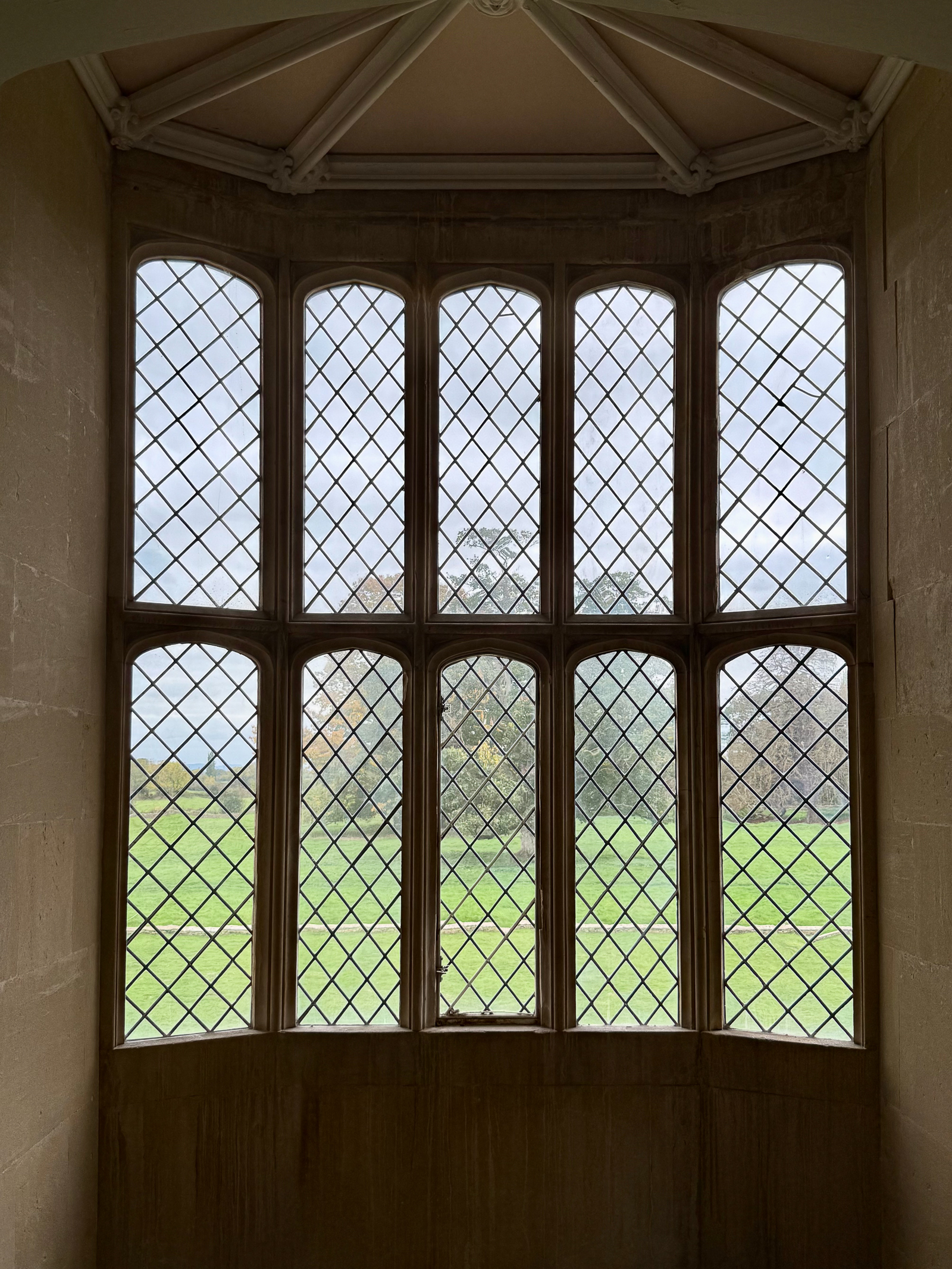
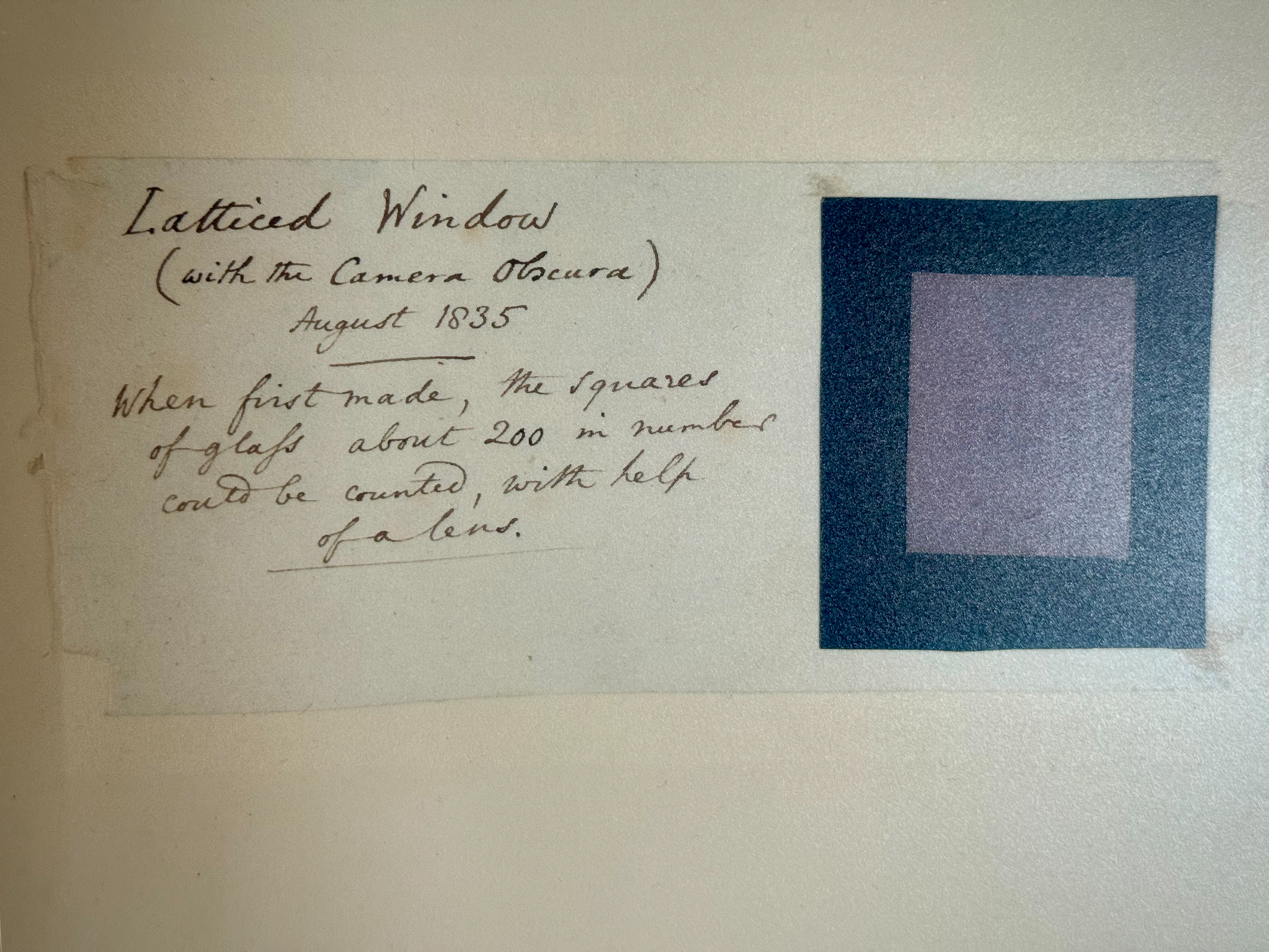
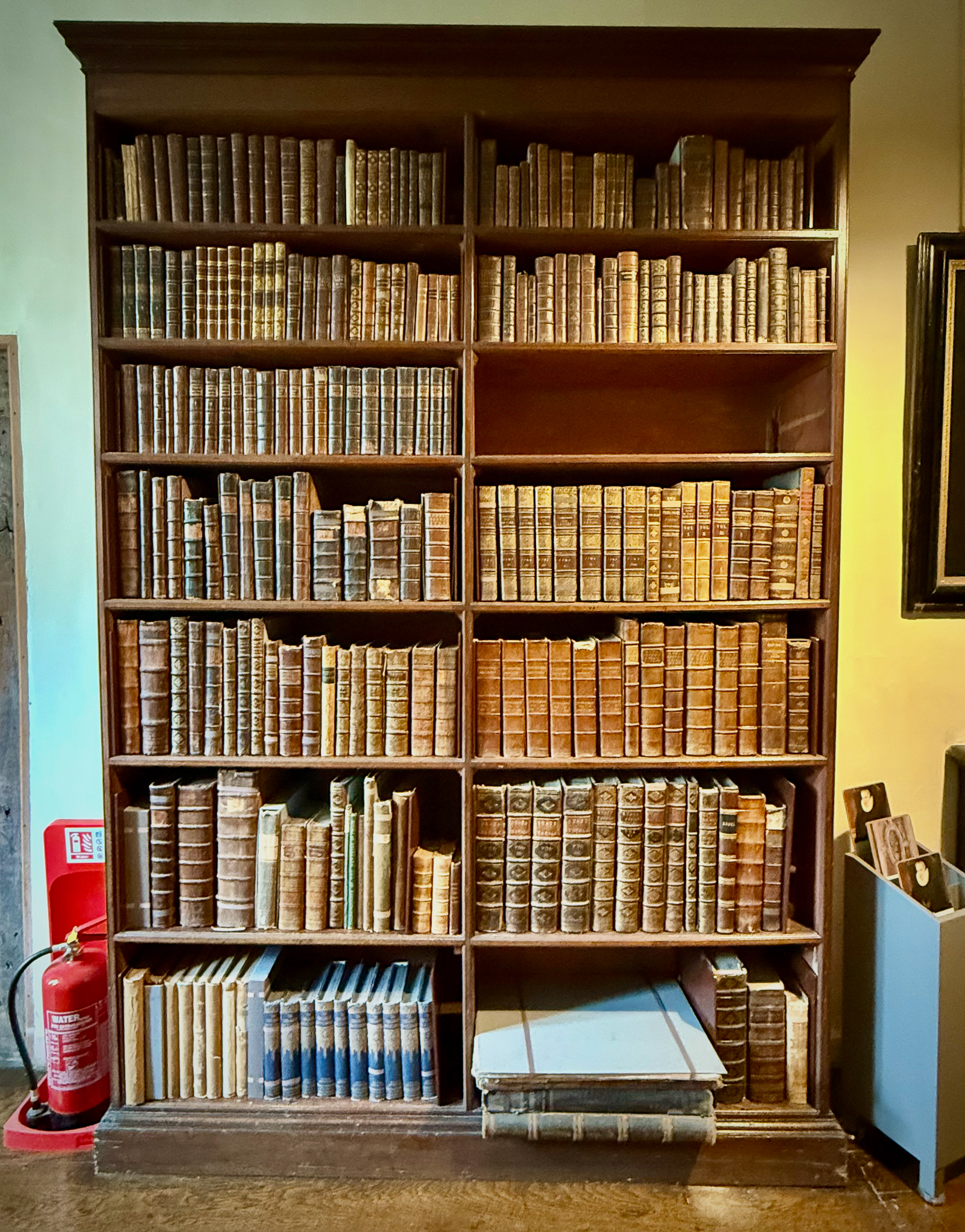
The abbey was founded in 1232 and continued as a nunnery until the dissolution of the monasteries in the mid-16th century. Much of the abbey cloisters remain unchanged since the 13th century but the many add-ons over the centuries created a mishmash of architectural styles that felt quite strange. The Talbot family eventually inherited the estate, and Fox Talbot made his first photograph in 1835. It was an image of the latticed window in the South Galley, and we were thrilled to pass by it on our self-guided tour of the house. Here was the visceral connection to this astonishing discovery that changed the world that I felt on my last visit in 1980. It was wonderful to speak with the smart guides on our walk. It was especially thrilling to see parts of Fox Talbot’s extensive library throughout the house and to see the ideas that motivated this extraordinary man.

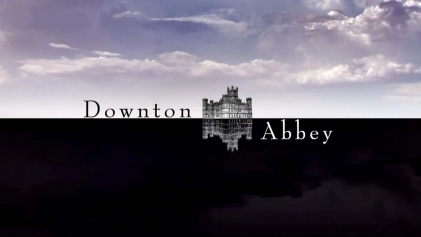
Today, Lacock Abbey is the property of the National Trust. Unbeknownst to most of us, because of the beautiful preservation of Lacock Abbey, people have seen this place many times in many movies. Parts of several Harry Potter films have been made here along with many other historical dramas such as Jane Austen’s Pride and Prejudice and the series Wolf Hall. Parts of the ever-popular Downton Abbey series were also filmed here. It is slightly ironic that one of the places where the photographic visual image was invented is now best known for…visual images.

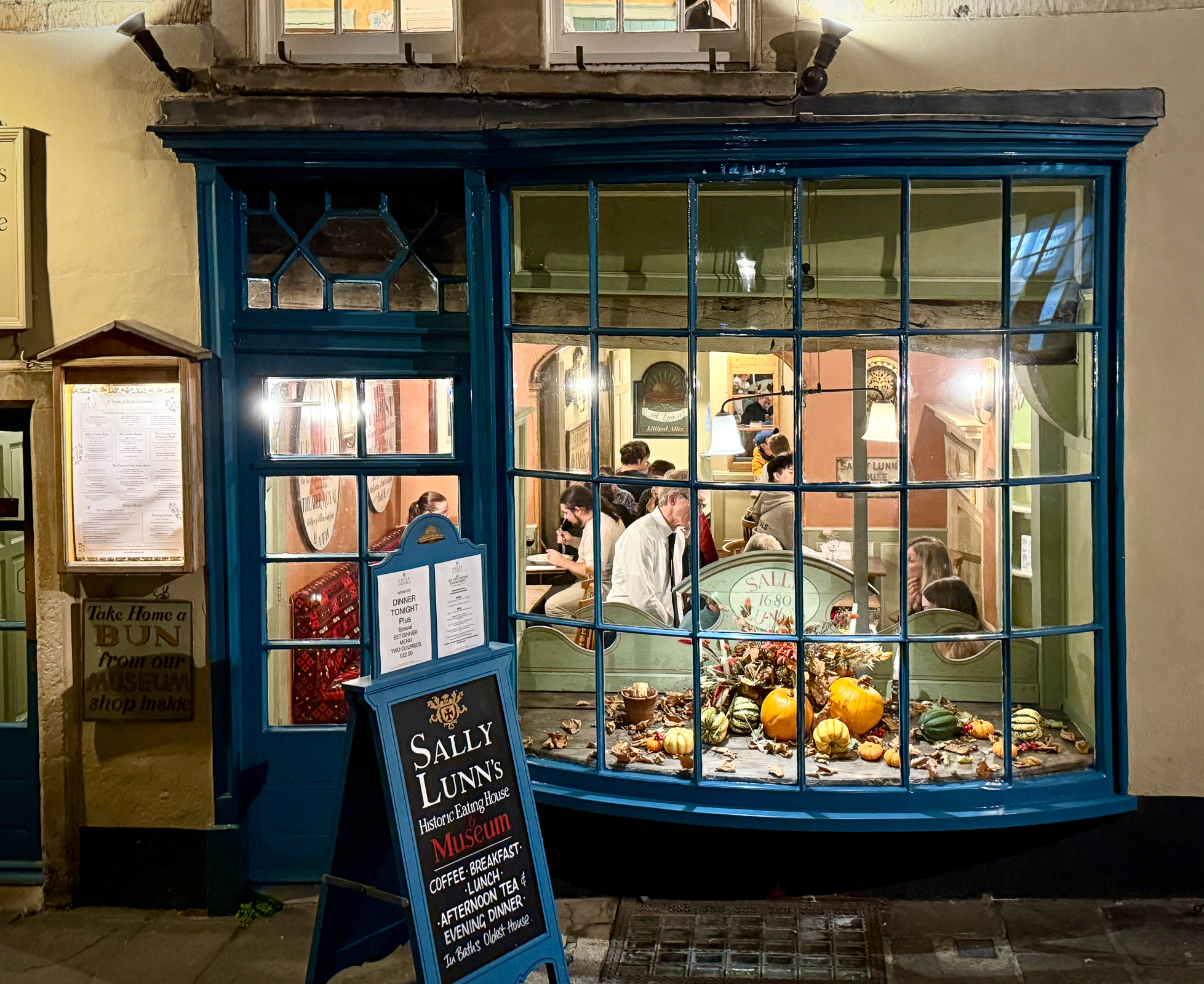
The city of Bath, England is famous as the Roman spa town of Aquae Sulis but human activity around the hot springs dates to 8,000 BCE. Bath did not seem quite as overwhelmed with tourists as York did and we enjoyed our one night there wandering the medieval streets and visiting the Bath Cathedral. Even in touristy cities, it is interesting to see a glimpse beneath the surface of the struggles of real people living here.

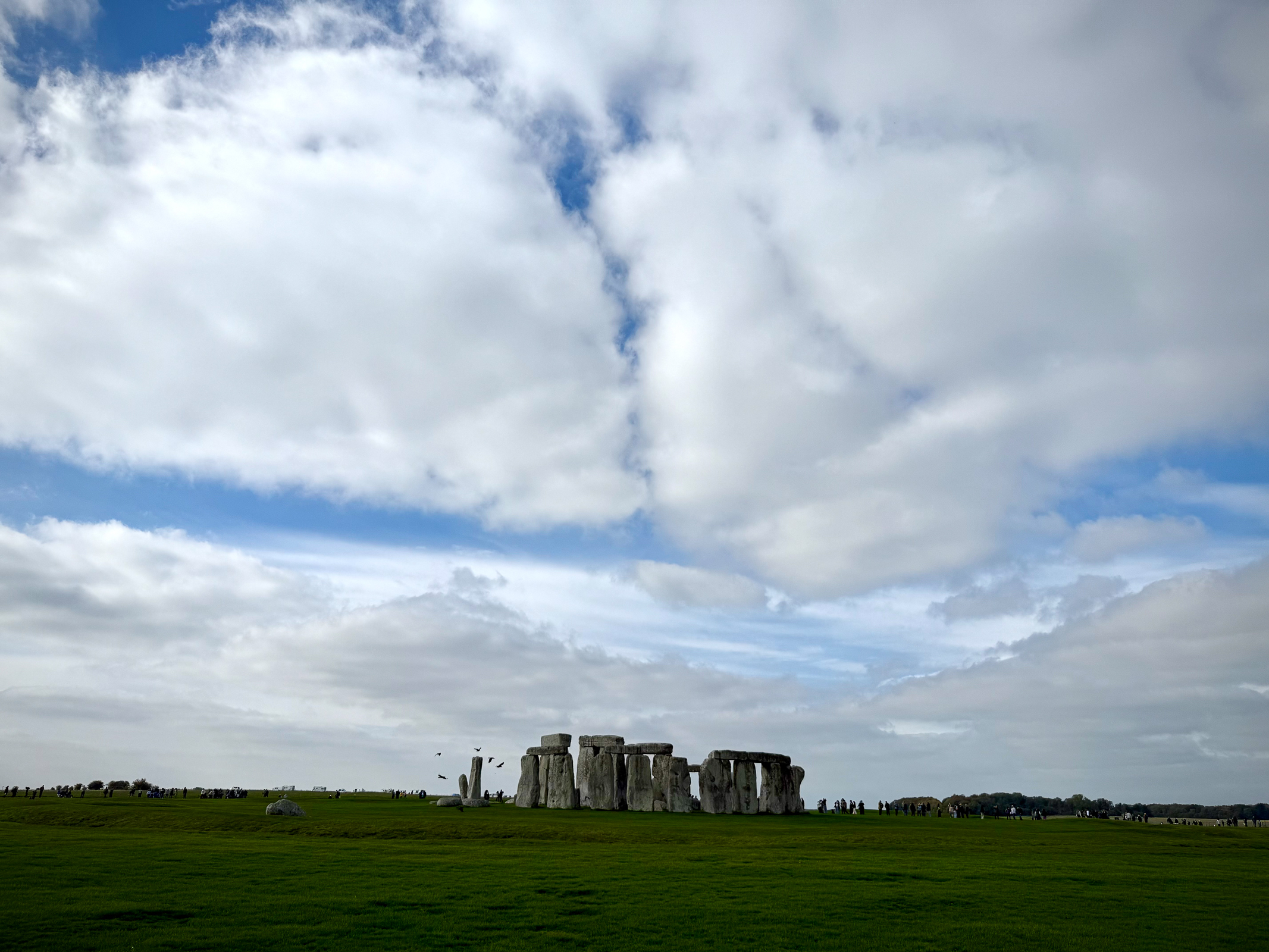
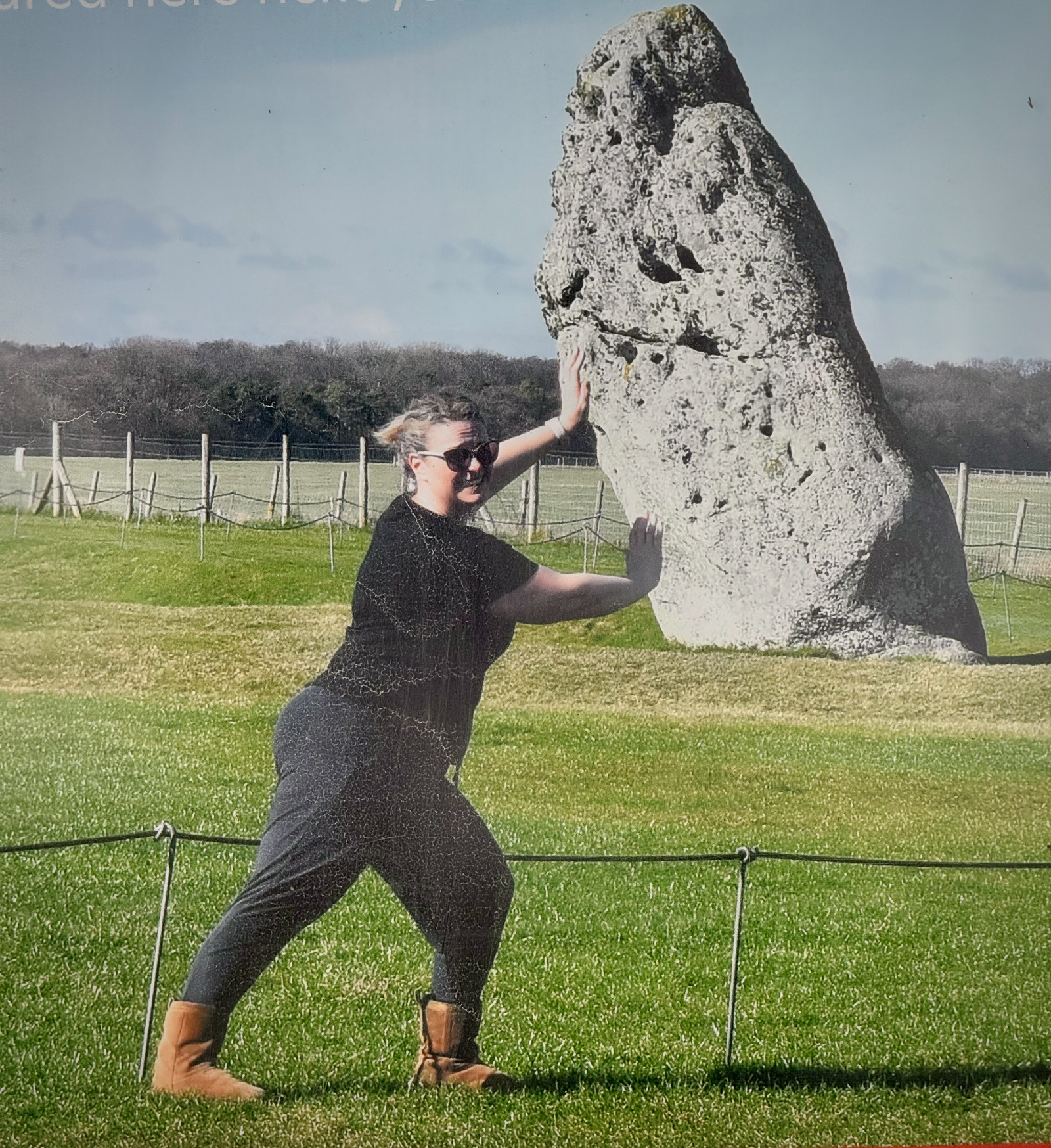
Driving back to London, we stopped at one more place I’ve always wanted to see – Stonehenge. This prehistoric megalithic structure on the Salisbury Plain is one of the most famous places in the UK. Although crowded, careful planning went into the flow of the visitors so that the overall experience was not one of being overwhelmed with the crowds. Although the 5,000-year-old structure is rather small, the overall space is huge, and this is one of the few places on our trip where I could appreciate the surrounding vastness of the landscape. The site and its surroundings were added to UNESCO’s list of World Heritage Sites in 1986.Apparently, Stonehenge was a domain of the dead from its very beginning. Its east-west alignment may have had ritual significance. Other excavations sites in the area may extend the origins of Stonehenge back 6,000 to 8,000 years ago. Despite the number of people visiting, physically being at this mysterious spot was quite moving.

We really wanted to linger but we had one more appointment at the Stansted Airport outside of London. After three weeks of white-knuckle driving on the wrong side of the road in England, we finally dropped our rental car off at the car rental where we started our long drive. Although I had gradually gained more confidence in my English driving, I was very glad to give up our car, especially without getting into any scrapes, fender benders or accidents. We checked into our room at the airport hotel and prepared for the next part of our journey.

Next stop: Sarajevo

2 Comments

Filed under Uncategorized