
I have always been fascinated by the Canadian province of Quebec. Throughout much of the US and Canada, English is the first language of most of the population. Although Canada is officially a bi-lingual country, much of the country speaks English, except in Quebec where a large majority speak French. I was planning on visiting Quebec City for a few days by myself while Ellen visited her sister in Boston. Our son Walker suggested that I travel further north to the outer edge of the densely populated part of Canada to the area bounded by the immense Lac Saint-Jean, the city of Saguenay and the St. Lawrence River. It has the lowest percentage of English-only speakers in Quebec (1%) and is a major center of Quebecois French separatist sentiment.
Walker explained that the area of the US Eastern seaboard all the way up north to the St. Lawrence River in Canada has one of the highest population densities in the world. Just north of the area I was exploring (which is geographically called the Laurentian Highlands or Charlevoix) is the boundary where that high density suddenly flips to one of the most sparsely populated places on earth.

This is the area of the Innu people that are the northernmost Indigenous people (on the East Coast) that are not Eskimo/Inuit who inhabit the far northern parts of Canada. Like on our trip to Yellowknife, Northwest Territories last year, there are no major roads due north of here all the way to the North Pole. It is literally the end of the road.

After an all-day drive I arrived on the shores of Lac-Saint-Jean in the little town of Chambord, QC. I stayed in a heritage site called Val-Jalbert which was originally an early 20th century papermill at the base of the enormous Quiatchouan Falls.
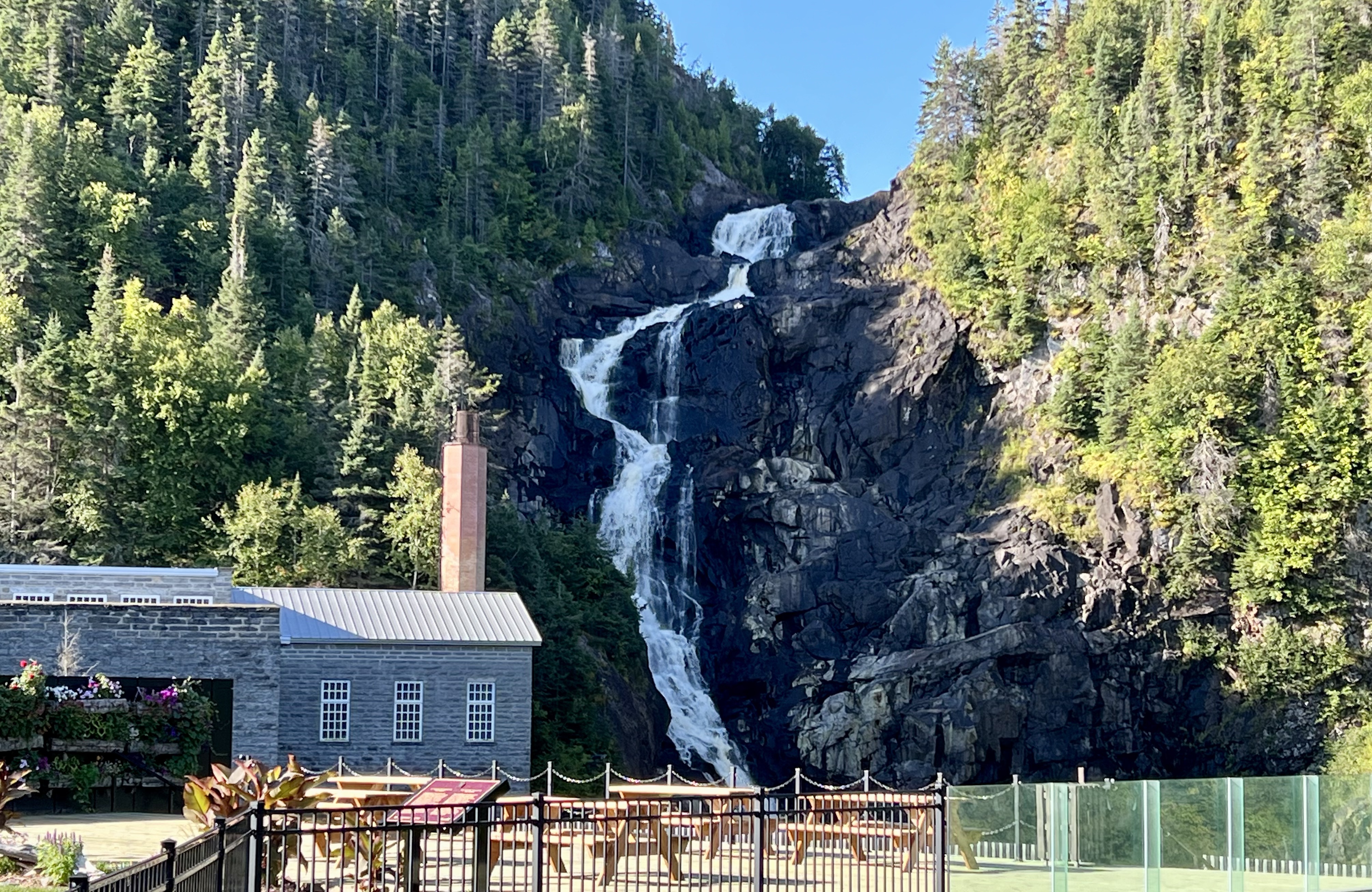
During its heyday, this company town had some enlightened urban planning. Some of the worker’s housing has been converted into beautiful rooms for visitors.

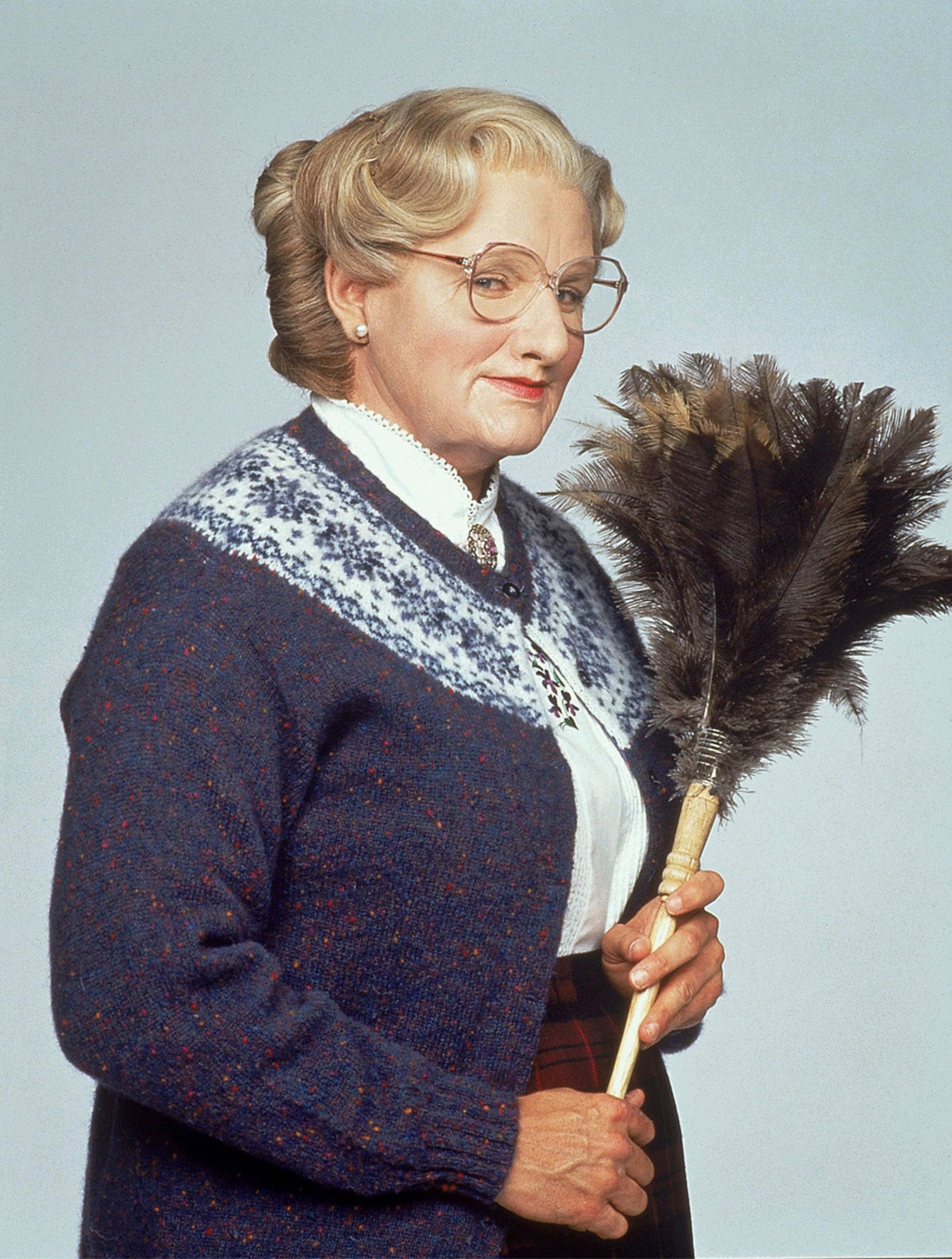
Because there was hardly anyone there and the few people that I met only spoke French, it felt like a strange combination of the Twilight Zone, Colonial Williamsburg, and a drop dead gorgeous Canadian landscape. Over 99% of the people in this region use French as their first language. Even the television in my room was all in French and I wound up watching Madame Doubfire which was a French dubbed version of that great Robin Williams comedy. His genius was physical comedy, and the movie needed no words to make me laugh out loud!
A nearby hydroelectric dam project has recently caused considerable protest from some of the residents and the Indigenous Innu people. In 2013, five Innu barricaded themselves inside two sky cabins which served as a lift for tourists to access the top of the falls. All were arrested that day. Coming from the arid American West where water is what people fight over, it was fascinating to see these issues played out in this part of the world.
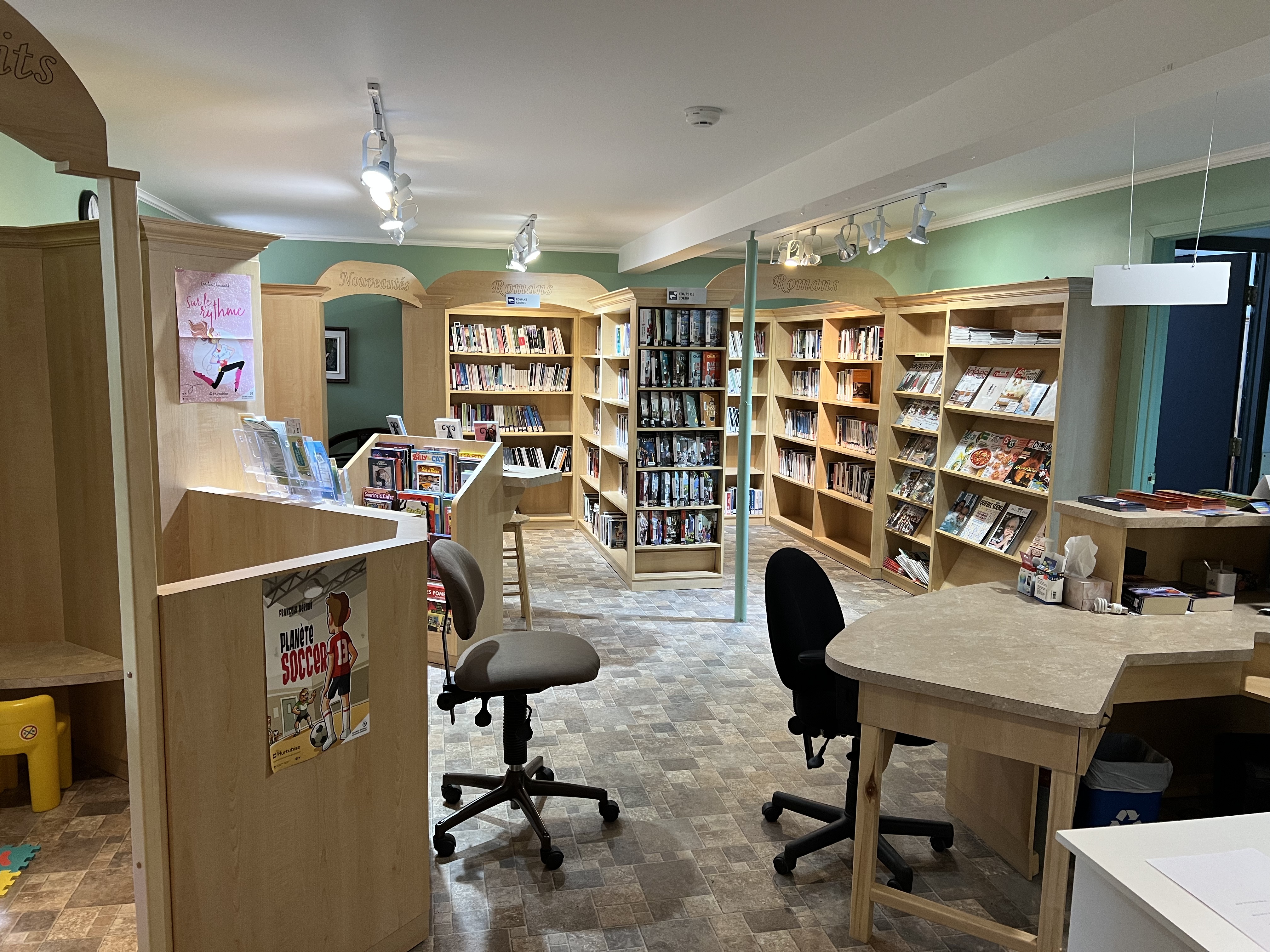
I was curious what libraries would be like in this Quebecois/Native part of Canada. Like many buildings in this northern Canadian landscape, the Chambord public library was austere but appropriate for this former frontier community.
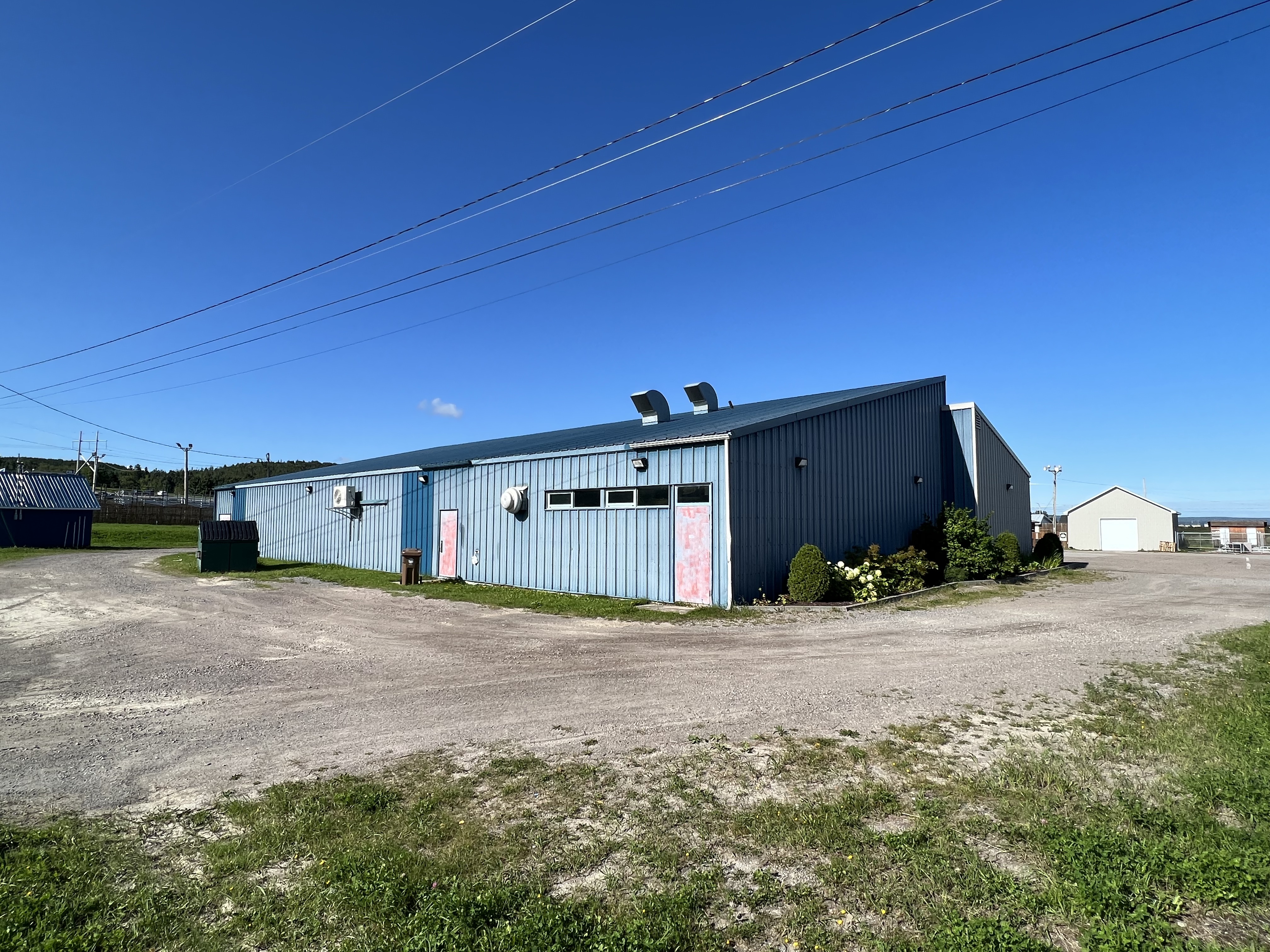

The Municipal Library in the remote village of Saint-Edmond-Les-Plaines was one of the most interesting of the trip. The young, English-speaking librarian who wore a suit and had a long beard explained that he came from Montreal with his wife who was a teacher. This library was part of a satellite system of rural libraries that served the most underserved in the remote villages of this region. When they first opened this branch there were some people that came to the library who were illiterate, and the library helped them to learn how to read.


Between libraries, I had to make a pilgrimage to La Chocolaterie-des-Pères Trappistes de Mistassini. This unique Trappist monastery in a very remote place featured a variety of monk made chocolate including their pièce de résistance of fresh wild blueberries covered in dark chocolate. Yum!

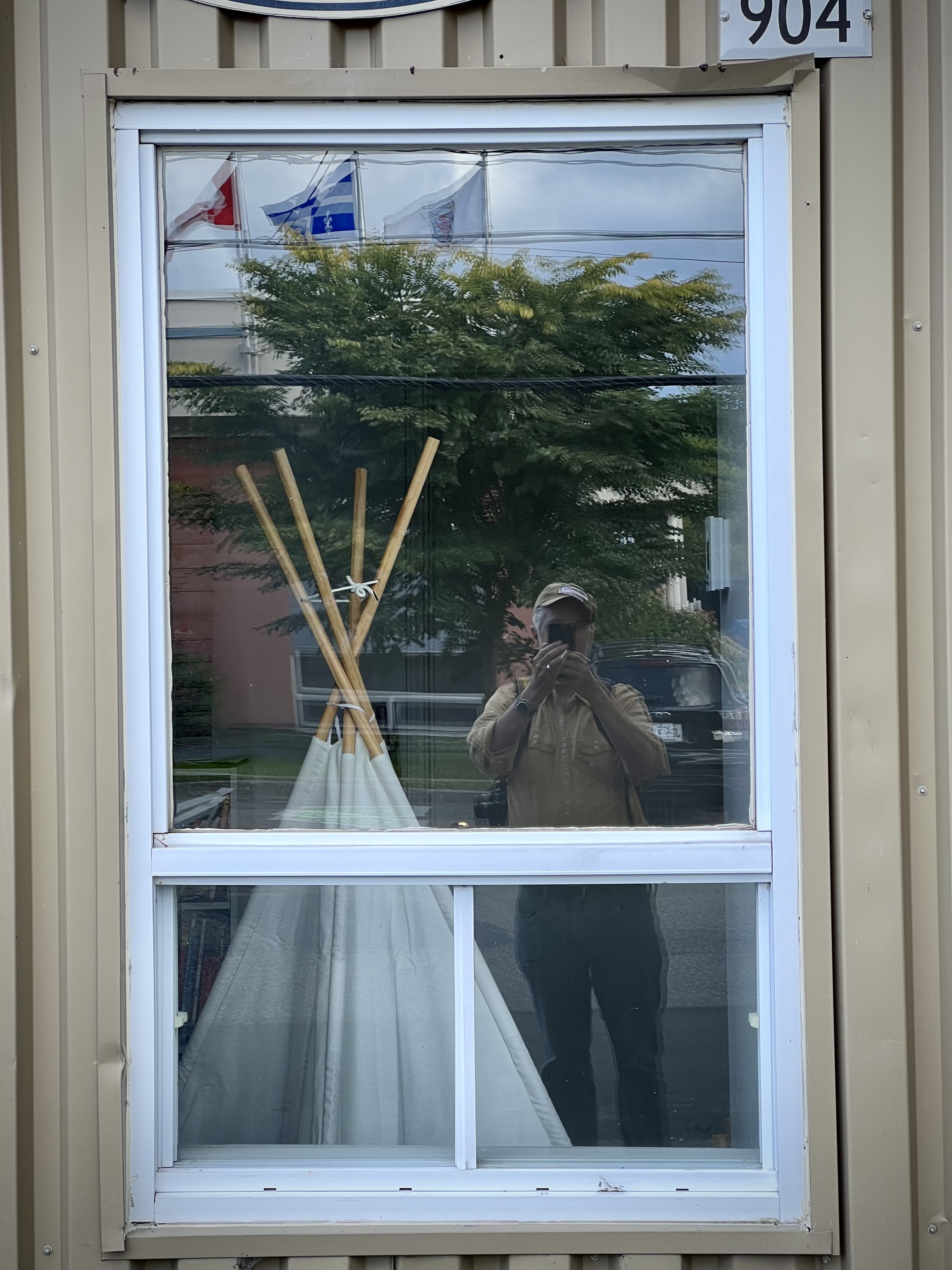
The library in the small village of L’Ascension-de-Notre-Seigneur stood out because of an Indigenous teepee structure in the window and two very large towers looming behind the library. As I was checking my directions when I was about to leave, two boys around the age of 11 came over and asked if I needed help. Surprisingly, they both spoke some English and when I showed my phone, they both shouted GPS! I realized this probably would never happen in a big city.

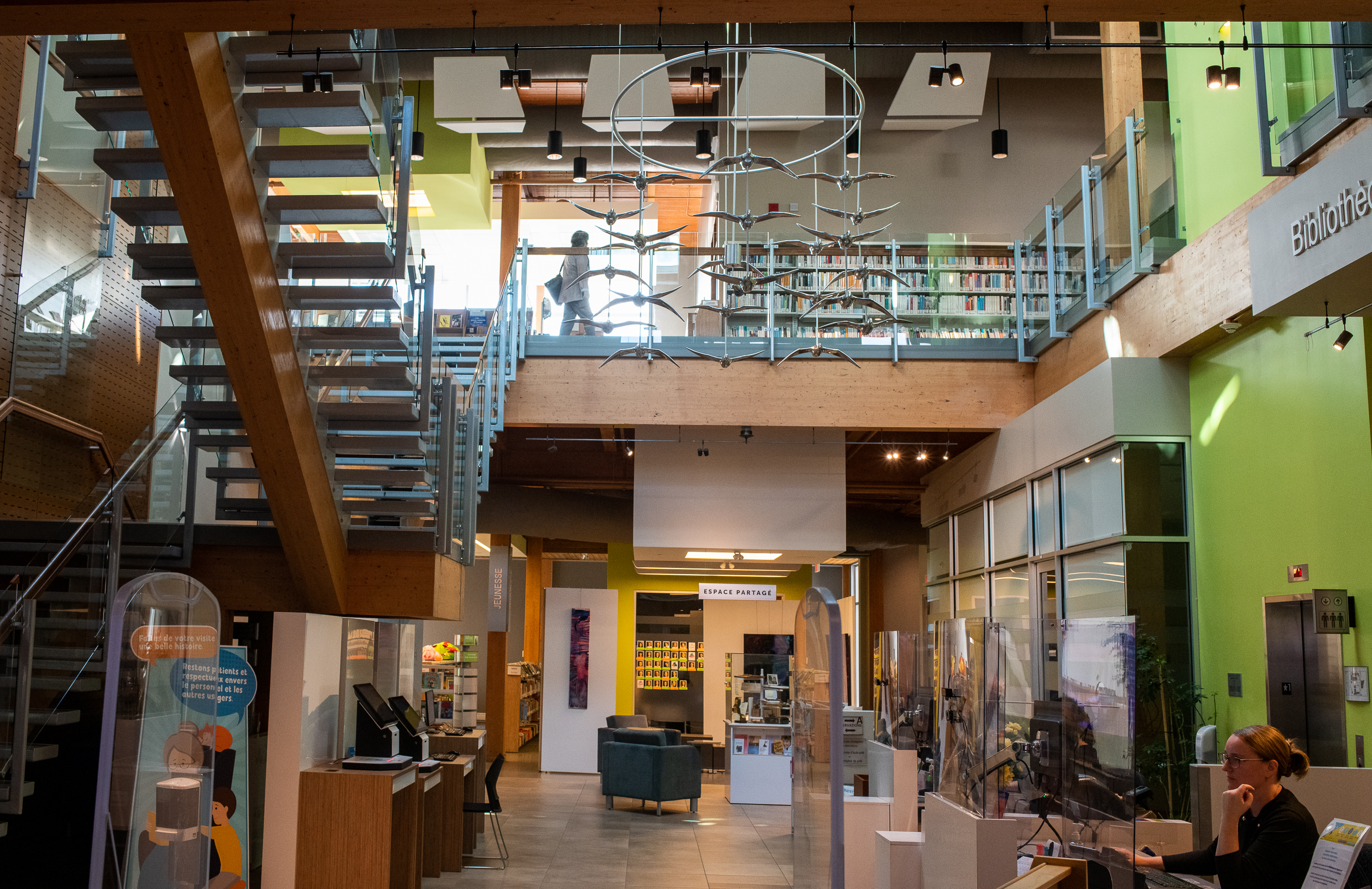
The Hélène-Pedneault Library in Jonquière near the city of Saguenay was a beautiful, modern structure that stood in contrast to all the tiny libraries I had been photographing today. I only spent a short time there because I had a long way to go before reaching my motel on the St. Lawrence. As the sun was setting, I spent many hours driving on the edge of the spectacular Réserve faunique des Laurentides listening to podcasts and soaking in the landscape.
Arriving on the edge of the St. Lawrence River after dark was breathtaking. My motel Auberge des 3 Canards was situated on a high bluff. While I was looking down across the river there appeared a massive moon rising above the water and clouds. The 3 Ducks was a spectacular place to rest my weary bones.


This area is known as Charlevoix and is on the north shore of the St. Lawrence River as well as in the Laurentian Mountains of the Canadian Shield. This dramatic landscape includes rolling terrain, fjords, headlands, and bays; this beautiful region was designated a World Biosphere Reserve by UNESCO in 1989. The area also includes the Charlevoix impact structure, which is a huge, eroded meteorite crater with only part exposed at the surface, the rest lying beneath the St. Lawrence River.
The 2018 G7 economic summit was held here in the town of La Malbaie where I was staying. The Fairmont Le Manoir Richelieu hosted the event partly because of its natural beauty and security. “One road in, one road out”. It was also where then-President Trump was typically out of his league, insulted other leaders, and generally made a famous mess of the whole summit. The French later dubbed it the “G6 + 1”. I made a special visit to this grand old hotel to see the scene of the crime and heard all the golfers shouting to each other in French. Bon temps!

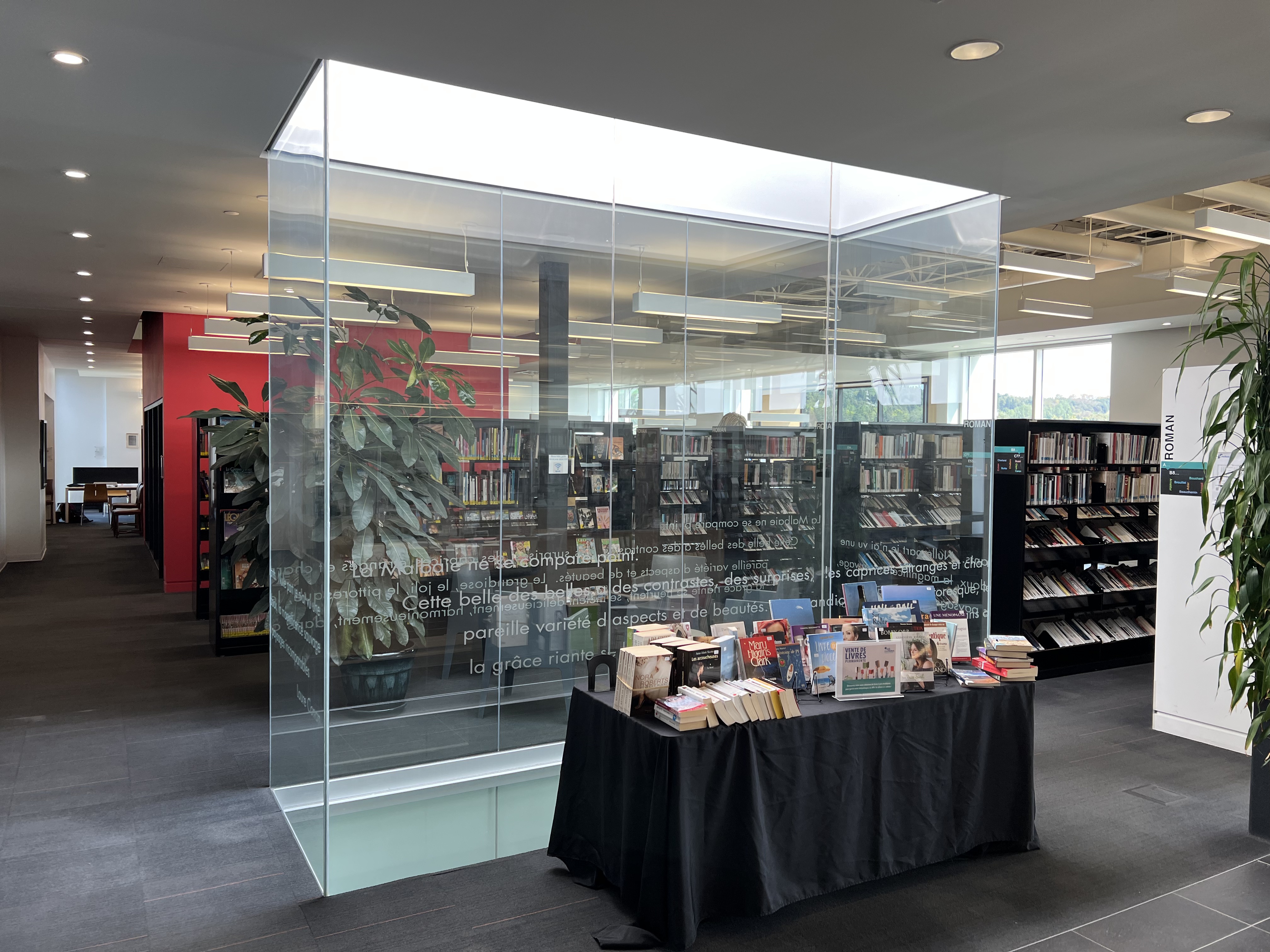
The Laure-Conan Library in La Malbaie was beautiful and modern and situated on a bluff overlooking the St. Lawrence. I had first seen it featured in the famous architecture blog ArchDaly. It certainly lived up to its reputation.

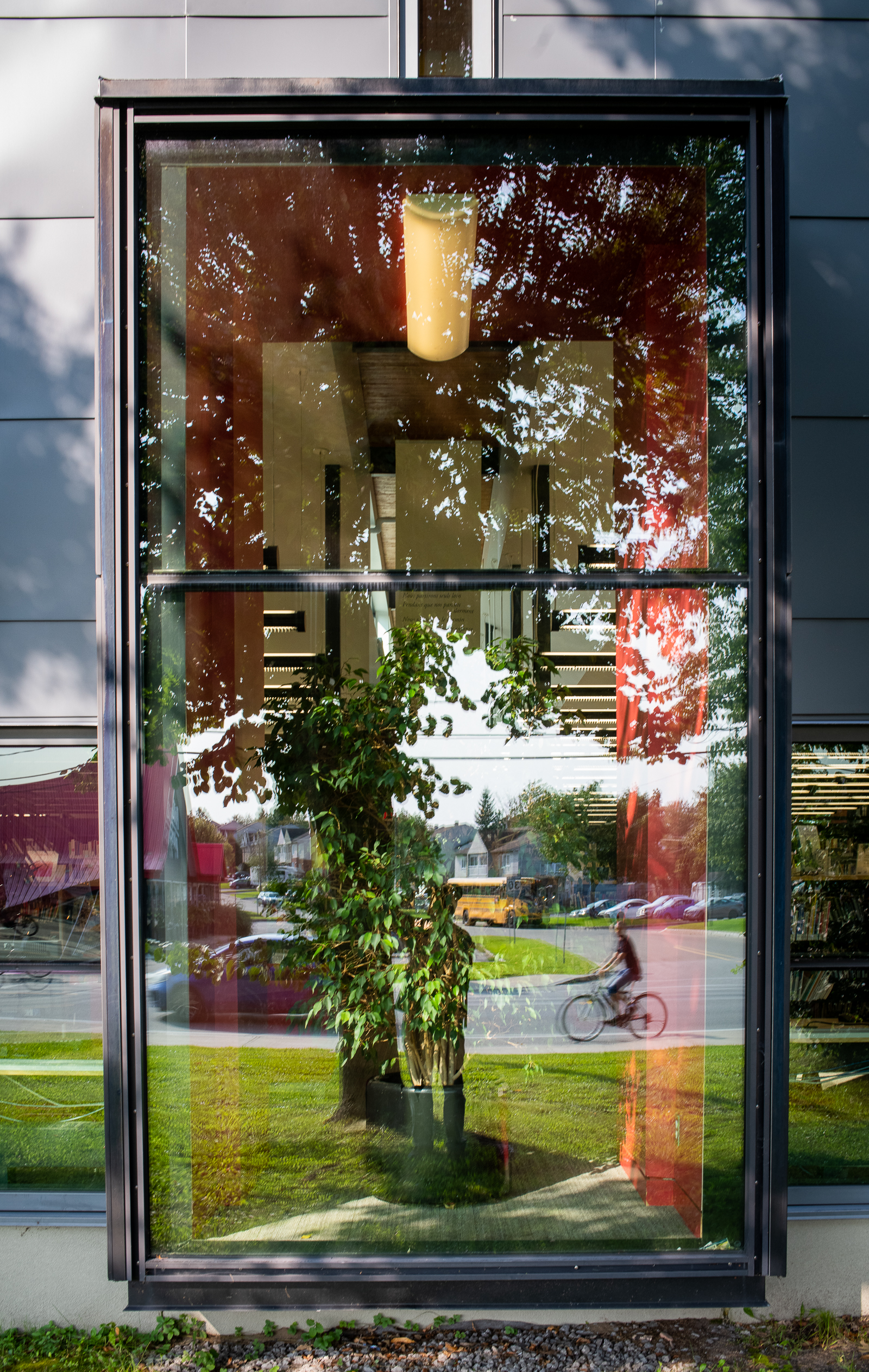
After many hours, I arrived in the urban sprawl of Quebec City coming to the Félix-Leclerc Library. It was in a real working-class neighborhood far from the touristy old town of Quebec City. Here, huge pickup trucks with loud mufflers ruled the road as I frantically scooted our tiny Prius between the big wheels and loud stereo systems of the locals. I photographed the exterior of the beautiful library but as I made a quick exit, I got caught in rush hour, gridlocked traffic.
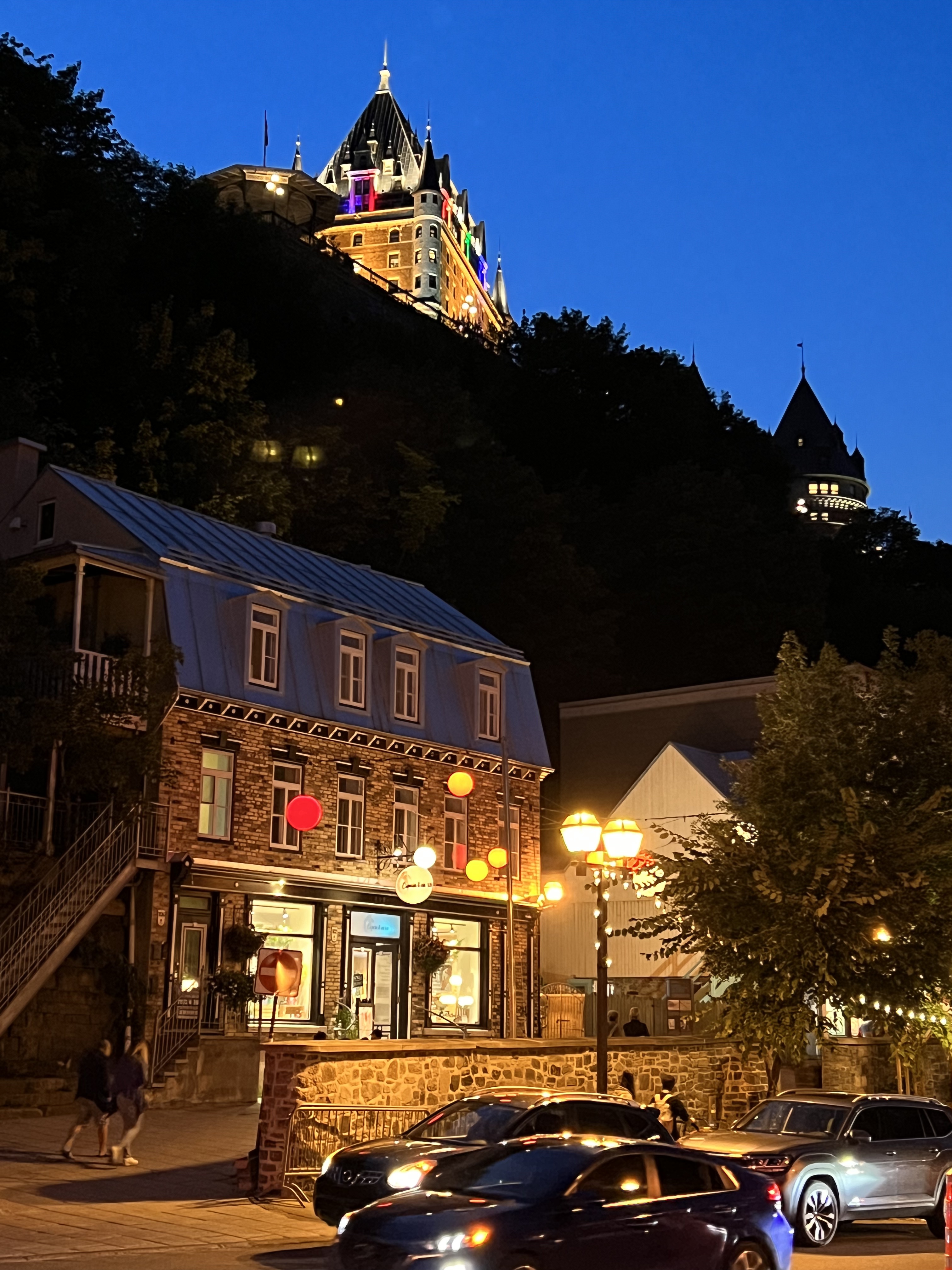
Later that night as I visited the old town, all of today’s crazy experiences made me better appreciate the tranquil beauty of the old medieval French village that started here over 400 years ago.

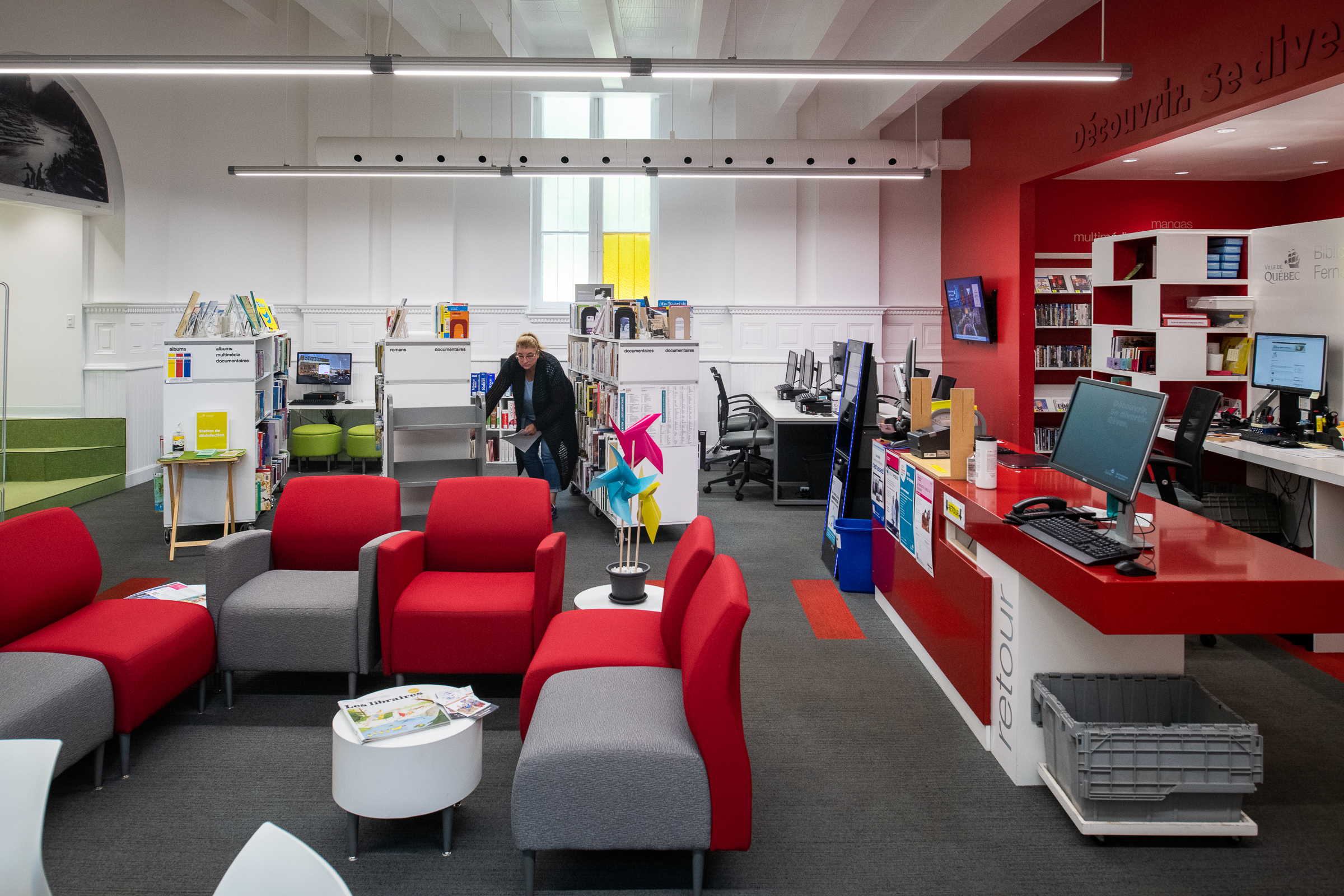
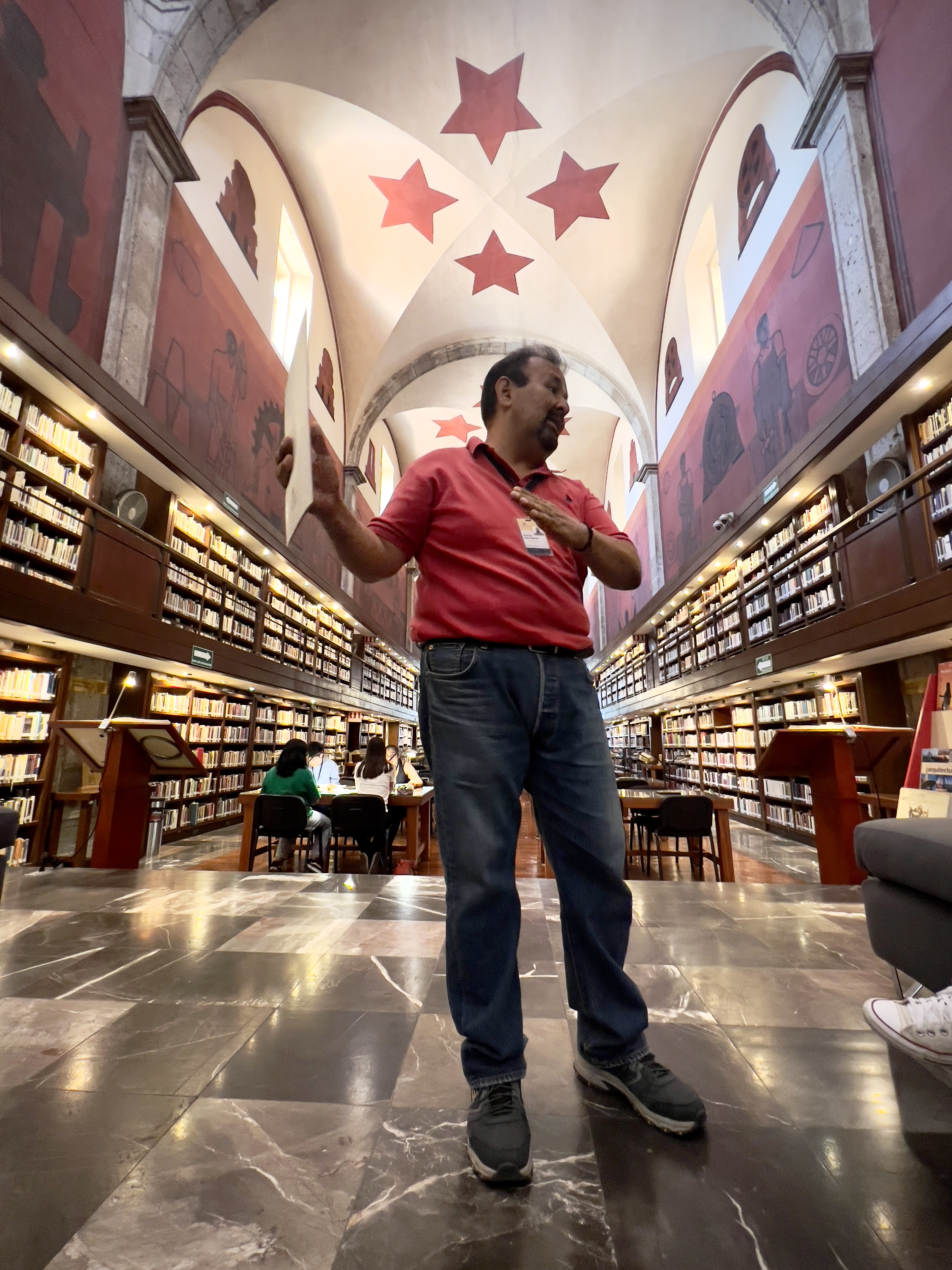
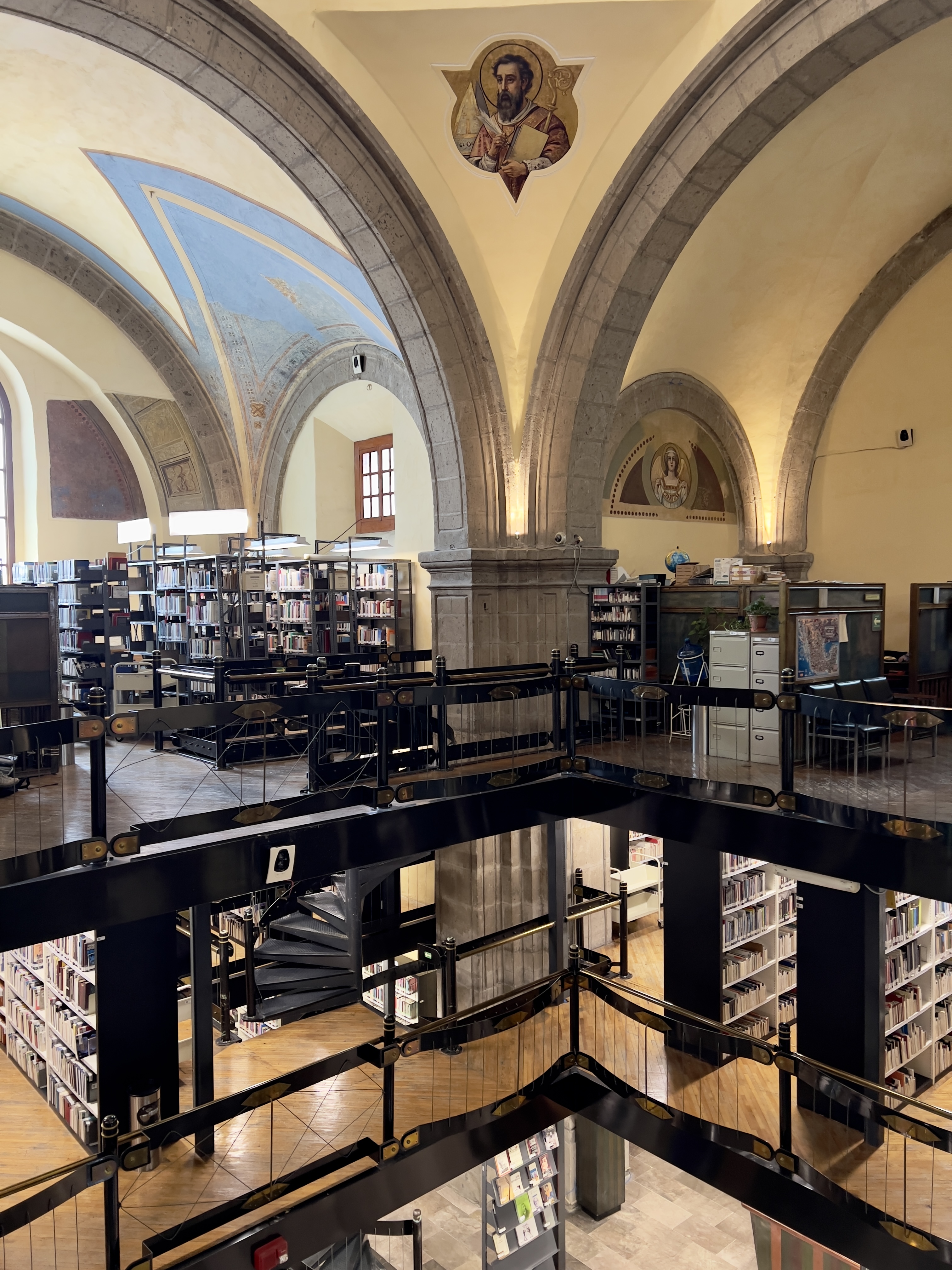
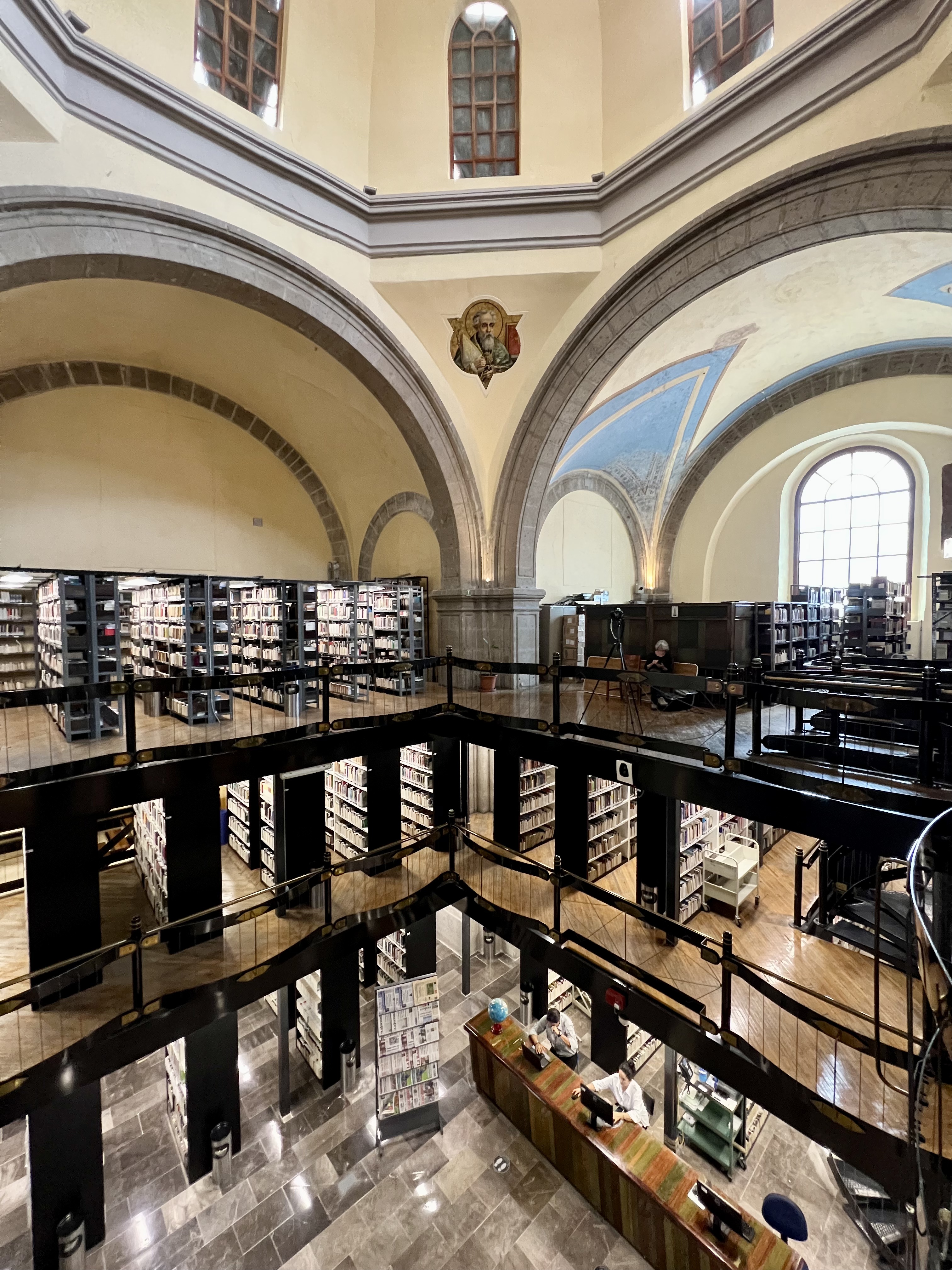
I visited the last library of this trip-within-our-larger-trip to another outer edge of Quebec City. The Fernand-Dumont Library was situated in an old, repurposed church. The librarian explained that it was the smallest public library in Quebec City, and it was housed in a part of what had been an impressive French-Canadian Catholic church. It also reflected the trend I had seen earlier of large numbers of people here abandoning the Church and the buildings becoming used for other purposes such as libraries.

To be continued…





























































































































 Library Road Trip