Tag Archives: environment

THE SOUTHWEST – Hereford and Hay-on-Wye

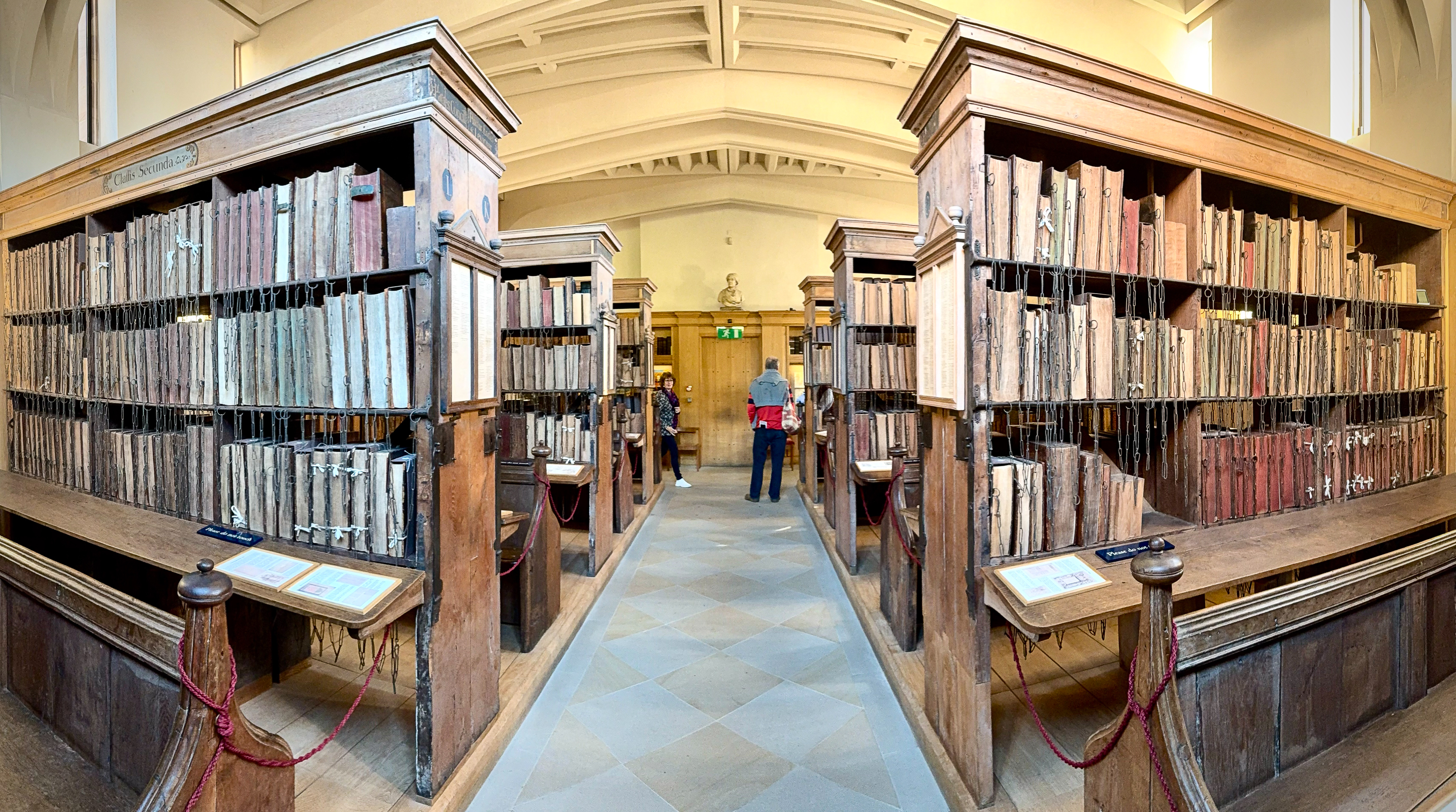
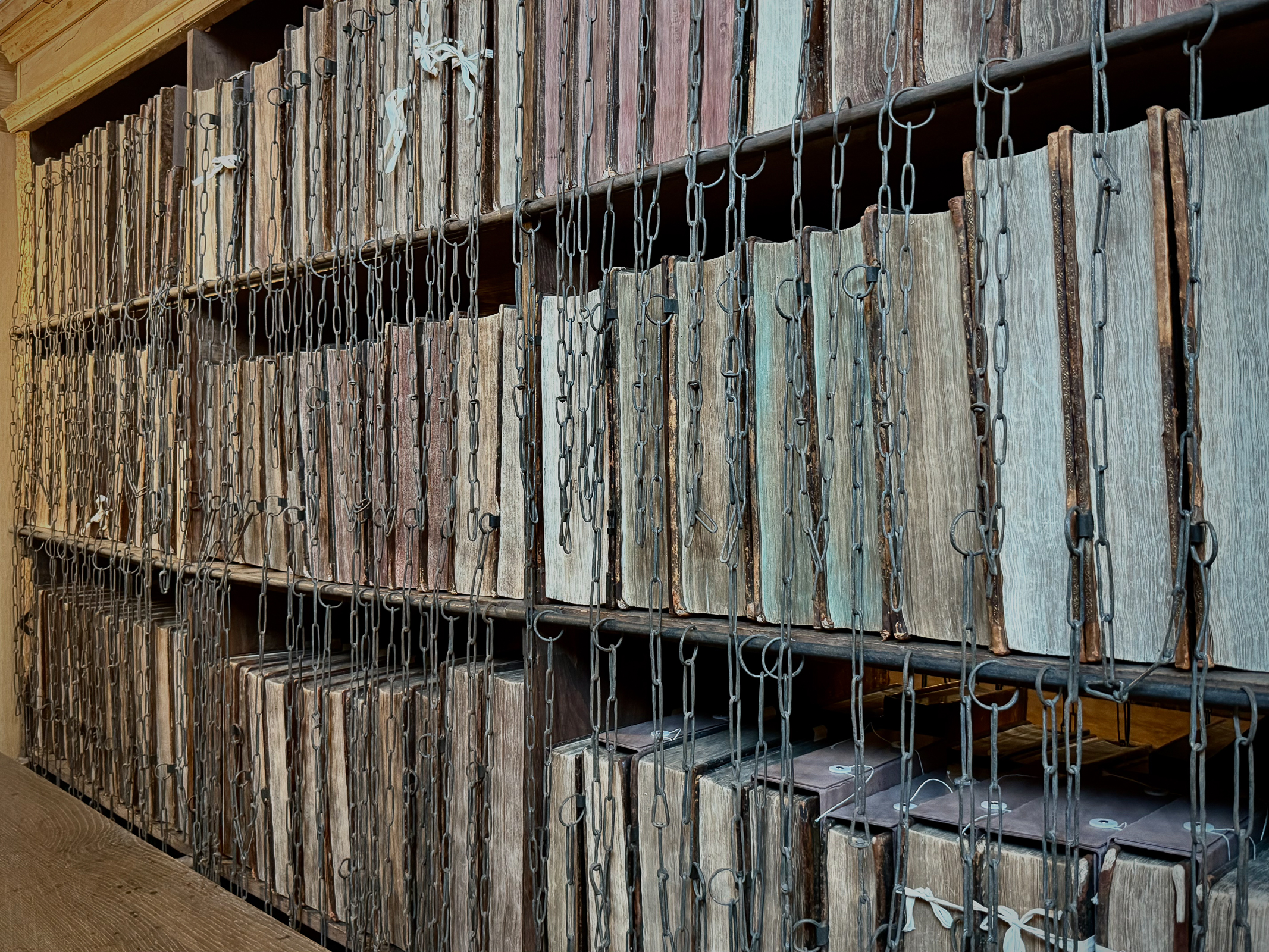
Our longest drive of the trip was from York in the central northeastern part of England to Hereford in Britian’s southwest near Wales. In the Hereford Cathedral Chained Library, we visited the largest surviving chained library in the world. In the early 17th century, collections like this could be found in libraries and cathedrals, but this is the only one to survive and still to be chained. The chaining of books was the most effective security system in European libraries from the Middle Ages to the 18th century. The library contains about 1,500 books, dating from around 800 AD to the early 19th century, including over 200 medieval manuscript books. The books are still examined today by scholars who come from all over the world to study them.

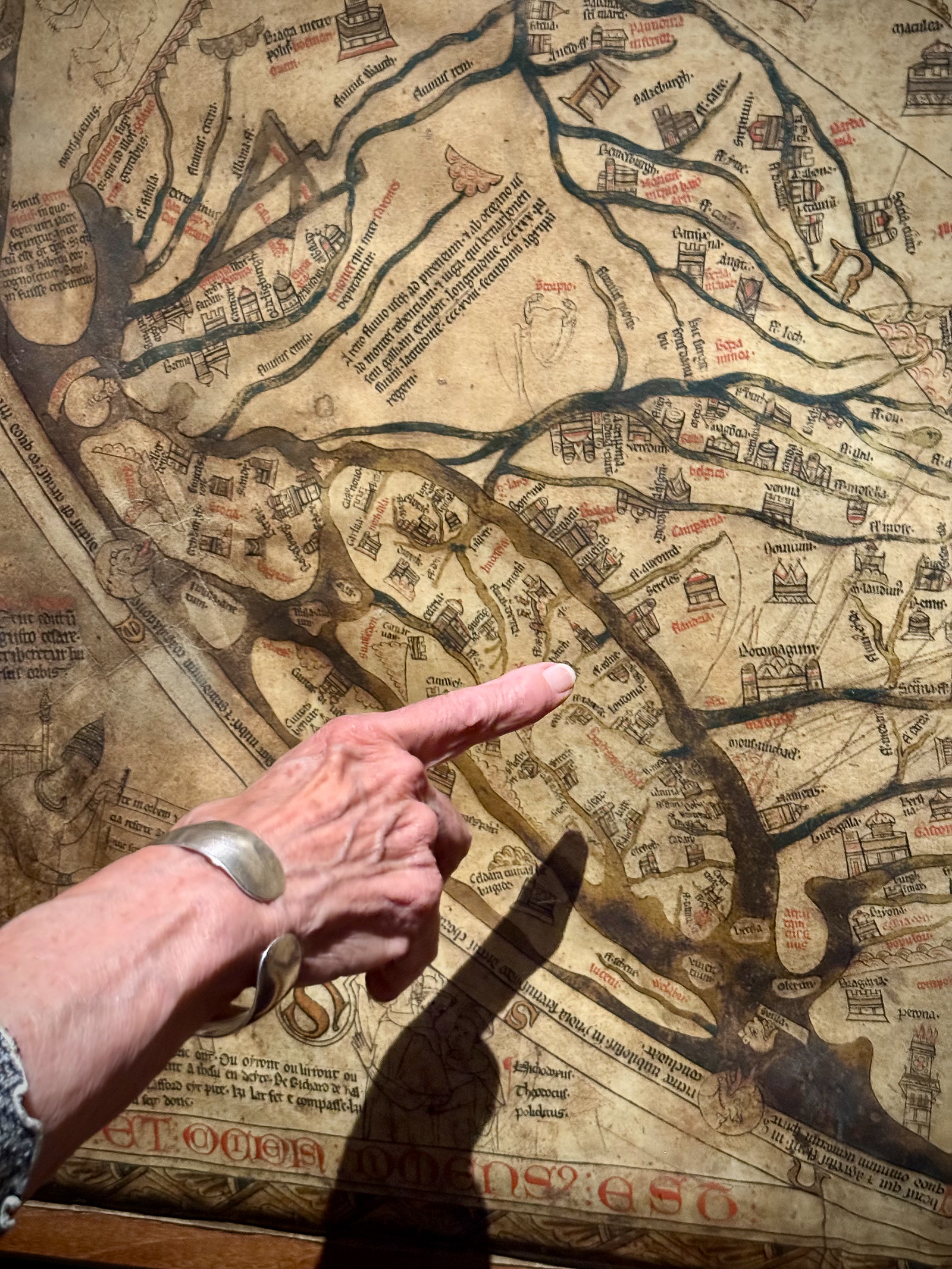
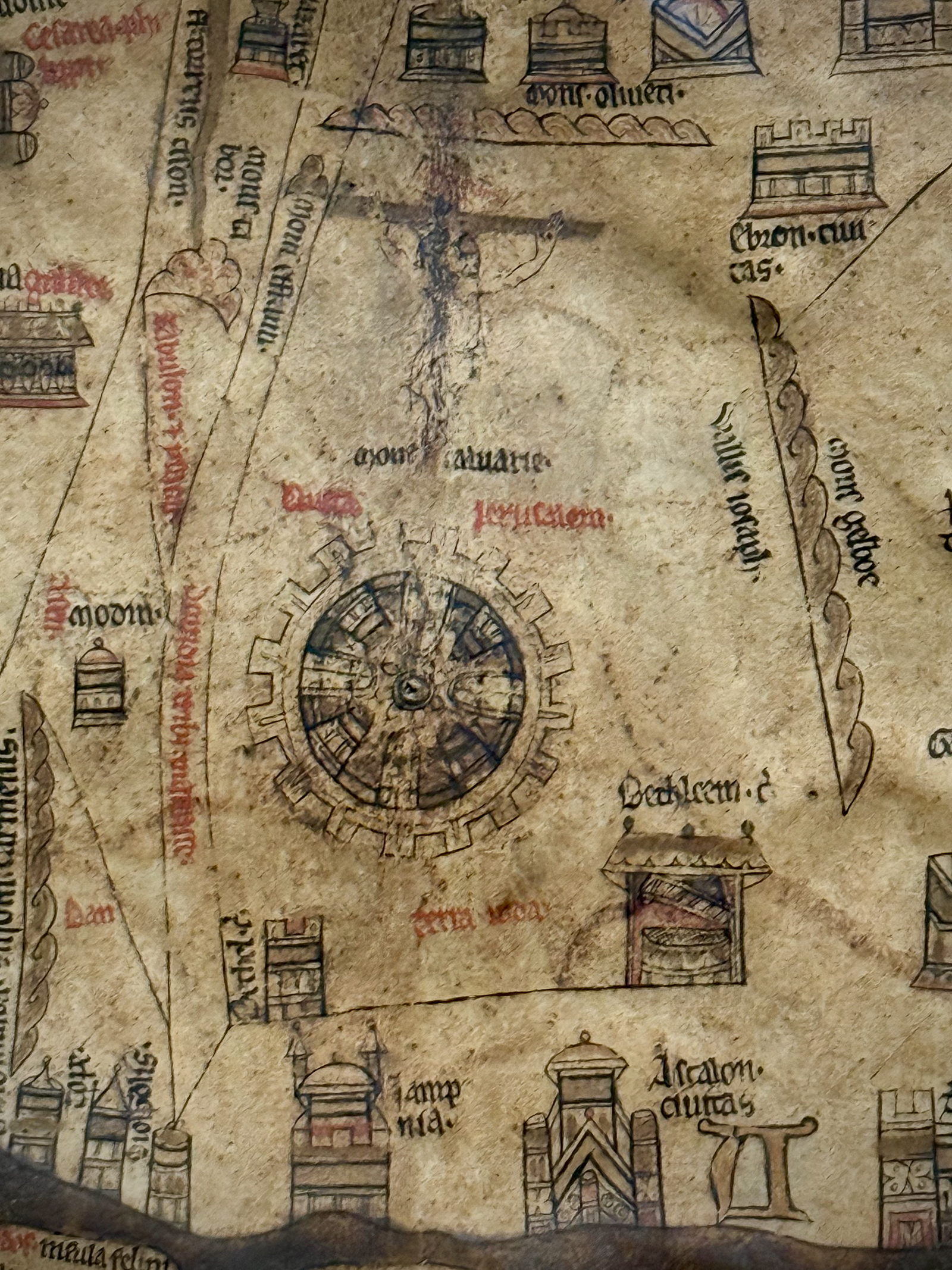
The Hereford Mappa Mundi is unique in Britian’s heritage, an outstanding treasure of the medieval world. It records how 13th century scholars interpreted the world in spiritual as well as geographical terms. The Mappa Mundi is drawn on a single sheet of vellum (calf skin) with the city of Jerusalem located on the map in the center of the world. Superimposed on to the continents are drawings of the history of humanity and the marvels of the natural world. It is considered one of the most important and celebrated medieval maps in any form. We were lucky to get a wonderful introduction to the history of the map by a well-informed, retired man who volunteers for the church.

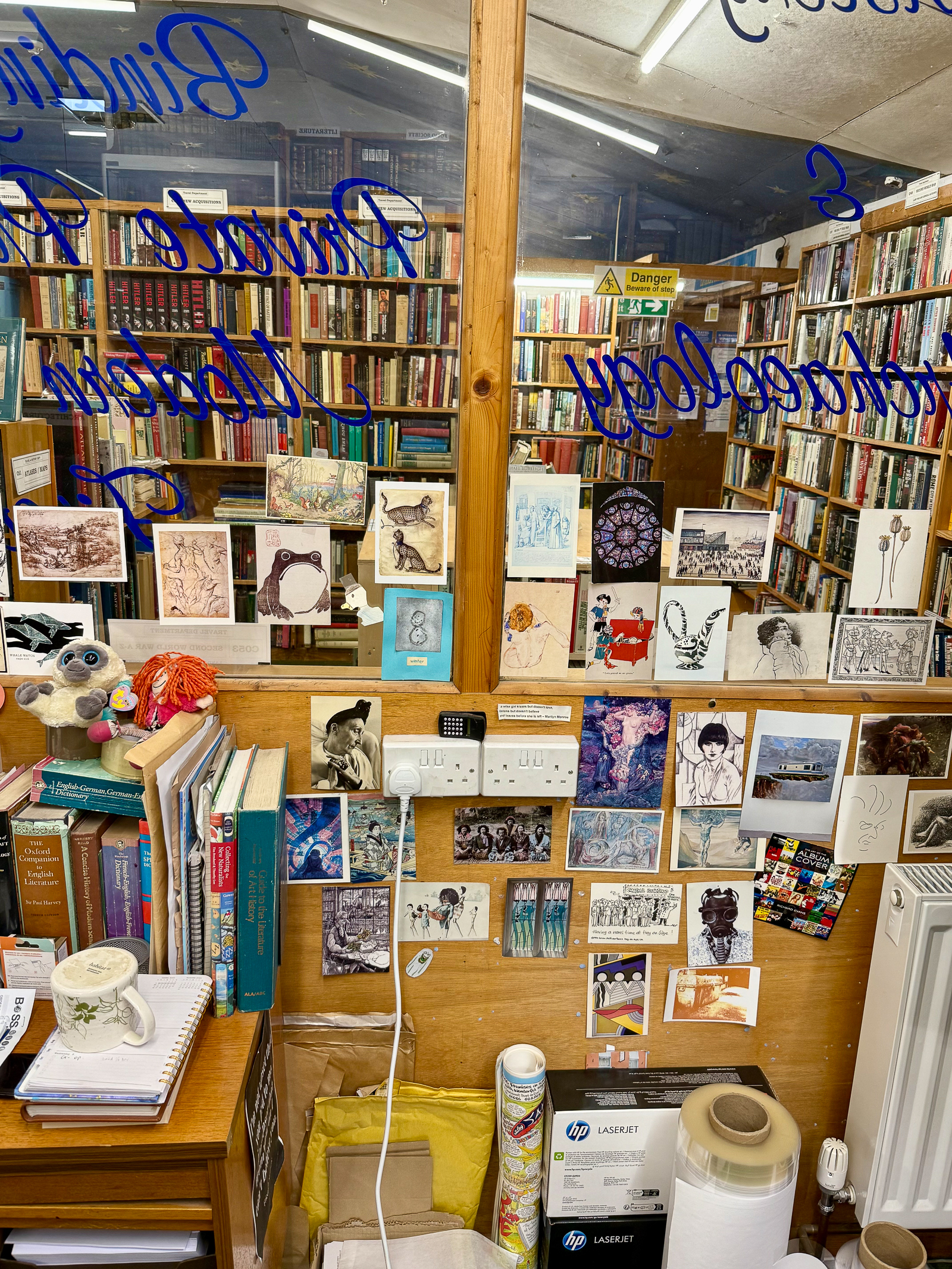
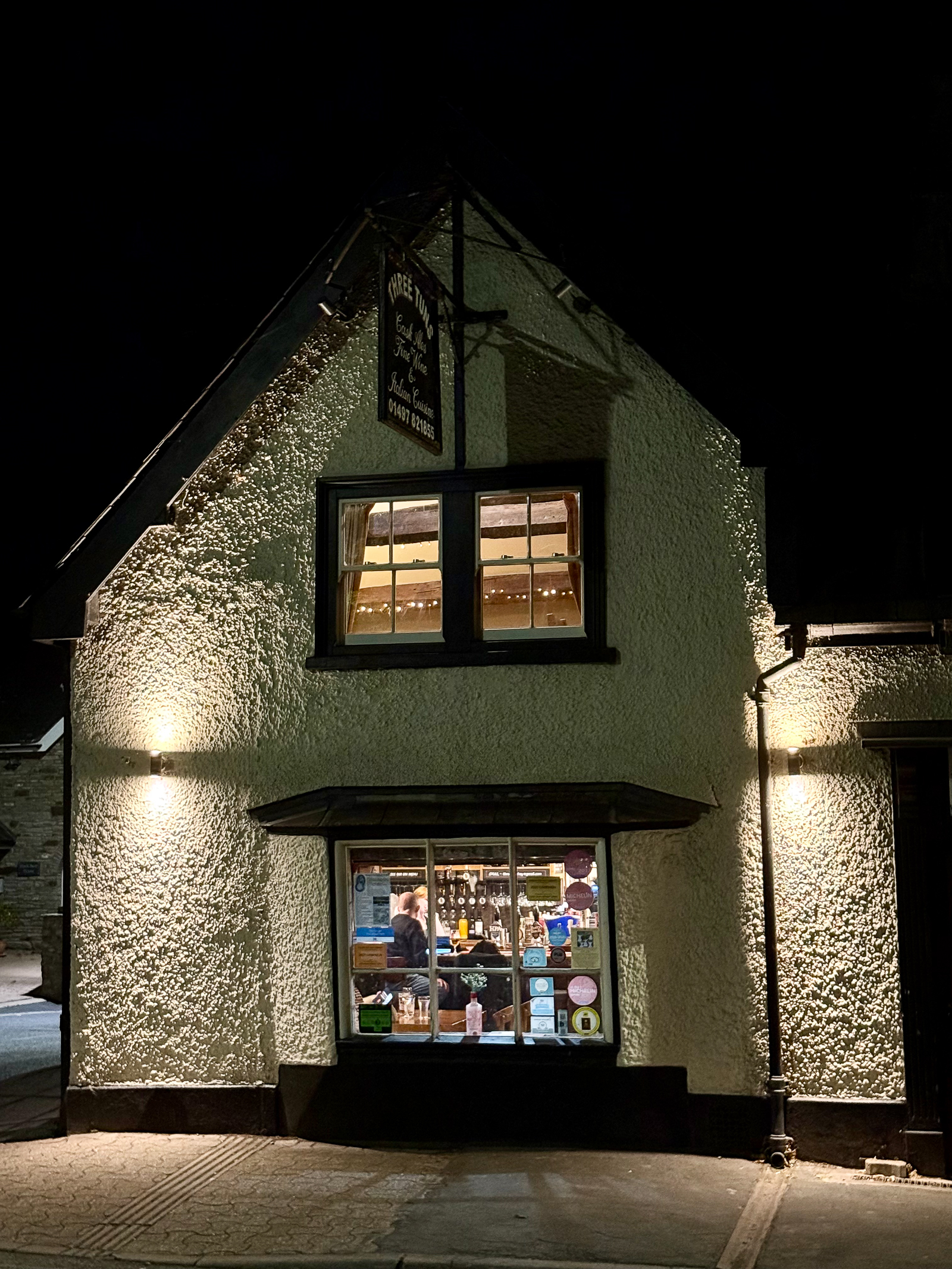
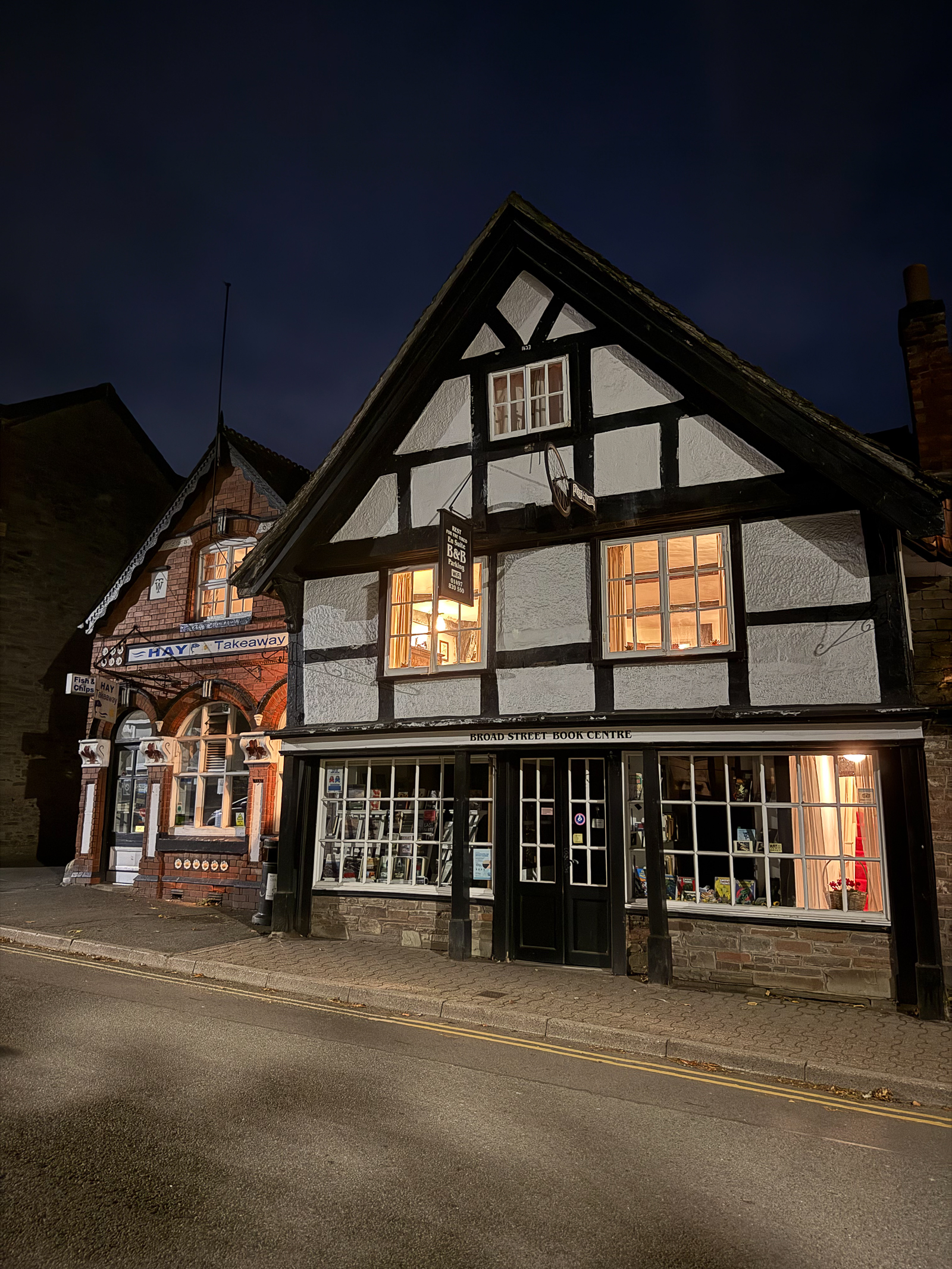
Hay-on-Wye is a unique place located in Wales on the border with England. With over twenty bookshops, it is often described as a “town of books” and is the site of internationally acclaimed literary celebration called the Hay Festival. Bill Clinton has described the festival as “The Woodstock of the mind” and our friend, the writer Rebecca Solnit, has spoken there several times. It also hosts a philosophy and music festival called How the Light Gets In which aims to get philosophy out of the academy and into people’s lives. It even had a self-proclaimed “King of Hay” bibliophile Ricard Booth who in 1977 declared Hay-on-Wye to be an “independent kingdom” with himself as monarch.

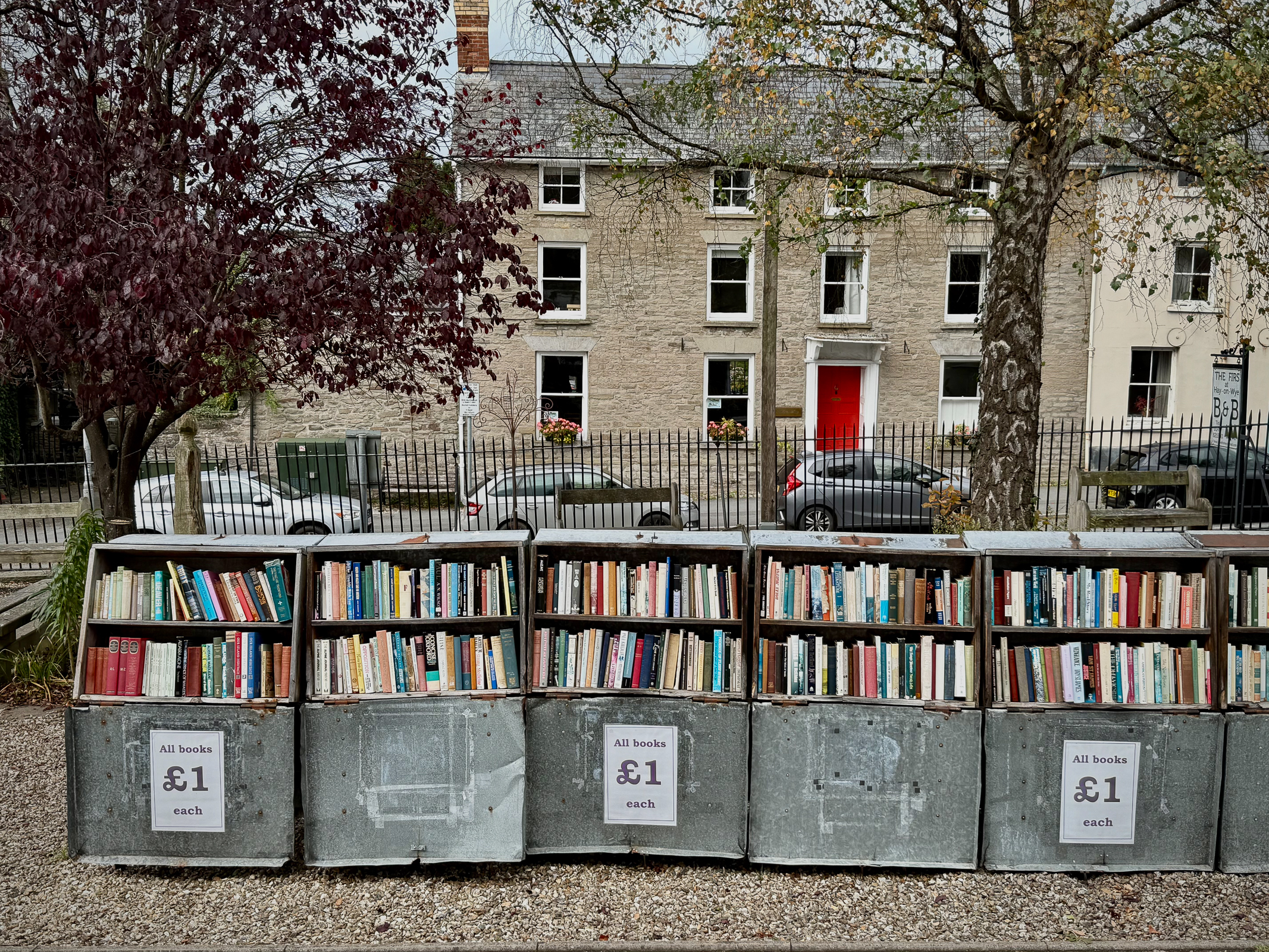
The 11th century origins of Hay-on-Wye began after the Norman invasion of Wales. Today it keeps its economy going through bravado, book selling, and tourism. Many of the old buildings have been beautifully preserved with great effort to keep some of the architectural heritage alive. The area around Hay is almost entirely devoted to agriculture.
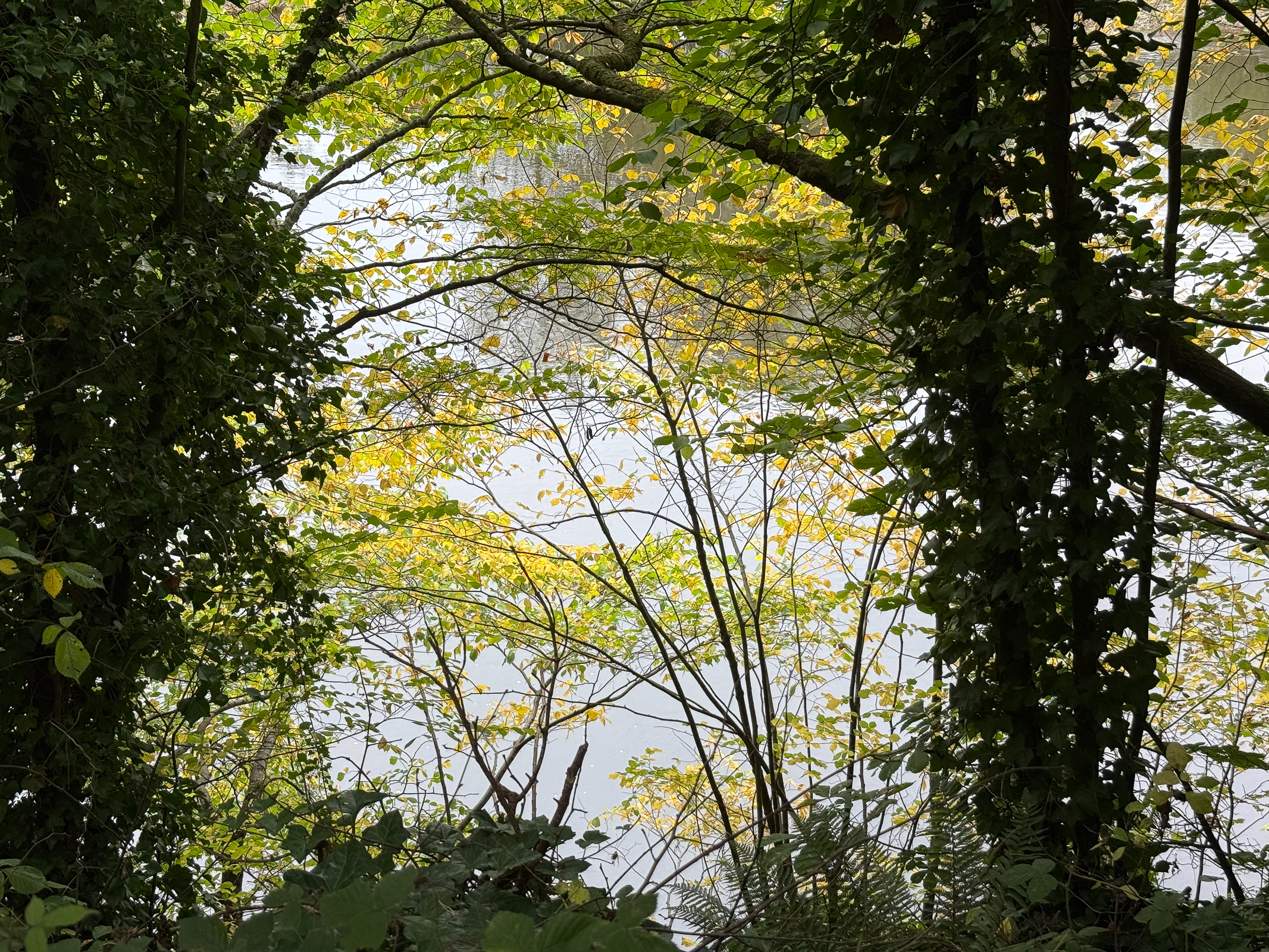
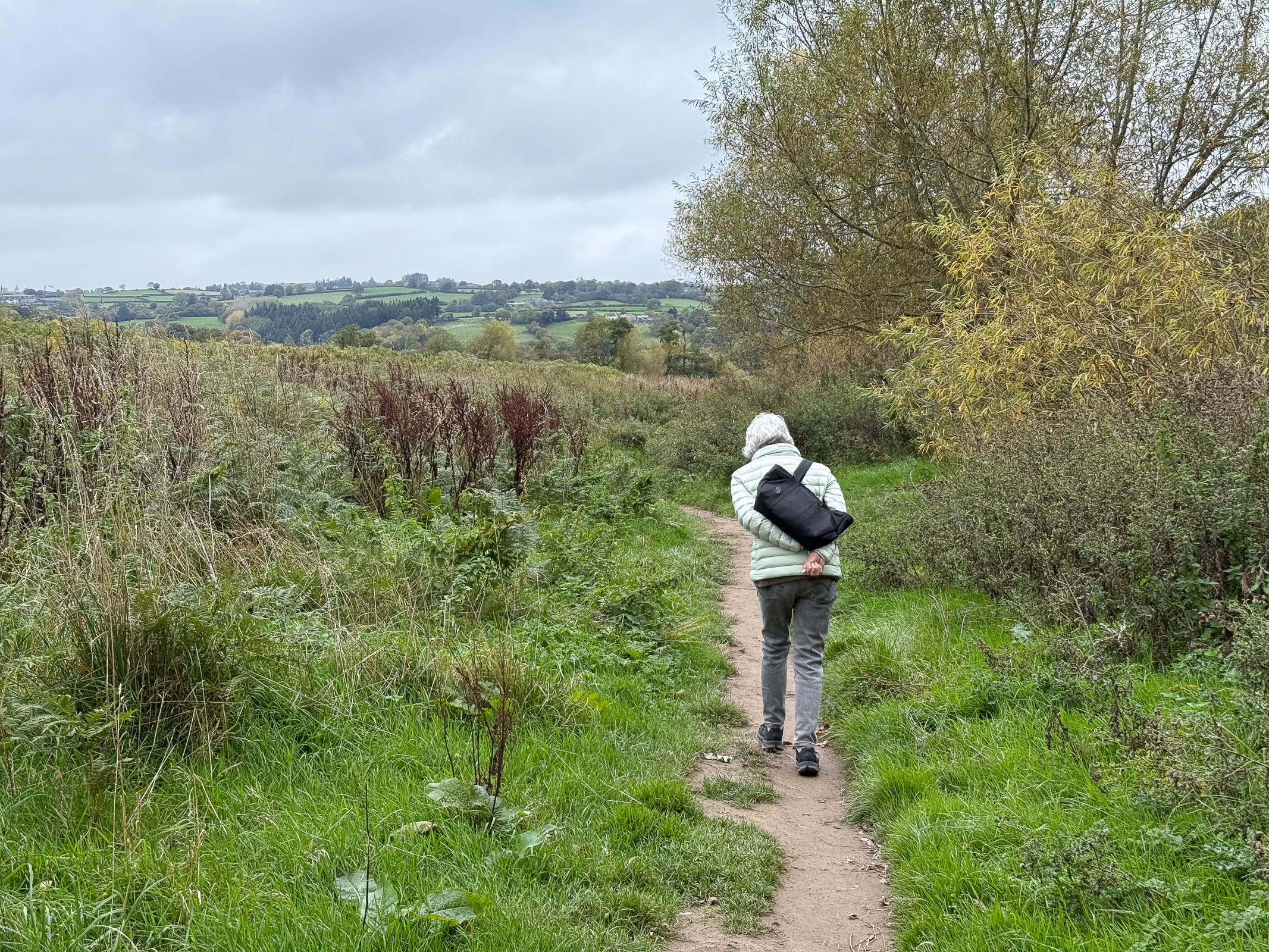
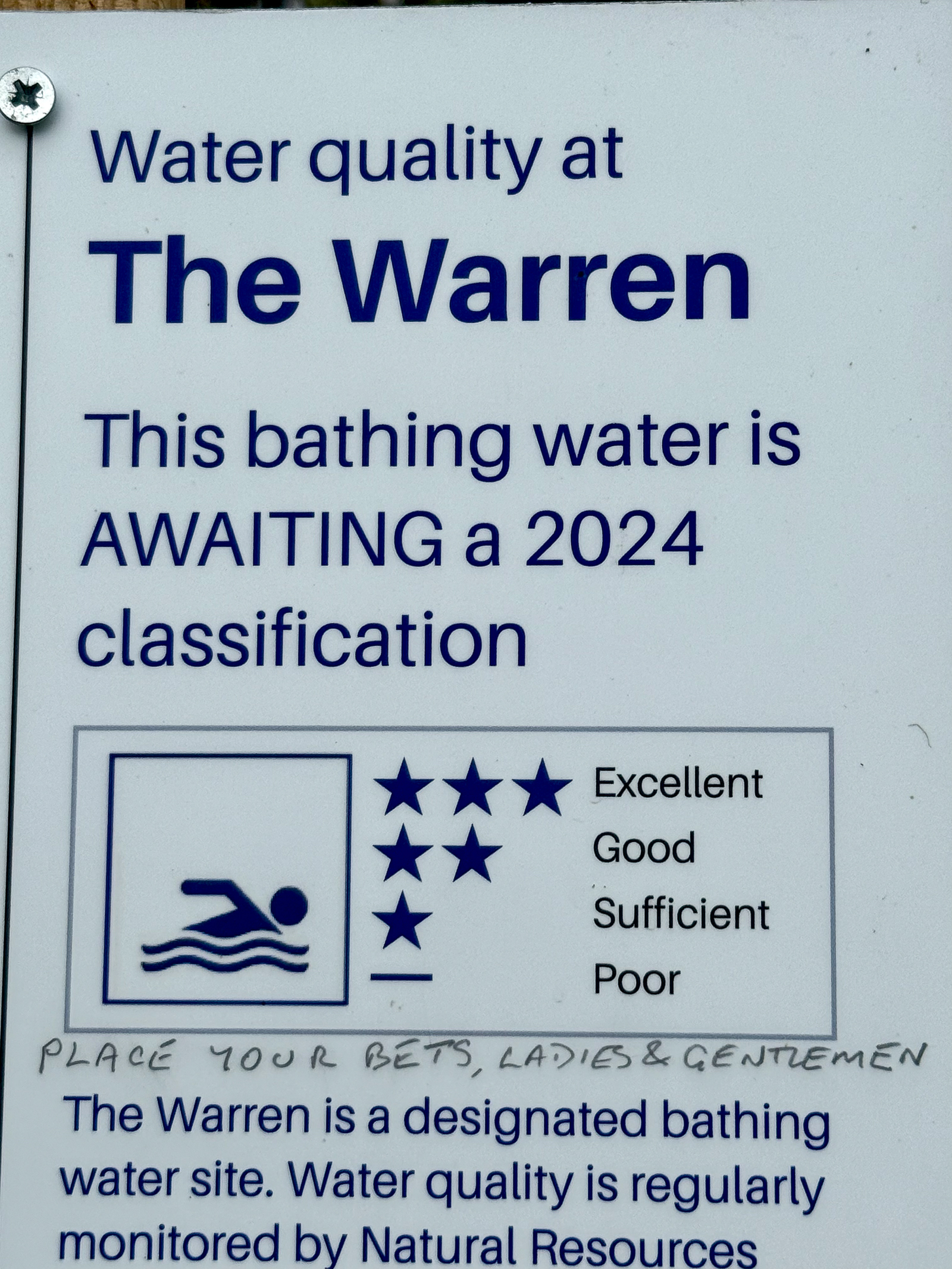
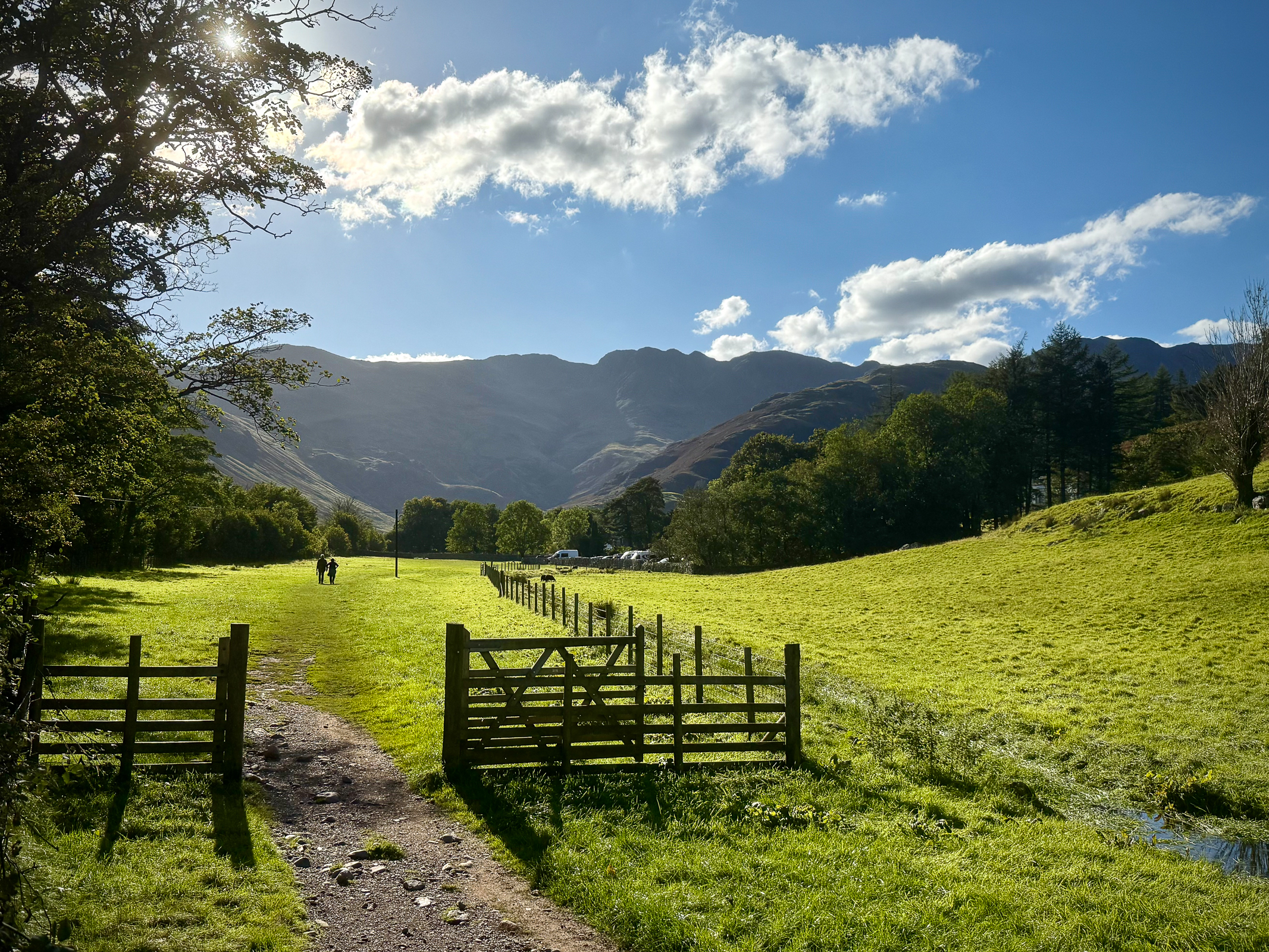
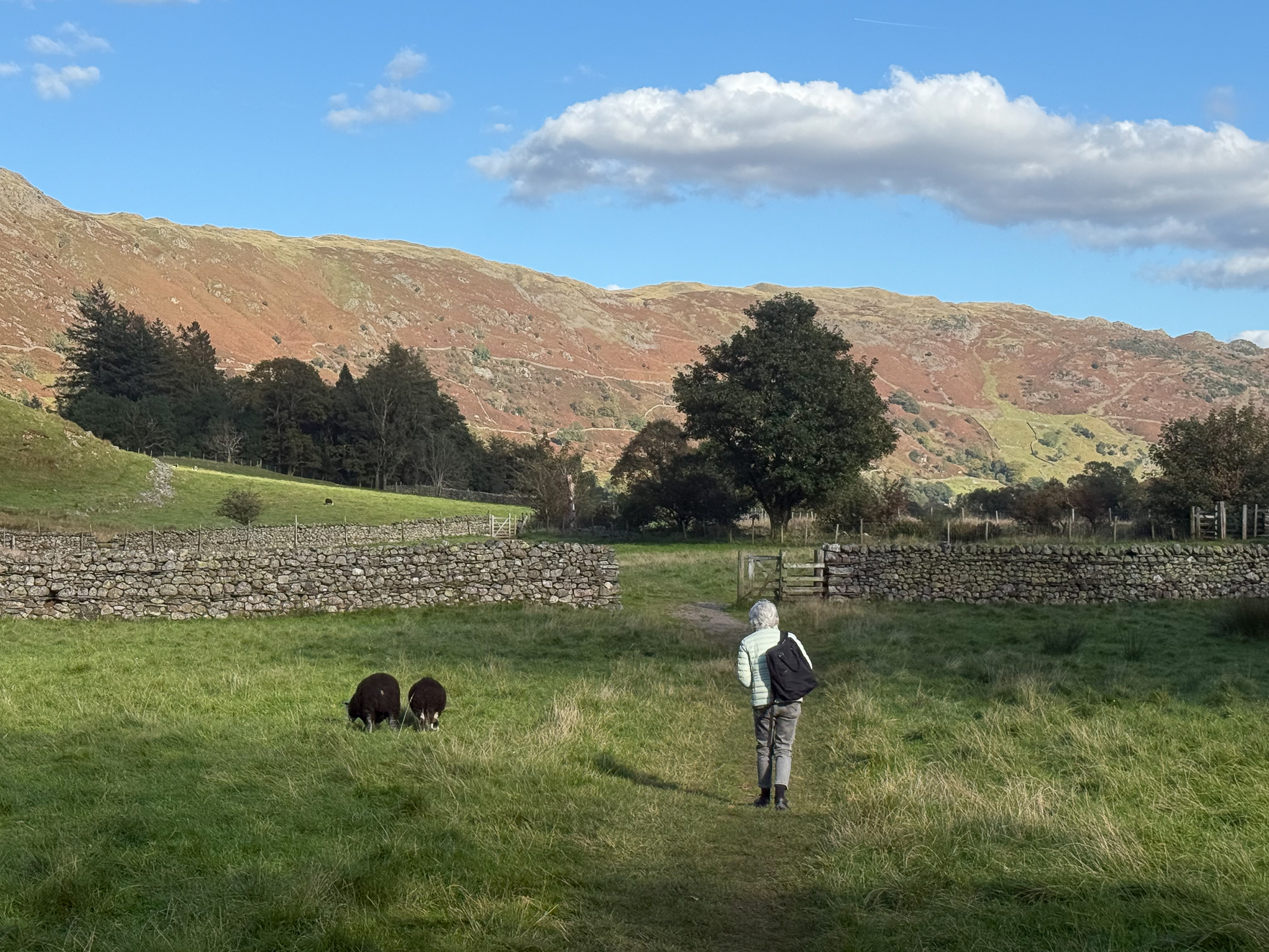
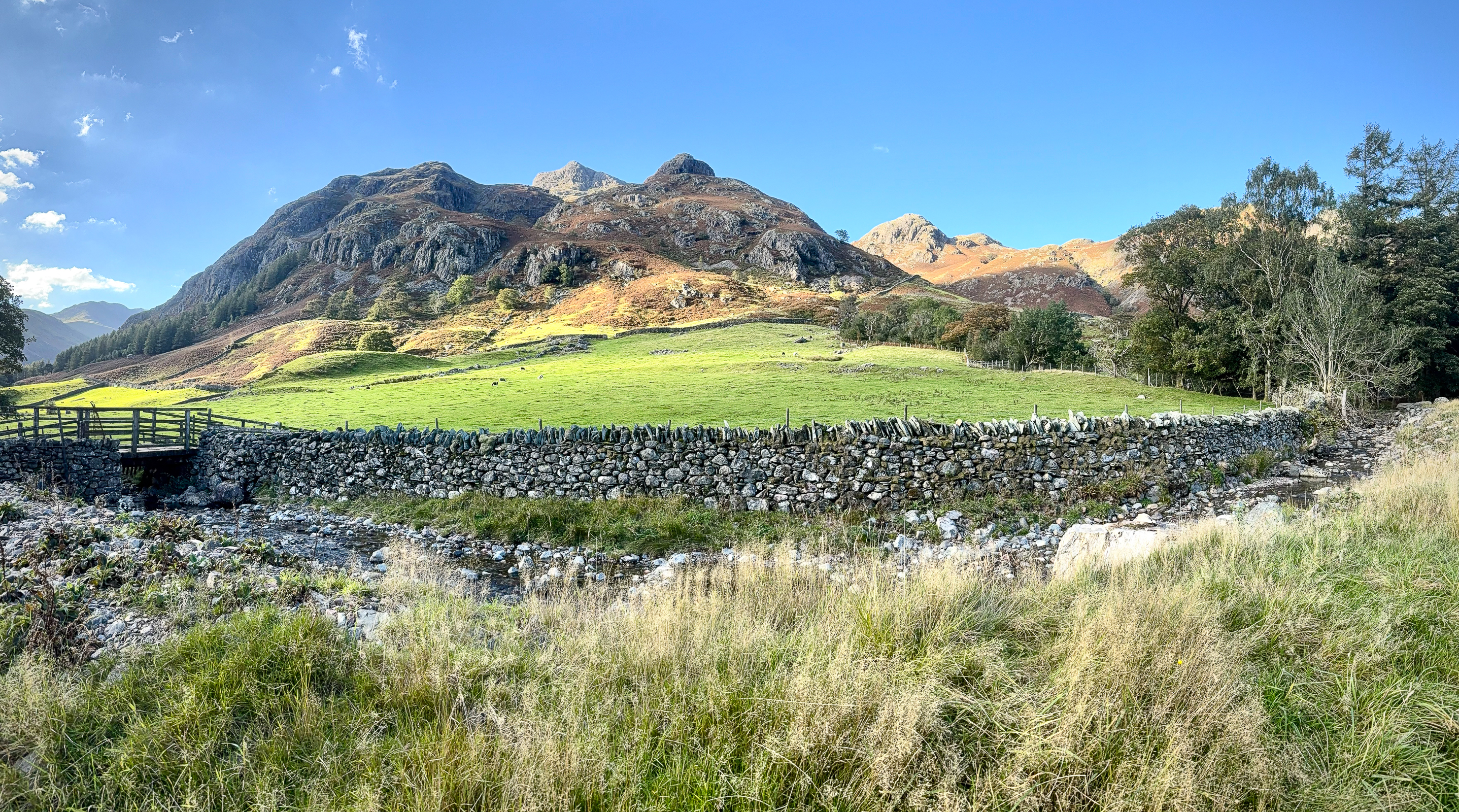
We decided to take a walk along the beautiful River Wye River Walk (Llwyer yr Afon). This valley and river are considered one of the most beautiful spots in the UK and many people come here to swim and kayak. Some of the best salmon fishing in the UK is here in the River Wye. However, as we walked along this famous river to a beach called the Warren, we gradually became aware that something was wrong in this national treasure. The largest environmental lawsuit in the history of the UK has been recently filed to protect the River Wye and other rivers in the region. The lawsuit is against major corporate poultry producers including subsidiaries of the international pollution bad-boy Cargill, Inc. Big corporate ag pollution is also a major problem in my childhood home of the Central Valley in California. The San Joaquin River is considered one of the worst polluted rivers in the United States, mostly due to agricultural waste runoff from the productive fields of the San Joaquin Valley. It was shocking to see the same tragedy of greedy concentrated wealth overwhelming the local agriculture and environment in the bucolic valley of the River Wye in Wales.

Next stop: Wales
 

2 Comments

Filed under Uncategorized

AMBLING, RAMBLING, AND SCRAMBLING ON THE FELS, VALES AND TARNS OF THE LAKE DISTRICT

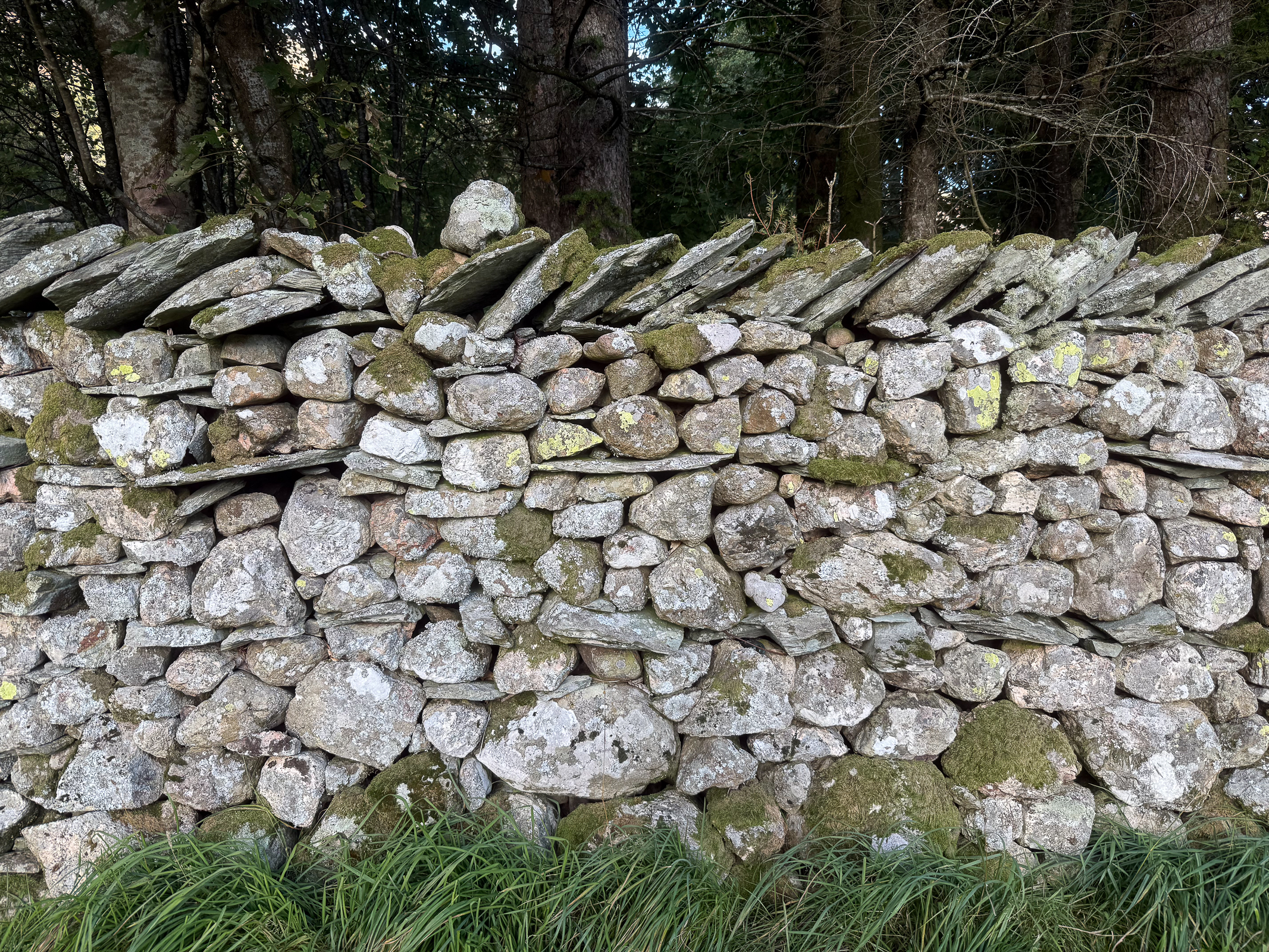
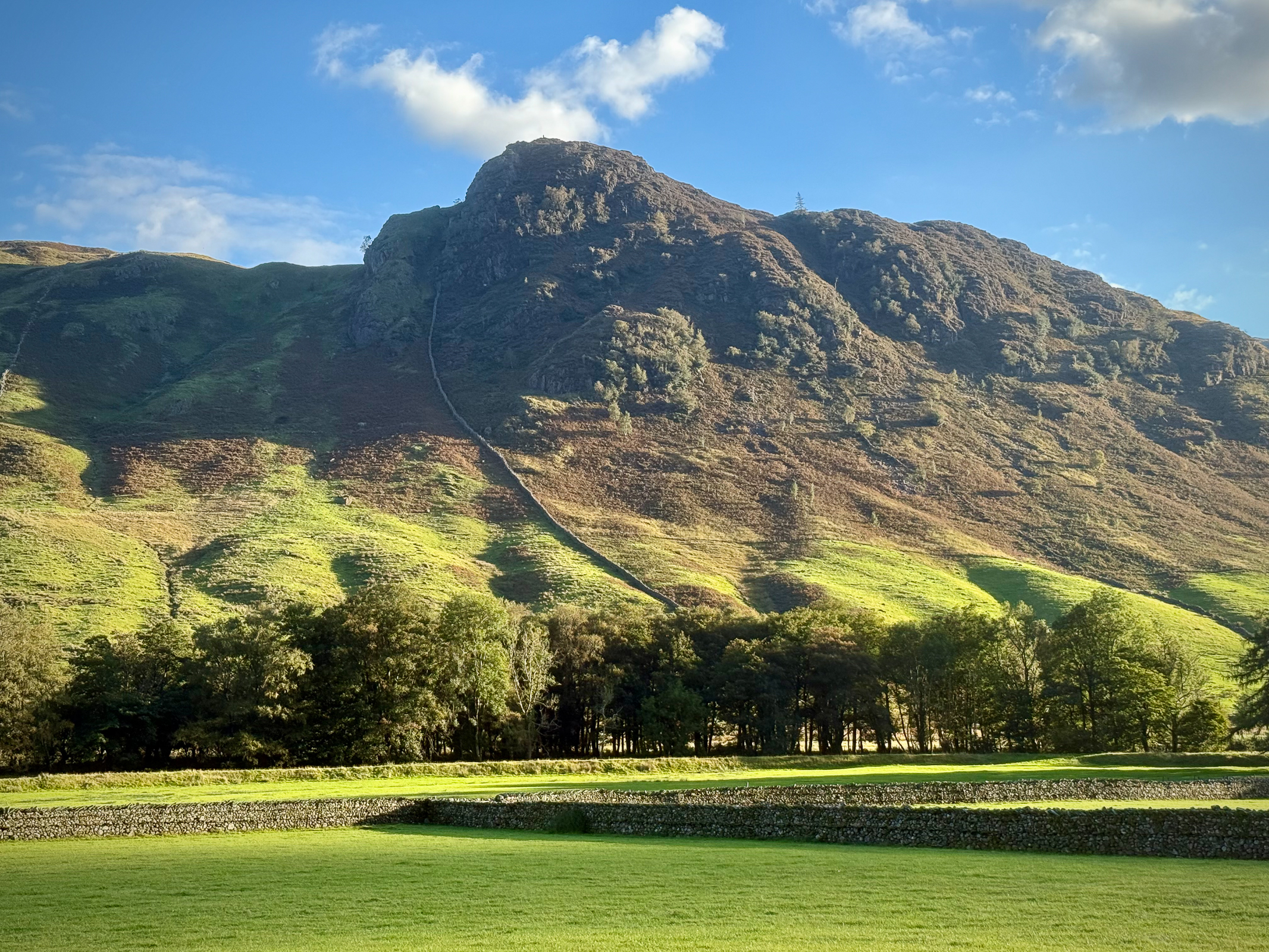
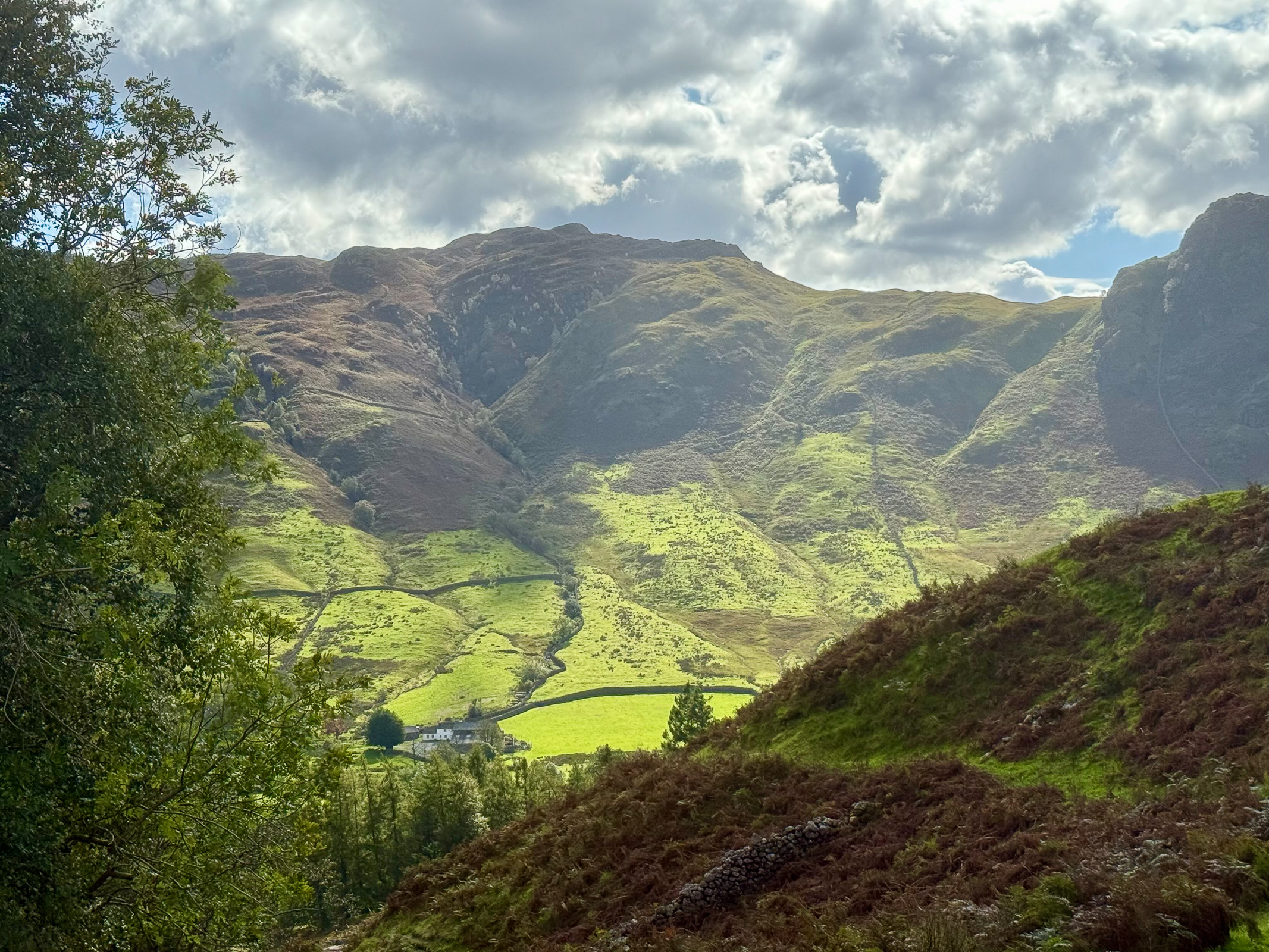
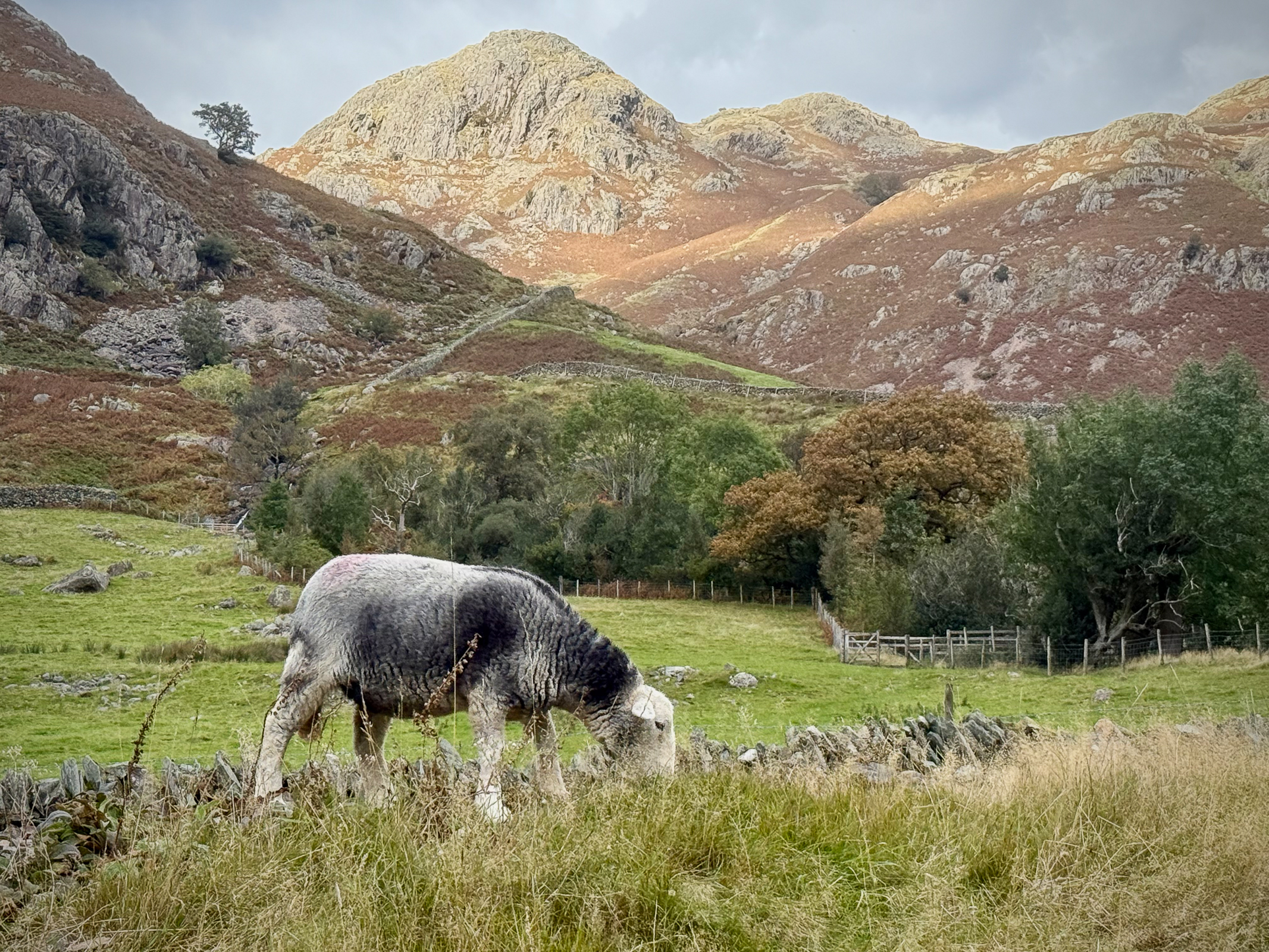
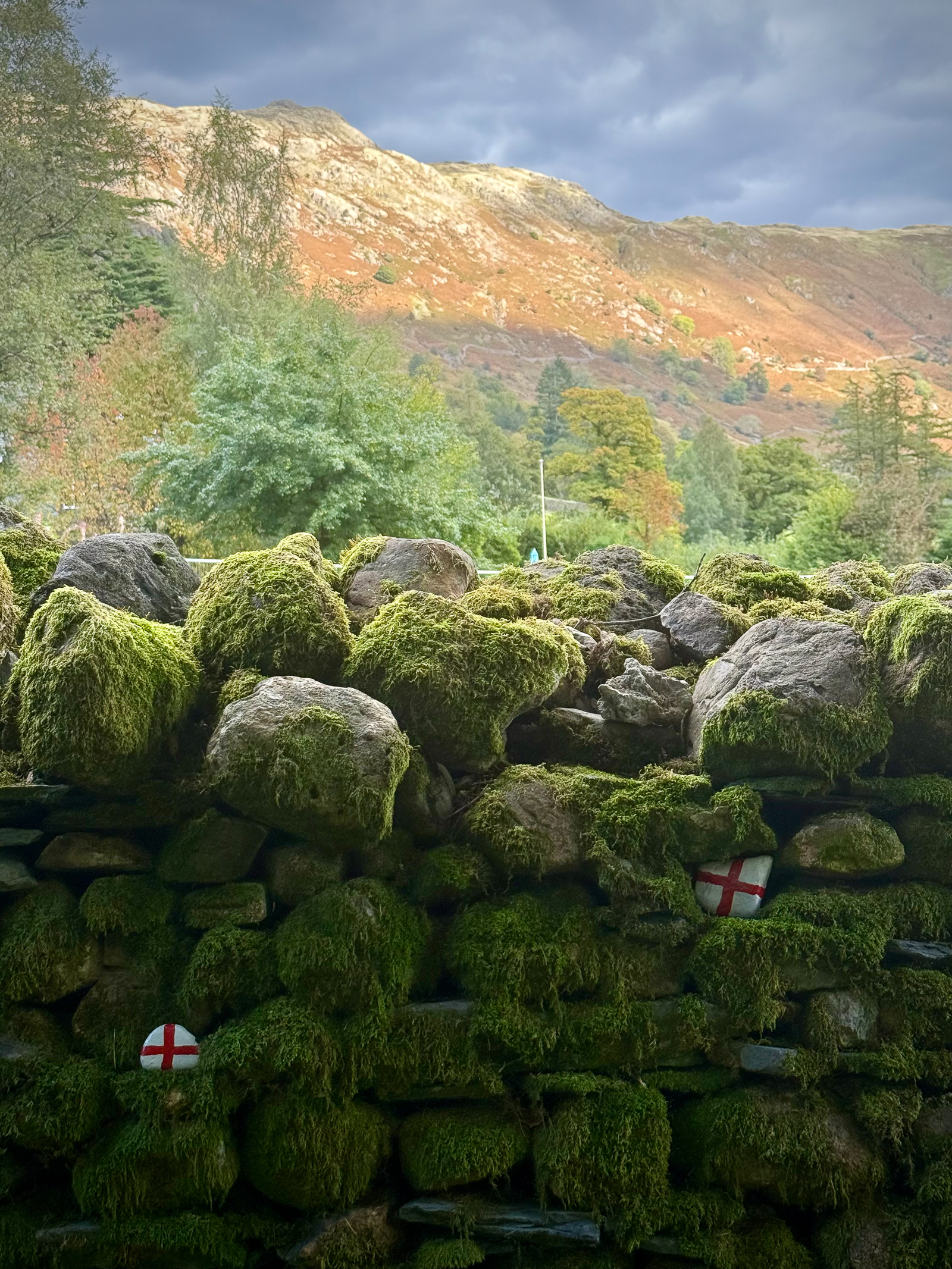
We spent two nights at the Old Dungeon Ghyll Hotel in the Great Langdale Valley of the Lake District National Park. Since 2017, this area has been a UNESCO World Heritage Site, in recognition of its unique hill-farming culture. In the morning, we hiked up most of the way to Stickle Tarn and Bright Beck, a little jewel of a lake. It was located above the by, in a thwaite, by the beck, and from it came a beautiful mountain gill.  A ring garth separated the inbye land from the fell side.  The connected valleys of Great Langdale and Little Langdale take their name from the Old Norse for “long valley”.

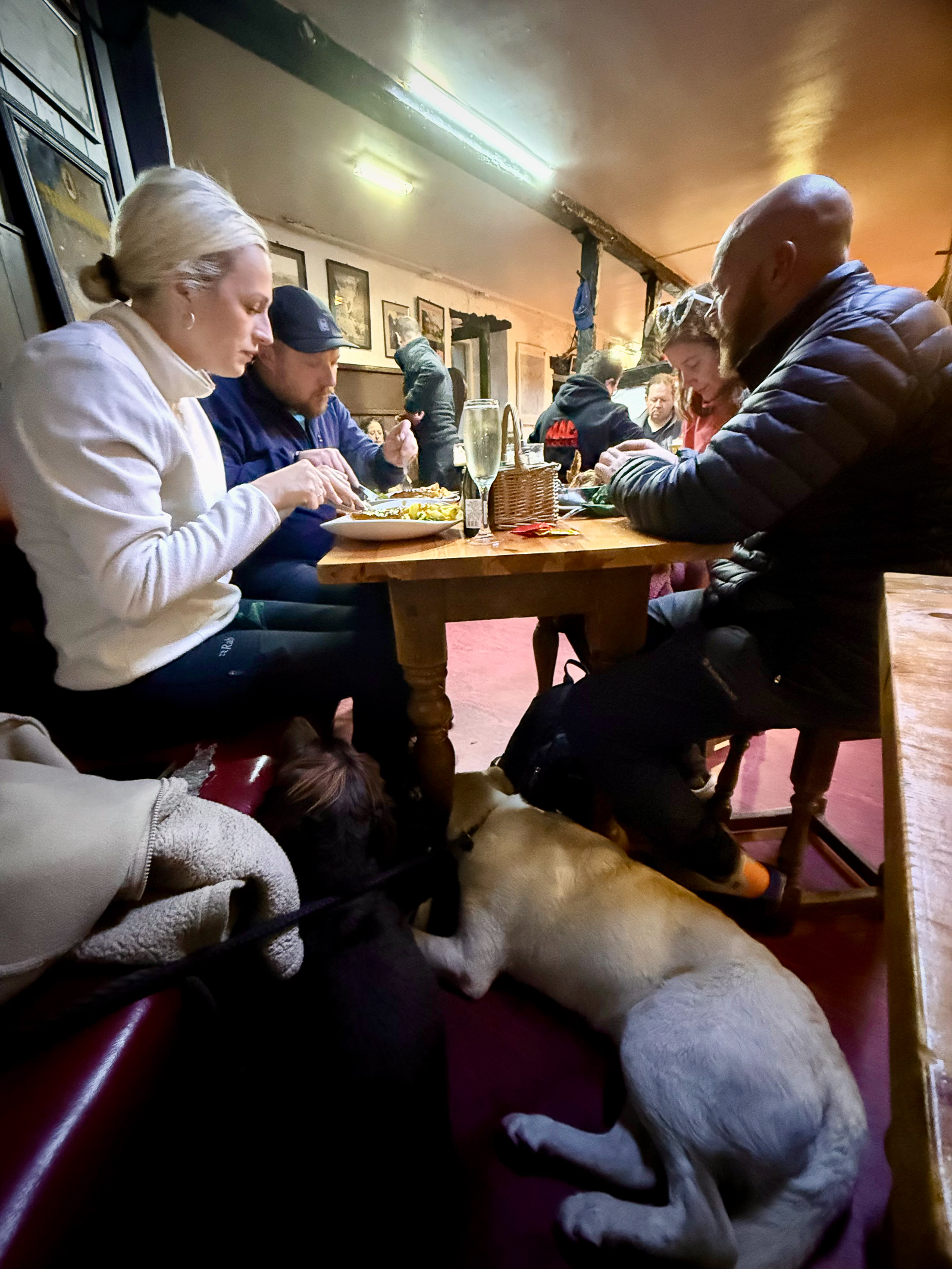
Our hotel was located on a site that has been occupied for 300 years. It was at the foot of the highest mountain in England, and serious hikers and climbers outfitted with serious equipment were taking advantage of this special place. It wasn’t crowded and it was dripping with history. Dinner at the Climbers Bar was a highlight. The meat pies were superb, the pints were great, and the toffee sticky pudding was simply the best I’ve ever had. We were fascinated by how the English (we were the only Americans) all had dogs, and brought them into the pub.

Historically, this area has been occupied for many thousands of years by many people including the Vikings, Celts, Romans, Normans, Welsh, Scots and English. Before the Norse settled here, Welsh was the language spoken in this area. The linguistic heritage from these people is astonishing and is especially felt in the beautiful place names of this remarkable place. Parts of the nearby contested border between England and Scotland were called the Debatable Lands and large clans of bandits called border reivers roamed this ungovernable area for hundreds of years until most of it was taken over by the king of England.

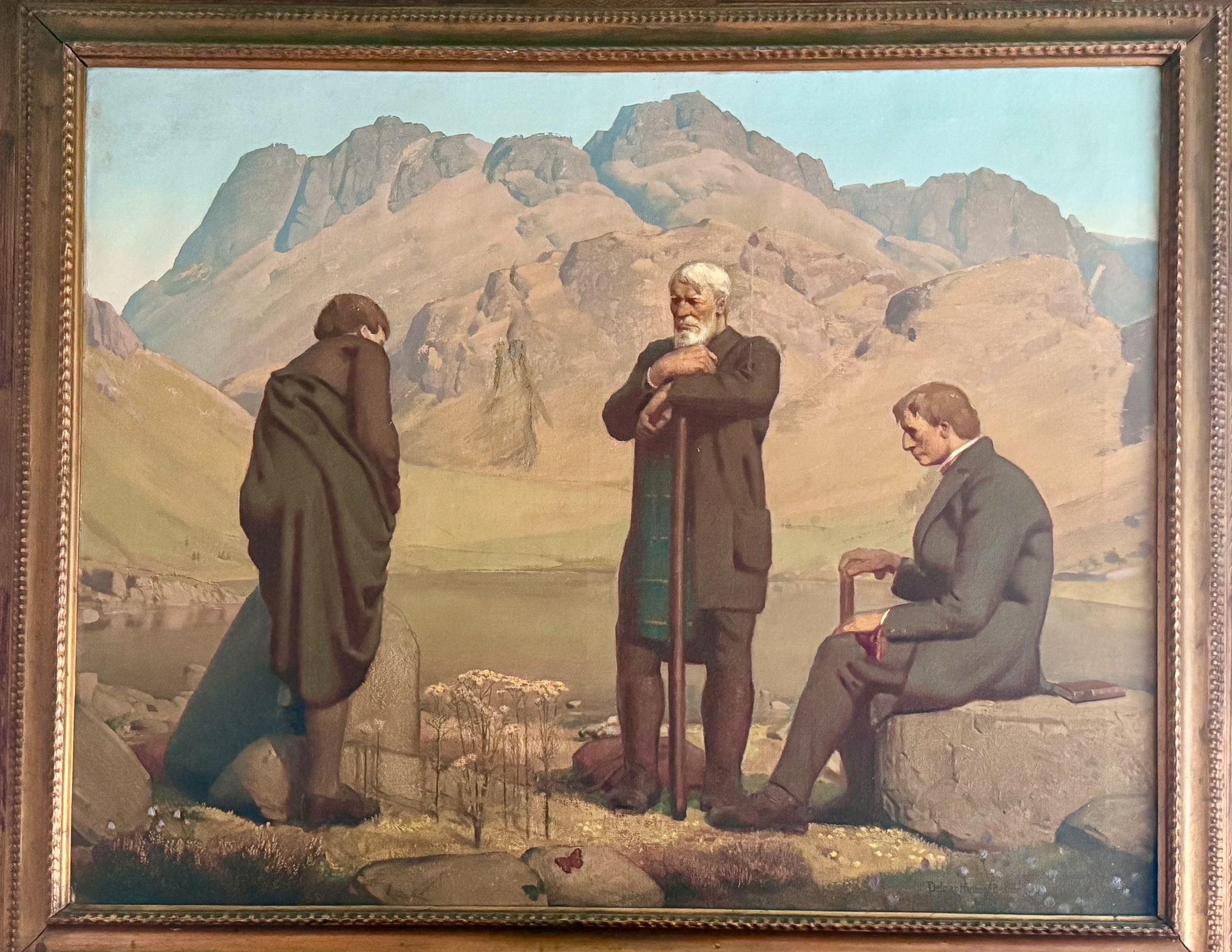
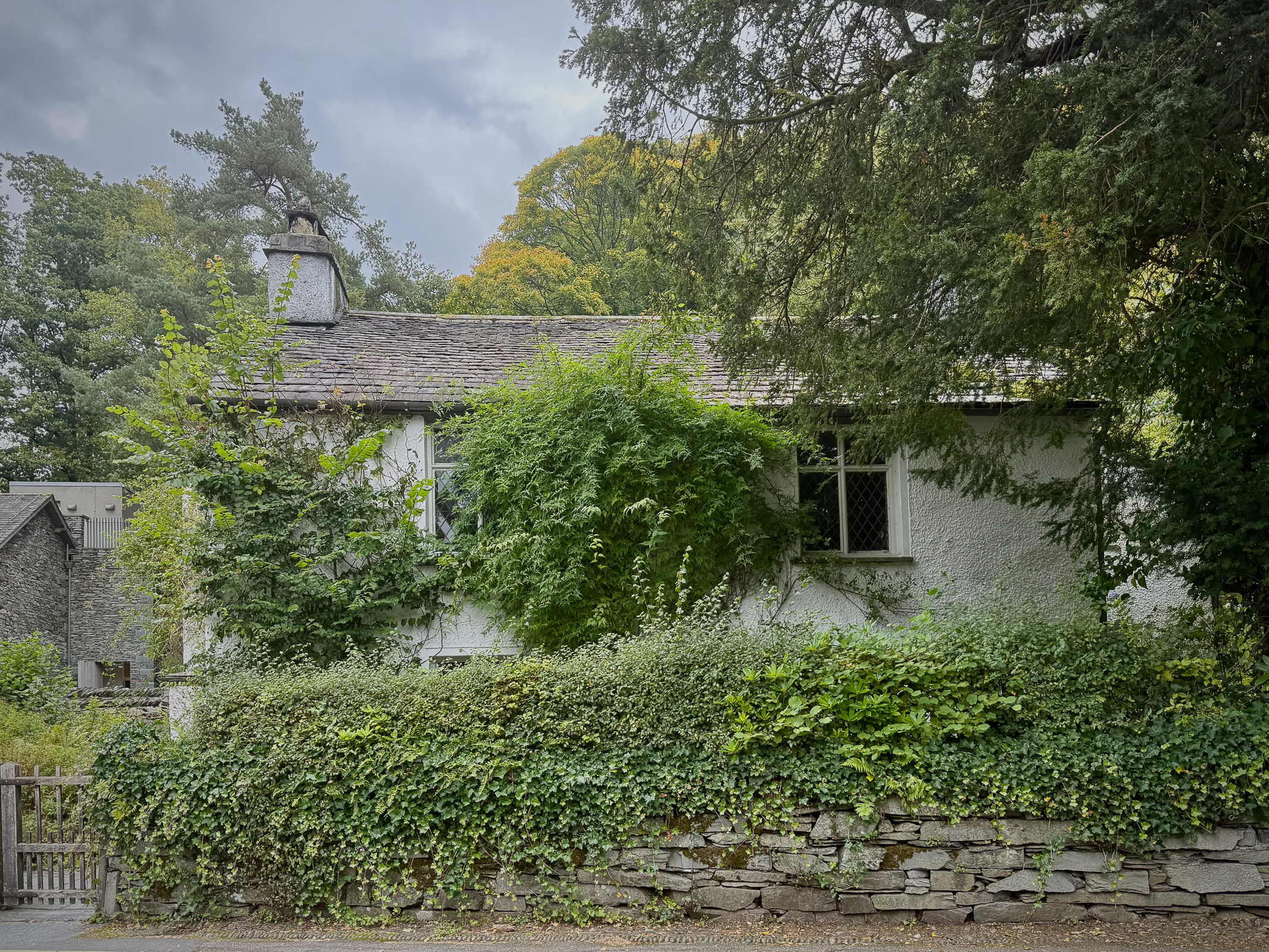
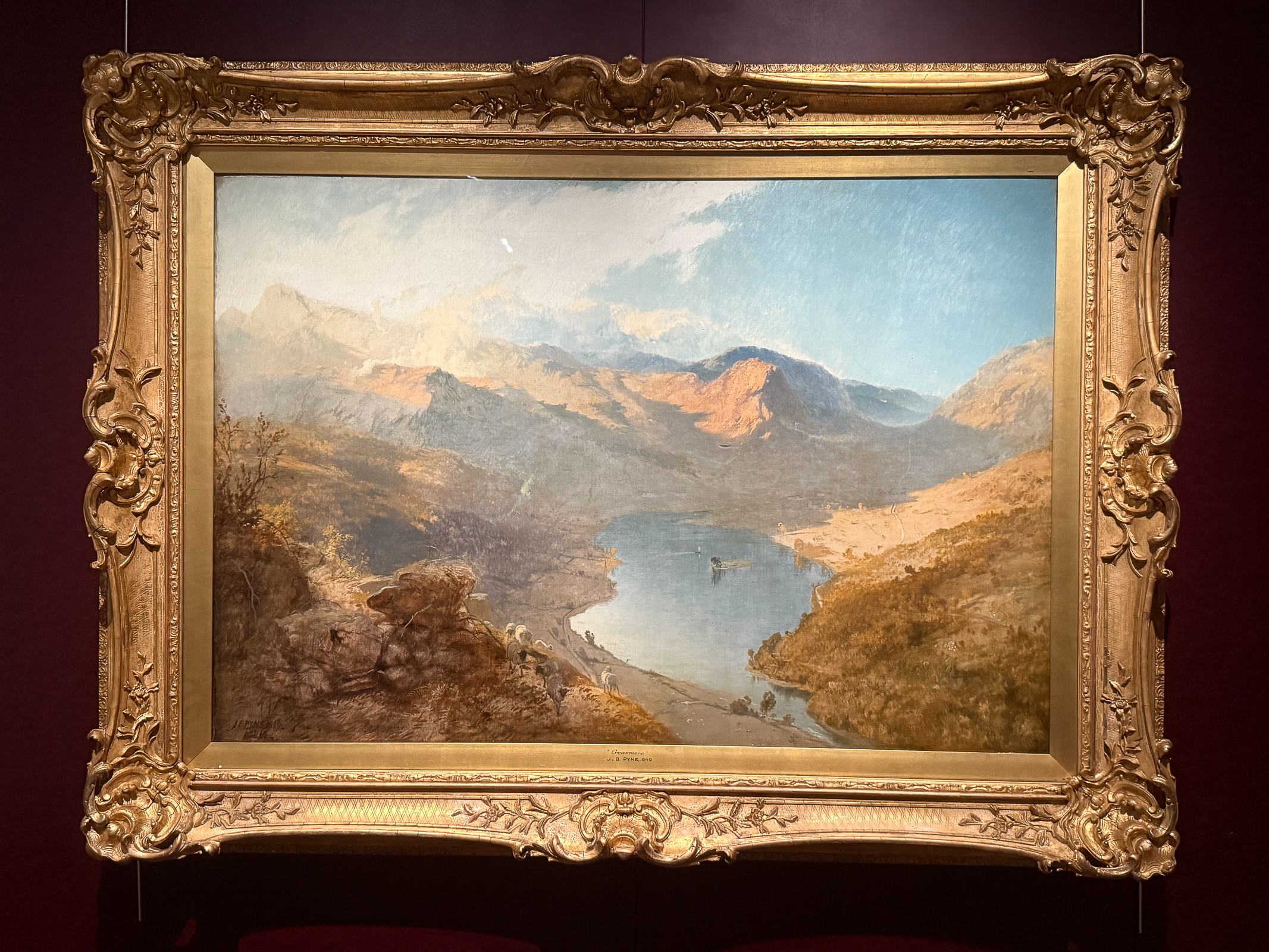
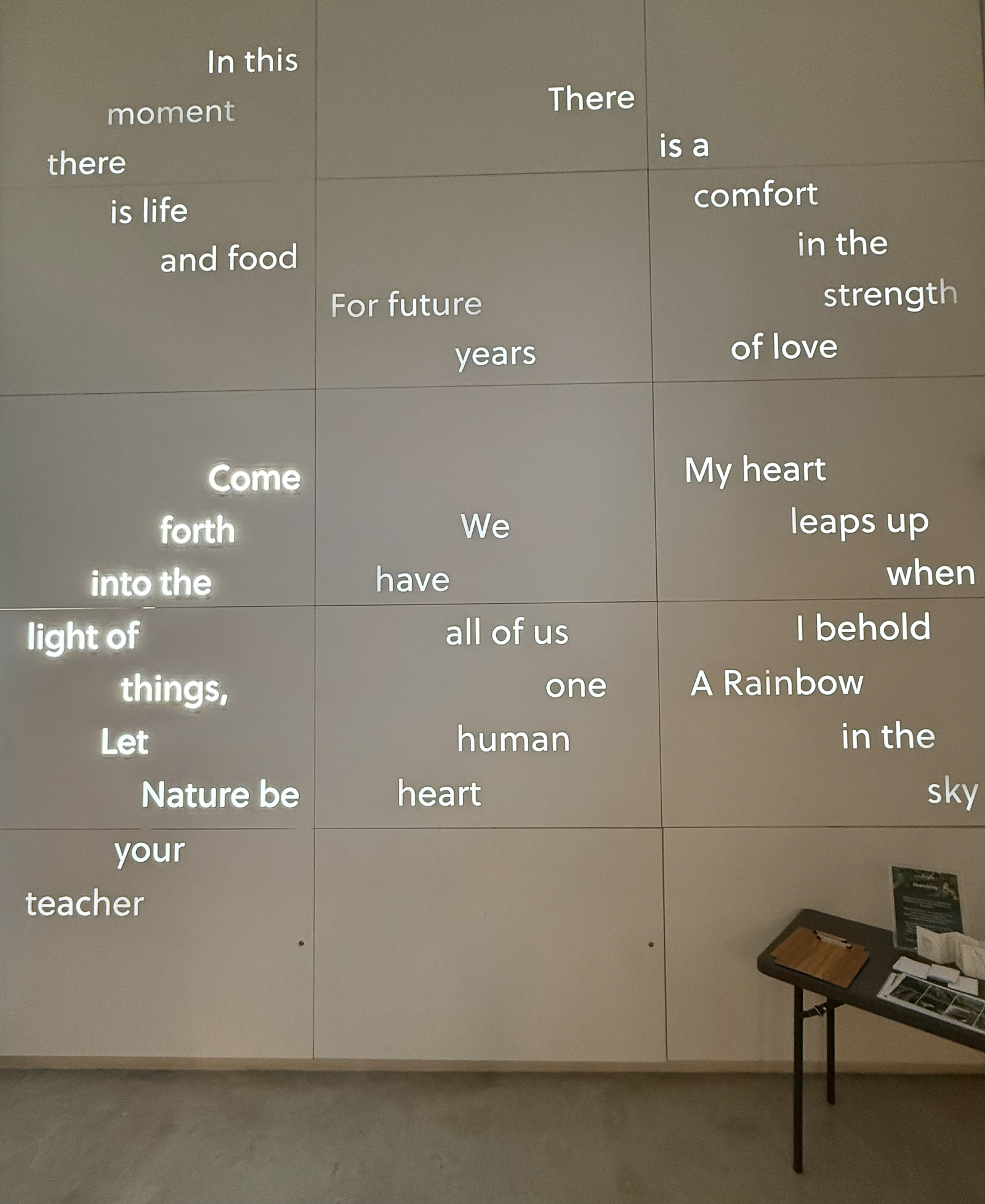
The famous English romantic poet William Wordsworth did much to increase the appreciation and protection of this lovely valley, writing about the Blea Tarn in his poem The Excursion and Dungeon Ghyll in The Idle Shepherd Boys. Wordsworth was a poet who helped launch the Romantic Age in English literature and remains one of the most recognizable names in English poetry. His work emphasized a deep connection and admiration with the natural world and the working people of this area. The little village of Grasmere has an illustrious literary heritage. We made a pilgrimage here to Wordsworth’s home called Dove Cottage where he wrote much of his early poetry. It was stirring to see where he wrote his formative work while he lived in this tiny, cramped cottage with his large family.

It was sad to see how the nearby villages of Ambleside and Windermere have become crowded, exclusive, over commercialized tourist-traps. Like Thoureau’s Walden Pond in Massachusetts, a place that had attracted creative artists seeking solitude has now become overrun by admiring fans and rapacious capitalism. Perhaps it speaks to a need for many to connect with something real rather than virtual. Certainly, the physical beauty here is astonishing and the literary legacy is inspiring. But I was happy to lose the crowds in our rear-view mirror and be far from the maddening crowd.  

As we left the Lake District, the last place we visited was the Castlerigg Stone Circle, which is part of the English National Trust. Built over 4,500 years and like the better-known Stonehenge in southern England, this quiet magical place only reinforced our fascination with this mysterious and beautiful part of England.

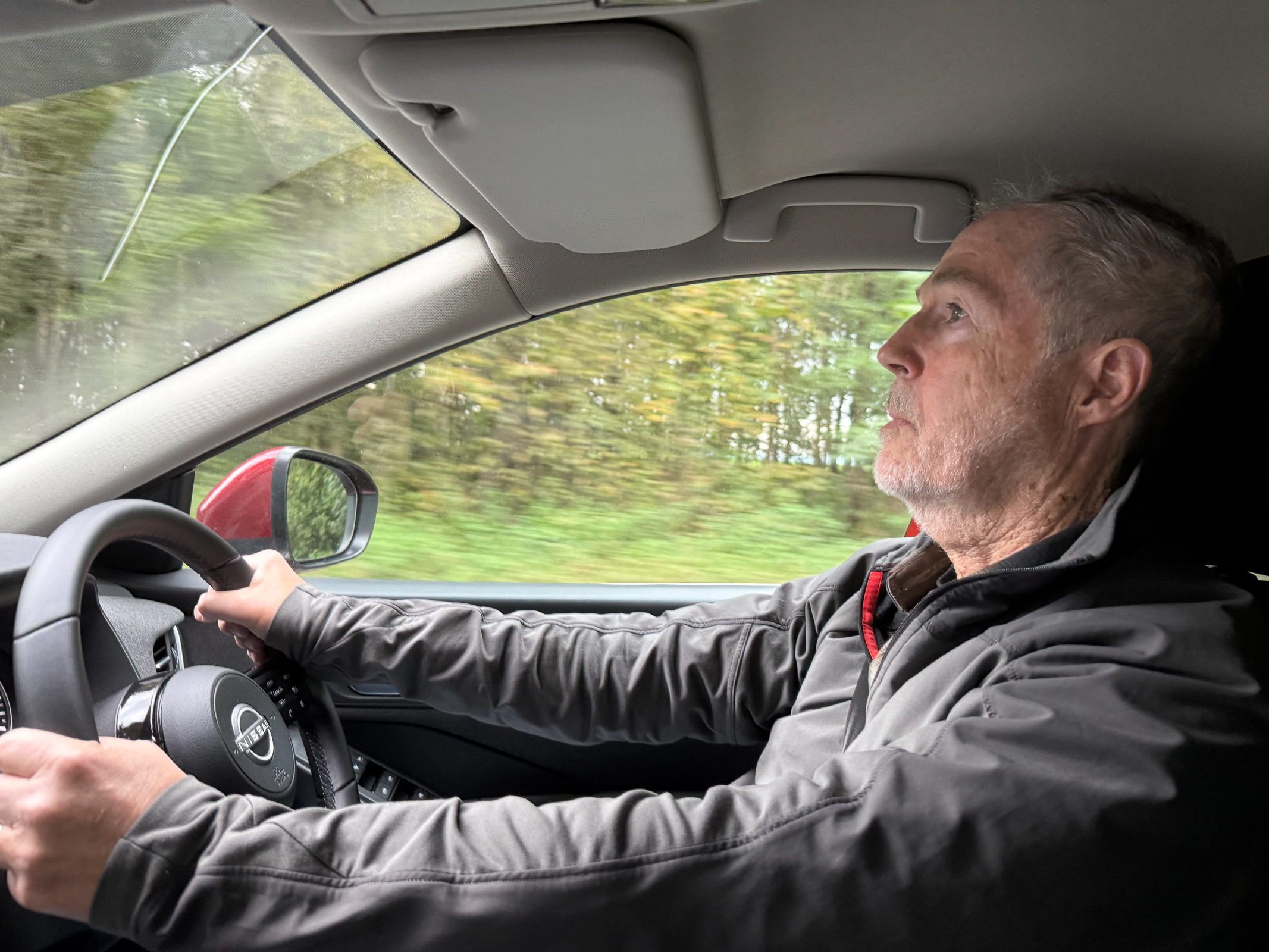
Driving the medieval and impossibly narrow roads of the Lake District was part of my cruel initiation into motoring in England. Ellen said she almost threw up as our oversized car scrapped against the hedges and ancient rock walls as other oversized cars, trucks and busses were barreling in the other direction inches from my face. All of this while driving on the wrong side of the road. I still hold on to the steering wheel with my two-fisted, white-knuckled death grip, but, despite a few close calls, I am gradually feeling more comfortable while driving in England. Miles to go before we sleep…

Next stop: the North.

4 Comments

Filed under Uncategorized

SLAUGHTER OF THE INNOCENTS

As we see the end of summer transition into the colorful Fall tones of forested New England, we watch with horror as Trump rampages over our country’s economy and democracy. It was laughable to see Trump’s so called “summit” with Putin in Alaska. It was pathetic but not surprising to see Trump bow down to Putin but get nothing in return. It was as if Trump had purposely set himself up to be humiliated.
As a nation we are better than this. The amplified political rhetoric, anger, and fear floating around right now does not have to be our future. Heather Cox Richardson and others have spoke eloquently about our sometimes violent past when our country seemed to split apart only to gradually come back together after the dark fever dreams pass and we move into the sunlit uplands of better leadership.

Trump seems to relish pouring gasoline on the simmering fires of our current political passions. He did it again this week after the assassination of podcaster Charlie Kirk. I remembered that Kirk had been interviewed last March by our Governor/podcaster Gavin Newsom. Gavin had just started his new career in podcasting and was learning the ropes of how to do it when he interviewed Kirk. I admired Newsom for the courage of reaching out to the political right so his liberal audience could hear another point of view. Unfortunately, he chose Steve Bannon and Charlie Kirk as his first two guests. The results were a little like watching an energetic teen-ager playing a full game of baseball against a major league team. I listened to Gavin’s interview of Charlie Kirk to try to understand Kirk’s appeal. He was polite, smart, politically savvy, very Christian, and had a great ability to charm his audience. But I felt that he was troubling because he used his appealing ways to put his finger on and exploit points of deep anxiety among parts of our population, especially young men. Even though Gavin seemed unable to keep up with Kirk, I applaud our Governor for letting us hear what was a prominent voice in this rising tide of the young political right. We all need to hear this so we can find better ways to counter the far right’s hateful intolerance.

In the meantime, Putin continues his slaughter of the innocent people of Ukraine. We still get notes and posts from our librarian friends from different parts of Ukraine. Despite Trump’s shameless worshipping of Putin, Vlad-the-Impaler is undeterred in his cruel war against a heroic nation. The Russian military is engaged in a crusade that is nothing short of an apocalypse for the people of Ukraine. In the last few weeks, it has stepped up the number of its attacks on Ukrainian cities and especially Ukrainian civilians to the highest level of the war. Recently, one of our Ukrainian friends posted a beautiful photo of flowers in full bloom. I realized that when you are surrounded by the ugliness of war, simple things like a beautiful flower can be an act of defiance and resistance to the appalling circumstances that the good people of Ukraine now endure. We all seem to need some kind of therapy right now.

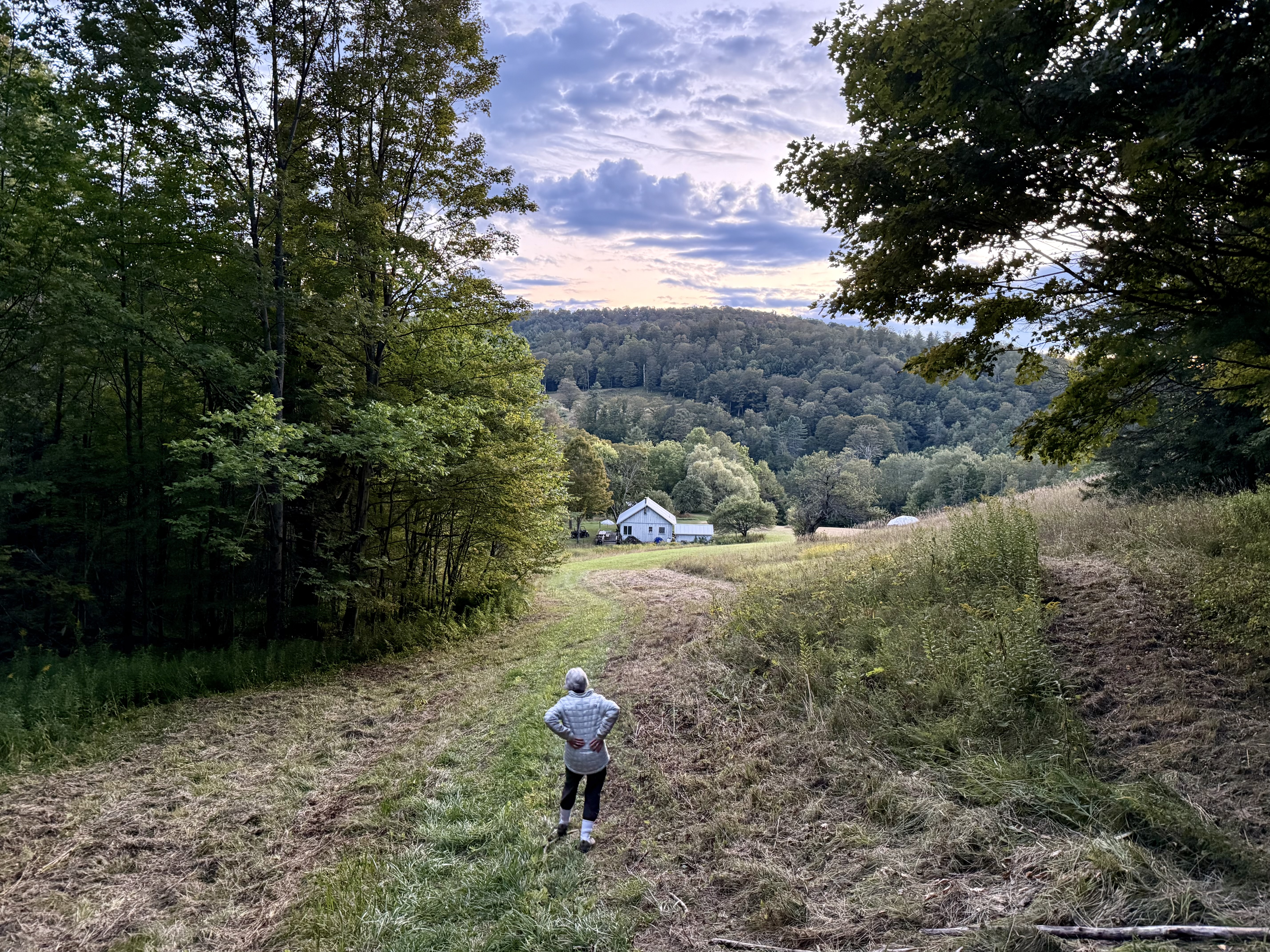
Our therapy for the moment is to spend a month in the beautiful Green Mountain state of Vermont. Parts of New England are currently going through one of its worst droughts ever and some areas are under an extreme drought warning. But it sure looks a lot greener than parts of our parched California and the American West.

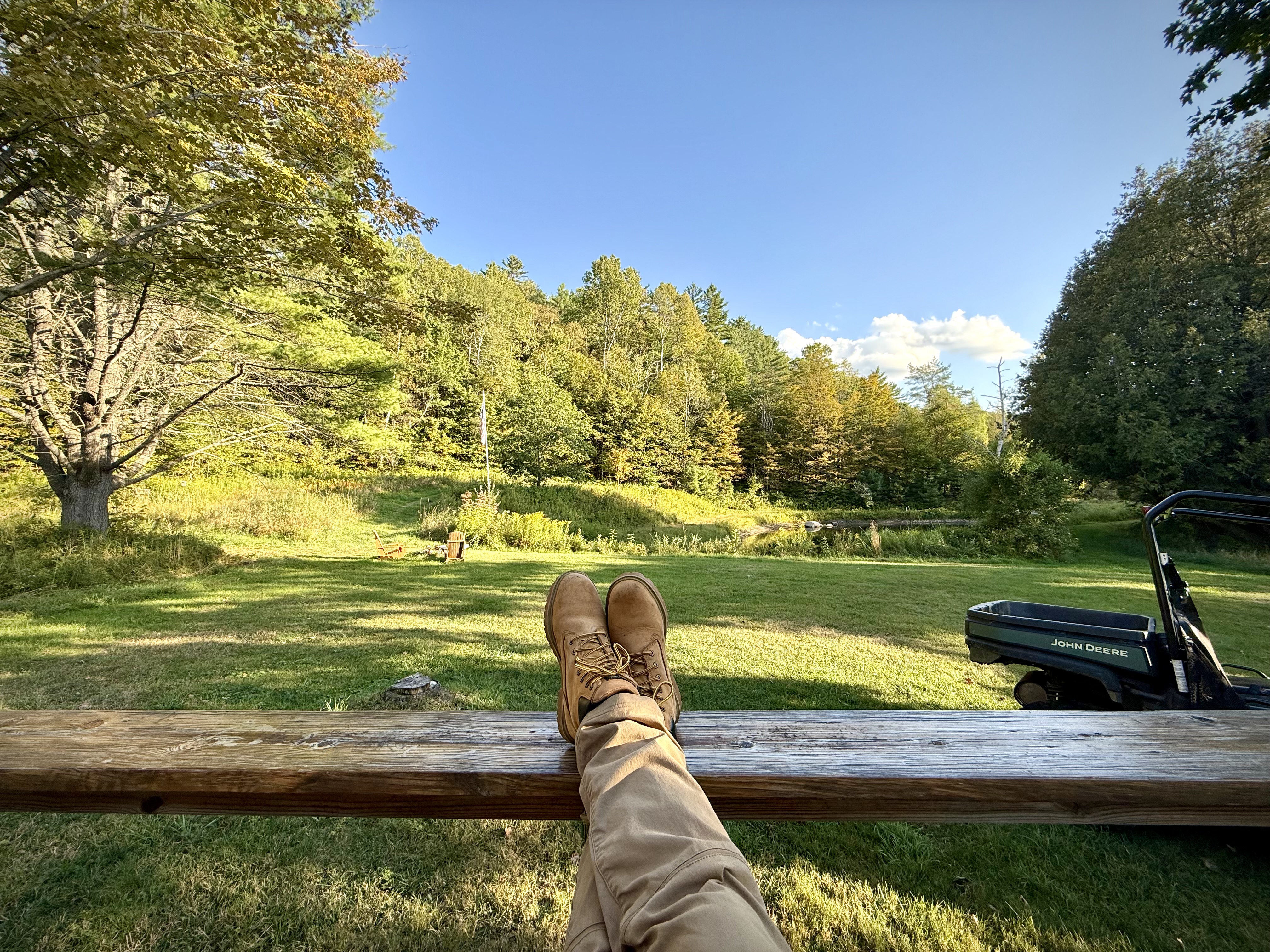
Occasionally, we tool around the property in an ATV, especially to go to the top of the nearby hill, called the “cocktail lounge”, to have a beer and watch the sunset. But the best way to enjoy the Vermont forests is to stretch our legs and hike.

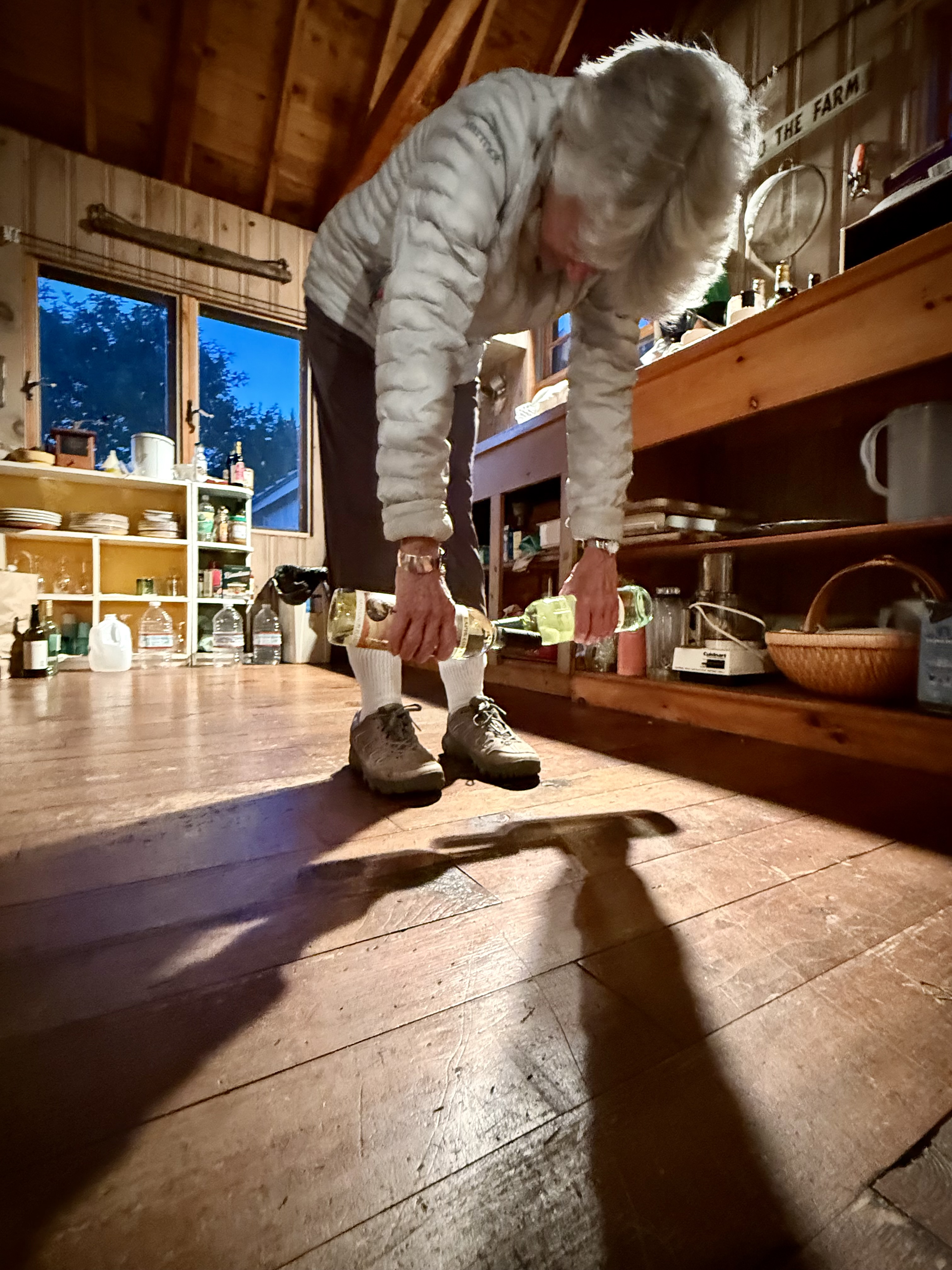
After my doctor recently recommended that I take my 75-year-old body to the gym, I have become a devoted gym rat in San Francisco along with our son Walker. In coming to rural Vermont, gym rats must become creative. I found that two 1-gallon water jugs make excellent weights for my workout. Two pieces of cord wood work pretty well too. Ellen prefers to do her arm lifts with two bottles of white wine. Whatever works!

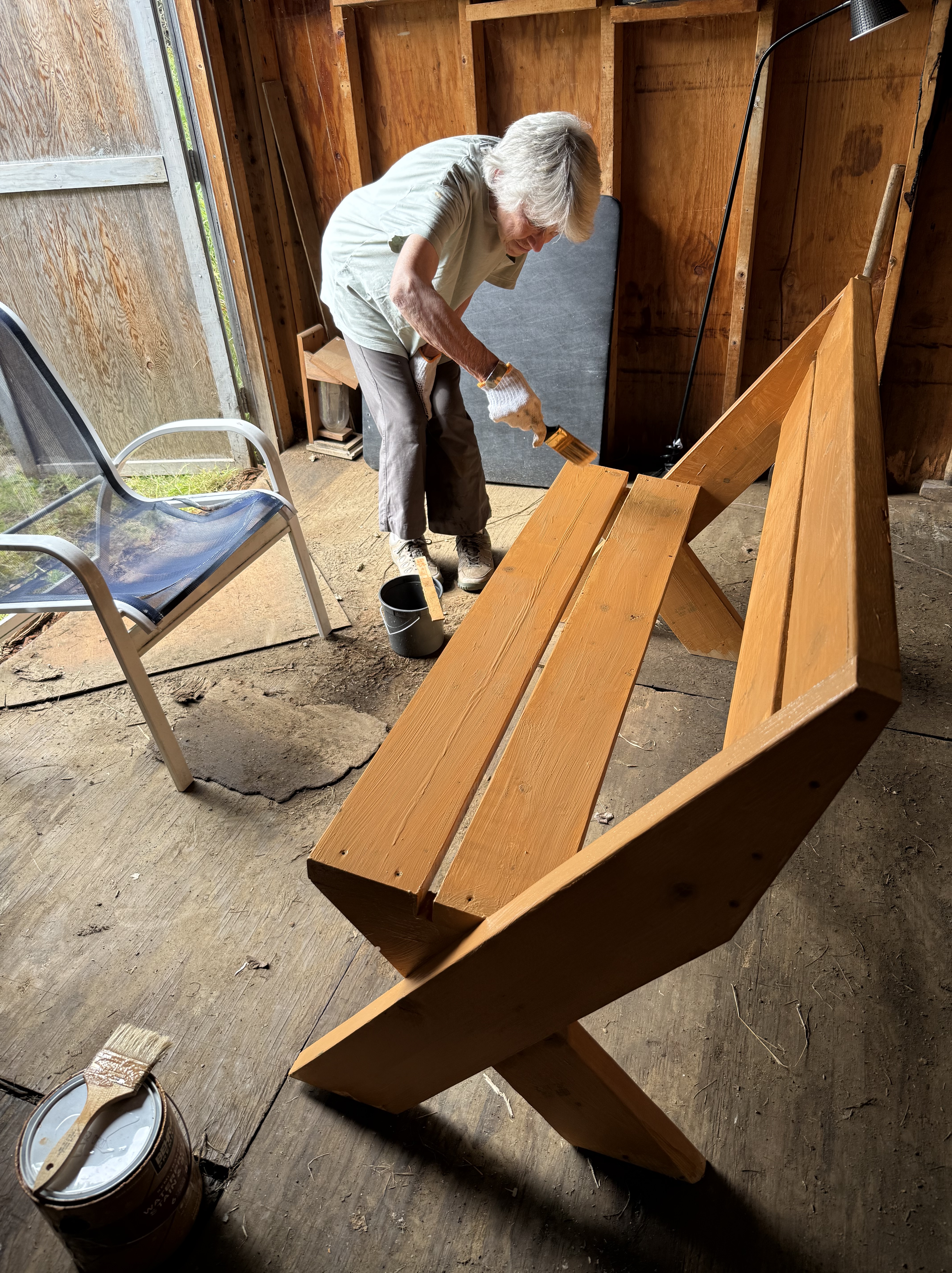
We spend a lot of time doing chores around the Farm including cleaning out around new trees with Ellen’s brother John, painting four coats on a new bench, and repelling the return of the dreaded orb weaver spiders. The work never ends.

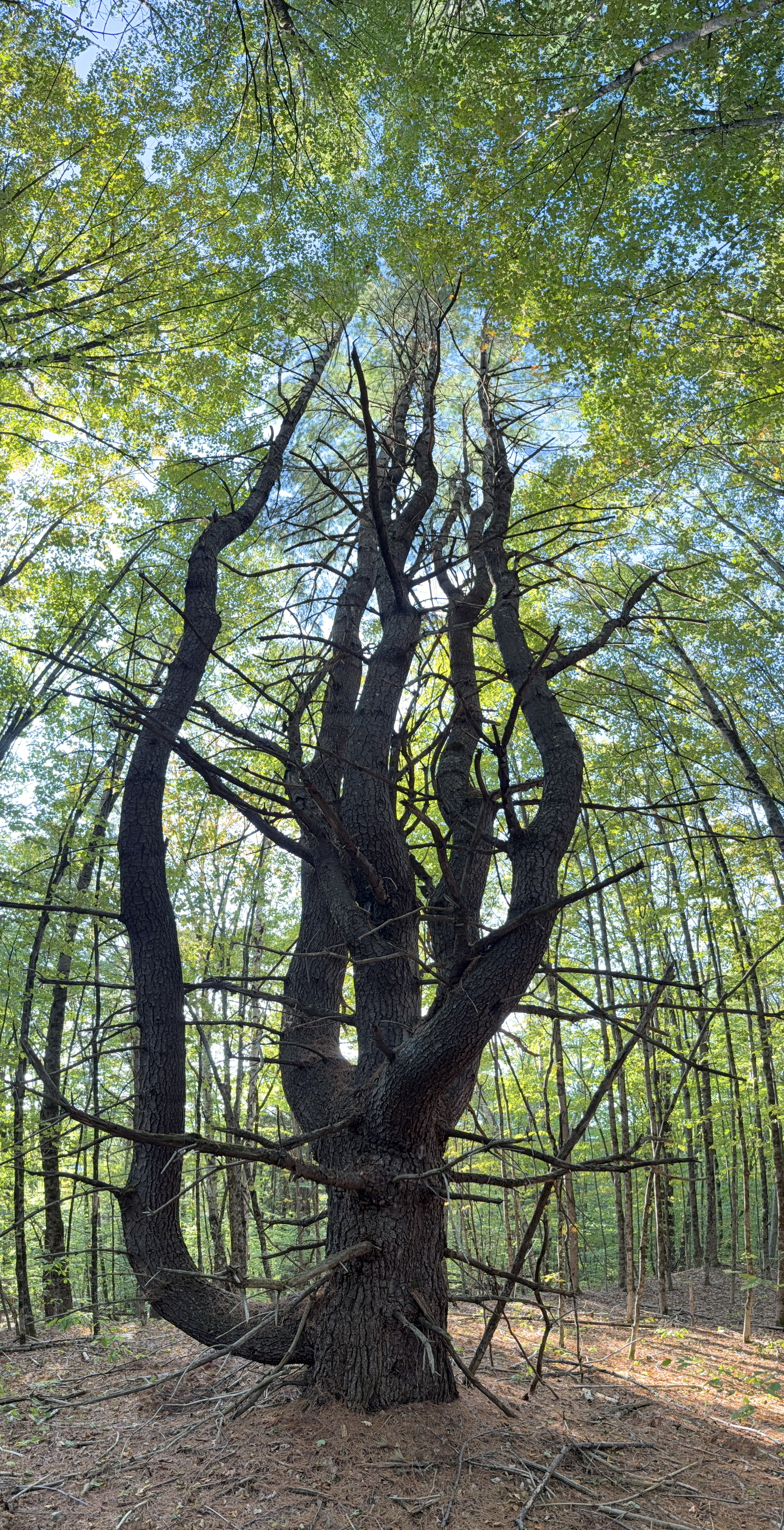
One of our nieces explained to us that Vermont is maple syrup. We saw lots of examples of sugaring operations on our walks around the forests. The forests are much more developed and managed here than in the “wilder” forests that I’m used to in the American West.

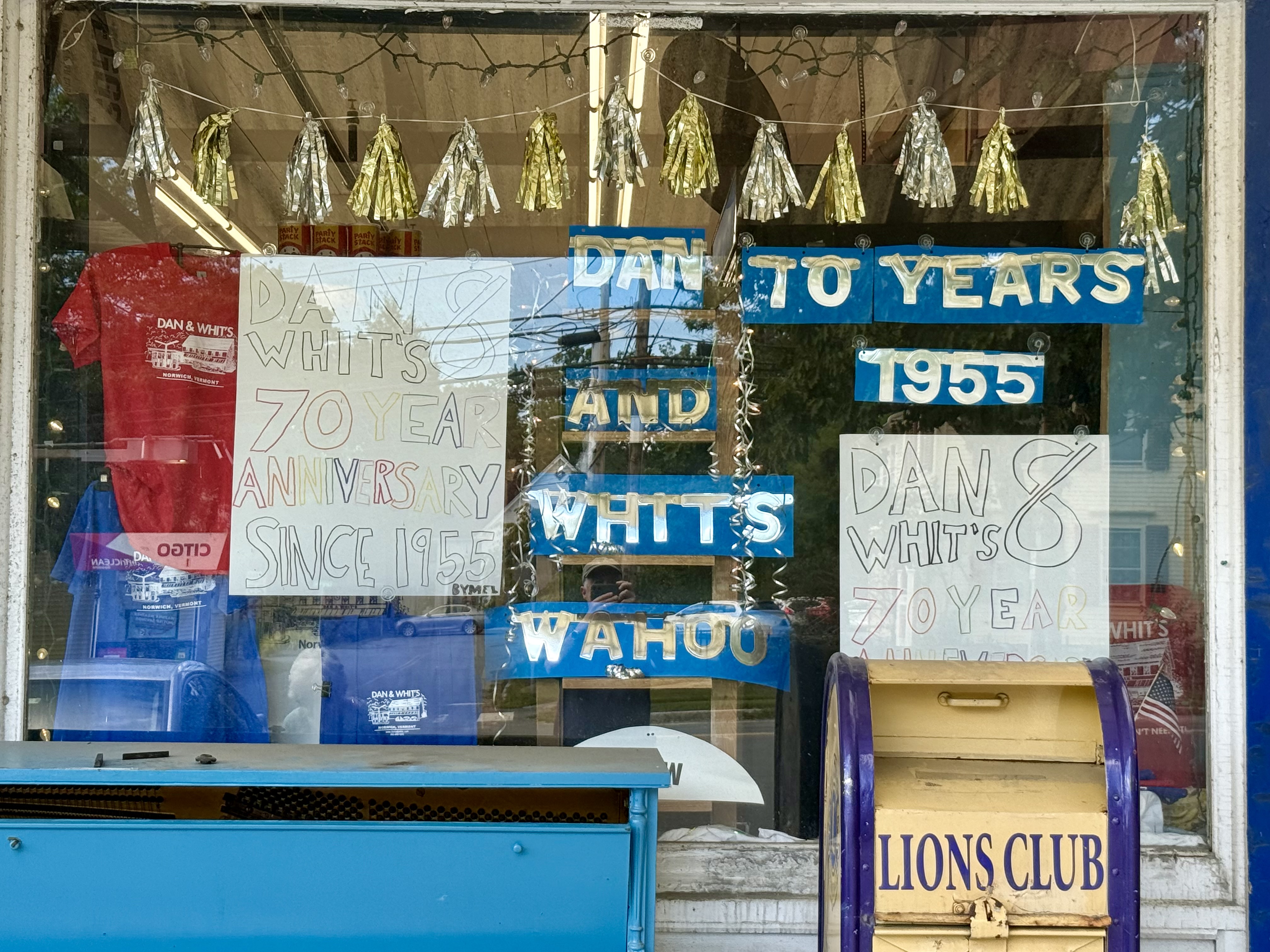
When I travel, I am often fascinated by signs that give a flavor of the local community. Our nearest small town of South Strafford had this sign about “Unconditional Love + Community”. Another nearby town of Norwich celebrated the 70th birthday of the beloved store of Dan and Whits. Finally, the barbershop Walt & Ernies had been in the same location of Hanover, NH since 1938. It is about to move to another nearby location, and all the locals (including me) put their farewell greetings on the wall. I loved the one that said, “Best Mullets Ever”.

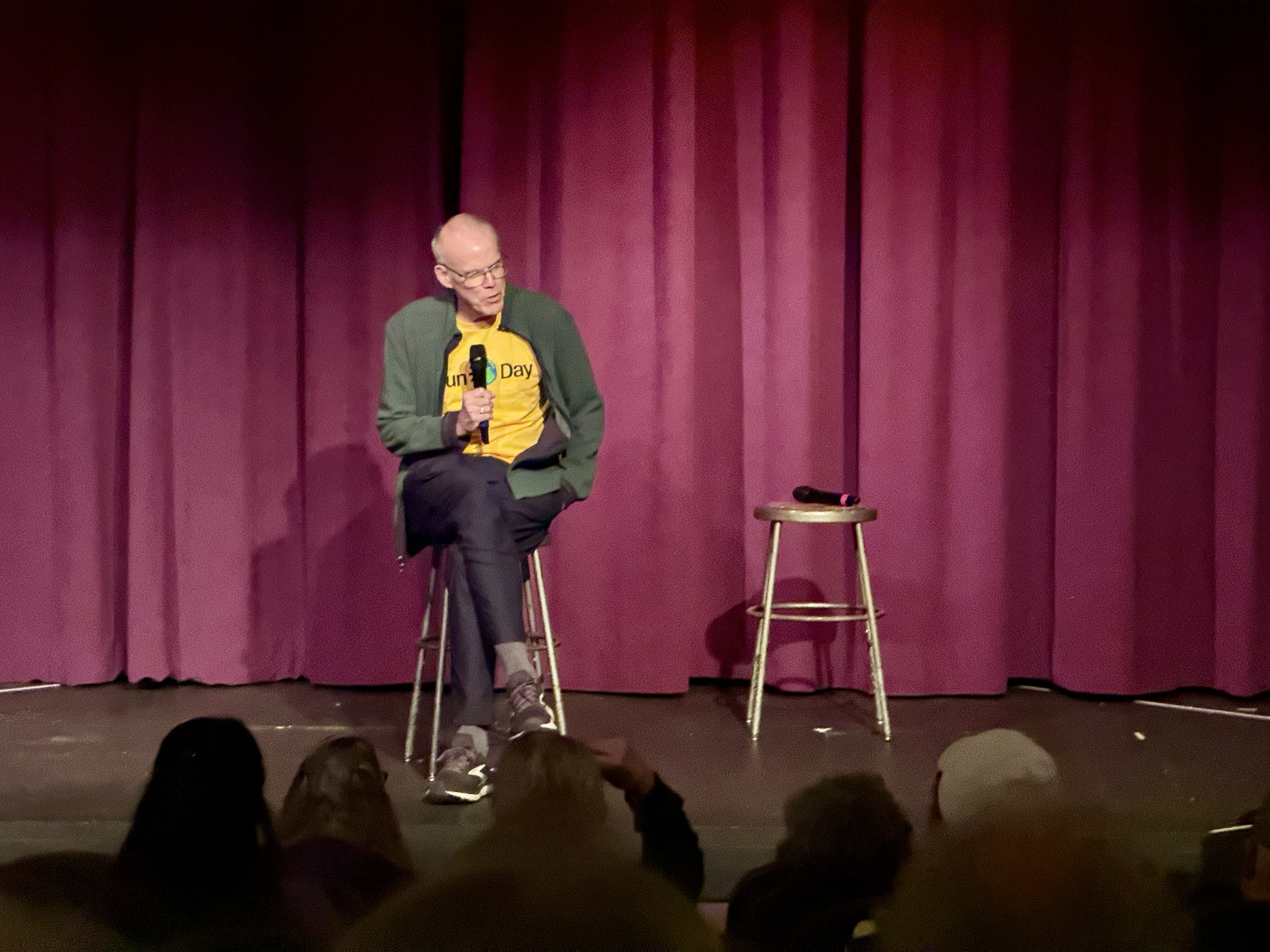
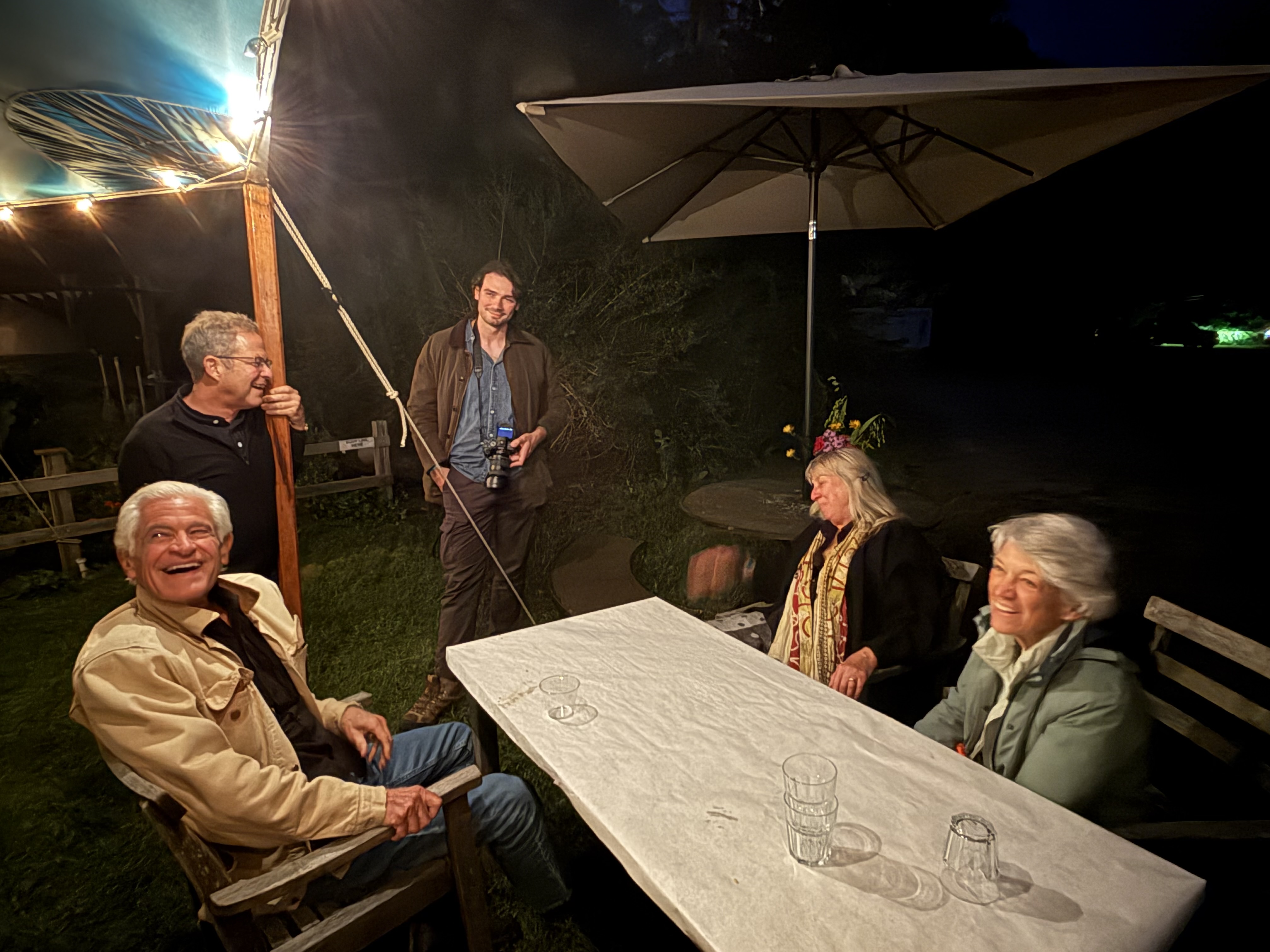
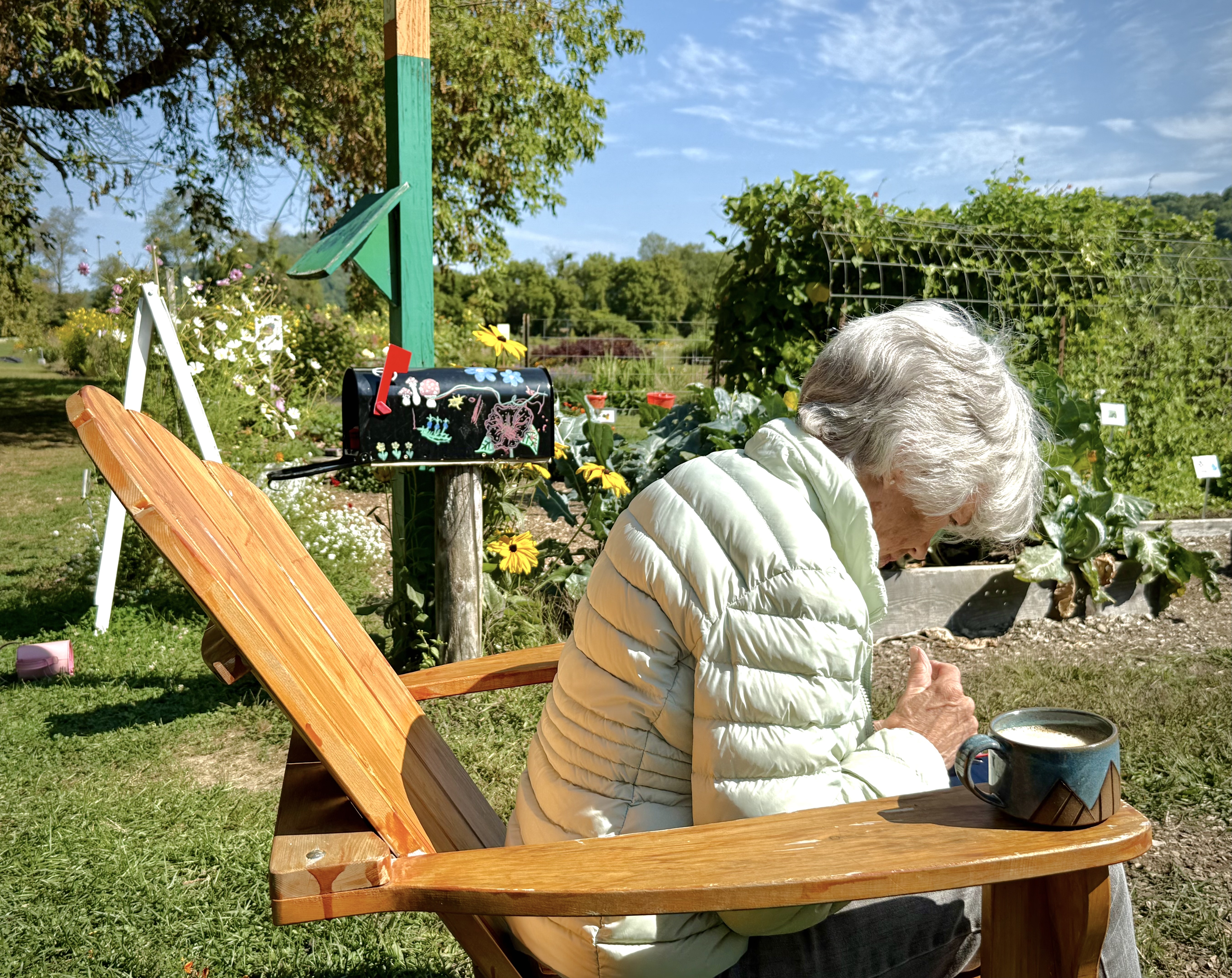
One of our urban friends could not understand what we do with our time in out-of-the-way rural Vermont. After all, we do stay in a cabin on a dirt road off a dirt road off a dirt road. But, perhaps surprisingly, our time is almost always occupied with Farm chores, hikes in the green forests, visiting family and friends, cooking meals, buying fresh corn at the local farm stand, staring at the stars, watching the clouds float by, and attending some of the large number of cultural events here in the Upper Valley of Vermont. One of those recent events was a lecture by environmental writer Bill McKibbon. His book The End of Nature was hugely influential, and he continues his work as a public activist in top outlets such as the New Yorker, the New York Times and the Atlantic. We spoke with him later at a dinner after his lecture. We also met our friends there including Jim Nachtway who is one of the great war photographers of our time. This rich cultural mix also includes thriving environmental centers and community supported organic farms such as Cedar Circle which has also become our go to place for a good cup of coffee.

Finally, I wanted to give a shout out to our son Walker. He continues his full-time creative and journalistic work for CBS News. He travels constantly for his job, but we do occasionally see his stories on the news and even sometimes see him in person when he returns to his home in San Francisco. He and his partner Rosa took a much-deserved vacation to Indonesia recently where they visited an increasingly rare healthy coral reef. Rosa, who is a certified scuba diver and Emmy Award winning filmmaker, took this beautiful photograph of Walker floating above the reef during Walker’s first dive. It is a remarkable image of hope and grandeur in our sadly troubled world.

Our next post will be sent from England. It seems like a good time to escape the current sour mood of our country. Hopefully, when we return in November, we will be reinvigorated to take on the challenges ahead. Talk to you soon…

3 Comments

Filed under Uncategorized

MAYBE WE CAN GET THROUGH THIS THING?

As we live through interesting times, I obsess on the news and vacillate between despair and hope. Despair is the easy part. We swim in a sea of terrible stories about Trump playing Godzilla destroying our government, our country and the world. Like the movie Godzilla, we are now living through the sequel that is even worse and more destructive than the original. But even Godzilla met a bad ending, and we can only hope that Trump will do the same. Recent milestones included Trump’s “Liberation” Day in which he attempted to destroy the world’s economy with his bizarre tariffs. We also marked his First 100 Days after which Trump’s poll numbers and the US economic system are now in free fall. But while we are in the middle of Trump’s American carnage, it is easy to give in to despair and give up on hope. I really believe that we are better than this.

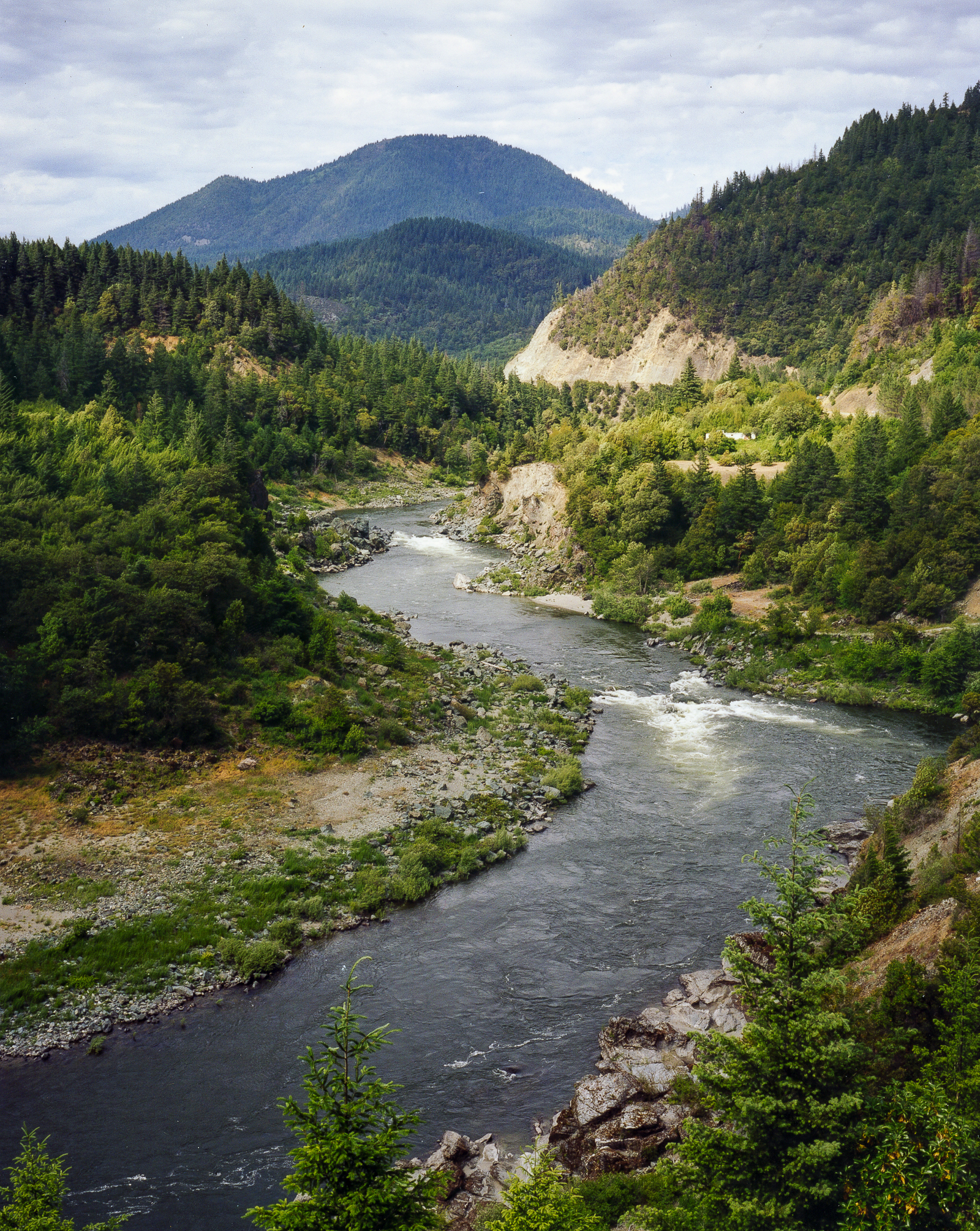
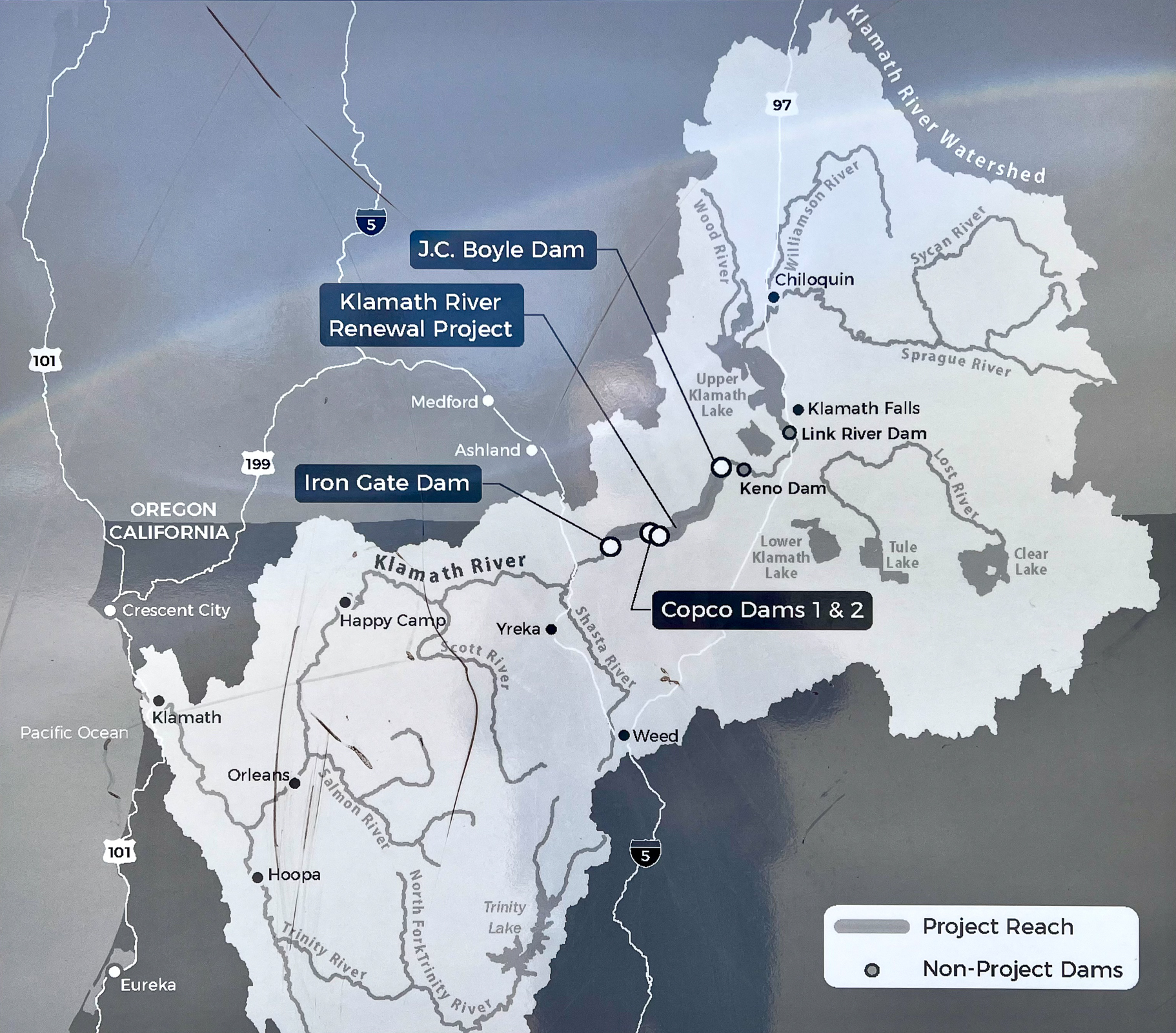
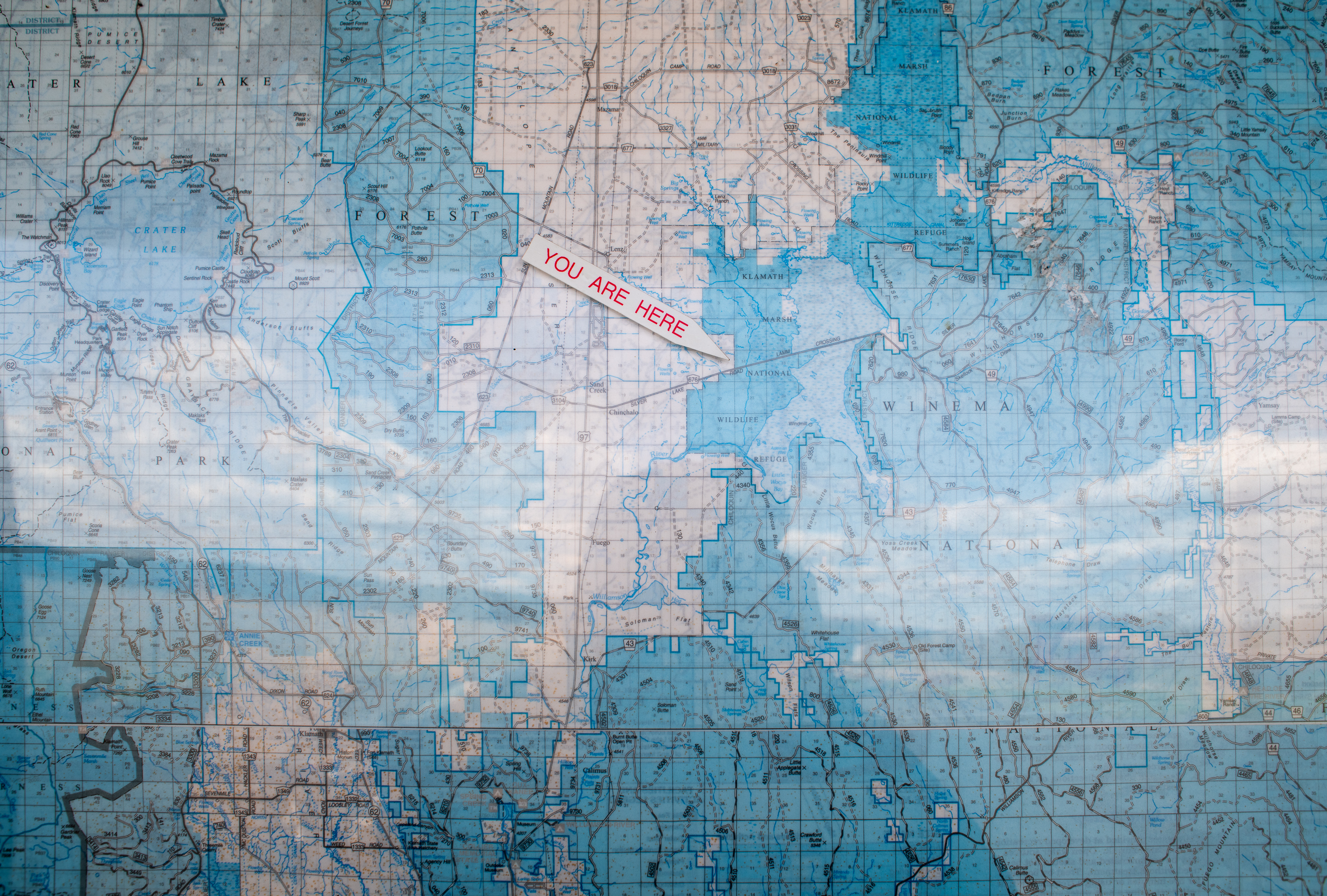
Another recent milestone was Earth Day which seemed to barely register in the news because of all the Trumpian noise. To celebrate Earth Day and hang on to hope, Ellen and I decided to visit one of the most important environmental success stories of our time, the Klamath River. The river flows between Oregon and Northern California, eventually emptying into the Pacific near Crescent City, CA.

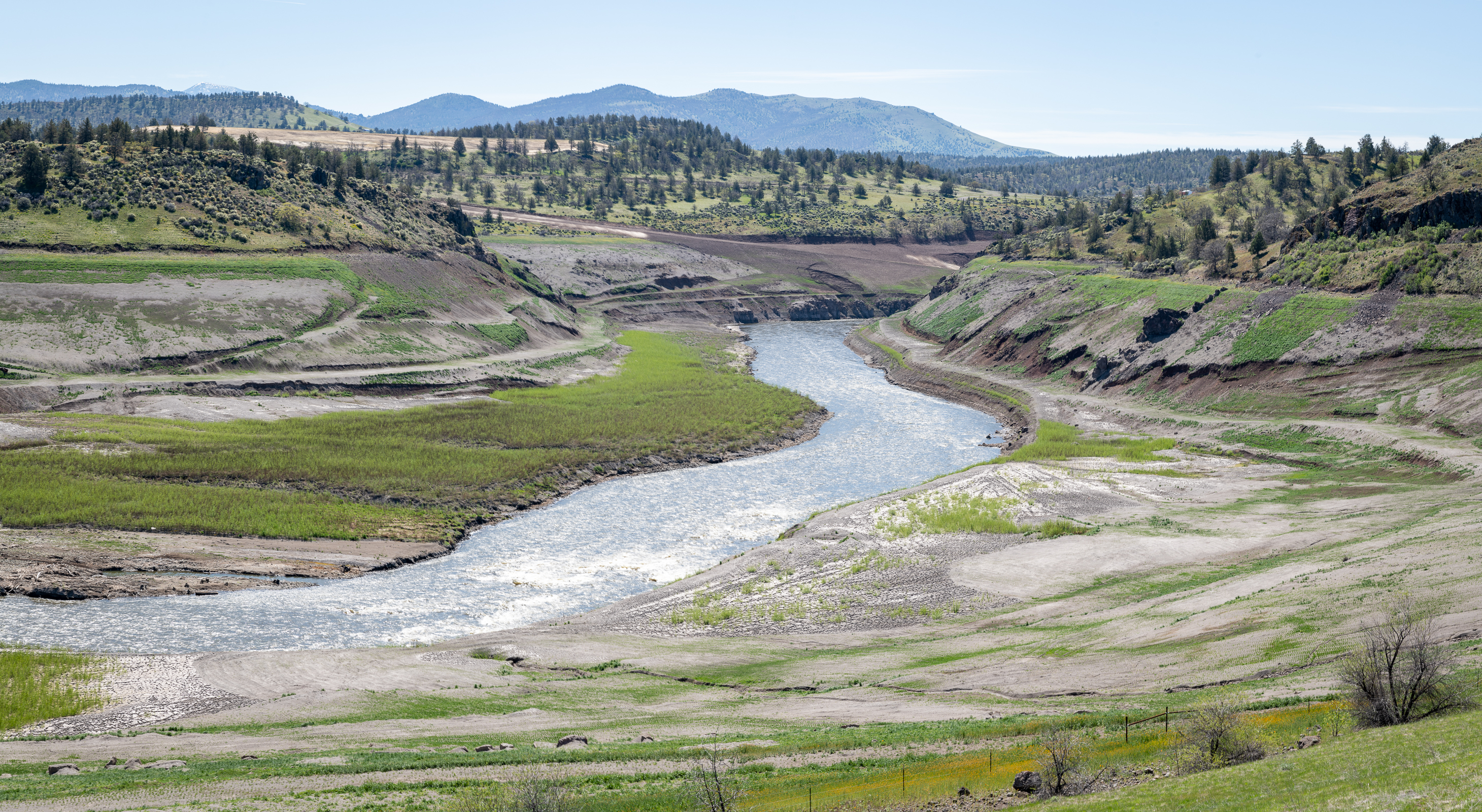
In the Fall of 2024, four dams on the Klamath were finally taken down, after almost 20 years of a fierce water war between the farmers upstream, the Native People downstream, conservation groups, local representatives and the utility company operating the dams. It restored nearly 400 miles of vital habitat for salmon and other species that are essential to the river’s ecosystem and the communities that depend on them. This let salmon migrate upstream for the first time in over 100 years and established new guidelines to achieve a compromise between agricultural needs and Native Tribes. This effort was the largest dam removal and river restoration project ever in the US. In October 2024, the first fall-run Chinook salmon was seen in the Upper Klamath Basin all the way upstream in Oregon.

We visited two of the former dam sites and were amazed by the change. Over 18 years ago I had photographed the entire length of the Klamath for the environmental group International Rivers. We witnessed the damage caused by the dams upstream. We also interviewed and photographed the Native People downstream that were struggling with the loss of the salmon that their people had depended on well into their distant past.

The fact that such a large and diverse group of people could finally come together over restoring the Klamath after so many years should be seen as something to celebrate. The restoration of the river not only affects the river and the people who live near it. It also affects a vast number of forests and marshlands such as the Klamath Marsh National Wildlife Refuge in Oregon and the Tule Lake National Wildlife Refuge in California which we visited. Even though Trump is trying to cut the money that is already allocated for restoration, much of the restoration work is locally funded and will continue despite the weirdo in the White House.

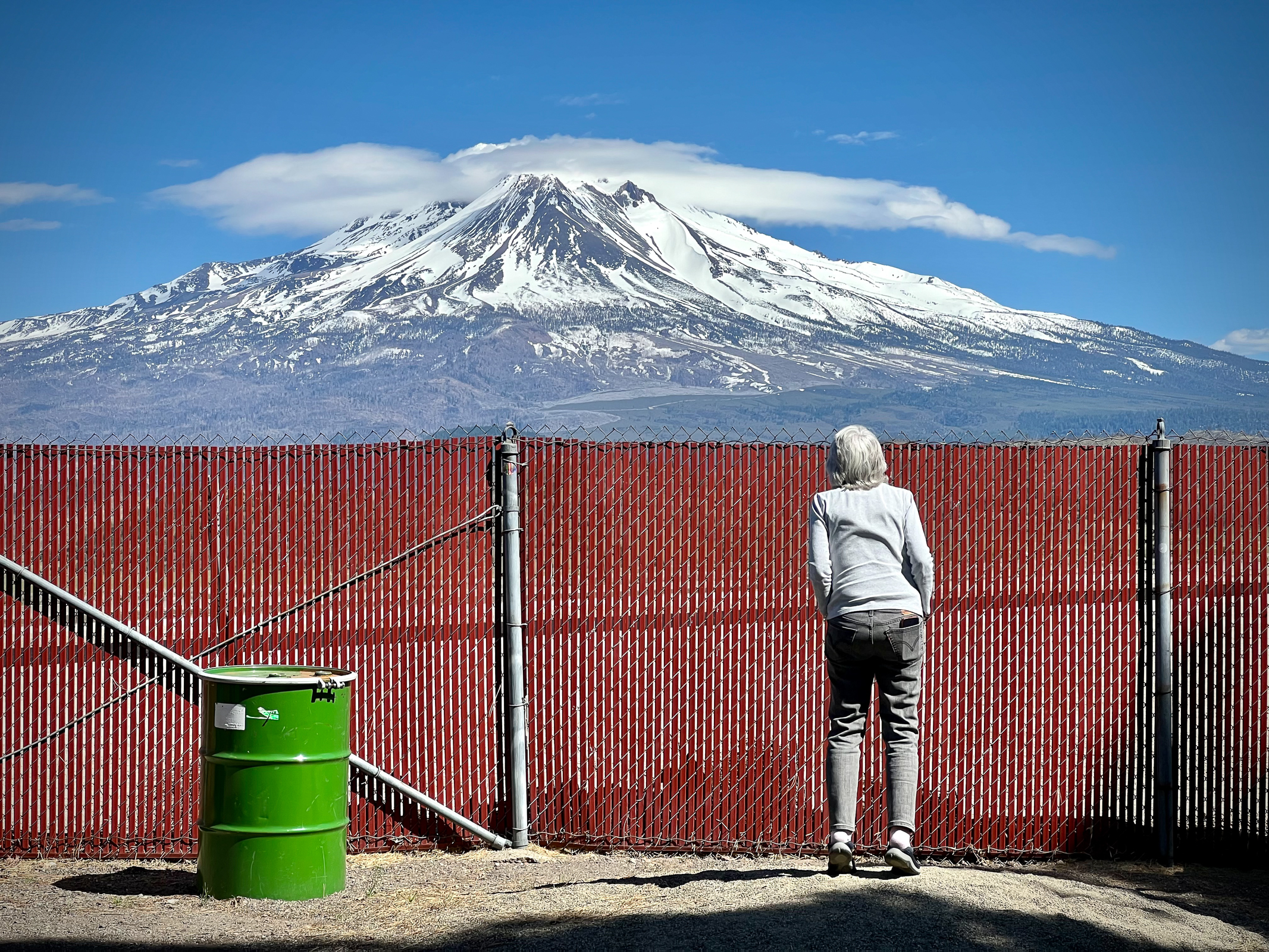
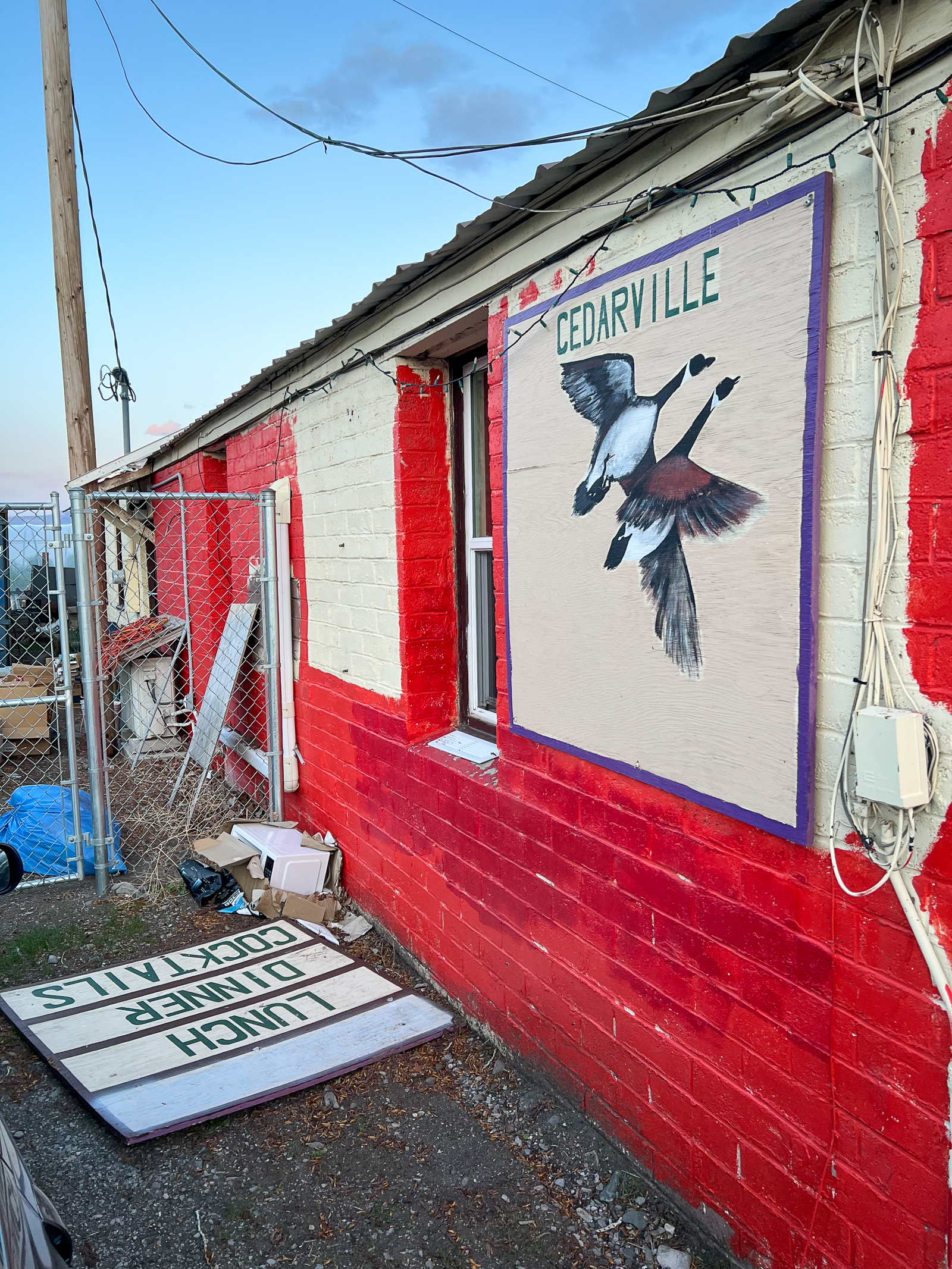
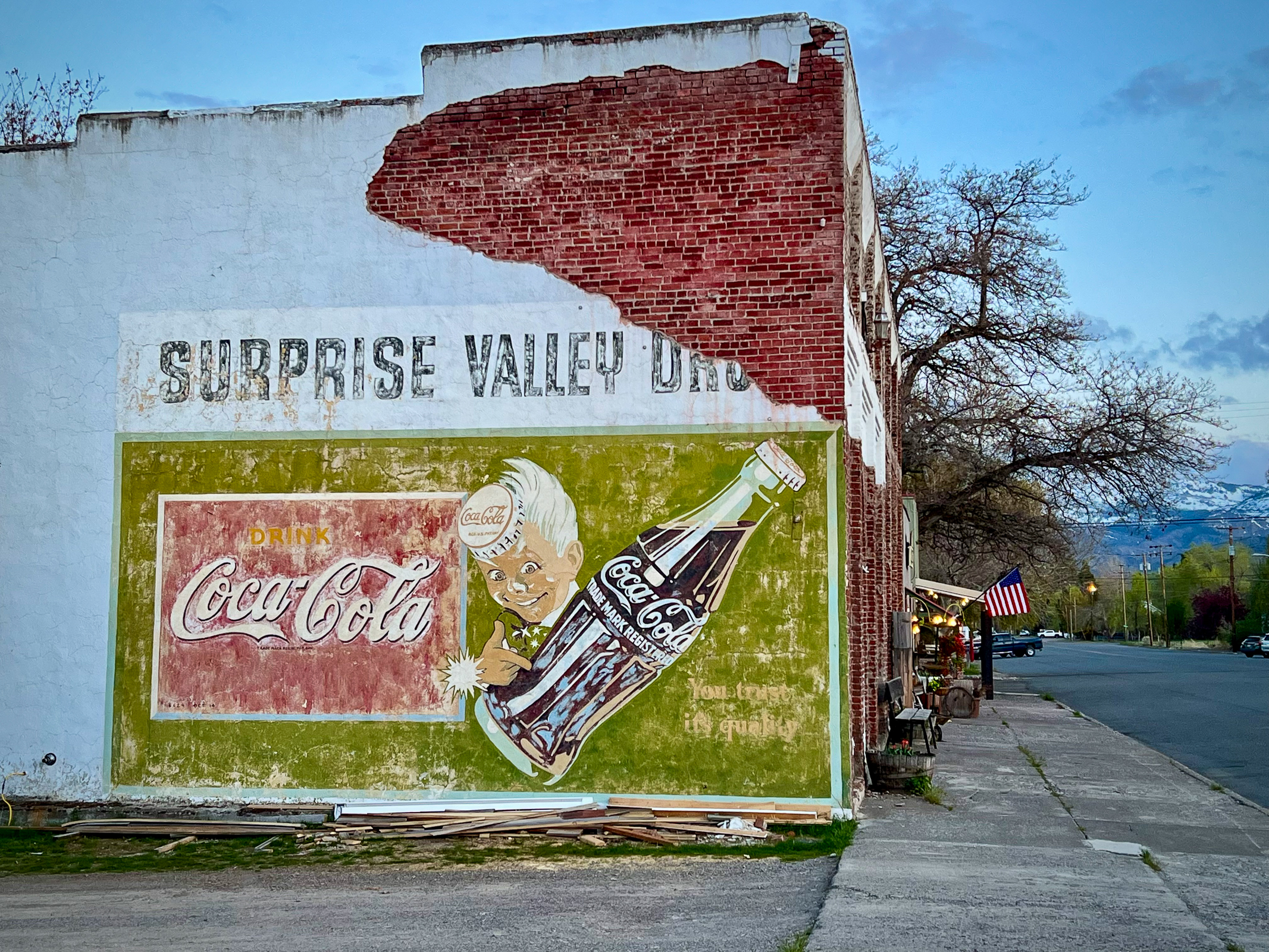
We left the Klamath River Watershed and eventually made our way over the snow-covered Warner Mountains into Cedarville, CA. This is an incredibly beautiful area with the mountains on one side and the vast Great Basin on the other. Located in the seldom visited northeastern corner of California, it feels unique, wonderfully isolated and separate from the rest of the state. When I wandered around the saloon where we had dinner, I noticed an enormous Trump flag with his image and the words “Fight, fight, fight”. I knew I wasn’t in San Francisco anymore and hoped the people who put up the flag don’t get run over by Trump’s madness in the next four years.

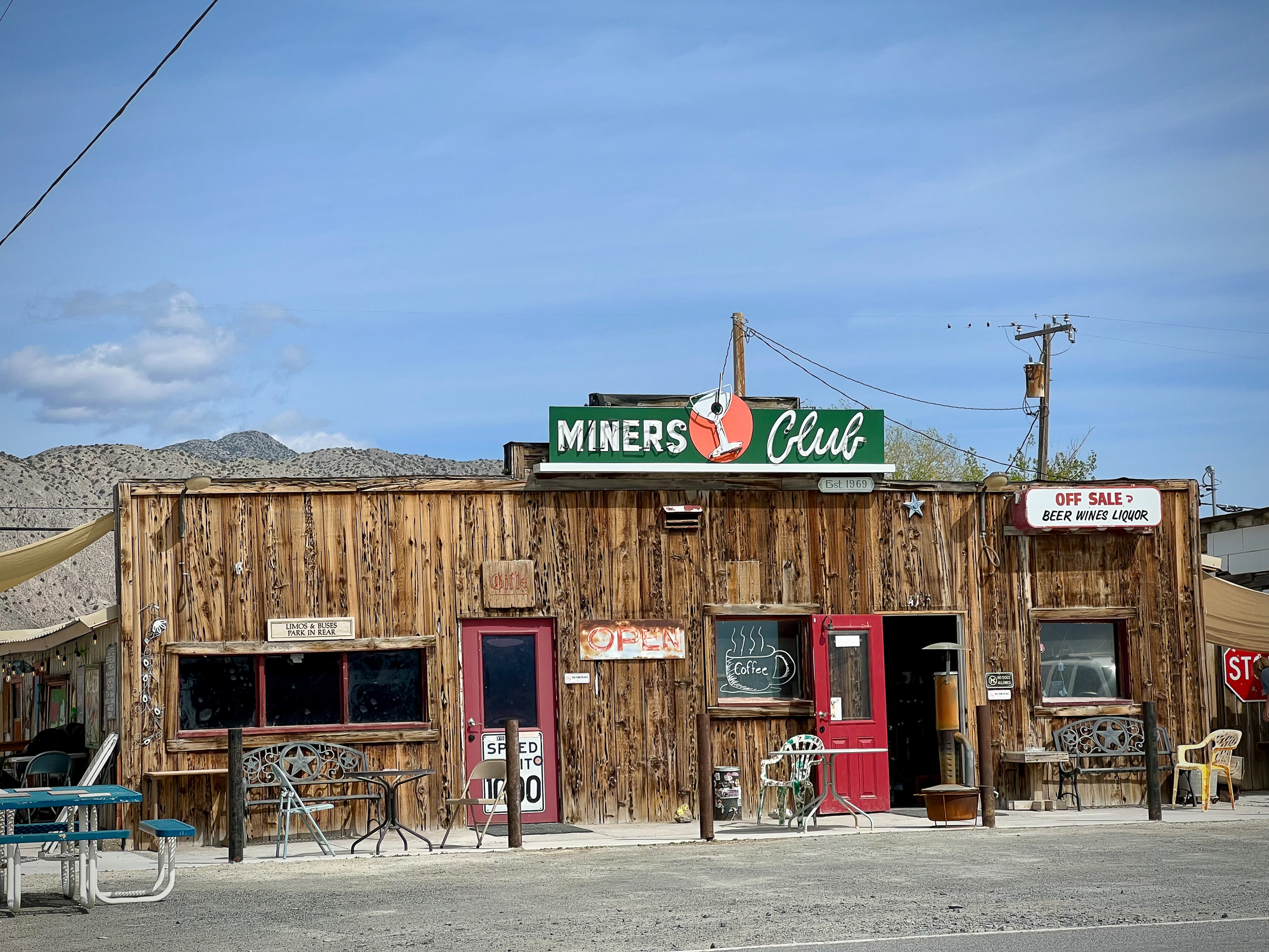
The next day we were fortunate to be able to drive through northwestern Nevada on one of the most remote roads in the country. After hours of endless sage brush and Basin and Range country we landed in Gerlach, NV. It’s claim to fame is that once a year it is home to the nearby Burning Man bacchanal in the Black Rock Desert. I am sure the locals love the money that comes with the revelers but probably wonder about their sanity.

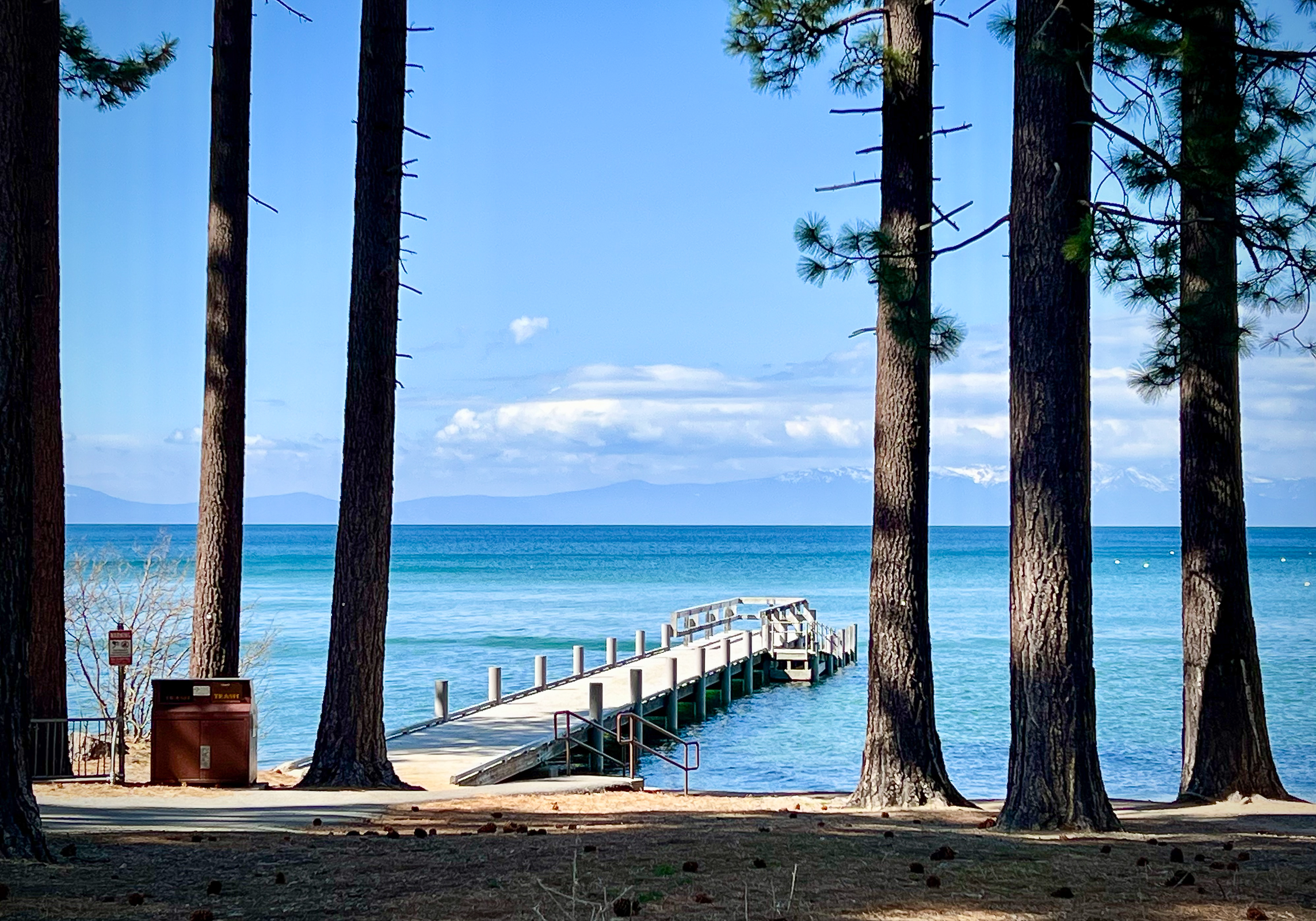
After brief meeting in Reno, ended the day at our favorite place to stay, Camp Richardson’s in South Lake Tahoe, CA. We have been regularly coming here for over 30 years and think of it as a special place to just chill out. When we are here, we mostly hike, drink coffee, sleep and then get up and do it again the next day.

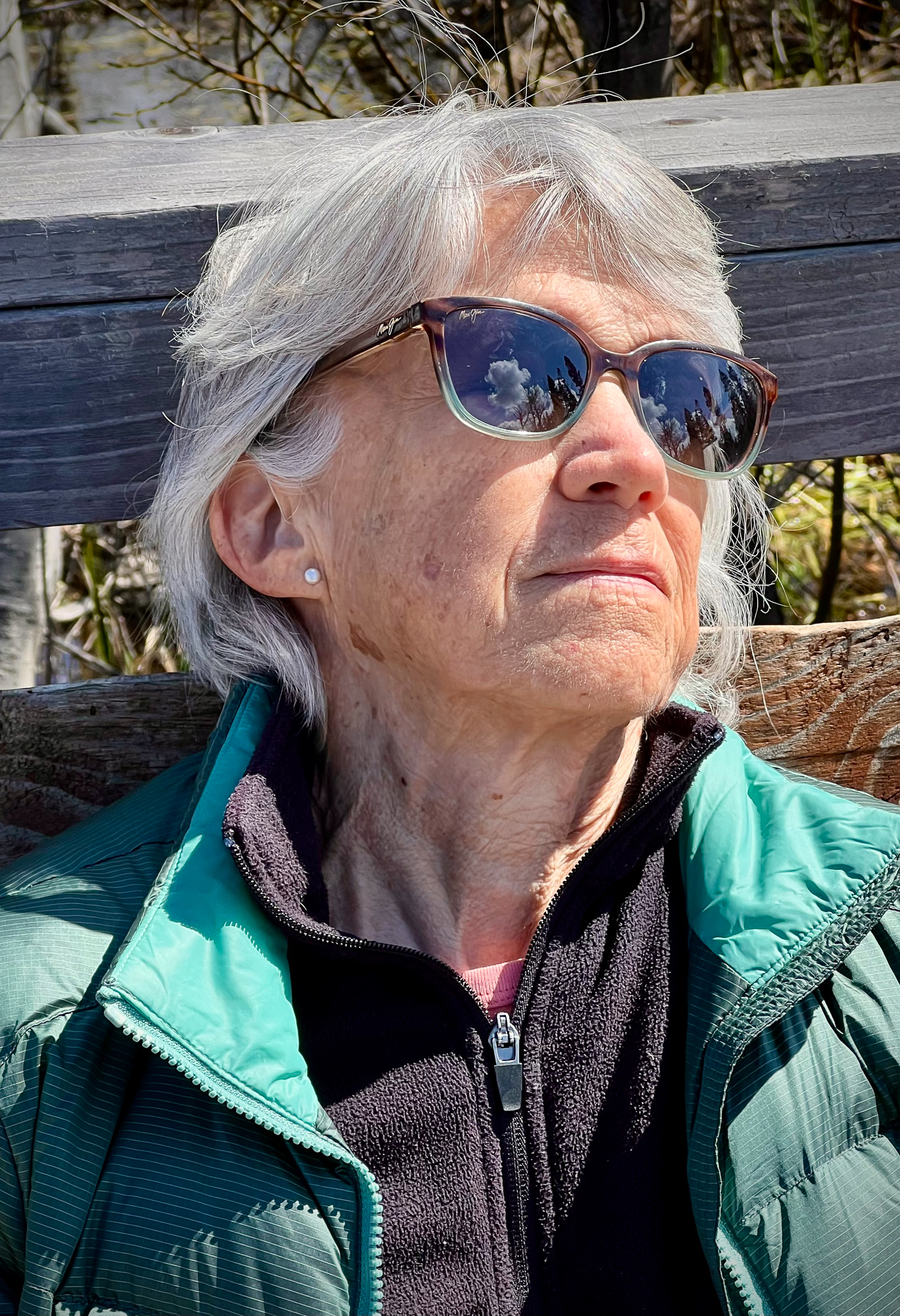
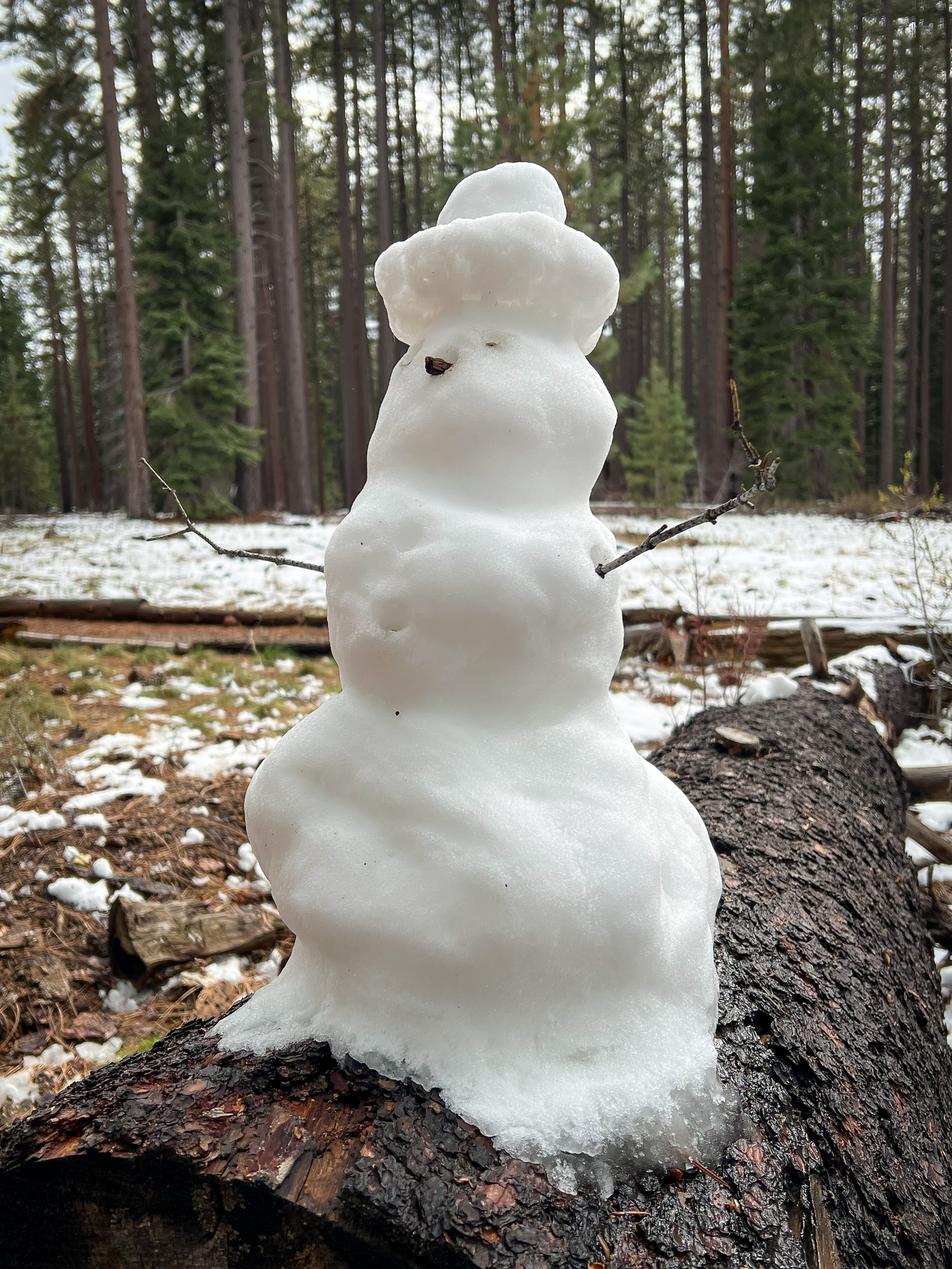
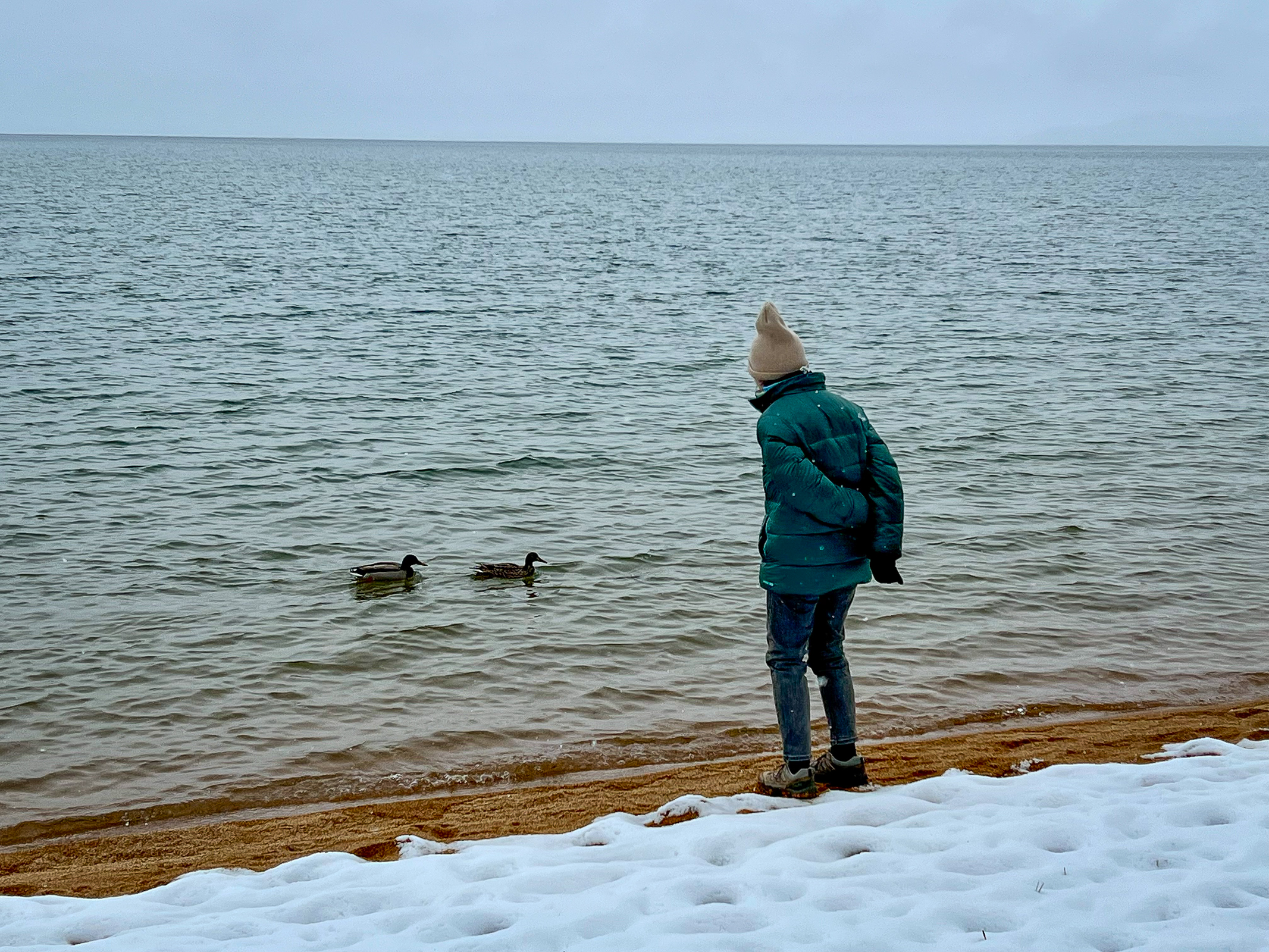
On the second and third days here, it snowed! It was just a little but enough to make it magical (and cold). Hiking in the thin crust of snow wasn’t hard and the chilled air was really invigorating, especially in the High Sierra. We hiked many of our favorite trails to many of the unique places in the Tahoe Basin. Being here is like a giant reset and we savored the solace of nature and the vast open space of Lake Tahoe.

Fortunately, our last day of driving back to San Francisco was glorious! As always, we were sad to leave. But we really needed a chance take a deep rest before plunging back into resisting the attempted take-over of our government by a looney lunatic.  When we got home, it was interesting to watch a re-run of the classic Western called High Noon with Gary Cooper. It was made in the early 1950s during the time of the Red Scare and Senator Joseph McCarthy. The Hollywood Blacklist affected this movie as the screenwriter had to escape to England. Cooper’s character became iconic as a symbol of an honest Marshall standing up to the outlaw banditos that wanted to kill him and take over the town. The movie image of Cooper became a part of the famous Solidarity campaign in 1989 when they sought to overthrow the Russian Soviet government that had come to repress Poland after WWII.

Perhaps we need to revise this image for our own time as we are learning how to stand in solidarity against a new dictatorship in the White House.

3 Comments

Filed under Uncategorized