

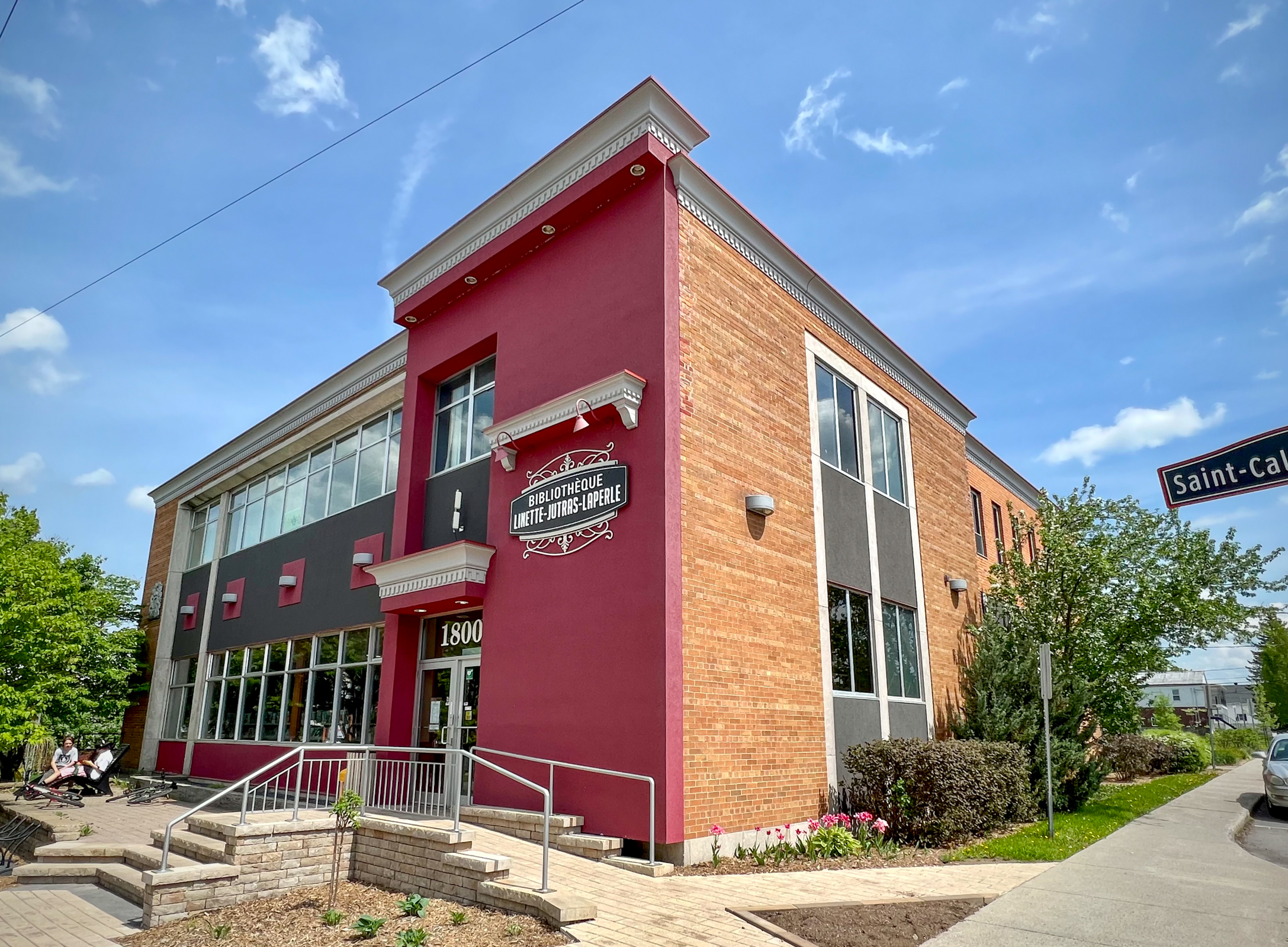
After years of hauling our son Walker along on our travels around the American West and other parts of the world, Walker is now hauling his dad along on some of his journalism assignments. Last February, we went to frickin’ cold northern Manitoba in search of wild pigs. On this trip, we headed to the wilds of rural Québec in search of maple syrup cartels. It was fascinating for me to tag along and, of course, I photographed a few Canadian libraries along the way.
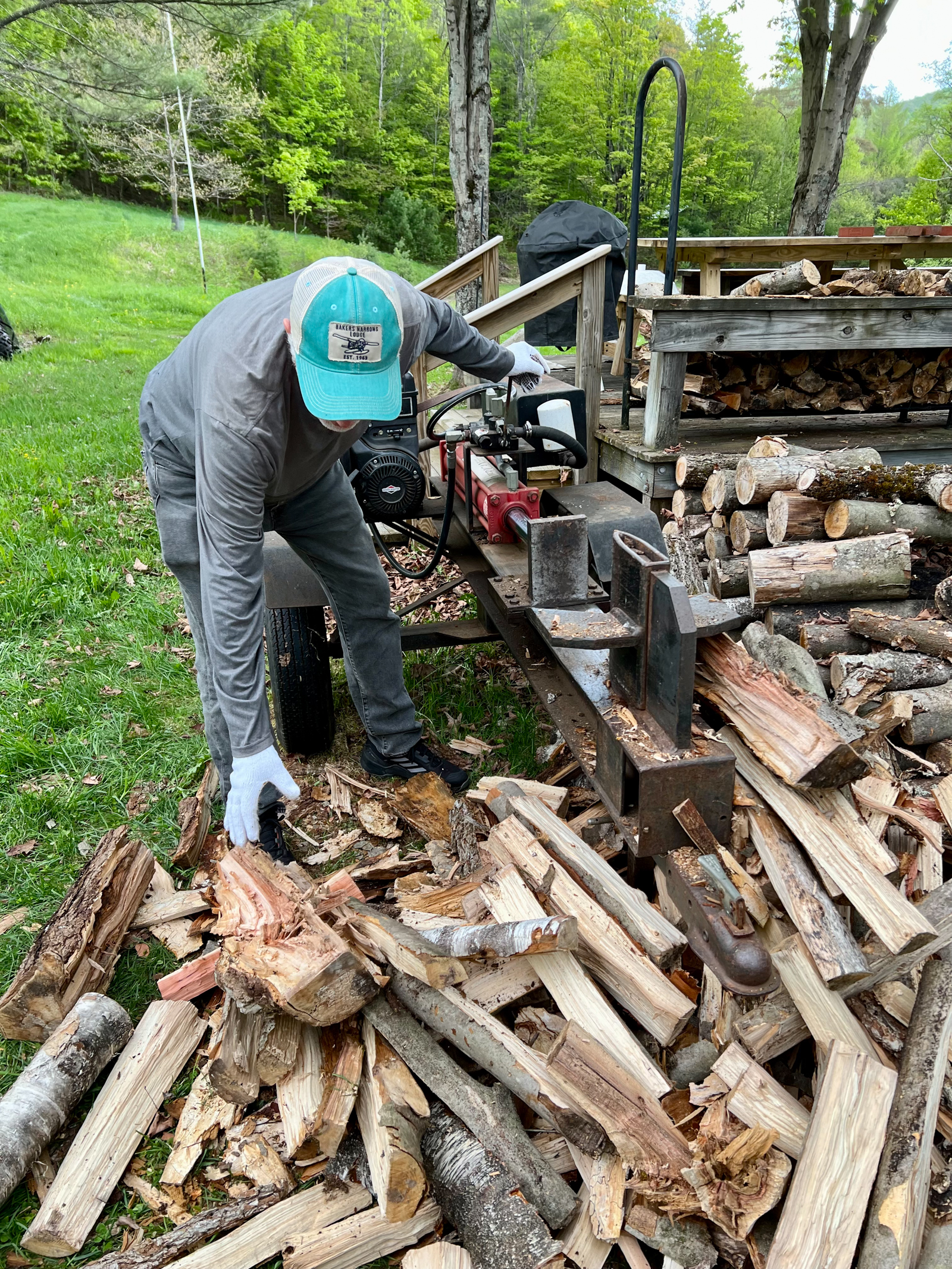
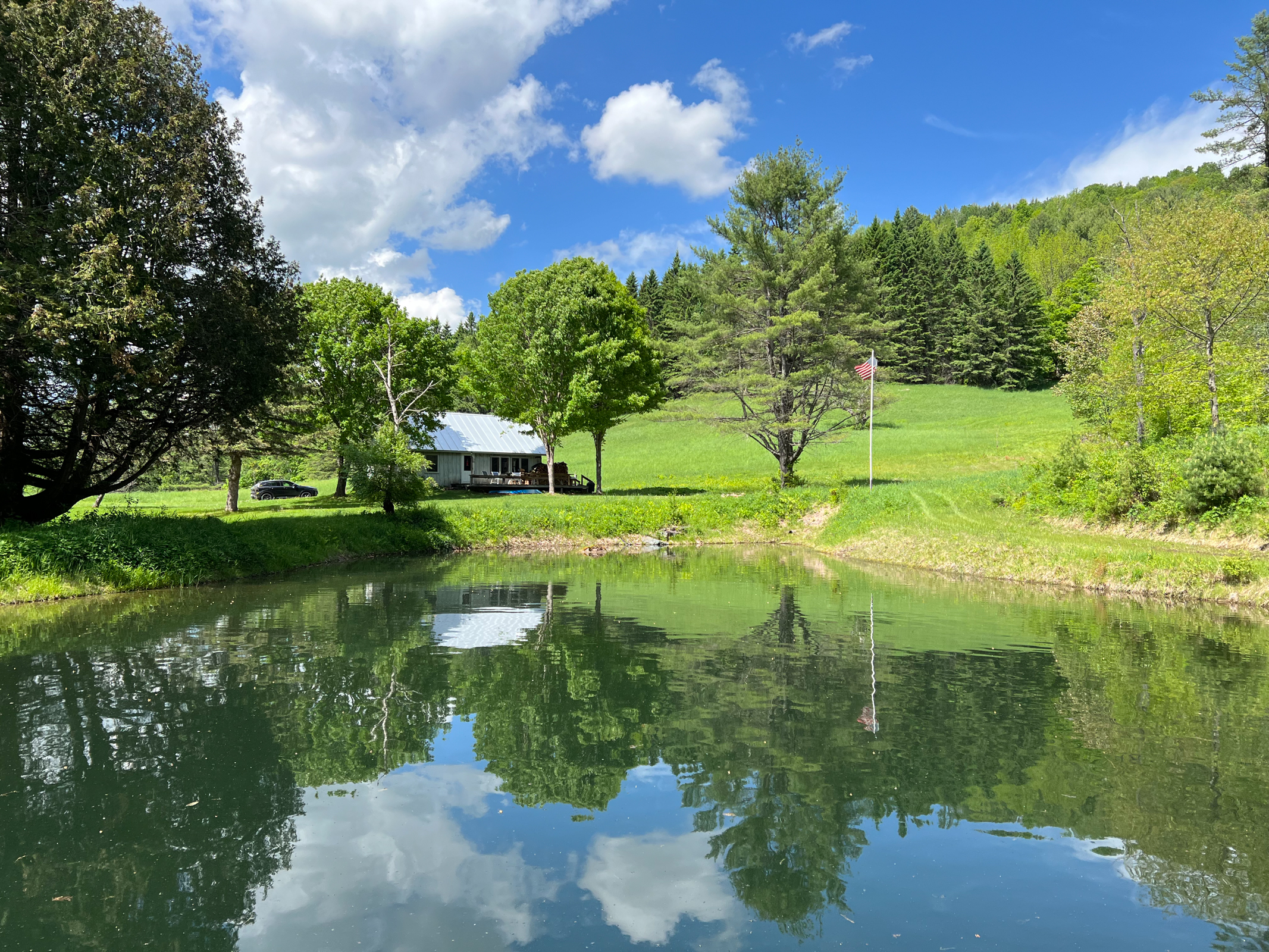
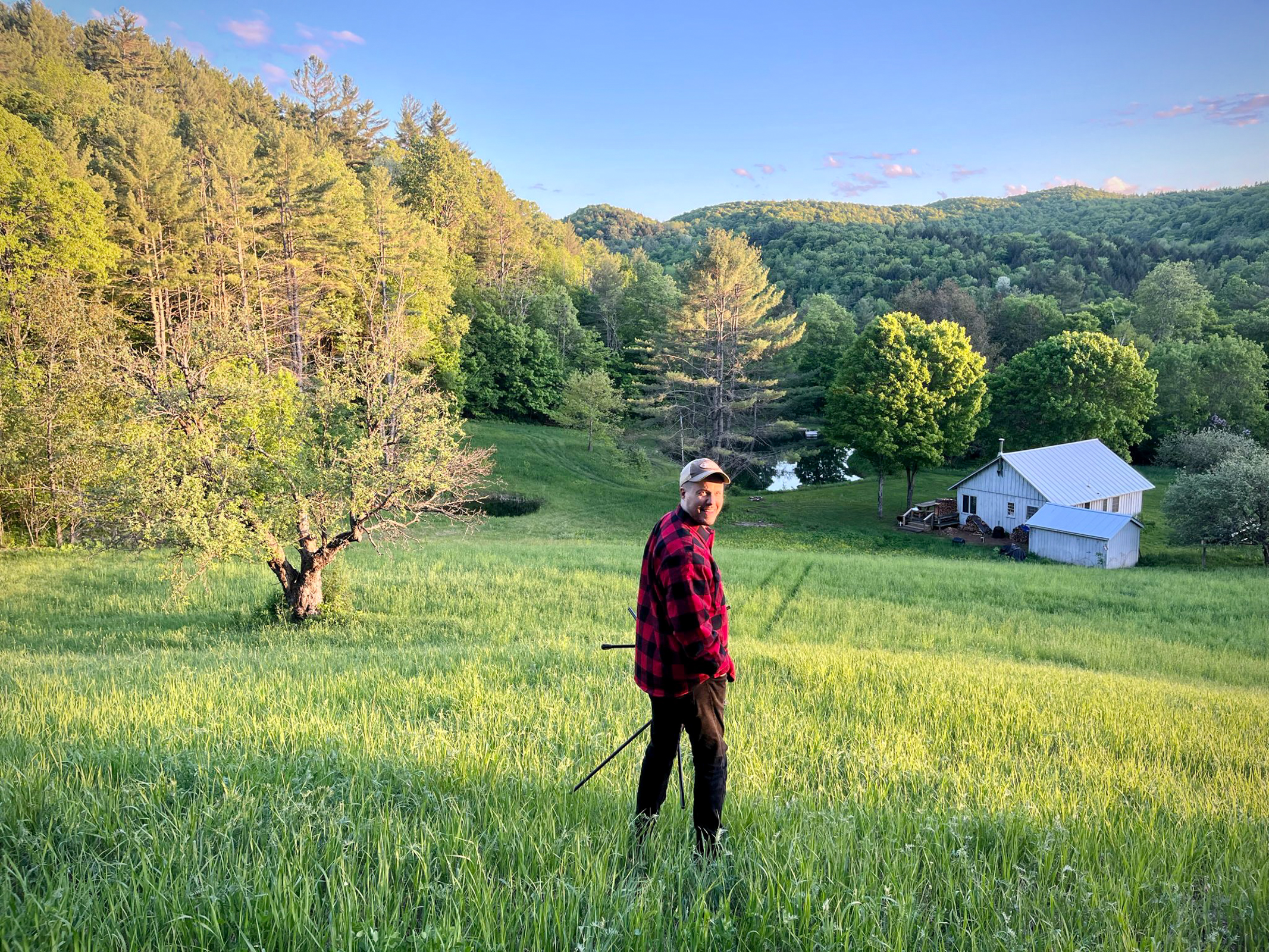
We share a small cabin and some land in rural Vermont with Ellen’s sister Martha and brother John. One of the rituals of rural New England this time of year is opening summer camps like ours. Clean out the bugs, turn on the water, mow the lawn, vacuum, make the beds, and generally make the place habitable for the families that share this place. Everyone took a chore and went to work. My assignment was cutting a huge pile of wood from last year that will be used in the Fall when things start to get cold again. With our nephew Bart and Walker, we set up an assembly line of cutting, tossing and stacking. I began to understand why Abraham Lincoln was such a great President as I blissfully spent most of the afternoon splitting logs.


After a little work and a lot of fun, we all went our separate ways with Ellen going back to Boston with her sister and Walker and I heading north on assignment to Montreal, Canada. This is one of our favorite Canadian cities and though it seems a world apart, it is only 2 ½ hour drive from our place in Vermont. Miraculously, Walker was able to get us a seat at the world-famous restaurant Au Pied de Conchon (The Foot of the Pig). It is modeled after a Canadian maple syrup sugar shack but is actually a high-end, hipster phenomenon. Anthony Bourdain did one of his episodes here and declared it was his favorite restaurant in the world. Walker showed me the video where he literally eats himself into oblivion and almost passes out on the table. We could relate as the heavy French-Canadian food was so good that we couldn’t stop. Our favorite was the Duck in a Can but afterwards we vowed to go on a fast.


Our next day was a holiday called Victoria Day throughout Canada but is called Patriots Day in Québec. Everything was closed and Walker was not able to get an appointment for interviews. So, we focused on small-town libraries throughout the area. This included some with stunning architecture but many that were plain or weird that reflected some of the poverty in this part of the country. My favorite was in the oddly named small town of Tring-Jonction called Bibliothèque Livres-en-train which was in an old train station.


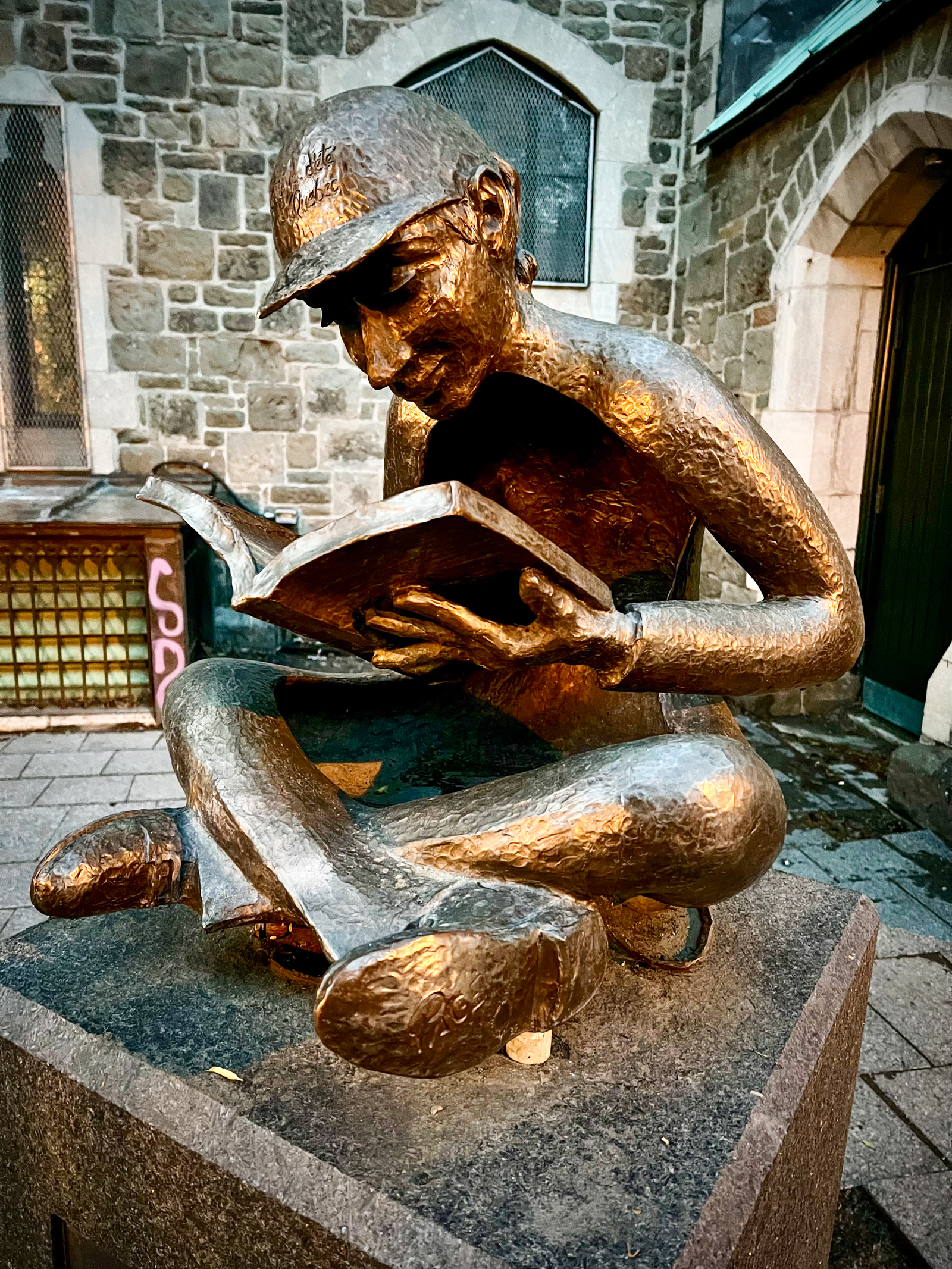
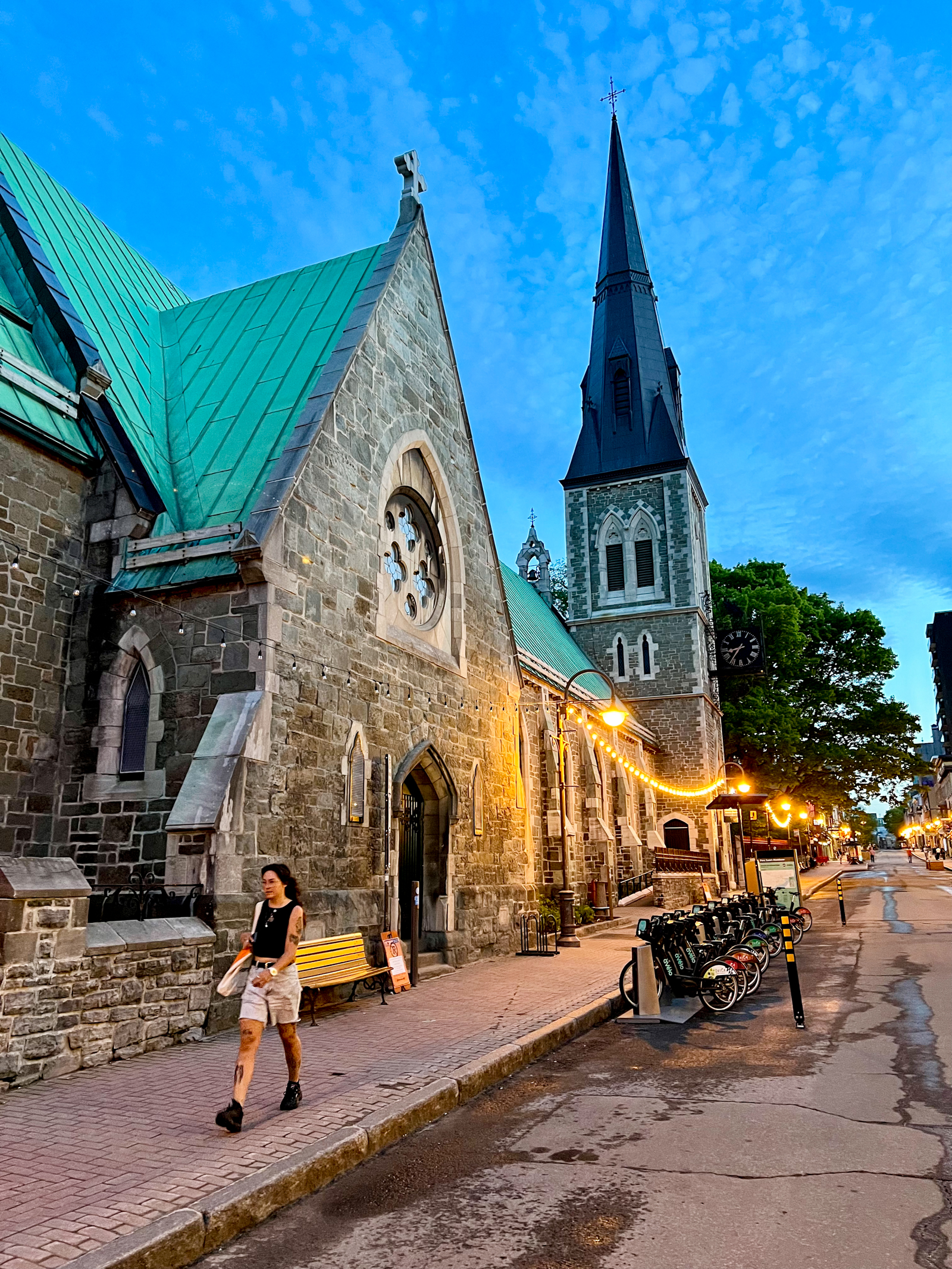
When we arrived in Québec City, we headed straight to the famous Plains of Abraham in the old fort on the edge of old city. Here, the course of history was altered in 1759 when the British Army defeated the French in a battle that changed Canada from a French colony to a country governed by the English for hundreds of years. It wasn’t until the 1960s that the French Canadians were finally able to break the English Canadian domination and create their own country-within-a-country called Québec. It was fascinating to be in this spot where history was made, and we thought a lot about the consequences.

We walked off another fabulous French-Canadian meal by hiking over six miles throughout the 416-year-old city of Québec. There is nothing quite like this marvel anywhere else in Canada or the US. It is a walled-mideval town that was plopped into North America and still retains some of its ancient European ways. It was nice to revisit some of the old libraries such as the Bibliothèque Claire-Martin that Ellen and I had photographed earlier as well as discover new libraries on our hike such as the modern Bibliothèque Gabrielle-Roy.


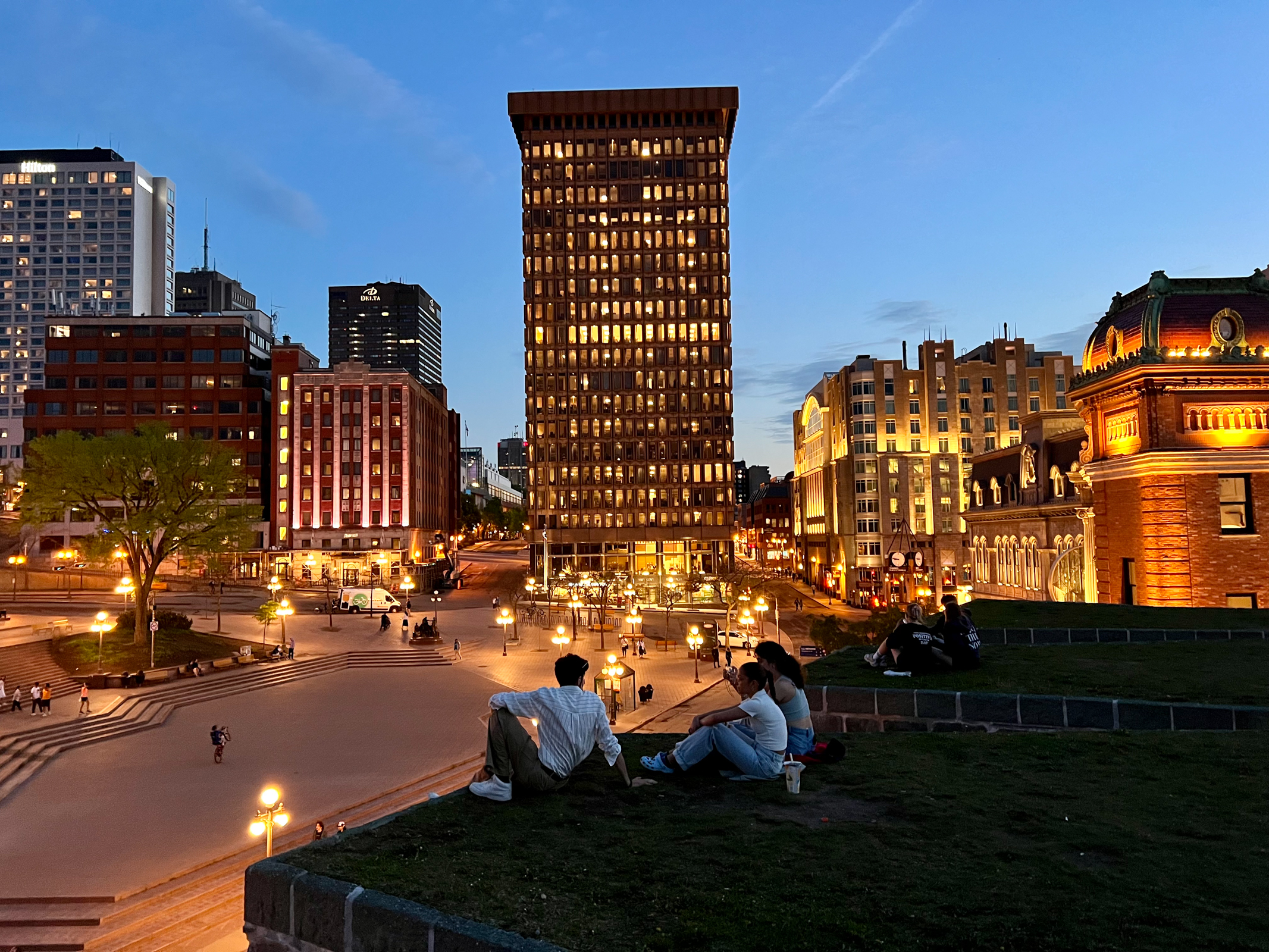
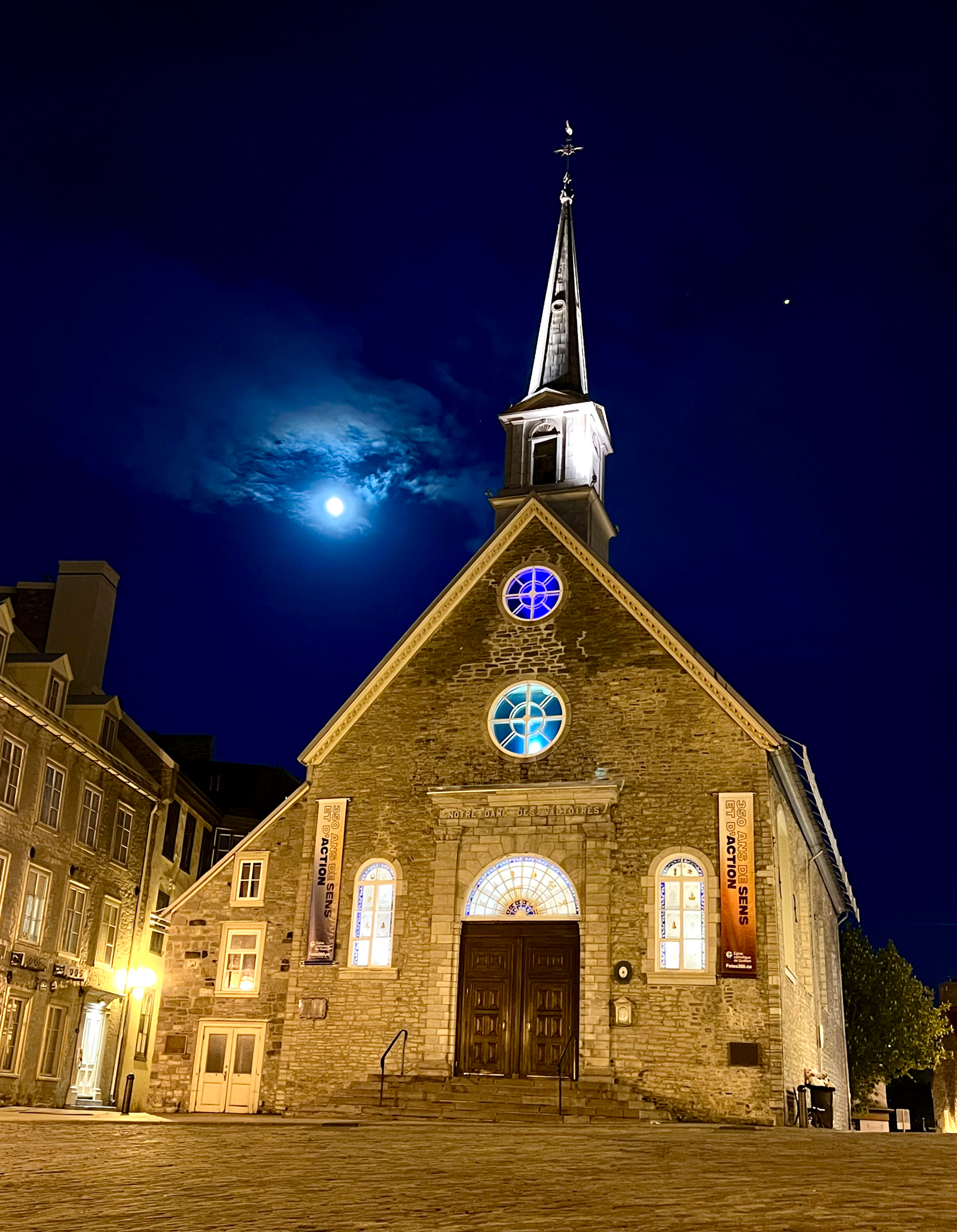


In addition to libraries, we wanted to explore the maple sugar industry in Québec. Earlier we had seen a pretty good 2017 Netflix film called “The Maple Syrup Heist”. It tells the complicated story of the Québec maple syrup cartel and some of the producers and activists that were fighting it. We spent the next day traveling around southeastern Québec interviewing some of the stars of this documentary film including the activist Angèle Grenier and her lawyer Hans Mercier. She was the public face of the movement against the cartel but ultimately, they lost and some people like Angèle continue to pay heavy fines. We spent the night in the mid-sized town of Saint-Georges. This is a very conservative part of Québec and most of the people here speak little or no English.


Early the next day, we headed back to the USA to the tiny, quirky border town of Jackman, Maine. Finishing up his research on maple syrup, Walker investigated another final aspect of the story. Many maple syrup producers have given up on the restrictions in Québec and have set up tree farms in the US where they claim to be better able to make a living. It is hard to tell who is right in this complicated story, but many of the people we spoke with longed to move to the United States and take advantage of the opportunities available here. It is a lesson to consider for all of us that sometimes take our country for granted.


At this point we faced what I call the Gaspé dilemma. We had planned to drive from Maine up to the Gaspé Peninsula where the mighty St. Lawrence River meets the North Atlantic Ocean. At this time, unfortunately, the weather was still cold, windy and rainy. Also, the tourist season had not quite started yet and most everything was still closed. It is a spectacular part of North America and we both had always wanted to go there but now was not a good time. We had three days extra days, and our dilemma was where to go next.
After weighing the options of all the fascinating places to go, we decided that three days back at our cabin in the woods in Vermont would be the best! What surprised us in doing nothing at the Farm, was that the place came alive. We slept, ate, hiked, mapped the forest and trails, talked, visited with John and his wife Kate, and basically relaxed. This was especially important for Walker whose hard-charging career as a journalist can sometimes be exhausting.


On our final day in New England, we visited four National Historic Sites. The history of this area is so foundational to our country and the National Park Service usually does a good job of interpreting what we are seeing in these sites. The Lowell National Historic Park is really an examination of the American Industrial Revolution and Lowell’s history as America’s first industrial city. In thoughtful, well-done displays it examined what it was like working in the mills, the history of labor in this industry, the connection between the cotton mills and cotton plantation slavery in the South, immigration to Lowell, technological innovation, and the prosperity and decline of the area.
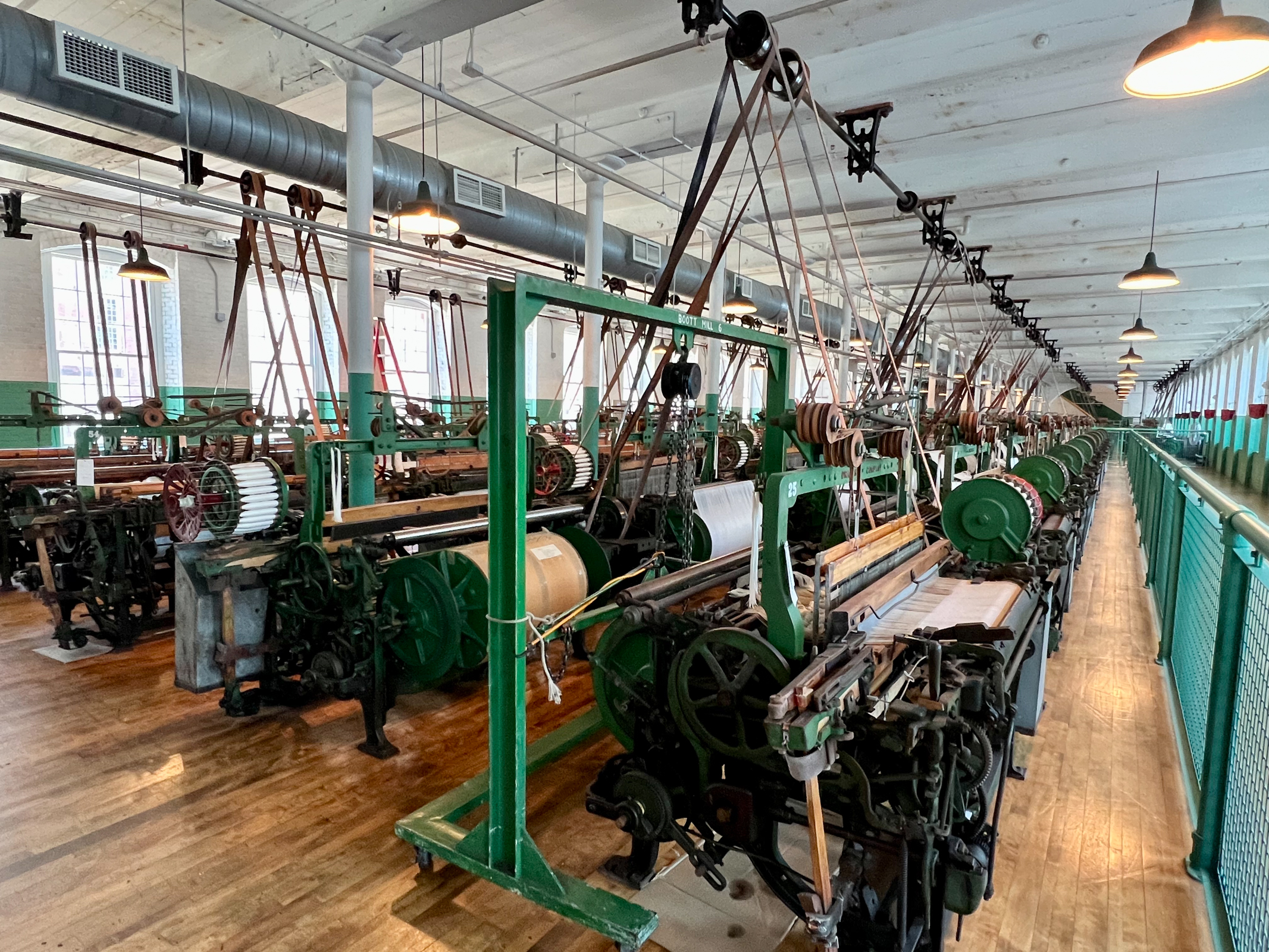
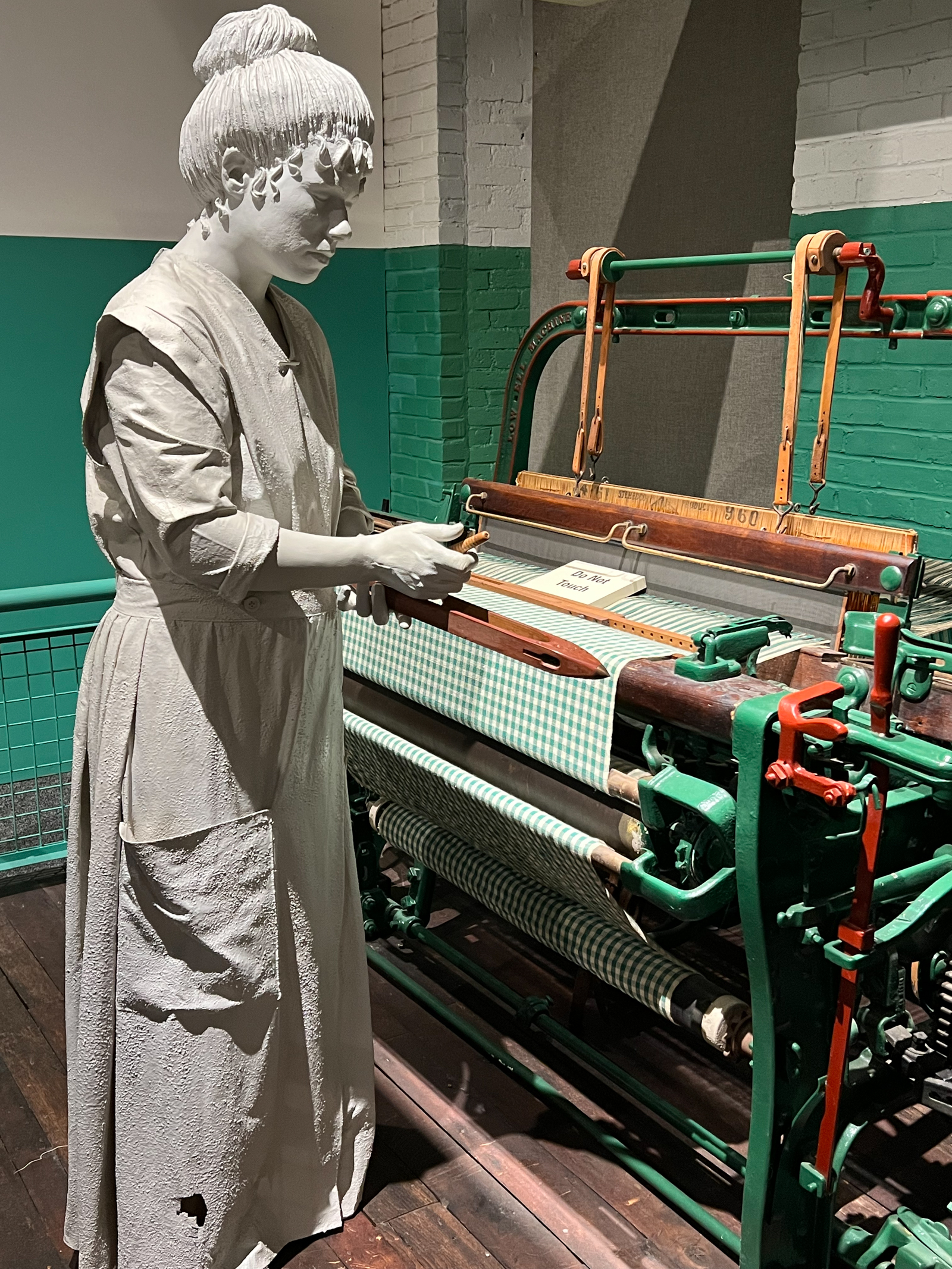
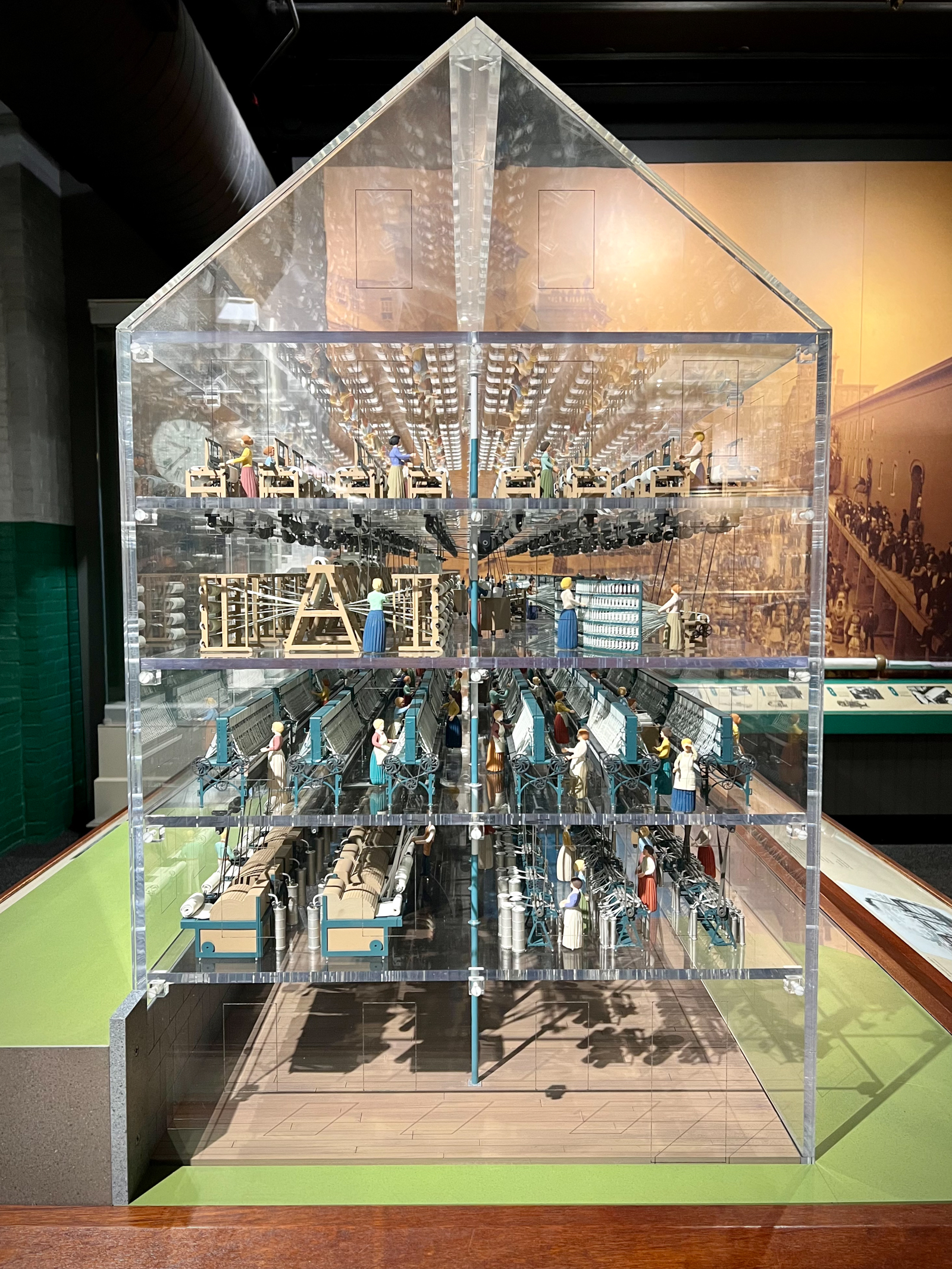
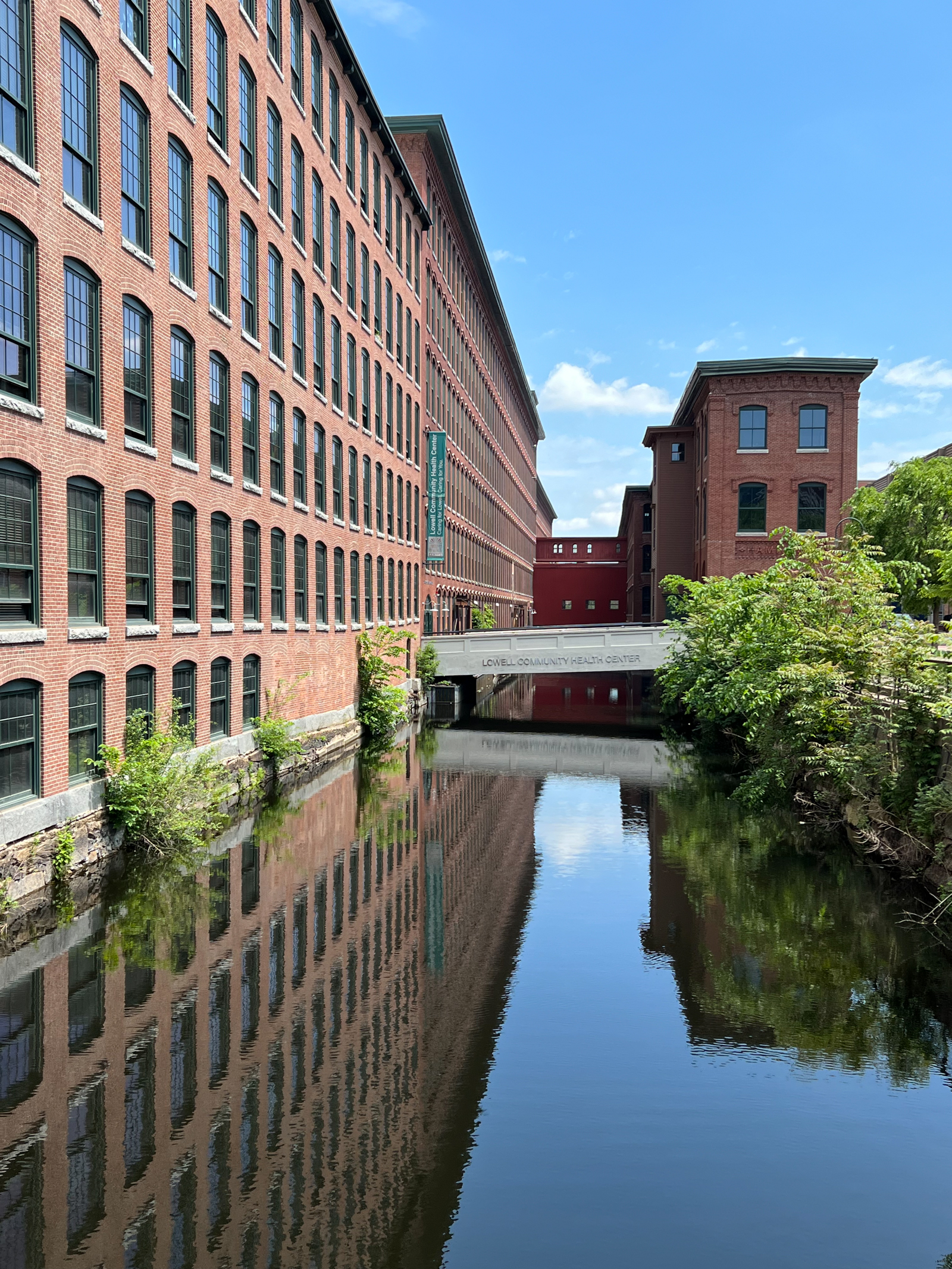
After the mills closed, the economy of Lowell crashed, and it became a post-industrial wasteland. The National Park Service and the local, state and federal governments initiated a heroic effort to revive Lowell. It is still a work in progress. At the wonderful public library was a monument to the Laotian refugees that flooded the area after the Vietnam war and became the next wave of new immigrants to the area. It was wonderful to see in a coffee shop in an old mill a southeast Asian man and an Anglo woman singing bluegrass to the urban pioneer families that are trying to breathe new life into this old town.


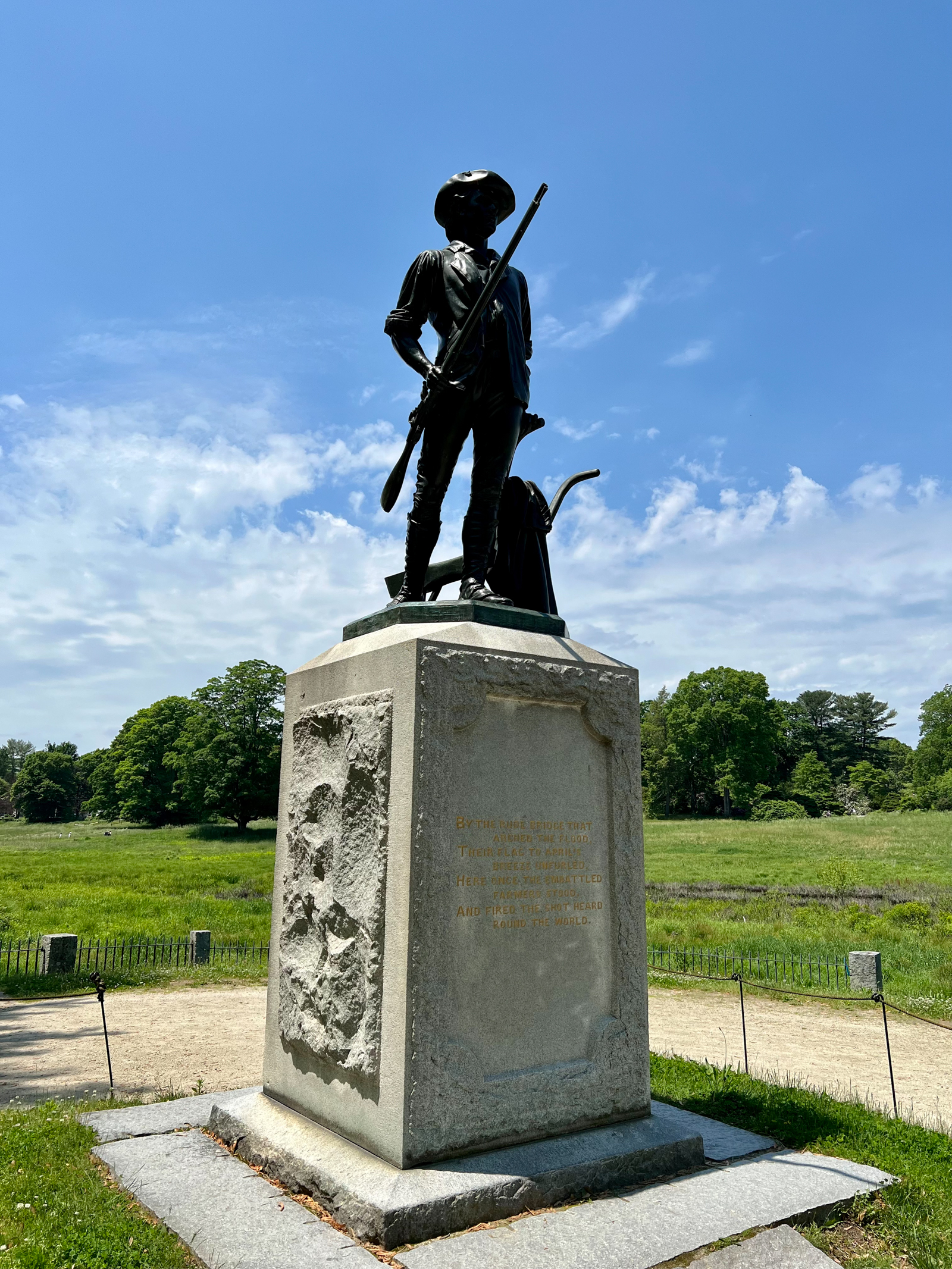
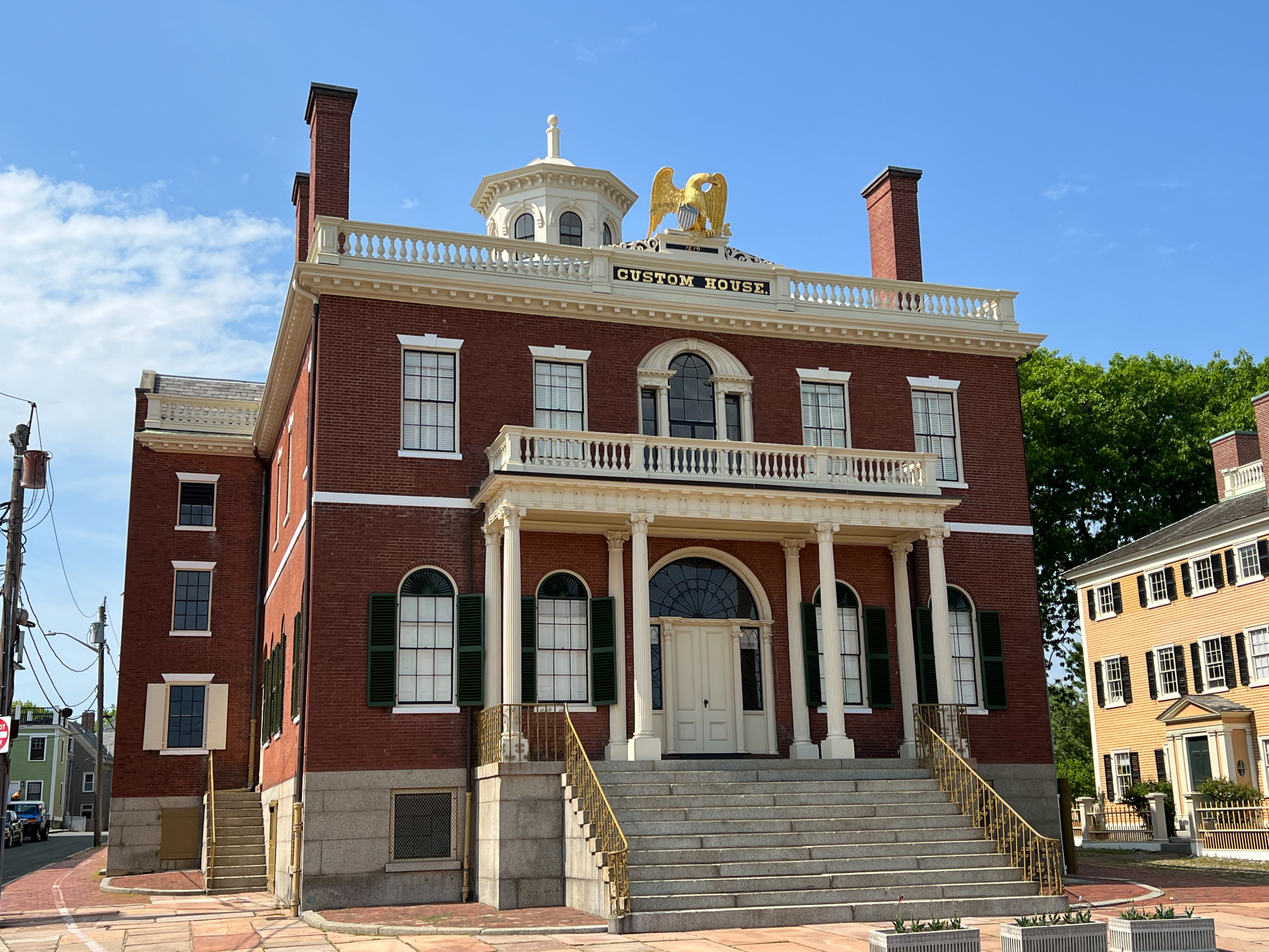
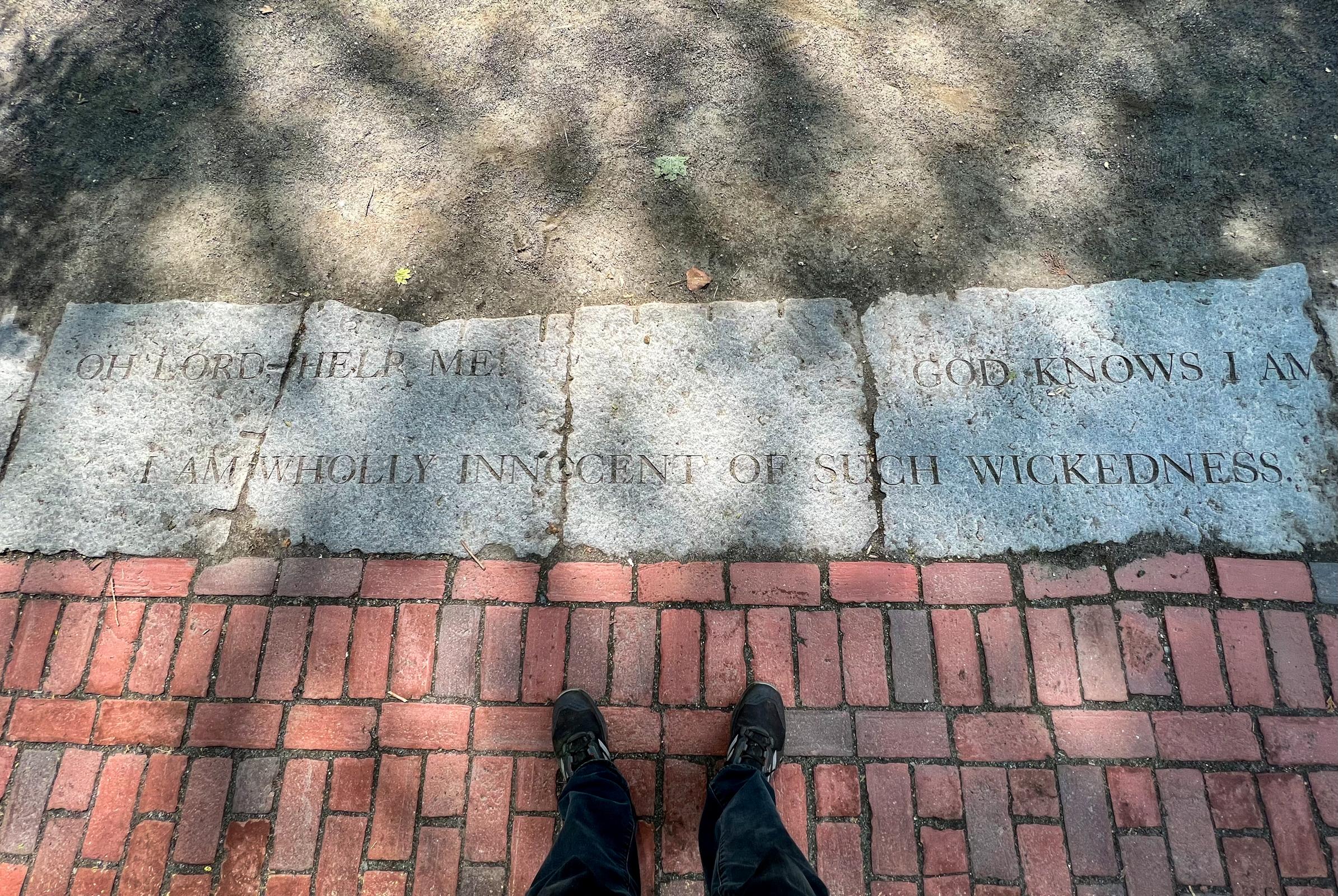
The Minute Man National Historic Park in Concord, MA is where the American Revolution began. The Saugus Iron Works National Historic Site, founded in 1641, was the first successful iron works in the New World. The Salem Maritime National Historic Site in Salem, MA was important in the building of New England’s maritime industry. We often think of Salem as the home of the famous Witch Trials, and we did pay homage to some of the murdered Pilgrim pioneers who died in that outbreak of 17th Century hysteria.


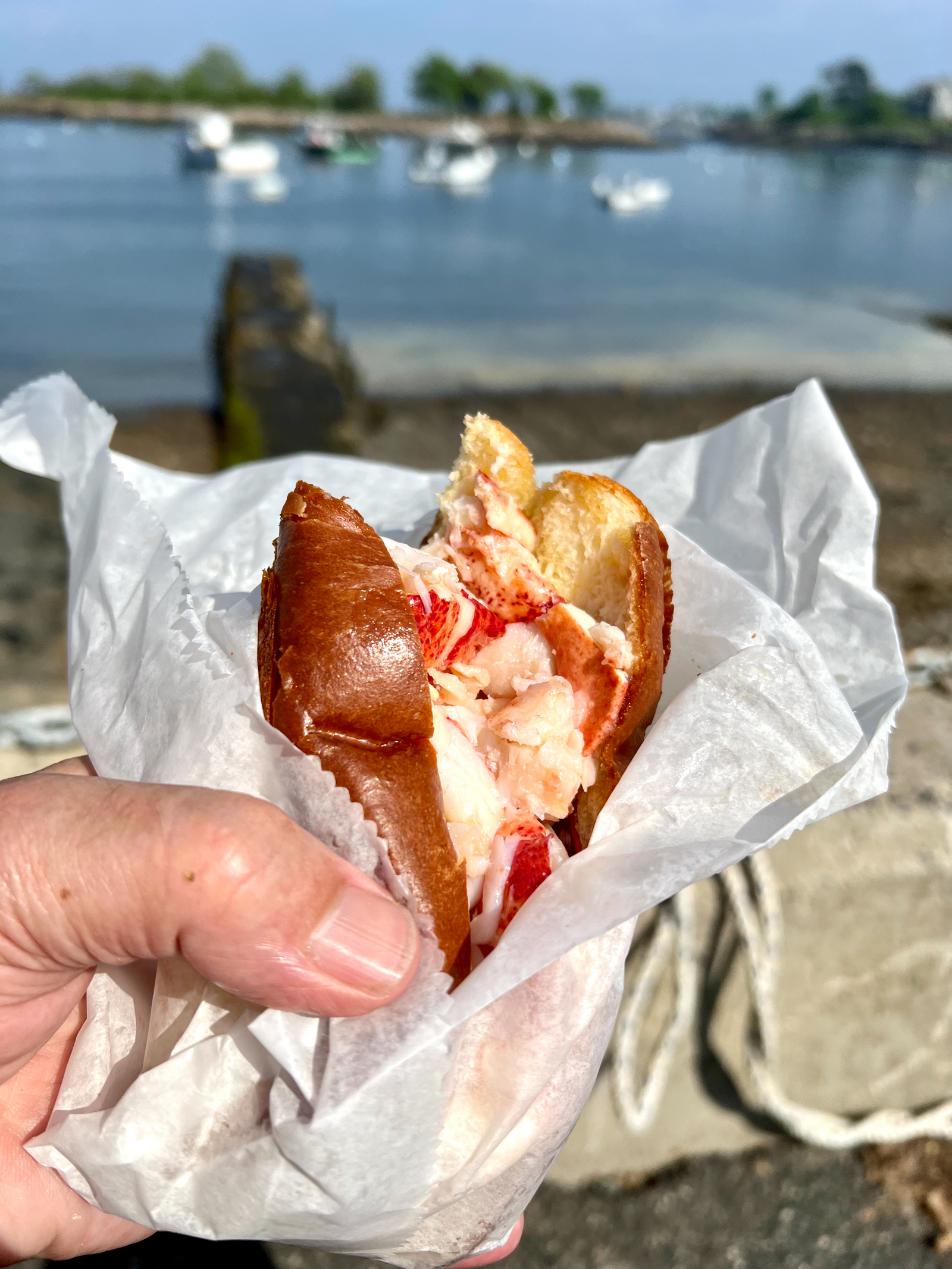
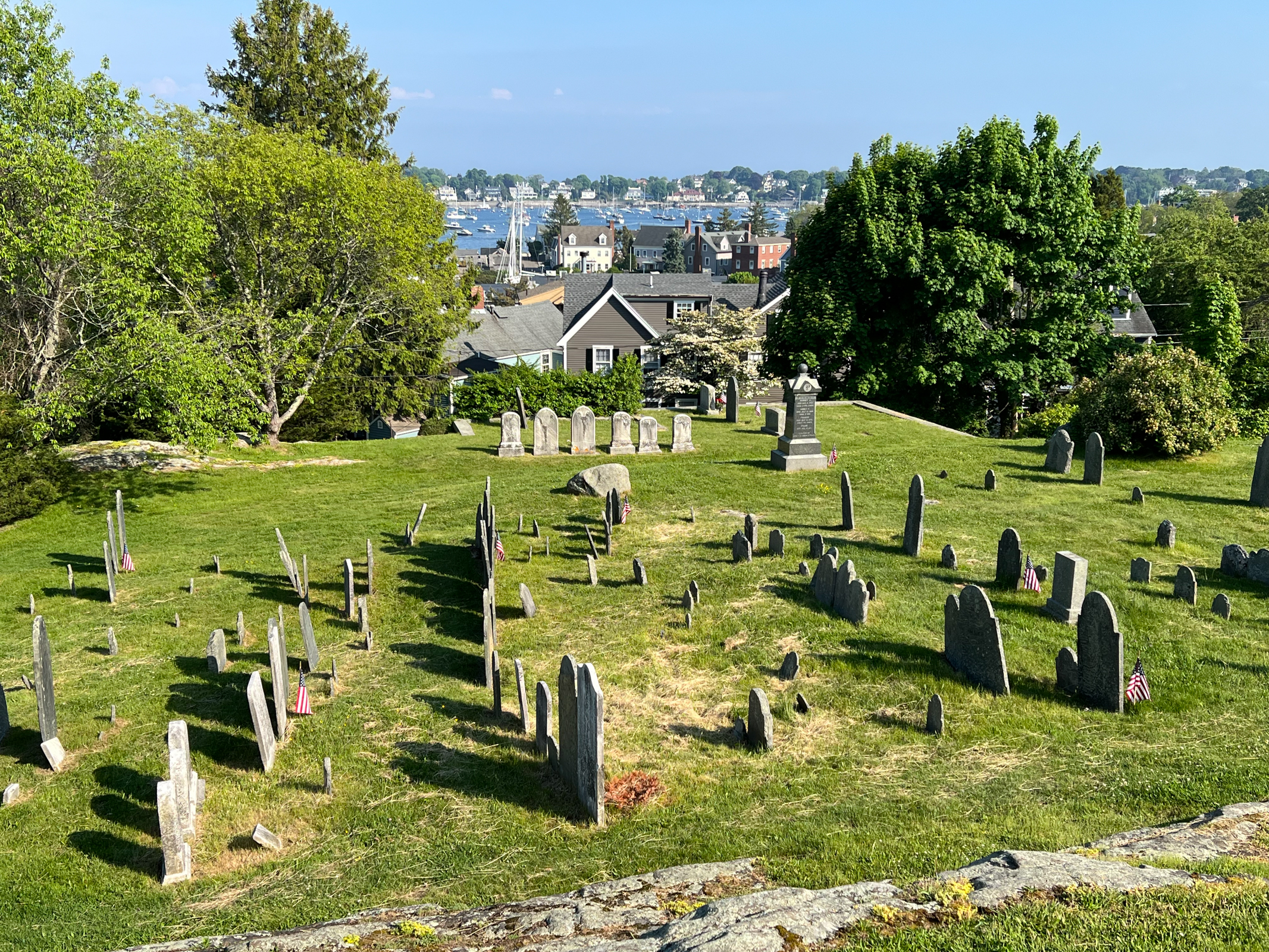
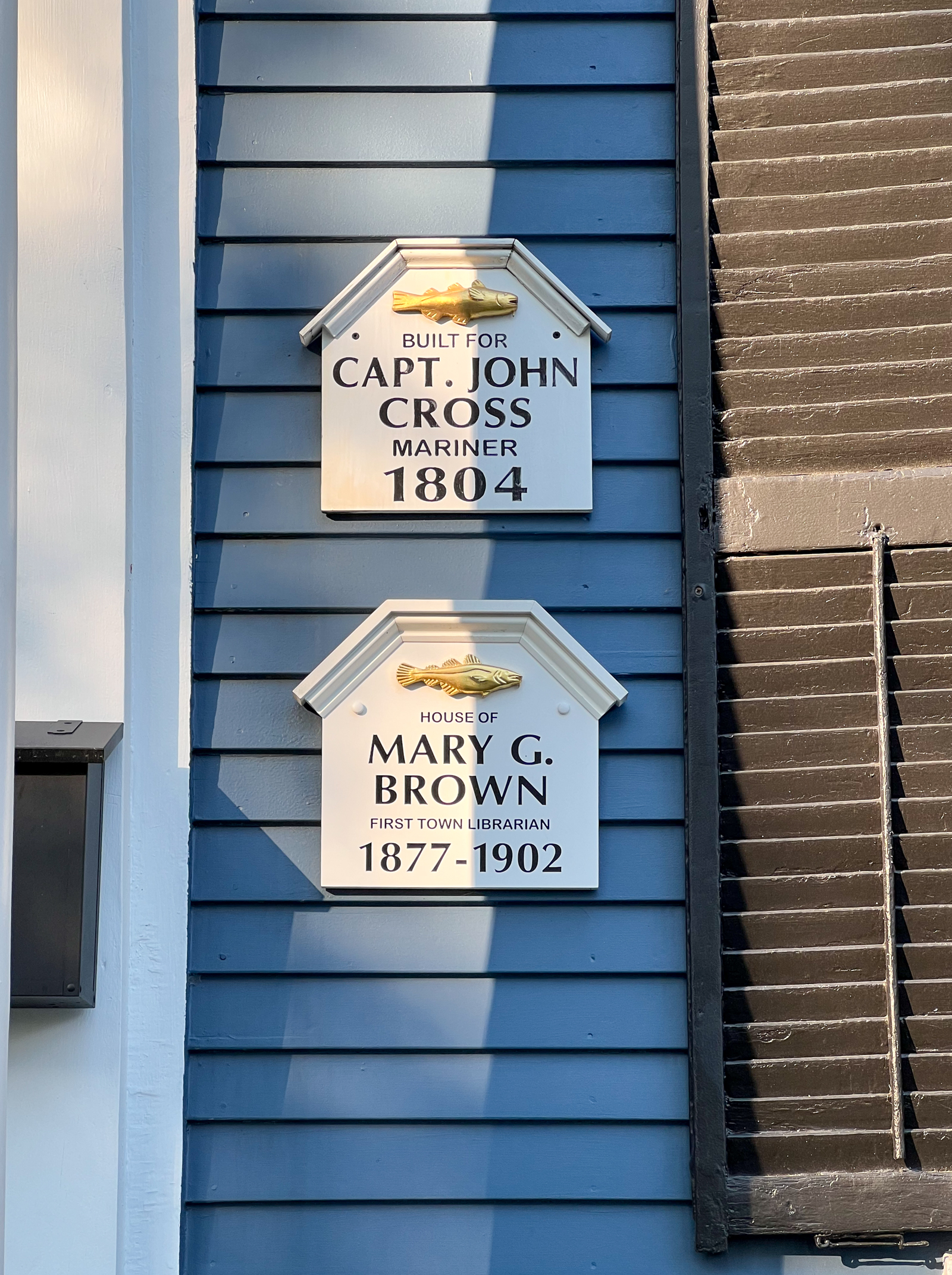
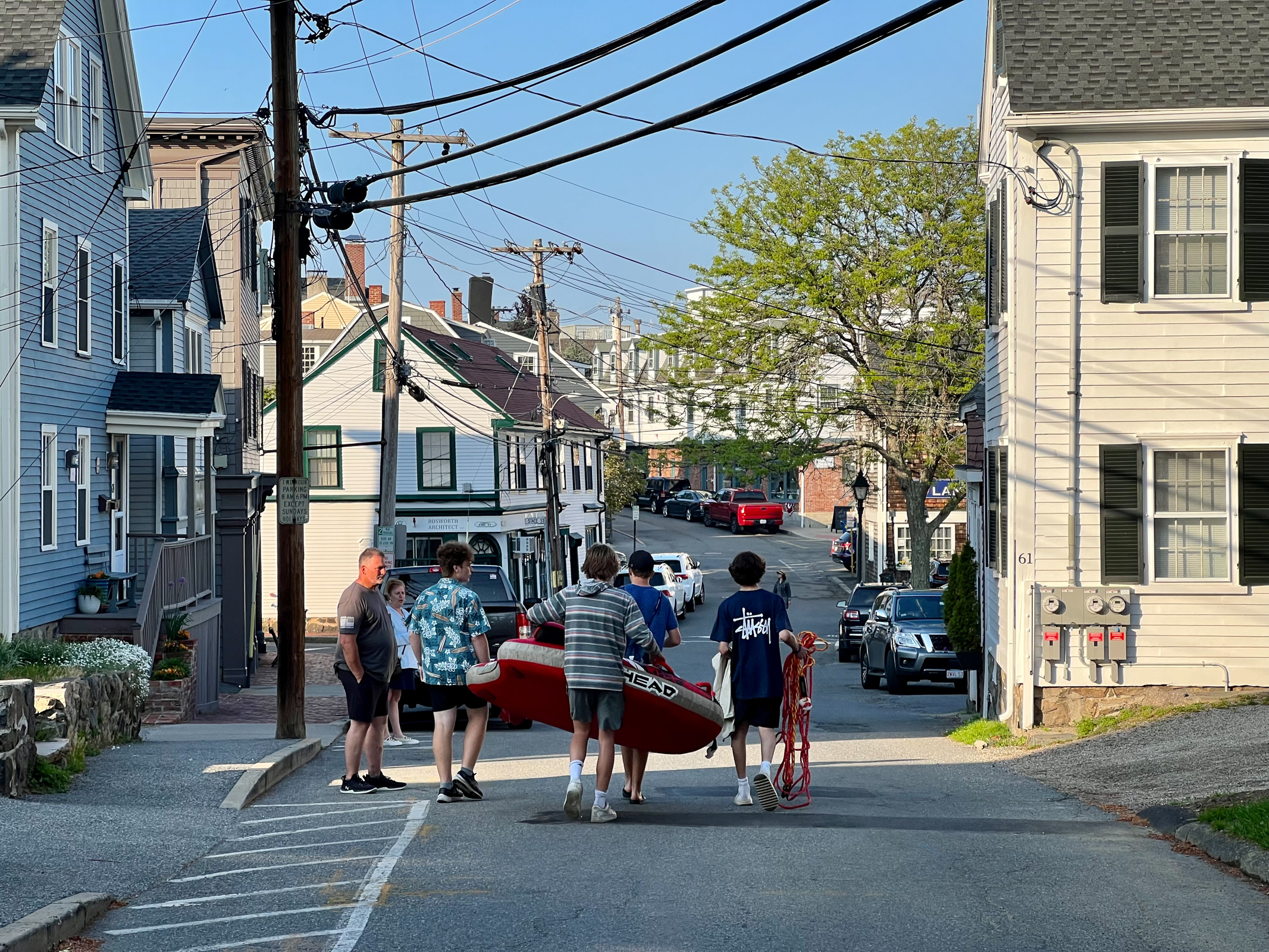
After a long day of deep social and historical enlightenment, we decided to cool off in the little coastal town of Marblehead. For many generations, this was a small Massachusetts fishing village. It still has parts of that history but is now a very wealthy small town situated beautifully on a crazy, rocky part of the coast. After a classic lobster dinner in a diner, we wandered this fascinating area for many hours amazed by what we saw in this unique place.




We ended our day in the old part of the North End of Boston. The Old North Church and the Paul Revere statue helped link much of the history that we had seen today. We also walked eight miles today in the unseasonable heat and humidity to see it all. We collapsed in our motel near the airport before flying back to San Francisco early the next morning. It was a short but great trip.


To be continued…
 Library Road Trip