Tag Archives: Vermont

SLAUGHTER OF THE INNOCENTS

As we see the end of summer transition into the colorful Fall tones of forested New England, we watch with horror as Trump rampages over our country’s economy and democracy. It was laughable to see Trump’s so called “summit” with Putin in Alaska. It was pathetic but not surprising to see Trump bow down to Putin but get nothing in return. It was as if Trump had purposely set himself up to be humiliated.

As a nation we are better than this. The amplified political rhetoric, anger, and fear floating around right now does not have to be our future. Heather Cox Richardson and others have spoke eloquently about our sometimes violent past when our country seemed to split apart only to gradually come back together after the dark fever dreams pass and we move into the sunlit uplands of better leadership.

Trump seems to relish pouring gasoline on the simmering fires of our current political passions. He did it again this week after the assassination of podcaster Charlie Kirk. I remembered that Kirk had been interviewed last March by our Governor/podcaster Gavin Newsom. Gavin had just started his new career in podcasting and was learning the ropes of how to do it when he interviewed Kirk. I admired Newsom for the courage of reaching out to the political right so his liberal audience could hear another point of view. Unfortunately, he chose Steve Bannon and Charlie Kirk as his first two guests. The results were a little like watching an energetic teen-ager playing a full game of baseball against a major league team. I listened to Gavin’s interview of Charlie Kirk to try to understand Kirk’s appeal. He was polite, smart, politically savvy, very Christian, and had a great ability to charm his audience. But I felt that he was troubling because he used his appealing ways to put his finger on and exploit points of deep anxiety among parts of our population, especially young men. Even though Gavin seemed unable to keep up with Kirk, I applaud our Governor for letting us hear what was a prominent voice in this rising tide of the young political right. We all need to hear this so we can find better ways to counter the far right’s hateful intolerance.

In the meantime, Putin continues his slaughter of the innocent people of Ukraine. We still get notes and posts from our librarian friends from different parts of Ukraine. Despite Trump’s shameless worshipping of Putin, Vlad-the-Impaler is undeterred in his cruel war against a heroic nation. The Russian military is engaged in a crusade that is nothing short of an apocalypse for the people of Ukraine. In the last few weeks, it has stepped up the number of its attacks on Ukrainian cities and especially Ukrainian civilians to the highest level of the war. Recently, one of our Ukrainian friends posted a beautiful photo of flowers in full bloom. I realized that when you are surrounded by the ugliness of war, simple things like a beautiful flower can be an act of defiance and resistance to the appalling circumstances that the good people of Ukraine now endure. We all seem to need some kind of therapy right now.

Our therapy for the moment is to spend a month in the beautiful Green Mountain state of Vermont. Parts of New England are currently going through one of its worst droughts ever and some areas are under an extreme drought warning. But it sure looks a lot greener than parts of our parched California and the American West.
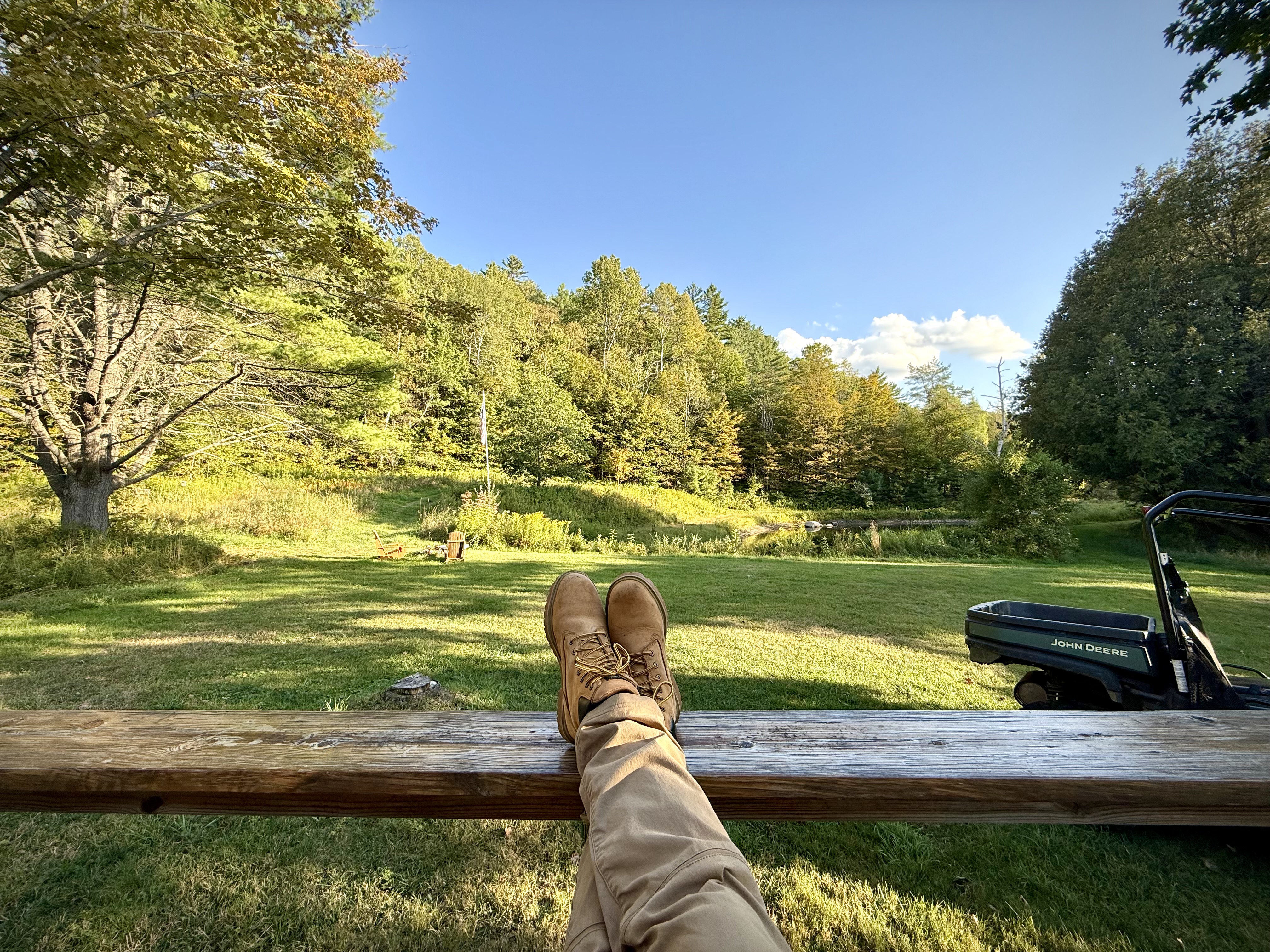
Occasionally, we tool around the property in an ATV, especially to go to the top of the nearby hill, called the “cocktail lounge”, to have a beer and watch the sunset. But the best way to enjoy the Vermont forests is to stretch our legs and hike.

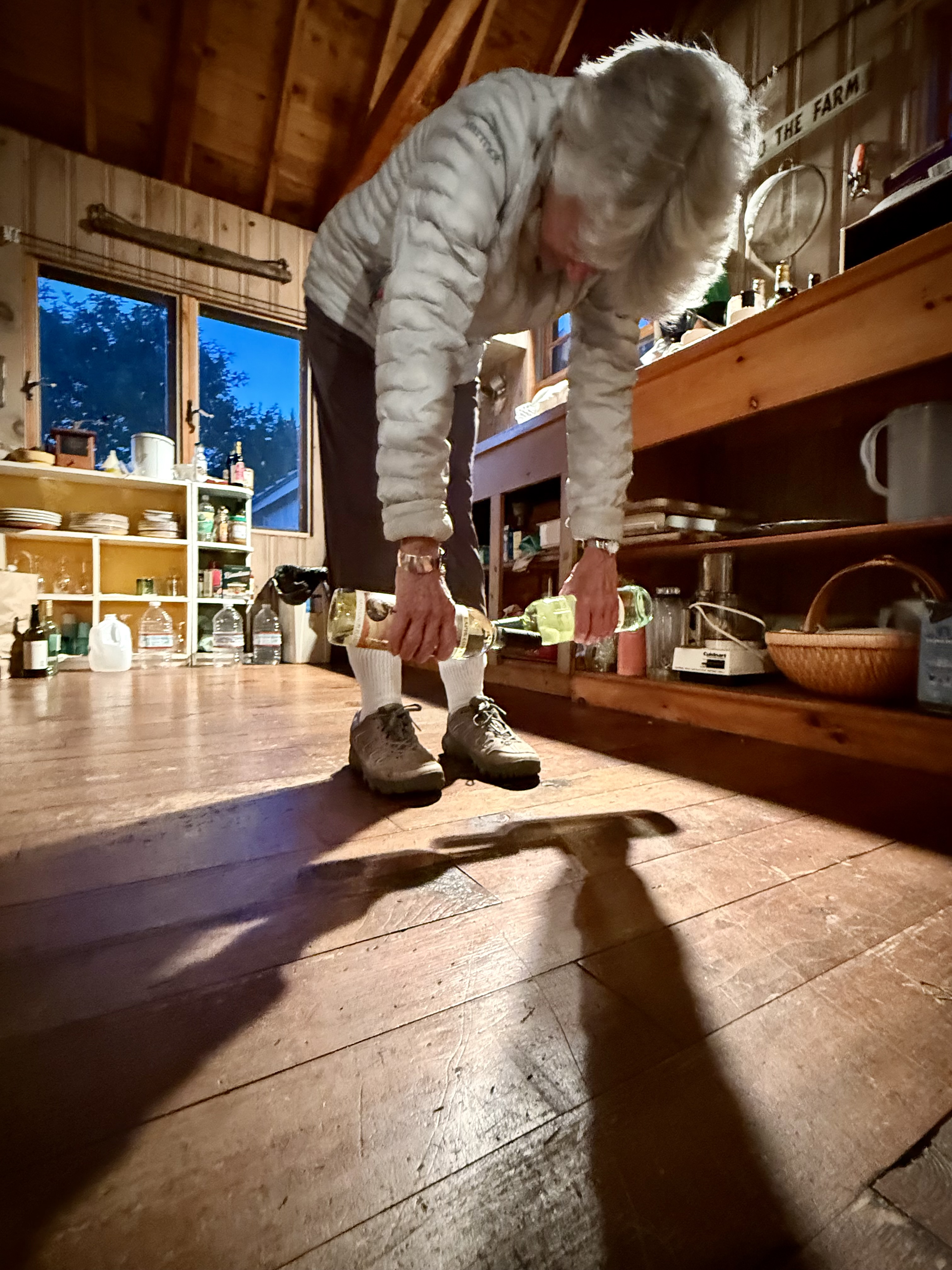
After my doctor recently recommended that I take my 75-year-old body to the gym, I have become a devoted gym rat in San Francisco along with our son Walker. In coming to rural Vermont, gym rats must become creative. I found that two 1-gallon water jugs make excellent weights for my workout. Two pieces of cord wood work pretty well too. Ellen prefers to do her arm lifts with two bottles of white wine. Whatever works!

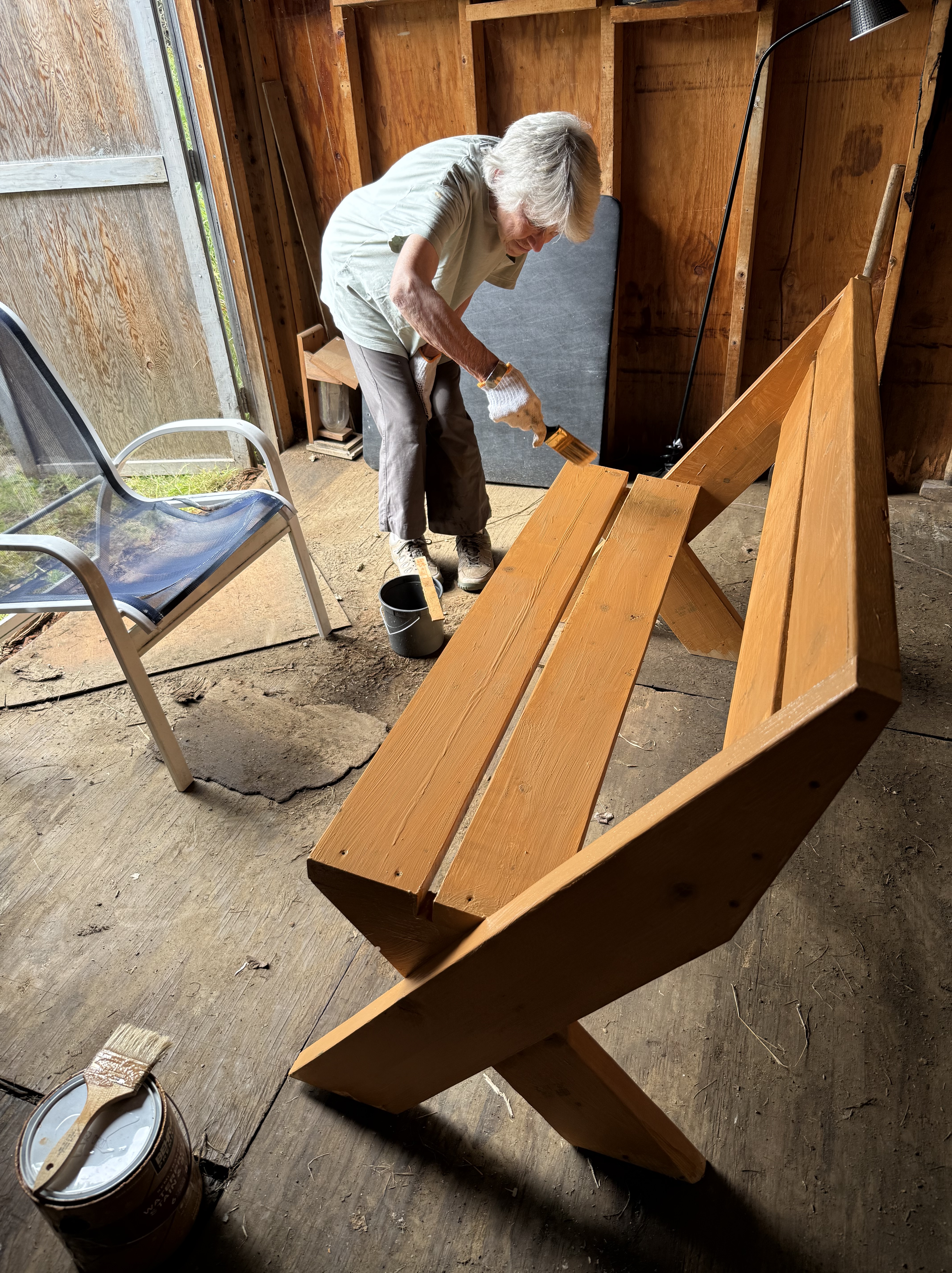
We spend a lot of time doing chores around the Farm including cleaning out around new trees with Ellen’s brother John, painting four coats on a new bench, and repelling the return of the dreaded orb weaver spiders. The work never ends.

One of our nieces explained to us that Vermont is maple syrup. We saw lots of examples of sugaring operations on our walks around the forests. The forests are much more developed and managed here than in the “wilder” forests that I’m used to in the American West.

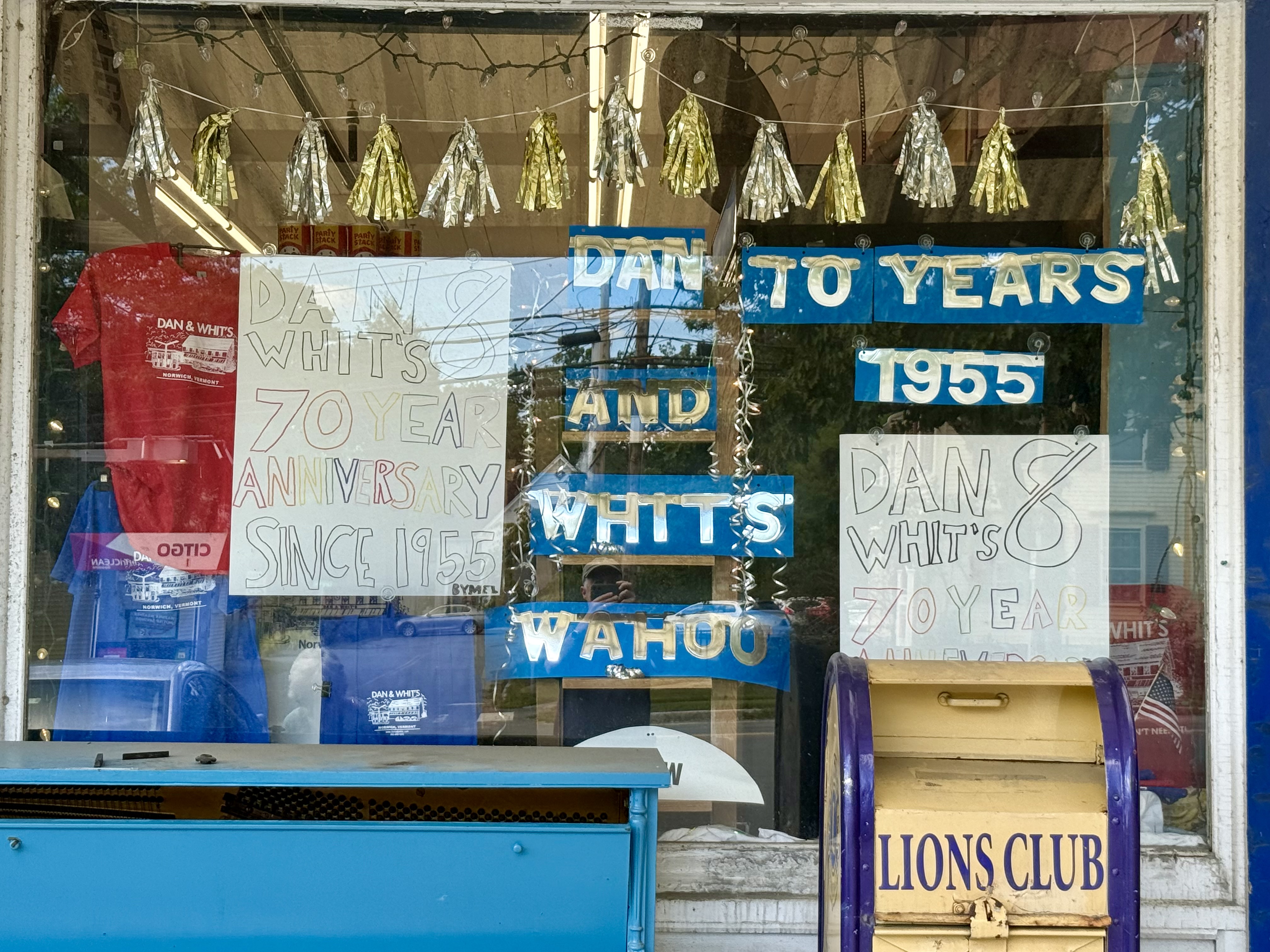
When I travel, I am often fascinated by signs that give a flavor of the local community. Our nearest small town of South Strafford had this sign about “Unconditional Love + Community”. Another nearby town of Norwich celebrated the 70th birthday of the beloved store of Dan and Whits. Finally, the barbershop Walt & Ernies had been in the same location of Hanover, NH since 1938. It is about to move to another nearby location, and all the locals (including me) put their farewell greetings on the wall. I loved the one that said, “Best Mullets Ever”.

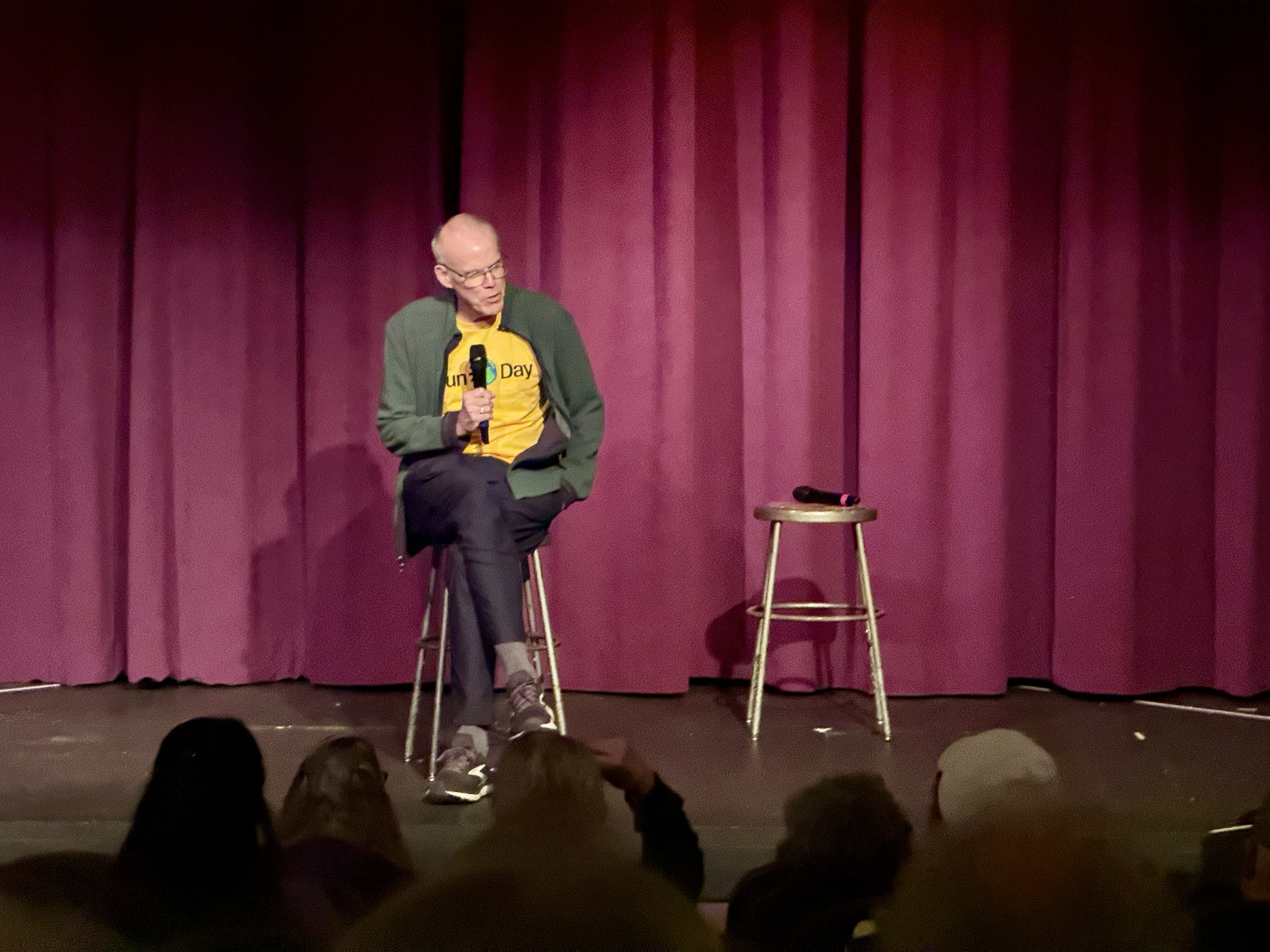
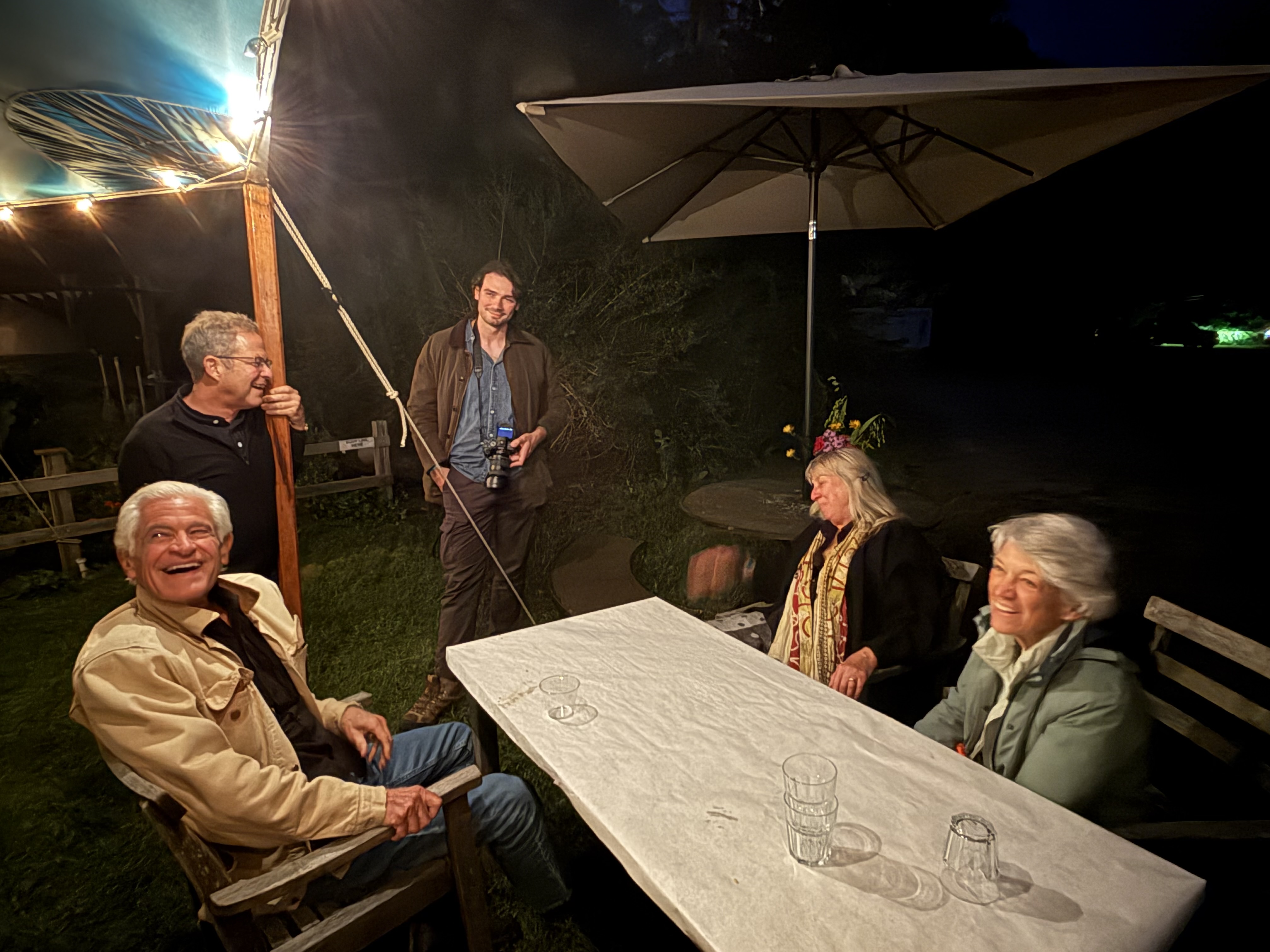
One of our urban friends could not understand what we do with our time in out-of-the-way rural Vermont. After all, we do stay in a cabin on a dirt road off a dirt road off a dirt road. But, perhaps surprisingly, our time is almost always occupied with Farm chores, hikes in the green forests, visiting family and friends, cooking meals, buying fresh corn at the local farm stand, staring at the stars, watching the clouds float by, and attending some of the large number of cultural events here in the Upper Valley of Vermont. One of those recent events was a lecture by environmental writer Bill McKibbon. His book The End of Nature was hugely influential, and he continues his work as a public activist in top outlets such as the New Yorker, the New York Times and the Atlantic. We spoke with him later at a dinner after his lecture. We also met our friends there including Jim Nachtway who is one of the great war photographers of our time. This rich cultural mix also includes thriving environmental centers and community supported organic farms such as Cedar Circle which has also become our go to place for a good cup of coffee.
Finally, I wanted to give a shout out to our son Walker. He continues his full-time creative and journalistic work for CBS News. He travels constantly for his job, but we do occasionally see his stories on the news and even sometimes see him in person when he returns to his home in San Francisco. He and his partner Rosa took a much-deserved vacation to Indonesia recently where they visited an increasingly rare healthy coral reef. Rosa, who is a certified scuba diver and Emmy Award winning filmmaker, took this beautiful photograph of Walker floating above the reef during Walker’s first dive. It is a remarkable image of hope and grandeur in our sadly troubled world.

Our next post will be sent from England. It seems like a good time to escape the current sour mood of our country. Hopefully, when we return in November, we will be reinvigorated to take on the challenges ahead. Talk to you soon…


3 Comments

Filed under Uncategorized

EXIT, FROM NEW ENGLAND TO OLD ENGLAND

We may be the last people on the planet to begin watching the excellent series The Sopranos. I am surprised that it has taken so long for us to view the murder, mayhem, sex, lies, cheating, cruelty and overall gangster behavior. But after the first few episodes we had to stop for a while. I realized we spent most of our days obsessing over a guy playing a gangster in the White House and I really didn’t want to then spend our evenings watching a guy playing a gangster in New Jersey. A few weeks later we came back to the show. But the analogy seems right. Tony Soprano and Donald Trump are very much alike. They both play the part of a New York, tough-guy goodfella layered with a smooth-talking charm and a blood-thirsty ruthlessness. Family, loyalty and power is everything. They never forget a slight and will seek out brutal revenge eventually. Nothing will get in their way of gaining as much money, power, and domination as possible. They both teach us brand new ways to be cruel. At least Tony Soprano is going to a psychologist. Because we are only in the middle of the first season, we will see how that works out.

I have long been aware of the long running series South Park. I have seen bits and pieces of it over the years but never have been a loyal fan. I am delighted to see how recently they have been ruthlessly skewering Trump and his out-of-control administration. A recent season has gone after Kristi Noam and her ICE Follies One episode show ICE agents making a raid on heaven to pick up frightened Latino angels. This is both horrifying and hilarious to watch but this kind of humor is one of the things the Trumpers really seem to fear. They love being called fascists and horrible but are terrified of being made fun of, especially in front of a large TV audience. Just ask Stephen Colbert.

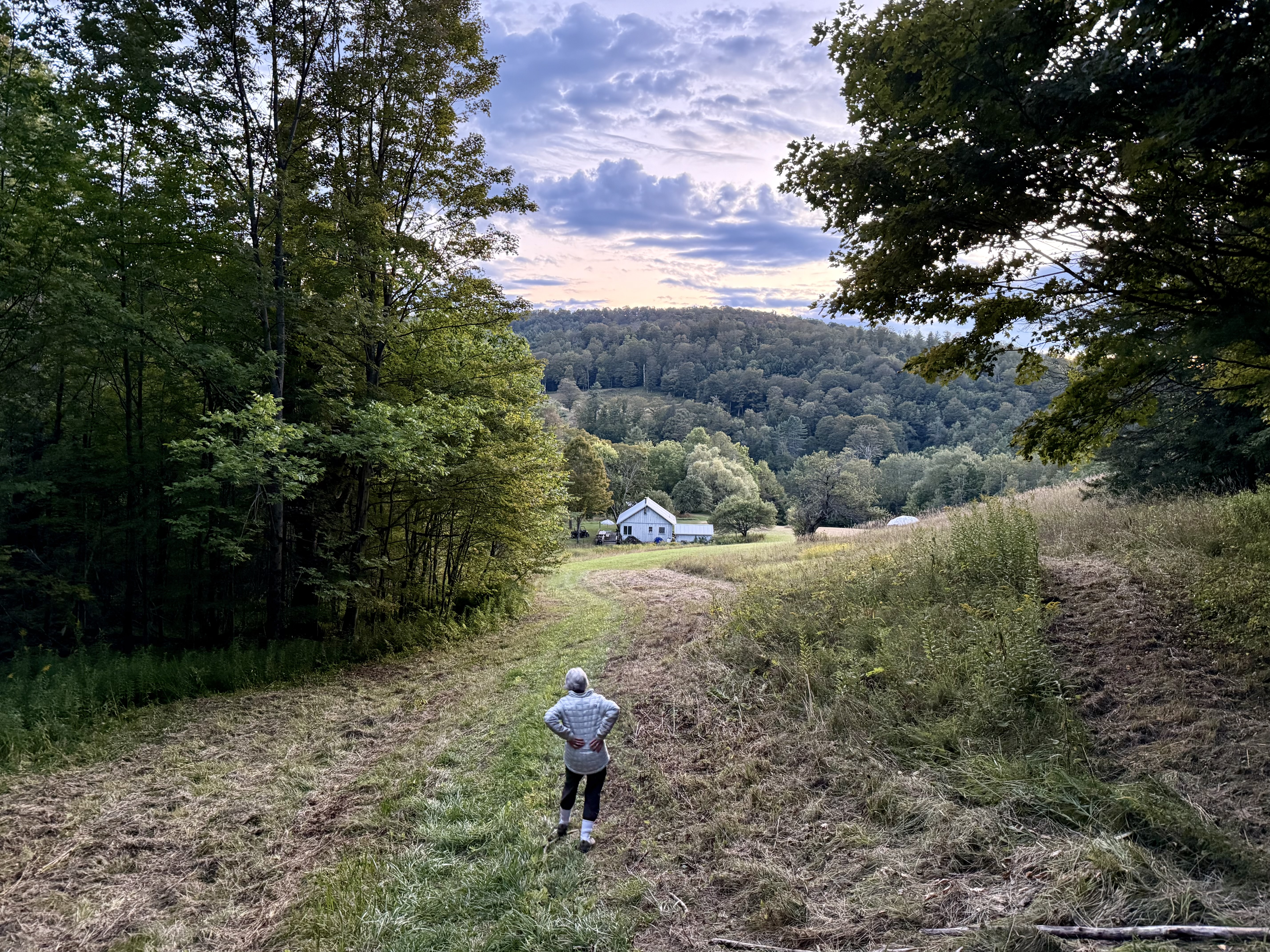
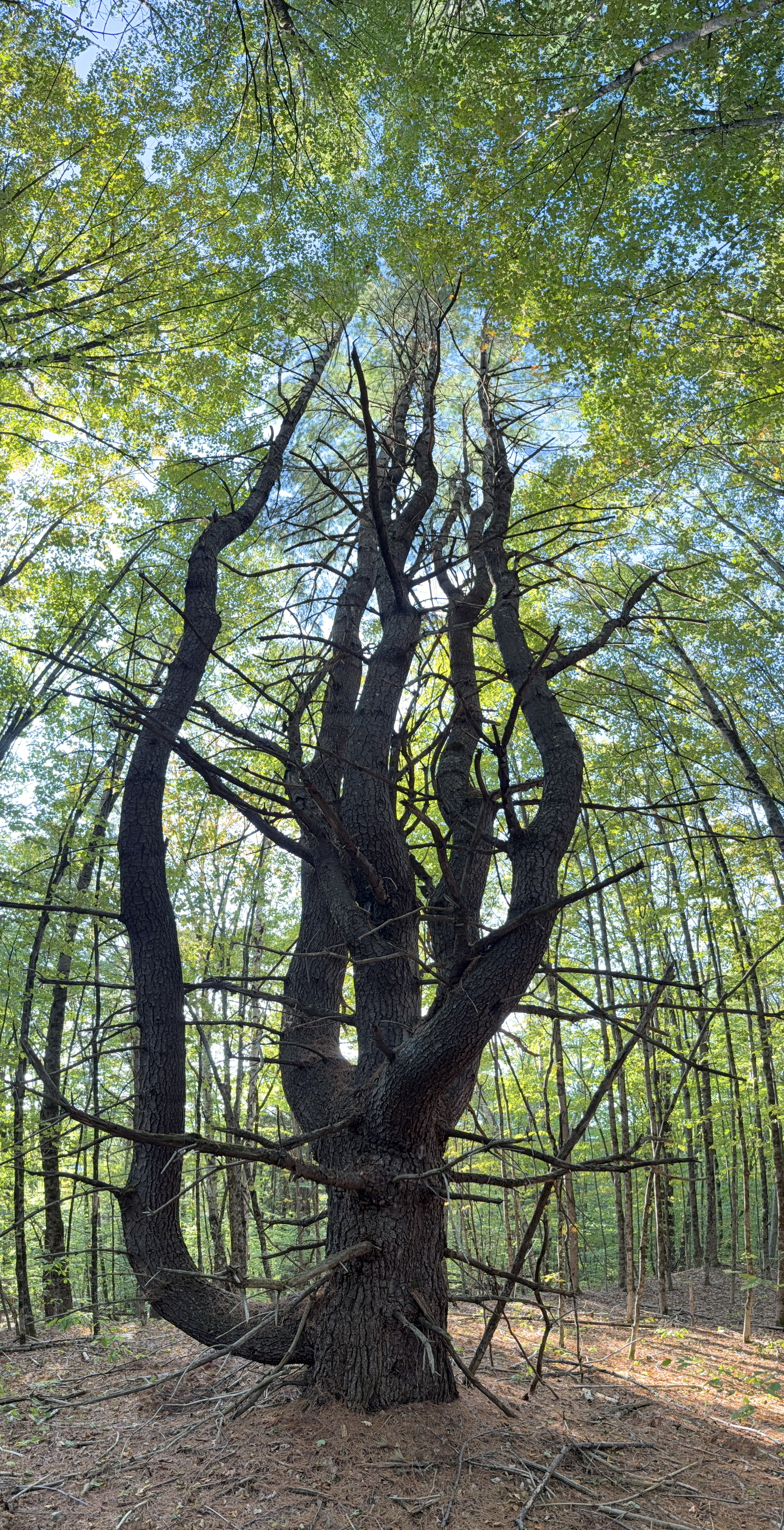
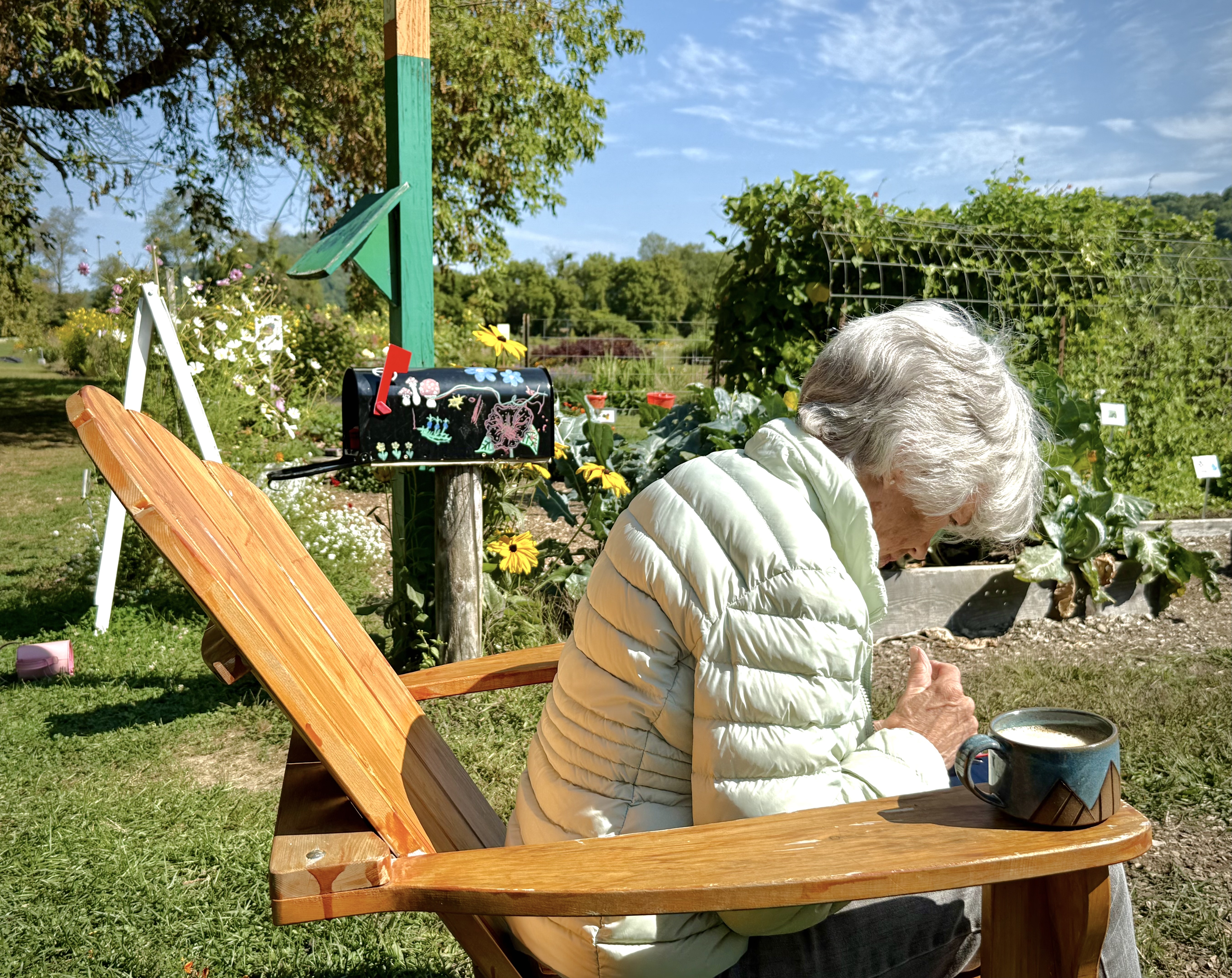
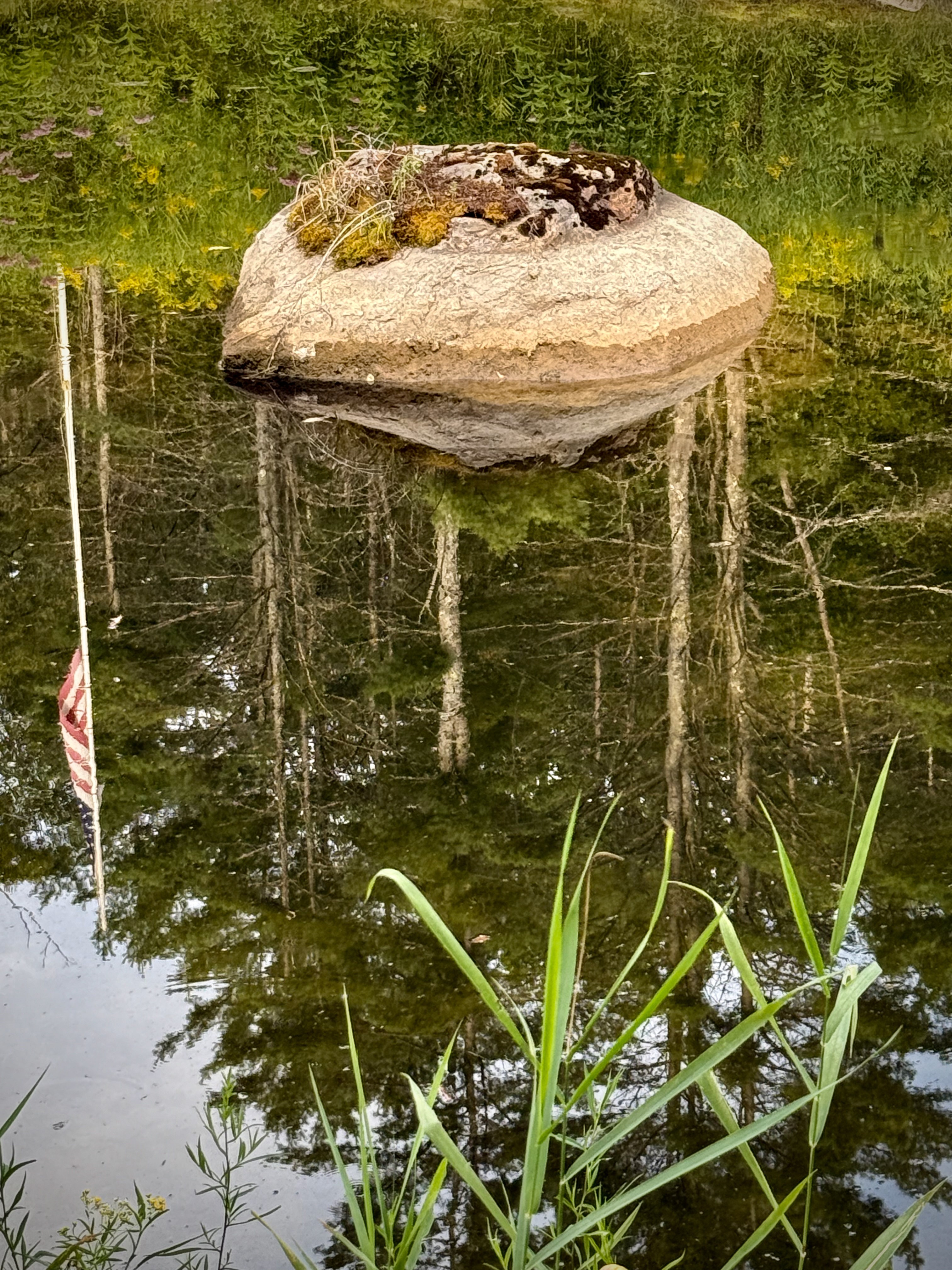
We are now engaged in some serious “deep hanging out” at our cabin in the woods in Vermont. There is some guilt in doing nothing while our country is falling apart. But we hope to use the month here to gather our strength and clear our minds for the hard work ahead when we get back to San Francisco. Before we return, we will be traveling, photographing, and working for six weeks in England and other parts of Europe. More on that later. In the meantime, here are a few photos from our arrival in sweet New England.

10 Comments

Filed under Uncategorized

We Came to Vermont. We Broke Things. We Left.

For twelve days, we drove over 3,700 miles with our pedal to metal zooming across the country. Then we stopped at our place in Vermont, for six weeks!  Going from full speed to full stop takes a little adjustment. But we quickly appreciated leaving behind the corporate American road culture and savored the beauty of the New England landscape.

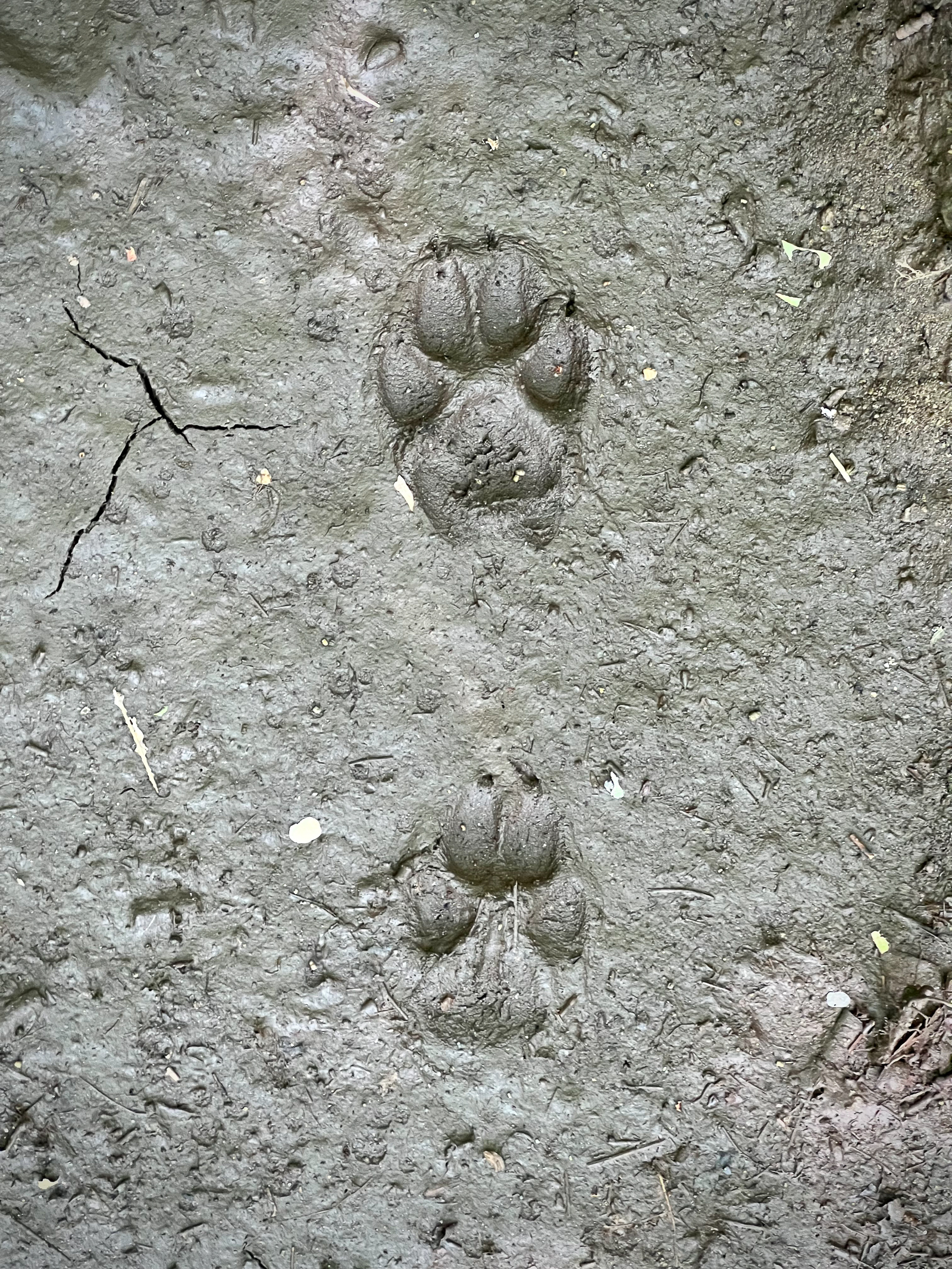
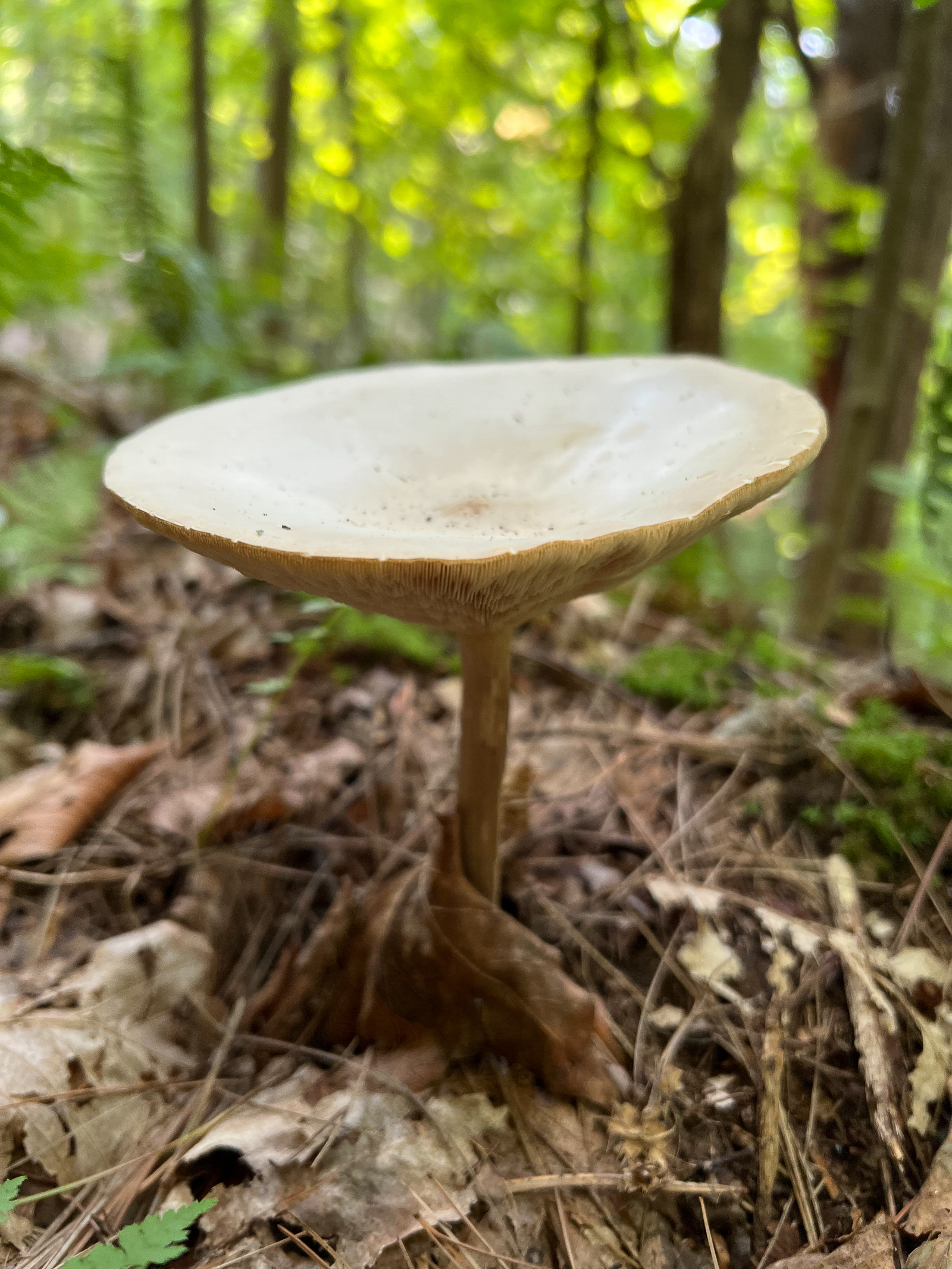
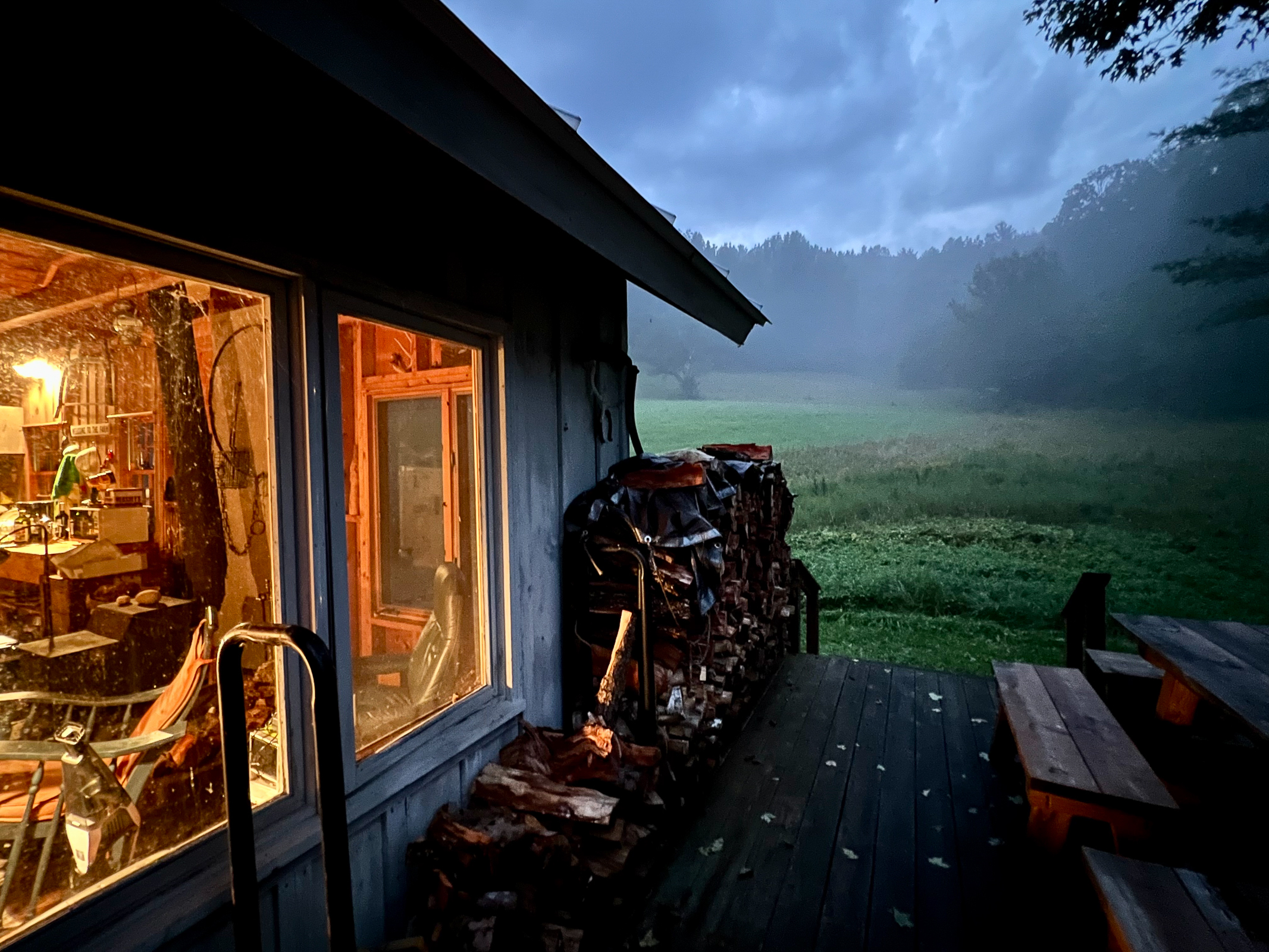
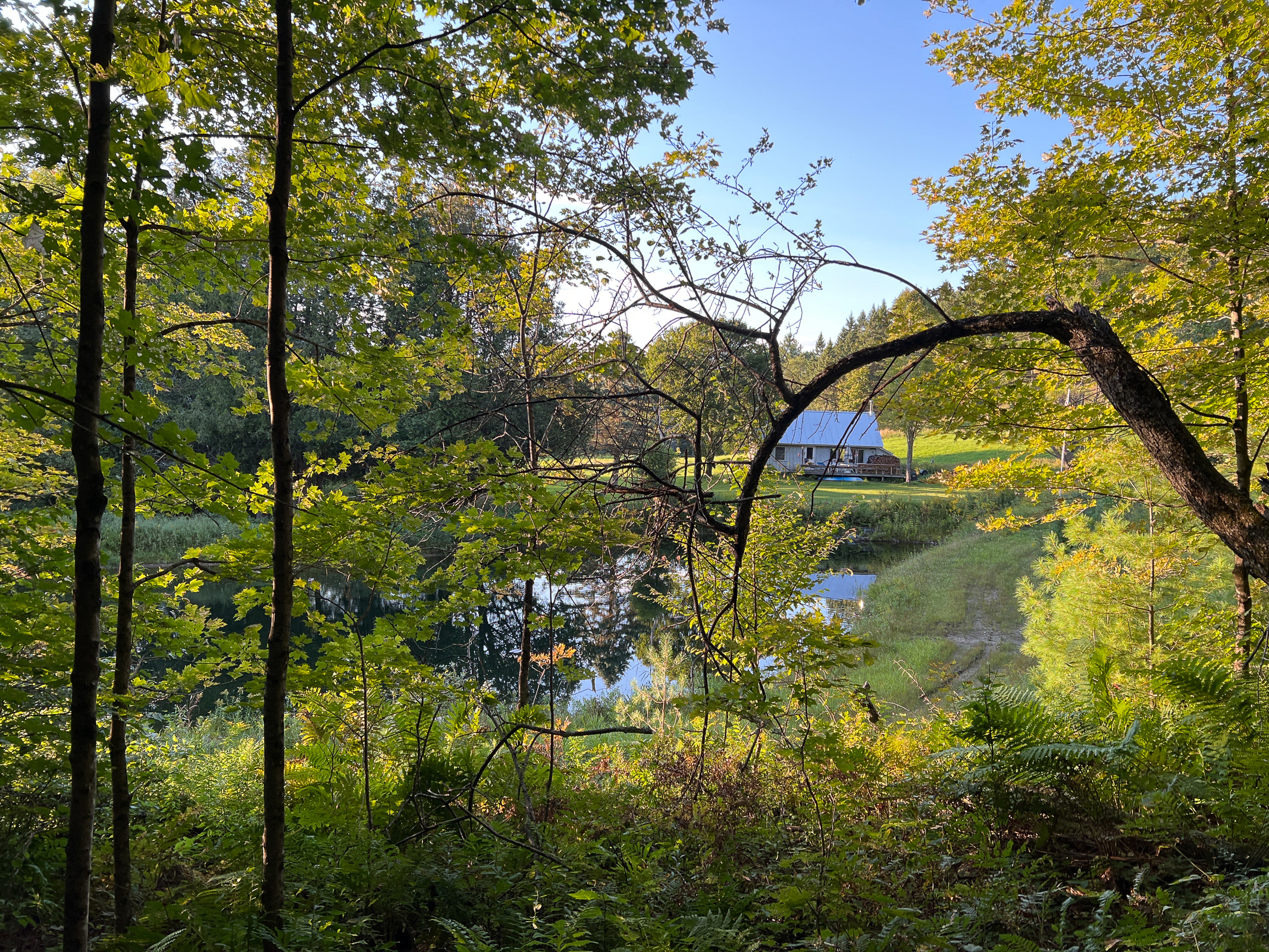
We share 53 acres and a small cabin with two other families in the Vermont woods on a dirt road off a dirt road off a dirt road. One of the great pleasures for a life-long Californian like me is plopping myself into this totally different world. Vermont is a biological transition zone between the boreal forests of the north and the southern deciduous forests. Seventy-eight percent of the state is forested, and that land contains a huge number of animal and plant species.  One of the first things we did after arriving was to go hike in the woods. Every year, I am always surprised by the abundance and diversity of life in these woodlands.

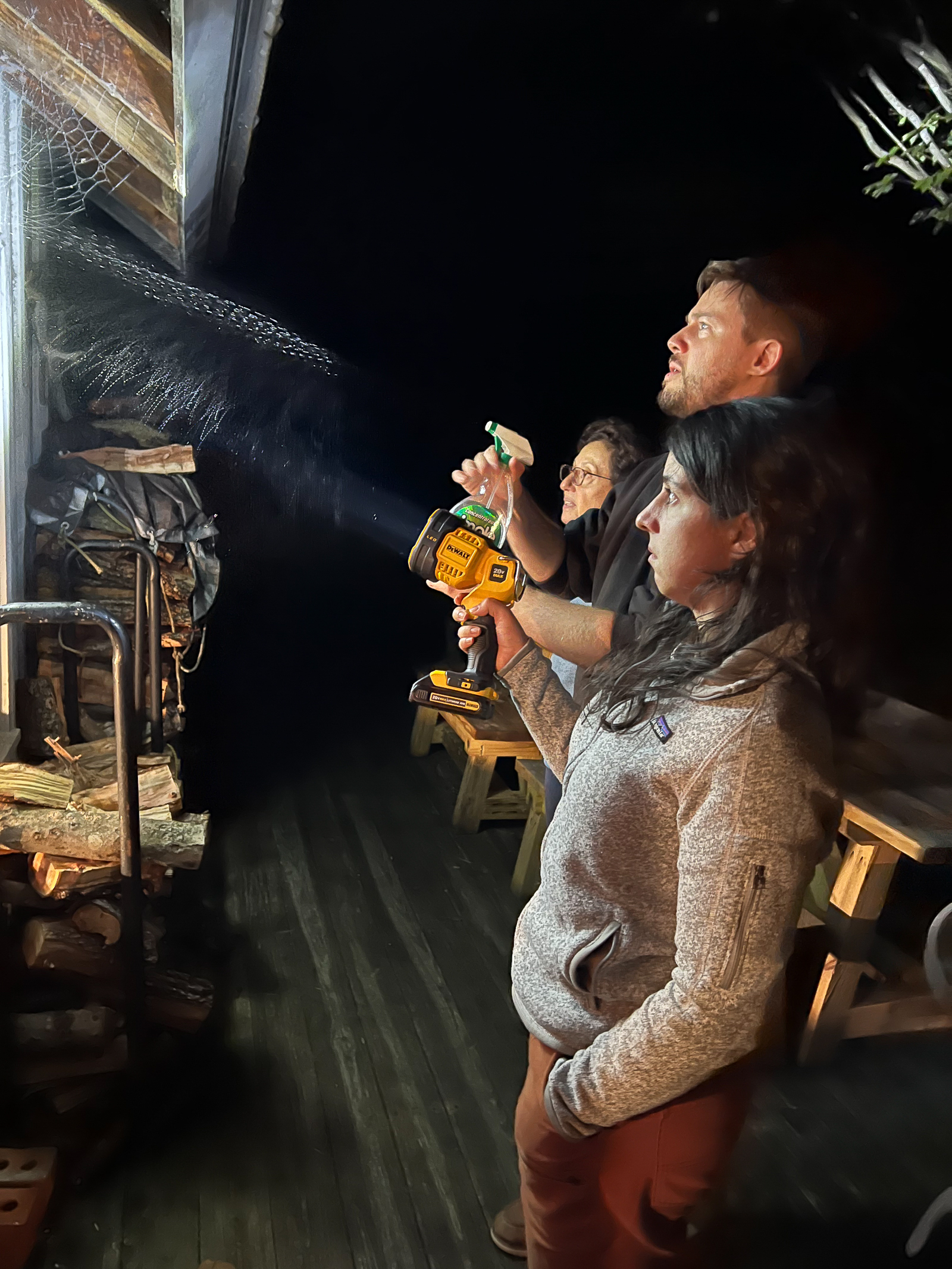
Sometimes nature’s exuberance can be a little annoying. One year we arrived from California just after a colony of wasps had built a GIANT nest right under the wooded deck that we used to enter the house. We can laugh about it now, but at the time it was no fun. This year, a large group of orb weaver spiders decided to spin their webs outside one corner of the cabin. Their prodigious work was astonishing to see. We read that spraying vinegar was a sure-fire way to get rid of them. Unfortunately, the spiders had not read that memo and stuck around for several more nights until they got tired of being drenched.

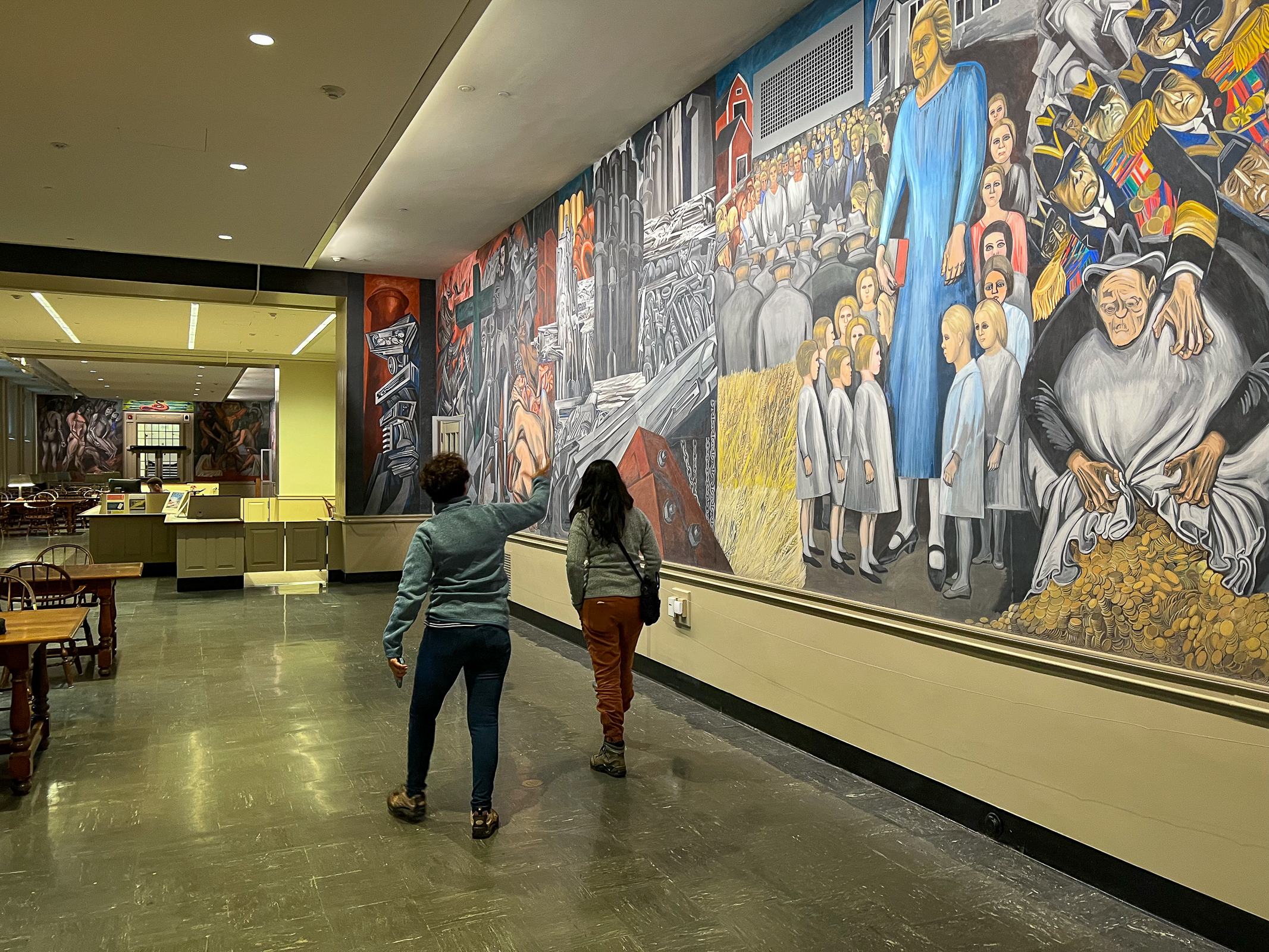
Shortly after we arrived, Walker and his girlfriend Rosa arrived from San Francisco and Rosa’s Mom Paulina arrived from Mexico City. It was Paulina’s first time in this part of New England, and we felt honored to show her around here after she had shown us around parts of Central Mexico and the Yucatan in 2023. One of the great cultural highlights in this region is Dartmouth College in nearby Hanover, NH. One of the great sites on campus is the Orozco Mural painted in the 1930s by the famous Mexican muralist Jose Clemente Orozco. It is now a National Historic Landmark.

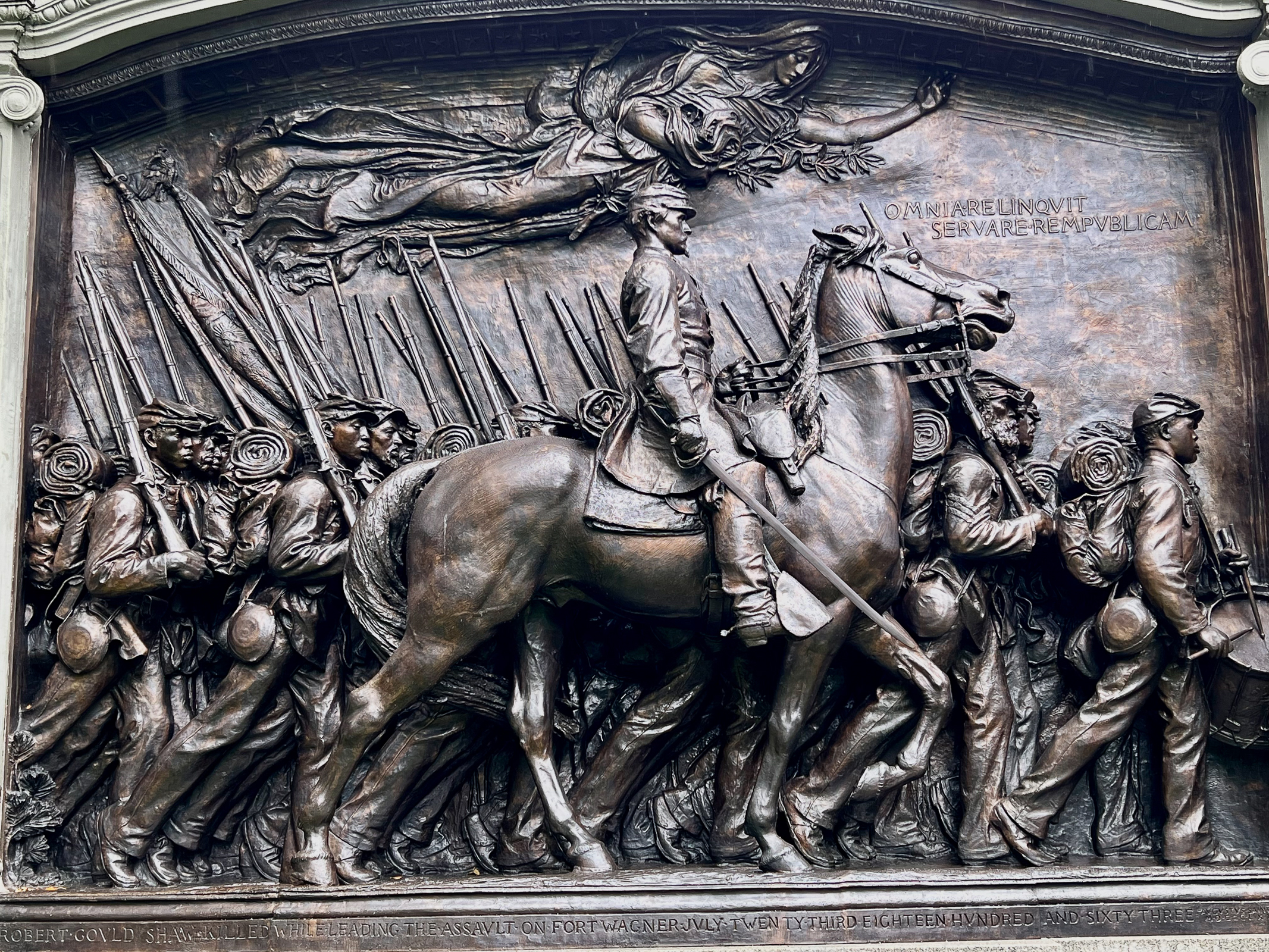
We also traveled to New Hampshire’s Saint-Gaudens National Historic Park which preserves the home, garden and studios of Augustus Saint-Gaudens, one of America’s foremost late 19th and early 20th century sculptors. It too is a National Historic Landmark. We also wanted to show Paulina some of the unknown parts of New England such as a small, abandoned early 19th century cemetery near our property. It was moving to see the headstones of children that had died almost 200 years ago.

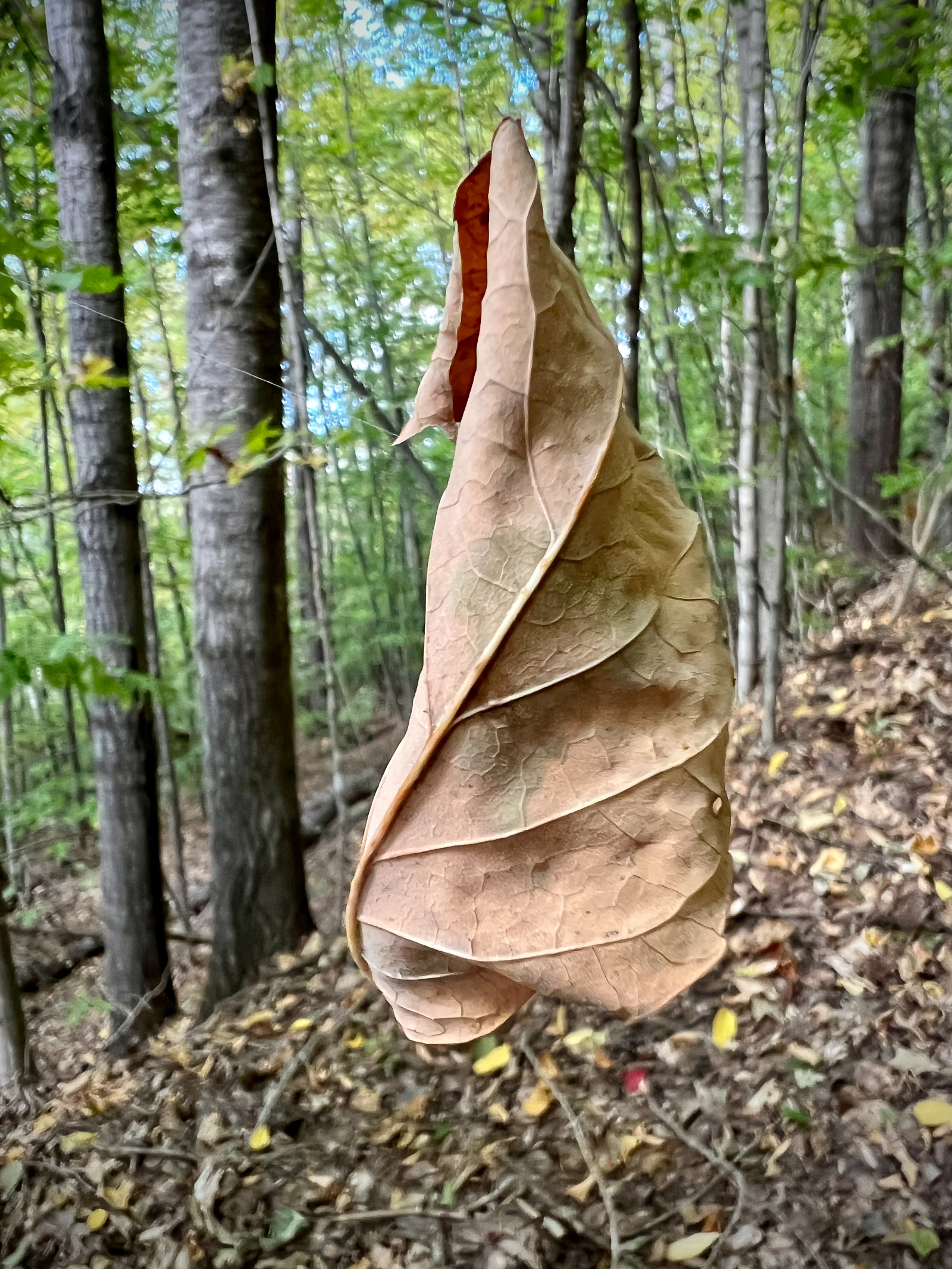
Mostly, we wanted to share the astonishing beauty of the New England forests. We spent many days being surprised and awed by nature as we hiked around the woods of Vermont.

After our epic day hikes, we would come back and watch the Democratic National Convention at night. Our heads were still spinning at all our country’s recent political developments, and it was fascinating to hear Paulina’s take on the state of American politics from a Mexican perspective.

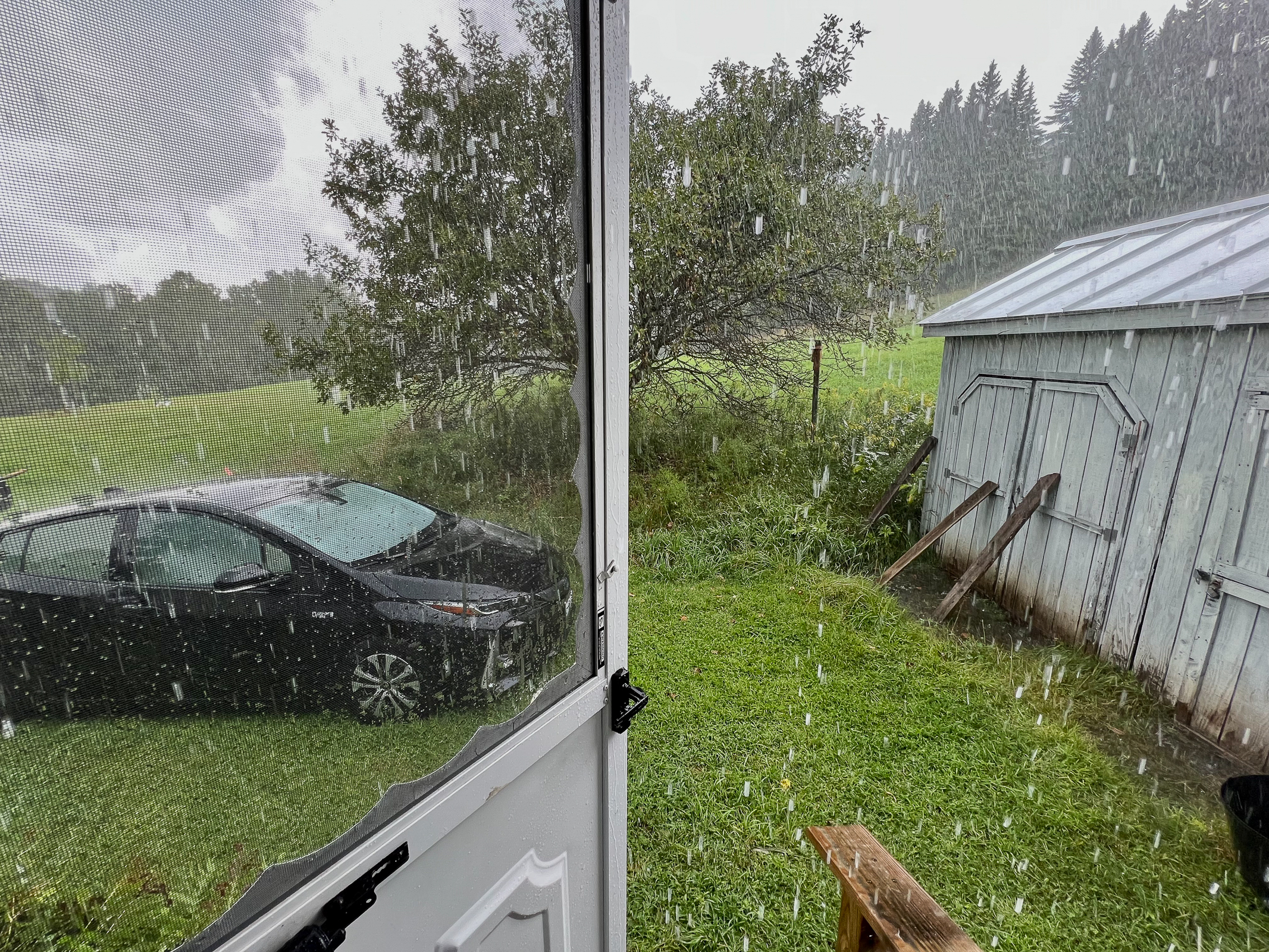
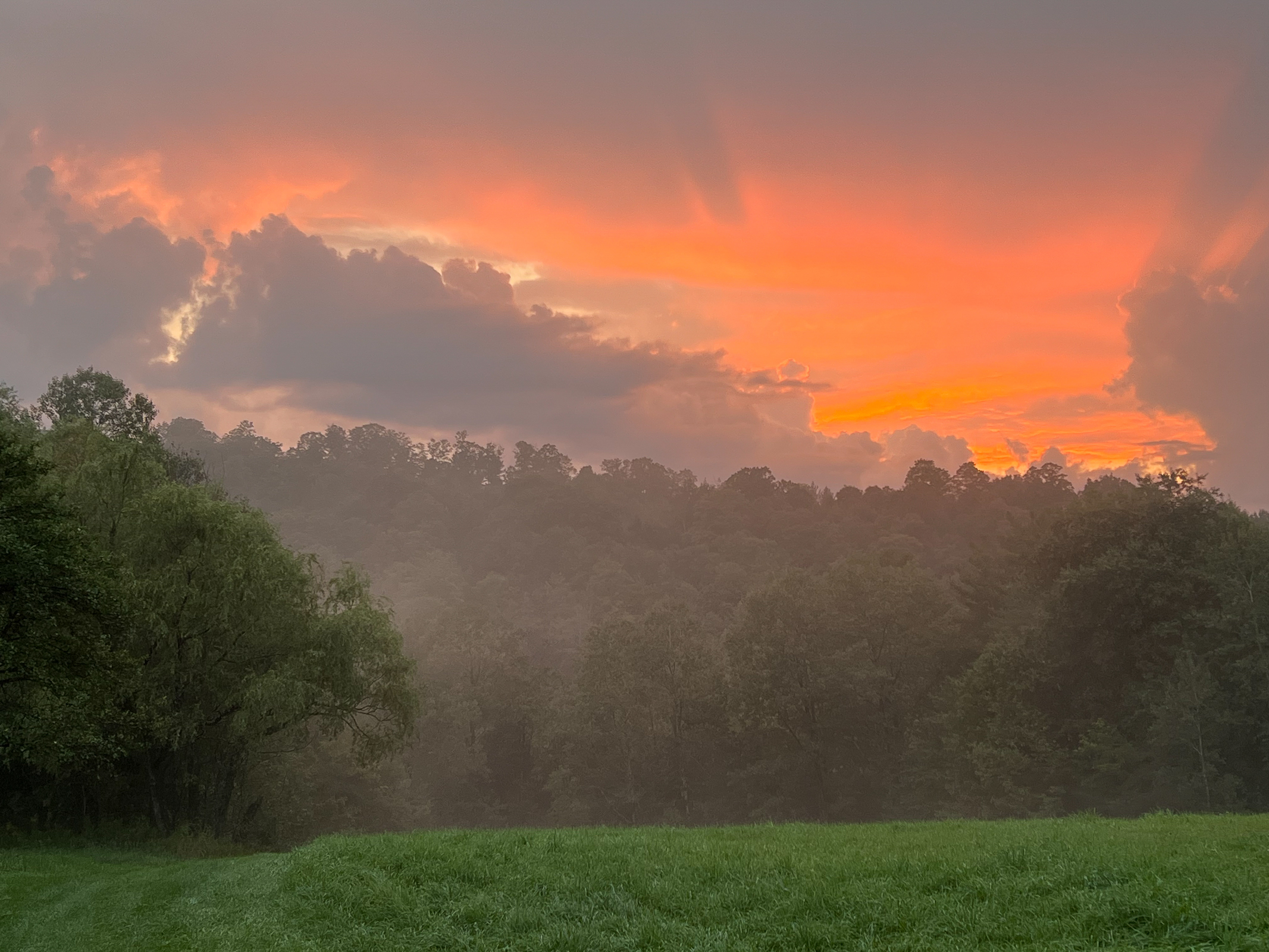
 After everyone left, we had the time to observe the small things that mark the time between visits with friends and family and Presidential elections. For a moment, the pounding rain outside turned to hail and piled up like snow before quickly melting. The sky burned red over the fog left by the rain and New England’s recent summer drought seemed broken.

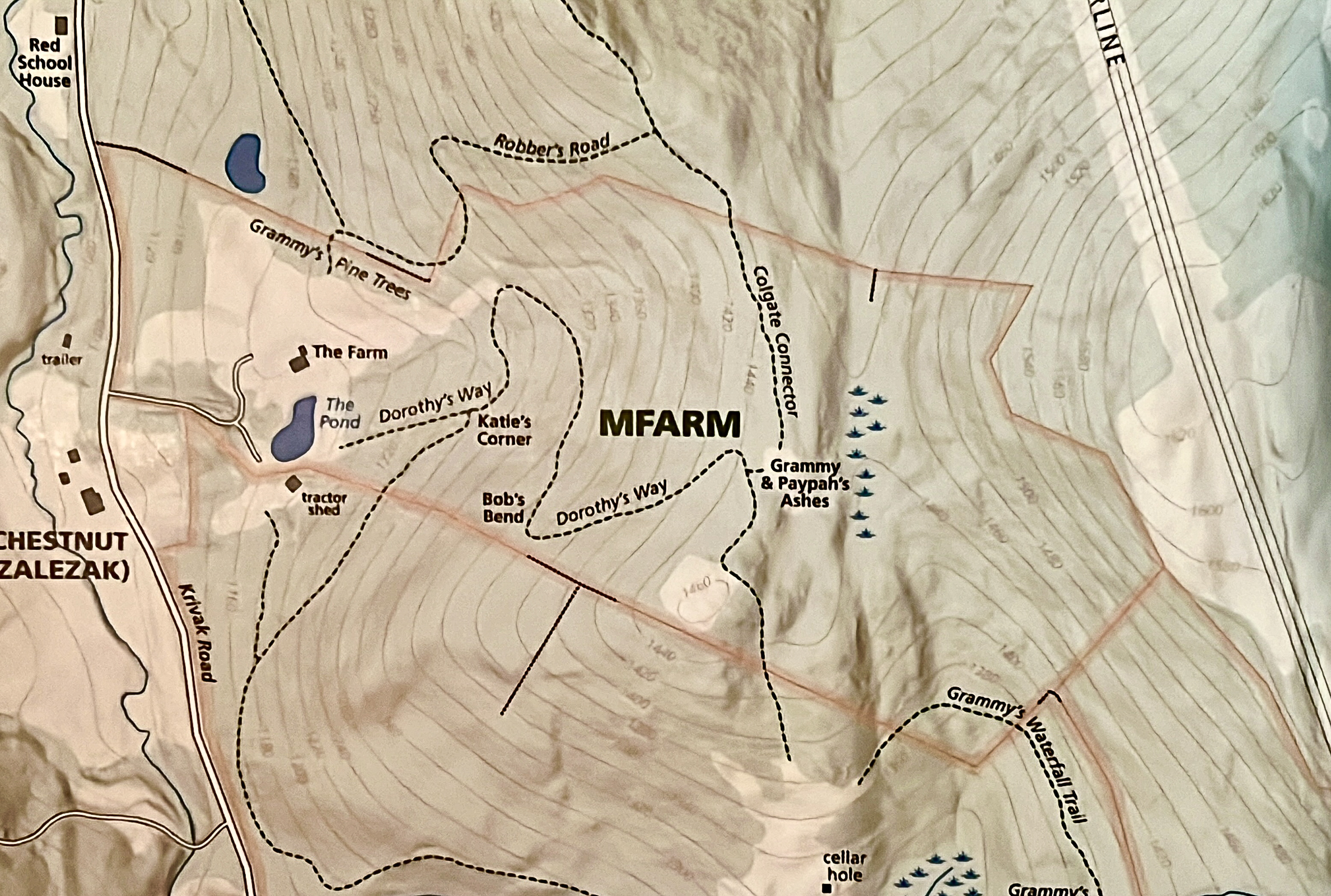
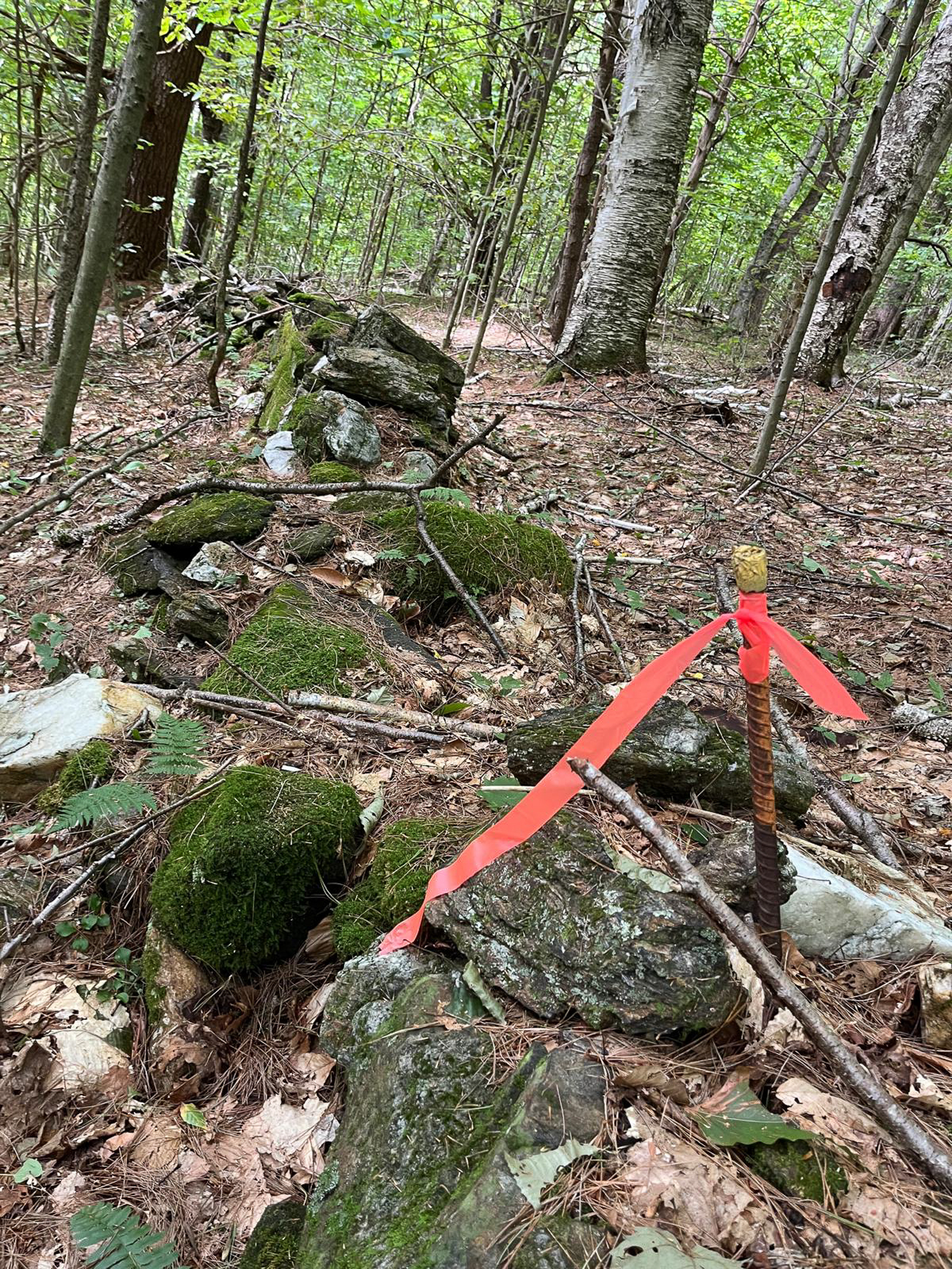
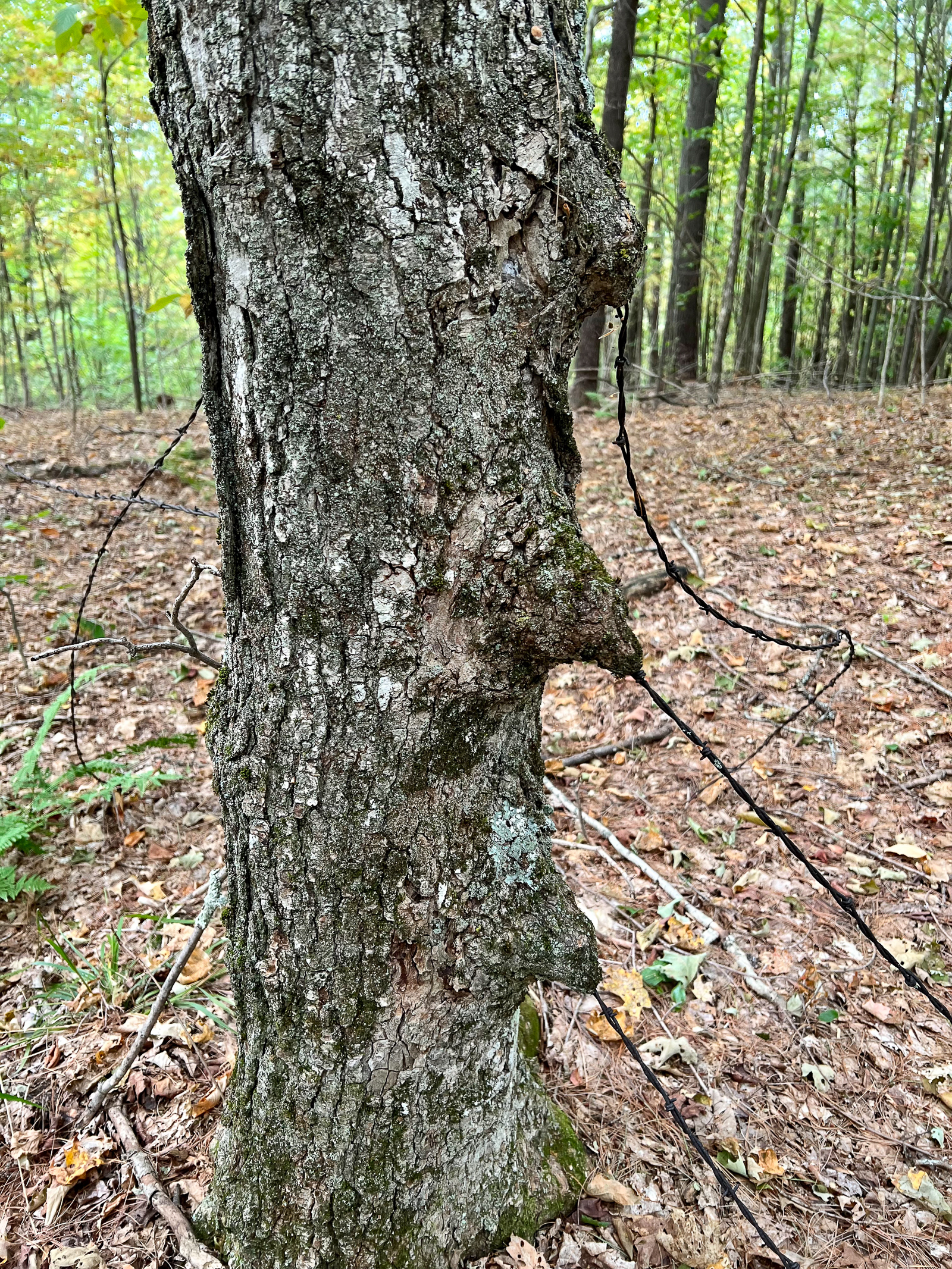
One of the projects that Ellen and I did together was to walk, mark, and map the property line all the way around our 53 acres. It took many days to complete, and it was one of the most inspiring and satisfying projects that we have done here at the Farm. We spent our time following lines on a two-dimensional map in a three-dimensional forest. We were aided by a professional map of the property made by our nephew Bart as well as old property deed maps and aerial photo maps. Sometimes, we were aided by discovering old stone walls that followed the property lines. We guessed that some of these walls were, possibly, 200 years old. Barbed wire replaced some of the stone walls in the latter part of the 19th century and often, we would find old trees that had grown around the wire.

An additional challenge was the terrain itself. This part of Vermont is very hilly and hiking this lumpy landscape required strong legs and a lot of motivation. Fortunately, we’re from hilly San Francisco and we hike there every day. Sometimes, we had to ski down the dirt slopes on our shoes and help each other up on the other side. Astonishingly, the people that built these 19th century stone walls didn’t seem intimidated by the steep hills and vertical canyons of Vermont. Hiking these walls gave us a little more insight into the rugged lives of these early Vermont farmers.

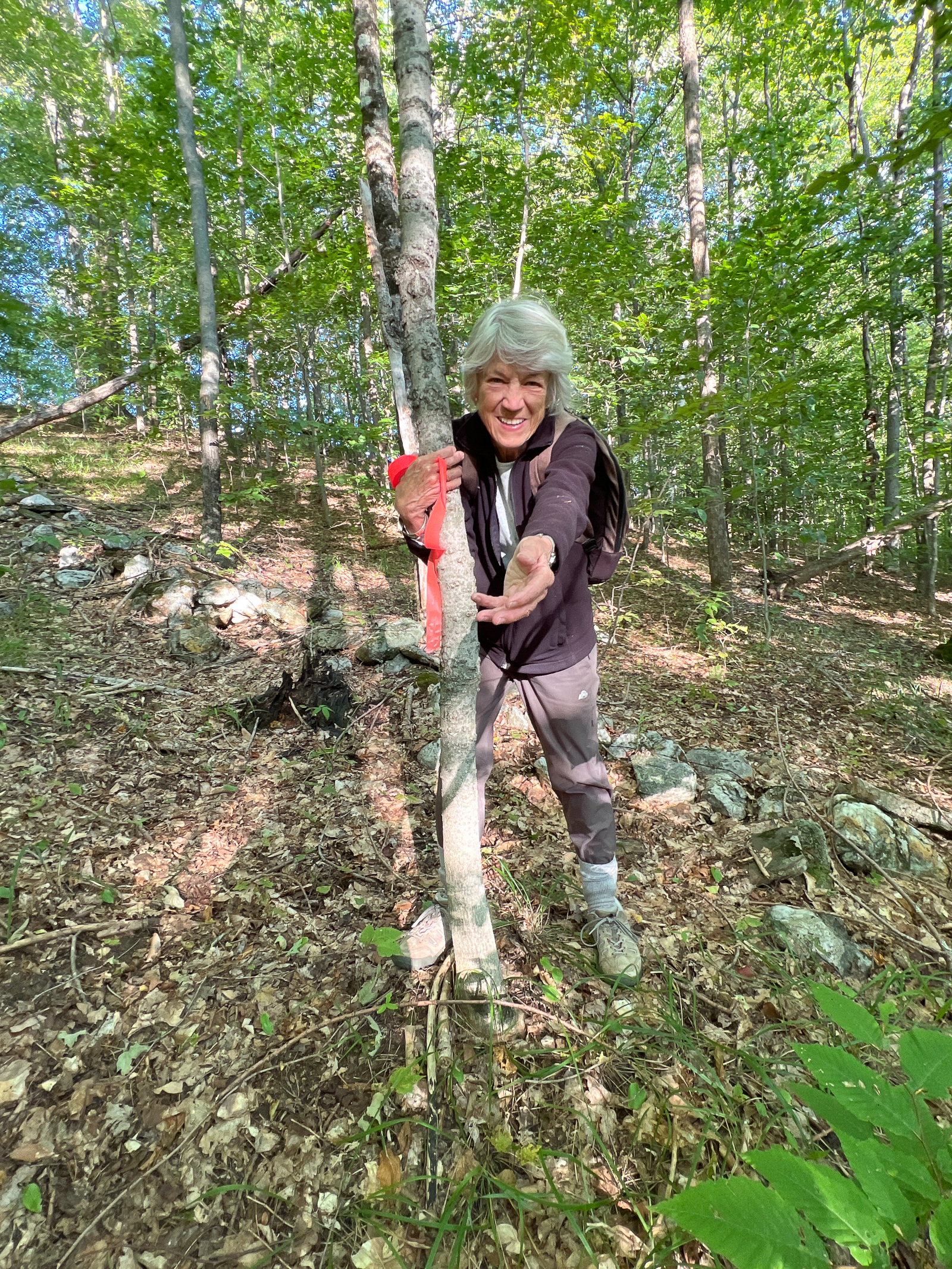
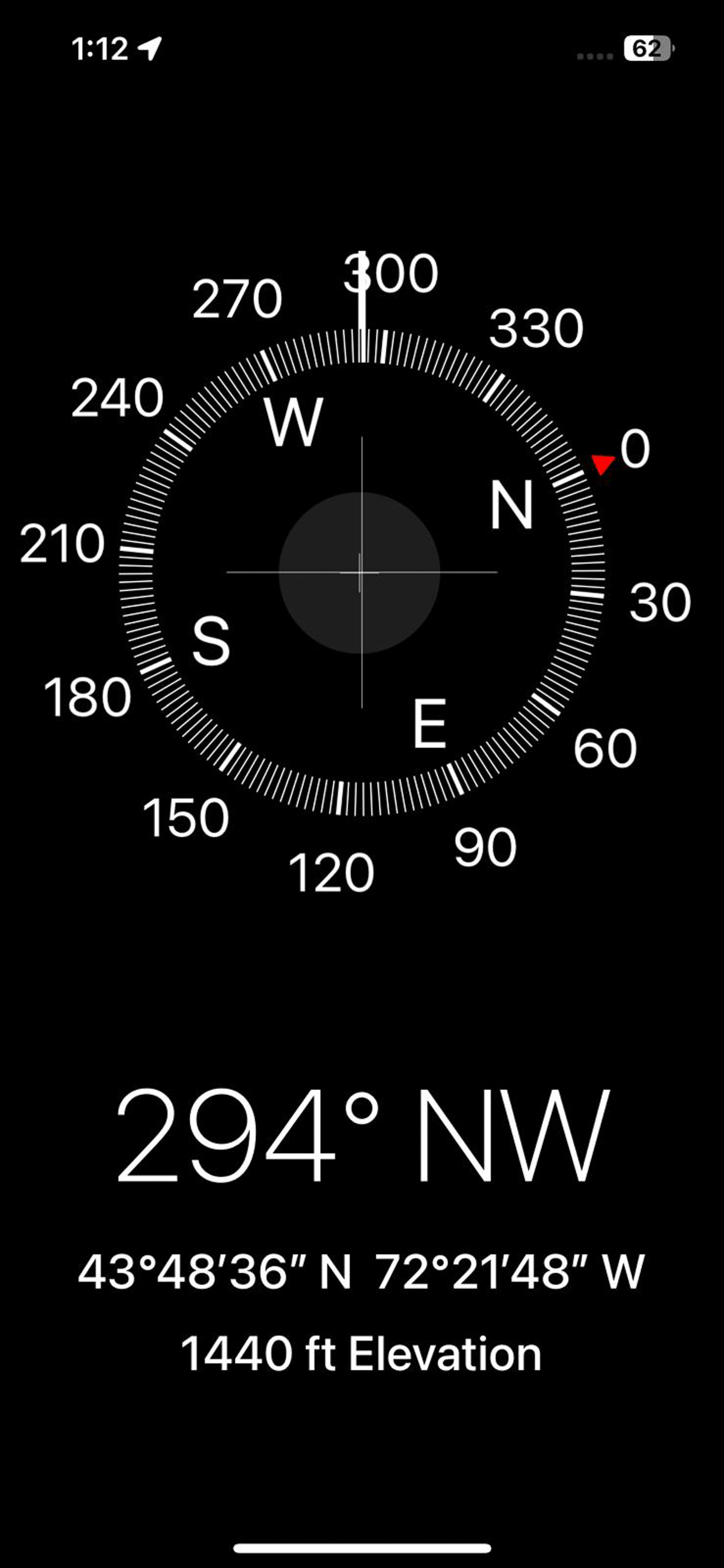
We were helped by having good maps and a compass on our phones which allowed us to accurately wander the hills and valleys without getting lost. We were also aided by the app GaiaGPS which allowed us to map our route while being offline. Pink ribbon was how we marked our way on this incredible journey.

As we followed the lines of the property, we were also following lines of history and geography. We deepened our own connection to this place by our current journey over it which also helped us better understand its buried past. As we made our way across the landscape, we also became more a part of it. The land itself became our teacher and our roaming became our solace.

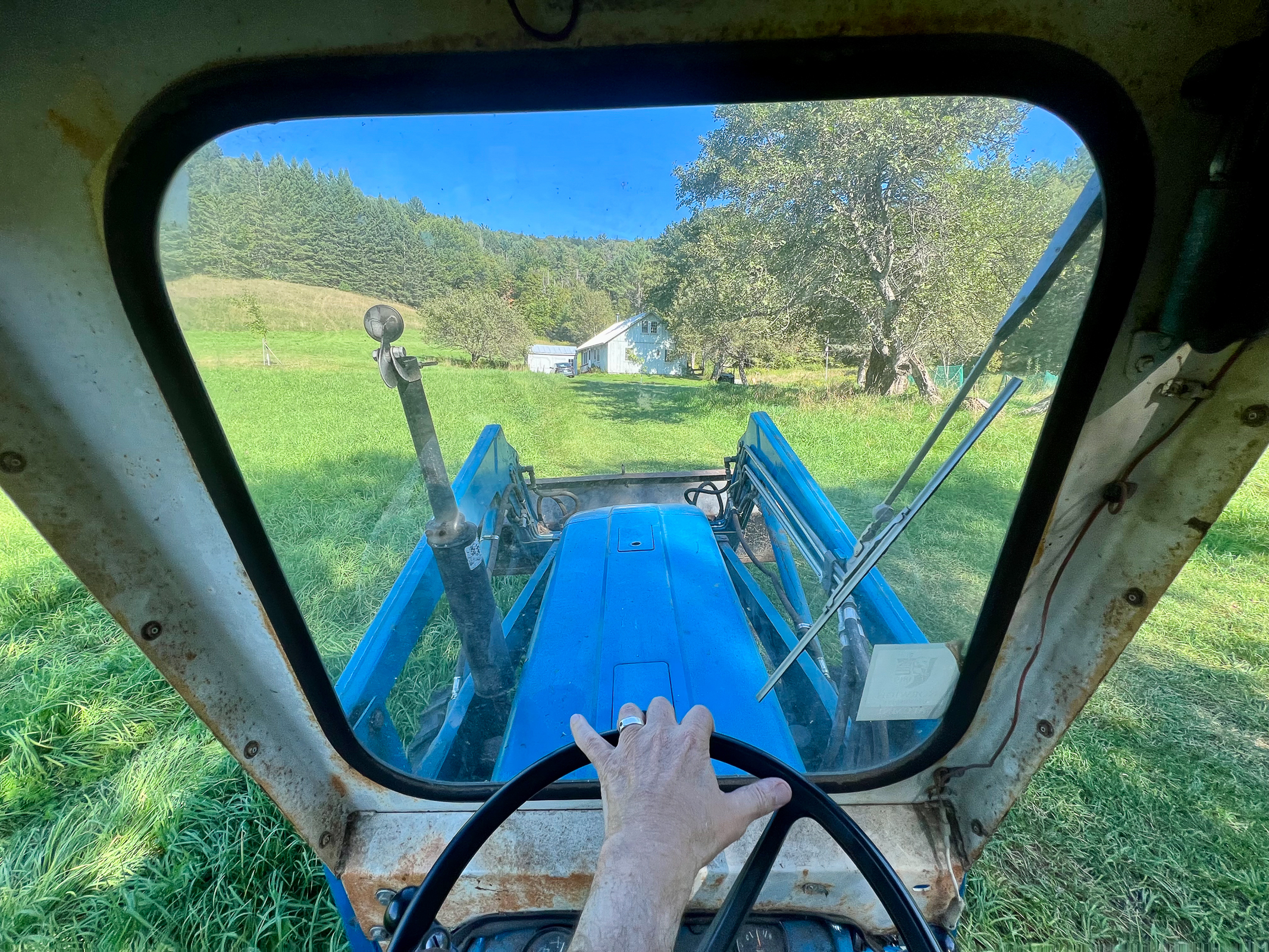
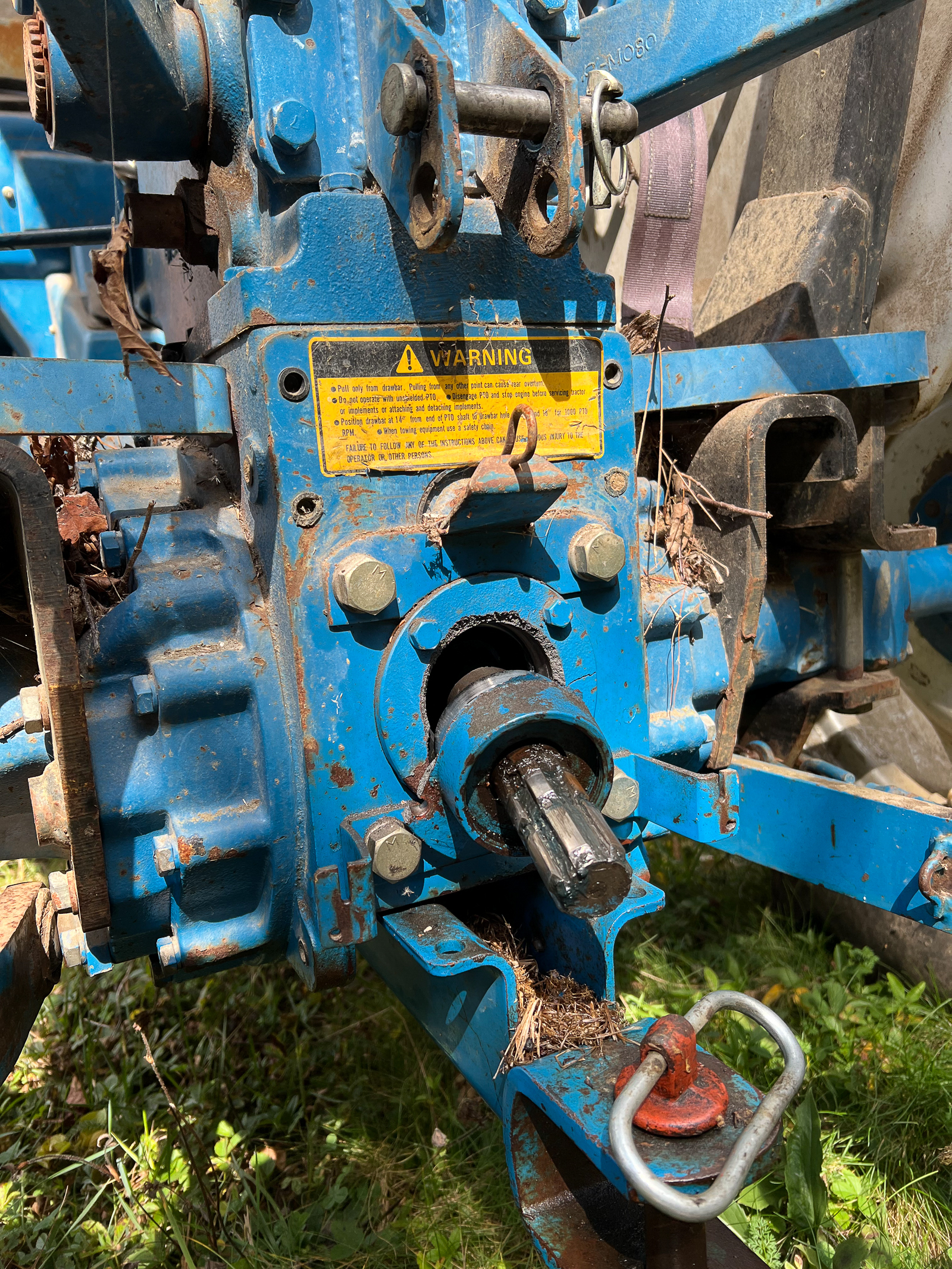
When Ellen’s brother John visited, we quickly got to work doing the chores that need to be done to keep our place going. John taught me how to drive his old tractor and cut the grass in one of the outlying fields. It took more than an hour to do this as the tractor traveled at a very sedate pace fitting its ancient age. I really enjoyed doing that chore as it gave me time to think about the dignity of manual labor, the separation in our country between people working with their hands versus people who work on their screens, Presidential politics, and what to make for dinner that night. Unfortunately, the next time I fired up the tractor, a coupling in the back broke and leaked out all the hydraulic fluid, ending that chore. Undeterred, I jumped on the old sit-down lawn mower to continue mowing but after a few minutes it stopped dead in its tracks with a broken belt. At that moment, I decided I was through with breaking things and went off to read a book.

Between chores, reading, and hiking, we were lucky to have several visitors throughout our time at the Farm. We see Virginia and Michael every year as they live near Hanover, NH. We had a small party at our place celebrating her retirement from teaching photography for many years at Dartmouth College. They brought their friend and celebrated journalist/ war photographer Jim Nachtwey. His career has spanned the globe over decades and the conversation that night was epic. We feel lucky to know them all.

A few days later, Ellen’s best friend from first grade, Deb, flew in with her husband Elliot. She is a retired professor, and he is still a practicing eye doctor who flew his own plane from Rhode Island. We had a non-stop conversation with them for two days and enjoyed every minute of it.

Finally, we first met our friend Lisa during our Fulbright Fellowship in Jerusalem in 2019. She was a US diplomat working at the American embassy and has recently retired. She took a 10-hour train ride from her home in Washington, DC up to Vermont and we spent four days hiking, cooking, site seeing, talking world events and politics, and never running out of fascinating things to discuss.

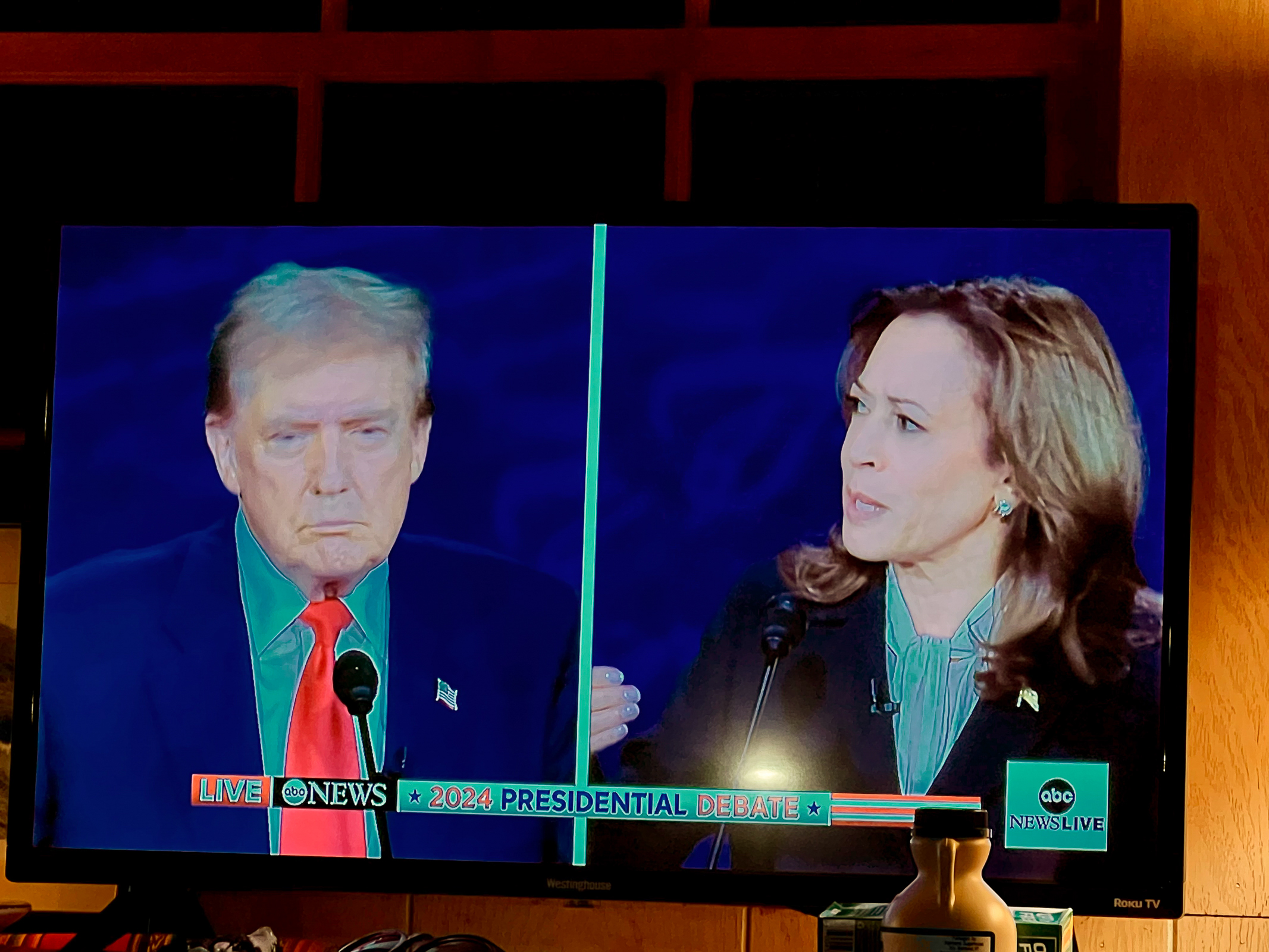
We only got the internet at the Farm last year. Although we resisted it for a long time, it was a good addition because it allowed us to watch Kamala Harris put down the bully Trump in an amazing political event. This will be the only Presidential debate, and it was good to see how much of a looser he really is. So much depends on this election, but that night Kamala made us proud.

Since Walker’s recent visit to the Farm, he has been on assignment for CBS in Alaska (twice), on the border with Mexico, and in Brazil covering a newly discovered slave ship story. Fortunately, we stay in touch and follow his amazing globetrotting adventures.

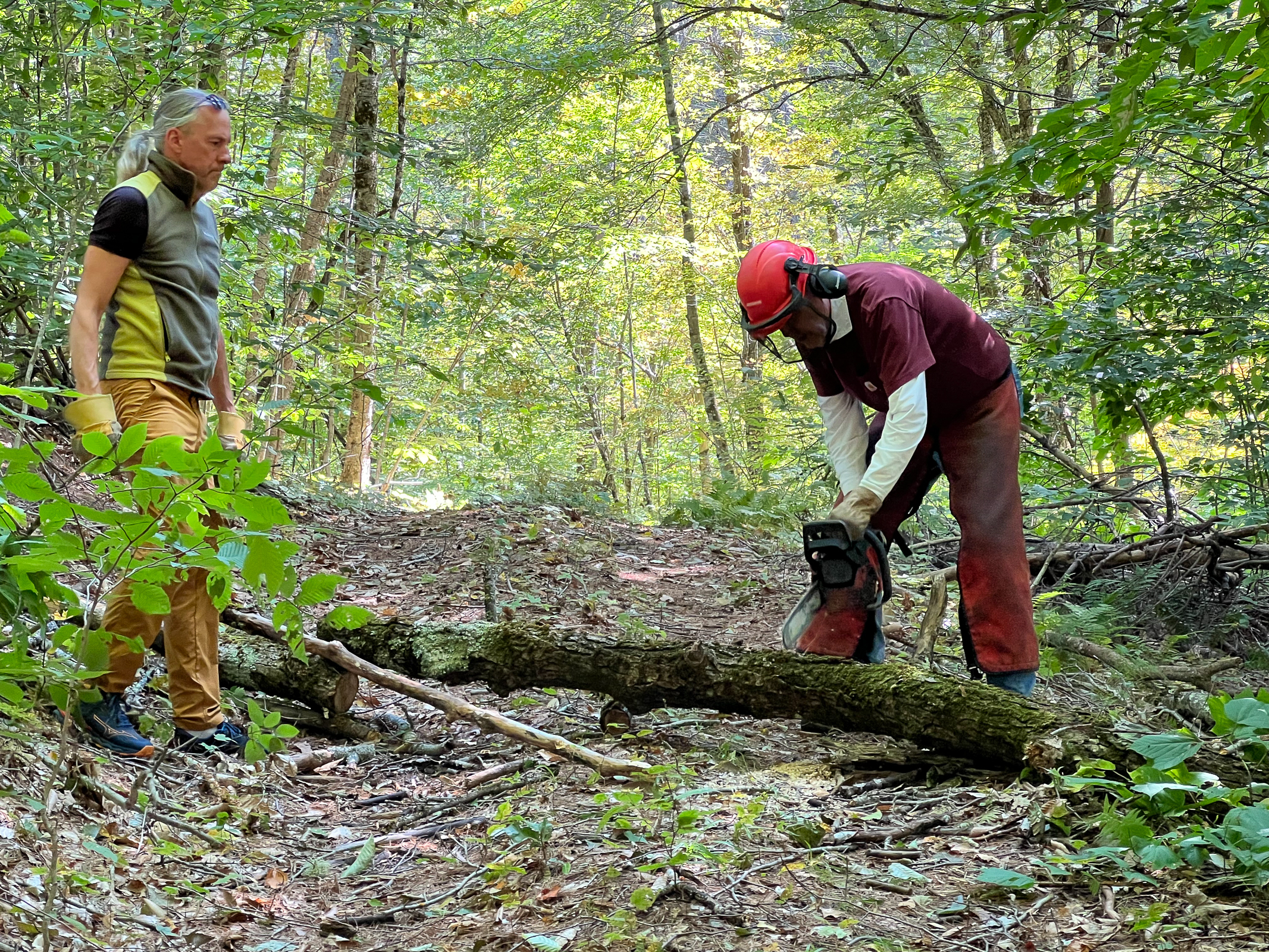
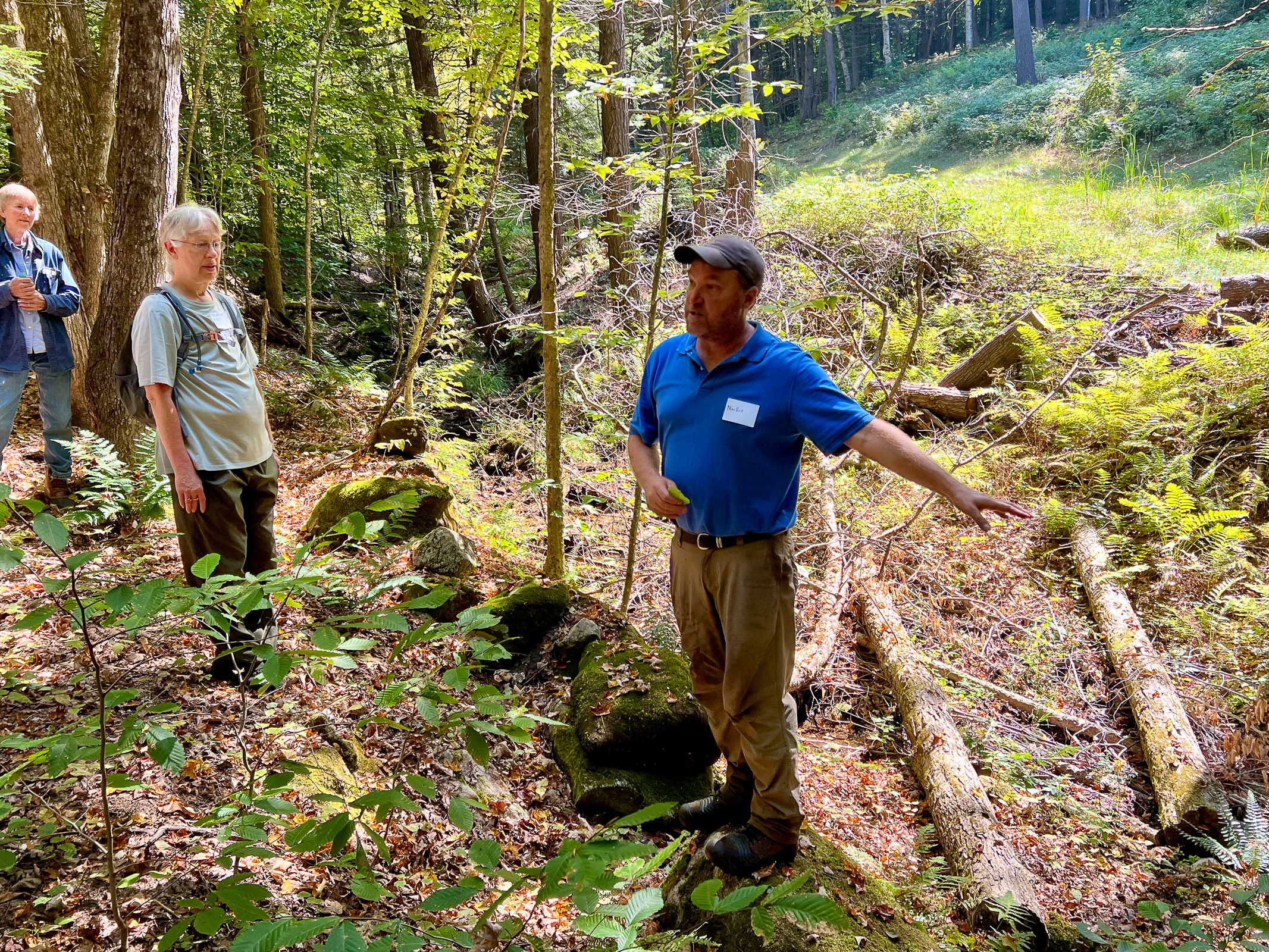
The chores never end at the Farm. But one of the benefits is that it gives us a chance to spend time with Ellen’s brother John. Cutting trees and planting trees is a non-stop necessity. John is part of a group called the Vermont Woodlands Association which helps Vermont landowners conserve their forests. We held another delightful Walk in the Woods event with a group of neighbors highlighting John’s sustainability work on his property.

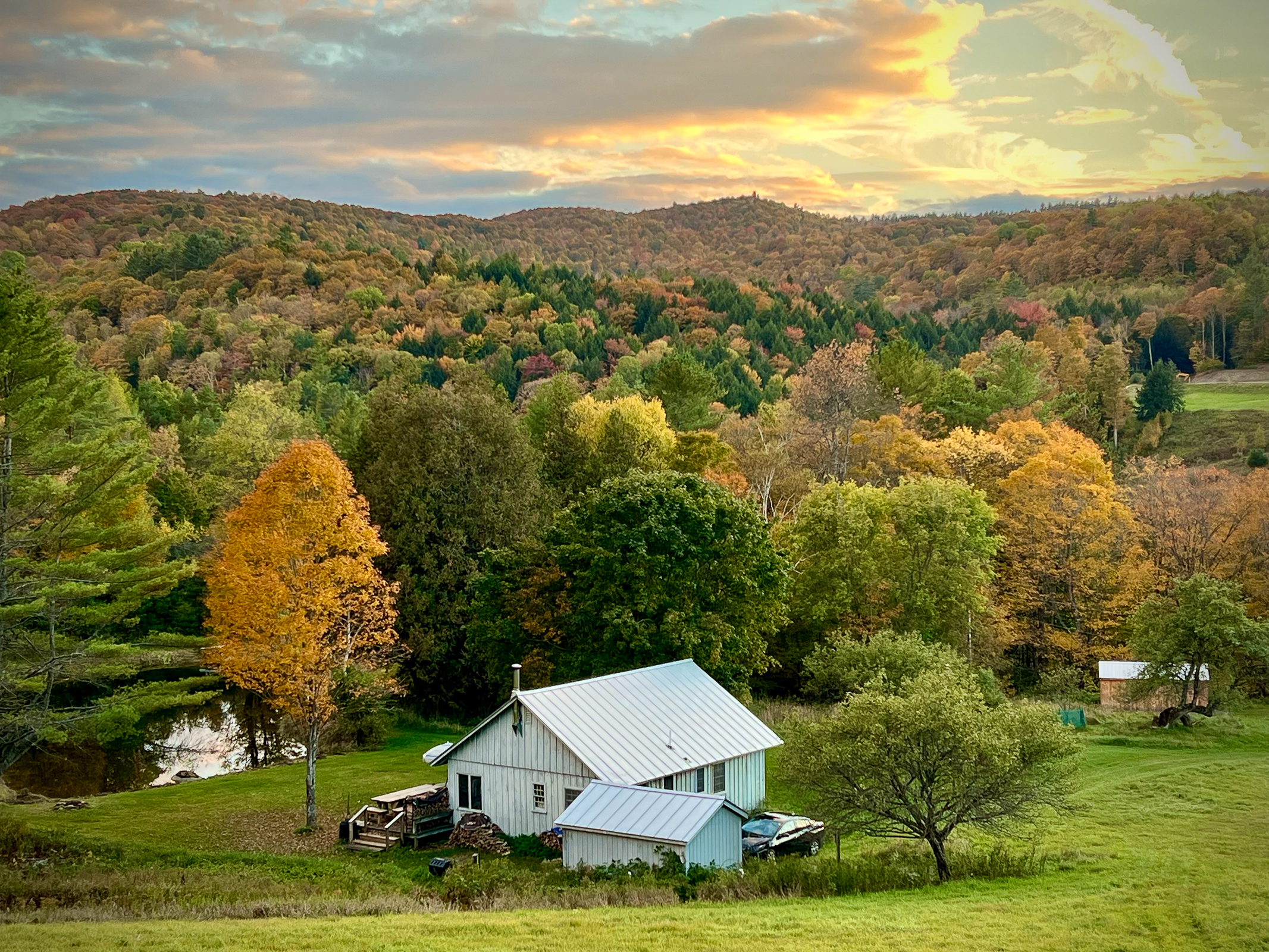
As we were nearing the end of September, the Autumn colors were appearing in the Vermont forests. Soon the leaf peepers would be out in force and the backcountry roads would be thick with tourists. After this long and delightful stay, we experienced the hardest time leaving. After bonding so completely this time with this rural place, it would be difficult to drive back through the corporate American road culture to California. But fortunately, along the way we have several friends we will meet and miles to go before we sleep.

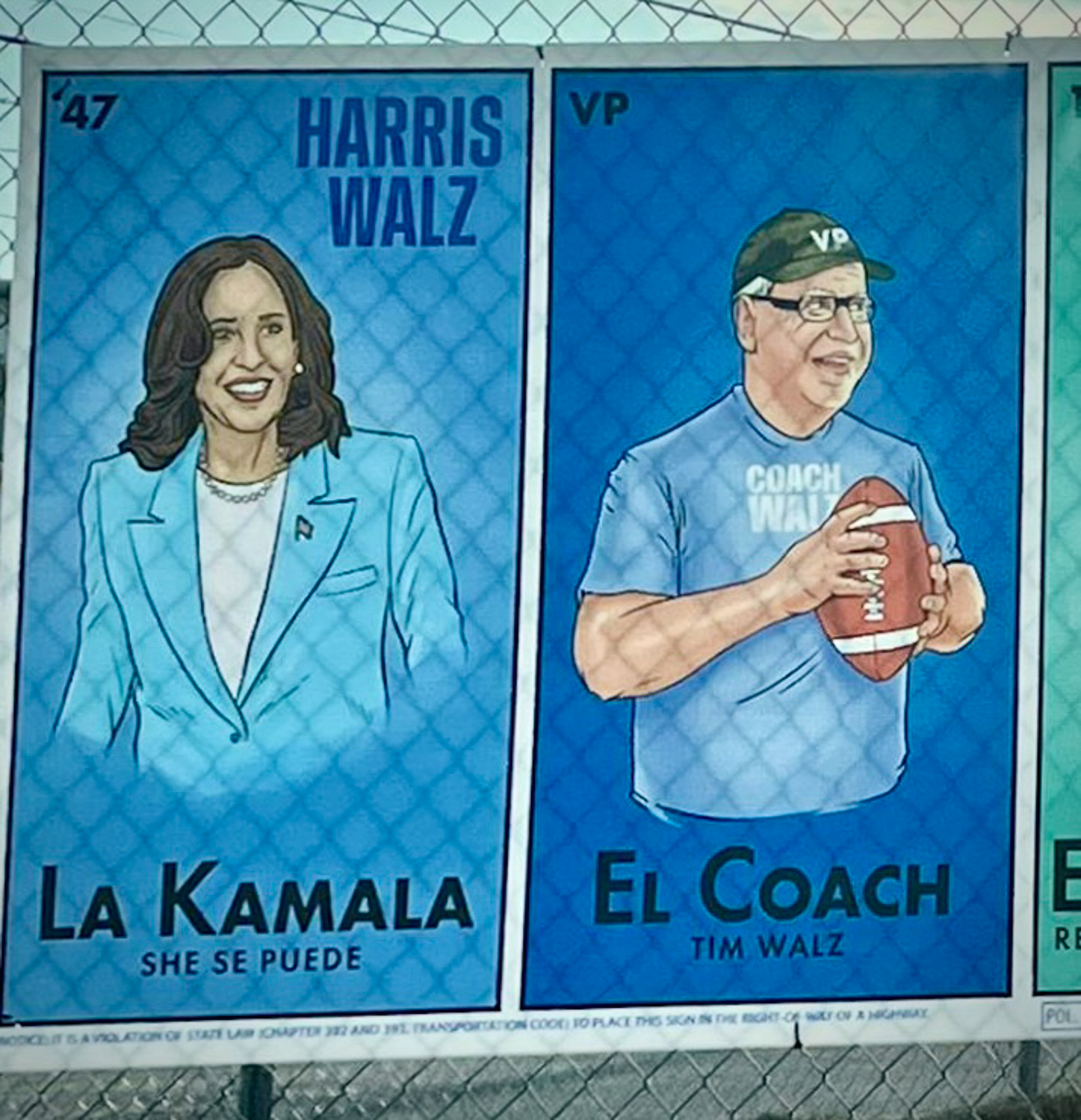
We postponed our departure by one day to watch the Vice-Presidential debate between Tim Walz and JD Vance. I think Vance was a better debater but there was no question that Walz should become the next VP. To be continued…
4 Comments

Filed under Uncategorized

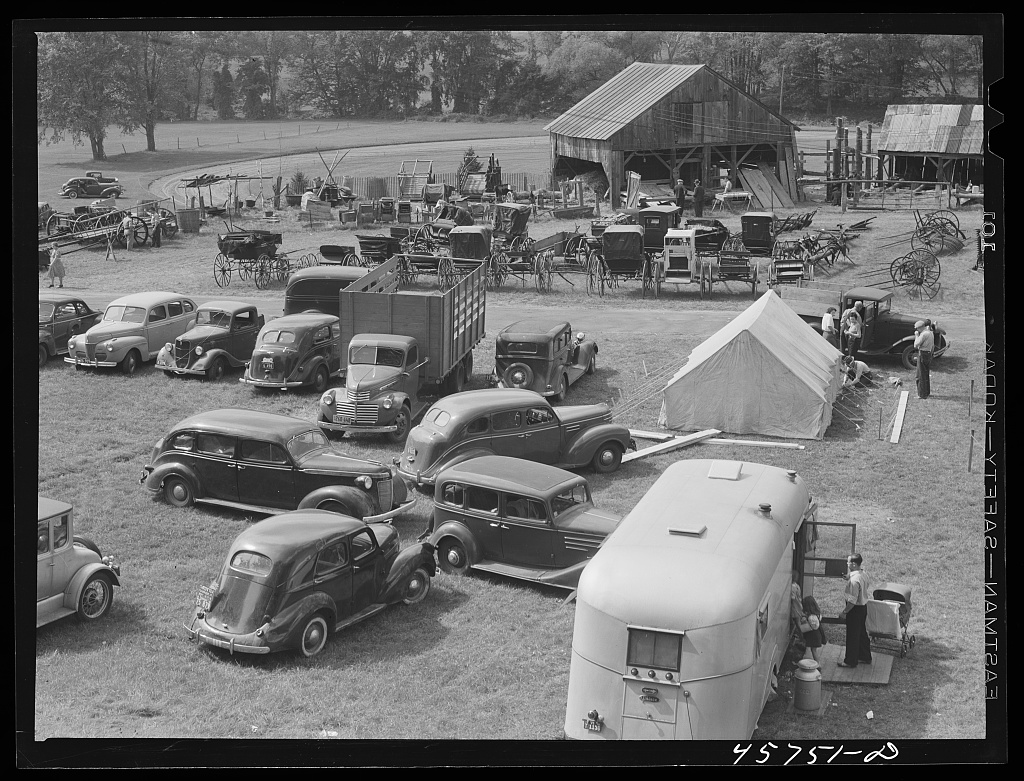
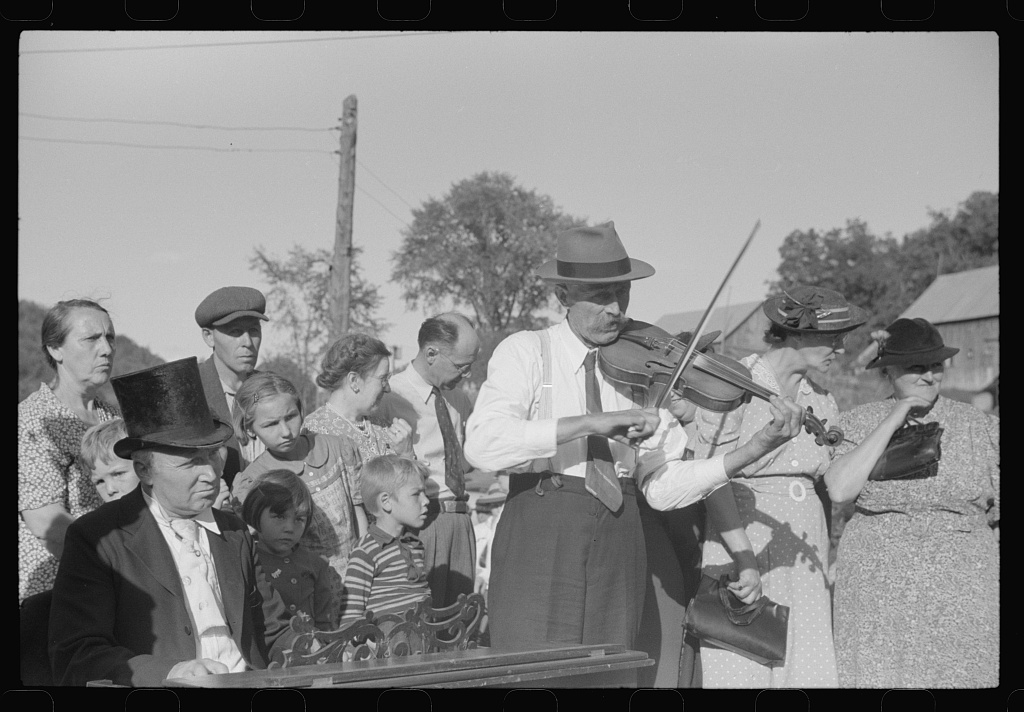
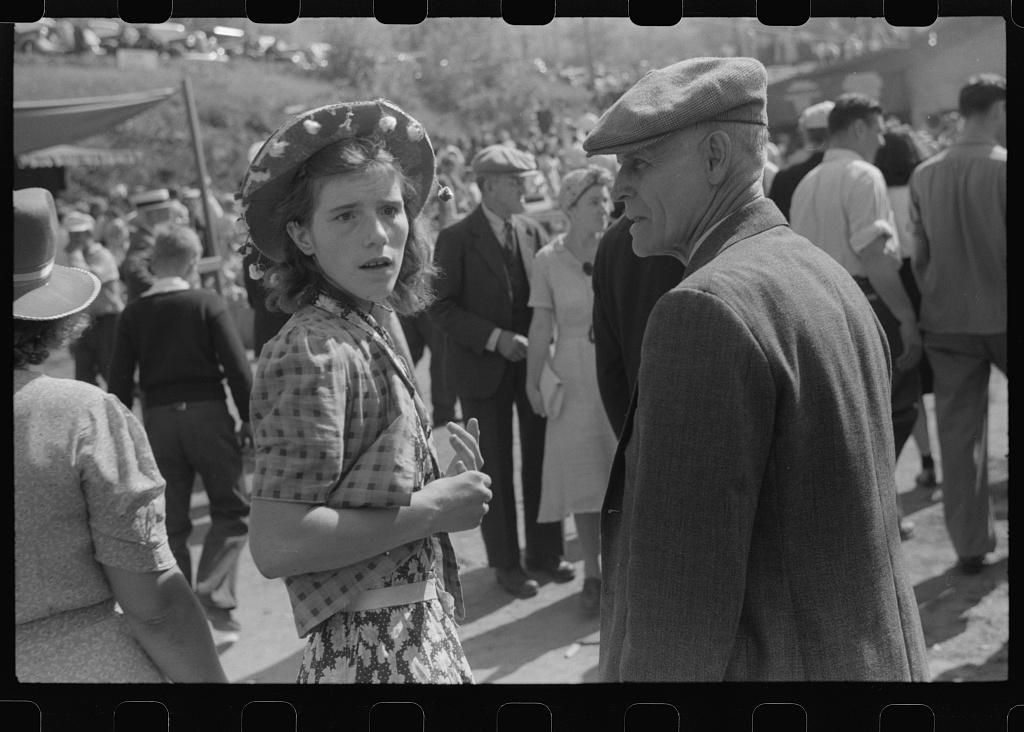
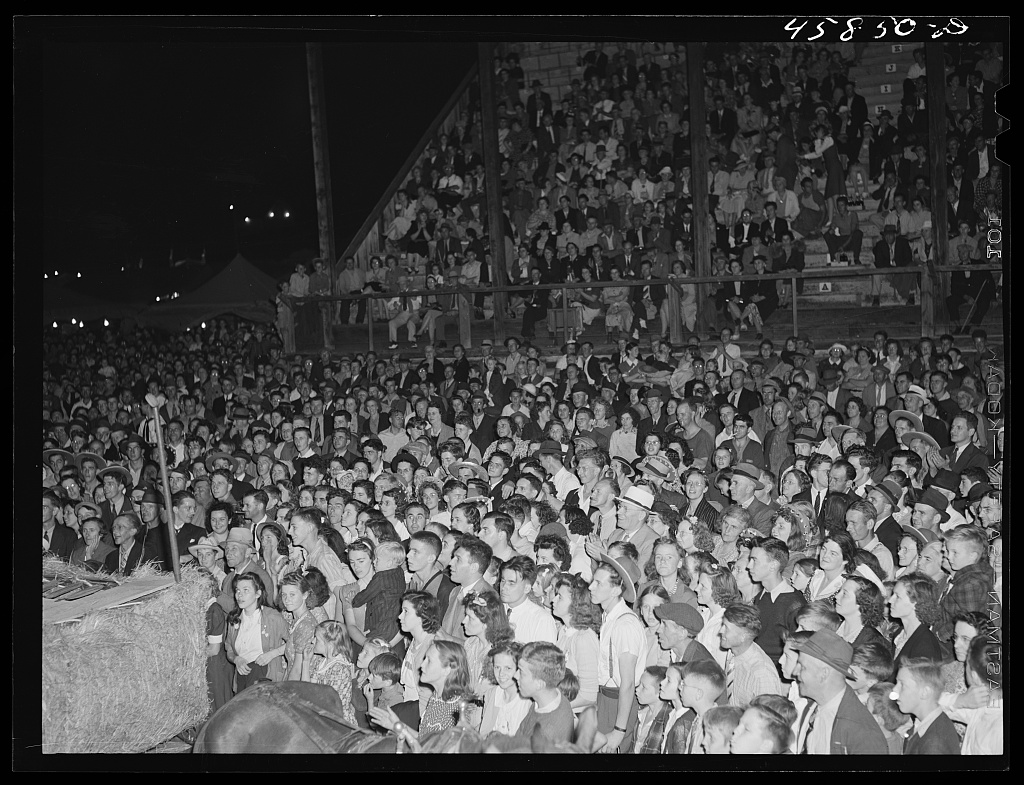
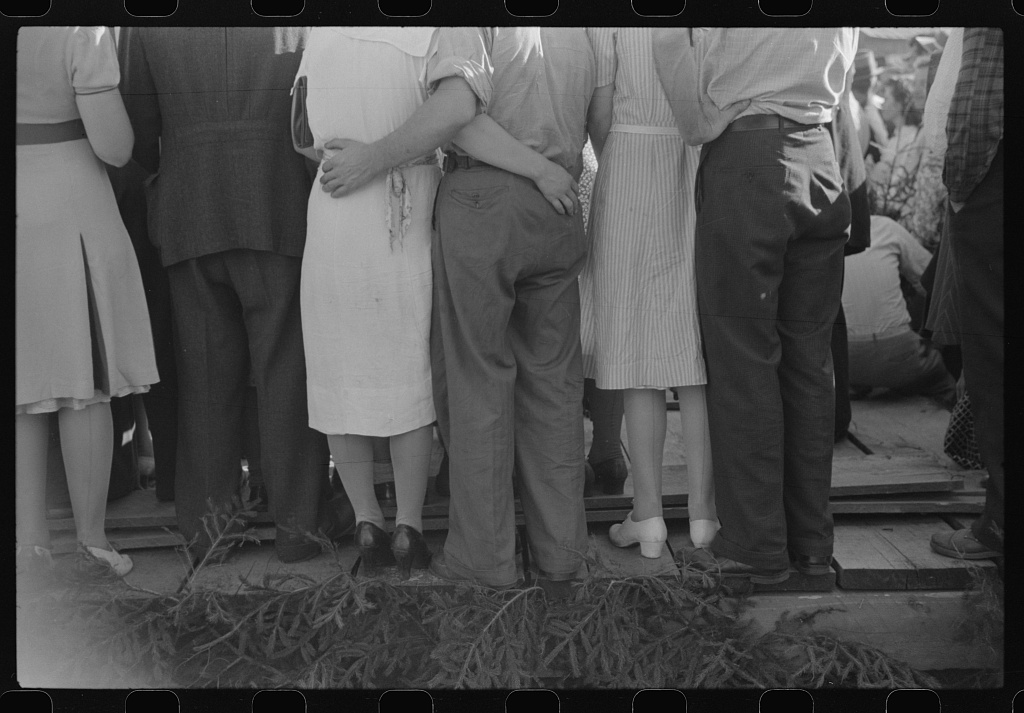
Tunbridge, VT World’s Fair, 1941 + 2023

I have always been interested in the world that my parents lived through – the Depression of the 1930s, World War II, and the Cold War. I can’t imagine how terrifying those times of conflict and uncertainty might have been. I have also been inspired by how photography, even imperfectly, can sometimes be a way to transport us back to that time and catch a glimpse of how their lives might have looked and be imagined. 

The Library of Congress in Washington, DC is one of the largest libraries in the world and is also the repository of the famous survey of American life called the Farm Security Administration (FSA). It was one of the largest government-sponsored documentary photographic survey projects of all time. The photographs from this collection form an extensive pictorial record of American life between 1935 and 1944. Photographers were sent all over the country during the Great Depression mostly documenting the federal government’s efforts to overcome the economic disaster of those hard times. The work continued into WWII under the Office of War Information (OWI). Some of the work also documented American life in a positive way and some of these images were later used as propaganda to counter the rise of fascism before and during WWII and Stalin’s Soviet power during the Cold War afterwards.

Some of my favorite photographers were hired by the FSA including Dorothea Lange, Walker Evans, Russell Lee, Marion Post Wolcott, Gordon Parks, and Jack Delano. In September 1941, Delano was sent on assignment to record the Tunbridge World’s Fair in the small, rural town of Tunbridge, VT. Because we had just visited this “World’s” Fair with our nephew Bart and his wife Hannah, I decided to look at the Library of Congress’ website to see if there were any photographs by the FSA of Tunbridge. What I discovered was a goldmine of over 300 images by the multi-talented, Ukrainian immigrant named Jack Delano of the Tunbridge Fair. Delano tended to focus on the cultural and social patterns of a place which provided a rich source of visual information for our own interests.

September 1941 was just a few months before the attack on Pearl Harbor and the US entering WWII. Europe had been consumed with the war for two years already but when these photos were made, the US was still in the twilight of peace before the disaster of war. I was struck by how few young men appear in these photographs. It is possible that in an agricultural community, many of the young men were off working on the farms and couldn’t get time off to go to the Fair. Another explaination could be that many had already enlisted in the military in the lead up to the war. Of course, we now have the luxury of knowing what happened after September 1941, but I wondered as I looked into the faces of the people in the FSA photographs what were they thinking and feeling as many, even then, feared we would get sucked into the war.  

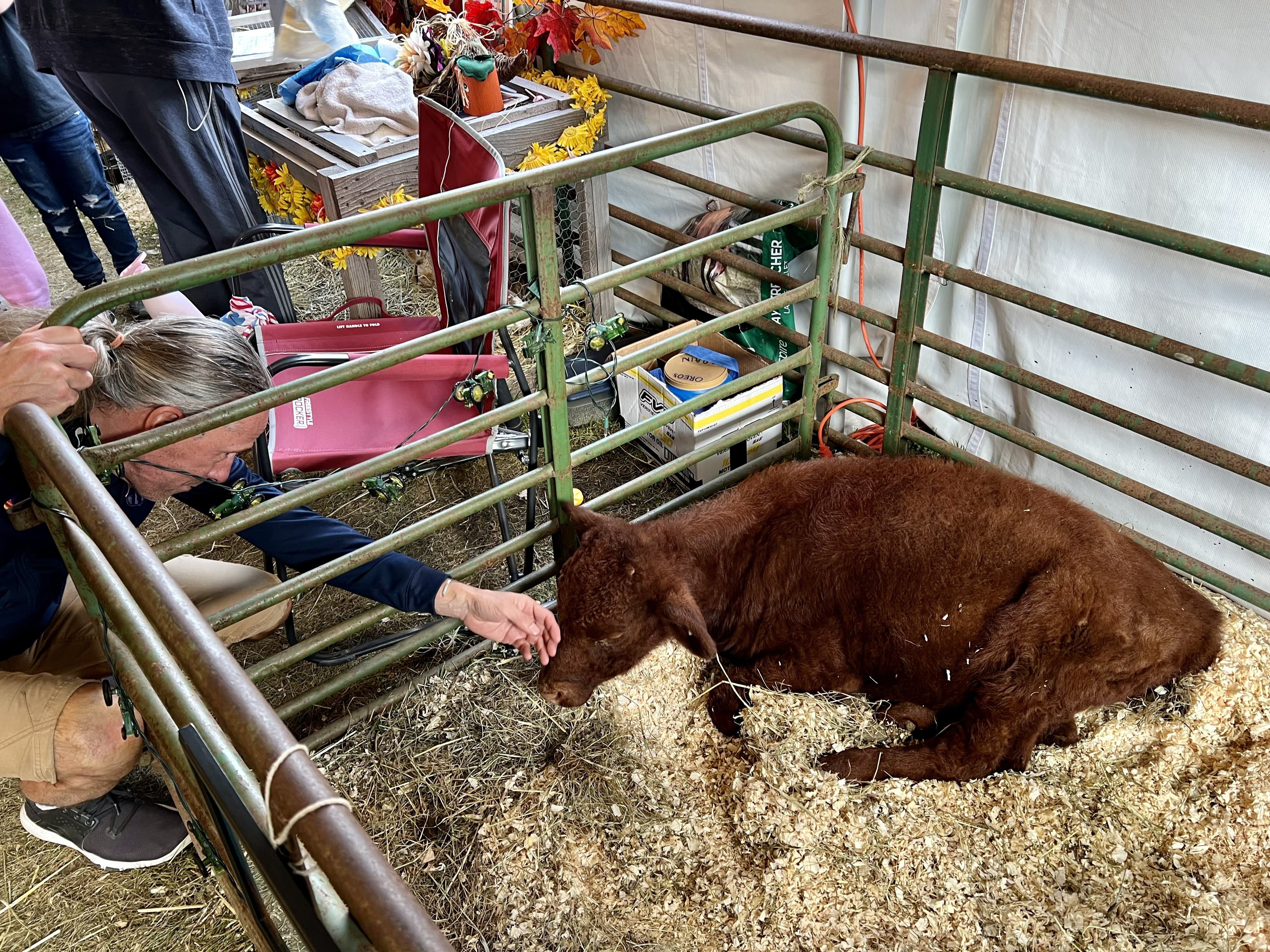
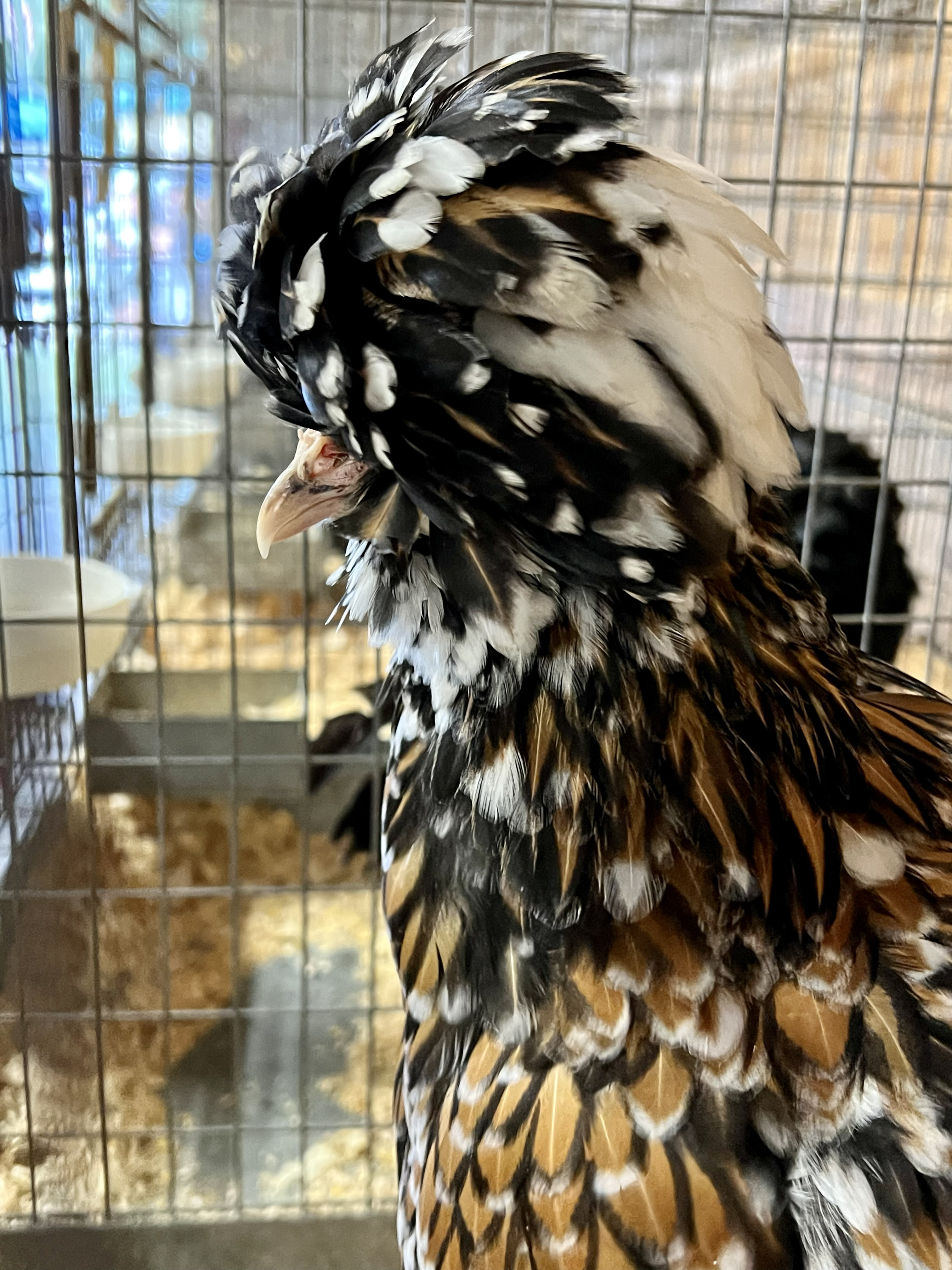
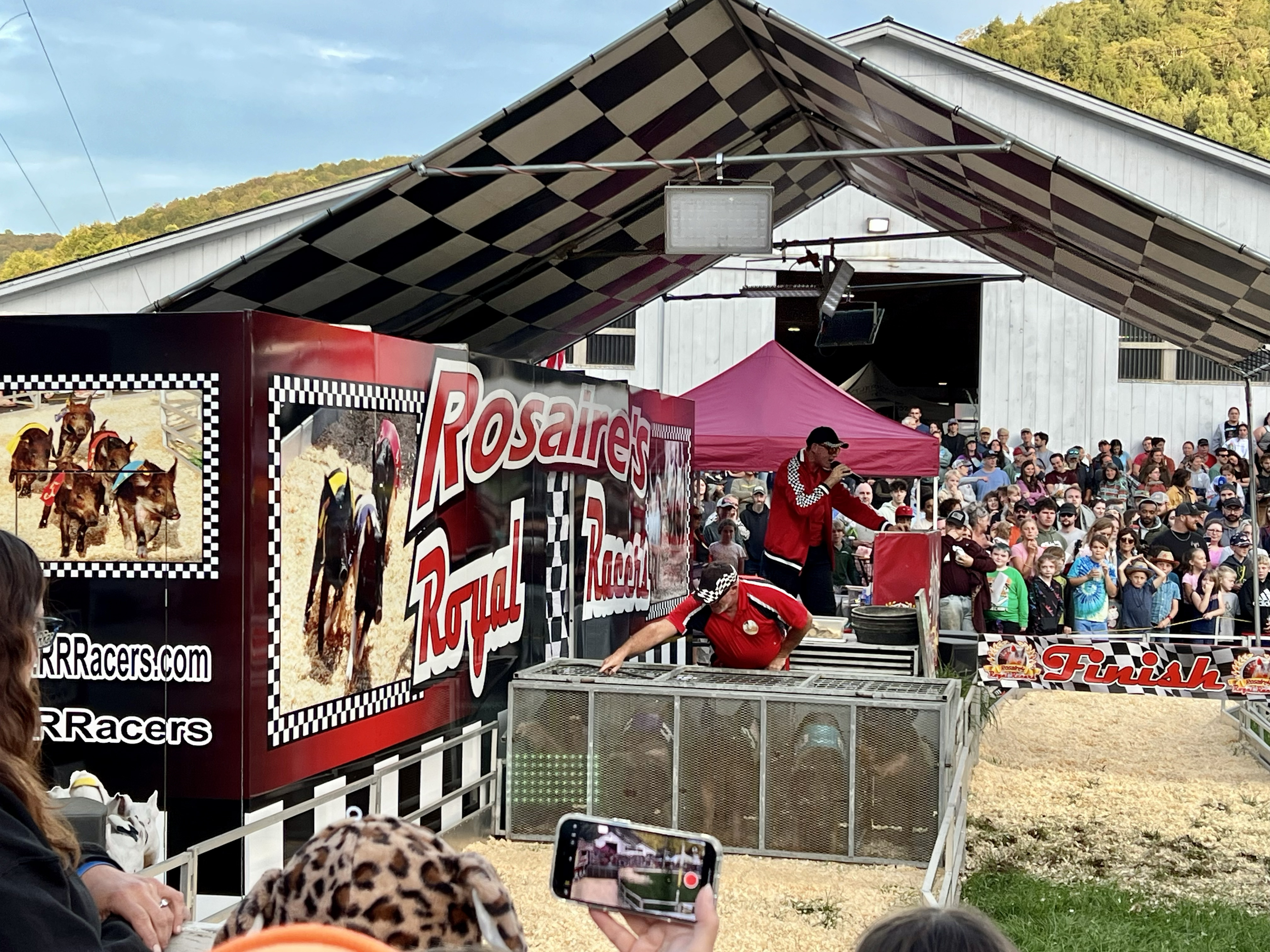
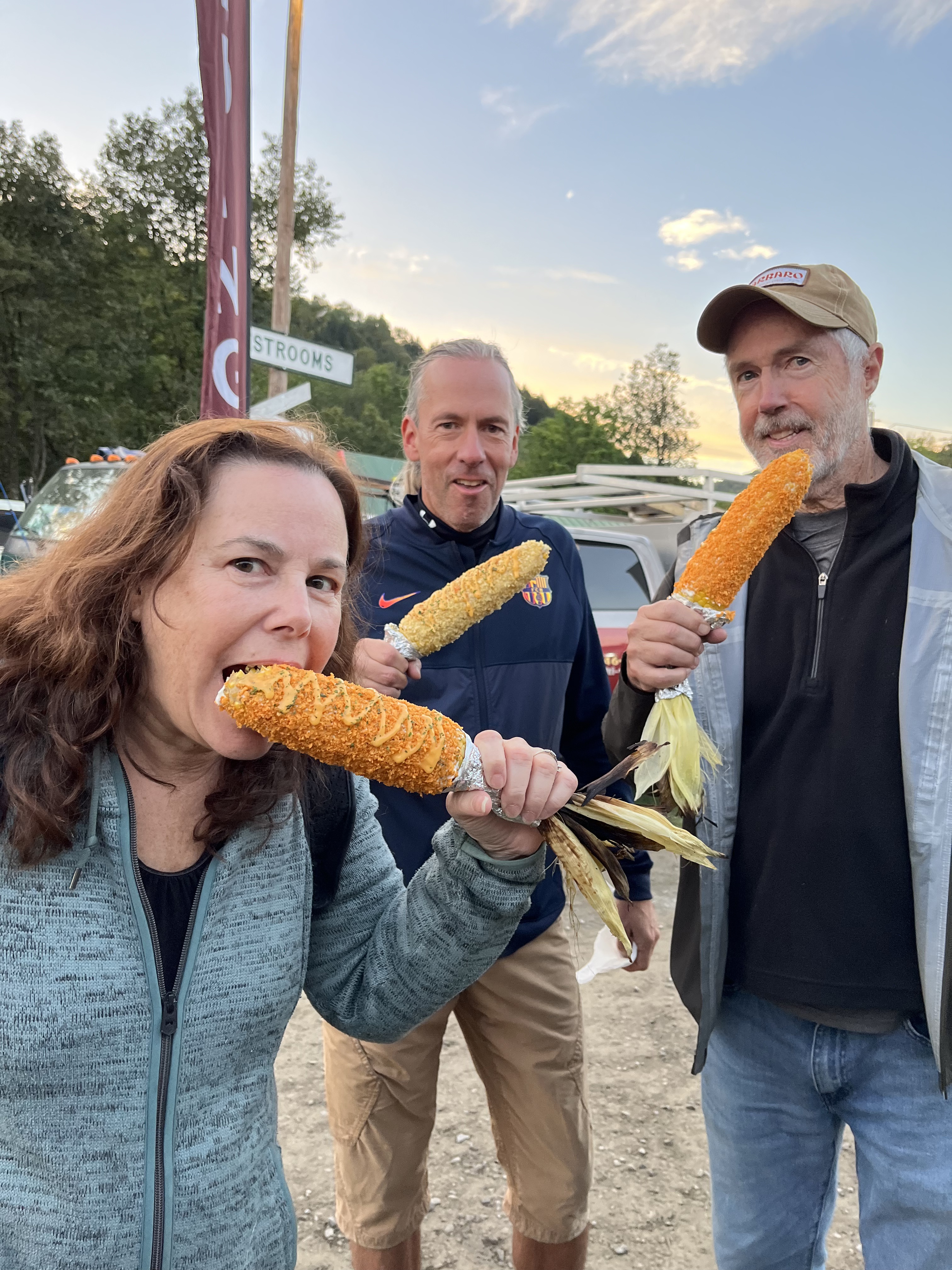
Eighty-two years later, Tunbridge and its Fair are still here and, in many ways unchanged but totally different. Agricultural exhibits still attracted some of the largest crowds as people flocked to see the cows and pigs, chickens and rabbits, and lambs and goats. Another big draw were the pig races which I thought were weird but succeeded in whipping up the audience. The ox-pull also seemed strange but has been in existence since they were first used to clear the rocky soil of Vermont over 200 years ago. The way people dressed also seemed different today than in 1941. Even going to a small, rural fair people tended to dress up and everyone wore hats. Today we wear t-shirts and jeans and are much more casual in our appearance. Our enormous genetically modified corn had been smothered in ground Doritos, mayonnaise and cheese but still tasted delicious. I can only imagine what food was like in 1941 at the Fair. The Vermont Republican Party had a booth containing the usual Trumpy MAGA angry divisiveness. This provided a stark contrast to 1941 when the country faced a true existential threat, and we were led by one of our greatest presidents.

Perhaps the largest change was in the land itself. As I studied the comparative photographs, I was amazed at how open the hills around Tunbridge were in 1941 and how the forests have filled in most of the open spaces today. Changes in land use over the centuries have drastically altered the ecology and it is not coincidental that much of the early thinking about preserving the environment originated in New England. William Cronon’s 1983 book Changes in the Land and, of course, George Perkins Marsh’s 1864 classic book Man and Nature began my understanding of the changes over time of what I was seeing in this part of the world today. I can only imagine what Tunbridge will look like eighty-two years from now.

Stay tuned…

Note: all the black and white photos above are from the Library of Congress Prints and Photographs Division. All of those images were made by Jack Delano in September, 1941 in Tunbridge, VT.

2 Comments

Filed under Uncategorized

Previous Field Work (1994-2011)

Library, Yosemite National Park, CA (2008) - The Yosemite Valley Branch Library is part of the Mariposa County Library system. It has two public internet stations and is housed in the Girls Club building near Yosemite Village.

Library, Mendota, CA (2004) - A new library replaced this San Joaquin Valley library in 2005.

Librarians, Tool Lending Library, Berkeley, CA (2011) - This Tool Lending Library is part of the regular Berkeley, CA, library system. It is an extremely popular branch library.

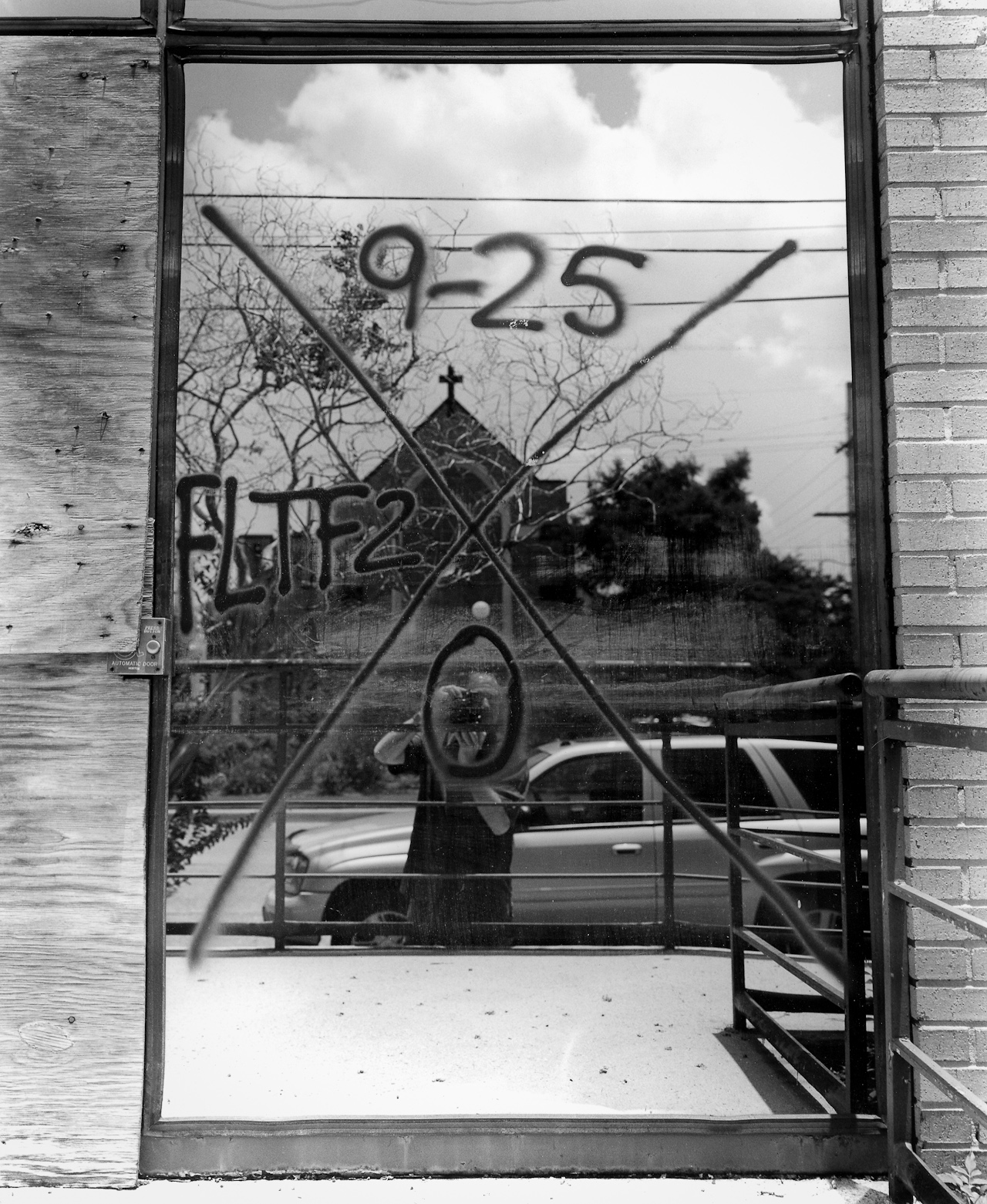
Katrina damaged library, New Orleans, LA (2008) - When the levees broke, all of New Orleans’ thirteen public libraries were damaged, eight so badly they could not be reopened. More than 300,000 books, CDs, and other items were destroyed—nearly half the collection. With the devastation of the city and the crippling of city government, NOPL was forced to lay off 90 percent of its employees. All libraries were closed for over two months. The 19 remaining staff members, when they were able to re-enter the city, began surveying damage and salvaging assets. The devastation was an opportunity to rebuild a better library system.

Interior, Woburn, MA (1994) - After a large bequest by Charles Winn to the town of Woburn in 1876, the famed American architect Henry Hobson Richardson was selected to design his first library. The Woburn Public Library is now a National Historic Landmark.

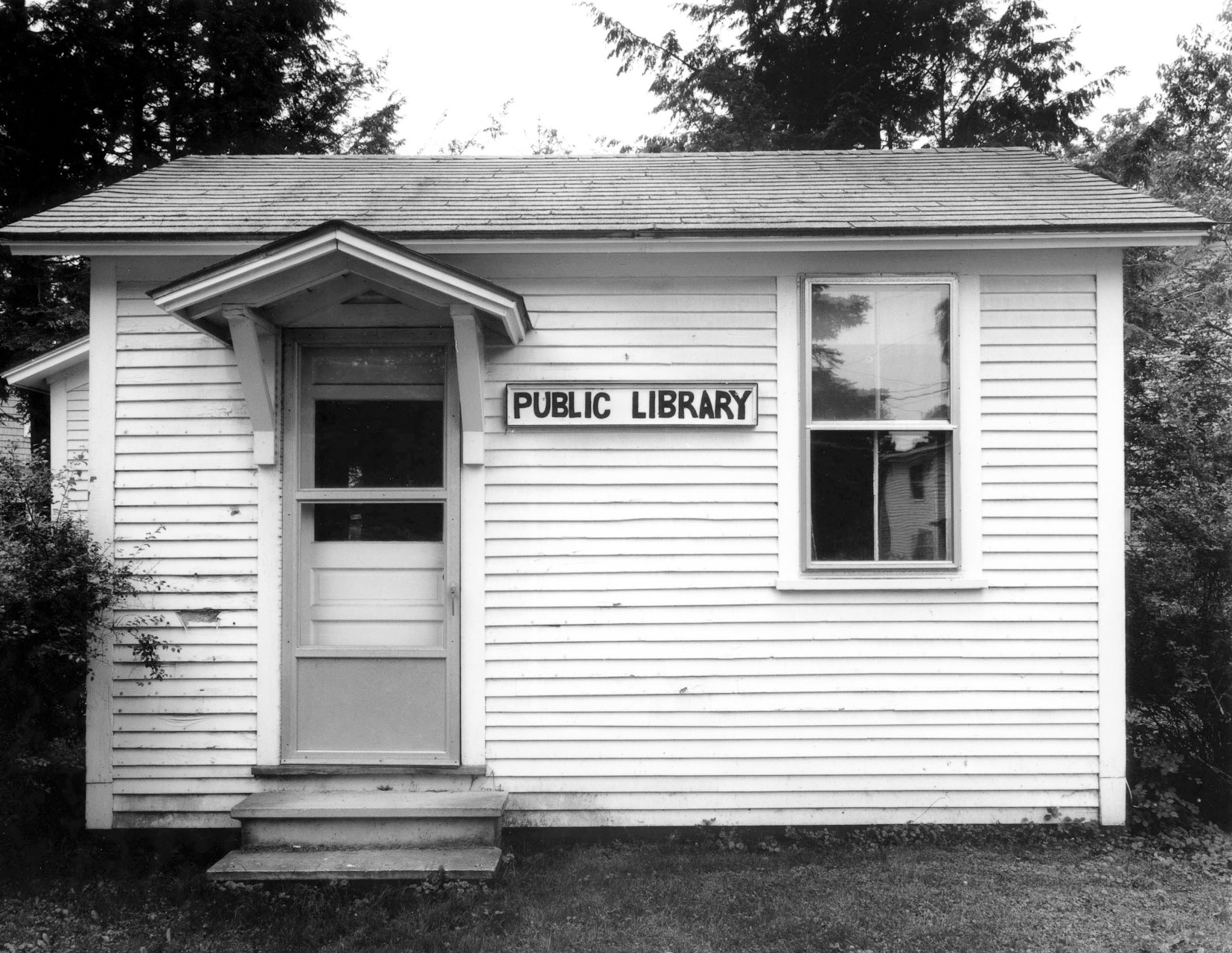
Heartland Four Corners, VT (1994) - The library was assembled from two office rooms from a local sawmill in 1944. It had no heat except a wood-burning stove. At the time I made this photograph it had just been closed and its entire collection of 70 boxes of books had just been sold to a local used-book dealer for $125.

Childrens library entrance, Los Angeles, CA (2008) - The Globe Chandelier is part of a model of the solar system. A translucent blue-glass globe with hand-painted continents hangs in the middle. Planets and a crescent moon can be found in the chains that suspend the globe and the sunburst on the ceiling directly above the globe mirrors the sunburst on the pyramid top of the Library outside. Signs of the zodiac ring the globe along with 48 lights around the rim, which represent the 48 United States in 1926 when the building opened.

Library built by ex-slaves, Allensworth, CA (1995) - The remarkable life of Allen Allensworth began as a slave in Kentucky in 1842. He later became a petty officer in the US Navy, a Baptist minister and a Chaplin in the US Army. He founded a California Colony in Tulare County that continued for several years during the early part of the 20th century. The library is a re-creation of the original in what is now called Col. Allensworth State Historic Park.

Ceiling, Main Reading room, New York, NY (2008) - Often referred to as the “main branch”, the Beaux-Arts landmark building was initially formed from the consolidation of the Astor and Lenox Libraries, and has evolved into one of the world’s preeminent public resources for the study of human thought, action, and experience. It houses some 15 million items including priceless medieval manuscripts, ancient Japanese scrolls, contemporary novels and poetry, as well as baseball cards, dime novels, and comic books. More than 1,200 languages and dialects, ancient and modern, are represented in the collections.

Library, Death Valley National Park, CA (2009) - This remote library in a trailer is the only library for hundreds of miles. The roof is shaded to lessen the intense summer heat of one of the hottest places in the world.

This slideshow requires JavaScript.


More examples of earlier work, 1994 – 2011

3 Comments

Filed under American Life, art, Photography, Public Libraries