
The last time I visited Lacock Abbey was 1980 while on a photographic pilgrimage to one of the places where photography was invented. William Henry Fox Talbot created the negative/positive process in the late 1830s at the same time as Louis Daguerre invented his Daguerreotype process in France. In 1980, the museum curators surprisingly let us handle Fox Talbot’s original priceless prints. Today, although the museum was good, it lacked the visceral connection to the game-changing invention of photography. The real focus of Lacock Abbey today was the Abbey itself.
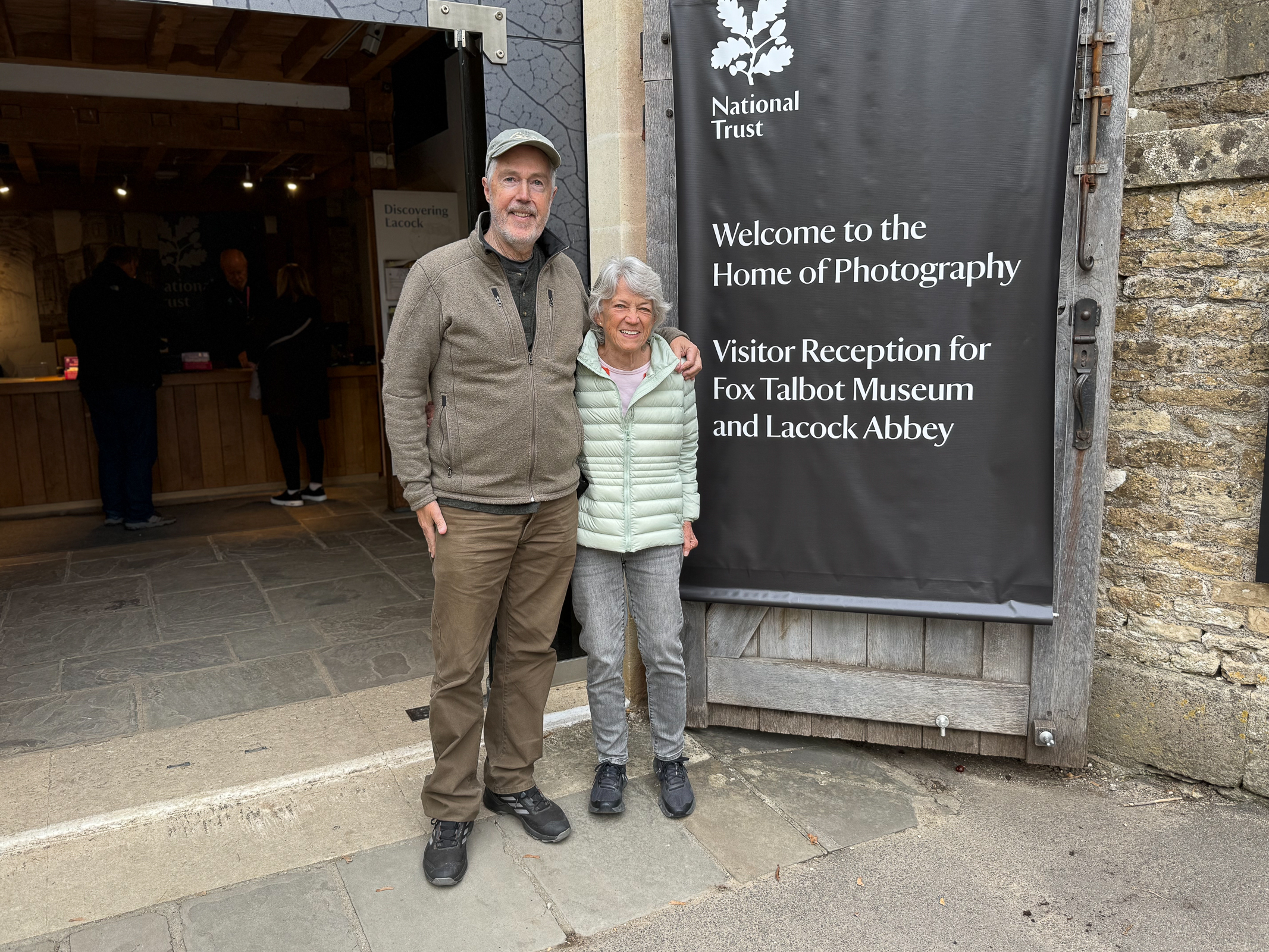

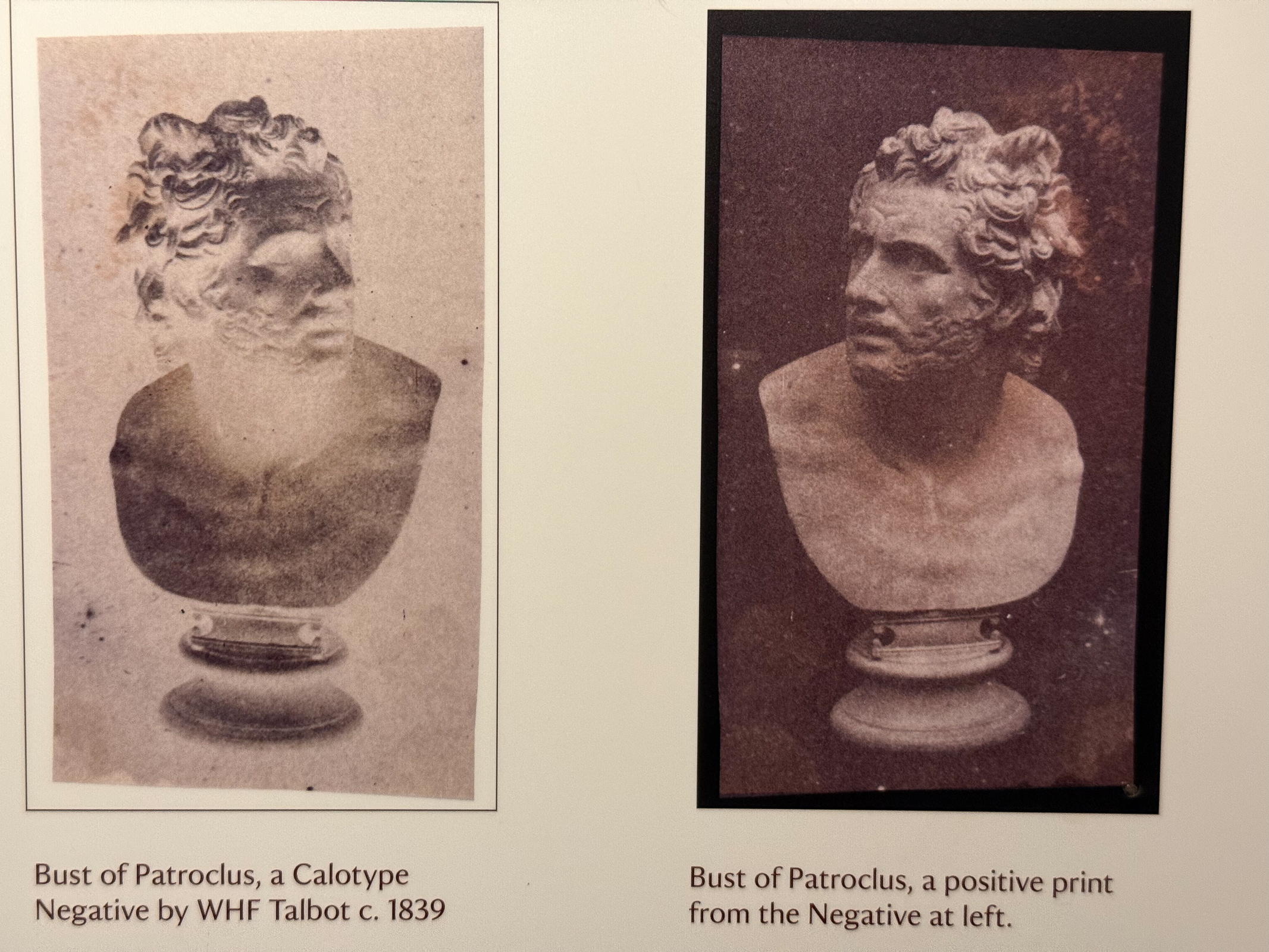

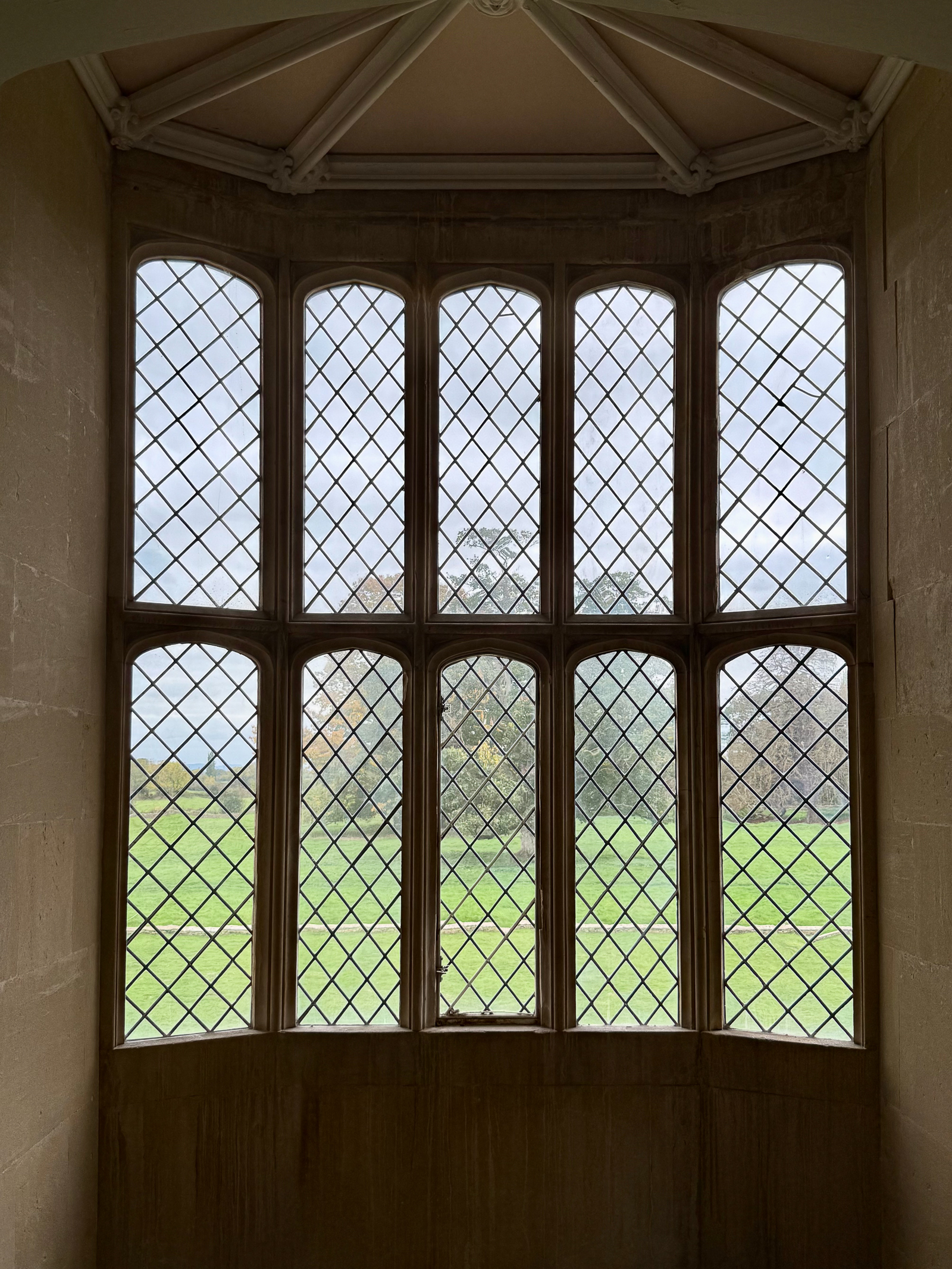
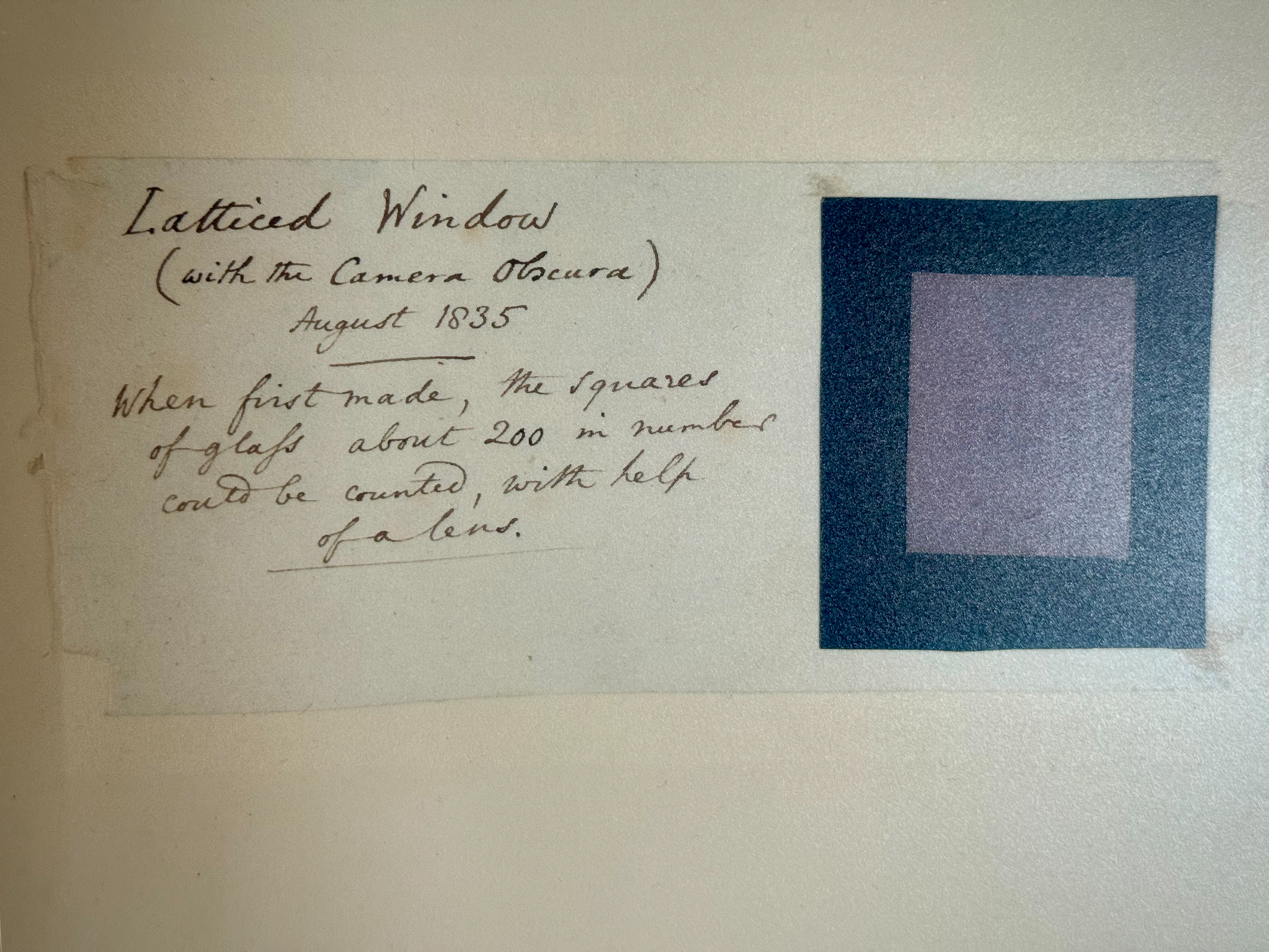
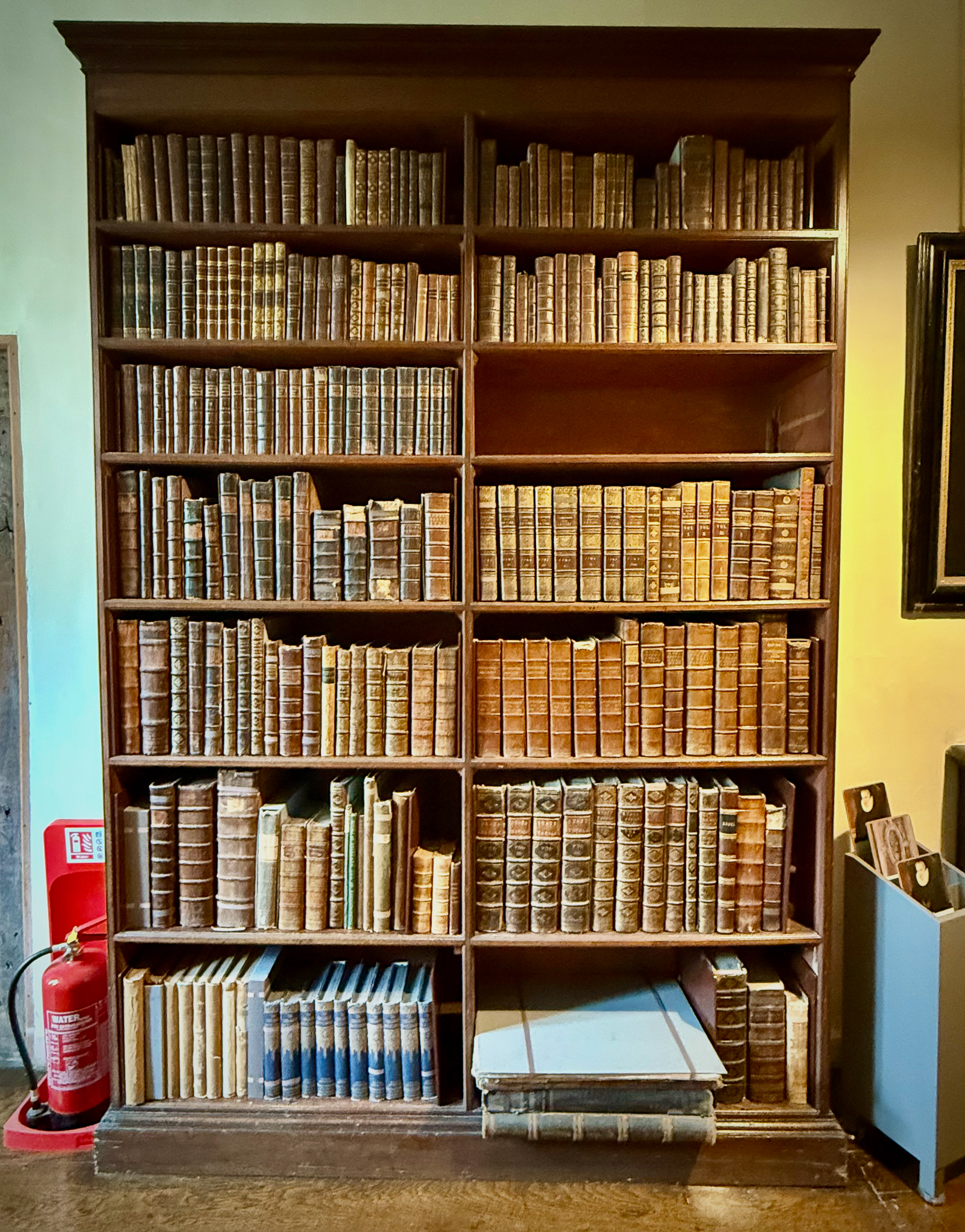
The abbey was founded in 1232 and continued as a nunnery until the dissolution of the monasteries in the mid-16th century. Much of the abbey cloisters remain unchanged since the 13th century but the many add-ons over the centuries created a mishmash of architectural styles that felt quite strange. The Talbot family eventually inherited the estate, and Fox Talbot made his first photograph in 1835. It was an image of the latticed window in the South Galley, and we were thrilled to pass by it on our self-guided tour of the house. Here was the visceral connection to this astonishing discovery that changed the world that I felt on my last visit in 1980. It was wonderful to speak with the smart guides on our walk. It was especially thrilling to see parts of Fox Talbot’s extensive library throughout the house and to see the ideas that motivated this extraordinary man.

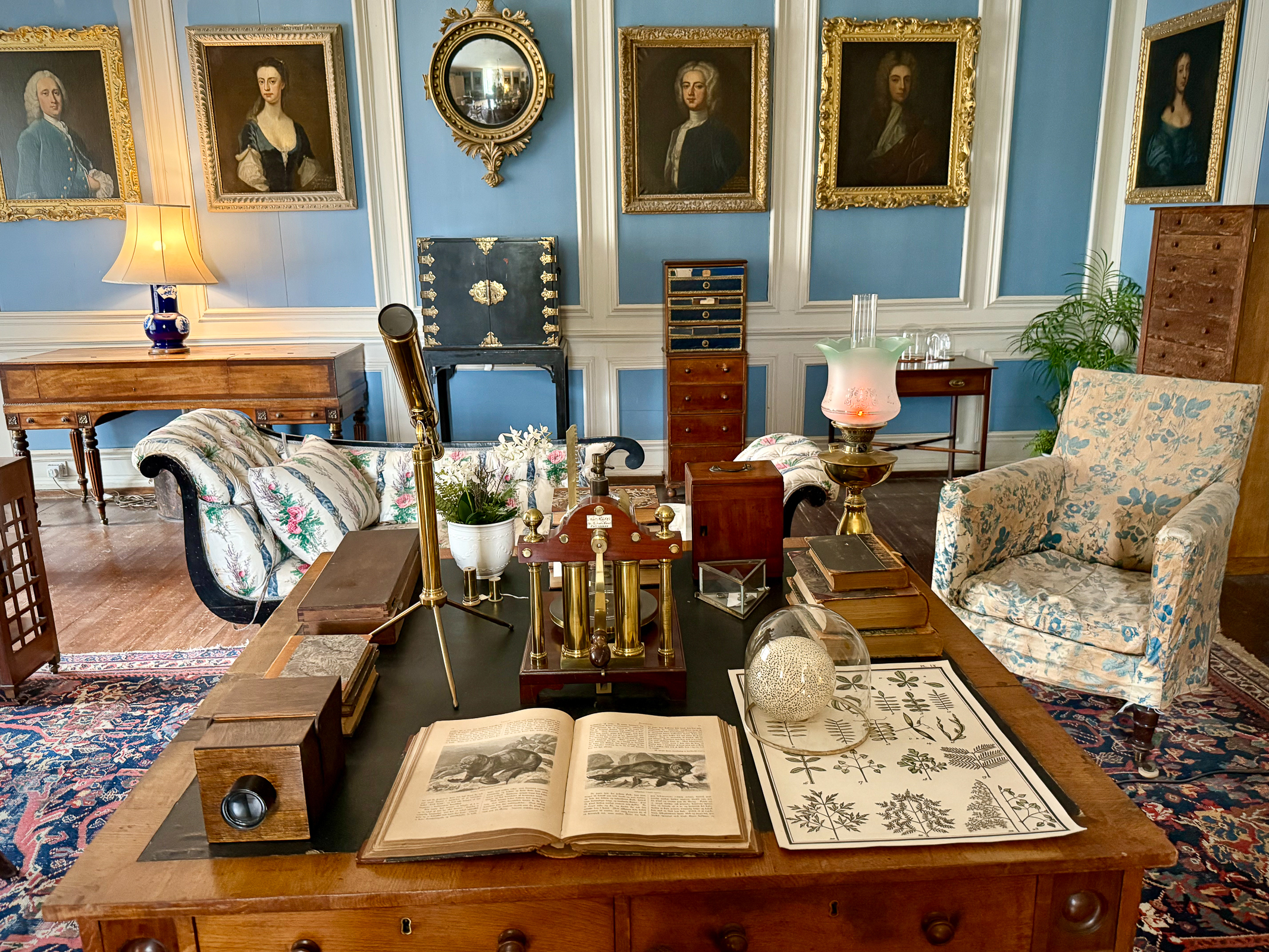


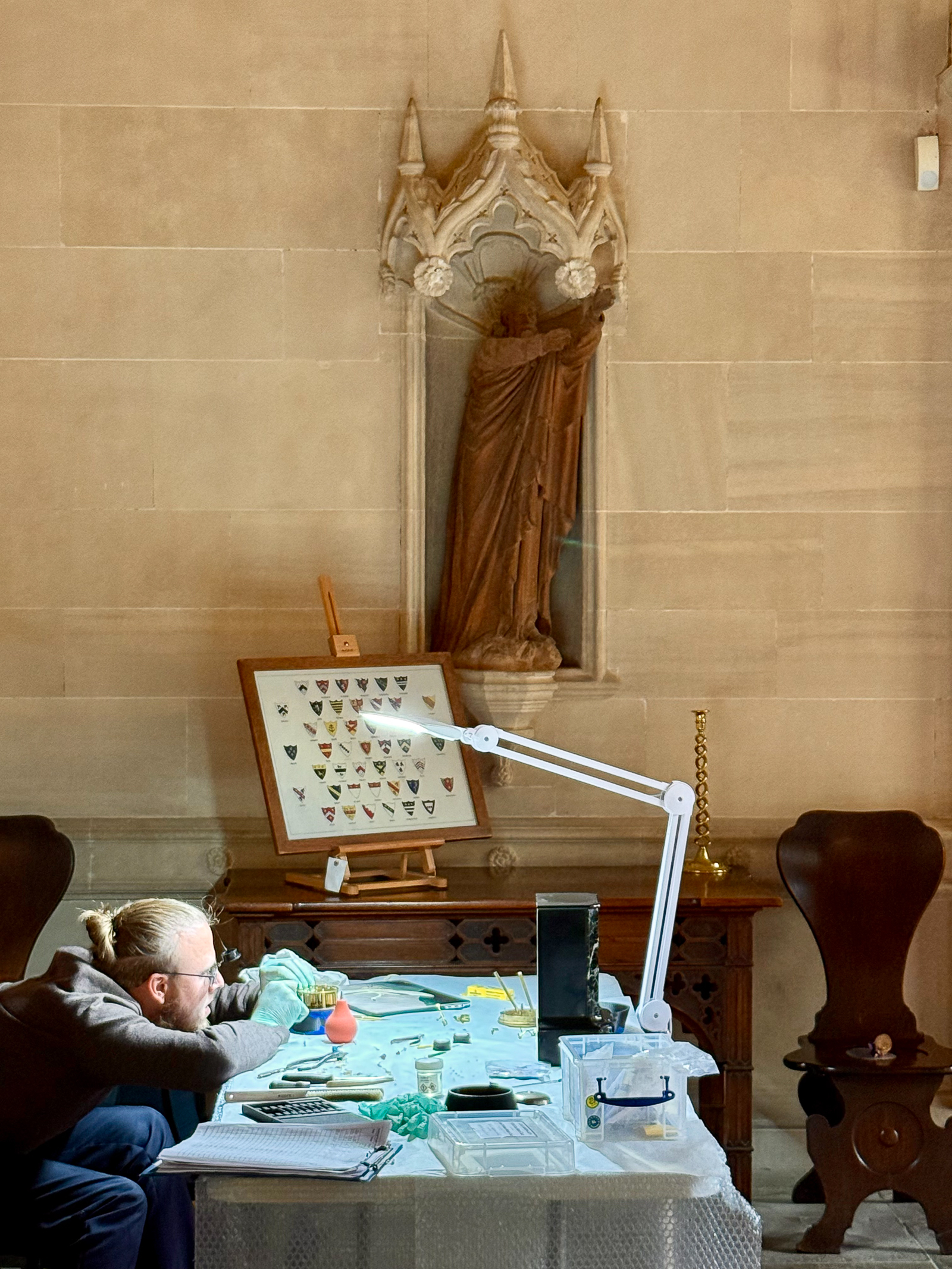
Today, Lacock Abbey is the property of the National Trust. Unbeknownst to most of us, because of the beautiful preservation of Lacock Abbey, people have seen this place many times in many movies. Parts of several Harry Potter films have been made here along with many other historical dramas such as Jane Austen’s Pride and Prejudice and the series Wolf Hall. Parts of the ever-popular Downton Abbey series were also filmed here. It is slightly ironic that one of the places where the photographic visual image was invented is now best known for…visual images.

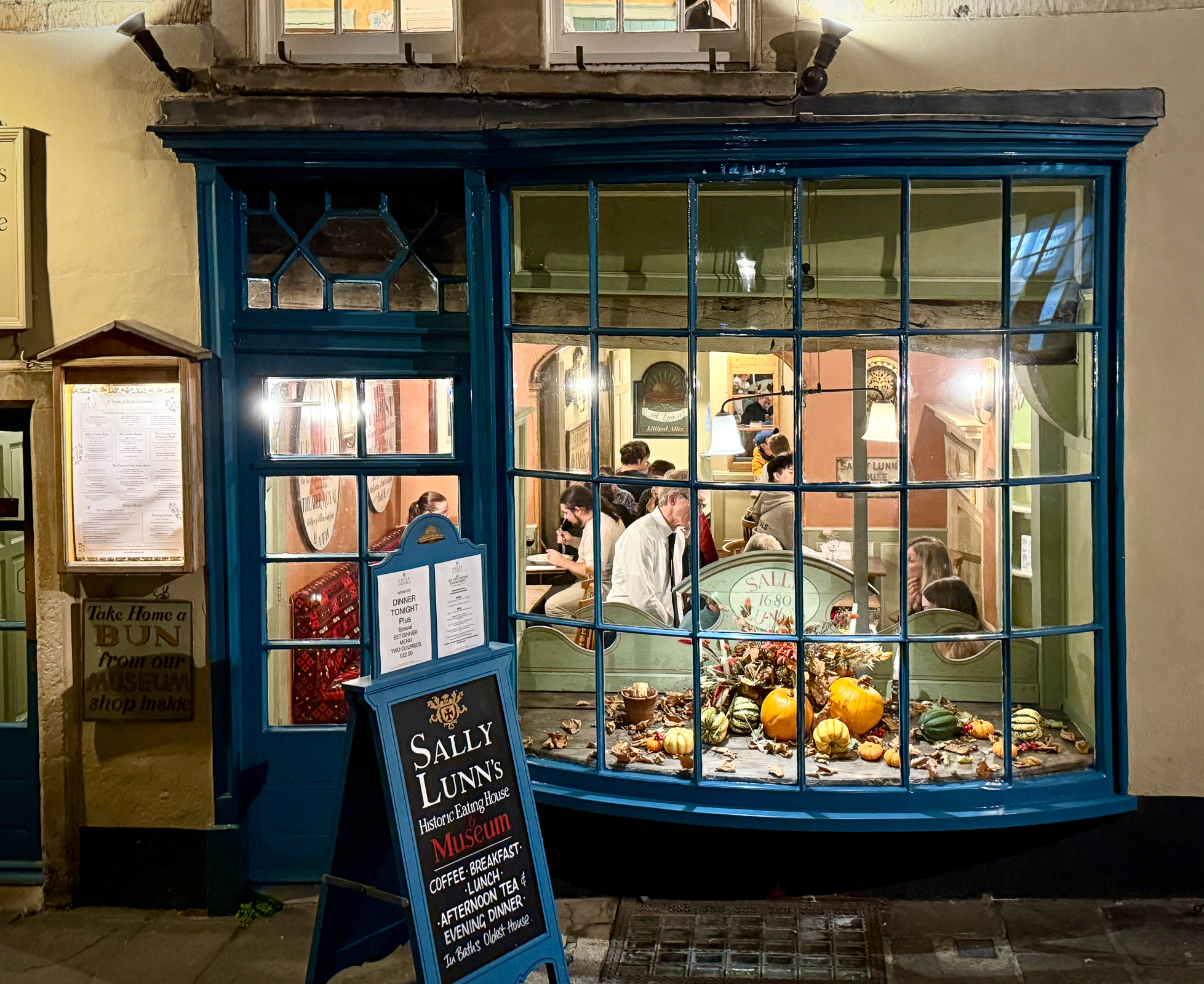
The city of Bath, England is famous as the Roman spa town of Aquae Sulis but human activity around the hot springs dates to 8,000 BCE. Bath did not seem quite as overwhelmed with tourists as York did and we enjoyed our one night there wandering the medieval streets and visiting the Bath Cathedral. Even in touristy cities, it is interesting to see a glimpse beneath the surface of the struggles of real people living here.

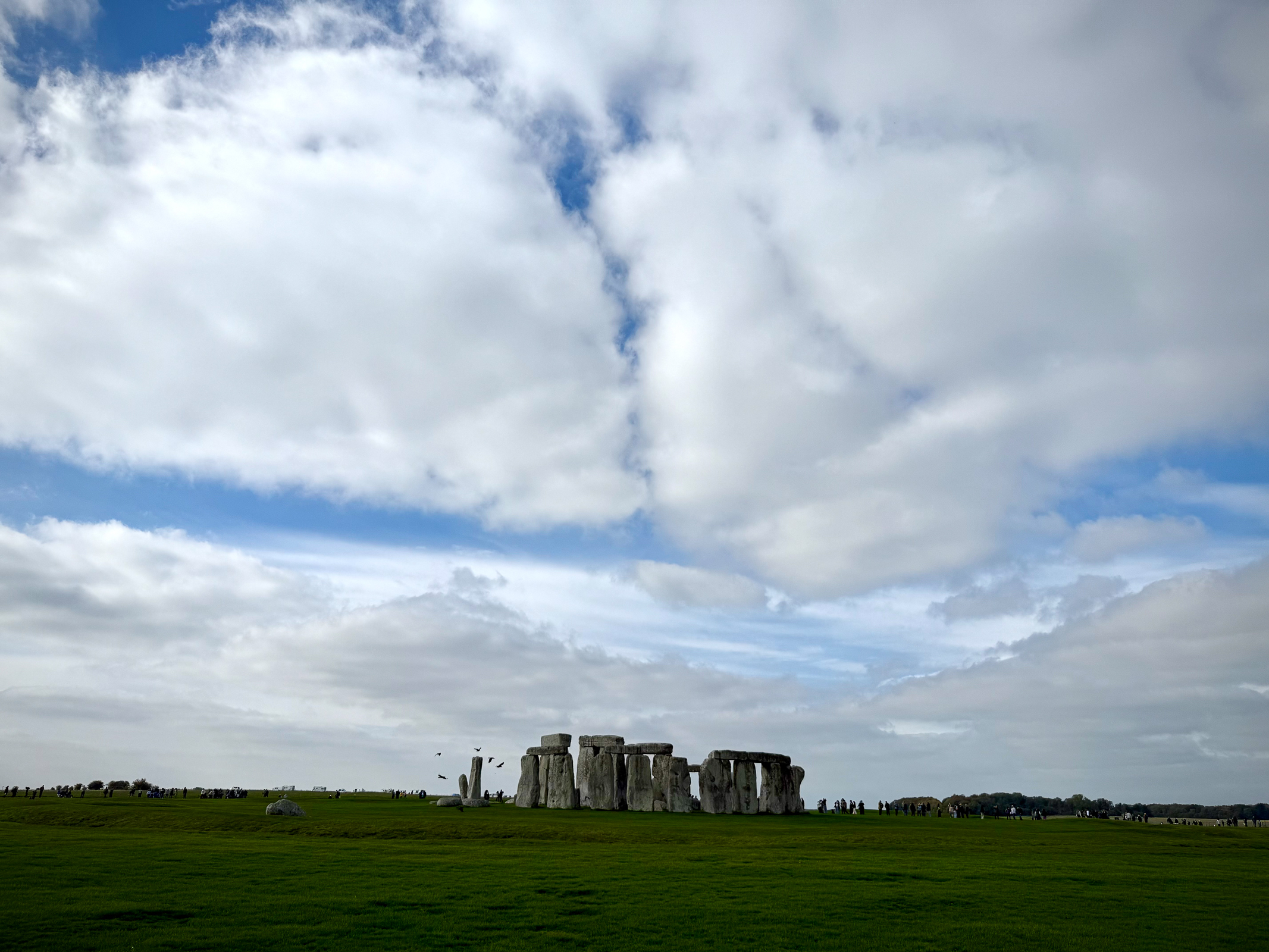
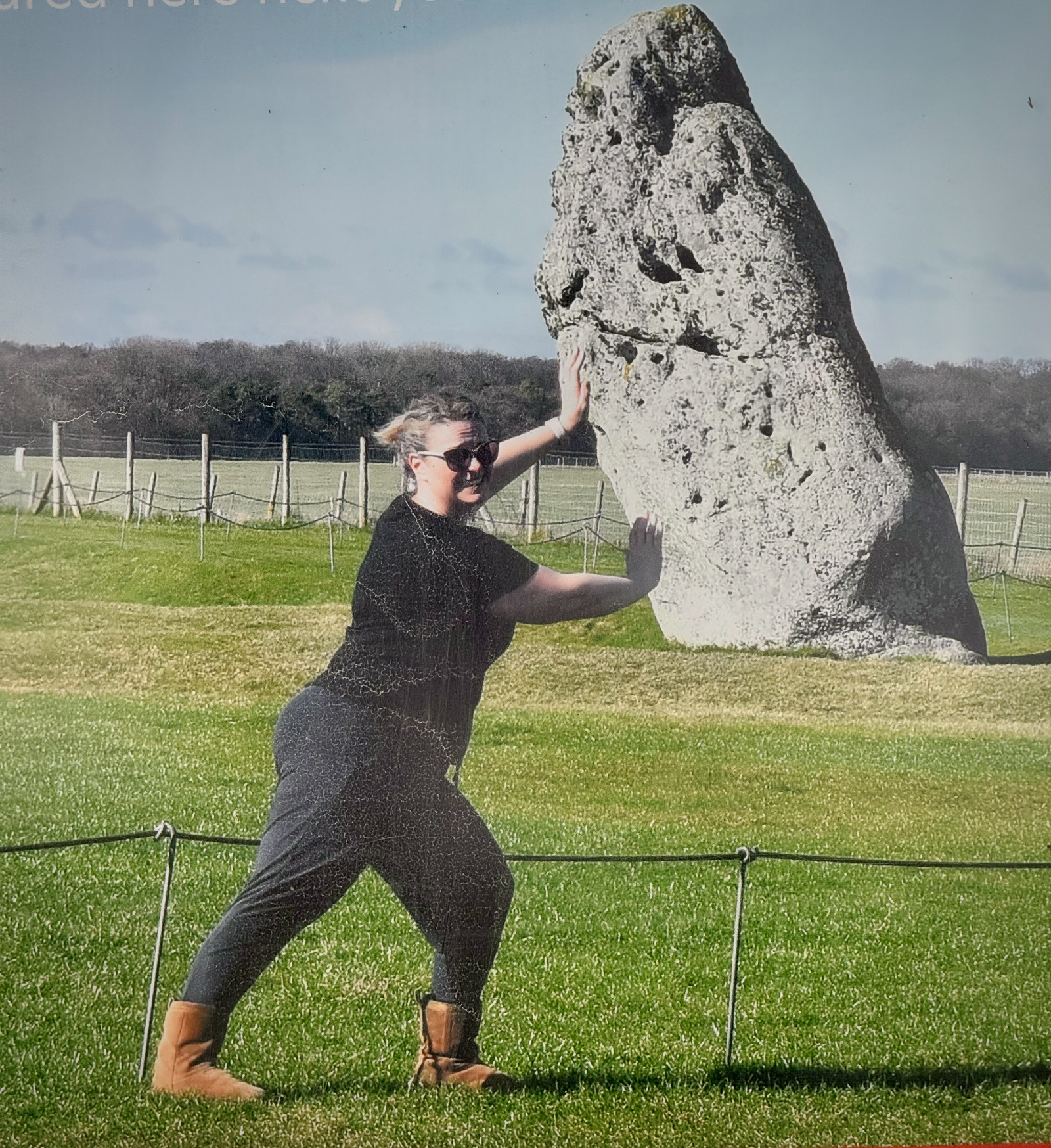
Driving back to London, we stopped at one more place I’ve always wanted to see – Stonehenge. This prehistoric megalithic structure on the Salisbury Plain is one of the most famous places in the UK. Although crowded, careful planning went into the flow of the visitors so that the overall experience was not one of being overwhelmed with the crowds. Although the 5,000-year-old structure is rather small, the overall space is huge, and this is one of the few places on our trip where I could appreciate the surrounding vastness of the landscape. The site and its surroundings were added to UNESCO’s list of World Heritage Sites in 1986.Apparently, Stonehenge was a domain of the dead from its very beginning. Its east-west alignment may have had ritual significance. Other excavations sites in the area may extend the origins of Stonehenge back 6,000 to 8,000 years ago. Despite the number of people visiting, physically being at this mysterious spot was quite moving.





We really wanted to linger but we had one more appointment at the Stansted Airport outside of London. After three weeks of white-knuckle driving on the wrong side of the road in England, we finally dropped our rental car off at the car rental where we started our long drive. Although I had gradually gained more confidence in my English driving, I was very glad to give up our car, especially without getting into any scrapes, fender benders or accidents. We checked into our room at the airport hotel and prepared for the next part of our journey.


Next stop: Sarajevo
 Library Road Trip