


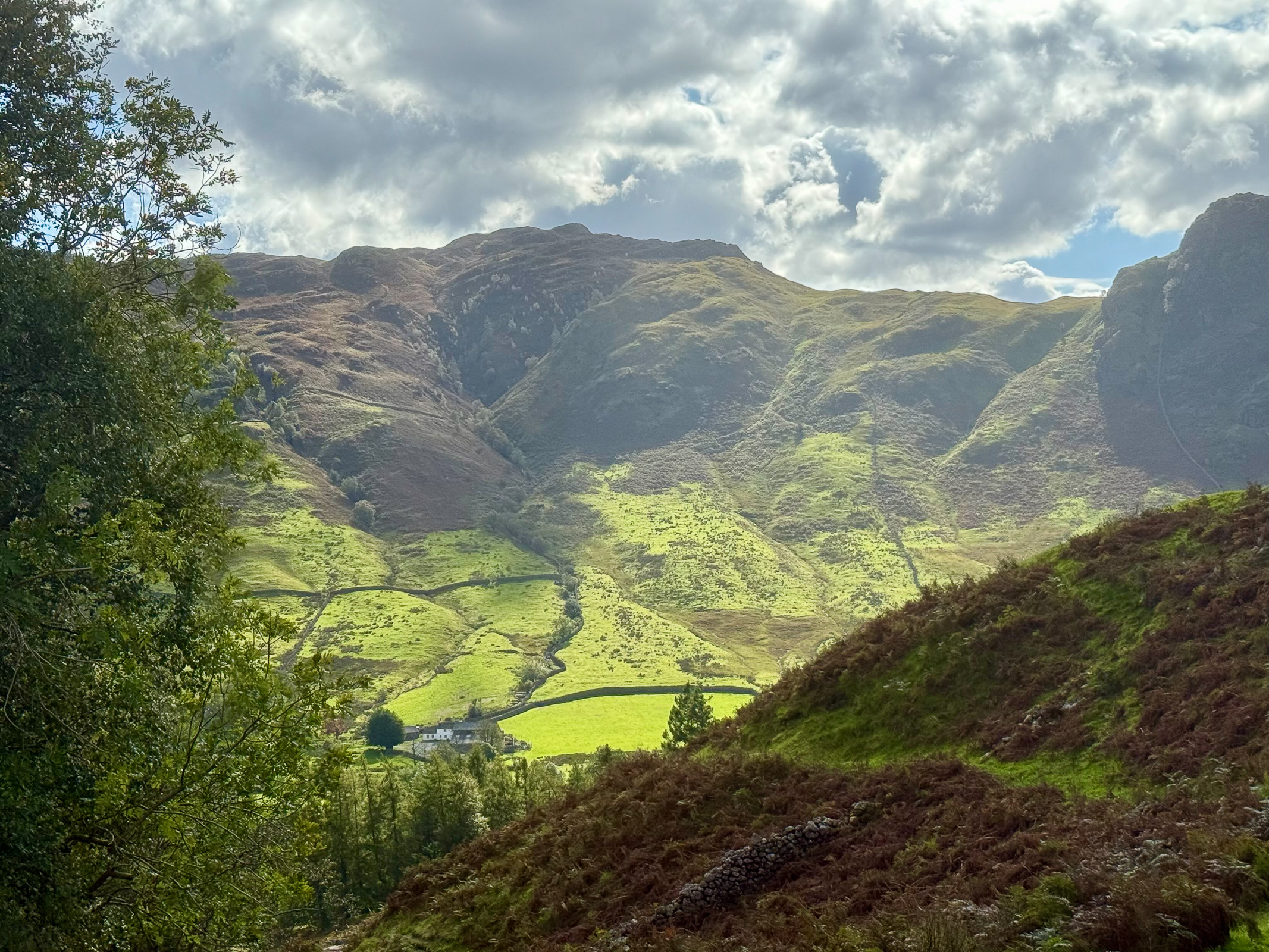
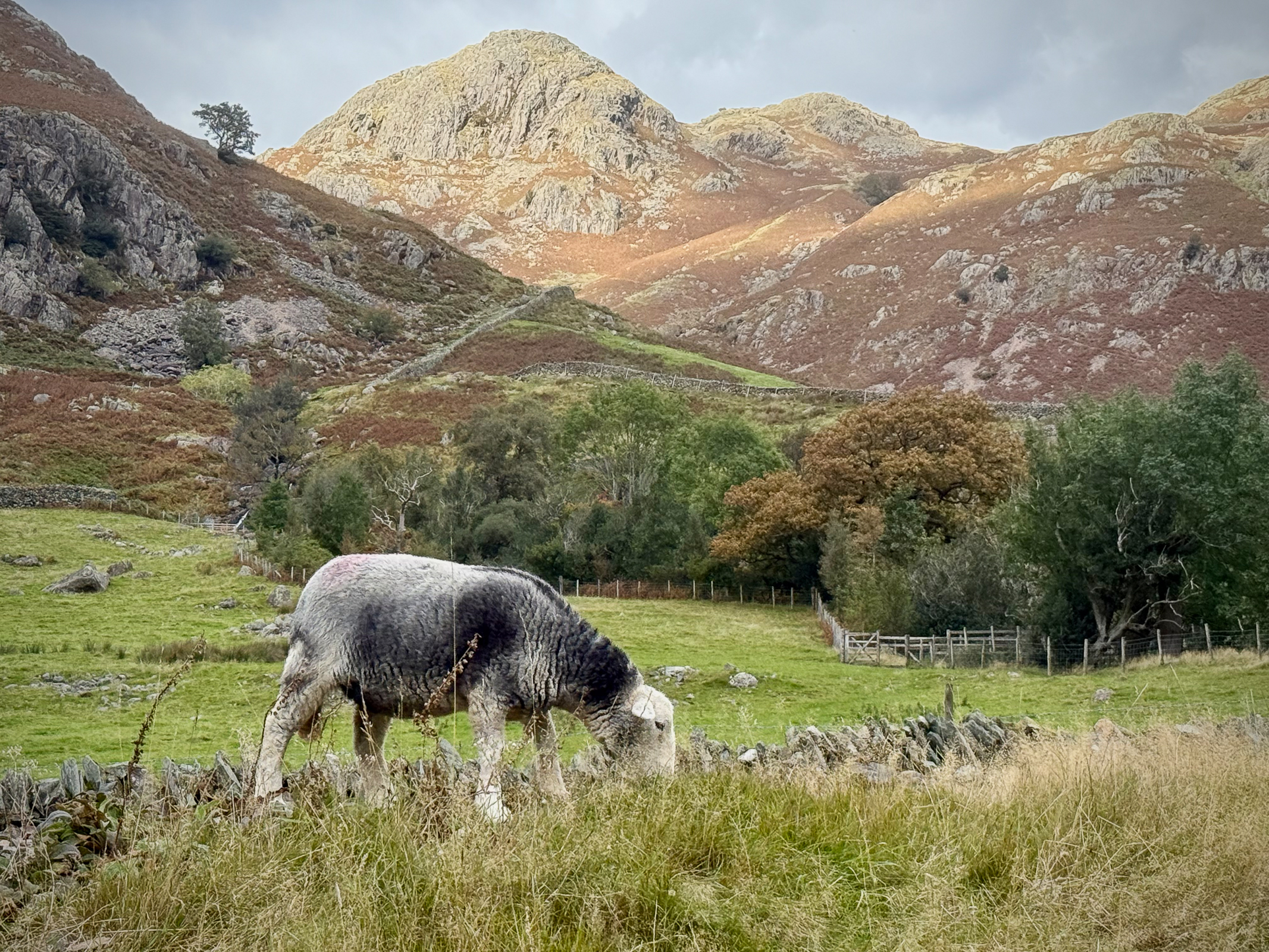
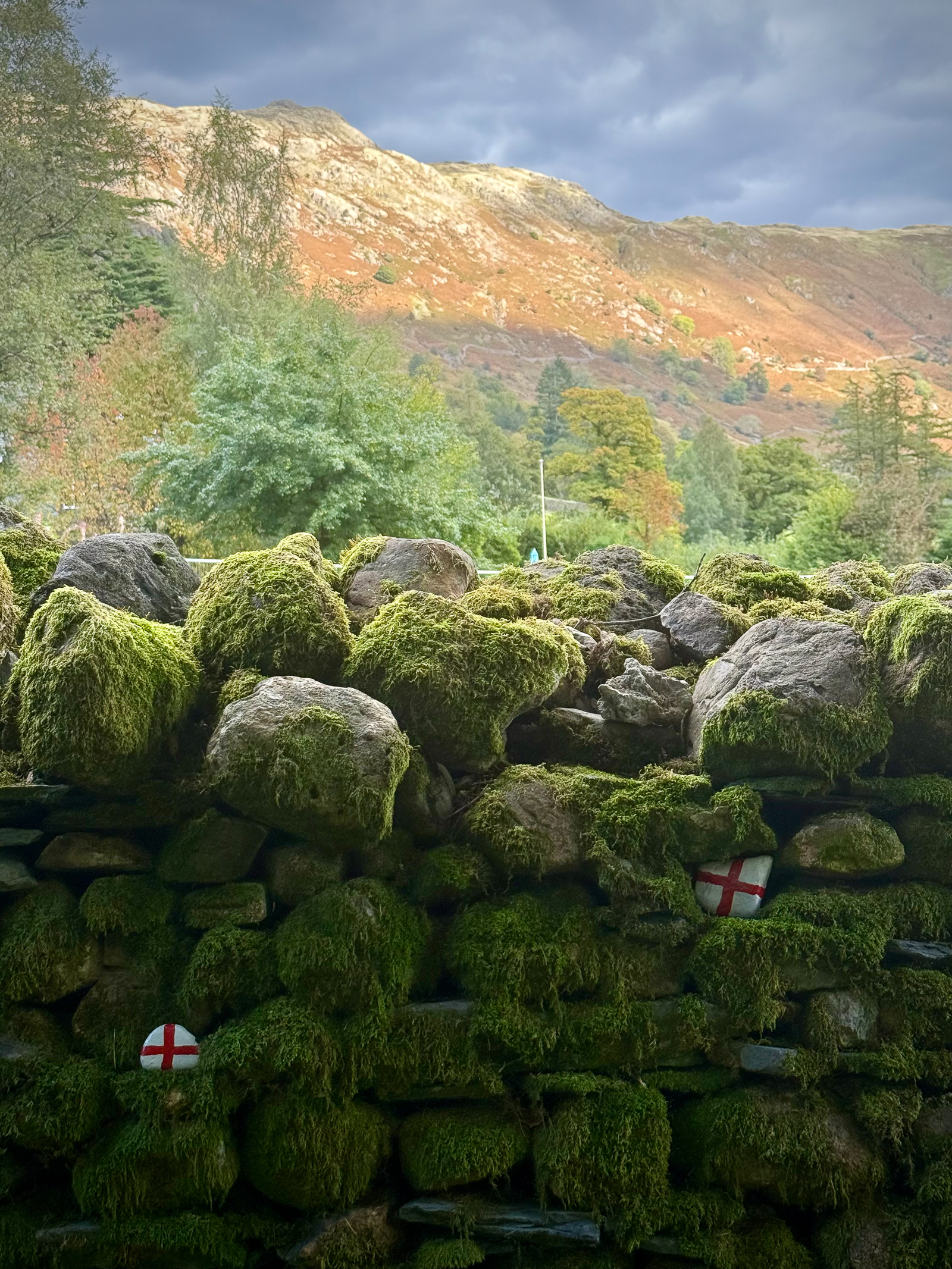
We spent two nights at the Old Dungeon Ghyll Hotel in the Great Langdale Valley of the Lake District National Park. Since 2017, this area has been a UNESCO World Heritage Site, in recognition of its unique hill-farming culture. In the morning, we hiked up most of the way to Stickle Tarn and Bright Beck, a little jewel of a lake. It was located above the by, in a thwaite, by the beck, and from it came a beautiful mountain gill. A ring garth separated the inbye land from the fell side. The connected valleys of Great Langdale and Little Langdale take their name from the Old Norse for “long valley”.

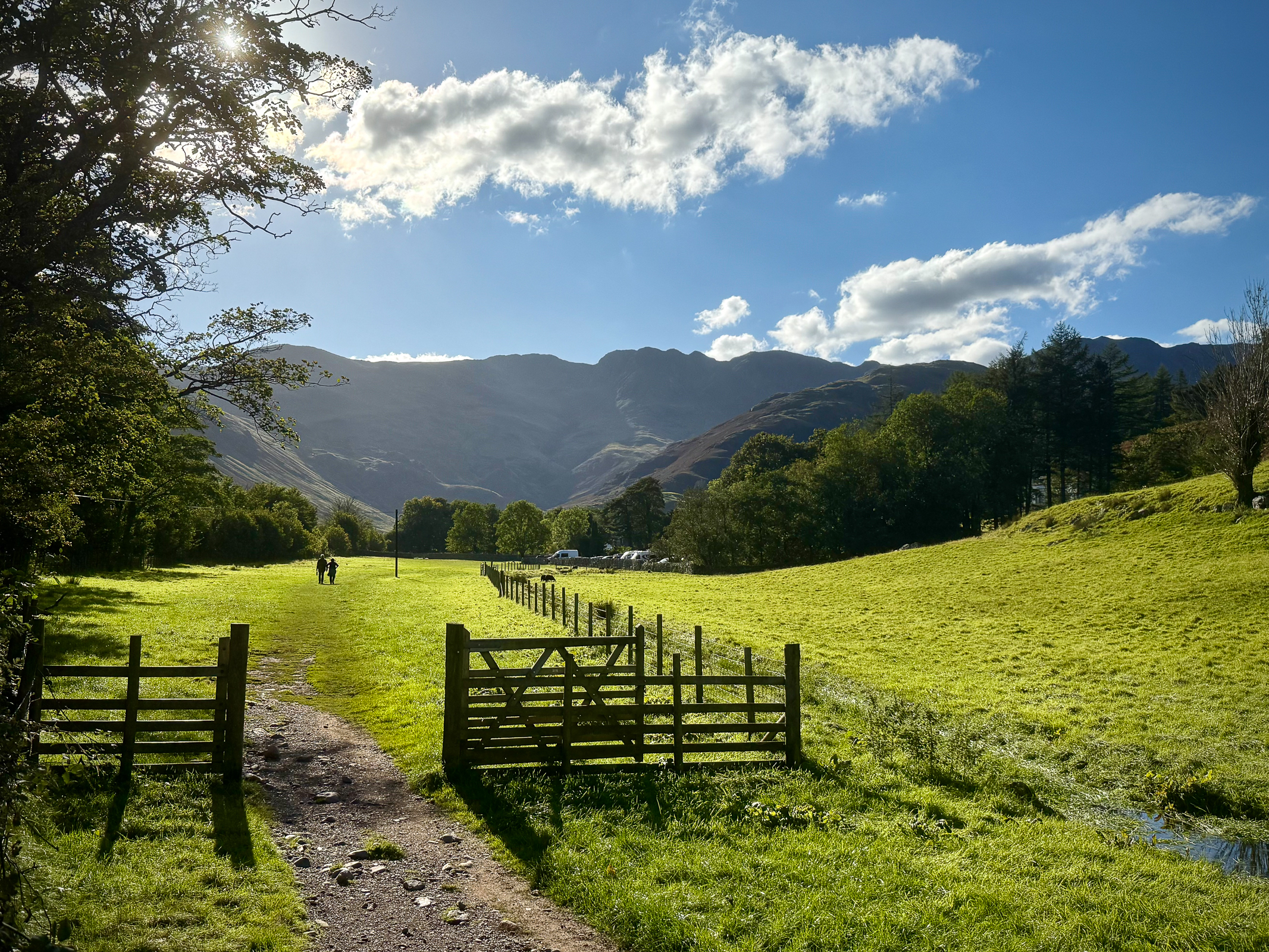

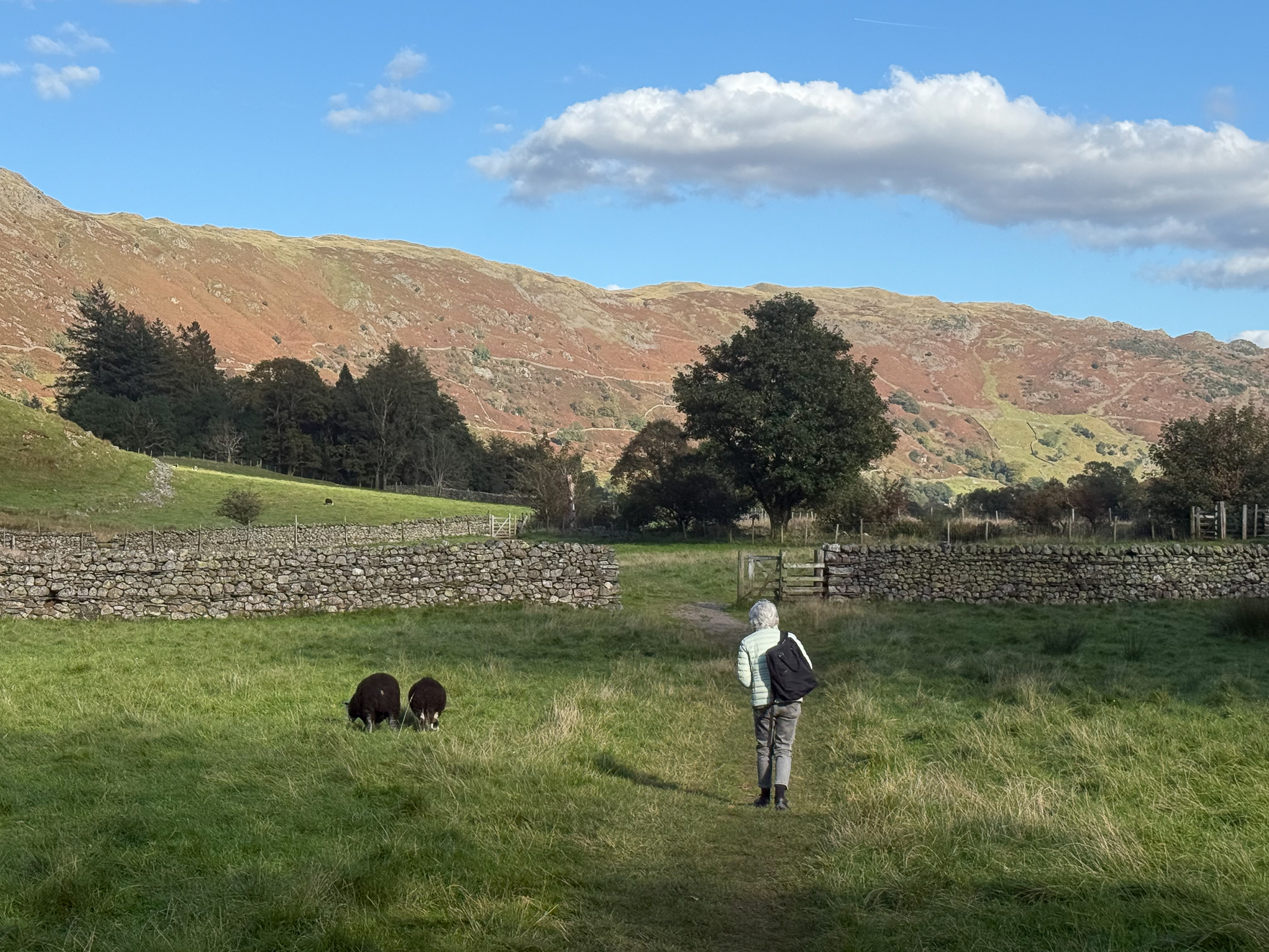


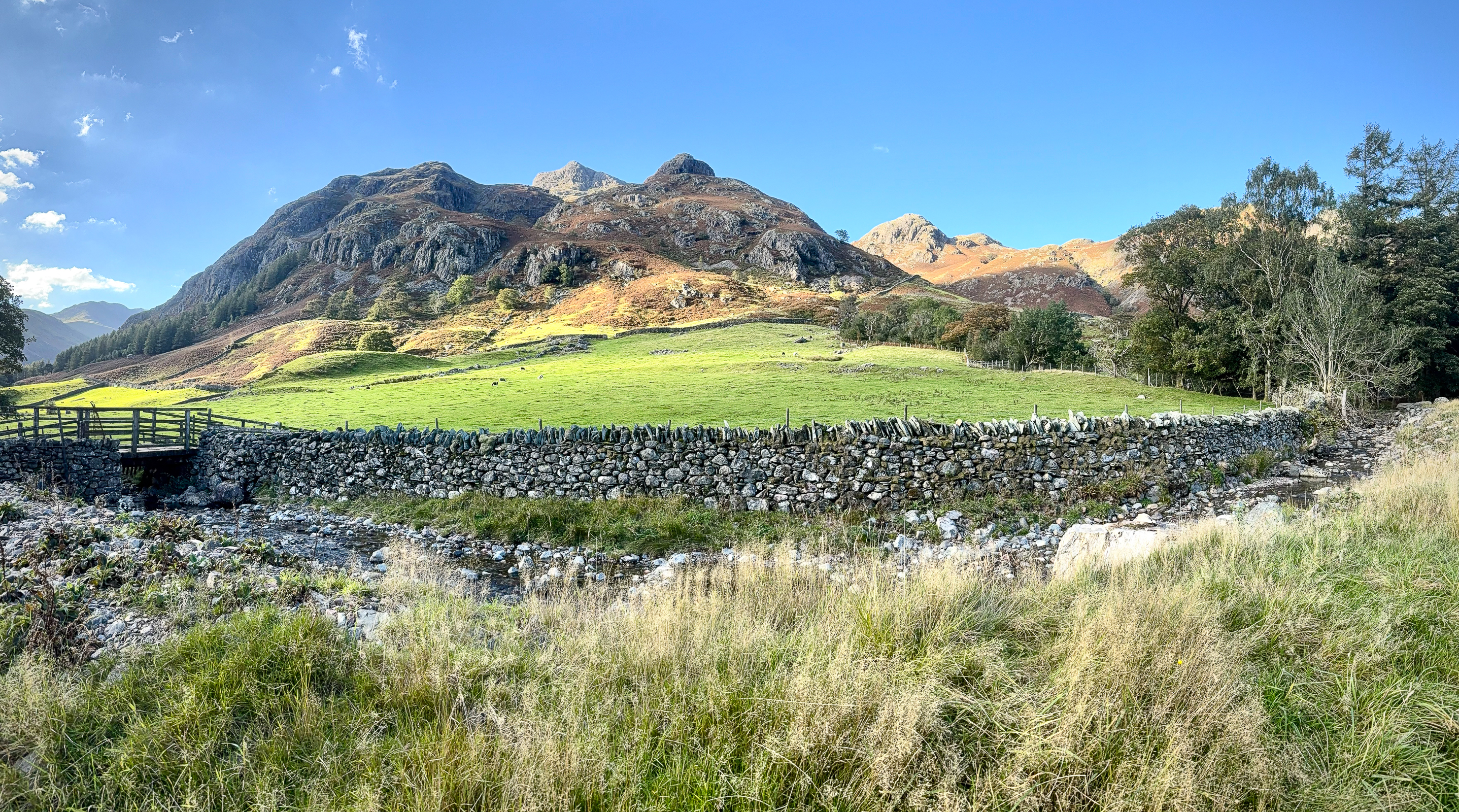
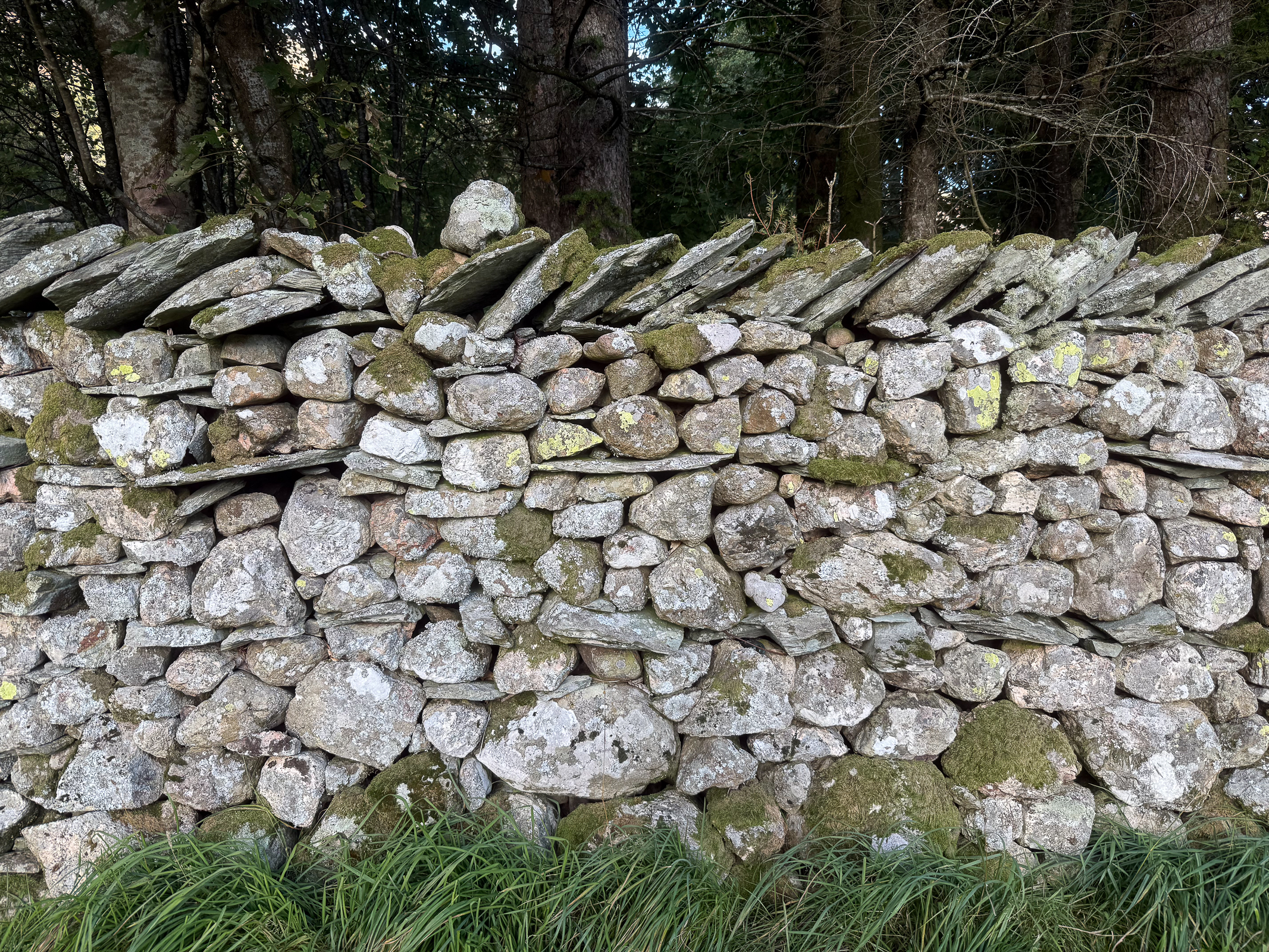
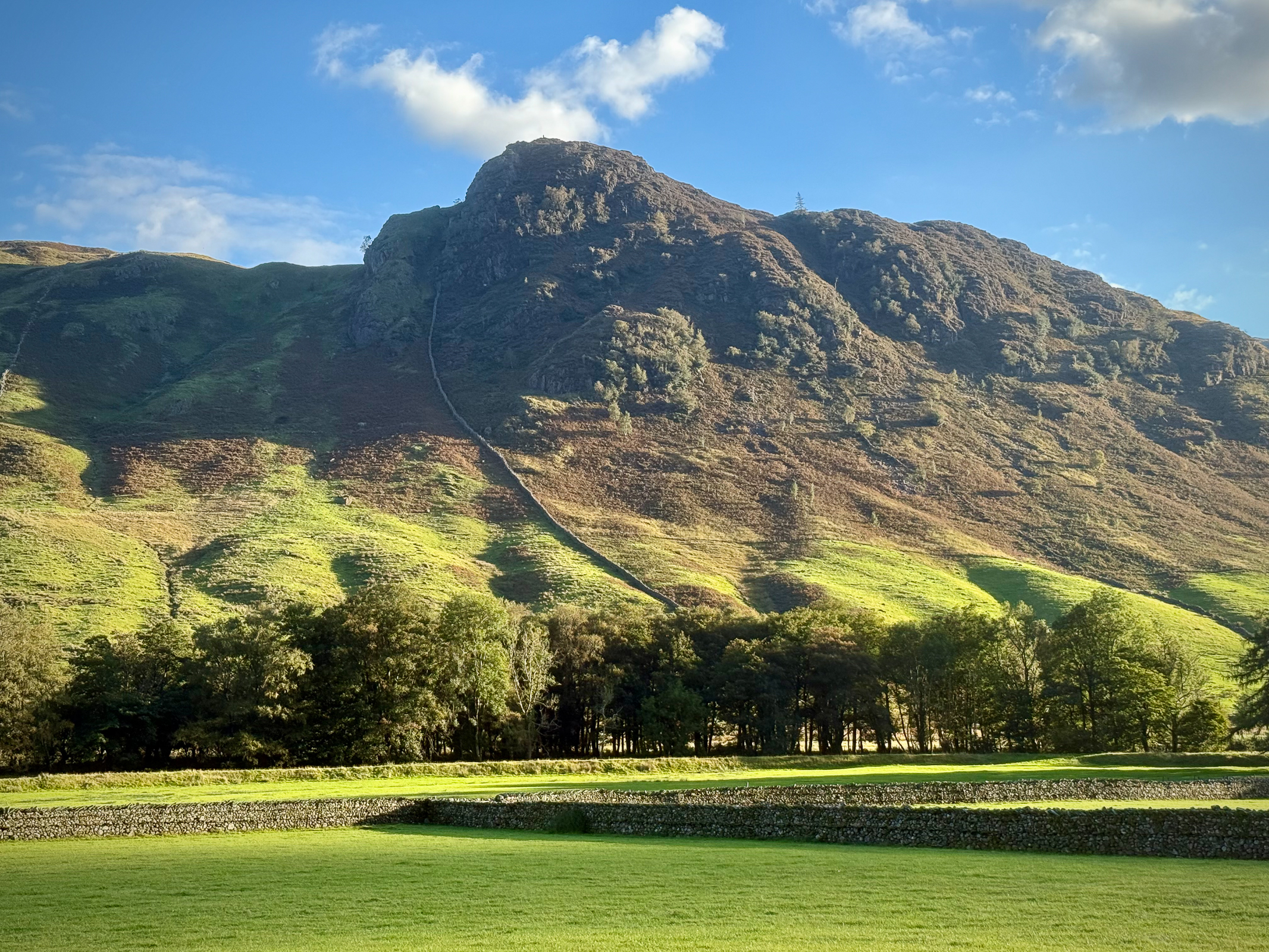

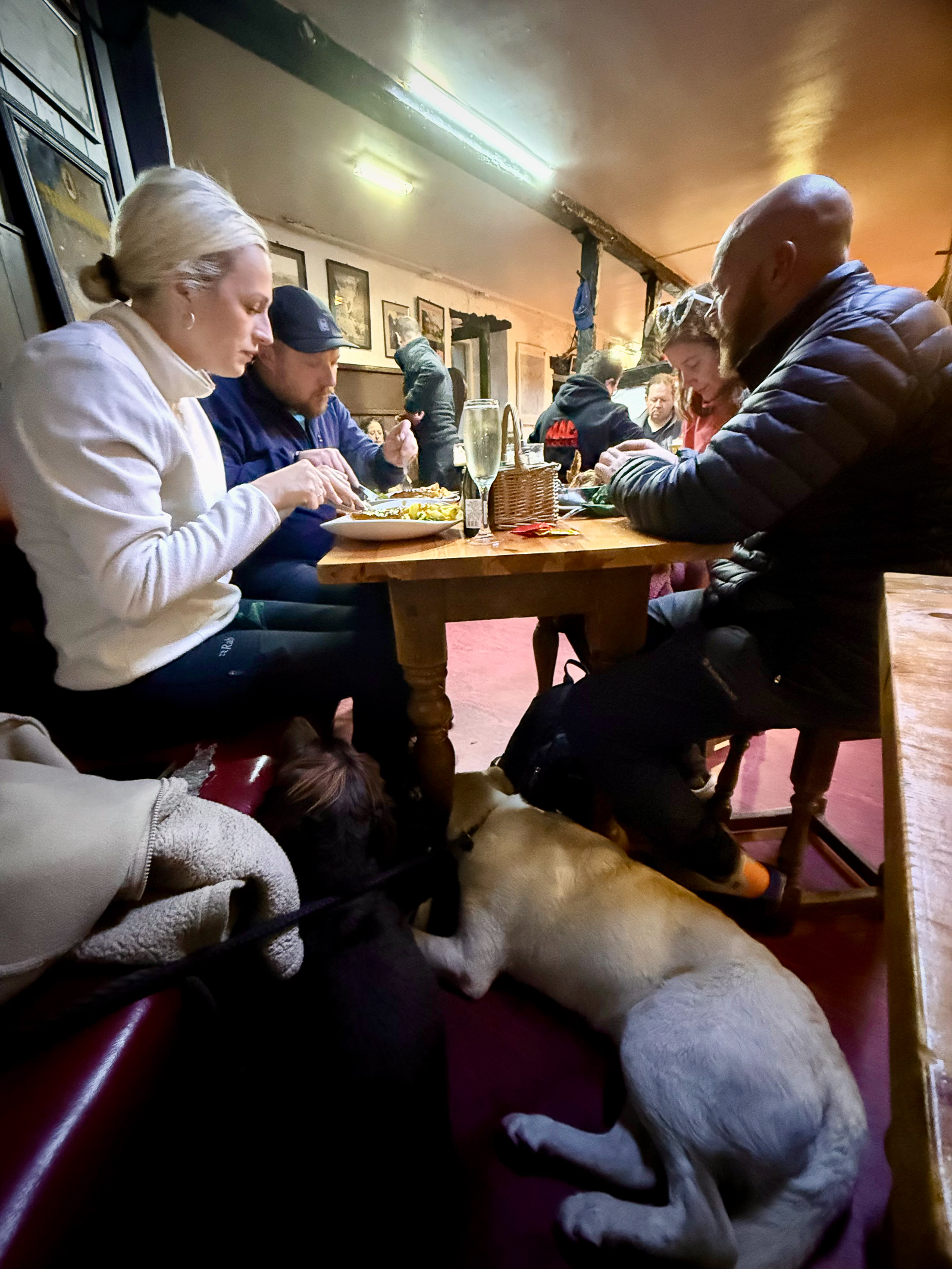
Our hotel was located on a site that has been occupied for 300 years. It was at the foot of the highest mountain in England, and serious hikers and climbers outfitted with serious equipment were taking advantage of this special place. It wasn’t crowded and it was dripping with history. Dinner at the Climbers Bar was a highlight. The meat pies were superb, the pints were great, and the toffee sticky pudding was simply the best I’ve ever had. We were fascinated by how the English (we were the only Americans) all had dogs, and brought them into the pub.
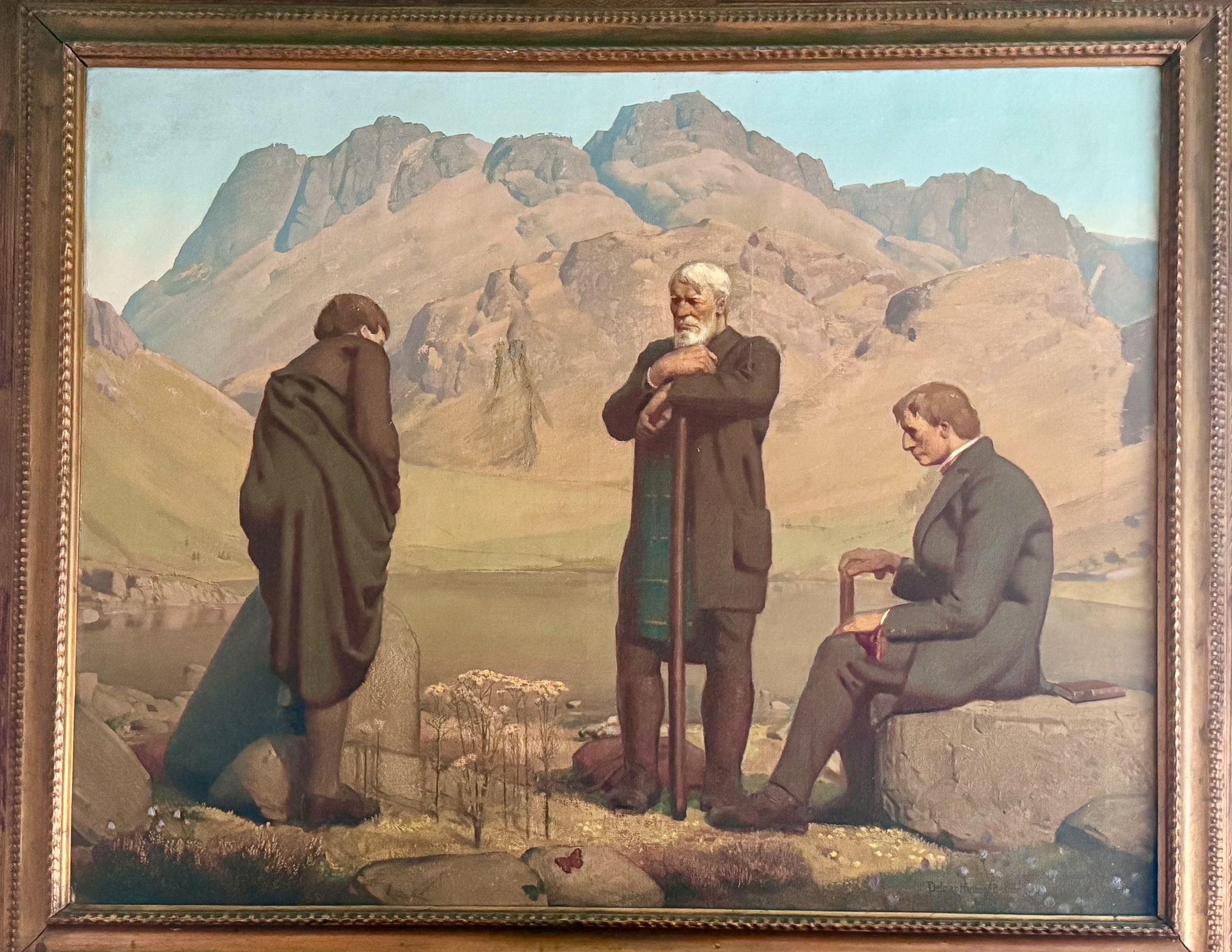


Historically, this area has been occupied for many thousands of years by many people including the Vikings, Celts, Romans, Normans, Welsh, Scots and English. Before the Norse settled here, Welsh was the language spoken in this area. The linguistic heritage from these people is astonishing and is especially felt in the beautiful place names of this remarkable place. Parts of the nearby contested border between England and Scotland were called the Debatable Lands and large clans of bandits called border reivers roamed this ungovernable area for hundreds of years until most of it was taken over by the king of England.




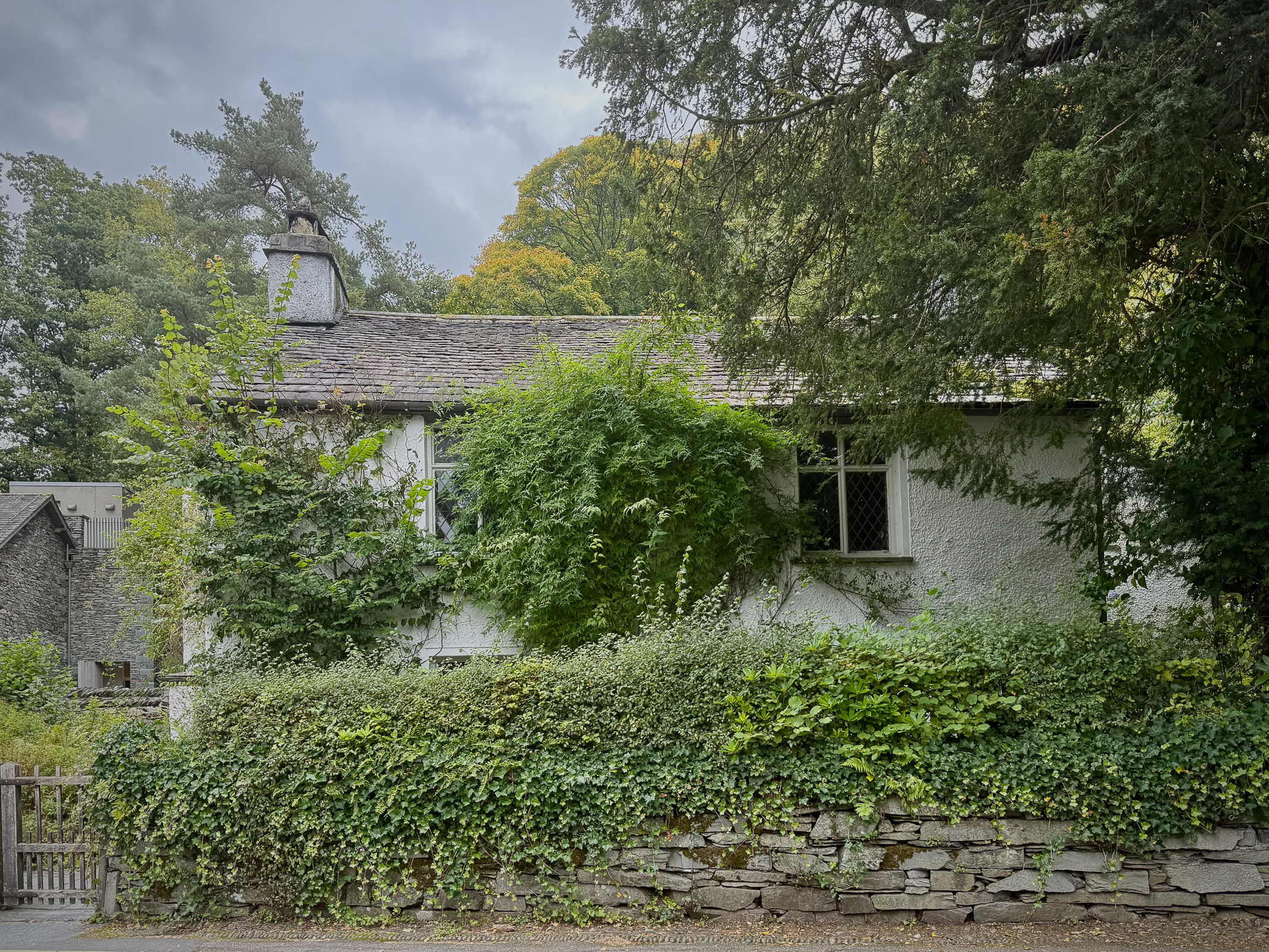
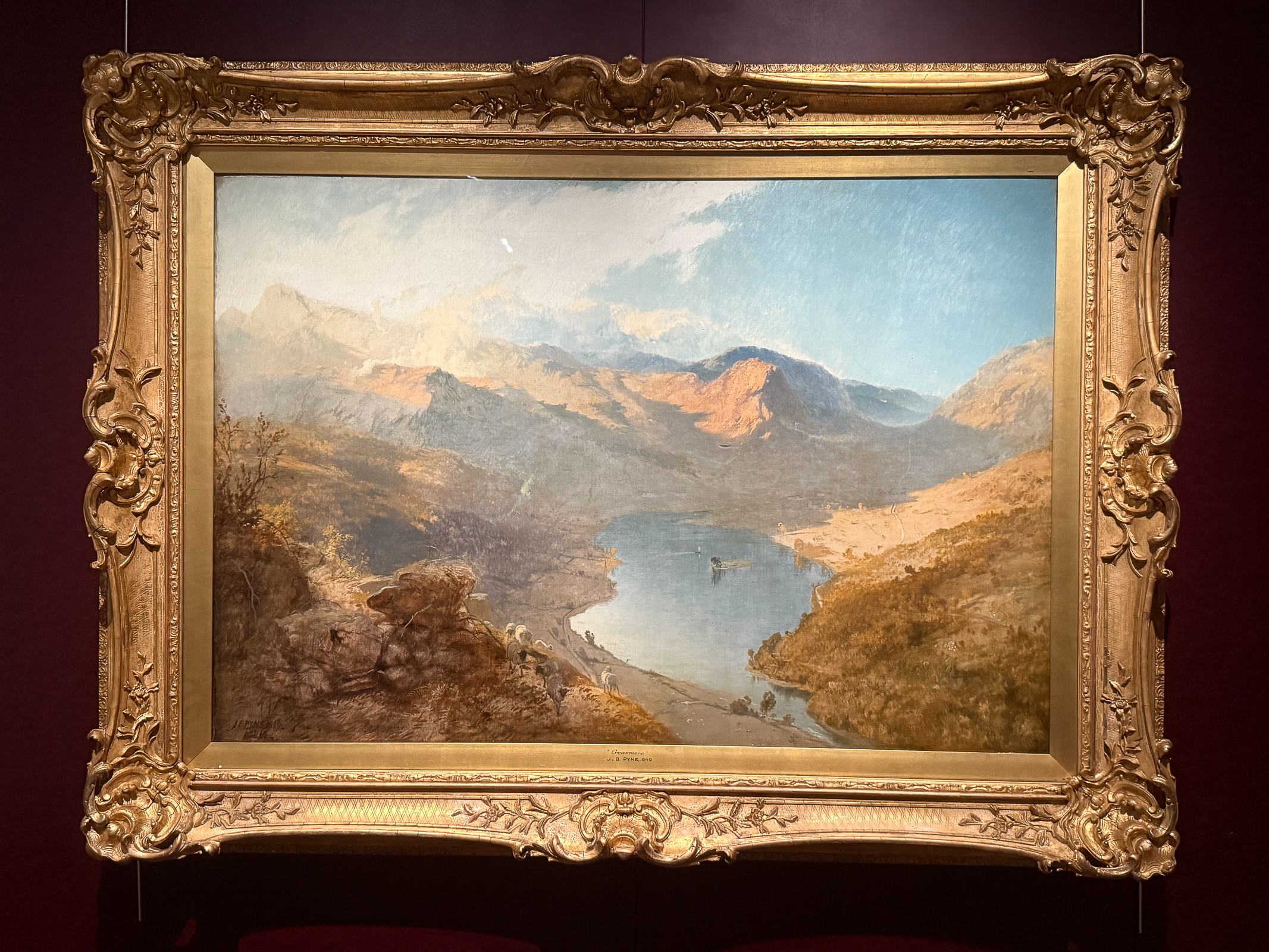
The famous English romantic poet William Wordsworth did much to increase the appreciation and protection of this lovely valley, writing about the Blea Tarn in his poem The Excursion and Dungeon Ghyll in The Idle Shepherd Boys. Wordsworth was a poet who helped launch the Romantic Age in English literature and remains one of the most recognizable names in English poetry. His work emphasized a deep connection and admiration with the natural world and the working people of this area. The little village of Grasmere has an illustrious literary heritage. We made a pilgrimage here to Wordsworth’s home called Dove Cottage where he wrote much of his early poetry. It was stirring to see where he wrote his formative work while he lived in this tiny, cramped cottage with his large family.


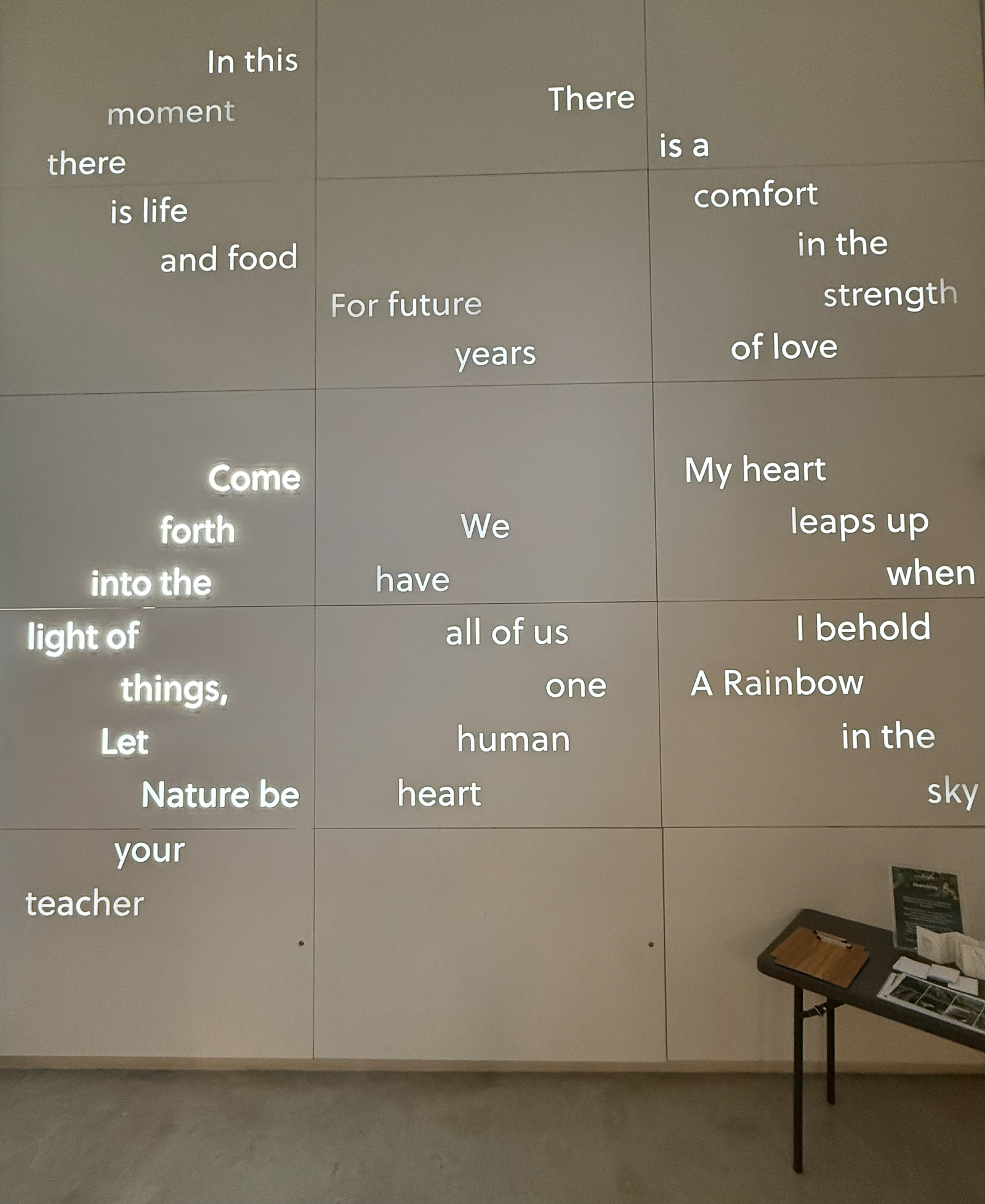
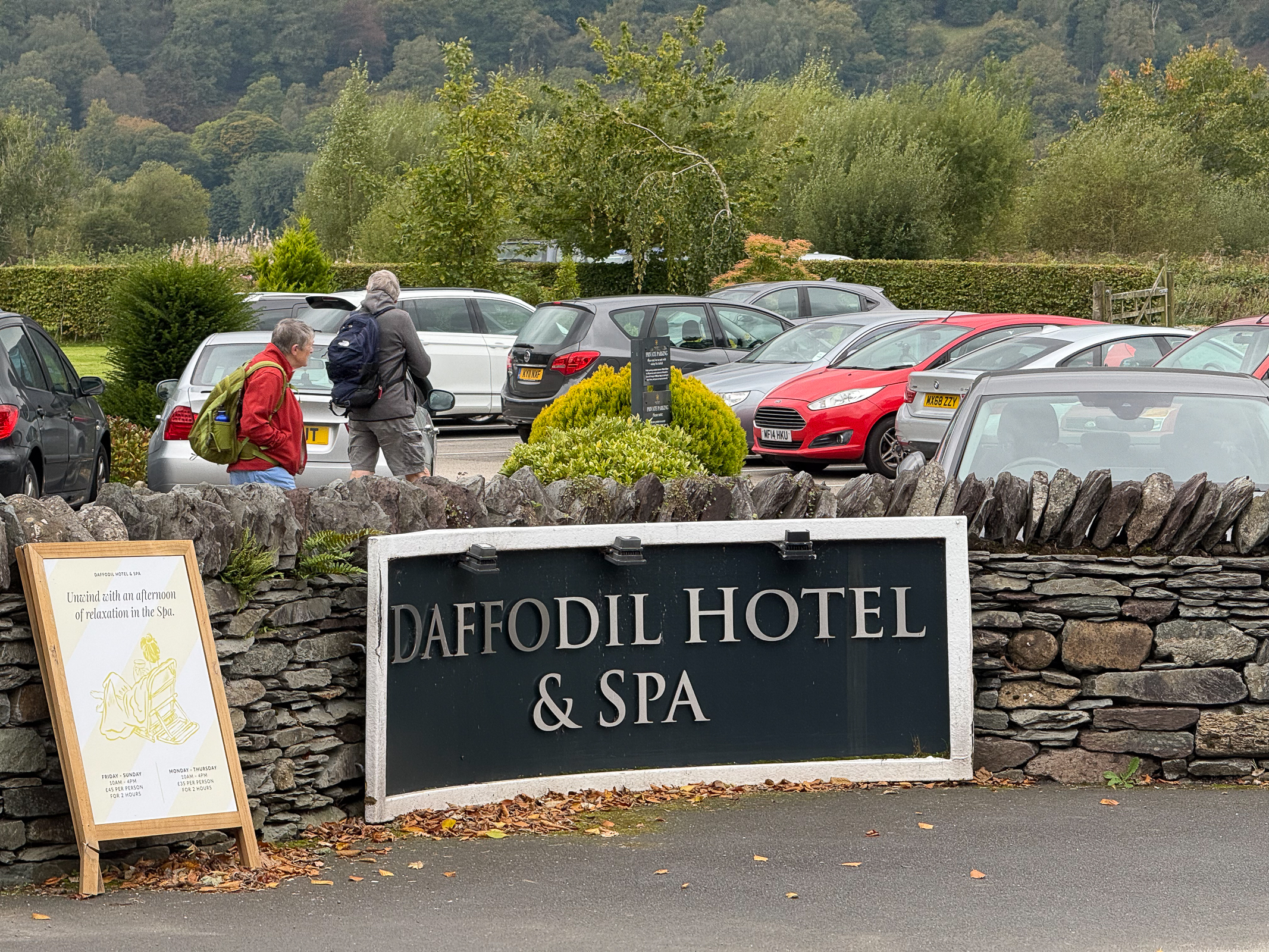
It was sad to see how the nearby villages of Ambleside and Windermere have become crowded, exclusive, over commercialized tourist-traps. Like Thoureau’s Walden Pond in Massachusetts, a place that had attracted creative artists seeking solitude has now become overrun by admiring fans and rapacious capitalism. Perhaps it speaks to a need for many to connect with something real rather than virtual. Certainly, the physical beauty here is astonishing and the literary legacy is inspiring. But I was happy to lose the crowds in our rear-view mirror and be far from the maddening crowd.
As we left the Lake District, the last place we visited was the Castlerigg Stone Circle, which is part of the English National Trust. Built over 4,500 years and like the better-known Stonehenge in southern England, this quiet magical place only reinforced our fascination with this mysterious and beautiful part of England.


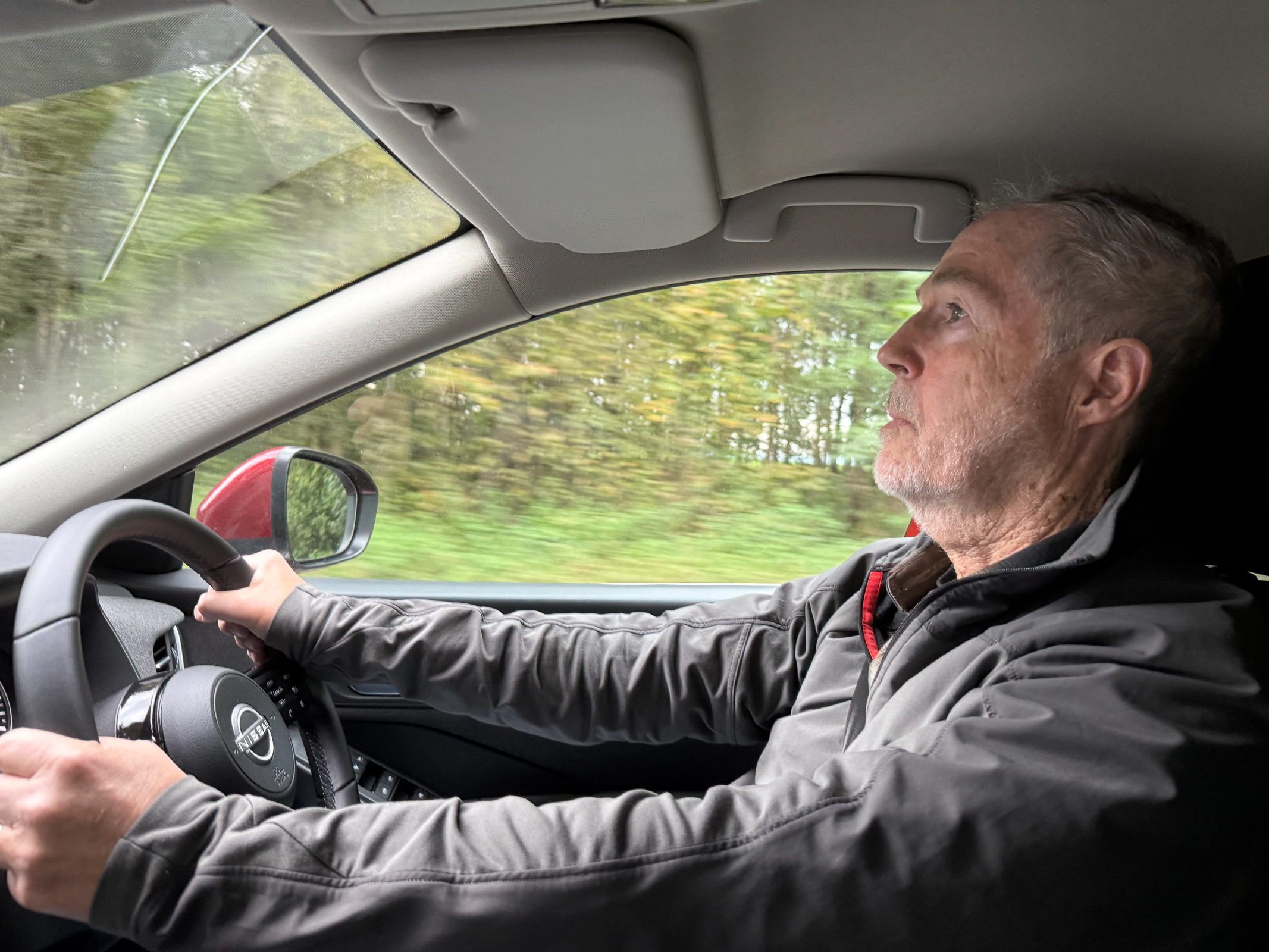
Driving the medieval and impossibly narrow roads of the Lake District was part of my cruel initiation into motoring in England. Ellen said she almost threw up as our oversized car scrapped against the hedges and ancient rock walls as other oversized cars, trucks and busses were barreling in the other direction inches from my face. All of this while driving on the wrong side of the road. I still hold on to the steering wheel with my two-fisted, white-knuckled death grip, but, despite a few close calls, I am gradually feeling more comfortable while driving in England. Miles to go before we sleep…
Next stop: the North.
 Library Road Trip