7/26-7/28/16 Dnipropetrovsk, Ukraine

7/26/16 – We flew from Warsaw to Ukraine and entered a new world. It took me most of this Spring to learn how to pronounce the name of our new destination – Dnipropetrovsk. About a month ago this large eastern Ukrainian city changed its name to Dnipro to remove the Communist part of the name. During the Cold War this manufacturing city was a “secret city” that produced munitions and rockets for the wars in Korea and Vietnam. It is still a manufacturing city today with a large factory owned by an oligarch spewing a choking cloud of pollution that permeates the whole area.

It is a Russian speaking city that now heavily supports Ukraine in its war with the separatists in the far eastern province of Donbas. Dnipro is about a three hour drive to the front and we feel the presence of the war here. Walker’s contact named Dasha picked us up at the small Dnipro airport. She works for the on-line photography group LensCulture that Walker works for as well. Although she lives in the US now she is back here visiting her parents. img_0445After we settle into our strange hotel we eventually make our way over to the Soviet era Central City Library. I gave a lecture here to an airless, warm room that is packed with mostly young people. They seemed genuinely interested in American public libraries and ask lots of good questions at the end. One guy even gave me a bullet which he says is a “souvenir from the Donbas front”.

I was exhausted but went out to dinner in an American style, upscale shopping mall. This is the first time a shopping mall looked pretty good to me.


7/27/16 – Today is another busy day. We photographed four libraries starting with The Children’s Library. We were overwhelmed by the generosity of the people working here. We expected to spend only a short hour quickly photographing this place. The cultural differences started immediately with a long “tea time” where we were introduced to all the staff. We were given small gifts and lots of food and we quickly realized we needed to readjust our schedule. We were shown every aspect of this library by the enthusiastic staff. At the end Ellen was given a large collection of hand-made Ukrainian dolls produced by some of the librarians. We also saw the bottle cap donation bins to raise money for the veterans of the war. And, of course, before we left we had to take lots and lots of group portraits. dsc_8570dsc_8590dsc_8623dsc_8645We then did a short visit to the Science Library and then on to the New Library which was 30 years old. Inside was a young man giving a computer lesson to three older women. He was what is called an “internally displaced person” coming from war zone in the East. He taught himself English from computer games and Facebook. This neighborhood is a poor part of Dnirpo and contains many families displaced by the war or the Russian take over of the Crimea. It is also where many veterans and their families live.

After a long walk over rough streets in the heat and pollution we take a short break having lunch in an “authentic Ukrainian” restaurant. Our next stop is Dnipro’s Central City Library. We spend a long time talking with a young woman who is a psychologist for war veterans and their families. She is deeply grateful to the library because it is the only place in town available for free. dsc_8692The wonderful head of the library is Magda and she was a force of nature. She proceeds to take us on a tour of every aspect of this large four story library. This includes the art therapy area for returning and wounded vets from the war, art therapy area for children affected by the war, local arts and crafts, the music library, an IDPs photo exhibit, and a historical display on a famous Ukrainian woman writer who collaborated with the Nazis during WW II and wrote anti-Semitic articles.
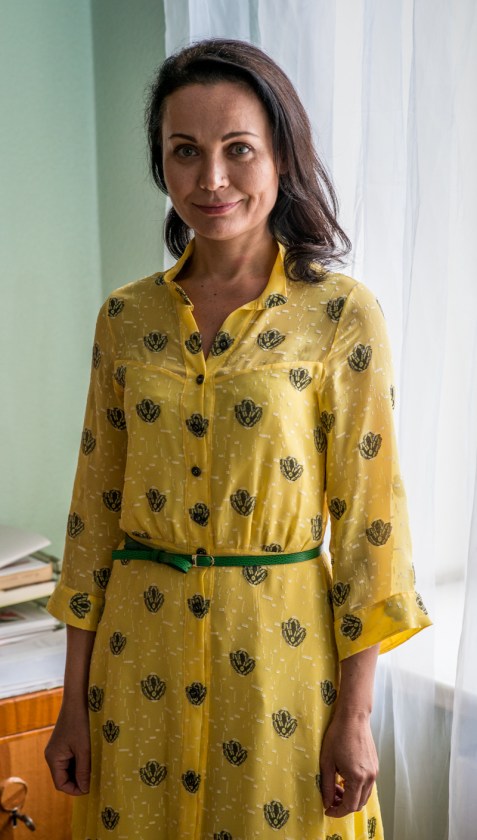
We finished the day by Dasha taking us taking us to a cool, hipster restaurant and having one of the best meals of the trip.img_0512
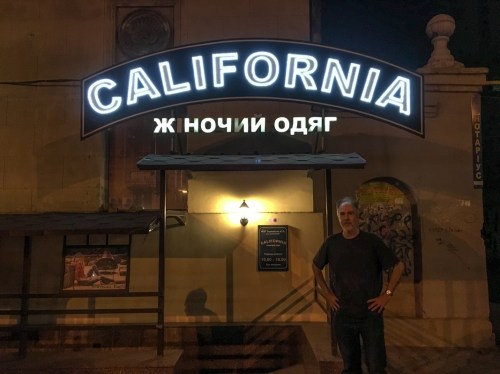
 

7/29/16 – We basically spent most of the day getting organized and having Dasha drive us to the airport. On the way we stopped at a beautiful island/park overlooking the Dniper River. We visited an old Orthodox Church situated on top of an artificial waterfall. We also visited a large Soviet era monument. Dnipro will always be one of the most interesting places on this trip. It is rough and not beautiful. But in its grittiness it possesses a deep character that reminds me of places like Bakersfield, CA or Midland, TX.

We end the day in the very different city of Kiev, Ukraine. Here at the famous Maidan Square we see reminders of the war and making fun of Putin. img_4307img_4298img_4297

Leave a comment

Filed under Uncategorized

7/23-7/25/16 Warsaw, Poland

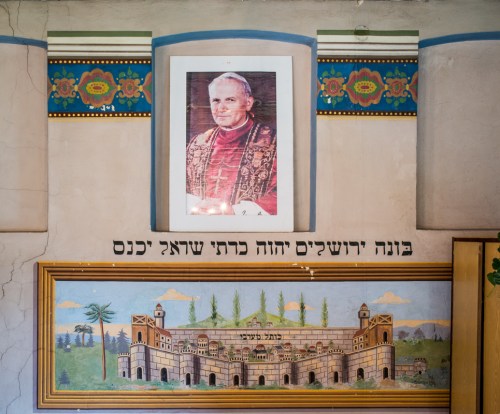
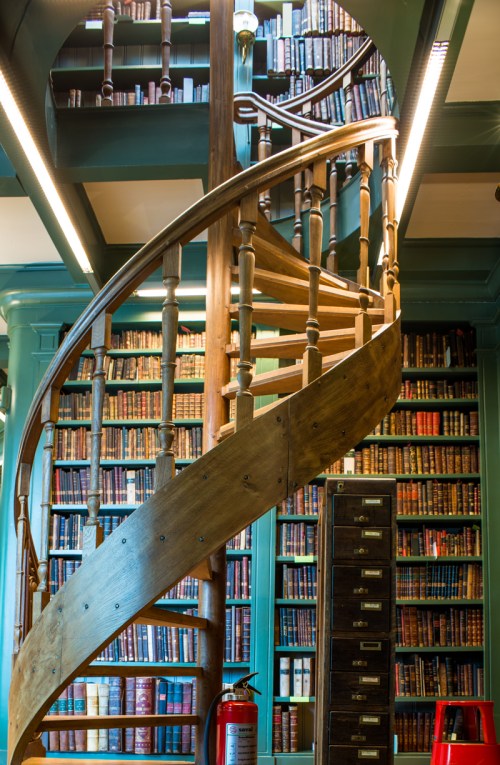
7/23/16 – After a many hour drive to Warsaw we met two Polish women, Magda and Agnieszka who would be our guides for the next few days through the Warsaw library system. Magda has already done a huge amount of work on-line arranging contacts with various libraries in Poland and Ukraine and I felt deeply indebted to her. The first place that they took us is the Załuski Library. This old looking building was actually rebuilt after WW II along with rest of Warsaw. The Nazis completely destroyed the city near the end of the war after the Warsaw Uprising. In the desperate times after the war the citizens of Poland taxed themselves to rebuild their Capitol city. Great effort was made to rebuild the old core of the city exactly as it looked before the war. It was odd to be in what appeared to be an old European city that was built in the late 1940s and 50s. In this building I photographed a beautiful old spiral staircase that was the only remnant of the original building. Its survival was a miracle and my image of the staircase spoke to the resilient Polish spirit.dsc_8155

7/24/16 – Our apartment in Warsaw was in an old Soviet era high rise building. Staying there gave me a real appreciation of what life must have been like during the communist times. Being that this was Sunday no libraries were open today. However, I did photograph the exteriors of two branch libraries. Branch Library #48 was outside of the old city center. This more typical Warsaw neighborhood reflected a more utilitarian approach to post war architecture than the Old Town. Library #48 was housed in a downscale strip mall with giant Soviet style apartment blocks in the background. dsc_8226The second branch library was located in the center of the reconstructed Old Town. This area is a major tourist trap but the warm evening, the street musicians and the beautiful light all made it a delightful experience. I even incorporated the ice cream gobbling hoards of tourists into my photo of the branch library.dsc_8309
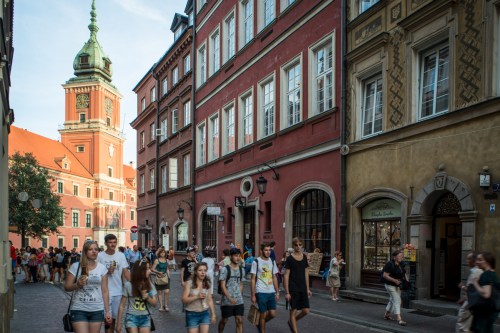
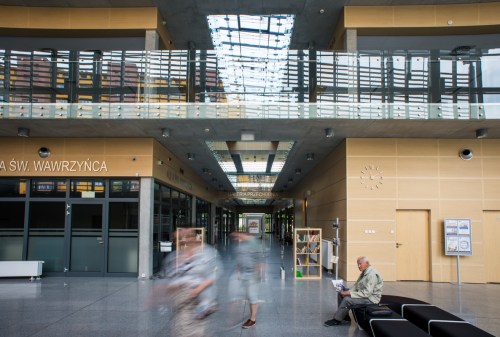
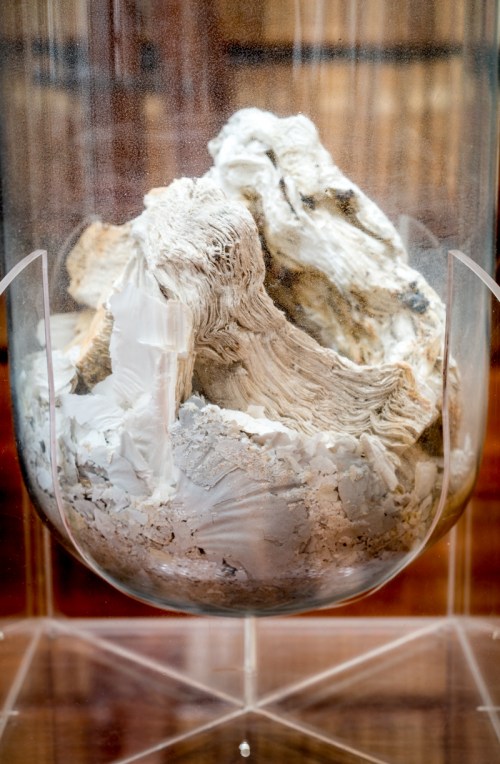
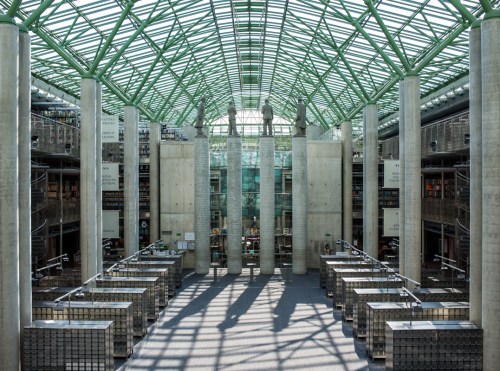
7/25/16 – Today was a very busy day. I photographed three libraries and gave my first lecture on the American Public Library project in Europe. My guide was young at the National Library of Poland and hadn’t quite made all the arrangements with security. Although I did make some photos here I also spent some time waiting for the guards to figure out what to do next. dsc_8395I then went to the Main Library of Warsaw to give my lecture. This was co-sponsored by the American Embassy and the capacity audience included several members from the Embassy including the American Ambassador. He brought along with him a young woman who worked for the White House in Washington as a program auditor for Embassies. As I was about to give my talk Walker told me “No pressure Dad!” I will be giving several more talks on this trip and it was nice to see this one go over so well. The Ambassador even wanted to consider having an exhibit in the new American Spaces facility on our Stockton Literacy project. img_0358img_0363We then ran off to the Narodowa Library which is a separate part of the National Library. Here I photographed another example of bibliocide showing a book partially destroyed during the war and now housed in a display case. dsc_8417Finally, we dashed off to the Warsaw University Library where we were given a tour and I photographed their impressive modern library in one of the best universities in Poland.dsc_8455
Leave a comment

Filed under Uncategorized

7/19-7/22/16 Rzeszów, Zamość and Białowieza National Park

7/19/16 – My friend and Stanford University colleague Jason Francisco has spent a lot of time in southeastern Poland photographing traces of the Holocaust. In our research for this trip Walker and I had done a lot of research on former Jewish synagogues in this area that had now become libraries. Jason mentioned ones that we should see as well. Our first stop was in the tiny town of Niebylec. Their library contained some of the finest paintings we saw on the trip in any old former synagogue. This little building was a sacred space for the Jewish people of this region until they they were almost entirely wiped out by the Nazis. Being a library is, perhaps, a little like being a sacred space. But the books in the room could not replace the memories of the synagogue paintings that were still hauntingly displayed on the walls and ceiling. dsc_7827img_0175neibylec-021img_0189dsc_7883niebylec-panoWe traveled on to the small town of Strzyźów which also had a former synagogue which was now a library. Unlike our last library this one appeared to be rebuilt and appeared to be new. In restoring this building they had left remnants of the former synagogue. Ellen read in the guest book notes from people visiting from all over the world who were Jewish, or had families from here or just were interested in Holocaust history.

We spend the night in the medium sized city of Rzeszów.


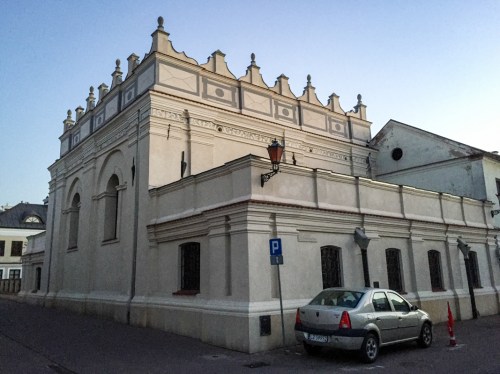
7/20/16 – Today we visited synagogue-now-libraries in the small villages of Jośetówjosetow-029 and Tarnogrod. Jason had suggested Tarnogrod and it turned out to be almost as interesting as the one yesterday in Niebylec. The building was large and was definitely the original synagogue. Inside were haunting reminders of its original purpose with relevant exhibits on its Jewish past. tarnogrod-028Lightroom (DSC_7999.NEF and 3 others)It worked well as a library but also honored its Jewish and partisan fighter past during WW II. We began to realize that we were unwittingly following a pre-existing route of Jewish history in this area. Ellen even found a map of the route which included many of the places we were visiting in this region. We ended the day in the beautiful town of Zamość. Jason had said this town had a deep history which we discovered was also a dark history. Like many towns here all the Jews were killed during the war. The beautiful synagogue was briefly turned into a library after the Holocaust but later became a community center. It is now used by everyone but is occasionally still used by the small Jewish community as a place of prayer and remembrance. img_4160We had dinner off the beautiful town square while a kick-ass blues band played to a mostly empty outdoor square. We walked through the streets at dusk soaking up the history and impressions of this beautiful place with its troubled past. Again, the burden of the past felt close in Zamość.
 

7/21/16 – We felt we needed a break from the history of the Holocaust. So we spent most of the day driving to the largest stand of original forest left in Europe – The Białowieza National Park. Located in northeastern Poland this UNESCO World Heritage Site is also home to the last herd of European Bison. My impression was that the forests here seemed pretty tame compared to forests in the American West and we never did see any Bison. But it felt good to be away from the bustling European cities and we felt a long ways from the Holocaust.


7/22/16 – We started the day by walking through the beautiful forest. Although tame compared to American Western forests the solace of nature filled us with the kind of peace that we missed in the cities. Deep in the dark woods we came to a border. Poland’s border with Belarus is literally the end of one world (the European Union) and the beginning of another (Europe’s longest running dictatorship and close ally to Putin’s Russia). The threatening border signs felt like a splash of cold water in these peaceful woods. We turned away and walked back into Poland. We visited the Park Headquarters and learned that this land was preserved by being the hunting preserve for kings and czars. This was often the case in Europe and explained why the forests seemed so managed. Our last hike of the day was the best and the longest so far. We walked through a forest/bog that had elevated trails and long boardwalks over the marshy area. The forest here did not seem managed and we got more of a sense of this environment as a natural area rather than a human created one. The chaotic marshes in this area could not be farmed which helped preserve it. During WW II these marshes stretching into Belarus were a major hideout for the Partisans fighting the Nazis. I tried to imagine what life was like for them as we walked through these rough but beautiful woods. We hiked approximately 11 miles total for the day.

Leave a comment

Filed under Uncategorized

7/16-7/18/16 Katowice, Auschwitz and Kraków, Poland

7/16/16 – Today was a day of visiting the old German section of Poland. After WW II the Soviets gobbled up big chunks of eastern Poland and the border of Poland shifted west. This part of Poland was part of Germany until 1945 when most of the German population was forced to move to Germany. Polish people living in Ukraine were relocated here. The Wałbrzych public library looked really sad on Google Street View. In reality it had been restored into a beautiful building with statues of buffed Greek gods wearing Polish scarves. The library in Kaminna-Gora was housed in a city center building that had a faded, grand facade which was covered in grime. kaminna-gora-026Surprisingly, our route through beautiful Polish country that eventually took us into the Czech Republic. The area reminded us of the movie Grand Budapest Hotel which wasn’t surprising since it was filmed nearby. The only library I photographed in the Czech Republic was in the little village of Broumov. This country has some of the highest percentage of libraries per capita in the world because of a law requiring every town and village, no matter the size, to have a library. Of course, it didn’t include funding and many of the Czech libraries have recently have consolidated or closed. Back in Poland I finished photographing libraries in the small towns of Otmuchów and Nysa. We ended the day in what we thought was going to be in an post-industrial hell hole. Instead, Katowice was a delight.


7/17/16 – Katowice has a regional population of over 2,700,000 (one of the largest in the EU) and is the biggest European city you have never heard of. It was an interesting combination of post-industrial grittiness in an up and coming city. I photographed three branch libraries that reflect that change. dsc_7566Clouds and rain have been our constant companion on the trip. We drive through the part of Poland that still has a large German population. One area was still bi-lingual with the road and town signs in Polish and German. In the small village of Wadowice we visit the home town of Pope John Paul II. Across the street from his childhood home was the public library. I photograph it under an umbrella in the pouring rain.

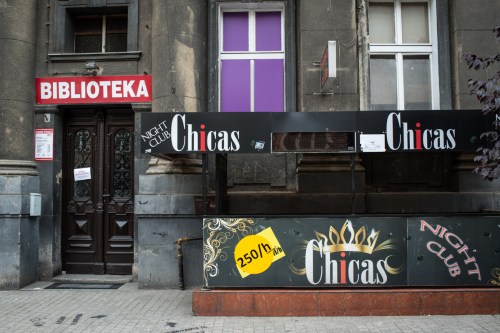
We next visit the prosperous town of Gliwice which was located in the same building as the Chicas Chicas strip club. dsc_7593Both were closed but I wondered about this weird juxtaposition. Probably the most difficult place for us to visit on this whole trip was the town of Oświęcim which in German was called Auschwitz. I was interested in seeing what a library would look like in a place that was the center of one of the largest crimes against humanity in the history of the world. Because it was Sunday it was closed. The library was very modern and the front was shaped like an open book facing the community. Across the street were multi-colored apartment blocks that were either from the Soviet era or were built after the end of communism. Next to the library was an extensive photo exhibition on panels documenting a recent March of the Living of young people and concentration camp survivors commemorating the liberation of the death camps such as Auschwitz. The best photo I made was when I was able to combine all three subjects showing the unspeakable Holocaust, the Soviet or post-Soviet reconstruction and the library. It shows the layers of recent history in this complex place.dsc_7639


7/18/16 – All three of us had a difficult time sleeping in our hotel located right across the street from the death camp. Walker and I kept hearing screams in our troubled sleep. It is not surprising since over 1.2 million people were murdered next door over 70 years ago. The ghosts of the Holocaust seemed very close. We went back to the Oświęcim public library in the morning to photograph the interior. The information told us that it was built like a shopping mall because that was what was most desired by the general public. The building was very open and did indeed feel like a shopping mall. It occurred to me that Oświęcim was struggling mightily to move from its past and this public library was one expression of that effort. The exhibit of the remembrance outside was put there by an outside group. Without it there was no hint of memory of the Holocaust in this library. I was surprised by this bit of historical amnesia for a local library. In my 18 year study of public libraries in the US I saw how libraries often were the repository of local civic memory. This library was an example of trying to forget the past even if it is staring you in the face. dsc_7719oswiecim-027We were happy to leave Oświęcim and head to the beautiful city of Kraków. This city was a gem that had not been destroyed during the war. Although overrun with tourists it possessed a great dignity and charm. We had tea in an amazing Jewish, hipster tea shop in the old Jewish Quarter. I finished the day photographing the Kraków library and Mediateka. The Mediateka was an old brick building with a separate glass facade and roof with beautiful flowing grass at the entrance. Looking through the glass walls we saw beautiful old Polish buildings. It served as a beautiful juxtaposition of the old and new Poland.dsc_7731

Leave a comment

Filed under Uncategorized

7/8-7/15/16 Berlin to Wrocław, Poland

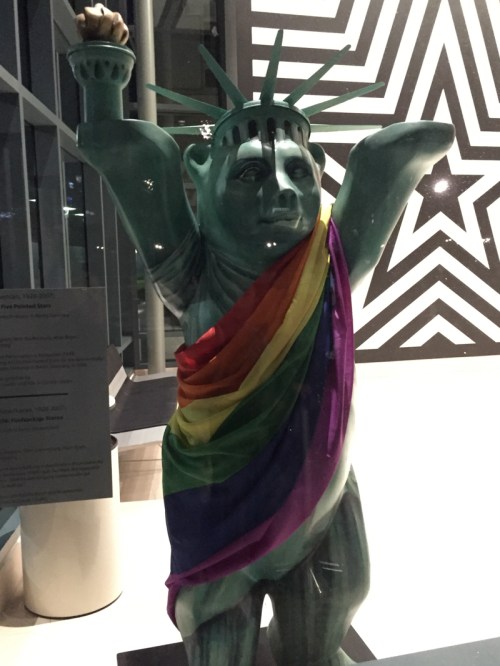
7/8/16 – We photographed three libraries in Berlin today. The Berliner Stadtsbibliothek was an artifact of the Cold War in east Berlin. It was fascinating to see a former Communist library in the modern hustle and bustle of contemporary Berlin. Our guide, Anna Jacobi, made the place come alive and gave us insights into life in Cold War East Berlin. The Library was part of that ideological struggle. The Amerika Memorial Library was build in 1954 and was the West Berlin expression of Cold War soft power. Before the Berlin Wall went up in 1961 people could travel between East and West Berlin. The Amerika Library was built with American funds and the name honors that gift. The library faced East Berlin and drew large amounts of East Berliners to read books that were not allowed in the Communist East. 80% of library users still use the Amerika library and the place was packed. Finally, Ellen, Walker, his friend Anita Wilcox and I visited the Babelplatz Memorial to Book Burning during the Nazi era. We arrived at dusk and look down into a subterranean lit room filled with empty white bookshelves. Like all good public art this helped us understand the insanity of that terrible time. The empty shelves show us the destruction of the commons which is still happening today. We walk into the night to the Brandenburg Gate, the Holocaust Memorial and the American Embassy. To our surprise I noticed inside an Embassy window was a statue of an upright bear dressed like the Statue of Liberty and draped in the Gay flag. It made us proud to be Americans.dsc_6455dsc_6599berlin-hdr2img_3902


7/9+7/10+7/11+7/12/16 – We actually took a few days to relax, be tourists and do chores. Templehof Field was transforming from a Nazi built airport (one of the largest construction projects in the world) to a massive park in the middle of Berlin. Ellen, Walker, Anita and I threw the frisbee, drank cold drinks on this hot day and generally marveled at it all. Later we went to a section of the Berlin Wall which included buildings from which people tried leap to their freedom over the Wall. Later still Ellen and I visited another section of the Wall with a photo show of huge photos from the Syrian war called War on the Wall. Amazingly, while admiring this photography I met the artist Kai Weidenhöfer who had done this fantastic project and found out more about his work.


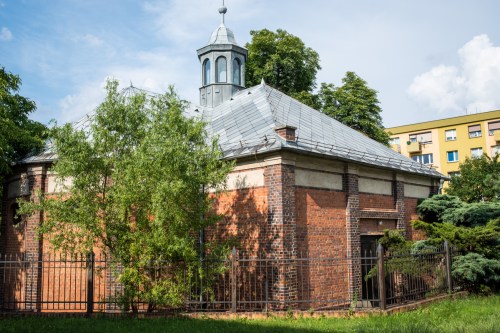
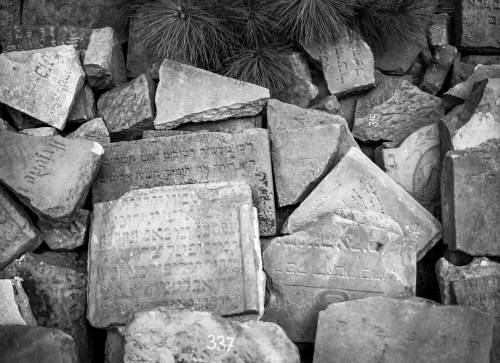
7/13/16 – We took a beautiful train ride from Berlin to Poszan, Poland. We then rented a car and drove southwest to the small Polish town of Leszno. The library there was located in an old Jewish cemetery and the building used to be the mortuary. A huge collection of headstones, many with Hebrew inscriptions were neatly stacked up outside the library. The entire Jewish community here was wiped out by the Germans during WW II and the cemetery destroyed. The Holocaust in Poland became a little more real. We arrived that night in the surprising city of Wrocław.dsc_6780dsc_6786dsc_6885headstones-leszno-030
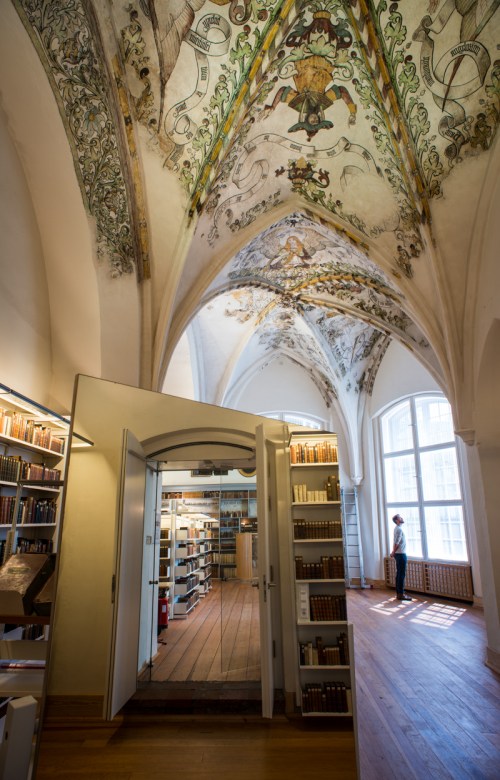
 

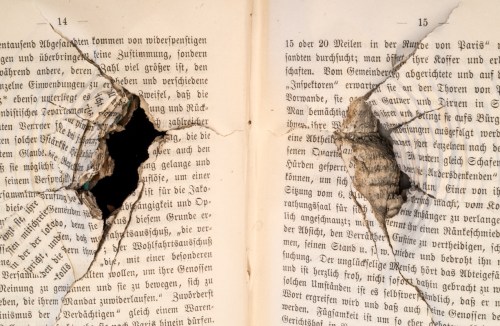
7/14/16 – We photographed three libraries in Wrocław. The Ossolineum was a former monastery and is a now a fantastic grand old library. We were given a long tour and I photographed many fascinating things including a book that a bullet had traveled through during WW I. The Wrocław Mediateka was housed in an old German coffee roastery but it was young, hip and a very friendly, inviting place. Finally, the Wrocław Public Library was located in a great old building off the main town square. It is made up of several libraries representing different parts of the world. We visited the American Corner and then visited the Korean Library, the German Library and the Children’s Library. Wrocław was gritty but filled with faded, glorious old buildings. After photographing throughout the rainy day we stumbled into a delightful vegetarian restaurant in the middle of a downpour.80% of the town was destroyed during the war and twenty five years after the Cold War this town seemed poised for a comeback.dsc_6912mediateka-wroclaw-panodsc_7102dsc_7153img_0031


7/15/16 – Wrocław is a 2016 European Capitol of Culture and was designated by UNESCO the 2016 World Literary City. It has more branch libraries than San Francisco (26 vs. 24) and has many thriving bookstores and literary events. I photograph a great old library in a former Masonic Hall in a town west of Wroclaw called Legnica. It was the Nazi headquarters during the War and later housed Russian occupation troops after it. We get taken on a tour of the library by the librarian and her translator. I then started photographing while Ellen chats up the librarian and Walker walks the streets of Legnica looking for food. dsc_7173dsc_7231dsc_7244dsc_7271dsc_7309

Leave a comment

Filed under Uncategorized

7/3-7/7/16 Lübeck to Berlin, Germany

7/3/16 – The Stadtbibliothek Bremen used to be an old police office and jail. It’s massive walls were imposing and the entrance felt a little creepy. I imagined what it must have felt like to new prisoners during the Nazi era. Because the library was closed on this day we had the whole place to ourselves. Our guide, Lucia Weder, showed us all parts of the large library including the police office, the children’s library and boxes of books for refugees in camps. The books we see are in Persian and this library supports a large program for refugees. Several hours later we wind up in the large port city of Hamburg. Walker is the perfect tour guide and now he is in his element. We hopped on the subway and came out in an area dominated by large brick buildings. It is a UNESCO World Heritage Site and this 19th century area is one of the largest planned communities in the world. We have dinner at a German version of a dive pub that was dripping with atmosphere. The food was authentically German, heavy but good. We walked the streets of Hamburg celebrating our 33rd wedding anniversary.


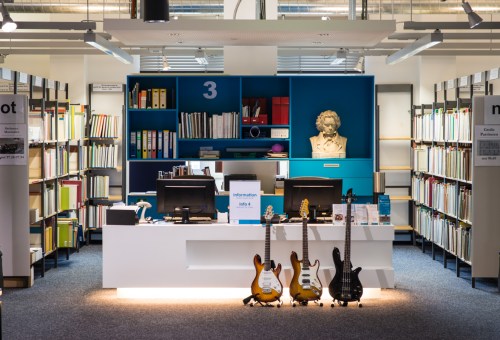
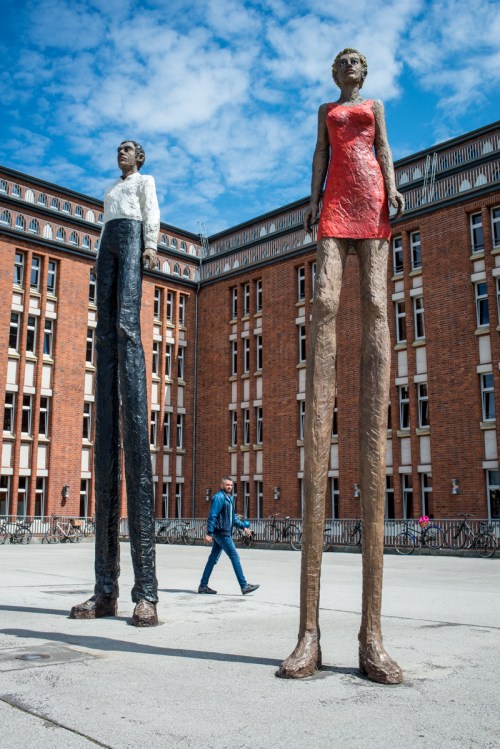
7/4/16 – The Bücheshallen Zentralbibliothek in Hamburg was big and full of people. It contained a great music room, a wonderful display of photographic posters, a training session for refugee tutors and wild sculptures in front of the library. The Stadts-und-Universitatsbibliothek Hamburg Carl von Ossentzsky library was named after a dissent writer that was shot by the Nazis. Unfortunately, it is closed but I photographed the impressive exterior. That night we landed in the beautiful old town of Lübeck. This island city was the center of the medieval Hanseatic League that basically set business interests ahead of the church or royalty. It was its own city-state and was occupied separately by the Americans after WW II. We walked through the magical old city center in the evening. We have another hearty German meal in an outdoor cafe watching the inhabitant of this delightful city strolling by. We had a toast to the 4th of July and realized that we hadn’t met any Americans since Brussels.dsc_5901dsc_5946img_3764img_3780


7/5/16 – At the Bibliothek der Hansestadt Lübeck we met the head librarian Bernd Hatscher. He gave us a quick but fascinating tour of this library that was partly founded by Martin Luther whose portrait hung above the door. The old part was originally a monastery and after Napoleon invaded Lübeck he parked his army’s horses in the church. He then turned the rest of it into a library. Old medieval paintings on the ceiling had been painted over. The effort to recover them had only been partial because the library had run out of money. The librarian sadly explained that he had had to let go a large part of his staff because of budget cutbacks. Glass covered panels in the floor showed off the remnant original bricks. Altogether, a fascinating place. Walker wanted to take us to one of the poorest and most conservative part of Germany. I photographed the library in the tiny town of Grevesmühlen and then visited a even smaller village that Walker described as being neo-Nazi. It was unremarkable except for a weird mural on a wall. We then quickly dropped by the old northern German town of Rostock. I jumped out under darkening skies and photographed the beautiful exterior just before it started to rain (again). Finally, we arrive at the beautiful east German coastal resort town of Sassnitz where we spent two nights and one day “on holiday”.dsc_6034dsc_6086dsc_6150img_3816


7/6/16 – Resting! Actually, it rained hard most of the day. Coming from four years of drought in California it was delightful to see the rain outside while I was standing in the shower, we had breakfast in a coffee shop on the shore of the dark and stormy ocean. I could see the rain to continue to pour from my bed as I worked on old emails. It cleared later in the afternoon and Walker and I played frisbee near an old Soviet monument to the workers, the Russian soldiers freeing east Germany and Lenin. Weird! Then we went to a spectacular National Forest on this island of Ruegen where brilliant white cliffs went straight down into the sparkling turquoise Baltic Sea.


7/7/16 – The rain that had following us for the last three weeks finally stopped today. I quickly photographed the local library Stadtbibliothek Sassnitz. We then went to a strange relic of the Nazi era the Prora Documentation Center. It was originally built as part of Hitler’s Strength Through Joy program to buy off the German workers after the Nazis smashed organized labor in the 1930s. This area was to be a workers paradise resort by the sea. The few,crumbling buildings here were all,that were built as the war ended this fantasy. Finally we visited the Stadtbibliothek Hans Fallada in Griefswald. The beautiful building was built in the 1500s. The wonderful librarians were thrilled we were there and gave us a nice book of the city as a present. At the end of our long drive we entered the fabled city of Berlin.img_9876dsc_6232dsc_6215img_9886

1 Comment

Filed under Uncategorized

6/30-7/2/16 Duisburg to Hamburg

6/30/16 – Zentralbibliothek Duisburg is in a working class German city of around 500,000 in a metropolitan area of 18 million people. It is in the heart of the industrial Ruhr Valley area. The area was heavily bombed during WW II and the city consists of mostly post war buildings without the Old-World charm of many other German cities. It has a large immigrant community and here we are interested in how the public library is helping with that effort. We don’t have a personal contact in this library so we all turn on the charm to the receptionist who we later realize doesn’t speak English. Finally, the Librarian Mr. Holler takes us on on a delightful tour of all the floors of this big library. Later I photographed a man from Syria who is learning German. We communicate through Walker’s Waldorf School German and this man’s very broken German. Somehow it works and we get his permission to take his picture. It has rained every day since we have been in Europe and we drive on through the downpour to the beautiful Hartz Mountains. To relieve the long drive we pull off after the rain and Walker and I play a vigorous game of frisbee in a forest filled with witches and gnomes and old German fairytales. We finally arrive in the pretty little mountain town of Goslar. Walking the streets after dinner I realize we have stumbled into a German version of a Thomas Kincaid painting. Weirdly cute with tiny, twisty streets, little canals and beautiful gnome-like houses. I guess that this must be what Germans like to think of as a part of their essential character. Strangely, there is NOBODY on the streets. But as it is getting dark we turn a corner and stumble upon a large group of Muslims just as they ending their Ramadan fast. Very surreal. Ah, Europe!


7/1/16 – The front of the Goslar Public Library fits well into the surrounding streets. It is hundreds of years old and the essential German character of the building is part of this ancient small town. We hadn’t planned to visit the university town of Göttengen and again tried to charm another receptionist who didn’t speak English. The head librarian later introduced us to an older woman named Almut who is one of the main German language tutors in the library. Her stories were often inspiring and sometimes tragic. She told us of a man from Gabon who was one of three people who survived a refugee boat crossing of the Mediterranean. In her German class he was so proud to explain his knowledge of world geography. She and the library are on the front lines of the effort integrate the new migrants into Europe. After more rain and many more “klicks” we arrive in the east German town of Mülhausen. It’s library is housed in a 13th century church but unfortunately it was closed. After many tries I make a nice image of the exterior with giant cumulonimbus clouds bellowing above. Mülhausen seemed poor and eerily empty. Our final destination is the old royal town of Weimar. It used to be the Capitol of Germany during the disastrous Weimar Republic of the 1920s. Today it is filled with relics of its former glory days. The Duchess Anna Amalia Library is one of those beautiful relics. It’s Rococo Hall was amazing and over the top. It is filled with busts of the literary giants that once roamed here.


7/2/16 – We get up again at the ungodly hour of 6 AM to be able to photograph inside the Amalia Library’s Study Center by 8. None of us are early risers and much of this trip has been an exercise in sleep deprivation. In this case it is worth it and the Study Center is amazing. We head on to the hard scrabble town of Magdeburg in the former East Germany. This former industrial town is located in one of the poorest parts of Germany. It literally looks like some of the bombed out photos of Germany after WW II. To help create more use by the citizens the city decided to create an Open Air Library near the center of a neighborhood. It looked thoroughly abandoned, filled with graffiti and the trash barrels were overflowing with garbage and empty liquor bottles. It didn’t help that it was pouring rain. While Walker carefully held the umbrella over me I photographed this depressing place. This city really showed the gritty side of former East Germany and why it will take a long time for Germany to reunify. Bremen is located back in the former West Germany and the differences were striking. The Library was housed in a massive, former police station. As I photographed the exterior, exuberant waves of singing football fans walked by on their way to watching Germany play in the Euro Cup. Walker found an amazing old restaurant in the old part of Bremen where we celebrated Ellen’s 71st birthday.

Leave a comment

Filed under Uncategorized

6/26-6/29/16 Antwerp to Amsterdam

6/26/16 – After the Jungle Library in Calais photographing The Hendrik Conscience Heritage Library in Antwerp was like entering a warm, beautiful dream. Hendrik Conscience was a famous Flemish writer who was one of the first to write and celebrate the Flemish language. This library is a good example of a 17th Century private library that later became open to the public. I keep being amazed by the beauty and tranquility of these kinds of places. I am impressed by the generous intellectual spirit of the Belgium 1%ers from this time period. Of course, much of the wealth from this era was built on slavery and colonialism. But today this library stands as a great, positive symbol of the Enlightenment. It contained an exhibit of sad letters and newspapers from Belgium soldiers separated from their families during WW I. We later arrive in the gritty industrial city of Rotterdam. It had been heavily damaged by the Germans during WW II and the architecture was mostly built quickly after the war. I photograph a branch library in the sprawling immigrant community of Luchtbal with its high rise apartment blocks and working class inhabitants. It felt vey different from Molenbeek.


6/27/16 – The library in suburban Spijkenisse outside of Rotterdam is called Book Mountain. Housed in a giant glass pyramid it is literally an astonishing mountain of books. The rain that has been following us throughout our travels in Europe pounded the glass and contributes to our feeling of coziness inside the pyramid of glass and books. The Bibliotheca Thysiana at the old University of Leiden is another example of the private library of a wealthy Dutchman Johannes Thysius later becoming a public library. Our guide, Professor Dr. Paul Hoftijzer generously gave us his time to make the place come alive. We felt that we were with a kindred soul. That night we arrived in Amsterdam. I’ve always felt that a secret part of me must be Dutch because I’ve always felt very comfortable with the Netherlanish people.


6/28/16 – The Openbare Bibliotheek Amsterdam (OBA) is one of the great, modern big city libraries in Europe. There is so much to see on the seven floors of this library that I have to come back in the afternoon to finish up the work. I wind up being photographed and interviewed by the head librarian Astrid Vlug at the end of the day for their website.


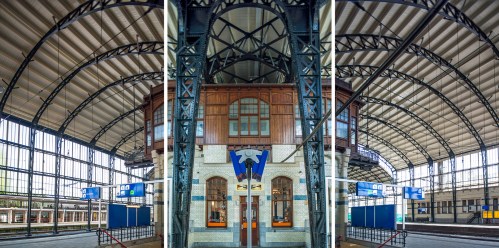
6/29/16 – The Huis de Pinto house and library was founded by a wealthy 17th Century Jewish merchant during Holland’s first Golden Age. His family were Sephardic Jews who fled religious intolerance in Portugal and Spain and came to The Netherlands for freedom. Our guide explained that the house barely escaped demolition during a period of thoughtless redevelopment during the 1970s that destroyed large parts of Amsterdam. As in San Francisco it was only stopped by citizen activists. We then dash off to the nearby town of Haarlem to photograph an amazing library in the middle of a big old train station. Then we barely make it back in time for our next appointment in Amsterdam at the Ets Haim Library. It is 400 years old and is the oldest Jewish Library in the Netherlands. During WW II Amsterdam’s Jews were murdered by the Germans and the library’s contents were stolen by the Nazis and shipped to Frankfurt in Germany. Miraculously it survived the war and made its way back to Amsterdam. A Nazi shipping box was on permanent display.dsc_5096Lightroom (DSC_5172.NEF and 2 others)ets-haim-amsterdam-016dsc_5210

Leave a comment

Filed under Uncategorized

6/19-6/25/16 FROM DINKELSBÜHL, GERMANY TO THE JUNGLE, CALAIS, FRANCE

6/19/16 – Somehow the beautiful little German town of DInkelsbühl escaped over 400 years of destruction from the Thirty Years War to WW II. Today it is one of those impossibly cute little European towns that is a tourist trap but still retains its integrity as a connection to another time. It’s library was simply magnificent. Because of the tight little streets I wasn’t able get back far enough to gain a perspective on the whole building. Fortunately, my colleague at Stanford, Craig Weiss, had lent me his old 28mm PC (perspective control) Nikon lens that allows me to get correct perspective and still get the whole building. It really came in handy here. Our next stop was the far western German town of Trier. Everything about this old Roman town was fascinating including the old funky Bulgarian owned hotel we stayed in. It is one of the oldest cities in Germany. Trier had seen some dark days including the first mass genocide of Jews around the year 1000 by the members of the first crusade on their way to Jerusalem to slaughter the Muslims and Jews there. The ancient cathedral contains plenty of ghosts from that horrible past as well as being the site of WW II Nazi speeches celebrating this “glorious” past. Trier today seems young and vital with an evening rock concert next to the Roman wall. It is one of our favorite places so far in Germany. However, the past feels close here in Europe.


6/20/16 – Another long day of driving from Trier to Luxembourg City to Verdun and Reims in France. The National Library of Luxembourg was odd. In one of the richest countries on earth the National Library was surprisingly modest. It’s all about priorities. As the very nice Staff member told us it is easier to fund sports arenas than libraries. The setting for the City is astonishing beautiful. I was interested in Verdun, France because of the memory of the First World War. The small town was completely destroyed during the war and it had the feeling of being suspended in time. The library was housed in a old government building and overflowed with an incredible collection. It’s main collection was medieval material but the librarian had recently been interviewed by CNN because of its WW I archive for the 100th anniversary of the famous battle of Verdun. It was another place that felt filled with ghosts of the past. We finally arrived in the old French city of Reims. It too had been destroyed during the First World War. The American philanthropist Andrew Carnegie had build three “front line” libraries after the war in towns that had been on Western Front. Reims was one of them and had an incredible library built in the 1920s. After dinner, Ellen and I walked with my cameras through the misty evening to the library. We could see it at the end of the fog shrouded street and after we tuned the the corner noticed it was across the street from the famous gothic cathedral of Reims. As I set up my camera to photograph the Art Deco library juxtaposed next to the Gothic cathedral the lights came on in both buildings. In the gloom of the evening I made what I think was one of the best photos of the trip so far.

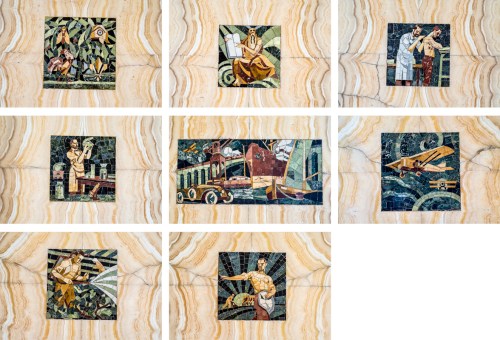
6/21/16 – Most of the morning was spent photographing the interior of the Carnegie Library of Reims. The Reading Room was crowded and beautiful with great stained glass windows including one in the ceiling. I also focused on small details such as the tile panels in the lobby and a great Deco bannister. The rest of the afternoon was spent on a long drive in the rain driving to Belgium and finally Brussels. We first encountered the insane traffic of Brussels as we entered the downtown. This was the worst we had seen so far in Europe. As we neared our apartment we saw soldiers with machine guns quickly evacuating people from a building and closing streets. It showed the incredible security that Brussels is currently under from terrorist attacks. It wasn’t far from our minds throughout the time we were in Brussels. We arrived at our apartment in a downpour. We met up with Walker’s good friend Anita Willcox who helped us throughout our stay here. She was a class mate of Walker’s at the New School in New York and is now living in Brussels and is a graduate student here. She introduced us to a great dinner place and then we took a long walk through the street of Brussels that were finally free of the constant rain.img_3511Lightroom (DSC_4181.NEF and 7 others)


6/22/16 – Recovering a little from our constant travel over the last week we begin our photography in the early afternoon. We visit a special library called Bibliothêque Espace El Boroudi housed in a community center called Espace Magh. It was founded by a North African man named Boroudi who was an immigrant, labor activist and defender of immigrant’s rights in Brussels. The library was small and filled with a variety of Arab language books. It showed the commitment of one activist to making his community better. We then went to the small branch library called Bibliothêque Hergé. This was named after the famous Belgium author Hergé who lived in the neighborhood. Belgium is famous as a home for graphic books and art. Hergé’s series of books on Tintin introduced generations of children and adults to travel and the world. It was important for us to see a small, well run neighborhood library after seeing so many grand or unusual libraries. The Belgium soccer team was playing Sweden in the European Cup this night so as we ate dinner in an outside cafe in a little plaza we could hear the wild screams of the fans coming out the nearby bars. We saw Belgium win in the final minutes as we stood in an African run bar.


6/23/16 – The ancient Library of the Catholic University of Leuven housed an outstanding, irreplaceable archive of medieval manuscripts until it was completely destroyed by the German Army during WW I. As the idea of the Global Library Project began to form the story of this library caught my attention. The term “bibliocide” – the intentional destruction of books or libraries to punish or erase the memory of a people – is seen throughout the world and throughout history. This library was the first that I had seen that showed that concept. After a great international outcry over the destruction of the Leuven Library a great outpouring of support to rebuild the library occurred in the 1920s. Unbelievably, the Library was destroyed again in the fighting of WW II. It exists today as a monument to peace and a symbol of the horrors of war. The second library we photographed was the Bibliothêque Molenbeek. This neighborhood of Brussels became famous because of its large number of Muslim families living here and because some of the recent Islamic terrorists in Paris and Brussels came from here. In the US the name Molenbeek is synonymous with terrorism. The small Molenbeek public library had three wonderful librarians but was almost empty because of Ramadan. The photos I made outside showed the humble exterior of the library overshadowed by a massive apartment complex towering above. It showed the complexity of Europe today.


6/24/16 – After sleeping an exhausted sleep Ellen and I spent the entire day in our AirB&B room doing work and catching up on email. Walker and Anita did the laundry and got see the sites of Brussels.

6/25/16 – The Provinciale Bibliotheek in the tourist trap called Brugge was quite beautiful. While we were there we could feel the rising tide of tour busses, weddings and deep fat food filling the air. I would love to spend more time in this lovely old town but without the hoards of tourists. We finally arrive in the French seaside town of Calais. After checking in to our Ibis Hotel we head over to the most famous refugee camp in Europe called The Jungle. We meet a woman named Mary Jones who started the Jungle Books Library. Located on a former smelly landfill this remarkable place is filled with desperate men (the women and children are housed in a different camp) who are trying to illegally enter into England by way of the English Channel Tunnel which starts in Calais. For many this camp is the end of the line after an arduous journey escaping from war, starvation and poverty. We meet refugees here from many parts of the Muslim world as well as many Africans. The volunteer tutors were mostly younger women and mostly British. They gave me back some respect for the Brits after England’s recent stupid move of Bexiting the EU. The Jungle is a sad place and the Jungle Library is one of the very few bright lights in a dark place. On entering the Library I encountered a room made out of plastic sheeting overflowing with books and refugees. Intense tutoring sessions were being conducted on my right by a 24 year old British woman to a group of Iranian men. On my left an Indian looking woman was doing the same with a group of African men. Everyone seemed to desperately want to learn English although some of the Iranians seemed as interested in their beautiful tutor as they were in their language lesson. Walker and Ellen conducted an interview of Mary Jones while I photographed for many hours in this harsh place. Because most refugees did not want to be photographed I focused instead on symbols such as maps of refugee routes, hand drawn signs saying things like “I love Afghanistan” and language lessons on a chock board. I walk around the camp and photograph graffiti covered plastic shacks, an Ethiopian Coptic church and the sad little plastic covered places that the refugees call home. As I was finishing up a angry young Middle Eastern man insisted that I erase the photo he thought I had taken of him. I explained that I had not taken a photo of him and that I was using a film camera so there was nothing to erase. He still seemed angry and I could see the explosive frustration some of these refugees experience. As we were walking out we strolled down the Main Street of the camp. As we stood in front of the Jungle Book Library Kid’s Cafe (only for 18 year olds or younger) a fight broke out right in front of us. The Cafe immediately emptied on to the street with some kids carry pool sticks ready to fight. At exactly the same rime some dude came very close to pick pocketing my wallet which I had stupidly left in my back pocket. Fortunately I caught him before he could complete the heist. At that point we bailed from the Jungle. To decompress Walker nicely arranged a short drive to a spot on a cliff overlooking the French countryside and the English Channel where we ate bread and cheese and thought about our amazing day.

Leave a comment

Filed under Uncategorized

The Library Road Trip Goes Global

6/17/16


THE LIBRARY ROAD TRIP GOES GLOBAL!


6/15/16 – San Francisco to Boston. Boston to Lisbon. Lisbon to Munich.all in four days. I don’t want to bore you with the details of our cancelled flight, no sleep, etc. Because of this the 2016 Global Library Road Trip began a day late in Munich. We met our son Walker at the airport and spent the rest of the afternoon jet-lagged and road weary looking at this beautiful city for the first time. We scouted out the big Bavarian State Library which we will photograph tomorrow. The highlight of the bleary afternoon was visiting Munich’s English Garden. I have never seen people surfing a river before but the surf was really up that day.IMG_3329


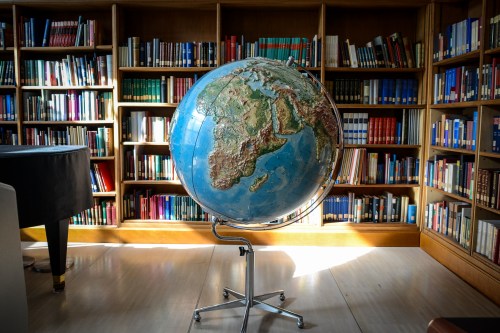
6/16/16 – The morning was spent photographing the fabulous Bavarian State Library. This is one of the largest research libraries in the world with one of the world’s largest collections of books maps, and manuscripts.Globe, Munich copy

I photographed an amazing exhibit of medieval illuminated manuscripts and the massive interior of the library.

Illuminated manuscript, Munich copyWe spent several hours there while I photographed with my film and digital cameras. The beginning of this trip is a trial to figure out how to work with both my Mamiya 7 and the digital Nikon D800. It is also time for Ellen and Walker to define their roles in this multi-faceted, complex project. After walking through the old part of touristy but beautiful Munich. We spent the rest of the afternoon back at our Ibis Hotel getting organized.


6/17/16 – After a few more exterior shots of the Bavarian State Library we leave Munich through the green Bavarian countryside. Off in the distance we see the breathtakingly beautiful, snow covered Alps. I can’t imagine WW II being fought here. I can’t imagine how insane a Nazified Germany must have been. It is scary to think how this rich, beautiful, civilized country could have lost its mind under Hitler. We drive south while Ellen is driving, Walker is navigating and I’m in the back seat writing this blog. We eventually drive into Austria and then immediately drive into Switzerland. The Abby Library of St. Gall in St. Gallum is a jewel-like architectural masterpiece. I am stunned and have a hard time comprehending the beauty and history surrounding me. The two women accompanying us are very patient and allow us to extend our half an hour time period to an hour. I am like a kid in a candy store and make use of every precious minute I have. Afterwards, we walk out and find the main plaza of this small medieval town filled with books. It is fascinating to see the Swiss so rich with a love of reading. After dinner I drive two hours back north to the old village of Ulm. I am so exhausted that it is only talking with Walker about his work with LensCulture that I’m able to stay awake. We collapse into a deep sleep in Ulm.


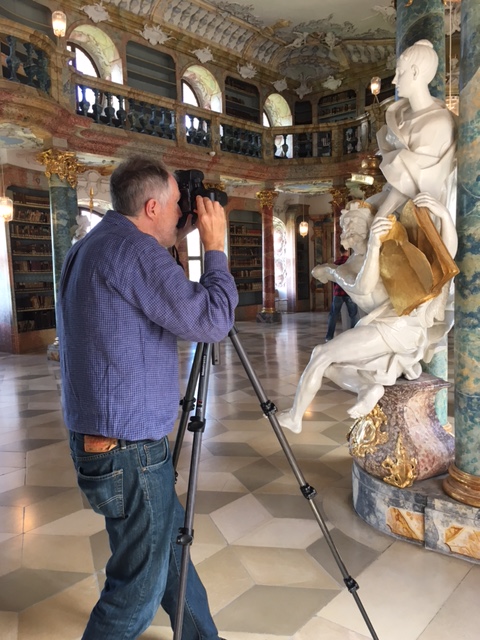
6/18/16 – I thought we had seen the most beautiful library yesterday in St. Gallum. But this morning outside of Ulm I photographed the equally fantastic Wiblingen Library. Located in a former monastery this rococo fantasy is a perfect expression of Enlightenment exuberance and religious piety. While i was photographing, a large group of tourists came into the Library. Then a second group consisting of a bride in a white dress, the groom, a photographer and videographer and others started posing for photographs. Of course, this all wound up in my photographs of this spectacular library. RD at Wiblingen Library, UlmWedding, Wiblingen Library, Ulm copy

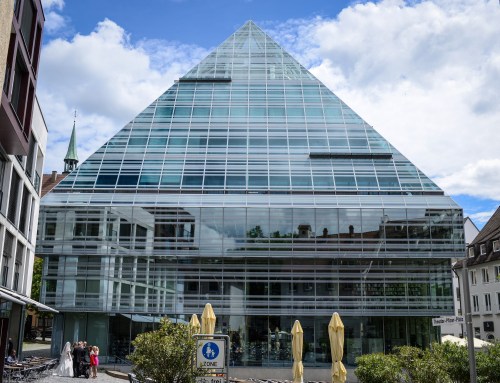
Later, we visited the old center of Ulm and walked through the 16th century cathedral which was the tallest building in the world for hundreds of years. We also photographed the ultra modern, pyramid shaped City Library. City Library, Ulm copy

Stuttgart was our next destination. The modern City Library there has a spectacular view from the eight floor looking down into the library. I spent a few happy hours photographing the view while switching lenses on both my digital and film cameras.

Leave a comment

Filed under Uncategorized